Our Issues
Public Lands
Why It Matters

Hunting & Fishing Access

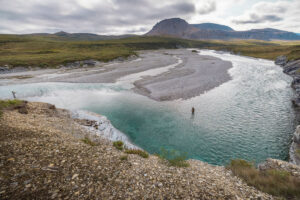
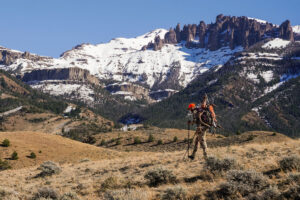
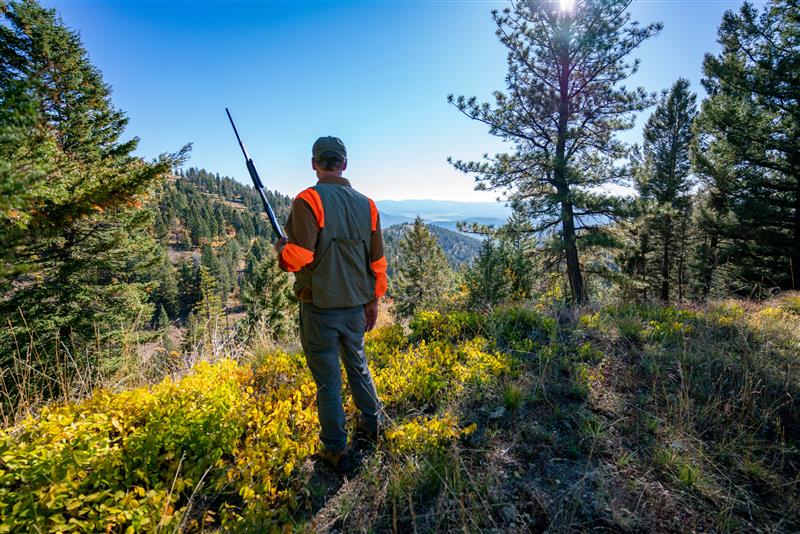
America’s 640 million acres of national public lands provide irreplaceable hunting and fishing opportunities to millions of Americans.

Learn More About Access
What TRCP is Doing

We’re working to safeguard America’s public lands so hunters and anglers always have quality places to pursue their passions.
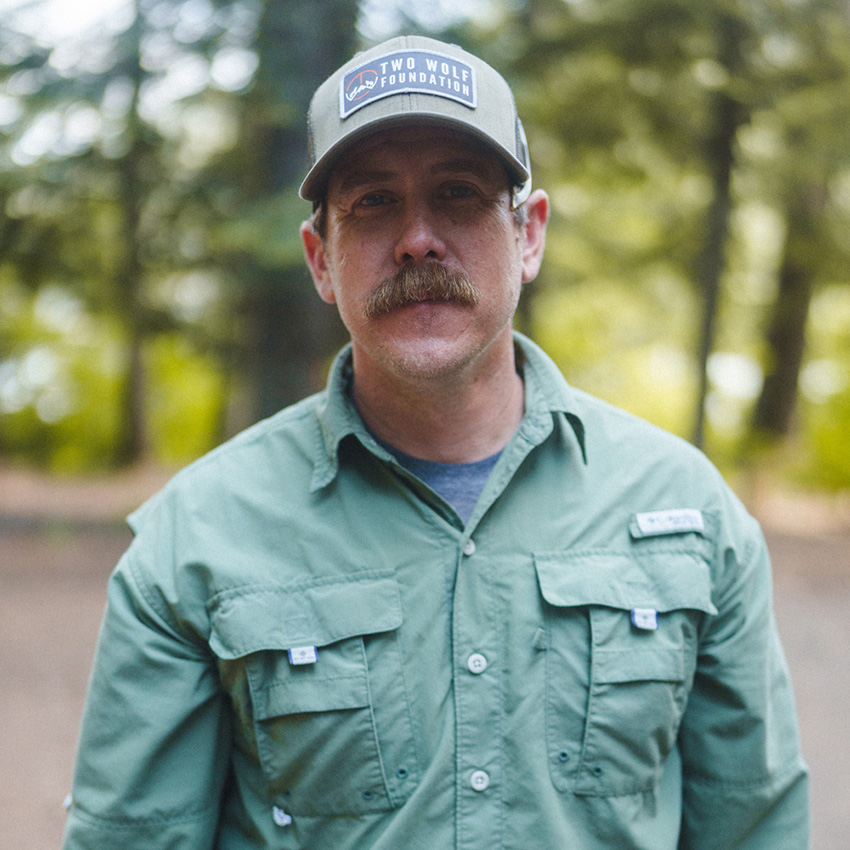
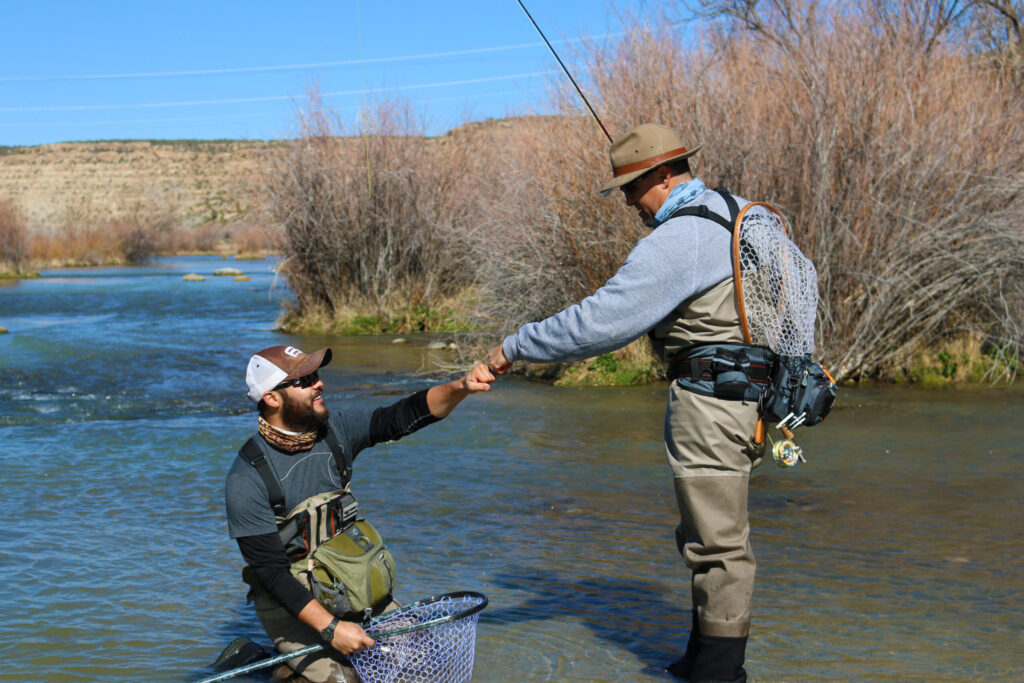
 Brian Flynn, Two Wolf Foundation
How Sportsmen Are Doing It Right

Brian Flynn, Two Wolf Foundation's Story

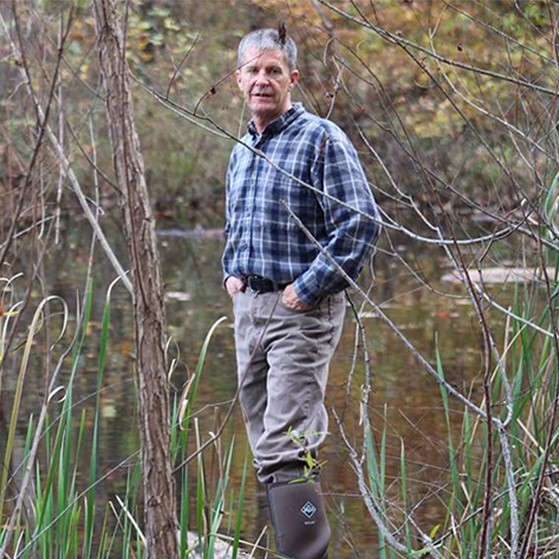
Following a distinguished career in the U.S. Army, lifelong outdoorsman Brian Flynn returned home from a deployment in Afghanistan and…

Hunting
Why It Matters

Key Issues for America’s Hunters

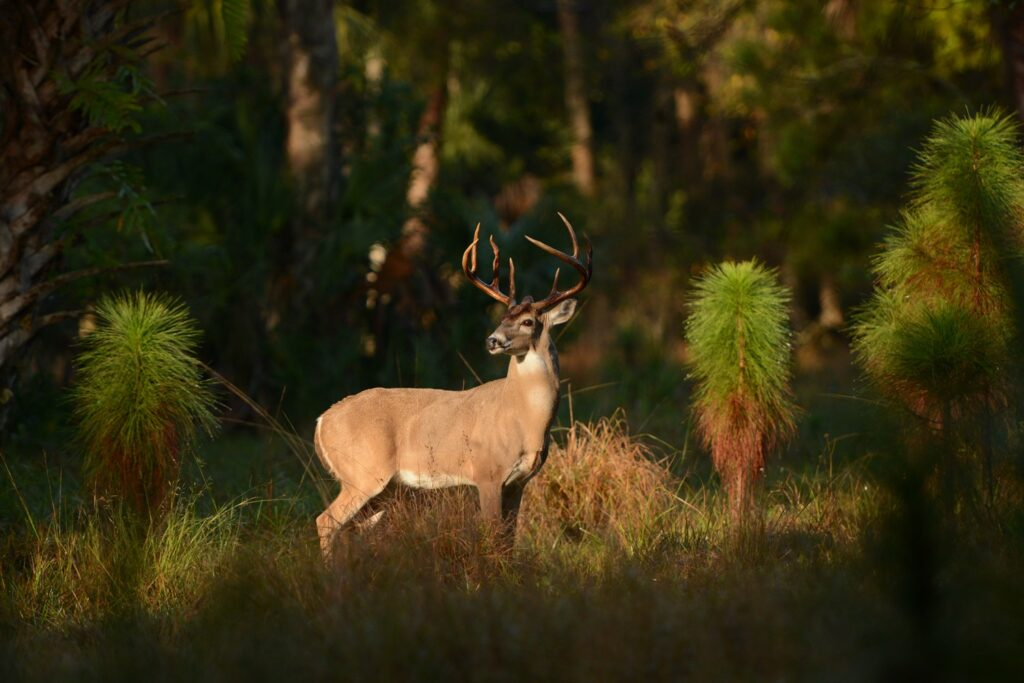
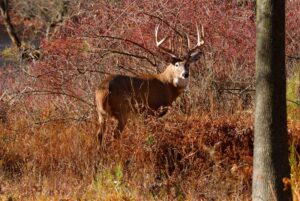
Your source for the latest policy updates, conservation challenges, and opportunities shaping America’s hunting traditions.

What TRCP is Doing

We’re fighting for meaningful policy changes that benefit wildlife, our waters, and the American landscapes that make our outdoor traditions possible.

 Ryan Sparks
How Sportsmen Are Doing It Right

Ryan Sparks's Story

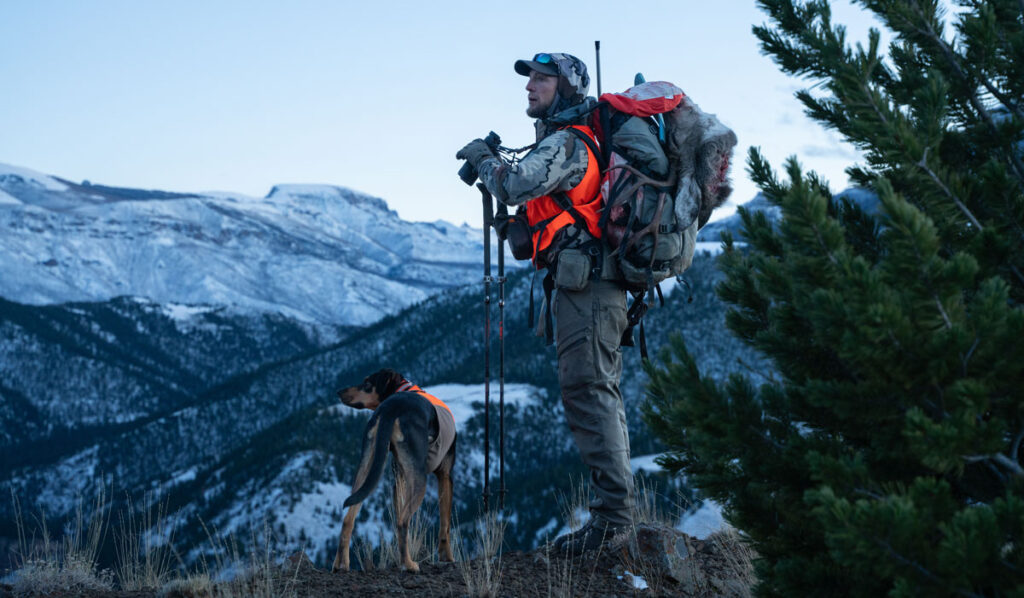
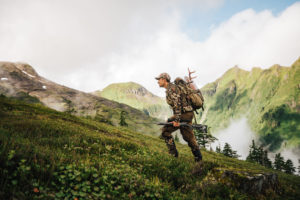
TRCP’s “In the Arena” series highlights the individual voices of hunters and anglers who, as Theodore Roosevelt so famously said,…
Fishing
Why It Matters

Key Issues for America’s Anglers

Your source for the latest policy updates, conservation challenges, and opportunities shaping America’s fishing traditions.

Sign Up For Forage Fish Updates
What TRCP is Doing

We’re fighting for meaningful policy changes that benefit wildlife, our waters, and the American landscapes that make our outdoor traditions possible.

 David Mangum
How Sportsmen Are Doing It Right

David Mangum's Story

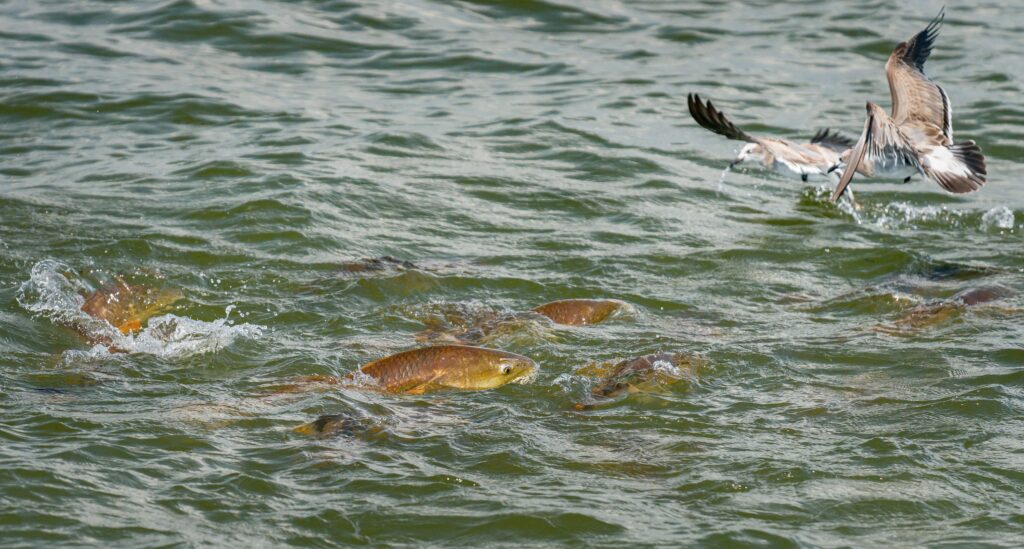
Capt. David Mangum is a YETI ambassador and outdoor photographer who utilizes his talents to produce media that inspire a…

Private Land
Why It Matters

Stewardship on America’s private lands

With 70 percent of U.S. lands in private hands and many of our best hunt and fish opportunities occurring there, investing in voluntary conservation on working lands safeguards access, strengthens habitat and water quality, and ensures resilient landscapes.

Take Action - Farm Bill 2026
What TRCP is Doing

We champion policies and programs that restore wildlife habitat, improve soil and water health, and keep working lands productive.

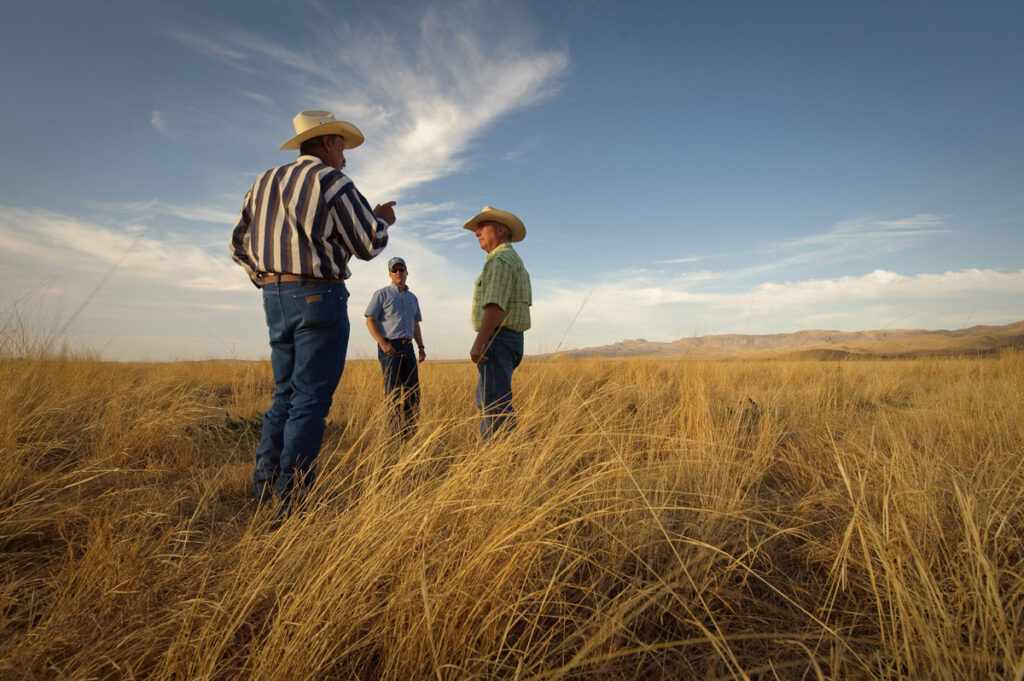
 Ward Burton
How Sportsmen are Doing It Right

Ward Burton's Story

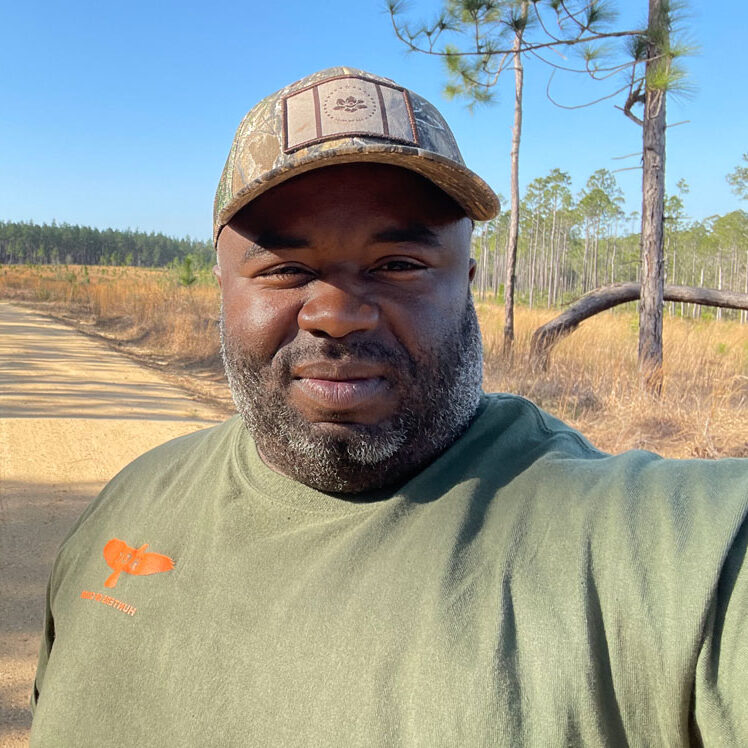
Ward Burton’s NASCAR driving career stretched across most of two decades. As an avid sportsman and conservationist, he founded the…

Special Places
Why It Matters

Special Places Worth Protecting

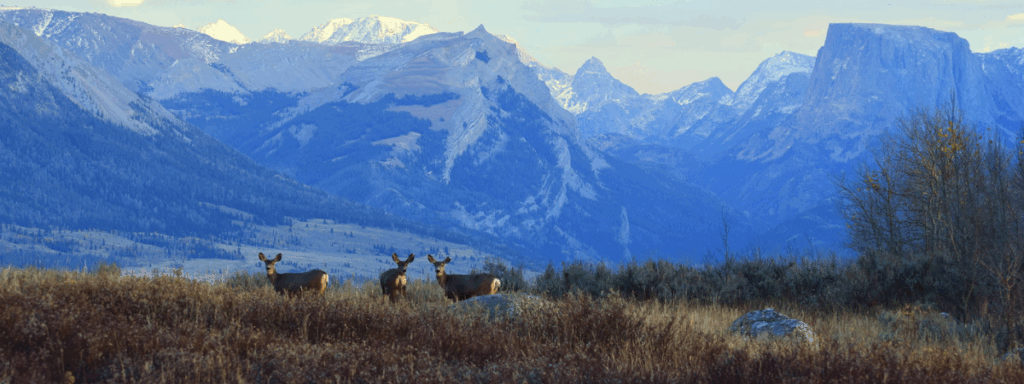
America’s most iconic landscapes provide unmatched habitat and unforgettable days afield. These places sustain wildlife, anchor local economies, and define the hunting and fishing traditions we pass down.

What TRCP is Doing

We’re working to conserve special places that provide world-class habitat and unforgettable opportunities for hunters and anglers.

 Franklin Adams
How Sportsmen Are Doing It Right

Franklin Adams's Story

As a true Gladesman, conservationist, and historian, Capt. Franklin Adams has spent more than six decades championing Everglades restoration efforts…

Habitat & Clean Water
Why It Matters

Healthy Habitat Powers Every Pursuit

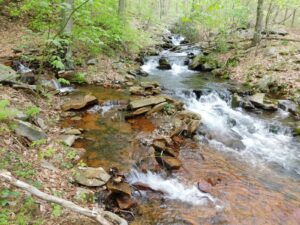
All hunting and fishing opportunities depend on quality habitat, from clean water and healthy wetlands to winter and summer habitats and the migration corridors that connect them.

All About Habitat & Clean Water
What TRCP is Doing

We are working to safeguard the habitats that power every hunting and fishing opportunity.

 Alex Harvey
How Sportsmen Are Doing It Right

Alex Harvey's Story

Alex Harvey, founder of Legacy Land Management, is a registered professional forester in Mississippi and Alabama with a Master's degree…

Science
Why It Matters

Science That Guides TRCP

From conserving migration corridors and wetlands to ensuring clean water and resilient landscapes, science provides evidence that turns conservation goals into effective action.

Science for Conservation
What TRCP is Doing

For hunters and anglers, science safeguards the experiences we treasure including resilient big game populations, abundant fish, and wild places that endure changing social landscapes.

Jamelle Ellis
Your Science Expert

Jamelle Ellis's Story

Jamelle Ellis joined the Theodore Roosevelt Conservation Partnership in 2022. Jamelle spent the last three years as an environmental sustainability…

Where We Work
Across the Nation

Conservation Across America

TRCP works across the country to ensure hunters and anglers can enjoy healthy fish and wildlife and quality days afield, no matter where they live.

See All Issues
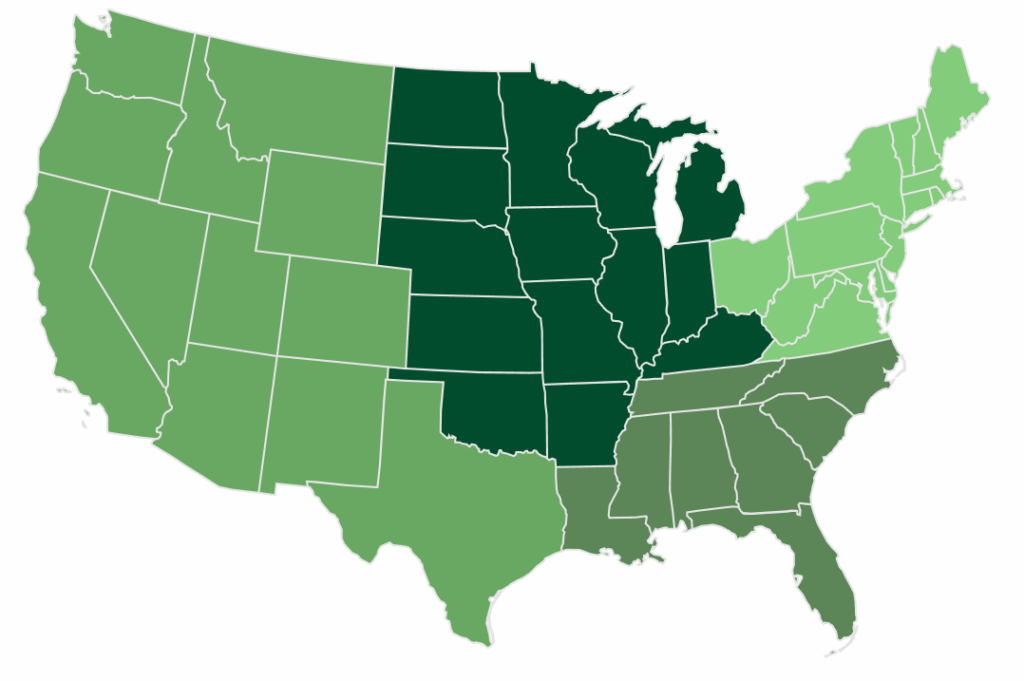
TRCP in Your Region

TRCP works across the country to ensure hunters and anglers can enjoy healthy fish and wildlife and quality days afield, no matter where they live.

Who We Are
Our Mission

To guarantee all Americans quality places to hunt & fish

We unite and amplify our partners’ voices to advance America’s legacy of conservation, habitat, and access.

Our Mission & Values
Our People & Partners
  • Meet the TRCP Team

    Our staff and board members unite and amplify our partners’ voices to advance America’s legacy of conservation, habitat, and access.

    Meet the Team
  • Our Partners

    ‘Partnership’ is in our name. We work with 64 diverse partner groups that represent today’s leading hunting, fishing, and conservation organizations in order to strengthen the sportsman’s voice in Washington, D.C.

    Our Partners
  • Corporate Council

    TRCP’s Corporate Council is made up of diverse corporations that share a common passion for conservation.

    Corporate Council
Our Organization

Looking for more information?

Explore our latest news, policy updates, and conservation resources to get the information you need.

Giving
How You Can Help

To guarantee all Americans quality places to hunt & fish

Your tax-deductible donation will support TRCP's mission, now and into the future.

DONATE
Special Ways to support trcp
  • Capital Conservation Awards Dinner

    The CCAD is one of Washington's best-attended conservation celebrations, featuring dinner, cocktails, and a silent auction.

    Learn More
  • Step Into the Arena

    Help us ensure that our treasured wild habitats and game remain intact for the next generation to enjoy – lend your support to the TRCP’s efforts today!

    Donate
  • Roosevelt Roast

    TRCP has partnered with Afuera Coffee Co. to further our commitment to conservation.

    Learn More
More donation options

Find the best way for you to lend your support. Join one of TRCP’s donor circles for special invitations, premium offerings from outdoor retailers, and more exclusive benefits. Take control of your legacy with planned giving or contribute to special conservation funds.

Other Ways To Give
News
In the Spotlight

Your Kid’s Favorite Book Is Making the Case for Wildlife Crossings

A coyote slips under a bridge in a children's book — and it's making the case for one of the smartest conservation investments in America. Here's why hunters and anglers should pay attention.

Read More

Stay Informed

Receive our newsletter, the Roosevelt Report, right in your inbox. Never miss the latest news in conservation issues.

by:

posted in:

August 24, 2020

64269326_10157264836839450_5400786821984550912_o

Do you have any thoughts on this post?

XHTML: You can use these tags: <a href="" title=""> <abbr title=""> <acronym title=""> <b> <blockquote cite=""> <cite> <code> <del datetime=""> <em> <i> <q cite=""> <s> <strike> <strong>

Comments must be under 1000 characters.

by:

posted in:

August 21, 2020

A Healthy Chesapeake Bay Starts with Healthy Waters Upstream

Here’s a short explainer on what it’s going to take to clean up pollution and reduce the dead zone in the Bay.

The Chesapeake Bay watershed is a lifeline to 18 million people and 3,600 species of animals and plants. Its impact reverberates not just in the immediate Bay, but in the six states (Delaware, Maryland, New York, Pennsylvania, Virginia, and West Virginia) and District of Columbia, that feed it.

The watershed’s connectivity to major urban environments and working agricultural lands have contributed to massive amounts of pollution flowing into the Bay significantly harming water quality and negatively impacting the fish and wildlife. Every year, a dead zone forms along the mainstem of the Chesapeake Bay, occupying about 40 percent of its area and up to 5 percent of the Bay’s water volume.

A Commitment to Clean-Up

While the states worked for decades to try to clean up the Bay and the waterways that fed it, efforts were coming up short. So in 2010, the federal government stepped in to help create a plan to clean up the Bay by 2025. The Chesapeake Bay Total Maximum Daily Load (TMDL) established pollution benchmarks that the states would have to meet.  In order to achieve those goals, each state developed Watershed Implementation Plans, which have been updated over time. States are currently on Phase 3 of their Watershed Implementation Plans.

Unfortunately, it appears as if Pennsylvania is at risk of falling short. This is deeply troubling since most of the pollutants entering the Bay come from Pennsylvania. For example, the Susquehanna River, which flows from New York through Pennsylvania and into Maryland, provides about half of the water for the Chesapeake Bay. A 2020 preliminary report by Pennsylvania’s Department of Environmental Protection found that 30 percent (25,850 stream miles) of Pennsylvania portion of the Susquehanna River is impaired.

To meet its nitrogen reduction goals, Pennsylvania needs to reduce the amount of nitrogen that it releases into the Bay by 34 million pounds, but under its Phase 3 Watershed Implementation plan, it will only be able to cut two-thirds of that pollution.

Barriers to a Better Bay

So, what is preventing Pennsylvania from meeting its goal? Well, in order to meet its pollution reduction benchmark, Pennsylvania would need to invest an additional $257 million a year into its Bay waterways.  We think this is a wise investment, given that the Bay filters drinking water for 75 percent of watershed residents.

Unfortunately, Pennsylvania state lawmakers tried to pass legislation that would freeze or redirect funding for some of the state’s most effective conservation programs.

We know that policymakers are under mounting pressure as they deal with coronavirus impacts and the ensuing economic fallout, but now is not the time to cut job-creating investments. The Bay contributes billions of dollars to our economy every year.

So what can hunters and anglers do?

  • Raise awareness about this issue by sharing this blog on your social media channel.

by:

posted in:

August 20, 2020

Lawmakers Are About to Negotiate Two Important Conservation Bills

Because different versions of each bill have been passed by the House and Senate, conference committees will debate which provisions move forward.

Considering the recent wins we’ve been able to celebrate for conservation—some that have been on our community’s bucket list for decades—it would be cynical to think that sportsmen and women are not being heard by decision-makers right now. If we continue to show up with practical solutions, we can continue to expect victories for fish and wildlife habitat, hunting and fishing opportunities, and our outdoor recreation businesses.

In that spirit, we’re watching two bills very closely as they move into a final phase of debate: The Water Resources Development Act and what’s generally referred to as a Highway Bill. Congress has a responsibility to pass these packages every few years—unlike a Great American Outdoors Act, for example, that goes through the process only once.

Here’s what’s at stake and what success could look like.

Water Wins in the Making

The Legislation: The Water Resources Development Act is a must-pass two-year bill that authorizes water conservation and enhancement projects, many with benefits for fish and wildlife habitat.

How We Got Here: The America’s Water Infrastructure Act of 2020, with the Senate’s WRDA provisions, passed out of committee in May 2020. The House WRDA passed in a voice vote on the floor in late July.

What Sportsmen and Women Need Out of Negotiations: To safeguard America’s fish and wildlife habitat, it’s critical that the final bill takes meaningful steps forward on managing invasive species, addressing harmful algal blooms, and increasing the use of natural infrastructure that can improve fish and wildlife habitat while also addressing challenges like floods, sea level rise, and coastal land loss.

Both the House and Senate bills contain provisions that we like, and many have to do with clearing the way for more natural or nature-based infrastructure solutions. Reminder: This could mean anything from restoring wetlands that can better filter annual floodwaters to reversing coastal erosion by diverting river sediment that needs to be removed to areas that desperately need it.

These natural solutions boost habitat, are often more cost effective, and age better than traditional “gray” infrastructure, but planning for them requires more than just a mindset shift—WRDA can help outline the policies and procedures that ensure these projects stand up to cost-benefit analyses and ultimately get the green light from federal agencies.

If you’re interested in a deep, section-by-section breakdown of what we like in the House and Senate bills, 14 other organizations joined us in sending this letter to Congress with the details.

No Speed Limit for These Habitat Improvements

The Legislation: The five-year Highway Bill expires in a little over a month, and the clock is ticking on new legislation that authorizes projects related to our road systems. Especially at a time with record unemployment, considering conservation benefits at the start of these projects can help put Americans back to work.

How We Got Here: The Senate bill saw action and approval at the committee level last summer. The House worked its Highway Bill, the INVEST in America Act, into H.R. 2, the Moving Forward Act, which passed on July 1, 2020.

What Sportsmen and Women Need Out of Negotiations: This must-pass legislation presents an opportunity to energize the American economy, improve habitat connectivity and water quality, enhance public safety, and even expand hunter and angler access.

We especially like the House language and Senate funding levels set for states to prioritize, study, and build wildlife-friendly highway crossings—like overpasses, underpasses, culverts, and fences to funnel wildlife away from roads. These structures save human and animal lives and can connect migration routes disrupted by roadways.

It’s encouraging to see both chambers prioritize investments in wildlife crossings, but we’re pushing negotiators to adopt the Senate’s program, which guarantees new dedicated funding for projects, rather than diverting money from other programs. The Senate version also makes sure that states with smaller populations – often the ones with the greatest need for wildlife crossings – have access to the funds.

As in the water resources bill, conference negotiators can also do more for fish and wildlife while addressing the country’s infrastructure challenges. The TRCP is supportive of provisions that would invest in and authorize programs that prioritize natural infrastructure solutions, enhance water quality, and bolster drought resilience.

In particular, $500 million should be appropriated to the Army Corps of Engineers to complete a backlog of projects with habitat benefits that have already been authorized. Funding proposed for state support—including an increase for the Clean Water State Revolving Fund, with 15 percent carved out specifically for natural infrastructure projects—should be included in the final bill, along with authorization for watershed recovery efforts in the Great Lakes, Chesapeake Bay, and Colorado River Basin.

Other important provisions include reauthorization of successful habitat and access programs, including those that support sportfishing, recreational boating, coastal resilience, forest management, conservation funding solutions, and improving outdoor recreation access for underserved communities.

Obviously, between the two bills and a very busy congressional calendar this fall, there is a lot at stake for hunters and anglers. Sign up to receive our emails so you don’t miss a single update.

This blog was co-authored by Kristyn Brady, Andrew Wilkins, and Kim Jensen. 

by:

posted in:

August 13, 2020

Millions in CWD Funding Intended for States Is Going to Captive Deer Operators

Help us push back and demand transparency—not to mention results for wild deer—from decision-makers at the U.S. Department of Agriculture

Here’s an important topic to bring up at deer camp this year: Hunters were handed a win when Congress recently set aside funding to address the rampant spread of chronic wasting disease—that other epidemic that sportsmen and women know well by now. But the agency tasked with distributing the funds to state agencies has already carved out nearly a third of the total pot for the captive deer industry.

The TRCP is pushing back on this questionable use of funds and other moves that will undermine results for our wild deer. And we need your help.

Millions Misspent?

For years, sportsmen and women have called on lawmakers to take meaningful federal action to control CWD among our wild deer, elk, and moose populations. In 2020, Congress responded by appropriating $5 million to the U.S. Department of Agriculture to send directly to state wildlife and agricultural departments tasked with responding to the disease.

Instead, the Animal and Plant Health Inspection Service is funneling $1.5 million of that funding to individual captive deer operations that have had to eliminate CWD-positive animals. These indemnification payments aid businesses that have unfortunately already been part of the CWD problem and don’t address the continued strain placed on state agencies scrambling to manage the spread of the disease.

APHIS has made it clear that they place a higher value on the $4-billion captive deer industry than on hunters who generate $40 billion each year and contribute to conservation.

In a recent stakeholder meeting to determine how CWD funds would be spent, the captive side outnumbered sportsmen’s groups two to one. (We know this because TRCP was invited to contribute, along with the Boone & Crockett Club, Congressional Sportsmen’s Foundation, National Deer Alliance, and the Wildlife Management Institute.) As a result, the conversations and resulting recommendations repeatedly skewed away from our priorities.

It gets worse: The service’s voluntary Herd Certification Program, which certifies that these businesses adhere to best practices for preventing disease transmission, does not effectively guarantee that a herd is CWD-free. Despite this, APHIS continues to allow the movement of captive herds across state lines, facilitating further spread of the disease.

What You Can Do

As sportsmen and women, we refuse to be undervalued or ignored. But based on what we’ve seen in this decision-making process, we need to be twice as loud to get the attention of APHIS, or else congressional funding for CWD will make no measurable impact for our wild deer herds.

For APHIS to do right by hunters and wild deer, we need to see the agency do the following:

  • Spend appropriated funds in a way that effectively addresses the spread of CWD in captive and wild cervid populations.
  • Listen to hunter voices, address our priorities, and be transparent about decision-making.
  • Update the Herd Certification Program to prevent the transmission of CWD across state lines and hold captive deer operators accountable.
  • Improve coordination with other state and federal partners working to contain the disease.

The TRCP is also pushing for a congressional review of APHIS’s appropriation spending, but in the meantime we need your help to demand the above changes.

Support the future of deer hunting and push back against misuse of CWD response funding by signing our open letter to the USDA.

TAKE ACTION >

by:

posted in:

New Report Highlights Progress on Conserving Big Game Habitat

Hunters encouraged with progress to conserve winter range and migration corridors in the West

The Department of Interior has released a report showing that progress is underway to preserve big game habitat in the West.

The report highlights progress in implementing an Interior policy to improve habitat quality in Western big game winter range and migration corridors.

Secretarial Order 3362, signed on February 9, 2018, has been lauded by sportsmen and women for giving more attention to land management and planning in habitats where mule deer, elk, pronghorn antelope, and other species migrate, rest, and spend the winter months.

“Not all federal policies yield quick results on the ground, but this one has already delivered so far for big game and hunters,” says Madeleine West, director of Western lands for the Theodore Roosevelt Conservation Partnership. “We know that much work needs to be done to ensure the long-term conservation of our iconic wildlife species and migrations across the West.”

Since the enactment of the Order on migration, the Department has provided 11 Western states with $6.4 million to address state-defined priority research projects and the mapping of elk, mule deer, and pronghorn migrations and habitat use. Additionally, the National Fish and Wildlife Foundation and Partners for Fish and Wildlife program have provided nearly $10 million, matched with more than $30 million from other partners, for habitat improvement and fencing projects.

“The resources provided to the states for research have advanced the science on migration across the West,” said Dr. Ed Arnett, chief scientist for the Theodore Roosevelt Conservation Partnership. “The data emerging from those studies, coupled with investments in habitat improvement and restoration, will boost big game populations and ultimately improve sustainable opportunities for hunters in the future.”

The report also highlighted that long-term success will require strong partnerships and diverse funding sources.

The report is available here.


Top photo by Gregory Nickerson/Wyoming Migration Initiative.

HOW YOU CAN HELP

TRCP has partnered with Afuera Coffee Co. to further our commitment to conservation. $4 from each bag is donated to the TRCP, to help continue our efforts of safeguarding critical habitats, productive hunting grounds, and favorite fishing holes for future generations.

Learn More

You have Successfully Subscribed!

You have Successfully Subscribed!

You have Successfully Subscribed!

You have Successfully Subscribed!