Our Issues
Public Lands
Why It Matters

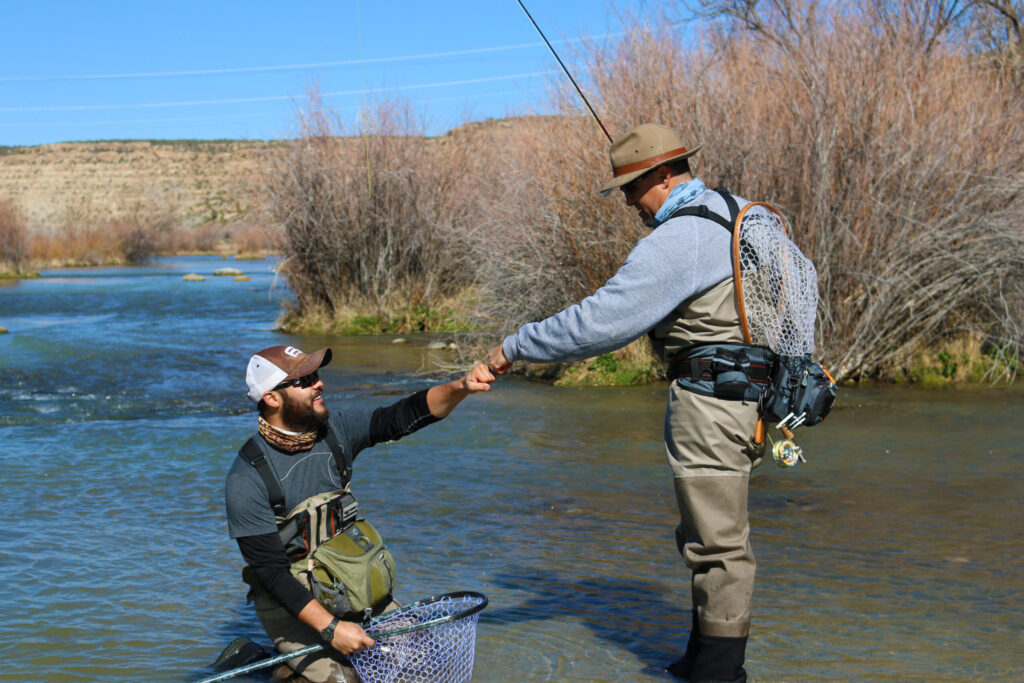
Hunting & Fishing Access

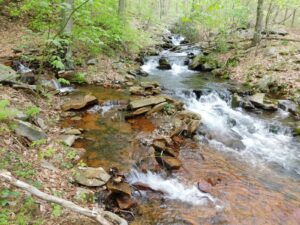
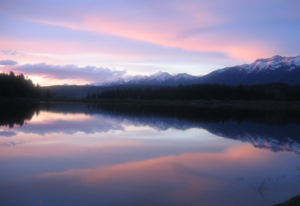
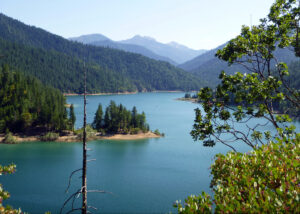
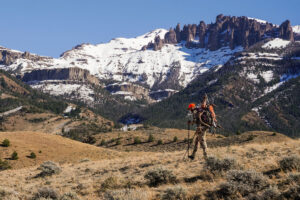
America’s 640 million acres of national public lands provide irreplaceable hunting and fishing opportunities to millions of Americans.

Learn More About Access
What TRCP is Doing

We’re working to safeguard America’s public lands so hunters and anglers always have quality places to pursue their passions.
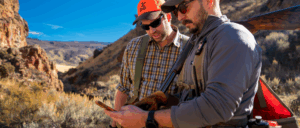
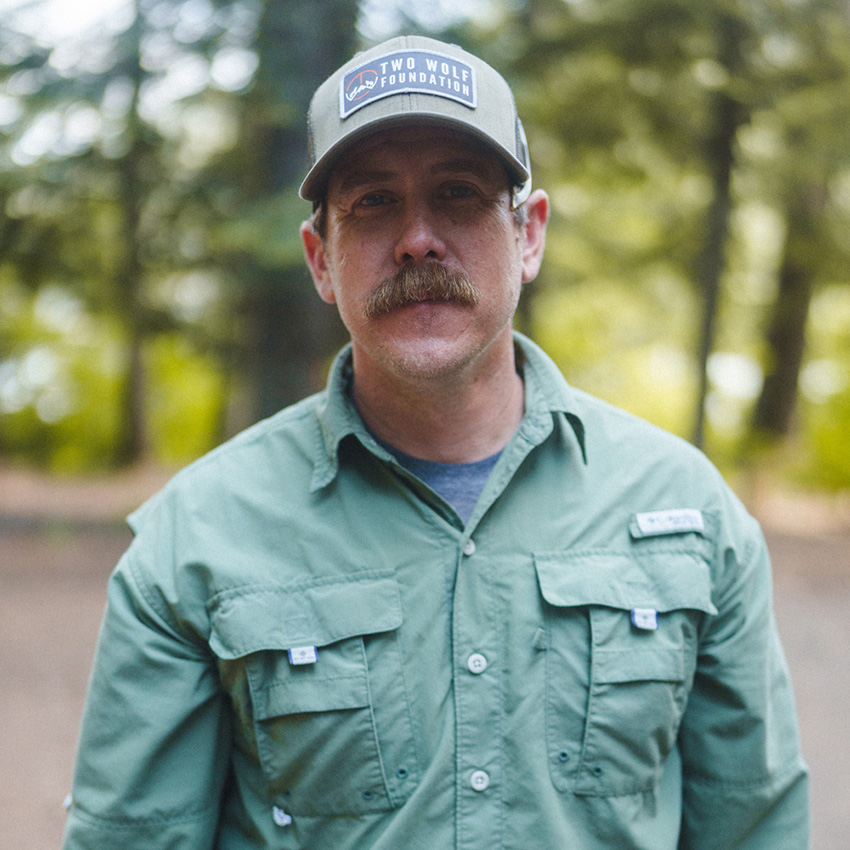
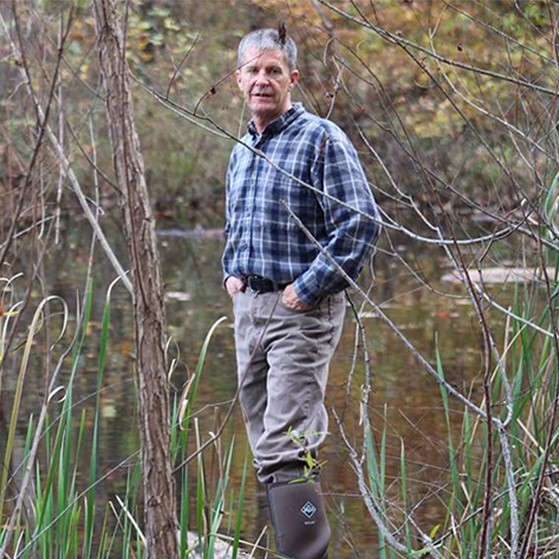
 Brian Flynn, Two Wolf Foundation
How Sportsmen Are Doing It Right

Brian Flynn, Two Wolf Foundation's Story

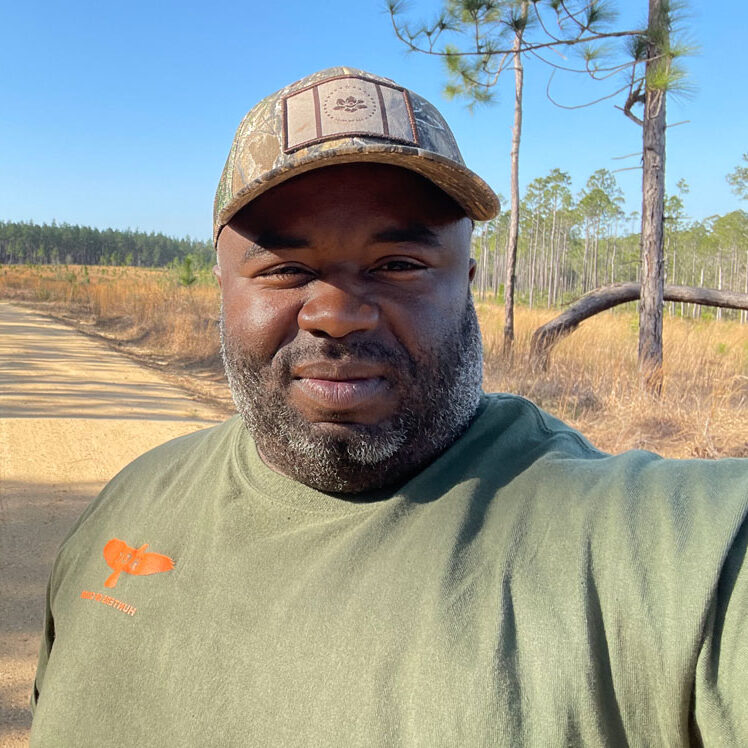
Following a distinguished career in the U.S. Army, lifelong outdoorsman Brian Flynn returned home from a deployment in Afghanistan and…

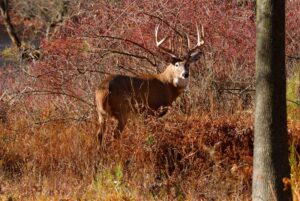
Hunting
Why It Matters

Key Issues for America’s Hunters

Your source for the latest policy updates, conservation challenges, and opportunities shaping America’s hunting traditions.

What TRCP is Doing

We’re fighting for meaningful policy changes that benefit wildlife, our waters, and the American landscapes that make our outdoor traditions possible.

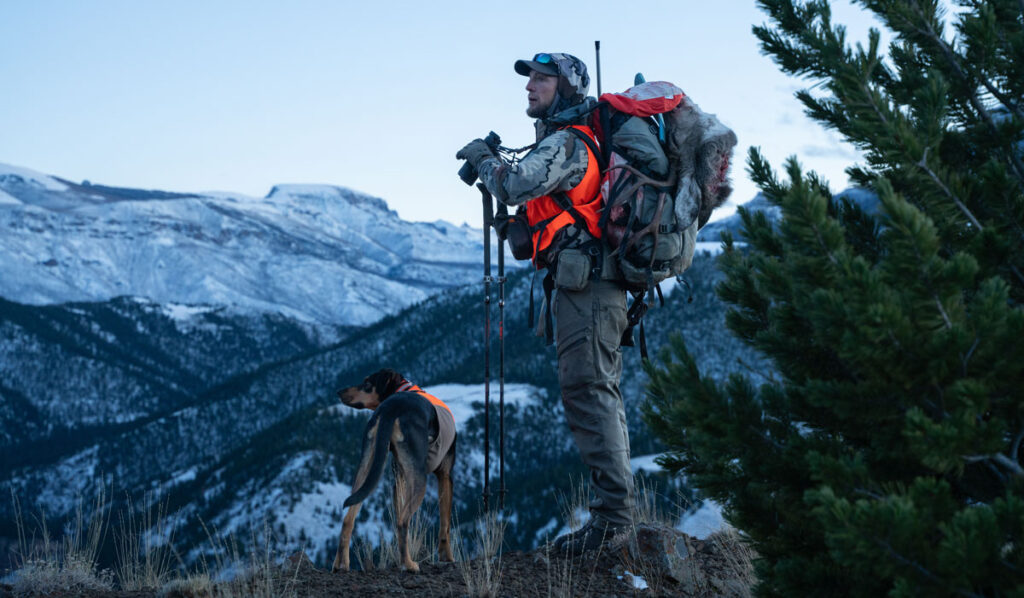
 Ryan Sparks
How Sportsmen Are Doing It Right

Ryan Sparks's Story

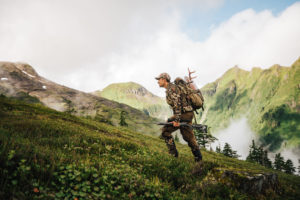
TRCP’s “In the Arena” series highlights the individual voices of hunters and anglers who, as Theodore Roosevelt so famously said,…
Fishing
Why It Matters

Key Issues for America’s Anglers

Your source for the latest policy updates, conservation challenges, and opportunities shaping America’s fishing traditions.

What TRCP is Doing

We’re fighting for meaningful policy changes that benefit wildlife, our waters, and the American landscapes that make our outdoor traditions possible.

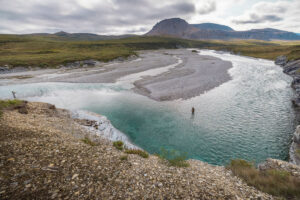
 David Mangum
How Sportsmen Are Doing It Right

David Mangum's Story

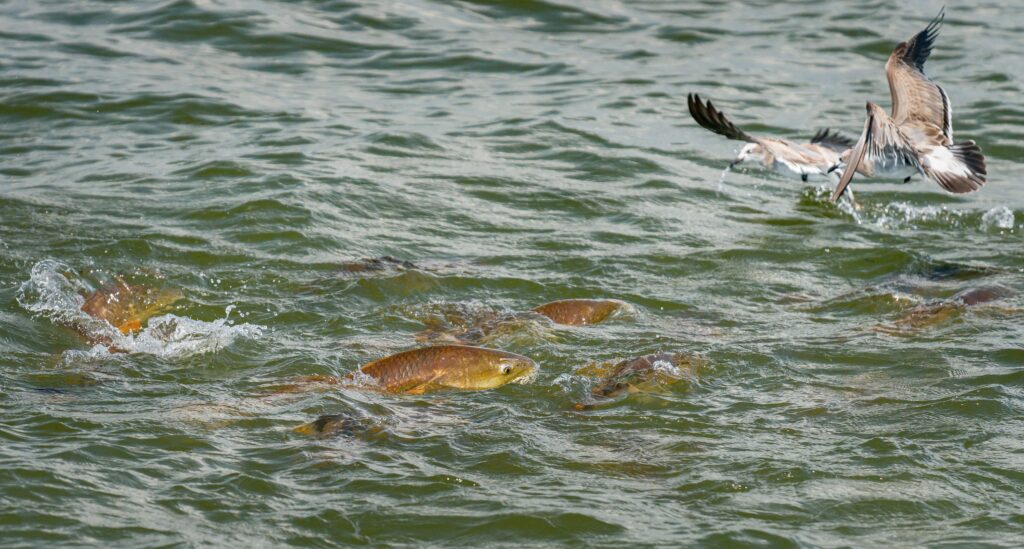
Capt. David Mangum is a YETI ambassador and outdoor photographer who utilizes his talents to produce media that inspire a…

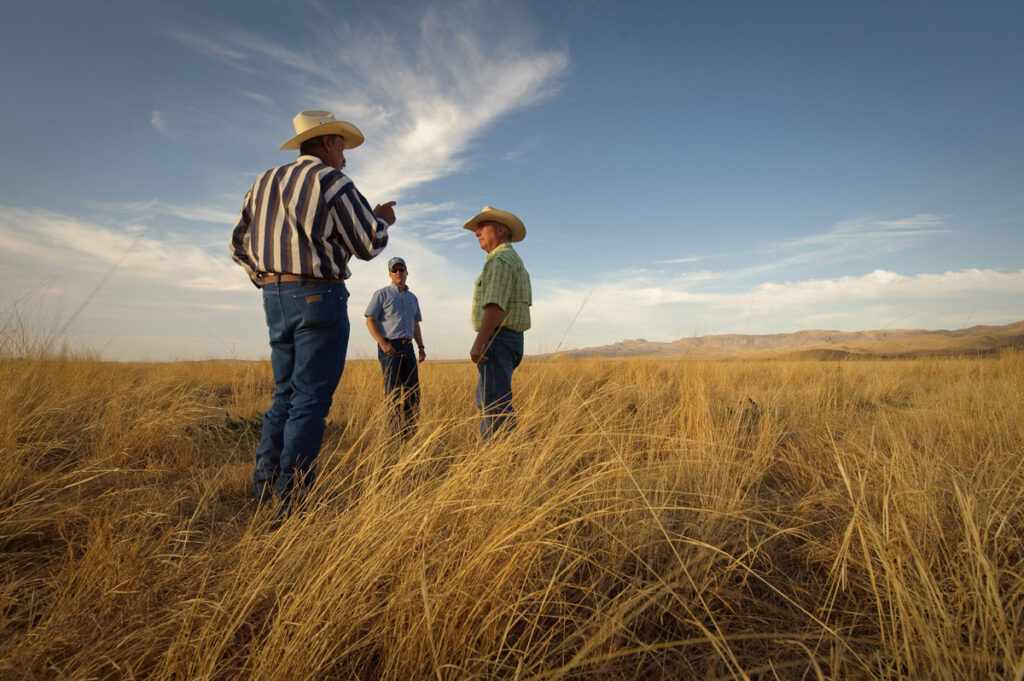
Private Land
Why It Matters

Stewardship on America’s private lands

With 70 percent of U.S. lands in private hands and many of our best hunt and fish opportunities occurring there, investing in voluntary conservation on working lands safeguards access, strengthens habitat and water quality, and ensures resilient landscapes.

Learn More
What TRCP is Doing

We champion policies and programs that restore wildlife habitat, improve soil and water health, and keep working lands productive.

 Ward Burton
How Sportsmen are Doing It Right

Ward Burton's Story

Ward Burton’s NASCAR driving career stretched across most of two decades. As an avid sportsman and conservationist, he founded the…

Special Places
Why It Matters

Special Places Worth Protecting

America’s most iconic landscapes provide unmatched habitat and unforgettable days afield. These places sustain wildlife, anchor local economies, and define the hunting and fishing traditions we pass down.

What TRCP is Doing

We’re working to conserve special places that provide world-class habitat and unforgettable opportunities for hunters and anglers.

 Franklin Adams
How Sportsmen Are Doing It Right

Franklin Adams's Story

As a true Gladesman, conservationist, and historian, Capt. Franklin Adams has spent more than six decades championing Everglades restoration efforts…

Habitat & Clean Water
Why It Matters

Healthy Habitat Powers Every Pursuit

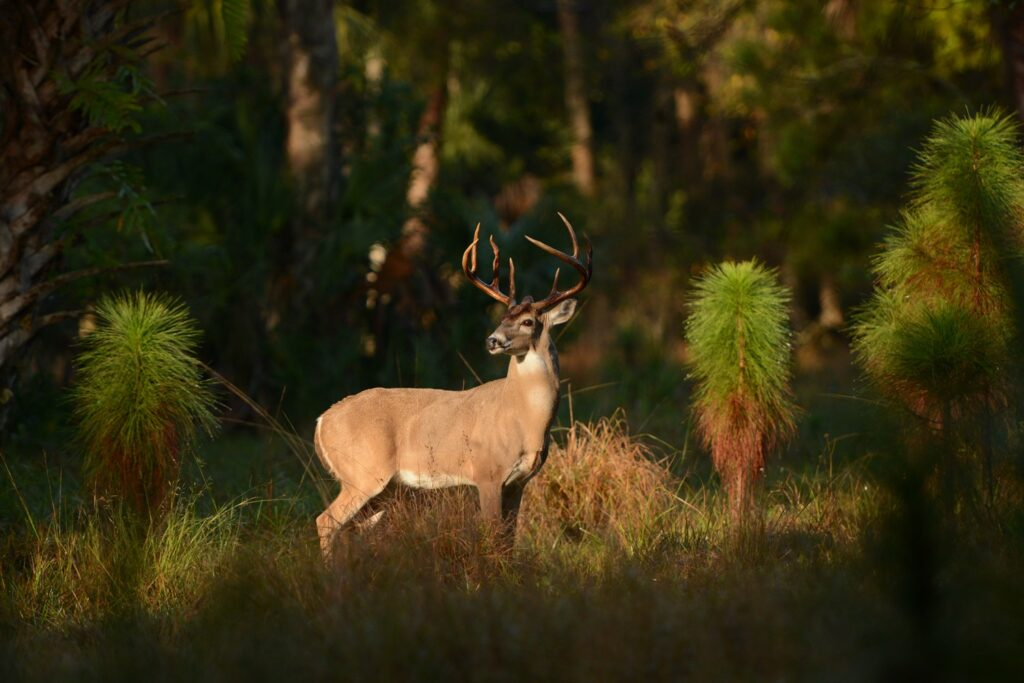
All hunting and fishing opportunities depend on quality habitat, from clean water and healthy wetlands to winter and summer habitats and the migration corridors that connect them.

All About Habitat & Clean Water
What TRCP is Doing

We are working to safeguard the habitats that power every hunting and fishing opportunity.

 Alex Harvey
How Sportsmen Are Doing It Right

Alex Harvey's Story

Alex Harvey, founder of Legacy Land Management, is a registered professional forester in Mississippi and Alabama with a Master's degree…

Science
Why It Matters

Science That Guides TRCP

From conserving migration corridors and wetlands to ensuring clean water and resilient landscapes, science provides evidence that turns conservation goals into effective action.

Science for Conservation
What TRCP is Doing

For hunters and anglers, science safeguards the experiences we treasure including resilient big game populations, abundant fish, and wild places that endure changing social landscapes.

Jamelle Ellis
Your Science Expert

Jamelle Ellis's Story

Jamelle Ellis joined the Theodore Roosevelt Conservation Partnership in 2022. Jamelle spent the last three years as an environmental sustainability…

Where We Work
Across the Nation

Conservation Across America

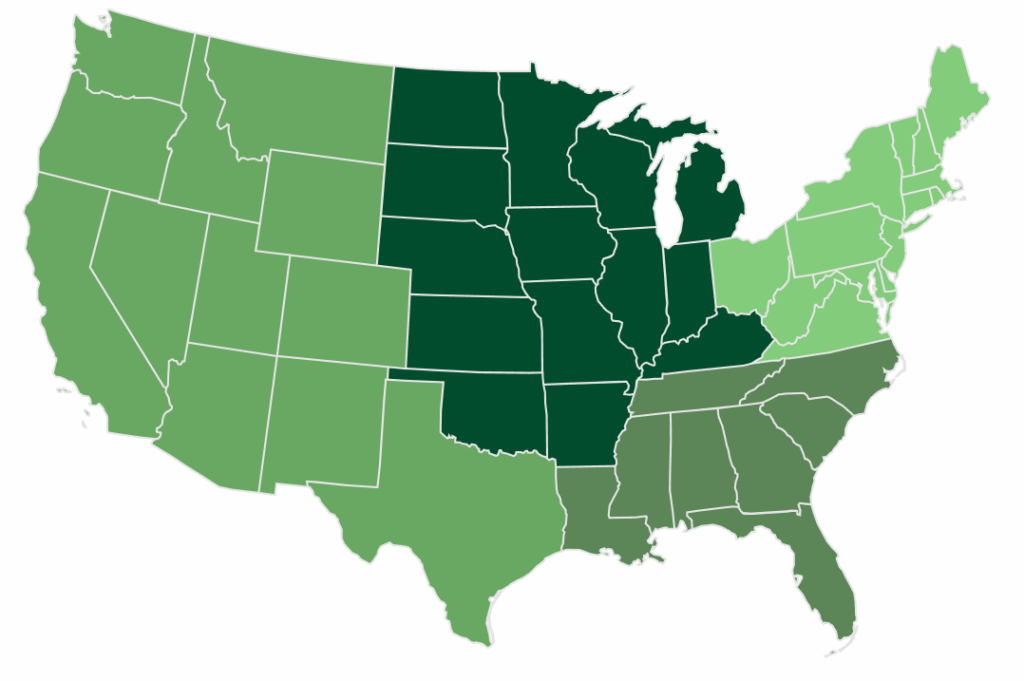
TRCP works across the country to ensure hunters and anglers can enjoy healthy fish and wildlife and quality days afield, no matter where they live.

See All Issues
TRCP in Your Region

TRCP works across the country to ensure hunters and anglers can enjoy healthy fish and wildlife and quality days afield, no matter where they live.

Who We Are
Our Mission

To guarantee all Americans quality places to hunt & fish

We unite and amplify our partners’ voices to advance America’s legacy of conservation, habitat, and access.

Our Mission & Values
Our People & Partners
  • Meet the TRCP Team

    Our staff and board members unite and amplify our partners’ voices to advance America’s legacy of conservation, habitat, and access.

    Meet the Team
  • Our Partners

    ‘Partnership’ is in our name. We work with 64 diverse partner groups that represent today’s leading hunting, fishing, and conservation organizations in order to strengthen the sportsman’s voice in Washington, D.C.

    Our Partners
  • Corporate Council

    TRCP’s Corporate Council is made up of diverse corporations that share a common passion for conservation.

    Corporate Council
Our Organization

Looking for more information?

Explore our latest news, policy updates, and conservation resources to get the information you need.

Giving
How You Can Help

To guarantee all Americans quality places to hunt & fish

Your tax-deductible donation will support TRCP's mission, now and into the future.

DONATE
Special Ways to support trcp
  • Capital Conservation Awards Dinner

    The CCAD is one of Washington's best-attended conservation celebrations, featuring dinner, cocktails, and a silent auction.

    Learn More
  • Step Into the Arena

    Help us ensure that our treasured wild habitats and game remain intact for the next generation to enjoy – lend your support to the TRCP’s efforts today!

    Donate
  • Roosevelt Roast

    TRCP has partnered with Afuera Coffee Co. to further our commitment to conservation.

    Learn More
More donation options

Find the best way for you to lend your support. Join one of TRCP’s donor circles for special invitations, premium offerings from outdoor retailers, and more exclusive benefits. Take control of your legacy with planned giving or contribute to special conservation funds.

Other Ways To Give
News
In the Spotlight

TRCP Appreciates Make America Beautiful Again 250 Strategy and Migration Announcements

Efforts will continue progress on habitat, access, and big game migration corridor conservation

Read More

Stay Informed

Receive our newsletter, the Roosevelt Report, right in your inbox. Never miss the latest news in conservation issues.

May 7, 2020

Senate Committee Advances Water Infrastructure Legislation

Bipartisan bill would create jobs, benefit aquatic ecosystems

The Senate Environment and Public Works Committee has passed legislation to invest in water infrastructure, remove barriers to the use of natural infrastructure, and combat invasive species.

The America’s Water Infrastructure Act of 2020 passed the committee by a vote of 21 to 0.

“Investing in water infrastructure creates jobs, benefits aquatic ecosystems, and spurs healthier habitat, fisheries, and wildlife,” said Whit Fosburgh, president and CEO of the Theodore Roosevelt Conservation Partnership. “We want to thank the committee for helping reduce barriers to the use of natural infrastructure, combat invasive species, and incentivize innovation.”

The bill contained several conservation components, including:

  • Investing in natural infrastructure
  • Addressing toxic algal blooms in the Everglades and Great Lakes
  • Remedy issues caused by invasive species
  • Funding watercraft inspection and decontamination stations
  • Modernizing aging irrigation delivery systems to reduce pressure on river systems that face drought


Top photo by Florida Fish and Wildlife

7 Responses to “Senate Committee Advances Water Infrastructure Legislation”

  1. Robert Palmer

    Why isn’t the lawn fertilizer industry ever accused? People add tons of this to their lawns every year! Just so they can compete with neighbors for who has the greenest weed free grass??? All that stuff also has to wash into our Great Lakes … let’s stop this!!
    Or is there too much money involved 😡😡

Do you have any thoughts on this post?

XHTML: You can use these tags: <a href="" title=""> <abbr title=""> <acronym title=""> <b> <blockquote cite=""> <cite> <code> <del datetime=""> <em> <i> <q cite=""> <s> <strike> <strong>

Comments must be under 1000 characters.

May 5, 2020

New Report on Big Game Migration Demonstrates Colorado’s Commitment to Key Conservation Priority

Sportsmen and women applaud the state’s assessment of threats to winter range and migration corridors and recommended conservation actions

Today Colorado Parks & Wildlife released its 2020 Status Report on Big Game Winter Range and Migration Corridors, a significant milestone in its work to conserve critical seasonal habitat and a direct result of Governor Jared Polis’ 2019 executive order on this issue. Sportsmen and women welcome the publication as a valuable resource to improve the conservation of big game winter range and migration corridors, as well as the agency’s commitment to this opportunity.

The report provides the public with a foundational understanding of the best-available science regarding Colorado’s migratory big game populations, including mule deer, elk, pronghorn, bighorn sheep, and moose. It also provides a snapshot of ongoing research on big game and areas requiring further study. Furthermore, Colorado Parks & Wildlife includes in the report a series of recommended actions to address the various threats to big game migration in the state.These recommendations set the stage for the next of the directives in Governor Polis’ order: a report to be completed by July 1 that includes policy actions necessary to conserve big game and their habitat.

“One of the biggest issues facing the conservation of big game migration corridors and seasonal habitats is ensuring policy is grounded in the most current science,” said Dr. Ed Arnett, Chief Scientist for the Theodore Roosevelt Conservation Partnership. “This report provides a good foundation to tackle that challenge and offers a blueprint to guide the work of state and federal agencies as well as their partners. Colorado Parks & Wildlife should be commended for their work and vision for big game conservation.”

In addition to outlining how the state manages and studies these big game animals, as well as summarizing the most up-to-date science regarding their populations, seasonal habitats and migration routes, and the threats they face, the report provides a forward-looking assessment of what is needed to ensure Colorado’s big game migrations continue well into the future. For each general category of conservation threat, such as transportation, the agency identifies specific problems and actions it will take to mitigate potential harm to big game populations. Along similar lines, Colorado Parks & Wildlife has produced a multifaceted list of short- (1-3 years) and long-term needs for additional data and better management.

“Colorado’s wildlife resources and hunting opportunities are second-to-none across the West, and the leadership shown by decision-makers and agency staff to conserve big game migration corridors will ensure that legacy continues well into the future,” said Madeleine West, Director of the Center for Western Lands with the Theodore Roosevelt Conservation Partnership and a Colorado resident. “This report has established a strong model that we hope other states will emulate.”

This report builds on a recent announcement from the Bureau of Land Management, included in a press release regarding its revision of the Uncompahgre Resource Management Plan, that the Colorado BLM has committed to updating its land use plans in the state to ensure management allocations are in accordance with the best-available habitat and migration science. Existing federal agency plans generally do not account for recent advances in science and technology demonstrating increased precision on how and where big game species move across the landscape.

“The Colorado BLM deserves a pat on the back for its commitment to updating management plans for the special consideration and management of habitats that allow big game animals to migrate,” continued West. “The hunting and fishing community looks forward to engaging productively in the BLM’s planning process to ensure the success of these efforts.”

What others are saying:

“We commend the Colorado Department of Natural Resources and Colorado Parks and Wildlife for their continued focus on big game migration corridor conservation, in keeping with Colorado’s executive order and the Interior Department’s secretarial order. This report is a testament to the tireless work of Colorado’s wildlife managers and professionals in documenting the behavior of Colorado’s big game species over the last several decades. With one of the largest elk herds in the country, and a deer population that is struggling to maintain its numbers, the report provides a great foundation to move forward with collaborative planning efforts that safeguard Colorado’s big game herds, migratory corridors and important wildlife habitats, as well as Colorado’s outdoor legacy.”

Robin Knox

President, Colorado Wildlife Federation

“Mule deer populations in some parts of Colorado have been in decline for several years, and sporting groups like ours have been working with Colorado Parks & Wildlife and other partners throughout the state to improve the health of our herds. As research shows, winter ranges and migratory habitat are vital for mule deer survival and recruitment. This report brings home the connection between scientific data and boots-on-the-ground conservation, and hunters appreciate the seriousness with which wildlife managers in Colorado are approaching the issue of big game migration.”

Steve Belinda

Conservation Director, Mule Deer Foundation


Photo: Larry Lamsa via Flickr

April 29, 2020

TRCP Launches Interactive Map of Organizational Accomplishments

2019, by all accounts, was an outstanding year for conservation and TRCP’s efforts to guarantee all Americans quality places to hunt and fish

The Theodore Roosevelt Conservation Partnership today released its annual report showcasing organizational accomplishments from 2019 in an interactive digital graphic.

Highlighted achievements include working with partners to permanently reauthorize the Land and Water Conservation Fund, passing legislation to support hunter recruitment, and securing investments in chronic wasting disease research and wildlife-friendly highway crossings. Overall, TRCP points to 2019 as being an amazing year for conservation and its organizational efforts.

“Hunting, fishing, and conservation have never been partisan issues,” says Rod Nelson, TRCP board chair, in an opening letter to supporters. “But today, a profound appreciation for the outdoors provides common ground for policymakers across the political spectrum to tackle some of our top priorities.”

“There are still many challenges, such as efforts to legitimize the overfishing of menhaden, roll back the Clean Water Act, or mine in Alaska’s Bristol Bay and Minnesota’s Boundary Waters,” says Whit Fosburgh, TRCP’s president and CEO. “But our united front, and that of sportsmen and women across the country, is proving to be a formidable force for good.”

Explore TRCP’s interactive report here.


Top photo by USFWS.

Oregon Voters Agree on the Importance of Safeguarding Migration Routes

New poll shows strong support for additional wildlife crossings and new conservation measures for seasonal habitats

As snowpack melts across the West and we begin to see the signs of spring, herds of elk, mule deer, and antelope are on the move. After a long winter, these animals need to seek out the best-available food sources and will travel long-established migratory routes to reach their summer ranges.

These seasonal patterns of movement are critical to the health of big game herds, but roads and development have fragmented these seasonal habitats and the routes animals need to use them. Highways in particular not only pose a barrier to migrating herds, as GPS collar data has shown; collisions between wildlife and vehicles pose a significant safety risk to drivers and passengers on our roads.

But sportsmen and women should be encouraged by a new report out of Oregon, which demonstrated overwhelming support for two critical issues facing the West’s big game animals: migration corridor conservation and highway crossings for wildlife.

According to the poll, conducted by the research firm GBAO Strategies for The Pew Charitable Trusts, registered voters in Oregon were overwhelmingly in favor of migration corridor conservation and stronger funding for the wildlife bridges and underpasses that allow big game animals to cross busy roadways.

Here’s a breakdown of some of the numbers highlighted in the report:

  • 86% of Oregonians support the implementation of new conservation measures to safeguard wildlife migration corridors.
  • 88% of Oregonians would like public land managers to maintain open migration corridors so herds can move across public lands unimpeded.
  • 86% of Oregonians support the installation of additional highway overpasses and underpasses to protect migrating wildlife.
  • 75% of Oregonians see a need for increased public funding for wildlife crossing structures.

The Oregon Department of Transportation (ODOT) estimates that there are more than 7,000 wildlife-vehicle collisions in the state. Including medical bills, emergency responder resources, and losses in productivity, the agency suggests these accidents cost more than $44 million in 2018.

These findings are in keeping with a previous Pew poll in Nevada that showed a similarly overwhelming level of support for migration route conservation and wildlife crossings.

In 2019, the Oregon Legislature also showed support for wildlife crossings when Governor Brown signed into law the Wildlife Corridor and Safe Road Crossing Act. The bill directs the Oregon Department of Fish and Wildlife and the Oregon Department of Transportation (ODOT) to work together to develop an action plan that will provide guidance to state agencies to designate and protect known migration corridors. Additionally, the action plan will include a list of priority hot spots on roadways where ODOT will adopt a program to reduce wildlife-vehicle collisions. Sportsmen and women were strong advocates for this legislation and continue to work with the state agencies on writing this plan.

It’s encouraging to know that the vast majority of Oregonians and other Westerners agree that funding these projects is a commonsense investment in the safety of our roadways. The TRCP will continue to work with partners, state agencies, and the federal delegation to ensure that Oregon is successful in installing more crossings across the state for the benefit of wildlife and hunters alike.


Photo: Oregon Department of Fish & Wildlife via Flickr

April 24, 2020

Louisiana’s Brown Pelican: A Story of Resilience

Queen Bess Island lies just a short boat ride from Grand Isle, Louisiana’s only inhabited barrier island and one of the Gulf of Mexico’s top recreational fishing destinations. Locals call it “Bird Island” because it’s home to the largest nesting colony of brown pelicans in the state as well as thousands of gulls, herons, and other coastal birds. It’s also a great place to catch speckled trout, sheepshead, redfish, and other popular recreational targets.

A decade ago, Queen Bess Island was one of the first places oiled by the Deepwater Horizon spill, fouling nesting areas and coating birds in thick, tarry crude. In the decade since, most of the island sank into Barataria Bay and was battered by storms, further reducing nesting areas and fishery production. However, an investment of $19 million in oil spill penalties has brought the island back using sand dredged from the Mississippi River and rock breakwaters to protect it from erosion, allowing pelicans to thrive and the fishermen to find speckled trout along its shore for decades to come.

HOW YOU CAN HELP

TRCP has partnered with Afuera Coffee Co. to further our commitment to conservation. $4 from each bag is donated to the TRCP, to help continue our efforts of safeguarding critical habitats, productive hunting grounds, and favorite fishing holes for future generations.

Learn More
Subscribe


You have Successfully Subscribed!

You have Successfully Subscribed!

You have Successfully Subscribed!

You have Successfully Subscribed!

You have Successfully Subscribed!