Our Issues
Public Lands
Why It Matters

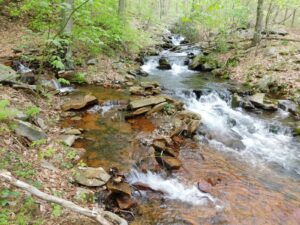
Hunting & Fishing Access

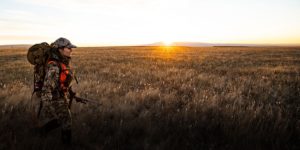
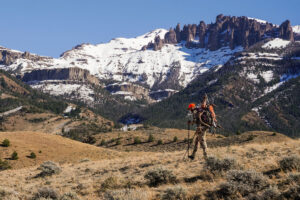
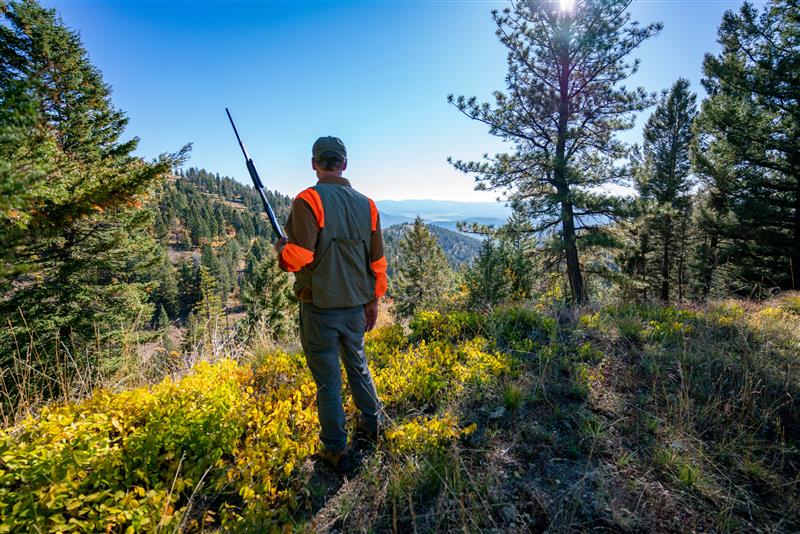
America’s 640 million acres of national public lands provide irreplaceable hunting and fishing opportunities to millions of Americans.

Learn More About Access
What TRCP is Doing

We’re working to safeguard America’s public lands so hunters and anglers always have quality places to pursue their passions.
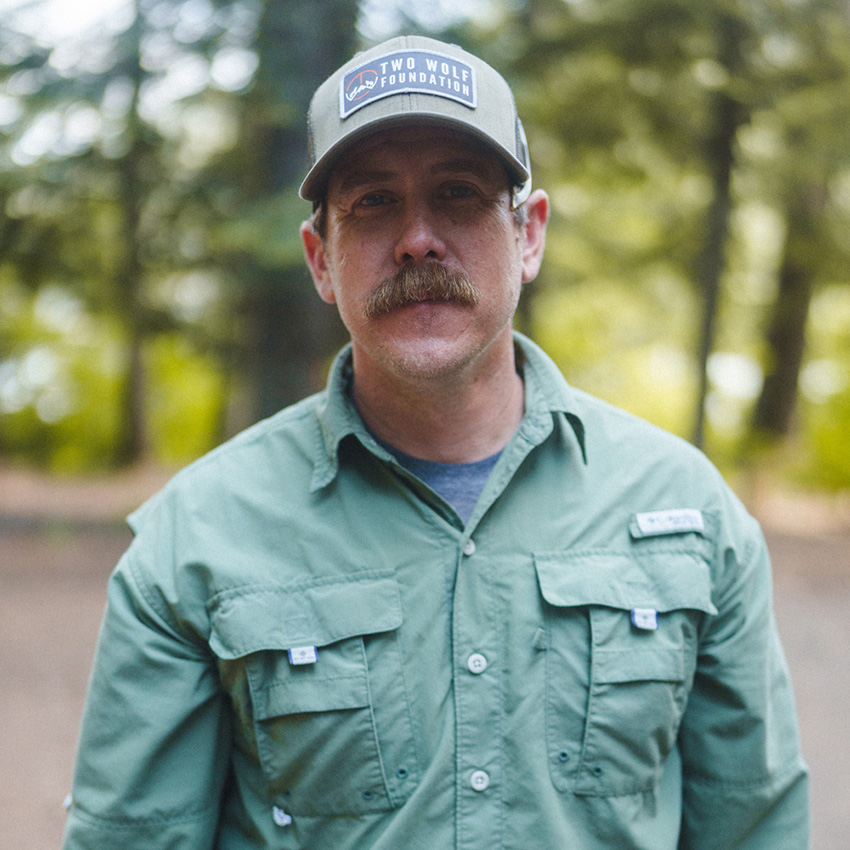
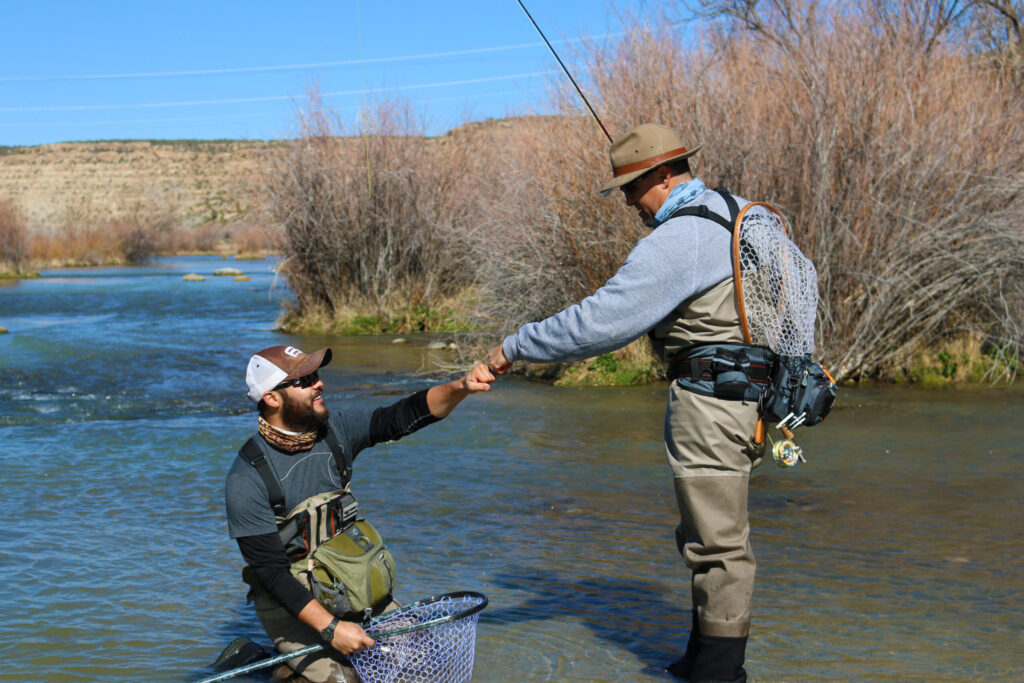
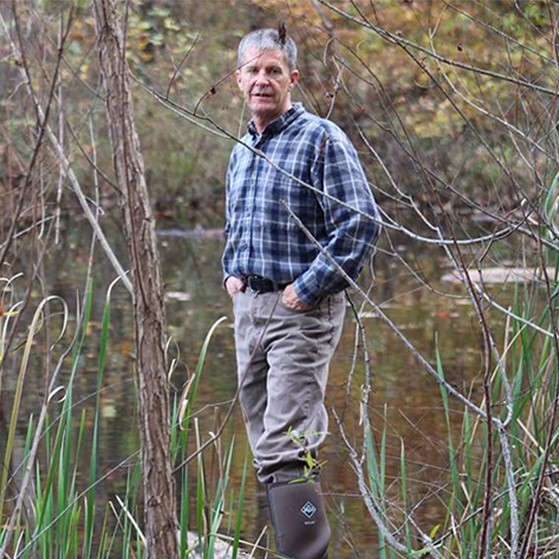
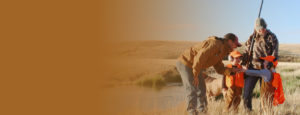
 Brian Flynn, Two Wolf Foundation
How Sportsmen Are Doing It Right

Brian Flynn, Two Wolf Foundation's Story

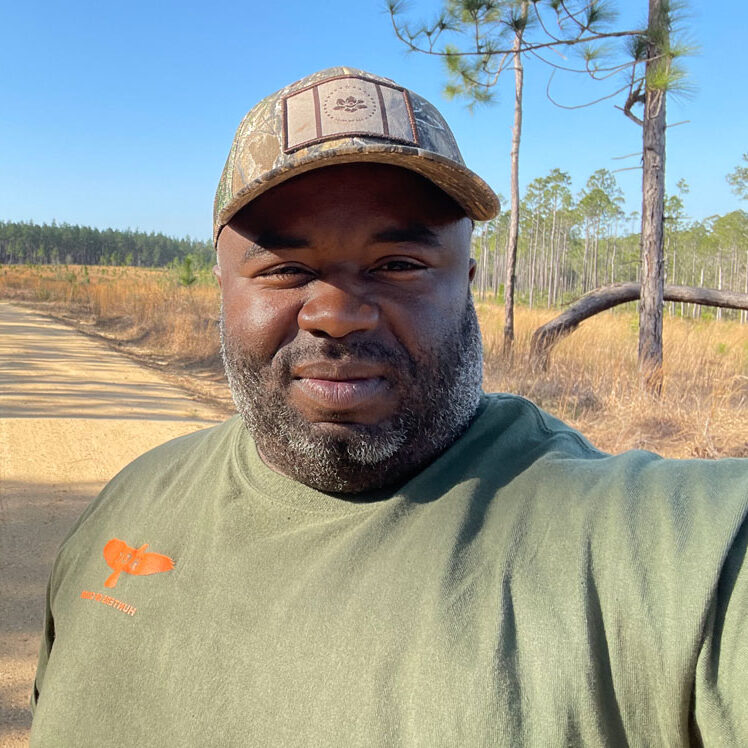
Following a distinguished career in the U.S. Army, lifelong outdoorsman Brian Flynn returned home from a deployment in Afghanistan and…

Hunting
Why It Matters

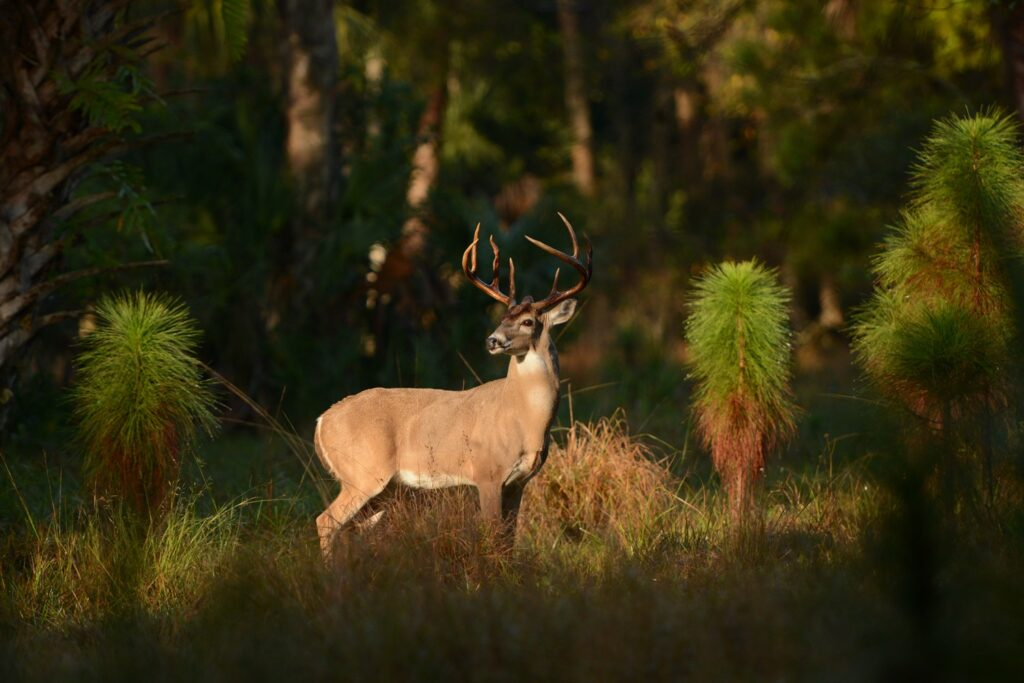
Key Issues for America’s Hunters

Your source for the latest policy updates, conservation challenges, and opportunities shaping America’s hunting traditions.

What TRCP is Doing

We’re fighting for meaningful policy changes that benefit wildlife, our waters, and the American landscapes that make our outdoor traditions possible.

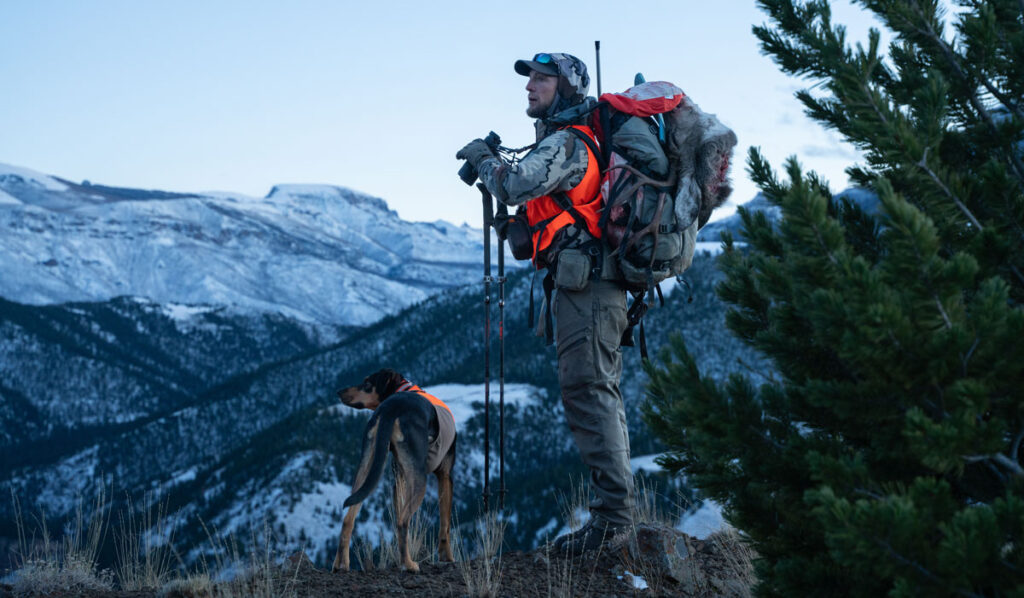
 Ryan Sparks
How Sportsmen Are Doing It Right

Ryan Sparks's Story

TRCP’s “In the Arena” series highlights the individual voices of hunters and anglers who, as Theodore Roosevelt so famously said,…
Fishing
Why It Matters

Key Issues for America’s Anglers

Your source for the latest policy updates, conservation challenges, and opportunities shaping America’s fishing traditions.

What TRCP is Doing

We’re fighting for meaningful policy changes that benefit wildlife, our waters, and the American landscapes that make our outdoor traditions possible.

 David Mangum
How Sportsmen Are Doing It Right

David Mangum's Story

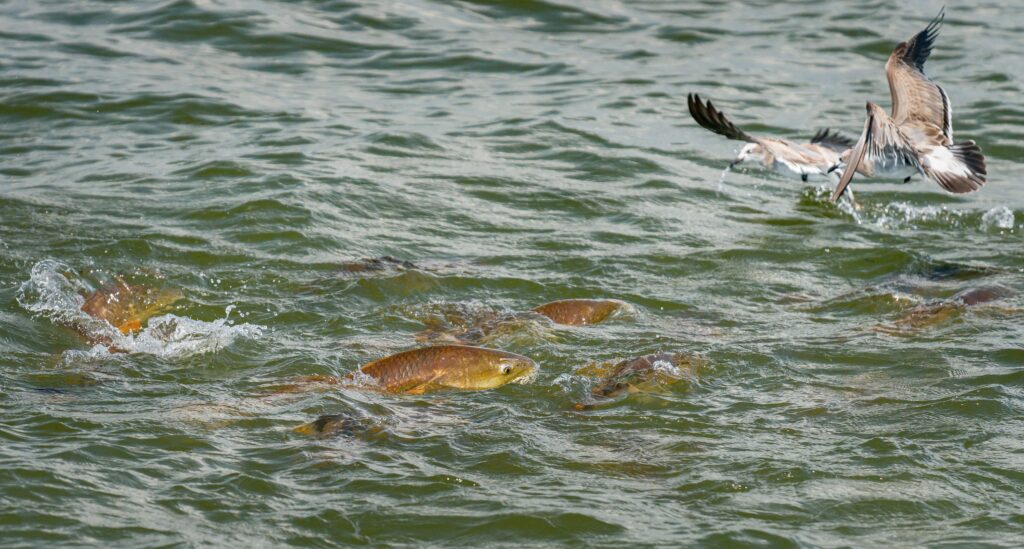
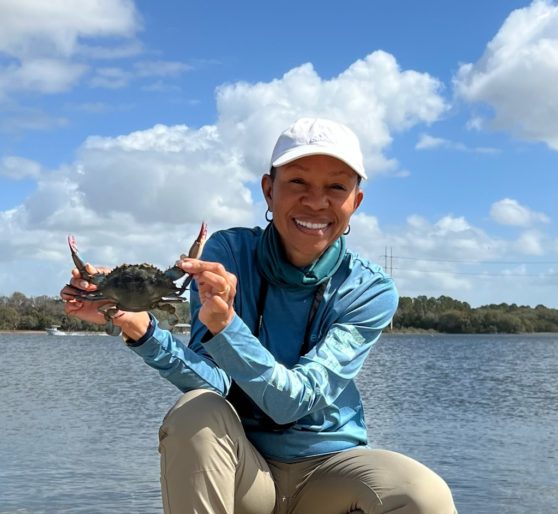
Capt. David Mangum is a YETI ambassador and outdoor photographer who utilizes his talents to produce media that inspire a…

Private Land
Why It Matters

Stewardship on America’s private lands

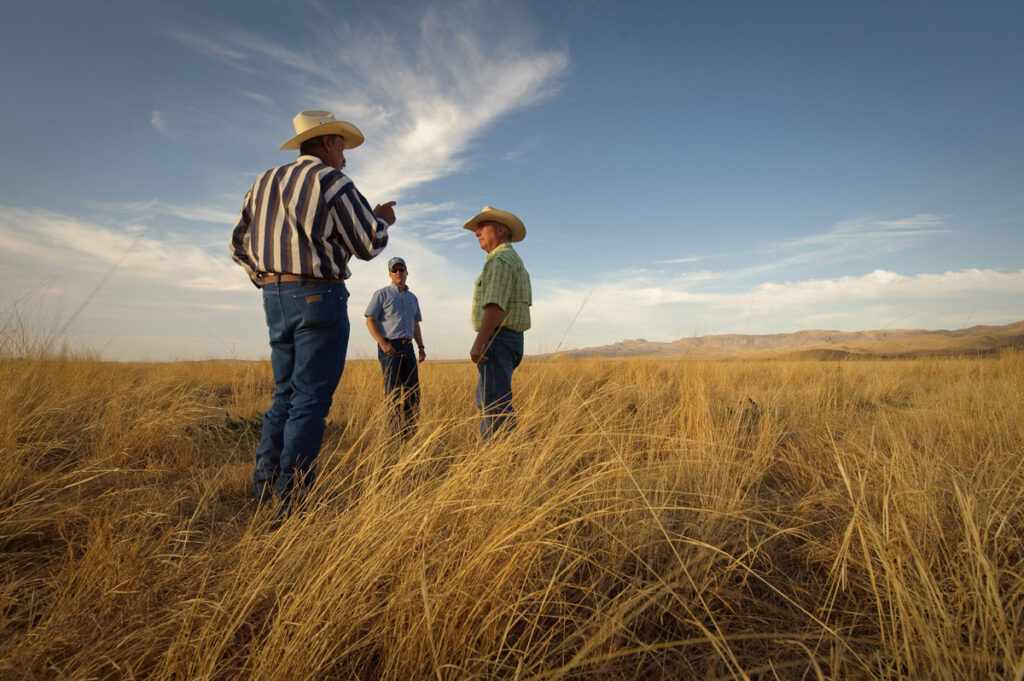
With 70 percent of U.S. lands in private hands and many of our best hunt and fish opportunities occurring there, investing in voluntary conservation on working lands safeguards access, strengthens habitat and water quality, and ensures resilient landscapes.

Learn More
What TRCP is Doing

We champion policies and programs that restore wildlife habitat, improve soil and water health, and keep working lands productive.

 Ward Burton
How Sportsmen are Doing It Right

Ward Burton's Story

Ward Burton’s NASCAR driving career stretched across most of two decades. As an avid sportsman and conservationist, he founded the…

Special Places
Why It Matters

Special Places Worth Protecting

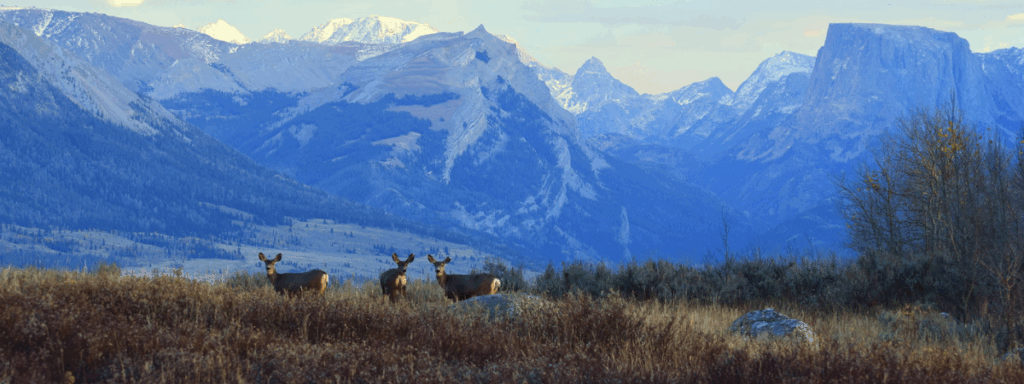
America’s most iconic landscapes provide unmatched habitat and unforgettable days afield. These places sustain wildlife, anchor local economies, and define the hunting and fishing traditions we pass down.

What TRCP is Doing

We’re working to conserve special places that provide world-class habitat and unforgettable opportunities for hunters and anglers.

 Franklin Adams
How Sportsmen Are Doing It Right

Franklin Adams's Story

As a true Gladesman, conservationist, and historian, Capt. Franklin Adams has spent more than six decades championing Everglades restoration efforts…

Habitat & Clean Water
Why It Matters

Healthy Habitat Powers Every Pursuit

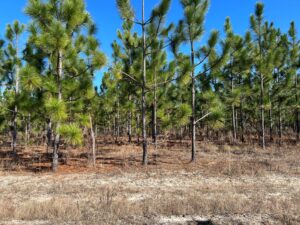
All hunting and fishing opportunities depend on quality habitat, from clean water and healthy wetlands to winter and summer habitats and the migration corridors that connect them.

All About Habitat & Clean Water
What TRCP is Doing

We are working to safeguard the habitats that power every hunting and fishing opportunity.

 Alex Harvey
How Sportsmen Are Doing It Right

Alex Harvey's Story

Alex Harvey, founder of Legacy Land Management, is a registered professional forester in Mississippi and Alabama with a Master's degree…

Science
Why It Matters

Science That Guides TRCP

From conserving migration corridors and wetlands to ensuring clean water and resilient landscapes, science provides evidence that turns conservation goals into effective action.

Science for Conservation
What TRCP is Doing

For hunters and anglers, science safeguards the experiences we treasure including resilient big game populations, abundant fish, and wild places that endure changing social landscapes.

Jamelle Ellis
Your Science Expert

Jamelle Ellis's Story

Jamelle Ellis joined the Theodore Roosevelt Conservation Partnership in 2022. Jamelle spent the last three years as an environmental sustainability…

Where We Work
Across the Nation

Conservation Across America

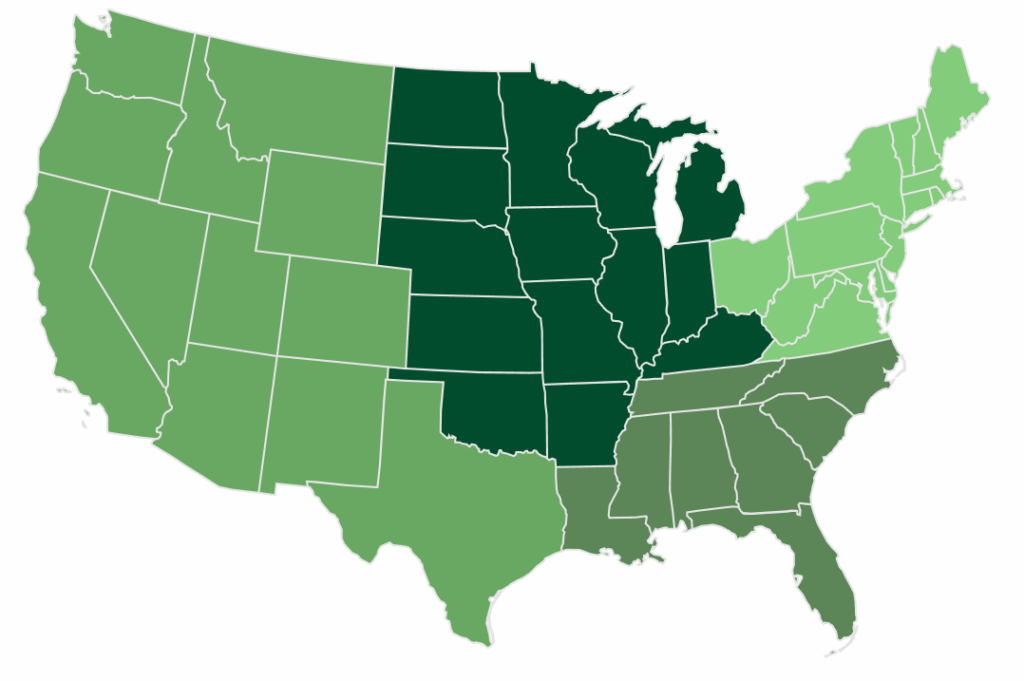
TRCP works across the country to ensure hunters and anglers can enjoy healthy fish and wildlife and quality days afield, no matter where they live.

See All Issues
TRCP in Your Region

TRCP works across the country to ensure hunters and anglers can enjoy healthy fish and wildlife and quality days afield, no matter where they live.

Who We Are
Our Mission

To guarantee all Americans quality places to hunt & fish

We unite and amplify our partners’ voices to advance America’s legacy of conservation, habitat, and access.

Our Mission & Values
Our People & Partners
  • Meet the TRCP Team

    Our staff and board members unite and amplify our partners’ voices to advance America’s legacy of conservation, habitat, and access.

    Meet the Team
  • Our Partners

    ‘Partnership’ is in our name. We work with 64 diverse partner groups that represent today’s leading hunting, fishing, and conservation organizations in order to strengthen the sportsman’s voice in Washington, D.C.

    Our Partners
  • Corporate Council

    TRCP’s Corporate Council is made up of diverse corporations that share a common passion for conservation.

    Corporate Council
Our Organization

Looking for more information?

Explore our latest news, policy updates, and conservation resources to get the information you need.

Giving
How You Can Help

To guarantee all Americans quality places to hunt & fish

Your tax-deductible donation will support TRCP's mission, now and into the future.

DONATE
Special Ways to support trcp
  • Capital Conservation Awards Dinner

    The CCAD is one of Washington's best-attended conservation celebrations, featuring dinner, cocktails, and a silent auction.

    Learn More
  • Step Into the Arena

    Help us ensure that our treasured wild habitats and game remain intact for the next generation to enjoy – lend your support to the TRCP’s efforts today!

    Donate
  • Roosevelt Roast

    TRCP has partnered with Afuera Coffee Co. to further our commitment to conservation.

    Learn More
More donation options

Find the best way for you to lend your support. Join one of TRCP’s donor circles for special invitations, premium offerings from outdoor retailers, and more exclusive benefits. Take control of your legacy with planned giving or contribute to special conservation funds.

Other Ways To Give
News
In the Spotlight
Colorado river

Colorado River Decisions Will Shape the Future of Fish, Wildlife, and the Southwest

With this important federal milestone, now is the time for the Colorado River Basin States to come to an agreement on the future of the Colorado River.

Read More

Stay Informed

Receive our newsletter, the Roosevelt Report, right in your inbox. Never miss the latest news in conservation issues.

by:

posted in:

January 10, 2020

15382464835_0a981ea768_o

Do you have any thoughts on this post?

XHTML: You can use these tags: <a href="" title=""> <abbr title=""> <acronym title=""> <b> <blockquote cite=""> <cite> <code> <del datetime=""> <em> <i> <q cite=""> <s> <strike> <strong>

Comments must be under 1000 characters.

by:

posted in:

January 9, 2020

A Season of Firsts: Getting Started

An Aspiring Hunter Reflects on Potential Barriers to Recruiting New Sportsmen and Women

Whenever I tell people that I grew up in Montana, the first question I’m always asked is whether I hunt.

Up until this year, I’ve always sheepishly answered “no,” thinking that my reply in the negative would undermine my credibility as a Westerner.  

Growing up at the base of the Rocky Mountains, I was surrounded by big antlers on the wall, game meat on the table, and camo attire at weddings and funerals.  But I didn’t hunt.  

I was intimidated by the sport. I didn’t have anyone in my family who could teach me. I didn’t own a gun. I didn’t have any of the right gear. I didn’t know how to get a license or what I might need one for.  

But I knew I needed to learn when I began working at TRCP. If I wanted to talk the talk, I had to walk the walk. And with an office full of potential mentors, there was no excuse not to give it a shot.

Diving In

After asking a few of my co-workers how to get started, I discovered I could take a online hunter education course, which would then allow me to purchase a hunting license in any state. 

Given my current residence in Washington D.C., I signed up for the Maryland web course, which took about four hours to complete.  After passing the online portion, I had to spend an afternoon at a face-to-face class where an instructor would teach us how to handle a firearm, identify ethical shots, and navigate the complexities of landowner permission.   

It sounds relatively easy, but there were several barriers that needlessly frustrated the process.  And, because I know the statistics surrounding hunting’s declining rates of participation, they troubled me.  

For instance, because there were no opportunities to take the class near my apartment in the city, I had to rent a car and drive three hours to complete my certification. Meanwhile, the location of the course had been moved and I had no way of knowing until I showed up to the wrong building, just 10 minutes before the class was supposed to begin. The change in venue might not have been a big deal to someone familiar with the local community or who hadn’t needed to carefully plan their travel that day, but for me it presented another hurdle that could have been easily avoided.

When I arrived late, I was one of two female students in a class of 20 led by all male instructors.  One man, clearly amused by the D.C. license plate on my car, asked “Why would a city girl come all the way up here to learn how to hunt?” Another man quipped, “Don’t hold that gun like you’re scared of it.” While not intended to be mean-spirited, these words and others throughout the day clearly implied that I was out of place.

These challenges did not stop me from passing the course, but I can imagine for some they might. How would a prospective new hunter without easy access to transportation get there? Can we make it easier to reach new hunters where they might be found? How would someone with less self-confidence respond when they walk into that room or when they encounter skeptical gazes and teasing? Can we find ways to understand how underrepresented groups might feel as they learn about hunting?

We have to ask ourselves these questions as we watch the number of hunters decline year after year.


The Road Ahead

Thankfully, at the end of 2019 Congress took a major step forward in addressing some of these problems.  They passed the bipartisan Modernizing the Pittman-Robertson Fund for Tomorrow’s Needs Act allowing excise taxes on firearms and ammunition to be used to improve the recruitment, retention, and reactivation of hunters.  

As this law gets implemented, states should take a hard look at the hurdles that people have to jump over and work to address them so more people feel comfortable learning about the sport and joining our community.  Reversing the trend of declining participation will require us to think seriously about what we can do better to make hunting more accessible to all, no matter where they live or what they look like.

This blog is part one is a series. Tune in next week to hear more about Marnee’s bird hunting adventure.  


by:

posted in:

January 8, 2020

Podcast: Increasing Public Land Access in the West

Joel Webster, Director of the Theodore Roosevelt Conservation Partnership’s Center for Western Lands joins Dave and Nephi on Your Mountain Podcast to talk about public land access. Specifically, they discuss TRCP’s work with OnX to identify and map the 6.35 million acres of public lands in the West that have no permanent, public access. Topics include: the history of TRCP; the importance of access to the future of hunting; corner crossing; successful existing access partnerships with landowners; ideas for increasing access; Joel’s mountain; and so much more. 


by:

posted in:

January 3, 2020

12 Conservation Wins from 2019

As the New Year gets underway, here’s a look back at last year’s biggest moments for fish and wildlife

Last year sportsmen and women spoke out meaningfully on the issues that matter most, and thanks to your actions and the actions of our 60 partners we secured some key victories for conservation funding, fish and wildlife habitat, and sporting access.

We’ve been counting down 12 Days of Conservation Wins from 2019 on our social media accounts. In case you missed it, catch up below (and then follow us on Facebook, Instagram, and Twitter).

  • With your support in 2019, the TRCP pushed Congress to pass bipartisan public lands legislation. This landmark accomplishment permanently reauthorized the Land and Water Conservation Fund, the nation’s most powerful tool for increasing access to public lands and conserving fish and wildlife habitat; reaffirmed that public lands are open for hunting and fishing unless specifically closed through a transparent public process; and preserved millions of acres of public lands and hundreds of miles of wild and scenic rivers.
  • After you spoke up for more public lands access, the TRCP released a second groundbreaking report in partnership with OnX Hunt, which revealed that 6.35 million state-owned public lands are entirely landlocked, limiting sportsmen’s access.
  • After 2,300+ of you signed action alerts calling for action on chronic wasting disease, the TRCP and our partners convinced House lawmakers to include $15 million in funding to address and research chronic wasting disease in their appropriations bills.
  • Migration crossings and habitat connectivity are vital for healthy game and fish populations. With your support, the TRCP and 44 partner organizations led an effort to secure $250 million annually for migration crossings and aquatic connectivity projects in the Senate 2020 Highway Bill.


Photo: Laura Mahoney/USFWS Pacific Southwest


Photo: USFWS Midwest


Top photo: USFWS Mountain Prairie

by:

posted in:

January 2, 2020

Everglades Restoration Efforts Offer New Hope for Southwest Florida

An ambitious infrastructure project promises relief for the Caloosahatchee River system and new opportunities for sportsmen and women

The Caloosahatchee River in southwest Florida has long been troubled by erratic changes in water quality and quantity. A wet summer season brings too much water, while drier times of the year bring too little, and changes in salinity for extended periods of time put the system under great stress. Adding to these problems are excessive loads of nutrients entering the water due to changes in land-use and an ever-increasing human population.

In recent years, these problems have resulted in a large-scale loss of sea grass beds, which in turn affected the local fishery and anglers’ opportunities to chase snook, redfish, and trout.

But thanks to the Comprehensive Everglades Restoration Plan and collaborative efforts by resource managers, conservationists, and local and state officials, a solution is on the way that will restore habitat, improve water quality, and boost opportunities for sportsmen and women.

Photo: dconvertini via Flickr
An Altered Waterway

Originally the Caloosahatchee drained a basin west of Lake Okeechobee and was fed by rainfall and springs in the region. In the 1880s, however, a canal connecting the river to Lake Okeechobee resulted in a permanent change in the hydrology of the system.

Continued population growth and changes in land use continued over time until the system reached a breaking point. Frequent algae blooms and a recent outbreak of blue-green algae now represent a threat to domestic animals as well as fish and wildlife, and may also pose a health risk to people.

In addition to water quality concerns, sustained periods of very high or very low flows of freshwater result in stress on sea grasses and other marine life. In recent years this produced a large-scale loss of sea grass beds. With the loss of sea grass the local fishery suffers, and opportunities for anglers to enjoy snook, redfish, and trout have diminished.

Photo: South Florida Water Management District
Working Towards a Fix

A solution to these problems started to take shape in 2015, when construction began on the C-43 West Basin Reservoir. When completed, this reservoir, located adjacent to the Caloosahatchee, will span nearly 11,000 acres and provide the capacity to store 170,000 acre-feet of water.

Stormwater runoff and releases from Lake Okeechobee would be stored in the reservoir and released to replicate historic flows in the system. An added benefit will be the reduction in sediment and nutrient loads entering the river and estuary. In addition, a water quality component is being developed while construction is underway. Restored sea grass and filter feeding organisms will also help to improve water quality in the river and estuary.

Major partners in the project include the South Florida Water Management District, the Florida Department of Environmental Protection, and the U.S. Army Corps of Engineers. Construction funding is being provided by the state with operations and maintenance shared jointly by the federal and state governments.

The project has received support at the highest levels, including the Florida state legislature, the Florida congressional delegation, and Governor Ron DeSantis, who visited the site on October 25, 2019, for the initiation of work on the 15 miles of perimeter canals and 19 miles of embankments needed to complete the project. Overall construction is expected to be completed in 2022.


Photo: South Florida Water Management District
A Promising Future

The finished reservoir will provide resource managers with the ability to regulate water quantity and quality in the Caloosahatchee River, San Carlos Bay, and the greater Caloosahatchee estuary. This capability will in turn mitigate potentially harmful releases of water from Lake Okeechobee and allow the lake’s water levels to be managed more flexibly. These measures will help to improve sea grass beds, a valuable marine fishery, and provide more recreational opportunity to fish for trout, redfish, and snook.

While the project’s fundamental purpose is to benefit the river and estuary, the reservoir and perimeter canals will provide new angling opportunities since funding has been included for a recreational component to the project. Anglers will be able to use boat ramps and fish the perimeter canals once the reservoir is operational and fish populations have become established.

All told, this project will be a big win for sportsmen and women and a great example of how conservation partnerships can produce healthy habitat and clean water, as well as the hunting and fishing opportunities that go with them.


Jon Andrew is the Florida outreach coordinator for the Theodore Roosevelt Conservation Partnership. He is recently retired from a 35-year career as a biologist and refuge manager with the U.S Fish and Wildlife Service, where he eventually became responsible for management of all refuge lands in the southeastern U.S. and Caribbean. In his spare time, he enjoys saltwater flyfishing and poling his skiff in the shallow waters along the southwest Florida coast in search of snook.

Top photo: South Florida Water Management District

HOW YOU CAN HELP

TRCP has partnered with Afuera Coffee Co. to further our commitment to conservation. $4 from each bag is donated to the TRCP, to help continue our efforts of safeguarding critical habitats, productive hunting grounds, and favorite fishing holes for future generations.

Learn More

You have Successfully Subscribed!

You have Successfully Subscribed!

You have Successfully Subscribed!

You have Successfully Subscribed!