Our Issues
Public Lands
Why It Matters

Hunting & Fishing Access

America’s 640 million acres of national public lands provide irreplaceable hunting and fishing opportunities to millions of Americans.

Learn More About Access
What TRCP is Doing

We’re working to safeguard America’s public lands so hunters and anglers always have quality places to pursue their passions.
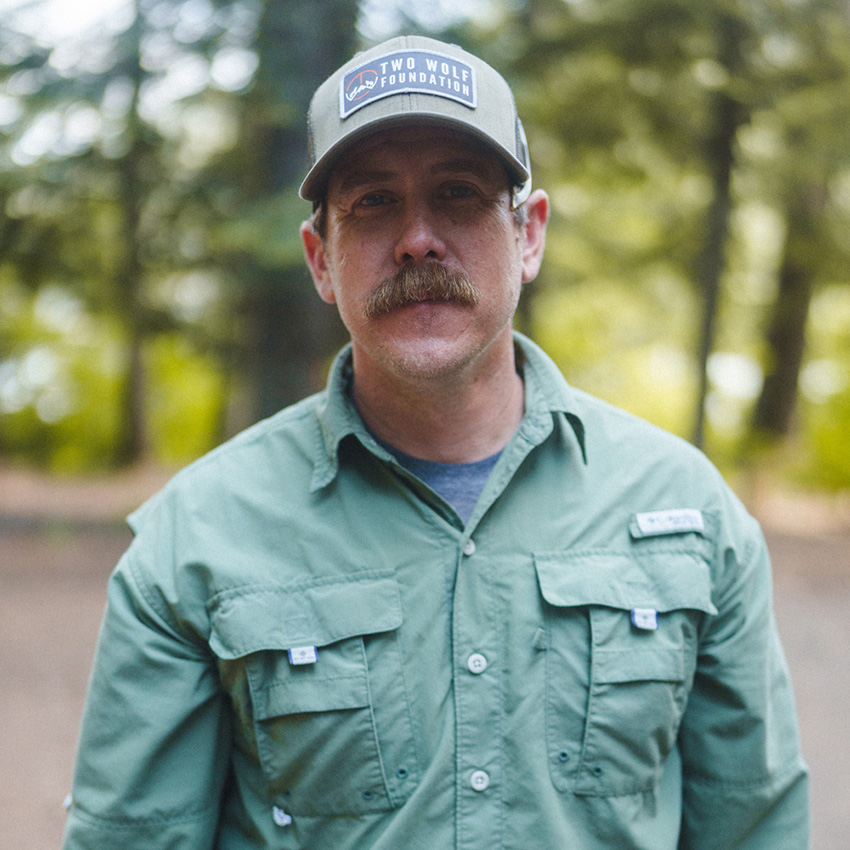
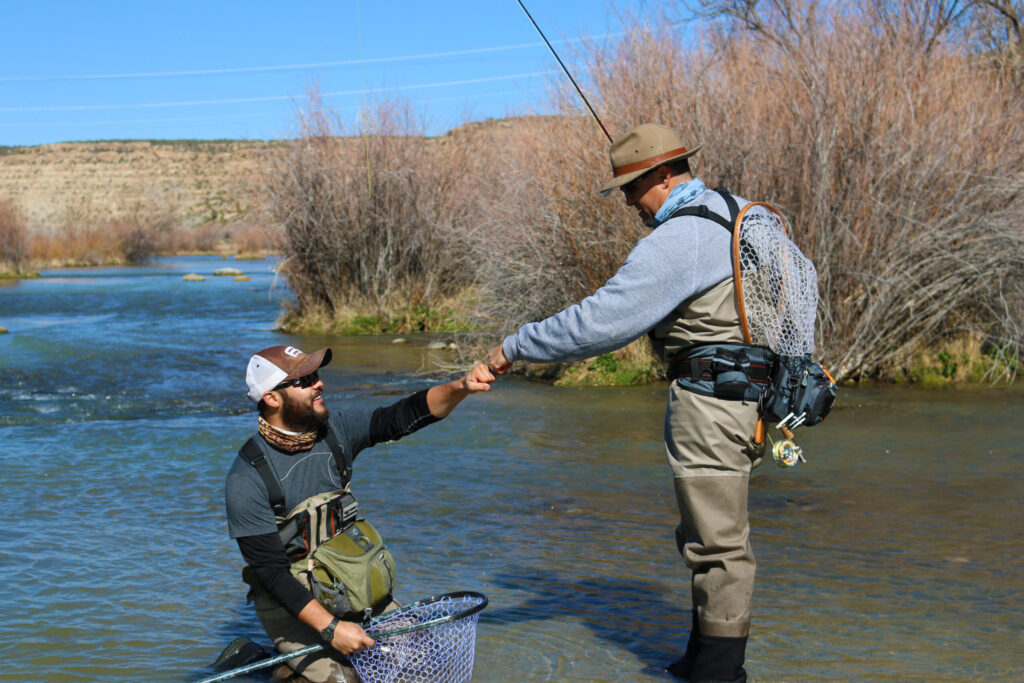
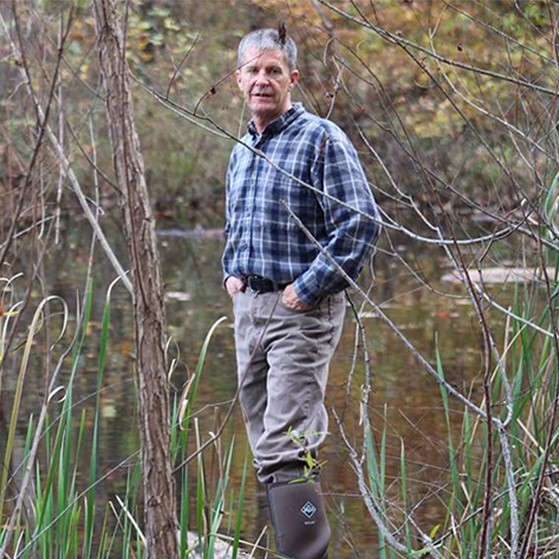
 Brian Flynn, Two Wolf Foundation
How Sportsmen Are Doing It Right

Brian Flynn, Two Wolf Foundation's Story

Following a distinguished career in the U.S. Army, lifelong outdoorsman Brian Flynn returned home from a deployment in Afghanistan and…

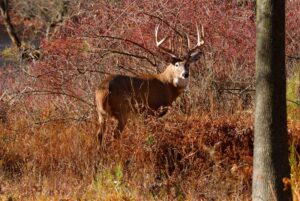
Hunting
Why It Matters

Key Issues for America’s Hunters

Your source for the latest policy updates, conservation challenges, and opportunities shaping America’s hunting traditions.

What TRCP is Doing

We’re fighting for meaningful policy changes that benefit wildlife, our waters, and the American landscapes that make our outdoor traditions possible.

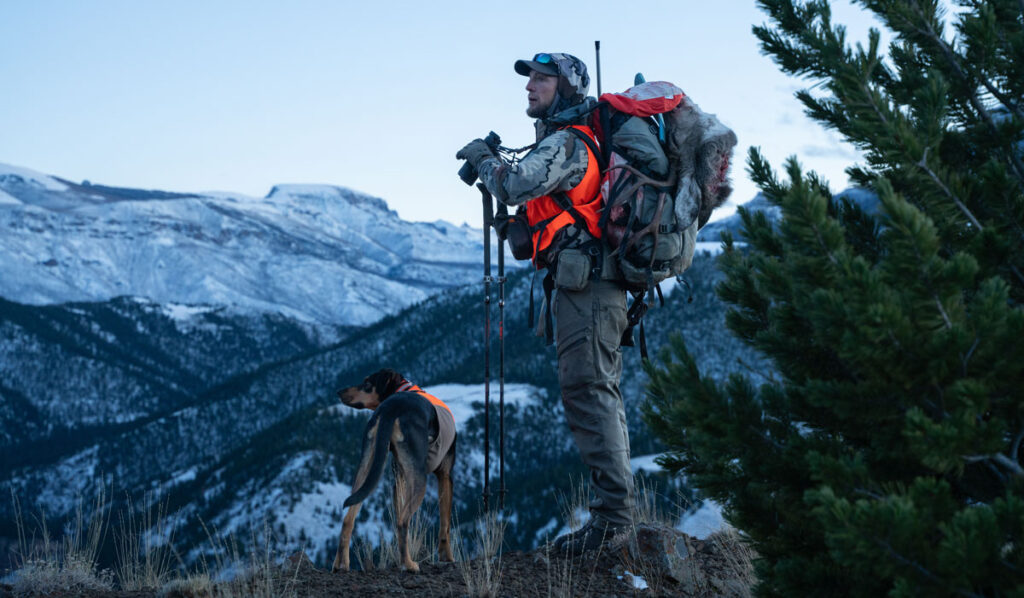
 Ryan Sparks
How Sportsmen Are Doing It Right

Ryan Sparks's Story

TRCP’s “In the Arena” series highlights the individual voices of hunters and anglers who, as Theodore Roosevelt so famously said,…
Fishing
Why It Matters

Key Issues for America’s Anglers

Your source for the latest policy updates, conservation challenges, and opportunities shaping America’s fishing traditions.

Sign Up For Forage Fish Updates
What TRCP is Doing

We’re fighting for meaningful policy changes that benefit wildlife, our waters, and the American landscapes that make our outdoor traditions possible.

 David Mangum
How Sportsmen Are Doing It Right

David Mangum's Story

Capt. David Mangum is a YETI ambassador and outdoor photographer who utilizes his talents to produce media that inspire a…

Private Land
Why It Matters

Stewardship on America’s private lands

With 70 percent of U.S. lands in private hands and many of our best hunt and fish opportunities occurring there, investing in voluntary conservation on working lands safeguards access, strengthens habitat and water quality, and ensures resilient landscapes.

Take Action - Farm Bill 2026
What TRCP is Doing

We champion policies and programs that restore wildlife habitat, improve soil and water health, and keep working lands productive.

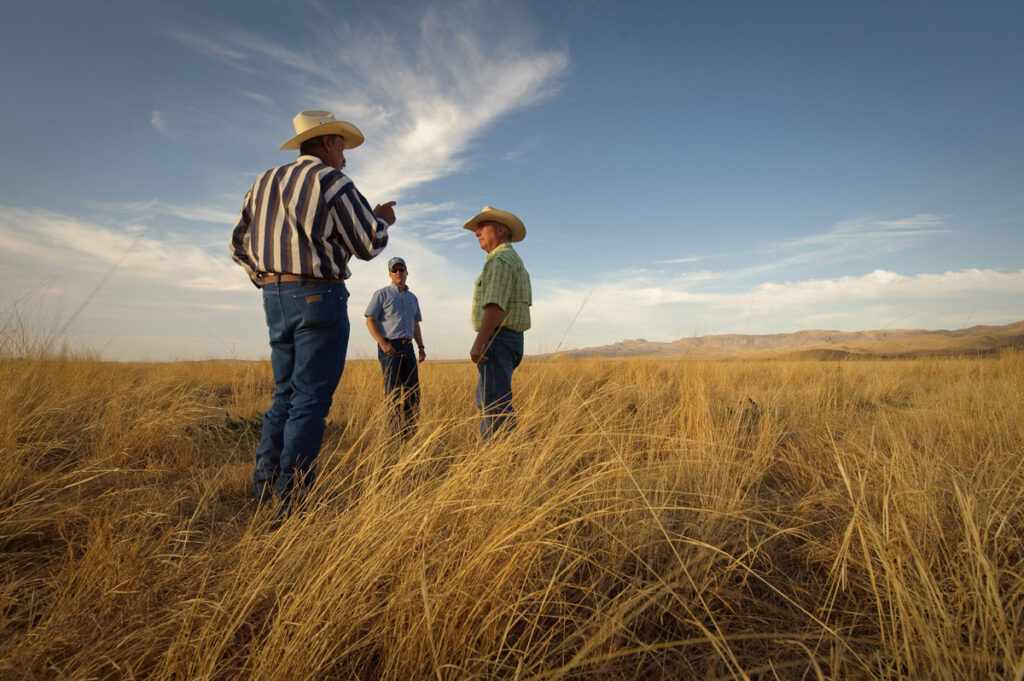
 Ward Burton
How Sportsmen are Doing It Right

Ward Burton's Story

Ward Burton’s NASCAR driving career stretched across most of two decades. As an avid sportsman and conservationist, he founded the…

Special Places
Why It Matters

Special Places Worth Protecting

America’s most iconic landscapes provide unmatched habitat and unforgettable days afield. These places sustain wildlife, anchor local economies, and define the hunting and fishing traditions we pass down.

What TRCP is Doing

We’re working to conserve special places that provide world-class habitat and unforgettable opportunities for hunters and anglers.

 Franklin Adams
How Sportsmen Are Doing It Right

Franklin Adams's Story

As a true Gladesman, conservationist, and historian, Capt. Franklin Adams has spent more than six decades championing Everglades restoration efforts…

Habitat & Clean Water
Why It Matters

Healthy Habitat Powers Every Pursuit

All hunting and fishing opportunities depend on quality habitat, from clean water and healthy wetlands to winter and summer habitats and the migration corridors that connect them.

All About Habitat & Clean Water
What TRCP is Doing

We are working to safeguard the habitats that power every hunting and fishing opportunity.

 Alex Harvey
How Sportsmen Are Doing It Right

Alex Harvey's Story

Alex Harvey, founder of Legacy Land Management, is a registered professional forester in Mississippi and Alabama with a Master's degree…

Science
Why It Matters

Science That Guides TRCP

From conserving migration corridors and wetlands to ensuring clean water and resilient landscapes, science provides evidence that turns conservation goals into effective action.

Science for Conservation
What TRCP is Doing

For hunters and anglers, science safeguards the experiences we treasure including resilient big game populations, abundant fish, and wild places that endure changing social landscapes.

Jamelle Ellis
Your Science Expert

Jamelle Ellis's Story

Jamelle Ellis joined the Theodore Roosevelt Conservation Partnership in 2022. Jamelle spent the last three years as an environmental sustainability…

Where We Work
Across the Nation

Conservation Across America

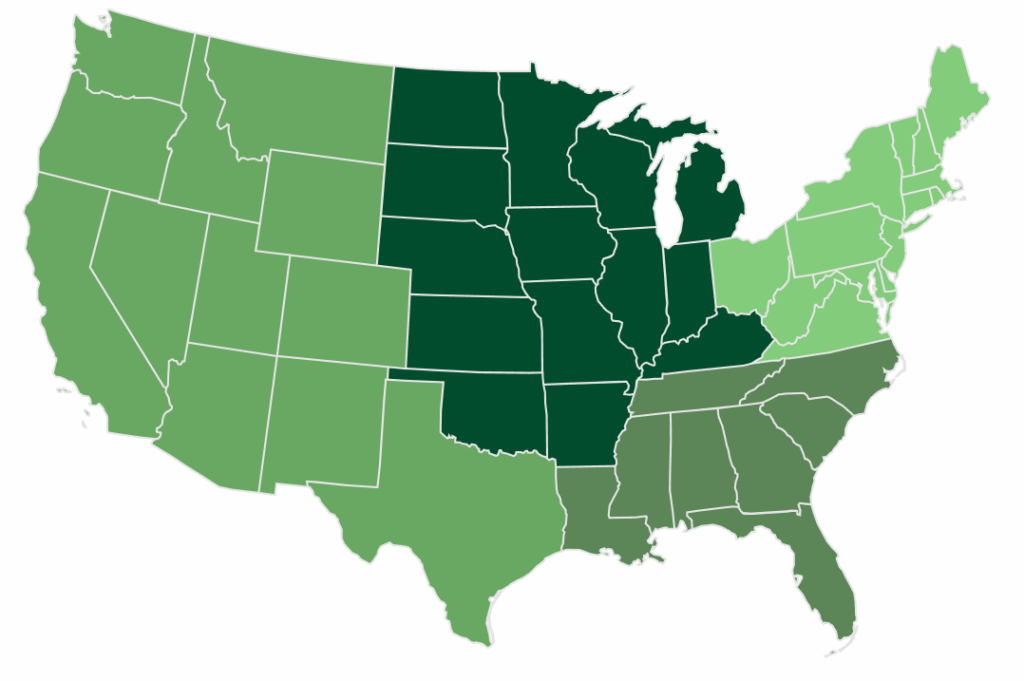
TRCP works across the country to ensure hunters and anglers can enjoy healthy fish and wildlife and quality days afield, no matter where they live.

See All Issues
TRCP in Your Region

TRCP works across the country to ensure hunters and anglers can enjoy healthy fish and wildlife and quality days afield, no matter where they live.

Who We Are
Our Mission

To guarantee all Americans quality places to hunt & fish

We unite and amplify our partners’ voices to advance America’s legacy of conservation, habitat, and access.

Our Mission & Values
Our People & Partners
  • Meet the TRCP Team

    Our staff and board members unite and amplify our partners’ voices to advance America’s legacy of conservation, habitat, and access.

    Meet the Team
  • Our Partners

    ‘Partnership’ is in our name. We work with 64 diverse partner groups that represent today’s leading hunting, fishing, and conservation organizations in order to strengthen the sportsman’s voice in Washington, D.C.

    Our Partners
  • Corporate Council

    TRCP’s Corporate Council is made up of diverse corporations that share a common passion for conservation.

    Corporate Council
Our Organization

Looking for more information?

Explore our latest news, policy updates, and conservation resources to get the information you need.

Giving
How You Can Help

To guarantee all Americans quality places to hunt & fish

Your tax-deductible donation will support TRCP's mission, now and into the future.

DONATE
Special Ways to support trcp
  • Capital Conservation Awards Dinner

    The CCAD is one of Washington's best-attended conservation celebrations, featuring dinner, cocktails, and a silent auction.

    Learn More
  • Step Into the Arena

    Help us ensure that our treasured wild habitats and game remain intact for the next generation to enjoy – lend your support to the TRCP’s efforts today!

    Donate
  • Roosevelt Roast

    TRCP has partnered with Afuera Coffee Co. to further our commitment to conservation.

    Learn More
More donation options

Find the best way for you to lend your support. Join one of TRCP’s donor circles for special invitations, premium offerings from outdoor retailers, and more exclusive benefits. Take control of your legacy with planned giving or contribute to special conservation funds.

Other Ways To Give
News
In the Spotlight

TRCP Responds to Forest Service Roadless Area Proposal with Call for Collaboration 

Encourages a solution that supports reduced wildfire risk while maintaining backcountry values    Today, the U.S. Forest Service released a proposed rule and accompanying Draft Environmental Impact Statement (DEIS) that could alter future management of more than 44 million acres of inventoried roadless areas on national forest lands. The agency is seeking public comment on the... (Continue Reading)

Read More

Stay Informed

Receive our newsletter, the Roosevelt Report, right in your inbox. Never miss the latest news in conservation issues.

by:

posted in: General

August 19, 2026

TRCP Responds to Forest Service Roadless Area Proposal with Call for Collaboration 

Encourages a solution that supports reduced wildfire risk while maintaining backcountry values   

Today, the U.S. Forest Service released a proposed rule and accompanying Draft Environmental Impact Statement (DEIS) that could alter future management of more than 44 million acres of inventoried roadless areas on national forest lands. The agency is seeking public comment on the proposed rule through September 21.  

“National forest backcountry areas provide valuable habitat for big game, cold and clean headwaters for trout and salmon, and some of the best hunting and fishing opportunities that can be found in America,” said Michael O’Casey, TRCP’s director of public lands. “We encourage the Forest Service to craft a durable outcome that creates additional management flexibility to protect communities from wildfire while maintaining the conservation values of the backcountry. We view the longstanding Idaho and Colorado roadless rules as successful models that could help inform a solution.” 

The Forest Service’s proposed rule would rescind the 2001 Roadless Area Conservation Rule, but informed comments on the draft EIS can still shift the outcome among the alternatives under consideration. Many hunters and anglers agree that backcountry values and responsible forest management need not be mutually exclusive. The conservation of roadless areas can be maintained while increasing the agency’s ability to thin forests, reduce fire risk in the Wildland-Urban Interface, and protect people and property. The DEIS evaluates a range of alternatives addressing the future management of roadless areas, and the Forest Service has an opportunity to craft a final rule that advances all of these important values. 

“Places like the Wyoming Range, the Warner Mountains of Oregon and California, the Blue Range of Arizona, and the temperate rainforests of southeast Alaska have captured the hearts and minds of Americans for generations,” continued O’Casey. “We have an opportunity to continue those traditions while seeking reasonable solutions to reduce the risk of catastrophic wildfire. Such an outcome would reduce litigation and the political uncertainty that would come with a more drastic approach.” 

In the coming days, the TRCP will share more detailed recommendations that hunters and anglers can use to easily weigh in and add their voice in support of a balanced path forward for healthy forests, safer communities, and the long-term conservation of many of America’s most important backcountry hunting and fishing grounds.  

Public comments on the proposed rule and Draft Environmental Impact Statement must be received by September 21. Additional information is available on the Forest Service’s Roadless Areas webpage, and comments may be submitted through Regulations.gov

Learn more about TRCP’s commitment to public-land access HERE


The TRCP is your resource for all things conservation. In our weekly Roosevelt Report, you’ll receive the latest news on emerging habitat threats, legislation and proposals on the move, public land access solutions we’re spearheading, and opportunities for hunters and anglers to take action. Sign up now.

Do you have any thoughts on this post?

XHTML: You can use these tags: <a href="" title=""> <abbr title=""> <acronym title=""> <b> <blockquote cite=""> <cite> <code> <del datetime=""> <em> <i> <q cite=""> <s> <strike> <strong>

Comments must be under 1000 characters.

by:

posted in: General

August 14, 2026

TRCP Welcomes Interior Action Expanding Hunting and Fishing Access on National Wildlife Refuges

Final rule will deliver largest expansion of refuge and hatchery access in Fish and Wildlife Service history

Today, the Theodore Roosevelt Conservation Partnership welcomed the announcement of a final rule from the Department of the Interior expanding hunting and fishing access at 111 national wildlife refuges and national fish hatcheries across 32 states. The rule will add nearly 1,500 new hunting and fishing opportunities, opening more than 92 million acres—over 95 percent of National Wildlife Refuge System lands— for hunting access, marking the largest such expansion in U.S. Fish and Wildlife Service history. 

“Hunters and anglers have long been central to conserving wildlife and habitat in this country, and national wildlife refuges are no exception,” said Joel Webster, TRCP’s chief conservation officer. “We appreciate the Department of the Interior’s work to expand access to these lands in a way that is consistent with wildlife conservation and the laws that guide the refuge system’s unique mission.”  

The final rule will build on the direction set by Secretarial Order 3447 and aims to deliver on the priorities of the Make America Beautiful Again Commission. It will include more than 1,000 updates to existing regulations intended to reduce complexity and better align federal rules with state fish and wildlife laws. National wildlife refuges were established with strong support from hunters and anglers, and the 1997 National Wildlife Refuge System Improvement Act identifies hunting and fishing among six priority, wildlife-dependent public uses that receive enhanced consideration in refuge management. Expanding scientifically regulated access consistent with state management could allow refuges to continue demonstrating effective wildlife stewardship while connecting the public directly to conservation. 

The final rule is expected to publish in the Federal Register in time for hunting season.  

Learn more by visiting: Department of the Interior Announces Largest Expansion of Hunting and Fishing Opportunities in U.S. Fish and Wildlife History | U.S. Department of the Interior


The TRCP is your resource for all things conservation. In our weekly Roosevelt Report, you’ll receive the latest news on emerging habitat threats, legislation and proposals on the move, public land access solutions we’re spearheading, and opportunities for hunters and anglers to take action. Sign up now.

by:

posted in: General

August 13, 2026

Montana’s New Wildlife Crossing License Plate Hits the Road

TRCP, agencies, conservationists instrumental in getting plate to production to support wildlife and motorist safety

The Theodore Roosevelt Conservation Partnership joins Montana’s motorists, hunters, anglers and conservationists in wanting to keep drivers and big game safe on the highway. Montana has one of the highest rates of wildlife-vehicle collisions in the West, but thanks to a strong effort supported by hunters, anglers, conservationists, and transportation and wildlife agencies, a new specialty license plate is available for purchase at Montana DMVs, funding wildlife crossing infrastructure across the state.

House Bill 855, sponsored by Rep. Katie Zolnikov (R-Billings), was signed into law in May 2025 and established the Fish, Wildlife & Parks Wildlife Highway Crossings and Accommodations Account, a dedicated fund to help facilitate the construction and planning of wildlife overpasses, underpasses, and fencing. Incredibly, this is the first perpetual funding source for wildlife crossing infrastructure in the nation. The bill also introduced a new specialty license plate that will generate dollars and help promote the importance of wildlife movement.

“Montana’s Highway 93 is dangerous not only for people, but animals. As a result, a wildlife-corridor with a wildlife over-crossing for deer, elk, moose, and bear was built. The Animal bridge over Hwy. 93 near Evaro, Montana on the Salish-Kootenai Reservation was placed at the Evaro Hill area, a densely forested crossing point for bears and elk moving between mountain ranges.”

In conjunction with Montana Fish, Wildlife & Parks, TRCP supported a contest for the design of the plate. Bozeman-based artist Kylie Bute’s design won over the jury for the Montana Big Game and Wildlife Highway Crossings License Plate Artwork contest and she received a $1,000 award for her creative contribution to Montana’s conservation efforts. Bute, who had just graduated high school when she won the contest, has been an advocate for wildlife beyond her artwork. Now her plate design is ready to get on the road.

“The new Wildlife Crossings and Safe Travels license plate is an investment in safer highways and healthier wildlife migrations across Montana. It also reflects the growing momentum behind habitat connectivity in our state, something particularly important to hunters and anglers who care about conservation and high-quality habitat,” said Ryan Chapin, TRCP’s Montana field manager.

Ryan Chapin, TRCP’s Montana field representative, with his new Wildlife Crossings license plate fresh from the DMV.

As with all specialty license plates in Montana, $20 from each licensing fee will be earmarked for the cause. In this case, the funds will go to the Fish, Wildlife & Parks Wildlife Highway Crossings and Accommodations Account. The specialty plate is expected to generate approximately $160,000 annually.  Additionally, the account receives dedicated funding from Montana’s Habitat Legacy Account, currently projected at roughly $1.17 million every two years, with the potential for future contributions of up to $2.34 million or more per year to support wildlife crossing planning, design, construction, and maintenance projects across the state.

Infrastructure like wildlife crossings has proven effective in Montana and other states across the West, reducing collisions while maintaining critical migration routes for elk, deer, pronghorn, moose, and other species. These species require intact habitat to complete their daily movements as well as seasonal migrations between summer and winter ranges to meet their lifecycle needs. Clever funding programs like license plates are excellent opportunities to build more crossings and infrastructure to keep both motorists and big game safe, and ensuring future generations will be able to enjoy these herds and the multitude of game and non-game species that make use of wildlife crossing infrastructure.

“I’m proud to have them on my own truck, and I look forward to seeing these plates on vehicles all across Montana. To me, every plate is a visible reminder of what can be accomplished when sportsmen, conservationists, agencies, and lawmakers work together to find solutions,” Chapin said.

Learn more about TRCP’s work conserving big game migration corridors HERE.

Special thanks to our artwork contest partners Montana Fish, Wildlife & Parks, Montana Department of Transportation, National Wildlife Federation, Greater Yellowstone Coalition, Glacier-Two Medicine Alliance, Vital Ground Foundation, and Montanans for Safe Wildlife Passage.


The TRCP is your resource for all things conservation. In our weekly Roosevelt Report, you’ll receive the latest news on emerging habitat threats, legislation and proposals on the move, public land access solutions we’re spearheading, and opportunities for hunters and anglers to take action. Sign up now.

by:

posted in: General

July 31, 2026

Oregon’s Hunting Ban Measure Fails to Make the Ballot 

IP 28 is dead, but the pattern behind it – deciding complex wildlife policy at the ballot box – isn’t going away. That conversation is worth continuing. 

Initiative Petition 28 will not appear on Oregon’s November ballot. After proponents submitted 142,784 signatures on July 2, the Secretary of State’s Elections Division tested two random samples and found that neither cleared the roughly 82%  validity rate the petition needed. The measure is finished. 

The measure, formally called the People for the Elimination of Animal Cruelty Exemptions Act (PEACE ACT), would have removed longstanding exemptions from Oregon’s animal-cruelty laws. Activities that injured or killed an animal, including hunting, fishing, trapping, livestock slaughter, certain breeding practices, wildlife management, pest control, and some agricultural and scientific research, could have become criminal offenses.  

For Oregon’s hunters, anglers, trappers, farmers, ranchers, and everyone in the state that relies on protein from harvest of wild game or agricultural practices, this is a relief. In one form or another, this proposal has hung over our community for six years. Defending against it has consumed significant time, money, and attention that our community would have rather spent on habitat work, access, and the actual business of conserving fish and wildlife. But it would be dishonest to say we feel only relief. IP 28 would have forced a statewide conversation that Oregon has needed for a long time and because the ideas behind this measure are not going away on their own, let’s have that conversation anyway. 

Oregon’s foray into direct democracy dates to 1902, when the state adopted the initiative and referendum processes –  a reform so closely identified with this place that it became known nationally as the Oregon System. The initiative was designed as a corrective mechanism, giving citizens recourse when elected officials failed to act, not as a primary governance tool for complex regulatory systems like wildlife management.  

More than a century on, the record is mixed, and the tool that was meant for corrections has been used to increasingly in recent decades. Oregonians have use the initiative to do genuinely important things, but they have also been asked to decide questions that were poorly drafted, misleading in their titles, funded almost entirely from outside the state, used to take the temperature of voters on certain issues, or written by people with no working knowledge of what they proposed to regulate. In 1994, Measure 18 asked voters to prohibit the use of dogs to hunt cougars and bait to hunt bears. It passed. The vote removed a management tool used by the public through campaigning rather than being guided by the state’s wildlife management process. More than three decades later, Oregon’s wildlife professionals have had to manage cougar populations within this voter approved constraint.

Wildlife Management Must Remain Grounded in Science 

Measure 118 and IP 28 are not the same, but together they demonstrate the difficulty of deciding complex wildlife management questions through ballot box biology that offers voters a seemingly simple, yes- or- no, choice. Wildlife is held in trust for all Oregonians, so the public has an essential voice in setting conservation values and holding decision-makers accountable. But specific decisions about seasons, harvest methods, population objectives, and conflict management should be informed by evidence and carried out by qualified wildlife professionals through transparent public processes. The North American Model of Wildlife Conservation was built to provide the foundation for that approach. Its premises are simple and radical: wildlife is held in trust for everyone rather than owned by the wealthy, it is allocated by law rather than by markets, and it is managed according to the best available science. Those principles only hold if the science is allowed to do its work. 

What many Oregonians don’t know is who has been paying for the wildlife and wild places they love, and who has been doing the work: Hunters and anglers built the system that conserves Oregon’s wildlife, and then taxed themselves to fund it. License and tag sales, together with federal excise taxes paid on firearms, ammunition, and fishing tackle under the Pittman-Robertson and Dingell-Johnson Acts, return millions of dollars to Oregon every year. That money pays for habitat restoration, population research, enforcement, and public access. It funds work on songbirds and salamanders as surely as on elk and steelhead. It is, as far as we know, the only conservation model in the world in which the users of a resource asked to be regulated and then volunteered to pay for the careful management of those resources. That is a remarkable thing, and not enough outside our community know the story. 

Neither do most Oregonians know the depth of how this measure would have reached into every day life. The traditions IP 28 treated as cruelty are, in practice, some of the oldest and most careful food cultures known:  the family that fills their freezer with carefully wrapped packages of venison each fall, the crabber and the clam digger on the coast, the rancher and the chef sourcing from within a 100 miles. Hunting, fishing, and agriculture are among the oldest human traditions on this landscape, sustaining communities here for thousands of years before statehood. This is not to say these activities should be beyond scrutiny: Hunters, anglers, farmers, ranchers, and wildlife managers all have a responsibility to uphold high standards of animal care, fair chase, ethical harvest, and responsible stewardship. 

The more Oregonians who understand where conservation funding actually comes from, the better equipped the state is to weigh proposals like this on their merits.  As responsible hunters and anglers, we should talk with our neighbors, legislators, and other Oregonians about why we care. Every conversation that connects a wildlife refuge, a healthy salmon run, or a herd of elk in the Blue Mountains back to the people who paid for it broadens our tent. The North American Model has lasted more than a century because generations of hunters and anglers kept faith with it. It will last another century only if the public that owns this wildlife understands what it owns, and who has been tending it. 

The TRCP is your resource for all things conservation. In our weekly Roosevelt Report, you’ll receive the latest news on emerging habitat threats, legislation and proposals on the move, public land access solutions we’re spearheading, and opportunities for hunters and anglers to take action. Sign up now.

by:

posted in: General

July 29, 2026

Committees Consider Public Lands Bills That Balance Conservation, Access and Local Economies

Bipartisan bills aim to resolve long-standing land use conflicts while safeguarding fish and wildlife habitat and hunter and angler access.

Earlier this month, the House Natural Resources Committee (HNRC) and the Senate Energy and Natural Resources (ENR) Committee heard testimony and voted to advance several bills that would conserve fish and wildlife habitat, boost access, and improve rural economies. Although these bills use different public land designations to protect resources or enhance recreation—and, in select cases, transfer federal land to tribes and counties—they share a common thread: each carefully balances a range of local interests and reflects years of collaboration.  


Northern Nevada Economic Development and Conservation Act

On a bipartisan vote, the HNRC voted to advance the Northern Nevada Economic Development and Conservation Act (H.R. 2317) led by Congressman Mark Amodei (R- Nev.). This bill represents an important step toward responsible, community-driven land use planning that includes conservation and maintains public access. It includes the sale or transfer of some carefully vetted public land parcels for community use, tribal land transfers, and the resolution of long-standing wilderness study areas and wilderness designations that have broad support. Additionally, the bill would help address the public and private land ownership issues of checkerboarded public land in northern NV, allowing large sections of public and private land to become contiguous and creating access to once-landlocked public lands. 

Douglas County Economic Development and Conservation Act

The Senate ENR Subcommittee on Public Lands, Forests, and Mining heard testimony on the Douglas County Economic Development and Conservation Act (S. 4200) introduced by Senator Catherine Cortez Masto (D-Nev.). The bill includes many of the provisions of H.R. 2317 specific to Douglas County. Beyond tribal land transfers and other provisions that would ensure public access is maintained or improved; the bill would transfer land to the county for flood prevention and watershed health projects. Similar to H.R. 2317, the Douglas County Economic Development and Conservation Act is the product of many years of locally led collaboration and compromise. 

Gunnison Outdoor Resources Protection

During the same ENR Subcommittee hearing, the panel heard testimony on the Gunnison Outdoor Resources Protection Act (S. 1791/H.R. 3421) introduced by Senator Michael Bennet (D-Colo), Senator John Hickenlooper (D-Colo), and Congressman Jeff Hurd (R-Colo). The bill would establish enhanced public land protections through tools like special management areas, wildlife conservation areas, recreation management areas, and wilderness for more than 730,000 acres in the Gunnison River Basin. TRCP applauds the bipartisan support and attention to this region of Colorado given the significance to hunters and anglers. It will be important to take the bill in context with the recently finalized Grand Mesa, Uncompahgre, and Gunnison National Forests Plan, and ensure that wildlife habitat function and connectivity remain prioritized in balance with other interests.

These bills took another important step forward toward becoming law but still have a long way to go, and there are many other deserving public lands conservation bills still awaiting markup. The clock on the 119th Congress strikes midnight in January 2027, after which all bills would need to be reintroduced and reconsidered. TRCP remains committed to working with Congress to work on these bills and other important public lands, habitat, and access legislation.  


TRCP is your resource for all things conservation. In our weekly Roosevelt Report, you’ll receive the latest news on budget reconciliation as well as emerging habitat threats, legislation and proposals on the move, public land access solutions we’re spearheading, and opportunities for hunters and anglers to take action. Sign up now


HOW YOU CAN HELP

TRCP has partnered with Afuera Coffee Co. to further our commitment to conservation. $4 from each bag is donated to the TRCP, to help continue our efforts of safeguarding critical habitats, productive hunting grounds, and favorite fishing holes for future generations.

Learn More
Subscribe


You have Successfully Subscribed!

You have Successfully Subscribed!

You have Successfully Subscribed!

You have Successfully Subscribed!

You have Successfully Subscribed!