Our Issues
Public Lands
Why It Matters

Hunting & Fishing Access

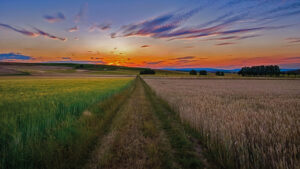
America’s 640 million acres of national public lands provide irreplaceable hunting and fishing opportunities to millions of Americans.

Learn More About Access
What TRCP is Doing

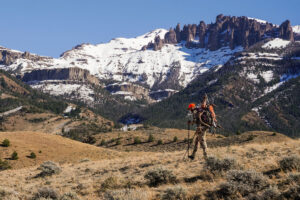
We’re working to safeguard America’s public lands so hunters and anglers always have quality places to pursue their passions.

 Brian Flynn, Two Wolf Foundation
How Sportsmen Are Doing It Right

Brian Flynn, Two Wolf Foundation's Story

Following a distinguished career in the U.S. Army, lifelong outdoorsman Brian Flynn returned home from a deployment in Afghanistan and…


Hunting
Why It Matters

Key Issues for America’s Hunters

Your source for the latest policy updates, conservation challenges, and opportunities shaping America’s hunting traditions.

What TRCP is Doing

We’re fighting for meaningful policy changes that benefit wildlife, our waters, and the American landscapes that make our outdoor traditions possible.

 Ryan Sparks
How Sportsmen Are Doing It Right

Ryan Sparks's Story

TRCP’s “In the Arena” series highlights the individual voices of hunters and anglers who, as Theodore Roosevelt so famously said,…

Fishing
Why It Matters

Key Issues for America’s Anglers

Your source for the latest policy updates, conservation challenges, and opportunities shaping America’s fishing traditions.

What TRCP is Doing

We’re fighting for meaningful policy changes that benefit wildlife, our waters, and the American landscapes that make our outdoor traditions possible.

 David Mangum
How Sportsmen Are Doing It Right

David Mangum's Story

Capt. David Mangum is a YETI ambassador and outdoor photographer who utilizes his talents to produce media that inspire a…

Private Land
Why It Matters

Stewardship on America’s private lands

With 70 percent of U.S. lands in private hands and many of our best hunt and fish opportunities occurring there, investing in voluntary conservation on working lands safeguards access, strengthens habitat and water quality, and ensures resilient landscapes.

Learn More
What TRCP is Doing

We champion policies and programs that restore wildlife habitat, improve soil and water health, and keep working lands productive.

 Ward Burton
How Sportsmen are Doing It Right

Ward Burton's Story

Ward Burton’s NASCAR driving career stretched across most of two decades. As an avid sportsman and conservationist, he founded the…

Special Places
Why It Matters

Special Places Worth Protecting

America’s most iconic landscapes provide unmatched habitat and unforgettable days afield. These places sustain wildlife, anchor local economies, and define the hunting and fishing traditions we pass down.

What TRCP is Doing

We’re working to conserve special places that provide world-class habitat and unforgettable opportunities for hunters and anglers.

 Franklin Adams
How Sportsmen Are Doing It Right

Franklin Adams's Story

As a true Gladesman, conservationist, and historian, Capt. Franklin Adams has spent more than six decades championing Everglades restoration efforts…

Habitat & Clean Water
Why It Matters

Healthy Habitat Powers Every Pursuit

All hunting and fishing opportunities depend on quality habitat, from clean water and healthy wetlands to winter and summer habitats and the migration corridors that connect them.

All About Habitat & Clean Water
What TRCP is Doing

We are working to safeguard the habitats that power every hunting and fishing opportunity.

 Alex Harvey
How Sportsmen Are Doing It Right

Alex Harvey's Story

Alex Harvey, founder of Legacy Land Management, is a registered professional forester in Mississippi and Alabama with a Master's degree…

Science
Why It Matters

Science That Guides TRCP

From conserving migration corridors and wetlands to ensuring clean water and resilient landscapes, science provides evidence that turns conservation goals into effective action.

Science for Conservation
What TRCP is Doing

For hunters and anglers, science safeguards the experiences we treasure including resilient big game populations, abundant fish, and wild places that endure changing social landscapes.

Jamelle Ellis
Your Science Expert

Jamelle Ellis's Story

Jamelle Ellis joined the Theodore Roosevelt Conservation Partnership in 2022. Jamelle spent the last three years as an environmental sustainability…

Where We Work
Across the Nation

Conservation Across America

TRCP works across the country to ensure hunters and anglers can enjoy healthy fish and wildlife and quality days afield, no matter where they live.

See All Issues
TRCP in Your Region

TRCP works across the country to ensure hunters and anglers can enjoy healthy fish and wildlife and quality days afield, no matter where they live.

Who We Are
Our Mission

To guarantee all Americans quality places to hunt & fish

We unite and amplify our partners’ voices to advance America’s legacy of conservation, habitat, and access.

Our Mission & Values
Our People & Partners
  • Meet the TRCP Team

    Our staff and board members unite and amplify our partners’ voices to advance America’s legacy of conservation, habitat, and access.

    Meet the Team
  • Our Partners

    ‘Partnership’ is in our name. We work with 64 diverse partner groups that represent today’s leading hunting, fishing, and conservation organizations in order to strengthen the sportsman’s voice in Washington, D.C.

    Our Partners
  • Corporate Council

    TRCP’s Corporate Council is made up of diverse corporations that share a common passion for conservation.

    Corporate Council
Our Organization

Looking for more information?

Explore our latest news, policy updates, and conservation resources to get the information you need.

Giving
How You Can Help

To guarantee all Americans quality places to hunt & fish

Your tax-deductible donation will support TRCP's mission, now and into the future.

DONATE
Special Ways to support trcp
  • Capital Conservation Awards Dinner

    The CCAD is one of Washington's best-attended conservation celebrations, featuring dinner, cocktails, and a silent auction.

    Learn More
  • Step Into the Arena

    Help us ensure that our treasured wild habitats and game remain intact for the next generation to enjoy – lend your support to the TRCP’s efforts today!

    Donate
  • Roosevelt Roast

    TRCP has partnered with Afuera Coffee Co. to further our commitment to conservation.

    Learn More
More donation options

Find the best way for you to lend your support. Join one of TRCP’s donor circles for special invitations, premium offerings from outdoor retailers, and more exclusive benefits. Take control of your legacy with planned giving or contribute to special conservation funds.

Other Ways To Give
News
In the Spotlight
Colorado river

Colorado River Decisions Will Shape the Future of Fish, Wildlife, and the Southwest

With this important federal milestone, now is the time for the Colorado River Basin States to come to an agreement on the future of the Colorado River.

Read More

Stay Informed

Receive our newsletter, the Roosevelt Report, right in your inbox. Never miss the latest news in conservation issues.

July 12, 2017

Four Life Lessons From a Year of Conservation

One of our staffers says goodbye and reflects on what our work to enhance habitat and access for American sportsmen and women has taught her

Last spring, I drafted a cover letter that would ultimately land me my job at the TRCP. At the time, I hadn’t hunted or fished much, but I explained that my experience with wildlife science and policy had granted me respect for the mission and work of the organization. I wrote that I believed “pragmatic conservation approaches depend on hunters and anglers.”

In the little more than a year since, I’ve been proven right. Amid challenges that come with the close of a congressional session and start of a new administration—not to mention blatant bills and incremental changes threatening to undermine our public lands, fish and wildlife habitat, and sporting traditions—sportsmen have had, and will continue to have, a unique seat at the table in Washington. We have the opportunity to moderate change in a way that creates balance and benefit for America’s fish and wildlife.

And that’s not all that I’ve learned in my time here.

A Win Rarely Looks Like a Victory
Sorted by darkness of roast.

Once, not long after I started at TRCP, I walked into the office kitchen to find Steve Kline, our government relations director, intensely focused on organizing the coffee pod rack. He told me, only half-jokingly, “This is the most visible work product I get to see all day.”

I think about that moment often. No matter how many meetings we have, conservation doesn’t really have an end point. We may never be able to declare a definitive victory. And when we do engage in discrete battles, success can be hard to see, especially in the federal policy sphere where the TRCP operates (and where Steve often leads the charge.) Sometimes it’s clear, and we either gain ground or lose ground. But often, winning just means we held the line.

Last fall, we shared a list of the top four things lawmakers could do for conservation by the end of 2016, with the second item being “let sage grouse conservation plans work.” That’s it, just don’t mess up what we’ve already got. Yet decision makers continue resurrecting attempts to dismantle conservation plans. Whether it’s a dangerous rider on a defense bill or a secretarial order that threatens to shift focus away from habitat, each time a risk emerges, we round up the troops to defend the good policies already in place. And at times we’re able to celebrate an invisible win: the fact that nothing changed at all.

It’s Better to Be a Bridge Than an Island

Conservation should never be red or blue—and as far as sportsmen are concerned, it’s not. Hunters and anglers agree that clean water, sportsmen’s access, wetlands protections, wildlife-friendly infrastructure, and federal funding for conservation should be supported and prioritized by lawmakers on both sides of the aisle.

But in the wider political climate, these issues can become partisan, as we saw last year in a House Natural Resources Committee vote on a bill to sell public lands for the primary purpose of timber production. The vote came down almost entirely on party lines, except for a ‘nay’ vote from then-Congressman Ryan Zinke.

That’s why sportsmen’s voices are especially important. We understand that taking good care of our natural resources is an American ideal regardless of one’s political affiliation, and that helps bridge hard political divides and ultimately gets good, bipartisan conservation policy done, like the recent sportsmen’s package. The key is that we have to keep reminding lawmakers that we’re here, we’re paying attention, and these issues are important to us.

Sportsmen can moderate change in a way that creates balance and benefit for America's fish and wildlife. Share on X
The Things You Don’t Hear About Can Be the Most Important

Earlier this year, when Rep. Jason Chaffetz introduced H.R. 621 to dispose of federal public lands, opposition went viral largely because we didn’t have to explain what the bill meant. The intent was explicit right there in the title. And while the volume of grassroots backlash has largely quelled overt attempts at wholesale transfer or disposal, bad public lands bills aren’t gone for good. They’re just dressed a little differently.

If you ask me, the most important work we do isn’t as flashy as combatting the H.R. 621s of federal policy. More often, we strive to turn your attention to the wonky, technical issues that might slip by you if following them isn’t your full-time job.

Take the Farm Bill, for example. At nearly $5 billion in funding for habitat, technical assistance, and sportsmen’s access, it’s the largest driver of conservation on private land, which makes up 70 percent of the country. There’s a lot to keep track of, but along with our partners we make it our mission to follow what’s going on with the many farm-bill conservation programs (CRP, RCPP, VPA-HIP, EQIP, and more) that you may have never heard of.

Because at the end of the day that big bowl of alphabet soup can make or break your opportunities to hunt and fish.

Don’t Shun the Non-Believer
With a little help from new friends, their homemade slate call, and support (read: gear) from TRCP coworkers, I’d say my first turkey hunt was a success.

I wasn’t raised among sportsmen, and most of my friends and family see hunters as the antithesis of conservationists. In their minds, it doesn’t make sense that people who kill cute woodland creatures also want to protect them.

When I joined the TRCP team and began considering myself a part of the sportsmen tribe, I fielded this reaction over and over again. And, yeah, it was pretty irritating. I tried to explain how hunters and anglers have a very tangible reason for wanting to sustain critter populations, and how they’re willing to invest their hard-earned money to do so. But despite having the words to explain, I could tell my friends weren’t getting it.

Gradually though, that started to change. When I shot my first turkey and my friends asked me what it was like, I didn’t shy away from explaining the part where I killed an animal, even though I knew it made them uncomfortable. But I also told them about hours spent sitting serenely in silence, the experience of getting out before dawn, and the satisfaction of eating what I’d harvested.

A good friend of mine was genuinely angry when I started working at TRCP, thinking I was somehow betraying conservation ethics. But now, a year later, she’s supportive of my entry into hunting and even asked me to take her clay shooting. She may never kill game herself, but she surprised me in her ability to open her mind to a different perspective.

Hearts and minds can be changed, if only we speak to them with honesty and integrity. And when it seems like there’s bad conservation policy everywhere we turn, that gives me hope for the future of America’s outdoor heritage.

One Response to “Four Life Lessons From a Year of Conservation”

  1. Tim Connolly

    Thank you the time you spent working for wildlife. I have been working ( as a volunteer ) for over 30 years principally, for Upland Game Birds. And I can say that the battle will never before, to protect and make aware others to what is happening to, against and for the future of wildlife. Our population just continues to grow and as such wildlife will be impacted in some way.
    You now have experience and tools to help us from the sidelines keep wildlife habitat safe and the public aware of the value they provide to our general quality of life.

    My you be blessed with wherever you are going to have time to be outdoors often.

    Sincerely,

    Tim Connolly
    Board Chair
    Oaks and Prairies Joint Venture

Do you have any thoughts on this post?

XHTML: You can use these tags: <a href="" title=""> <abbr title=""> <acronym title=""> <b> <blockquote cite=""> <cite> <code> <del datetime=""> <em> <i> <q cite=""> <s> <strike> <strong>

Comments must be under 1000 characters.

Four Life Lessons From a Year of Conservation

One of our staffers says goodbye and reflects on what our work to enhance habitat and access for American sportsmen and women has taught her

Last spring, I drafted a cover letter that would ultimately land me my job at the TRCP. At the time, I hadn’t hunted or fished much, but I explained that my experience with wildlife science and policy had granted me respect for the mission and work of the organization. I wrote that I believed “pragmatic conservation approaches depend on hunters and anglers.”

In the little more than a year since, I’ve been proven right. Amid challenges that come with the close of a congressional session and start of a new administration—not to mention blatant bills and incremental changes threatening to undermine our public lands, fish and wildlife habitat, and sporting traditions—sportsmen have had, and will continue to have, a unique seat at the table in Washington. We have the opportunity to moderate change in a way that creates balance and benefit for America’s fish and wildlife.

And that’s not all that I’ve learned in my time here.

A Win Rarely Looks Like a Victory
Sorted by darkness of roast.

Once, not long after I started at TRCP, I walked into the office kitchen to find Steve Kline, our government relations director, intensely focused on organizing the coffee pod rack. He told me, only half-jokingly, “This is the most visible work product I get to see all day.”

I think about that moment often. No matter how many meetings we have, conservation doesn’t really have an end point. We may never be able to declare a definitive victory. And when we do engage in discrete battles, success can be hard to see, especially in the federal policy sphere where the TRCP operates (and where Steve often leads the charge.) Sometimes it’s clear, and we either gain ground or lose ground. But often, winning just means we held the line.

Last fall, we shared a list of the top four things lawmakers could do for conservation by the end of 2016, with the second item being “let sage grouse conservation plans work.” That’s it, just don’t mess up what we’ve already got. Yet decision makers continue resurrecting attempts to dismantle conservation plans. Whether it’s a dangerous rider on a defense bill or a secretarial order that threatens to shift focus away from habitat, each time a risk emerges, we round up the troops to defend the good policies already in place. And at times we’re able to celebrate an invisible win: the fact that nothing changed at all.

It’s Better to Be a Bridge Than an Island

Conservation should never be red or blue—and as far as sportsmen are concerned, it’s not. Hunters and anglers agree that clean water, sportsmen’s access, wetlands protections, wildlife-friendly infrastructure, and federal funding for conservation should be supported and prioritized by lawmakers on both sides of the aisle.

But in the wider political climate, these issues can become partisan, as we saw last year in a House Natural Resources Committee vote on a bill to sell public lands for the primary purpose of timber production. The vote came down almost entirely on party lines, except for a ‘nay’ vote from then-Congressman Ryan Zinke.

That’s why sportsmen’s voices are especially important. We understand that taking good care of our natural resources is an American ideal regardless of one’s political affiliation, and that helps bridge hard political divides and ultimately gets good, bipartisan conservation policy done, like the recent sportsmen’s package. The key is that we have to keep reminding lawmakers that we’re here, we’re paying attention, and these issues are important to us.

Sportsmen can moderate change in a way that creates balance and benefit for America's fish and wildlife. Share on X
The Things You Don’t Hear About Can Be the Most Important

Earlier this year, when Rep. Jason Chaffetz introduced H.R. 621 to dispose of federal public lands, opposition went viral largely because we didn’t have to explain what the bill meant. The intent was explicit right there in the title. And while the volume of grassroots backlash has largely quelled overt attempts at wholesale transfer or disposal, bad public lands bills aren’t gone for good. They’re just dressed a little differently.

If you ask me, the most important work we do isn’t as flashy as combatting the H.R. 621s of federal policy. More often, we strive to turn your attention to the wonky, technical issues that might slip by you if following them isn’t your full-time job.

Take the Farm Bill, for example. At nearly $5 billion in funding for habitat, technical assistance, and sportsmen’s access, it’s the largest driver of conservation on private land, which makes up 70 percent of the country. There’s a lot to keep track of, but along with our partners we make it our mission to follow what’s going on with the many farm-bill conservation programs (CRP, RCPP, VPA-HIP, EQIP, and more) that you may have never heard of.

Because at the end of the day that big bowl of alphabet soup can make or break your opportunities to hunt and fish.

Don’t Shun the Non-Believer
With a little help from new friends, their homemade slate call, and support (read: gear) from TRCP coworkers, I’d say my first turkey hunt was a success.

I wasn’t raised among sportsmen, and most of my friends and family see hunters as the antithesis of conservationists. In their minds, it doesn’t make sense that people who kill cute woodland creatures also want to protect them.

When I joined the TRCP team and began considering myself a part of the sportsmen tribe, I fielded this reaction over and over again. And, yeah, it was pretty irritating. I tried to explain how hunters and anglers have a very tangible reason for wanting to sustain critter populations, and how they’re willing to invest their hard-earned money to do so. But despite having the words to explain, I could tell my friends weren’t getting it.

Gradually though, that started to change. When I shot my first turkey and my friends asked me what it was like, I didn’t shy away from explaining the part where I killed an animal, even though I knew it made them uncomfortable. But I also told them about hours spent sitting serenely in silence, the experience of getting out before dawn, and the satisfaction of eating what I’d harvested.

A good friend of mine was genuinely angry when I started working at TRCP, thinking I was somehow betraying conservation ethics. But now, a year later, she’s supportive of my entry into hunting and even asked me to take her clay shooting. She may never kill game herself, but she surprised me in her ability to open her mind to a different perspective.

Hearts and minds can be changed, if only we speak to them with honesty and integrity. And when it seems like there’s bad conservation policy everywhere we turn, that gives me hope for the future of America’s outdoor heritage.

July 6, 2017

Conserve Habitat for the Long Haul or Count Sage Grouse Out

Long-term, sustainable populations of sage grouse are the ultimate goal, but habitat management must be the driver of conservation success

In order to get a shot at a wild cackling rooster pheasant or monster mule deer buck, you have to find the best habitat—so we hunt the healthiest grasslands, brushy draws, uncut milo, and sagebrush, hoping for those wonderful heart-stopping glimpses of birds flushing or antlers catching the light. As sure as any track in the dirt is a sign of game, we know that the best habitat is where we’re most likely to get an opportunity to take a shot.

And it’s habitat that we must conserve and improve if we want to sustain or boost these opportunities.

That’s why managing sage grouse populations towards some number, rather than a goal of quality habitat, is an unsustainable approach. Yet, even before announcing a Trump Administration review of conservation plans that kept sage grouse off the endangered species list, Secretary of the Interior Ryan Zinke has called for establishing population goals and managing for numbers, not habitat.

Besides the fact that the Department of the Interior has no authority to set such numbers for the states, this concept of managing strictly for the numbers is fatally flawed. Habitat quality and population strength are inextricably linked and cannot be separated. Here’s why we must follow through on habitat conservation plans crafted at the federal, state, and local level to maintain or boost the number of birds.

Numbers Are a Best Guess

It’s appropriate to ask how many animals of a particular species are out there and how many we need. It isn’t possible to count every single member of any species, but wildlife managers have fairly well-developed approaches for estimating the population size of some, like elk, pronghorn antelope, and deer. In fact, population objectives and harvest goals are often set for big game, and we do set recovery goals for species like grizzly bears or wolves. But regardless of the goal, there still must be enough habitat to support these animals.

Upland game birds aren’t like mammals, though, and sage grouse are notoriously difficult to count. While it’s fairly easy to watch and count male sage grouse dancing on their breeding grounds, or leks, in the spring, counting female grouse is challenging and unreliable. They visit leks only once or twice a season and are rarely observed thereafter. While the science on enumerating grouse is advancing, our current techniques rely on using the number of males counted at leks as an indication of how many sage grouse there might be across the landscape. Sage grouse counts are an educated guess.

How Many and How Well We’re Doing

What we really need estimated counts for is to determine how the birds are responding over time to conservation of their habitat, nearly 50 percent of which has been lost over the past century. Still, because of the volatile effects of drought, disease, and other factors out of our control, scientists and managers have to consider long-term trends in lek counts, not isolated gains from year to year. Short-term increases or decreases in sage grouse numbers just don’t tell the full story.

For example, state wildlife agencies recently determined that dancing sage grouse males increased by 63 percent in 2015, in large part because of increased conservation and rain returning to sagebrush country across the West. However, that was up from one of the lowest counts on record in 2013, and long-term trends across the birds’ range show a decline.

We have to track birds and habitat over long periods of time to best understand if conservation is working. The long-term goal for sage grouse numbers must be to reverse the negative trend and stabilize the habitat needed to sustain healthy populations.

The Politics of Managing Populations

It probably sounds good to say that we’ll increase bird numbers by any means necessary, including captive breeding programs, predator control, and disease management. But some would like to see restrictions on activities and development in sage grouse country minimized while captive rearing and other approaches are used as mitigation for habitat impacts. Science has proven that this won’t work.

Managing to a set population number by releasing pen-raised birds, shooting coyotes and ravens, or focusing on disease control is a flawed workaround that does not address the root cause of the problem for sage grouse in the long run—and that’s the health of the sagebrush landscape. These approaches are already available to wildlife managers and can help in limited situations, but they represent tools that should only be applied surgically. They are not conservation strategies in and of themselves. The truth is that these tools alone do nothing to overcome the habitat loss and fragmentation that is mostly responsible for the grouse’s decline over the past several decades.

Besides, if wild birds struggle to survive, successfully nest, and raise their young in degraded habitat, why do we expect that birds raised in a pen will do better?

Keep the Focus on Habitat

This is why the notion of managing for numbers, not habitat, is unpopular with wildlife agencies and the majority of governors in Western states who were key partners in creating conservation plans for sage grouse. Most have made it very clear to Sec. Zinke that they have little appetite for shifting the focus from habitat to population-based approaches. Furthermore, while some of the states still have a few issues to resolve with the federal government, the majority of states and the stakeholders want to keep the federal and state conservation plans moving forward without interruption.

The forthcoming review of federal plans has sportsmen and women concerned that the DOI may attempt to shift its focus away from securing quality habitat, the most critical factor in conserving sage grouse, and toward less scientifically-sound population management techniques. The collaborative effort to conserve sage grouse over the last decade has been the largest in history, and if largescale captive breeding or predator control efforts would have been effective, states would be using those tools today.

It was the promise of habitat-focused federal and state plans for public lands, along with voluntary conservation efforts on private lands, which led the U.S. Fish and Wildlife Service to its historic decision not to list the species in September 2015. We need to implement those plans and track both habitat management and how the birds are responding to ensure we don’t wind up back where we started years ago, when this historic collaboration began.

This Remote River is a Paradise for Sportsmen, But Will It Stay This Way?

How a float through the Owyhee River’s backcountry showcased a need for long-term flexible management

Drawn to the solitude and beauty of desert rivers, I recently set out with family and friends to raft the winding waters of the Owyhee River. Over the last six years, I’ve fished for bass and hunted chukars along the breaks, traveling past miles of public land. Starting in Nevada and meandering through Idaho and Oregon to the Snake River, the Owyhee is 346 miles long, shaped more than 12 million years ago by volcanic eruptions. You see the evidence as it cuts through vertical canyon walls of basalt, rhyolite, and volcanic ash.

It has a rich history, and petroglyphs, the images that were carved or picked into rocks up to 7,000 years ago, are a frequent sight. But this wild country also holds the future of many of our sporting traditions, with opportunities to pursue mule deer, California bighorn sheep, chukars, smallmouth bass, and wild trout.

Floating Through a Sportsmen’s Paradise 

Our trip started in the community of Rome, Ore., at the boat ramp located on BLM public land. As we launched our 15-foot inflatable raft, all tension faded away, and the oars set a rhythm. In harmony with the moving water, we followed the river, taking in the topography and staying on course by following the map and river markers.

Soon, we were rowing Class III and IV rapids, fishing for bass, scanning the hills for wildlife, and camping along the river. I’m a visitor here, but for some people, this is where they make a living and local hunters have filled their freezers with the Owyhee’s big game and birds for decades.

For my friend Dave, who has outfitted fishermen on this river for 20 years and is with us on this trip, this is a place that he would like to see kept the way it is, or made even better. Just how to manage these lands is a delicate balancing act—one that could be up for debate.

The Owyhee River corridor was dedicated by Congress as a Wild and Scenic River in 1984 to protect 120 miles of the free-flowing river and preserve the cultural values of the landscape around it. Adjacent to protected stretches are backcountry areas that are not permanently protected that provide important migration corridors for wildlife, grazing leases for ranchers, and great upland hunting opportunities. All of this is managed by the BLM’s Vale District office, which is responsible for balancing the demands on this valuable and intact backcountry.

The Owyhee country is an arid, hot desert, vulnerable to wild fires, noxious weeds, and illegal off-road vehicle use. For sportsmen and women to continue to enjoy the Owyhee backcountry areas for hunting and fishing, it is critical that the wildlife habitat is conserved and land-management is flexible enough to allow continual management needs of the entire landscape.

The Future of the Backcountry

This is why we’re working at the local level to encourage the implementation of backcountry conservation management areas through the agency’s Resource Management Plan, which serves as the outline for the BLM to manage public lands in a healthy way for wildlife and multiple uses. Every 20 years or so, the BLM Vale District amends their Resource Management Plan dictating how the BLM lands in the district are managed. This involves a public process through which citizens can give feedback on the management of areas outside protected corridors like the Owyhee River.

A float through #Oregon's Owyhee River showcases a need for long-term flexible #backcountry land mgmt: Share on X

Given the aridity of the landscape, some active management is necessary to control wildfires, minimize the spread of noxious weeds, and maintain habitat quality. Backcountry conservation management areas make sense, because they are flexible enough to allow active management while protecting these special places.

The TRCP and our partners have recommended that backcountry areas are managed under the principle of multiple use—to conserve intact, undeveloped lands that contain important wildlife habitats, provide high-quality recreation opportunities, and retain other traditional uses of the land. If you enjoy visiting and using BLM lands, it’s important that you understand this is a public process and share your input as a sportsman on how these lands are a managed.

You can email the Vale District BLM Field Office at blm_or_vl_seormp@blm.gov and let them know that backcountry conservation management areas will maintain management flexibility, while protecting special places where you love to hunt and fish. Share how important these lands are for you and future generations of hunters and anglers.

June 28, 2017

Sportsmen Unite Around Recommendations for Access and Habitat in the 2018 Farm Bill

Hunting, fishing, and wildlife partners reveal top priorities for conservation of private lands ahead of what may be the only Senate hearing to address the topic ahead of the next Farm Bill

In advance of the Senate Committee for Agriculture, Nutrition, and Forestry’s June 29 hearing on the future direction for the 2018 Farm Bill, the Theodore Roosevelt Conservation Partnership has announced its “Sportsmen’s Priorities for Conservation and Access in the 2018 Farm Bill,” developed over months of consensus-building discussions with 24 organizational members of the TRCP’s Agriculture and Wildlife Working Group.

These priorities will serve as the rallying point for the community of hunters, anglers, and conservationists whose outdoor traditions depend on the policies and funding provided through the Farm Bill.

“When it comes to conservation of fish and wildlife habitat in this country, you can’t ignore that 70 percent of American lands are privately owned, and a majority of that acreage is in some form of agriculture,” says Whit Fosburgh, president and CEO of the Theodore Roosevelt Conservation Partnership. “Our community’s priorities for the next Farm Bill underscore the point that in order to guarantee quality places to hunt and fish, sportsmen need to work with our nation’s farmers, ranchers, and foresters to ensure productive habitat and clean water. Early on in these debates, we must be united around providing adequate funding and policy tools to support voluntary conservation activities on private lands, and we’re optimistic that tomorrow’s hearing—possibly the only Senate hearing that will address sportsmen’s 2018 Farm Bill priorities—will put a spotlight on these issues.”

The hearing takes place at a time when Congress and the administration are discussing ways to tighten an already trim conservation budget for the Farm Bill. Changes in the 2014 bill resulted in $4 billion in cuts from the conservation title alone. But the sportsmen’s community is urging Congress to restore some of the funding for private lands conservation—for programs including the Agricultural Conservation Easement Program, Conservation Reserve Program, and Voluntary Public Access and Habitat Incentive Program—in 2018.

“Private and working lands are crucial to the conservation of soil, water, and fish and wildlife resources, and as the largest source of federal funding for private lands conservation, the Farm Bill has far-reaching effects on fish and wildlife populations across the country,” says Ron Regan, executive director of the Association of Fish & Wildlife Agencies. “AFWA is looking forward to tomorrow’s hearing on conservation and forestry in the 2018 Farm Bill, and we are committed to working with the Senate Agriculture Committee and others in Congress to pass a new Farm Bill that reflects the priorities of the Association, as well as those of the wider sportsmen’s and conservation community, in order to promote recreational access and healthy fish and wildlife habitat for the benefit of all Americans.”

Several of the witnesses at Thursday’s hearing will be speaking about forestry in the Farm Bill, which is also a top priority for hunters and anglers. The forestry provisions of the Farm Bill are unique among the legislation’s conservation programs in that they address both private and public lands, which is critical to taking on landscape-scale concerns, including habitat connectivity and recreational access.

“We appreciate the committee’s bipartisan efforts to continue to improve farm bill programs for forest landowners,” says Becky Humphries, CEO of the National Wild Turkey Federation. “Forestry in the Farm Bill is about partnerships—between USDA and individual landowners, the states, and organizations like NWTF. We’re eager to hear from tomorrow’s witnesses on the successes and strengths of those partnerships, and on ways to advance them in 2018. The sportsmen’s and wildlife communities have long argued that long-term conservation and active management of our nations forests are critical to the future of wildlife habitat, water quality, and rural economies across much of our country, and the Farm Bill offers us a great opportunity to incentivize better practices on both private and public lands.”

View “Sportsmen’s Priorities for Conservation and Access in the 2018 Farm Bill” and the full roster of contributors here.

Learn more about the TRCP’s agriculture and private lands work here.

Header image courtesy of USDA/Flickr.

HOW YOU CAN HELP

TRCP has partnered with Afuera Coffee Co. to further our commitment to conservation. $4 from each bag is donated to the TRCP, to help continue our efforts of safeguarding critical habitats, productive hunting grounds, and favorite fishing holes for future generations.

Learn More
Subscribe


You have Successfully Subscribed!

You have Successfully Subscribed!

You have Successfully Subscribed!

You have Successfully Subscribed!

You have Successfully Subscribed!