Our Issues
Public Lands
Why It Matters

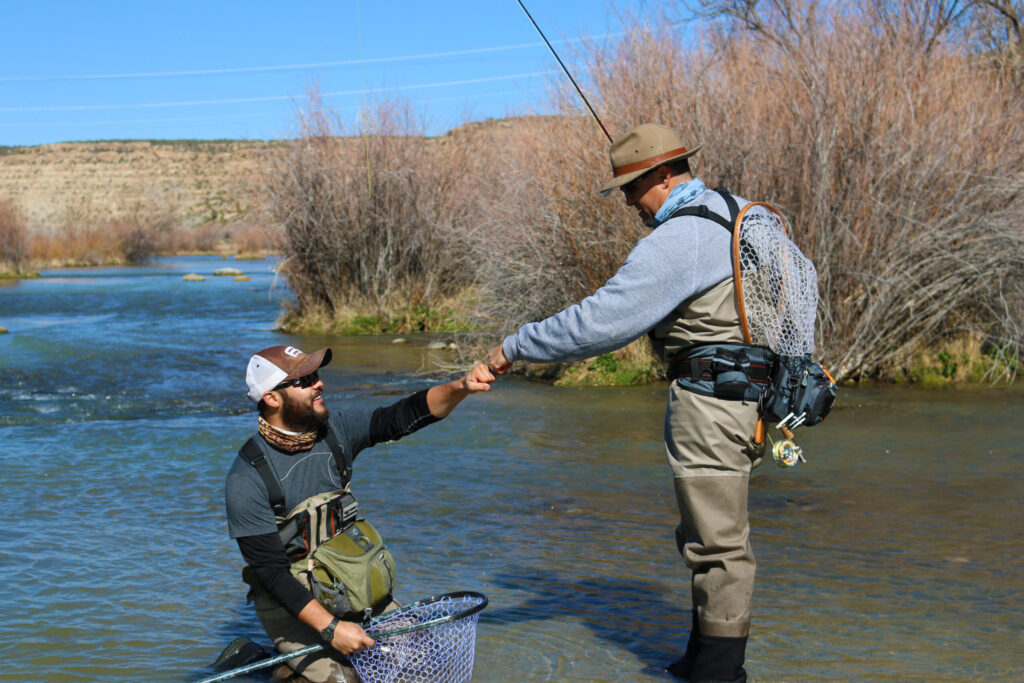
Hunting & Fishing Access

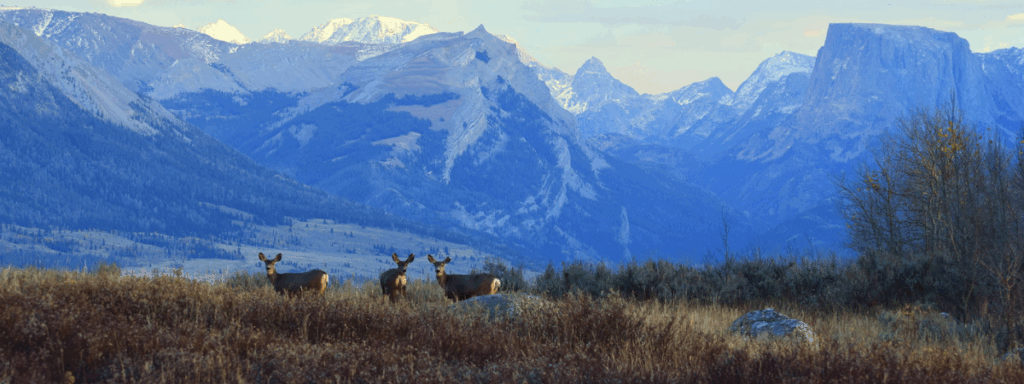
America’s 640 million acres of national public lands provide irreplaceable hunting and fishing opportunities to millions of Americans.

Learn More About Access
What TRCP is Doing

We’re working to safeguard America’s public lands so hunters and anglers always have quality places to pursue their passions.
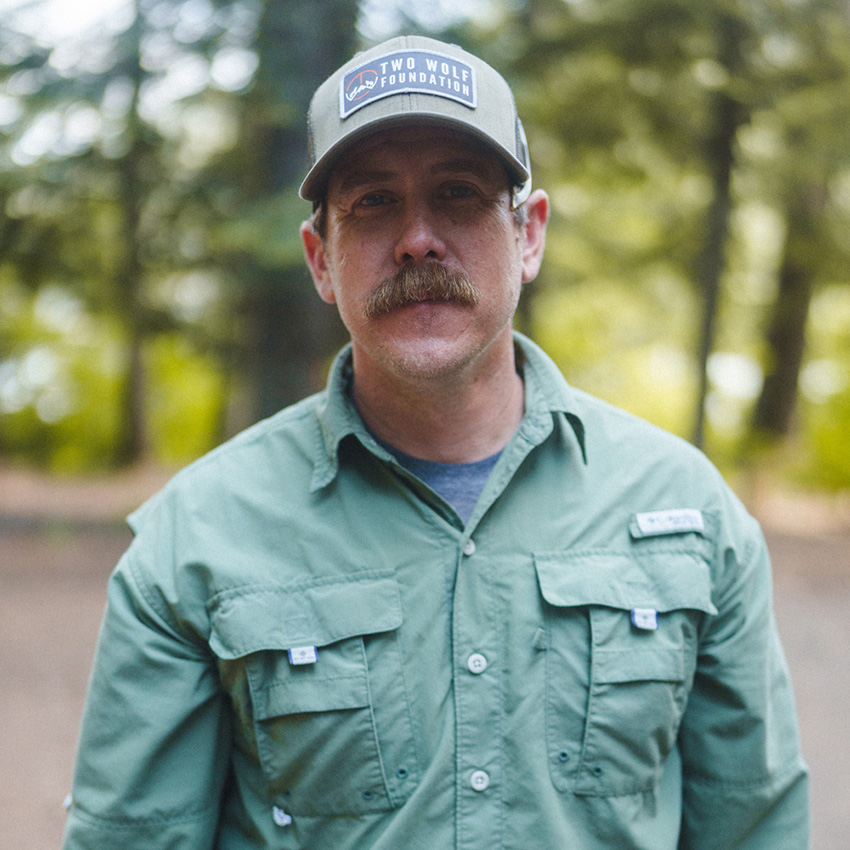
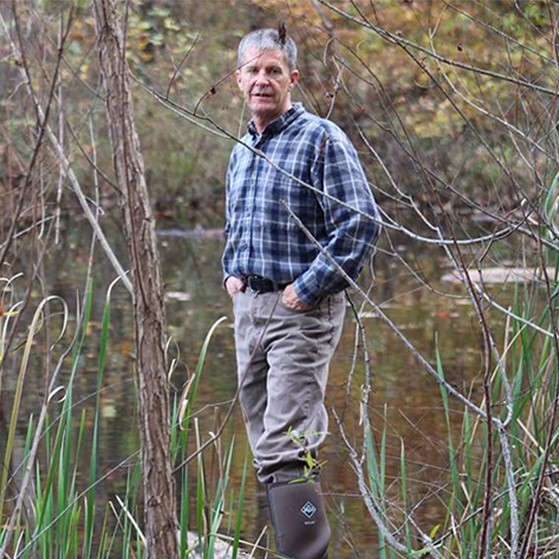
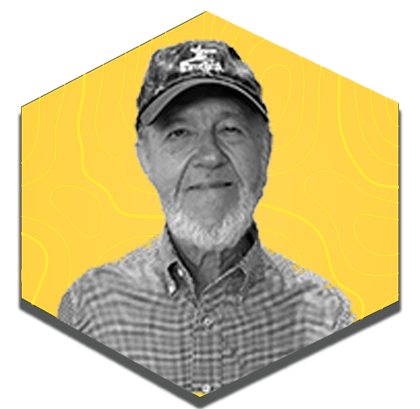
 Brian Flynn, Two Wolf Foundation
How Sportsmen Are Doing It Right

Brian Flynn, Two Wolf Foundation's Story

Following a distinguished career in the U.S. Army, lifelong outdoorsman Brian Flynn returned home from a deployment in Afghanistan and…

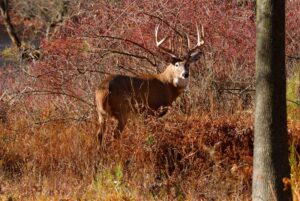
Hunting
Why It Matters

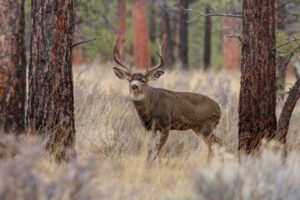
Key Issues for America’s Hunters

Your source for the latest policy updates, conservation challenges, and opportunities shaping America’s hunting traditions.

What TRCP is Doing

We’re fighting for meaningful policy changes that benefit wildlife, our waters, and the American landscapes that make our outdoor traditions possible.

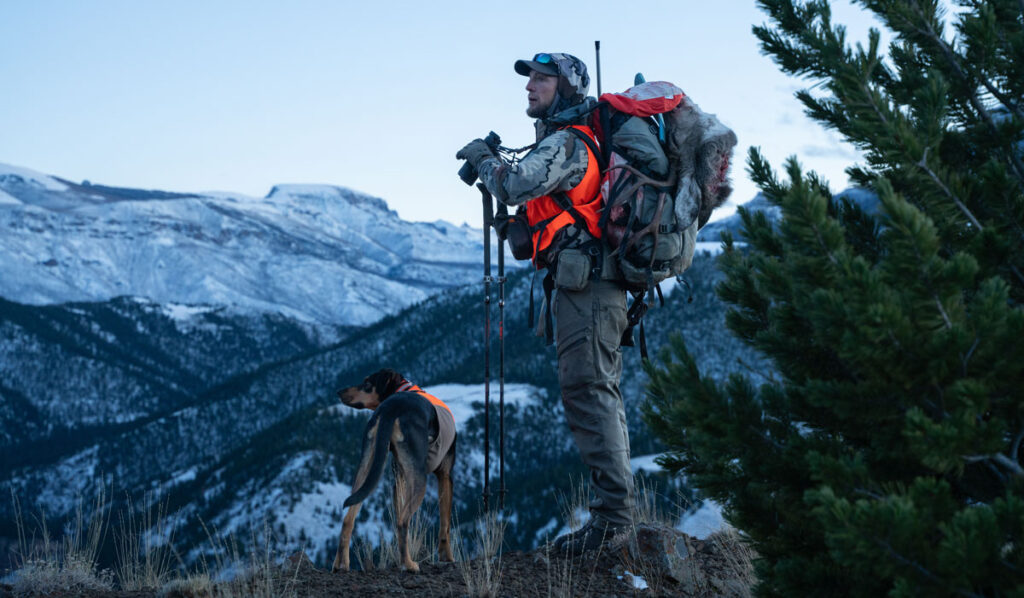
 Ryan Sparks
How Sportsmen Are Doing It Right

Ryan Sparks's Story

TRCP’s “In the Arena” series highlights the individual voices of hunters and anglers who, as Theodore Roosevelt so famously said,…
Fishing
Why It Matters

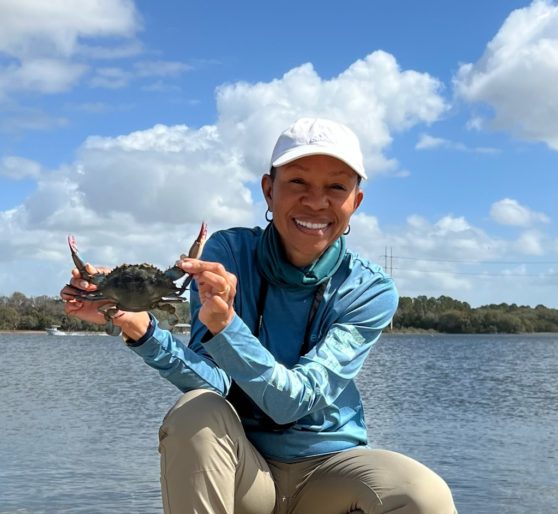
Key Issues for America’s Anglers

Your source for the latest policy updates, conservation challenges, and opportunities shaping America’s fishing traditions.

What TRCP is Doing

We’re fighting for meaningful policy changes that benefit wildlife, our waters, and the American landscapes that make our outdoor traditions possible.

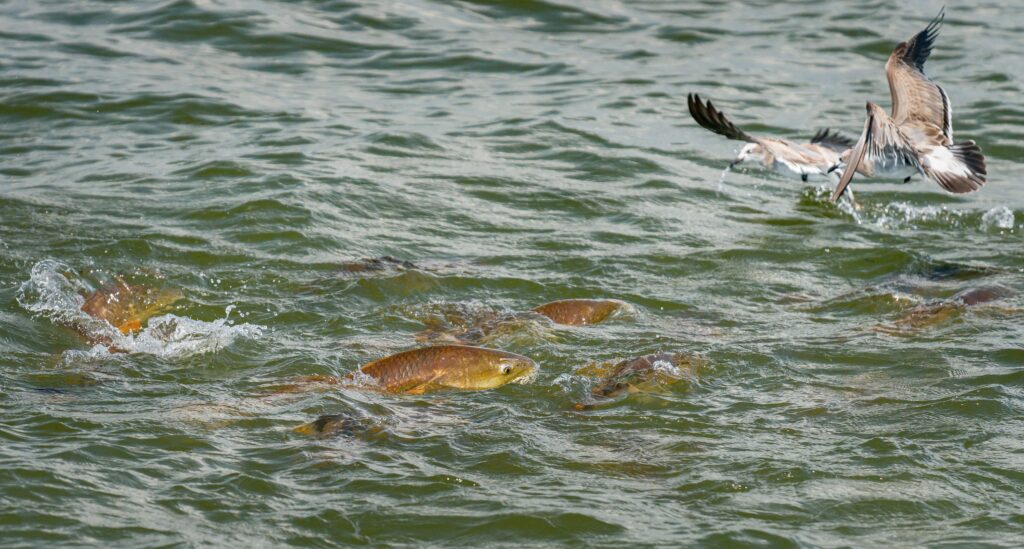
 David Mangum
How Sportsmen Are Doing It Right

David Mangum's Story

Capt. David Mangum is a YETI ambassador and outdoor photographer who utilizes his talents to produce media that inspire a…

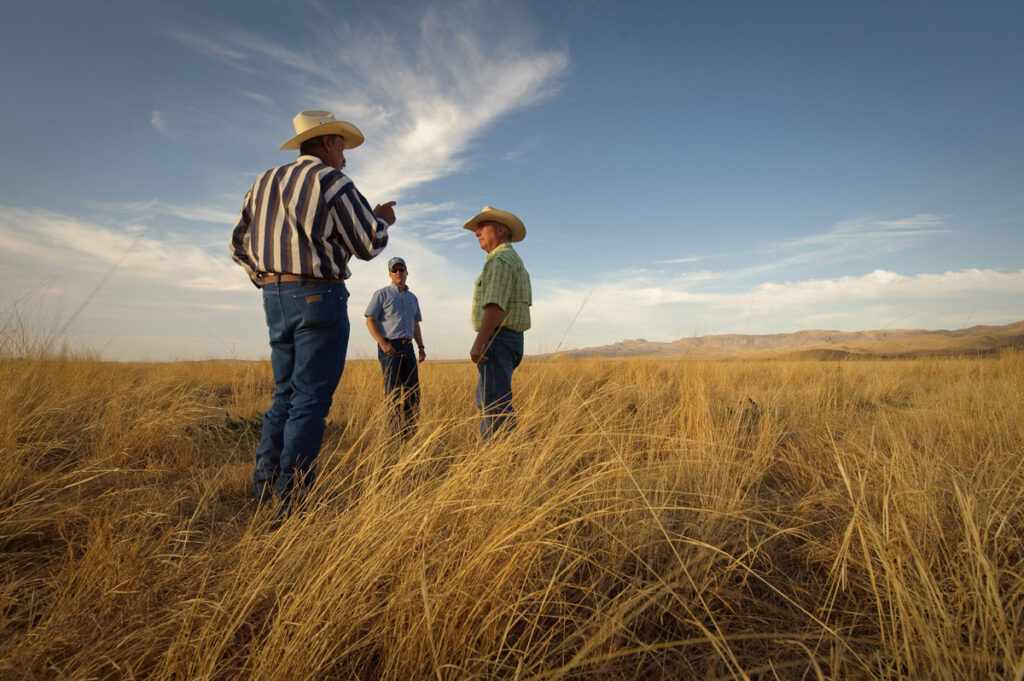
Private Land
Why It Matters

Stewardship on America’s private lands

With 70 percent of U.S. lands in private hands and many of our best hunt and fish opportunities occurring there, investing in voluntary conservation on working lands safeguards access, strengthens habitat and water quality, and ensures resilient landscapes.

Learn More
What TRCP is Doing

We champion policies and programs that restore wildlife habitat, improve soil and water health, and keep working lands productive.

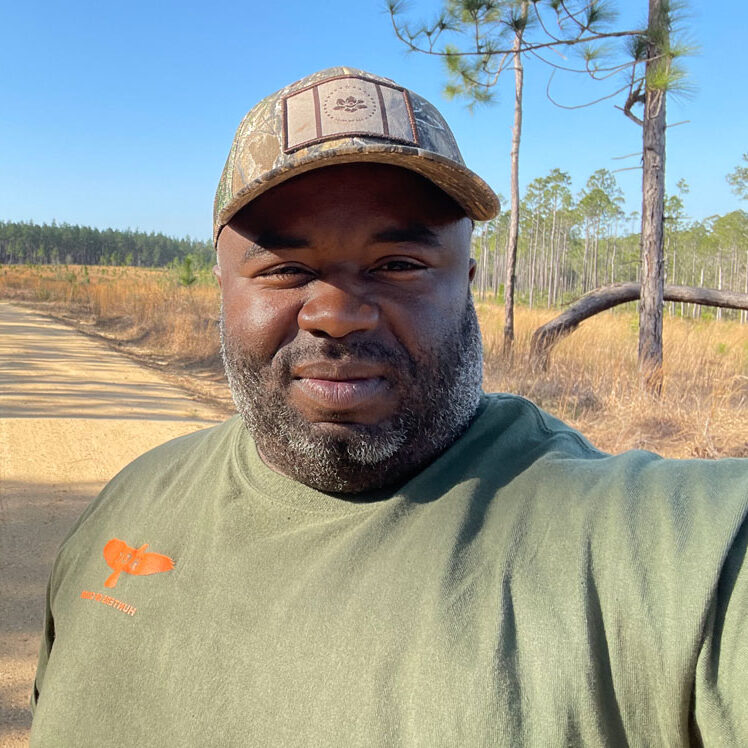
 Ward Burton
How Sportsmen are Doing It Right

Ward Burton's Story

Ward Burton’s NASCAR driving career stretched across most of two decades. As an avid sportsman and conservationist, he founded the…

Special Places
Why It Matters

Special Places Worth Protecting

America’s most iconic landscapes provide unmatched habitat and unforgettable days afield. These places sustain wildlife, anchor local economies, and define the hunting and fishing traditions we pass down.

What TRCP is Doing

We’re working to conserve special places that provide world-class habitat and unforgettable opportunities for hunters and anglers.

 Franklin Adams
How Sportsmen Are Doing It Right

Franklin Adams's Story

As a true Gladesman, conservationist, and historian, Capt. Franklin Adams has spent more than six decades championing Everglades restoration efforts…

Habitat & Clean Water
Why It Matters

Healthy Habitat Powers Every Pursuit

All hunting and fishing opportunities depend on quality habitat, from clean water and healthy wetlands to winter and summer habitats and the migration corridors that connect them.

All About Habitat & Clean Water
What TRCP is Doing

We are working to safeguard the habitats that power every hunting and fishing opportunity.

 Alex Harvey
How Sportsmen Are Doing It Right

Alex Harvey's Story

Alex Harvey, founder of Legacy Land Management, is a registered professional forester in Mississippi and Alabama with a Master's degree…

Science
Why It Matters

Science That Guides TRCP

From conserving migration corridors and wetlands to ensuring clean water and resilient landscapes, science provides evidence that turns conservation goals into effective action.

Science for Conservation
What TRCP is Doing

For hunters and anglers, science safeguards the experiences we treasure including resilient big game populations, abundant fish, and wild places that endure changing social landscapes.

Jamelle Ellis
Your Science Expert

Jamelle Ellis's Story

Jamelle Ellis joined the Theodore Roosevelt Conservation Partnership in 2022. Jamelle spent the last three years as an environmental sustainability…

Where We Work
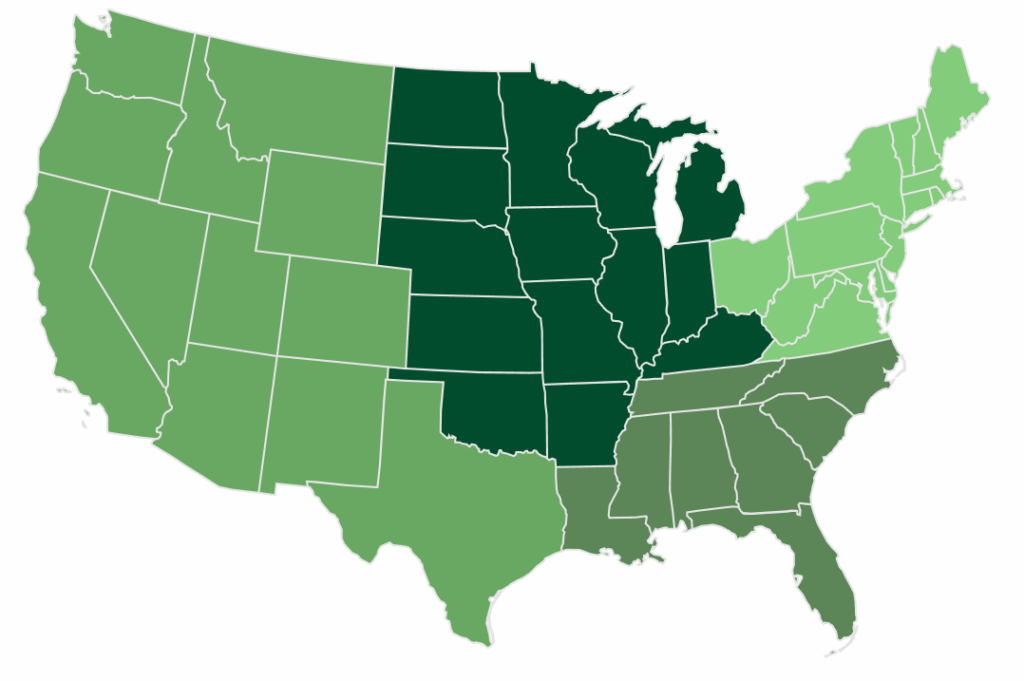
Across the Nation

Conservation Across America

TRCP works across the country to ensure hunters and anglers can enjoy healthy fish and wildlife and quality days afield, no matter where they live.

See All Issues
TRCP in Your Region

TRCP works across the country to ensure hunters and anglers can enjoy healthy fish and wildlife and quality days afield, no matter where they live.

Who We Are
Our Mission

To guarantee all Americans quality places to hunt & fish

We unite and amplify our partners’ voices to advance America’s legacy of conservation, habitat, and access.

Our Mission & Values
Our People & Partners
  • Meet the TRCP Team

    Our staff and board members unite and amplify our partners’ voices to advance America’s legacy of conservation, habitat, and access.

    Meet the Team
  • Our Partners

    ‘Partnership’ is in our name. We work with 64 diverse partner groups that represent today’s leading hunting, fishing, and conservation organizations in order to strengthen the sportsman’s voice in Washington, D.C.

    Our Partners
  • Corporate Council

    TRCP’s Corporate Council is made up of diverse corporations that share a common passion for conservation.

    Corporate Council
Our Organization

Looking for more information?

Explore our latest news, policy updates, and conservation resources to get the information you need.

Giving
How You Can Help

To guarantee all Americans quality places to hunt & fish

Your tax-deductible donation will support TRCP's mission, now and into the future.

DONATE
Special Ways to support trcp
  • Capital Conservation Awards Dinner

    The CCAD is one of Washington's best-attended conservation celebrations, featuring dinner, cocktails, and a silent auction.

    Learn More
  • Step Into the Arena

    Help us ensure that our treasured wild habitats and game remain intact for the next generation to enjoy – lend your support to the TRCP’s efforts today!

    Donate
  • Roosevelt Roast

    TRCP has partnered with Afuera Coffee Co. to further our commitment to conservation.

    Learn More
More donation options

Find the best way for you to lend your support. Join one of TRCP’s donor circles for special invitations, premium offerings from outdoor retailers, and more exclusive benefits. Take control of your legacy with planned giving or contribute to special conservation funds.

Other Ways To Give
News
In the Spotlight

TRCP Urges Renewed Collaboration on Colorado River Management

Missed deadline highlights continued need for durable agreement that sustains water, fish, and wildlife - and the outdoor traditions central to the Basin's identity and economy.

Read More

Stay Informed

Receive our newsletter, the Roosevelt Report, right in your inbox. Never miss the latest news in conservation issues.

by:

posted in:

September 10, 2015

114 Outdoor businesses in 23 states have one message for Congress about LWCF

Hunting outfitters, fishing guides, taxidermists, publishers, and gear manufacturers from more than 100 outdoor industry businesses in 23 U.S. states have sent a letter to House and Senate leadership asking for the speedy reauthorization of the Land and Water Conservation Fund (LWCF), which is set to expire on September 30. The fund has been instrumental in improving habitat and providing public access for hunting and fishing across America for 50 years.

The letter urges Congress to continue to allow the fund—which is supported by off-shore gas royalties, not taxpayer dollars—to provide quality places for Americans to hunt and fish, thereby helping to grow an outdoor recreation economy that currently provides millions of jobs and drives $646 billion into local communities each year.

“It is up to those of us who care deeply about these resources, and depend on them for our businesses, to demand that Congress reauthorize the Land and Water Conservation Fund,” says John LeCoq, founder and CEO of fishing brands Fishpond and Lilypond in Colorado. “The diverse landscape of America personifies our nation, and we have a responsibility to protect and enhance the natural resources from which we draw so much inspiration. Both sides of the aisle should be able to see that the LWCF is a tool that makes economic sense and that fish, wildlife, and future generations will continue to benefit from it.”

Since its inception in 1964, the LWCF has been used to invest over $16 billion in conservation and outdoor recreation, including the establishment of new public fishing areas, new access into landlocked and checkerboarded parcels of public lands, and the acquisition of new public lands for the benefit of fish, wildlife, and the sporting public.

“The success of our company depends on the ability of everyday American sportsmen to be able to find quality places to hunt,” says Ryan Callaghan, marketing manager with First Lite, a hunting clothing manufacturer based out of Ketchum, Idaho. “The Land and Water Conservation Fund is a success story in funding conservation and access and in providing quality opportunities for sportsmen to hunt on public lands. If you hunt, hike, fish, or birdwatch, you want the LWCF reauthorized as soon as possible.”

“Where conservation so often loses out in the federal budget, it wins big in the Land and Water Conservation Fund, without being a burden on taxpayers,” says Whit Fosburgh, president and CEO of the Theodore Roosevelt Conservation Partnership, the group responsible for spearheading the business letter. “Congress has enough to debate before the end of the fiscal year. Reauthorization of this successful program should be a no-brainer.”

LWCF supporters can contact their lawmakers through the TRCP’s action alerts page.

Get the latest news and share the message on social with #LWCF.

Do you have any thoughts on this post?

XHTML: You can use these tags: <a href="" title=""> <abbr title=""> <acronym title=""> <b> <blockquote cite=""> <cite> <code> <del datetime=""> <em> <i> <q cite=""> <s> <strike> <strong>

Comments must be under 1000 characters.

by:

posted in:

A New Incentive to Keep Hooves on the Ground and Grassland Habitat Intact

Grassland bird populations in America—including northern bobwhite quail, ring-necked pheasants, lesser prairie chickens, upland nesting waterfowl, wild turkeys, and others—are facing a conservation crisis. There simply isn’t enough habitat.

It wasn’t always this way. For much of our history, grassland birds lived in harmony with farmers, ranchers, and foresters, taking advantage of hedgerows and grazing lands. Even before that, birds coexisted with native grazers like bison, which naturally maintained the plains. But over the last several decades, aggressive farm policies, surging land and crop prices, and modern technologies have driven producers to favor planting row crops—or selling their land to developers—rather than leaving their land in grass-based agriculture. As a result, over 70 percent of our nation’s grasslands have been lost. This dramatic shift has raised serious concerns that grassland ecosystems, and the species they support, could be at risk.

That’s why we’re excited to report that the USDA is currently accepting applications for a new, nationwide Conservation Reserve Program (CRP) Grasslands initiative, which incorporates elements of the old Grasslands Reserve Program, repealed in 2014. The agency is looking for farmers and ranchers who wish to conserve working grasslands, rangelands, and pasturelands, while maintaining the areas as livestock grazing lands. The CRP-Grasslands program will provide rental payments and cost-share assistance to producers as incentive to keep native grasslands intact. And unlike other CRP lands, these enrollments do not require a cropping history.

This is especially good news for livestock producers, who are increasingly concerned about the declining availability of grassland. According to the South Dakota Grassland Coalition, their state lost more than 200,000 beef cows in response to the growth of other industries, like corn and soybeans, in the last 12 years. Since each cow requires and provides economic justification for about eight acres of grassland, that means that in just over a decade 1.6 million acres of South Dakota grasslands stopped supporting beef and are now likely planted with row crops.

Considering the importance of South Dakota’s prairie habitat to pheasant and duck populations, that should sound an alarm among sportsmen: No cows = No grass = No birds!

A recent drop in crop prices and high prices for beef cattle have helped to slow the conversion of grassland to cropland, but farmland economics are complex and the situation could reverse at any time. It’s important that cattle ranchers and conservationists take advantage of programs like CRP-Grasslands that will help keep these native landscapes intact.

Although the incentives aren’t huge (and they vary across the country), CRP-Grasslands may help to level the playing field by allowing landowners two chances to earn revenue on each acre: once through CRP, and again when renting their land for grazing or when cattle go to market. For some—whether on an expansive Dakota ranch or on a few Maryland acres supporting bobwhite quail—this could mean the difference between producing cattle or corn.

There’s also a third potential source of income associated with the new program, and this is where things get exciting for hunters of grassland-based wildlife: Landowners with grassland habitat can often open their properties for recreation, bringing economic benefits to their local communities in the process. Sportsmen, private landowners, and rural economies all win when habitat is improved and sustainable.

This year, CRP is turning 30. It has been one of the most successful soil, water, and wildlife conservation programs in the history of the country, and one of the largest available to private landowners. But CRP is shrinking—currently 24 million acres are enrolled, down from a high of 37 million just a few years ago. CRP works for sportsmen, but it also has to work for farmers and ranchers in order to remain viable. We hope that the CRP-Grasslands initiative will help balance the needs of the farm and rural communities with the needs of fish and wildlife, and provide better opportunities for sportsmen to access private lands in the process.

by:

posted in:

Locked Out: Oregon’s Deschutes River Canyon

In an increasingly crowded and pay-to-play world, America’s 640 million acres of public lands – including our national forests and Bureau of Land Management lands–have become the nation’s mightiest hunting and fishing strongholds. This is especially true in the West, where according to the U.S. Fish and Wildlife Service, 72 percent of sportsmen depend on access to public lands for hunting. Without these vast expanses of prairie and sagebrush, foothills and towering peaks, the traditions of hunting and fishing as we have known them for the past century would be lost. Gone also would be a very basic American value: the unique and abundant freedom we’ve known for all of us, rich and poor and in-between, to experience our undeveloped and wild spaces, natural wonders, wildlife and waters, and the assets that have made life and citizenship in our country the envy of the world.

In Part Seven of our series, we head west to Central Oregon.

For early conservation pioneers like President Theodore Roosevelt, strenuous lives spent in the outdoors, with room to hunt and fish, were key elements of the American experience and essential to a strong and engaged citizenry. Nowhere in America is a strenuous outdoor life more accessible than in the heart of Oregon, in Deschutes River country. This major tributary of the Columbia River on the east side of the Cascade Range wanders north through basalt cliff canyons and offers world-class fishing and hunting to anyone willing to access the river canyon through public lands.

Prime mule deer hunting and upland bird hunting for chukar partridge make the BLM lands here a year-round destination for outdoorsmen and women. Anglers come from all over the world to fish for the “redsides,” a variety of powerful redband trout. Steelheaders, oblivious to cold water and rain, or the thousands of casts it takes to hook into these powerful fish, flock here from near and far. Steelheading doesn’t get much better than on the Deschutes.

This kind of habitat health and access wouldn’t have been possible without the establishment of public lands early on. The Deschutes River is born in Little Lava Lake, which is found in the 1.8-million-acre Deschutes National Forest, protected since 1908. Access is a given here, with much of the lower Deschutes managed by the BLM as a designated Wild and Scenic River, with multiple campgrounds for fishermen, whitewater rafters, and anyone else who wants to follow some very simple rules in order to experience the river.

Oregonians seem to appreciate and celebrate the tradition of public lands, but the takeover fever that has gripped some Western politicians (even if it has not gripped Westerners themselves) is here, too. In 2014, the Klamath County Board of County Commissioners announced that they would be “the tip of the spear” in supporting the Transfer of Public Lands Act, state legislation that originated in Utah and demands that federal public lands be transferred to individual states. Then, four different bills that were designed to seize or undermine America’s public lands legacy were introduced during the Oregon 2015 legislative season.

Knowing that the state has already sold all but 776,000 acres of the 3.4 million acres it was granted upon attaining statehood, hunters and anglers stepped up to put a stop to these harmful bills. Oregon’s ranching interests weren’t friendly to these efforts, either—the current grazing fee on Oregon state lands is seven times more than the federal charge.

Rivers like the Deschutes, with its headwaters in Oregon’s high elk country, do not exist anywhere else on earth. If these public resources were sold off, they would bring a premium price. The loss would be felt by all Americans who once had unfettered access to some of the world’s finest hunting and fishing and the lifestyle that went with it. That’s why sportsmen will continue to send a message to decision makers that we won’t stand for proposals aimed at limiting our outdoor opportunities.

Here are three ways you can support sportsmen’s access on public lands. 

Stay tuned. In the rest of this 10-part series, we’ll continue to cover some of America’s finest hunting and fishing destinations that could be permanently seized from the public if politicians have their way.

by:

posted in:

September 8, 2015

Glassing The Hill: September 8 – 11

The TRCP’s scouting report on sportsmen’s issues in Congress

Both the House and Senate return from the Labor Day holiday and a month-long stay in members’ home states.

Photo courtesy of Library of Congress.

After spending the month of August in their districts, members of Congress return to what will likely be a flurry of deadline-driven activity through the end of the year. Discussion of President Obama’s nuclear agreement with Iran will take up much of the floor time for the first half of September.

Meanwhile, only 12 legislative days remain for Congress to reach a funding agreement and keep the government from shutting down when this Fiscal Year ends on September 30. It seems likely that a short-term continuing resolution (CR) will be passed to fund the government, although politics around the Planned Parenthood scandal could complicate that path forward. Passage of a CR would likely set up an end-of-year debate on a longer-term omnibus appropriations agreement—a bill to combine many small appropriations bills, requiring just one vote in each chamber.

Other things facing a September 30, or end-of-fiscal-year, deadline: Reauthorization of the Land and Water Conservation Fund and a court-mandated decision on whether to list the greater sage grouse for Endangered Species Act protection. Tick tock.

The Week in Full

Wednesday, September 9
Animas River Spill – House Committee on Science, Space and Technology hearing on “Holding EPA accountable for polluting Western waters”

More info here

Friday, September 11
Federal Facility CleanupHouse Energy and Commerce Subcommittee on Environment and the Economy hearing on the Comprehensive Environmental Response, Compensation, and Liability Act

Energy ReformHouse Science, Space and Technology Subcommittee on the Environment hearing on EPA Clean Power Plan

by:

posted in:

September 4, 2015

Meet our first #PublicLandsProud judge: Jess McGlothlin

Meet Jess McGlothlin of The Orvis Company and Jess McGlothlin Media, the guest judge in the first round for our #PublicLandsProud photo contest. For this segment of the contest, she’ll be judging the best fishing photos with her selected  winner receiving a new pair of Costa Sunglasses. Think you have what it takes? Read on to find out what she’ll be looking for in a winning photo and get the full scoop on the #PublicLandsProud contest here.

1. What makes you #PublicLandsProud?

Image courtesy of Bob White.

The simple ability to go out and get lost in the outdoors is one of the best things for the soul. It tends to put everything in perspective. And the fact we have readily accessible public lands is, really, pretty incredible.

2. What’s your ideal day of fishing on public lands?

Hard to say; as I see more—and different—public lands, my idea of a perfect day fishing keeps changing. All I can say it would involve family, a good boat, and a relaxed day on the water. And if the fish are eating so much the better.

3. How do you like to spend your time on public lands? 

I’m usually off on a shoot—be it fishing, hunting, or hiking—but sometimes it’s nice to leave the camera gear at home and just enjoy being outside.

4. What’s your connection to the industry?

Image courtesy of Dry Fly Media.

Currently I freelance full-time, working for editorial clients like the New York Times and various publications and blogs (mostly in the fly-fishing and outdoor industries), and a stable of really awesome commercial clients. I’m also the outdoor copywriter for The Orvis Company.

5. What will you be looking for in a #PublicLandsProud photo?

A good photograph tells a story beyond what’s actually seen in the image. I’ll be looking for shots that make me wonder what the rest of the day was like, what happened next… a good picture is like a story compressed down to a single shot. I can’t wait to see the awesome things folks are doing on our public lands!

Show us your #PublicLandsProud moment and you could be featured on our blog, not to mention win a new pair of Costa Sunglasses. 

Here are three ways you can support sportsmen’s access on public lands. 

HOW YOU CAN HELP

TRCP has partnered with Afuera Coffee Co. to further our commitment to conservation. $4 from each bag is donated to the TRCP, to help continue our efforts of safeguarding critical habitats, productive hunting grounds, and favorite fishing holes for future generations.

Learn More
Subscribe


You have Successfully Subscribed!

You have Successfully Subscribed!

You have Successfully Subscribed!

You have Successfully Subscribed!

You have Successfully Subscribed!