Our Issues
Public Lands
Why It Matters

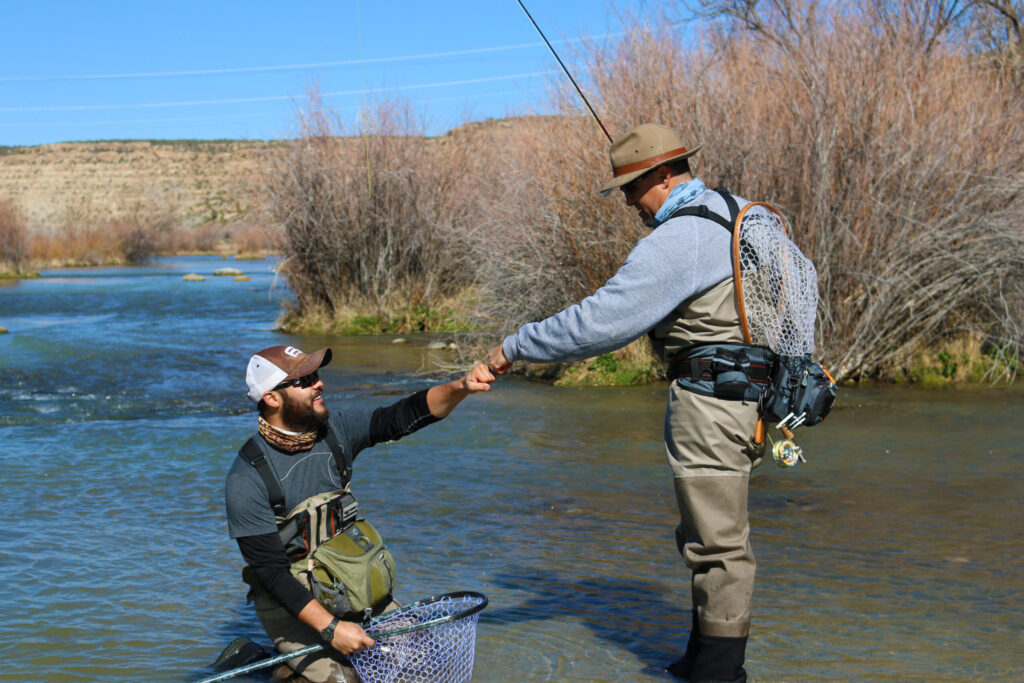
Hunting & Fishing Access

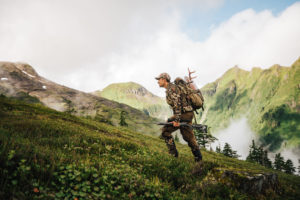
America’s 640 million acres of national public lands provide irreplaceable hunting and fishing opportunities to millions of Americans.

Learn More About Access
What TRCP is Doing

We’re working to safeguard America’s public lands so hunters and anglers always have quality places to pursue their passions.
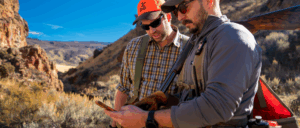
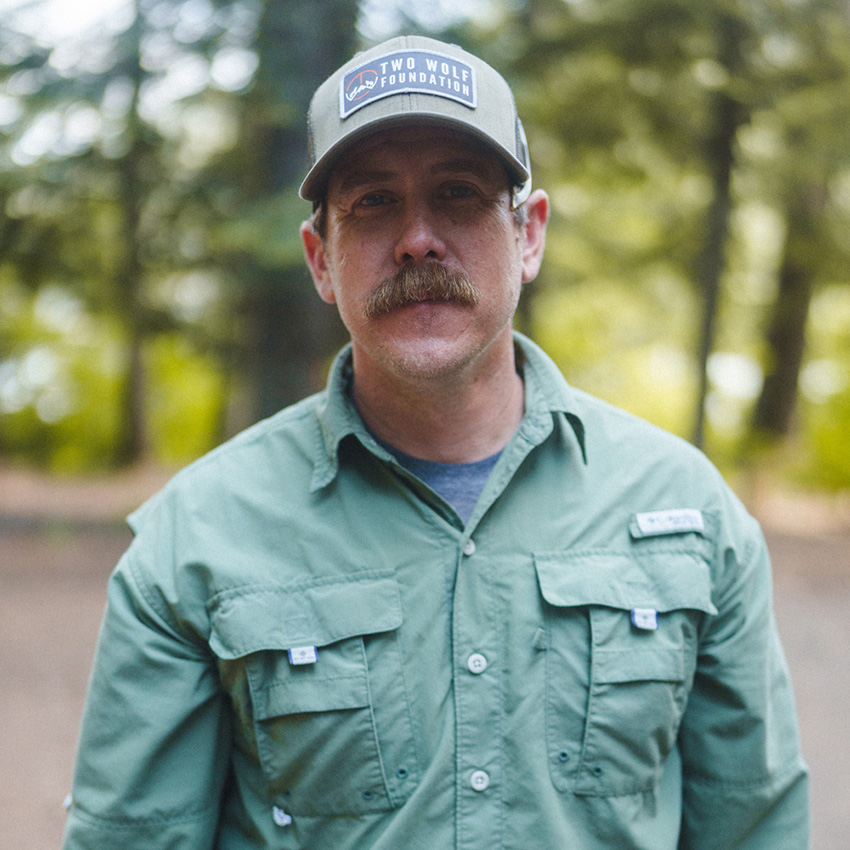
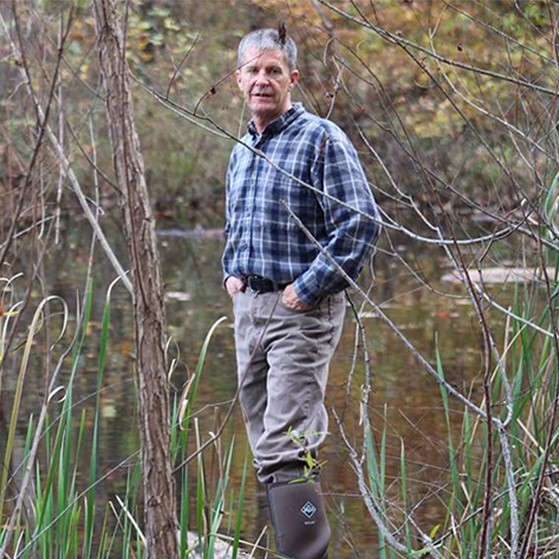
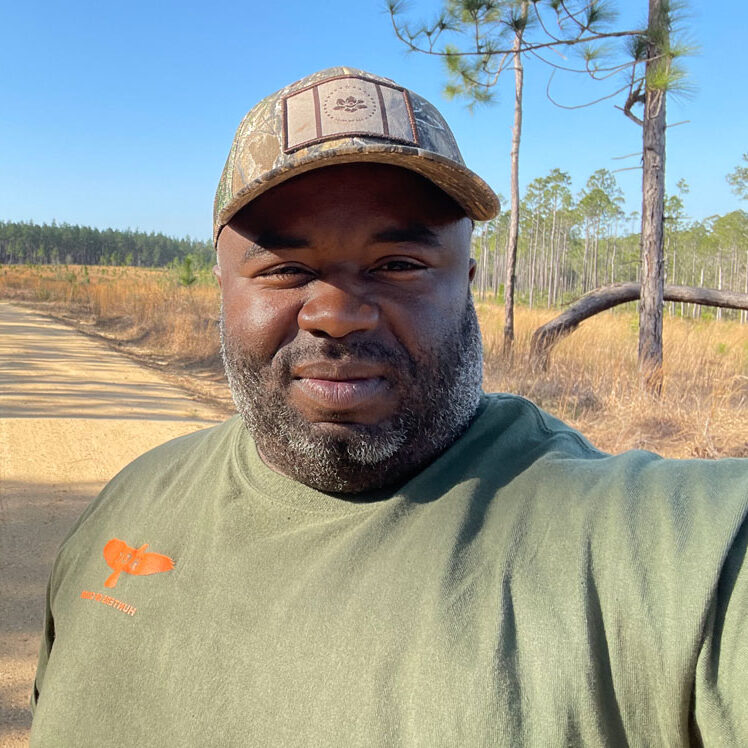
 Brian Flynn, Two Wolf Foundation
How Sportsmen Are Doing It Right

Brian Flynn, Two Wolf Foundation's Story

Following a distinguished career in the U.S. Army, lifelong outdoorsman Brian Flynn returned home from a deployment in Afghanistan and…

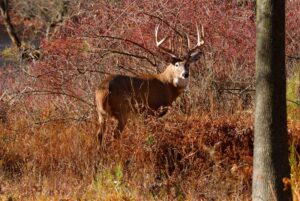
Hunting
Why It Matters

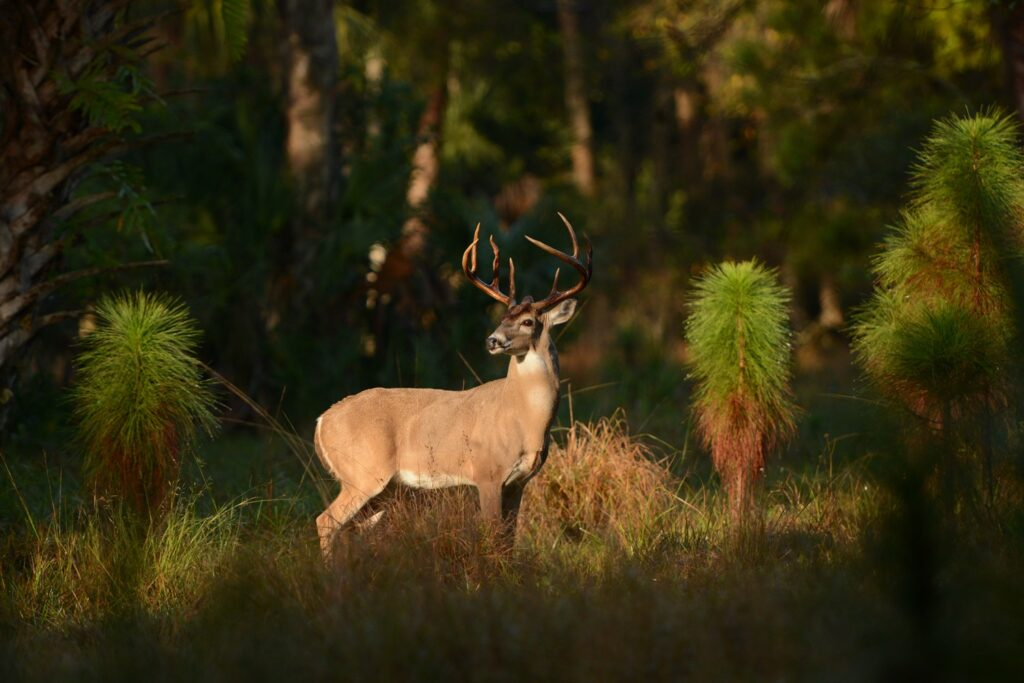
Key Issues for America’s Hunters

Your source for the latest policy updates, conservation challenges, and opportunities shaping America’s hunting traditions.

What TRCP is Doing

We’re fighting for meaningful policy changes that benefit wildlife, our waters, and the American landscapes that make our outdoor traditions possible.

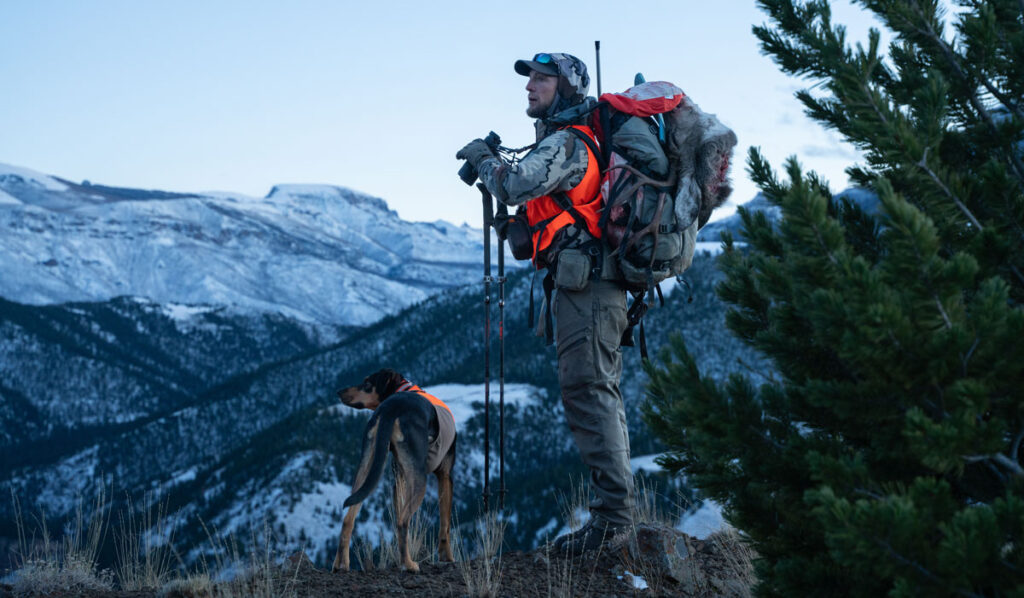
 Ryan Sparks
How Sportsmen Are Doing It Right

Ryan Sparks's Story

TRCP’s “In the Arena” series highlights the individual voices of hunters and anglers who, as Theodore Roosevelt so famously said,…

Fishing
Why It Matters

Key Issues for America’s Anglers

Your source for the latest policy updates, conservation challenges, and opportunities shaping America’s fishing traditions.

What TRCP is Doing

We’re fighting for meaningful policy changes that benefit wildlife, our waters, and the American landscapes that make our outdoor traditions possible.

 David Mangum
How Sportsmen Are Doing It Right

David Mangum's Story

Capt. David Mangum is a YETI ambassador and outdoor photographer who utilizes his talents to produce media that inspire a…

Private Land
Why It Matters

Stewardship on America’s private lands

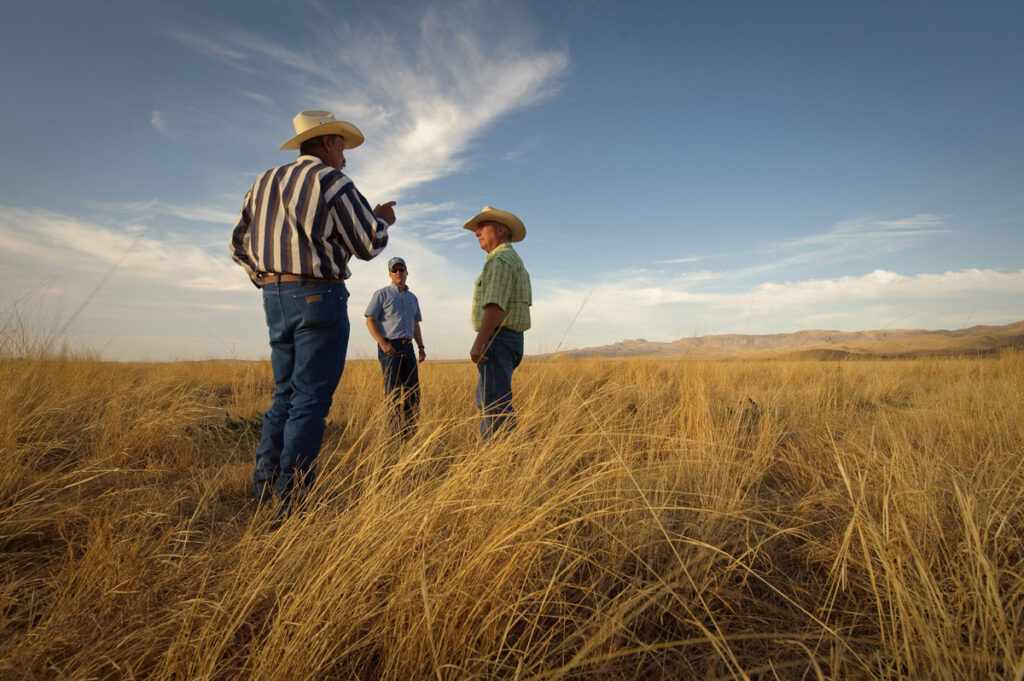
With 70 percent of U.S. lands in private hands and many of our best hunt and fish opportunities occurring there, investing in voluntary conservation on working lands safeguards access, strengthens habitat and water quality, and ensures resilient landscapes.

Learn More
What TRCP is Doing

We champion policies and programs that restore wildlife habitat, improve soil and water health, and keep working lands productive.

 Ward Burton
How Sportsmen are Doing It Right

Ward Burton's Story

Ward Burton’s NASCAR driving career stretched across most of two decades. As an avid sportsman and conservationist, he founded the…

Special Places
Why It Matters

Special Places Worth Protecting

America’s most iconic landscapes provide unmatched habitat and unforgettable days afield. These places sustain wildlife, anchor local economies, and define the hunting and fishing traditions we pass down.

What TRCP is Doing

We’re working to conserve special places that provide world-class habitat and unforgettable opportunities for hunters and anglers.

 Franklin Adams
How Sportsmen Are Doing It Right

Franklin Adams's Story

As a true Gladesman, conservationist, and historian, Capt. Franklin Adams has spent more than six decades championing Everglades restoration efforts…

Habitat & Clean Water
Why It Matters

Healthy Habitat Powers Every Pursuit

All hunting and fishing opportunities depend on quality habitat, from clean water and healthy wetlands to winter and summer habitats and the migration corridors that connect them.

All About Habitat & Clean Water
What TRCP is Doing

We are working to safeguard the habitats that power every hunting and fishing opportunity.

 Alex Harvey
How Sportsmen Are Doing It Right

Alex Harvey's Story

Alex Harvey, founder of Legacy Land Management, is a registered professional forester in Mississippi and Alabama with a Master's degree…

Science
Why It Matters

Science That Guides TRCP

From conserving migration corridors and wetlands to ensuring clean water and resilient landscapes, science provides evidence that turns conservation goals into effective action.

Science for Conservation
What TRCP is Doing

For hunters and anglers, science safeguards the experiences we treasure including resilient big game populations, abundant fish, and wild places that endure changing social landscapes.

Jamelle Ellis
Your Science Expert

Jamelle Ellis's Story

Jamelle Ellis joined the Theodore Roosevelt Conservation Partnership in 2022. Jamelle spent the last three years as an environmental sustainability…

Where We Work
Across the Nation

Conservation Across America

TRCP works across the country to ensure hunters and anglers can enjoy healthy fish and wildlife and quality days afield, no matter where they live.

See All Issues
TRCP in Your Region

TRCP works across the country to ensure hunters and anglers can enjoy healthy fish and wildlife and quality days afield, no matter where they live.

Who We Are
Our Mission

To guarantee all Americans quality places to hunt & fish

We unite and amplify our partners’ voices to advance America’s legacy of conservation, habitat, and access.

Our Mission & Values
Our People & Partners
  • Meet the TRCP Team

    Our staff and board members unite and amplify our partners’ voices to advance America’s legacy of conservation, habitat, and access.

    Meet the Team
  • Our Partners

    ‘Partnership’ is in our name. We work with 64 diverse partner groups that represent today’s leading hunting, fishing, and conservation organizations in order to strengthen the sportsman’s voice in Washington, D.C.

    Our Partners
  • Corporate Council

    TRCP’s Corporate Council is made up of diverse corporations that share a common passion for conservation.

    Corporate Council
Our Organization

Looking for more information?

Explore our latest news, policy updates, and conservation resources to get the information you need.

Giving
How You Can Help

To guarantee all Americans quality places to hunt & fish

Your tax-deductible donation will support TRCP's mission, now and into the future.

DONATE
Special Ways to support trcp
  • Capital Conservation Awards Dinner

    The CCAD is one of Washington's best-attended conservation celebrations, featuring dinner, cocktails, and a silent auction.

    Learn More
  • Step Into the Arena

    Help us ensure that our treasured wild habitats and game remain intact for the next generation to enjoy – lend your support to the TRCP’s efforts today!

    Donate
  • Roosevelt Roast

    TRCP has partnered with Afuera Coffee Co. to further our commitment to conservation.

    Learn More
More donation options

Find the best way for you to lend your support. Join one of TRCP’s donor circles for special invitations, premium offerings from outdoor retailers, and more exclusive benefits. Take control of your legacy with planned giving or contribute to special conservation funds.

Other Ways To Give
News
In the Spotlight

In the Arena: Josh Warren

For many hunters and anglers, the connection to conservation begins close to home — in the woods behind the house, along a familiar stretch of river, or through time spent learning from mentors and family. That sense of place is something Joshua Warren carries with him, both personally and professionally. As Director of Marketing at WorkSharp, Josh represents a company rooted in Ashland, Oregon, a community defined by its access to public lands and wild country.

Read More

Stay Informed

Receive our newsletter, the Roosevelt Report, right in your inbox. Never miss the latest news in conservation issues.

by:

posted in:

August 12, 2014

Guy-Harvey-swordfishing-2

Guy Harvey swordfishing

Guy Harvey swordfishing

Do you have any thoughts on this post?

XHTML: You can use these tags: <a href="" title=""> <abbr title=""> <acronym title=""> <b> <blockquote cite=""> <cite> <code> <del datetime=""> <em> <i> <q cite=""> <s> <strike> <strong>

Comments must be under 1000 characters.

by:

posted in:

August 5, 2014

How and why TruckVault Cares

Every once in a (long) while I have a pretty good idea. Because they are so infrequent, when I do have one, I act on it. That’s how “TruckVault Cares … for conservation, canines & kids … presented by PawPrint Genetics” started.

I wondered how I could use my bully pulpit as creator/host of America’s most-watched bird hunting TV show to help groups that deserve more exposure, members, support and funds.

Courtesy of TruckVault Cares

I’ve watched the TRCP from its infancy, gotten to know Jim Range and Rollie Sparrow a bit, and shared the TRCP vision from the get-go. I’m glad this year the TRCP is one of the beneficiary groups. But it’s up to you, dear reader, to make this pay off for your favorite group.

It’s fun, not to mention a good excuse to share your beliefs with others who also will support the TRCP and spend someone else’s money in support of your favorite group. Here’s how it works:

Groups receive on-air marketing exposure on Wingshooting USA TV plus online and social media marketing, print advertising in each others’ publications, and cross-promotion with partner groups. Each group will receive a share of the funding pool I provide based on total votes tallied.

Along with the TRCP, the campaign spotlight will be shared by USA Shooting, the training and sanctioning organization for U.S. Olympic and Paralympic shooting sports; Quail and Upland Wildlife Foundation, which provides funding and manpower for on-the-ground projects; Farmers and Hunters Feeding the Hungry, which funds processing and facilitates hunter donations of meat to needy families; German Shorthair Club of America’s dog rescue, an effort to find new homes for lost and abandoned hunting dogs; and the National Police Dog Foundation, which buys, trains and cares for active and retired law enforcement canines.

Anyone can vote daily at the TruckVault website and the TruckVault Facebook page. Voters are eligible for prizes throughout the campaign, which ends Dec. 31, 2014, when a $5,000 prize package is awarded at random to one voter.

And please, if you are buying any new gear or services, consider supporting the sponsors who support “TruckVault Cares”: TruckVault, Happy Jack dog care products, Filson apparel, Fiocchi ammunition, Pursuit Channel, Scott Linden’s Signature Series of dog gear, SportDOG and O.F. Mossberg & Sons.

(Scott Linden is executive producer and host of Wingshooting USA, airing on eight TV networks and the official TV series of the National Shooting Sports Foundation.)


by:

posted in:

July 29, 2014

More bad news about lionfish

Image courtesy of NOAA.

Lionfish populations continue to expand in coastal waters of the Atlantic Ocean and the Gulf of Mexico, stretching from New England to Mexico.

The exotic invader from the South Pacific and Indian Ocean was first documented off South Florida in 1985 after someone dumped his or her aquarium in the ocean rather than disposing of the lionfish.

Nothing was done about those fish by state or federal agencies. By the 1990s, lionfish had spread along Florida’s Atlantic coast. In 2000, they showed up off North Carolina. In 2009, lionfish had expanded throughout the Florida Keys. From there they stretched along the Gulf coast to Mexico.

In addition to the United States, the fish, which gobble up native reef species, have spread throughout the Caribbean to Central and South America. The Keys-based Reef Environmental Education Foundation has excellent information about lionfish on its website at www.reef.org/lionfish.

Now, thanks to a science fair project conducted by a 12-year-old girl from Jupiter, Fla., there is new information. It’s not good.

Scientists say that lionfish can also spread into estuaries with extremely low salinity rates. That means lionfish, which have no predators in their new range, could establish a stronghold in bays, lagoons and rivers with just a hint of saltwater.

In Florida, the fish already have been documented in the Loxahatchee River in Jupiter and the Indian River in Sebastian. The thinking was that the fish couldn’t stray too far from the inlets connected to those rivers, but Lauren Arrington discovered otherwise.

Arrington’s sixth-grade project demonstrated that lionfish can survive in water that is almost fresh. Scientists who heard about her project replicated her work and confirmed just how tolerant of low salinity levels lionfish can be.

“Her project was the impetus for us to follow up on the finding and do a more in-depth study,” said Craig Layman, an ecology professor at North Carolina State University, who was researching lionfish in the Loxahatchee River with graduate students from Florida International University.

“We were the first paper that published the salinity of the lionfish, and it was all because of what she had done with her science project.”

For her project, Arrington gradually lowered the salinity in five aquariums with lionfish that she and her father caught in the Indian River. They kept another aquarium at normal ocean salinity level of 35 parts per thousand as a control. Arrington brought down the salinity levels to 6 parts per thousand and the lionfish were fine. She didn’t go any lower for fear of killing the fish, which would have disqualified her project from the science fair.

Layman and his graduate students found that lionfish can tolerate a salinity of 5 parts per thousand, as well as pulses of fresh water. Their findings were published in “Environmental Biology of Fishes.” Arrington received a mention in the research paper’s acknowledgments section.

by:

posted in:

July 27, 2014

Firefighting and sportsmen: Why we support the Wildfire Disaster Funding Act – and why you should, too

There is nothing like summer in Montana for a young man with a truck and a fly rod.  Incredible fishing in any number of rivers, streams and lakes starts in the early spring and continues through the fall, especially if you’re willing to hike, wade and paddle your way into waters where the trout haven’t seen the same $1.99 foam hoppers swing by every day since June.

Norman Maclean could write a book about Montana summers today and not stray too far from the original text of A River Runs Through It. One can imagine, however, the shocked look on his face upon awakening to a Missoula valley drowned by smoke each July and August, so much so that the sun rises bright orange over Hellgate Canyon each morning. Homes burn, habitat is destroyed, and the constant thud of helicopters ferrying water to the blazes can be heard everywhere.

Image courtesy of NASA.

Catastrophic wildfires are threatening communities across the West. Now, however, Congress has the opportunity to do something about it.

Ordinary wildfires are constant in Western summers. We devour the morel mushrooms that spring up in burned areas each spring; we praise the brave men and women who dedicate their summers to cutting breaks, clearing brush and jumping out of rickety airplanes; and we bear the routine evacuations and air quality concerns without too much complaint. They are a part of life; indeed, Smokey Bear is as much of a cultural icon for us as Rosie the Riveter. Let us not forget that this is a vital ecological process. We know that fires are integral to healthy forest ecosystems. Typical wildfires eliminate weaker trees and saplings from the understory, push back the underbrush and clear the way for new plant life to emerge. This process is necessary – not only to the health of the forest but also to the game populations we prize, like mule deer, elk and ruffed grouse.

Catastrophic wildfires, which consume hundreds of thousands of acres and ravage communities, are an entirely different animal. These fires are a distinctly unnatural process resulting from climate change, insects and poor forestry management. Sen. John McCain referenced their origins recently while testifying before the Senate Energy and Natural Resources Committee, labeling them “manmade disasters” and calling for immediate reforms to the Forest Service’s suppression and prevention strategies.

One hundred and thirty-one other members of Congress also have expressed support for commonsense reforms like the Wildfire Disaster Funding Act (S. 1875 and H.R. 3992) because they realize the severe ramifications of doing nothing. Indeed, the cost of wildfires today would be considerably lower if the Forest Service was able to effectively engage in its congressionally mandated activities. Legislation like the Wildfire Disaster Funding Act would put an end   to the practice of borrowing funds from vital programs integral to land management and fire prevention across the United States to pay for fire suppression costs.

Conservation is about doing what you can, when you can. Otherwise, the land suffers, and we who hunt and fish suffer with it. We have a responsibility to support efforts to advance sound, results-oriented conservation measures, and we cannot continue to allow the individuals we elect to play games with the lands we know and love. Check and see if your senator or representative supports a change for wildfire funding. If they don’t, make sure they know you do.

Urge Congress to take action on wildfire funding today.


by:

posted in:

July 22, 2014

Putting a price tag on our federal public lands

Image by Joel Webster.

In 1961, my grandfather and a friend hired a public lands outfitter who took them on the hunting trip of their lives.

On this trip, my grandfather traveled into the Bridger-Teton National Forest in Wyoming where he harvested a bull elk, a buck mule deer and a bear. He wasn’t a rich man, but between all the goods and services his trip required, he spent a significant amount of his hard-earned money.

Years later, my father would allocate his discretionary income to fund his own public lands hunting and fishing adventures. Fortunately, I became the lucky recipient of a long-standing and sustainable hunting and fishing tradition. I’ve been able to spend the past thirty years of my life hunting with my father, friends and colleagues.

Last year, for a two month hunting season, I spent about $3,500 on fuel, licenses, food and hunting gear. When you look at the big picture, the recreational activity of 37 million individual hunters and anglers adds up quickly.

Today, Joel testified before the U.S. Senate on the value of America’s natural resources and the economic impact of hunting and angling. Read what he had to say to our elected officials in Congress…and learn more about the TRCP’s efforts to guarantee you a place to hunt and fish. 

HOW YOU CAN HELP

TRCP has partnered with Afuera Coffee Co. to further our commitment to conservation. $4 from each bag is donated to the TRCP, to help continue our efforts of safeguarding critical habitats, productive hunting grounds, and favorite fishing holes for future generations.

Learn More

You have Successfully Subscribed!

You have Successfully Subscribed!

You have Successfully Subscribed!

You have Successfully Subscribed!