Issue Column
Do you have any thoughts on this post?
TRCP’s “In the Arena” series highlights the individual voices of hunters and anglers who, as Theodore Roosevelt so famously said, strive valiantly in the worthy cause of conservation.
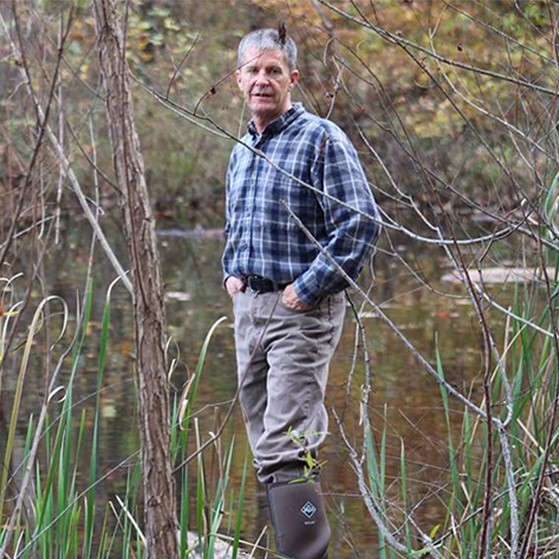
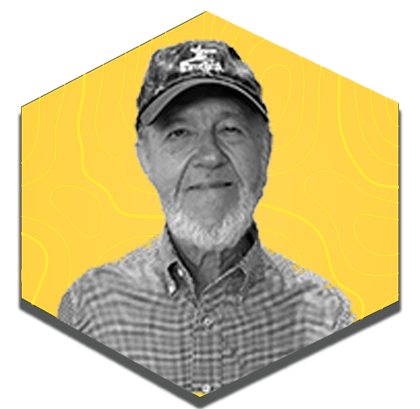
Brian Grossenbacher
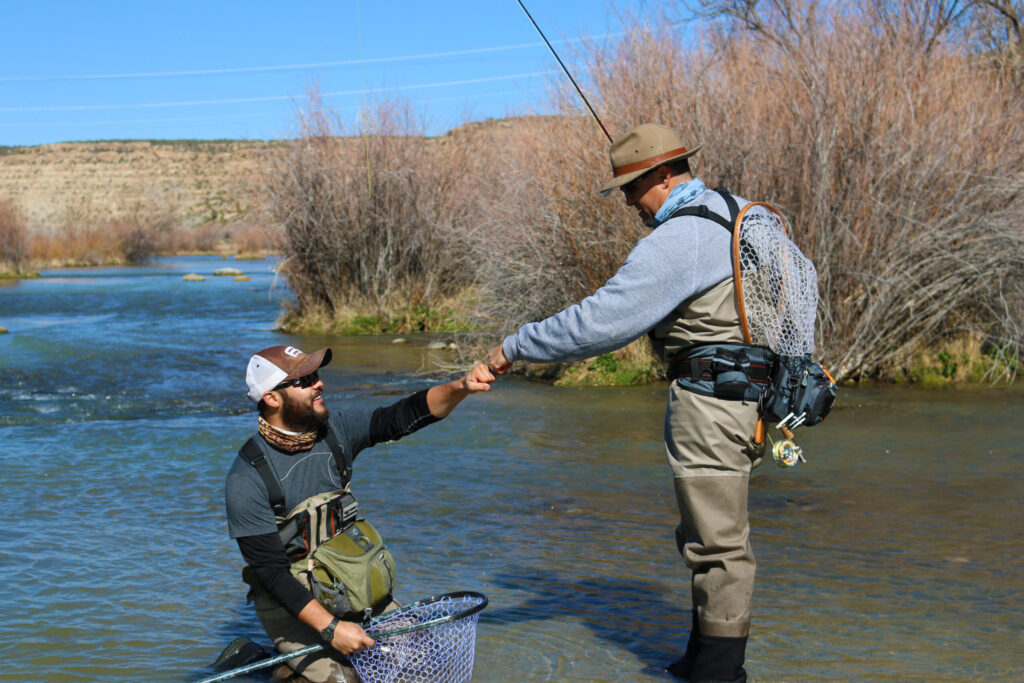
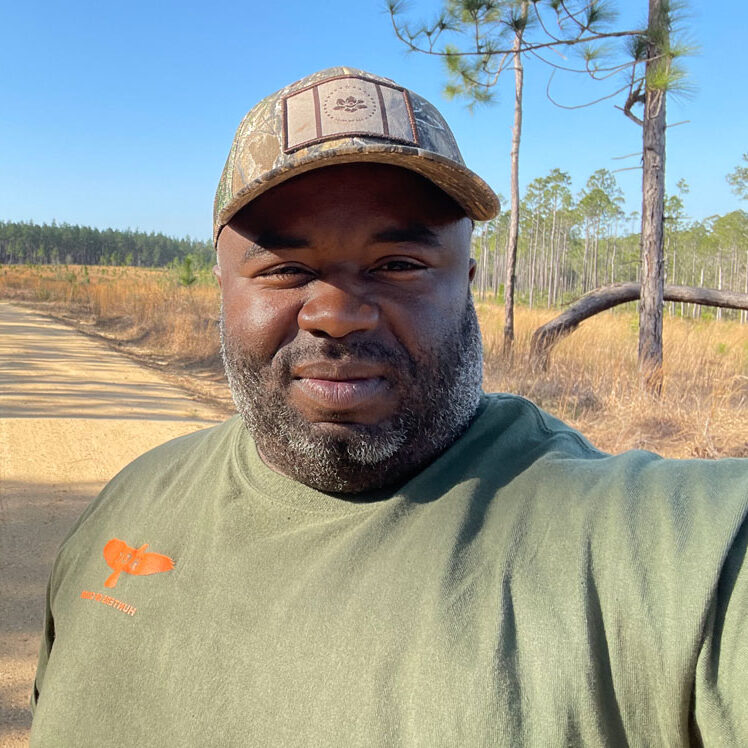
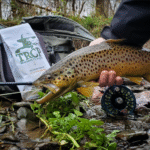
Brian Grossenbacher, fly fishing guide turned professional photographer, has shot commercial campaigns for Yeti, Orvis, Simms, Costa, and Mossy Oak. He recently surpassed the 300th magazine cover milestone and regularly contributes to Field and Stream, Outdoor Life, Gray’s Sporting Journal, Anglers Journal, Covey Rise, Shooting Sportsman, and many other publications. Grossenbacher also provided the photographs to the book Trout written by Tom Rosenbauer, as well as The Orvis Guide to Upland Hunting written by Reid Bryant. His skill with a camera and commitment to conservation makes him an invaluable member of the outdoor community.
Here is his story.
TRCP: How were you introduced to hunting, fishing, and the outdoors? Who introduced you?
Brian Grossenbacher: My father and both grandfathers took me fishing every opportunity they had starting at an early age. My proudest childhood moment was catching a four-pound northern pike on my 5th birthday.

TRCP: Tell us about one of your most memorable outdoor adventures.
Brian Grossenbacher: I was fortunate enough to be on one of the exploratory trips to visit the Tsimane Tribe in Bolivia to fish for golden dorado. It took us four days to get there, and we landed on a dirt airstrip that wasn’t meant to be seen from the air.
We hired the Tsimane people to take us upriver in their dugout canoes, and ate what we caught, including 12 monkeys that were gutted, shorn, and slow cooked over the fire. There were jaguar tracks in our camp every morning and numerous cayman that kept a close eye when we rinsed off in the river at night. We didn’t have a satellite phone, just a handshake promise from the pilot that he would pick us up in two weeks.
The fishing was outstanding. The largest dorado we landed was 28 pounds, but there were plenty in the 10–15-pound class. Looking back on that trip, it is amazing that there were no injuries…a broken bone out there would have been a big deal. The Tsimane people were excellent hunters with handmade bows and carefully crafted arrows. One night, I watched two young men string up their bows and walk down to the river and within minutes they each had a fish that they fileted and roasted over the coals of our fire. In the amount of time it would take someone to microwave a bag of popcorn, these guys shot and killed two fish (at night without lights) and ate them without a second thought to their next-level predatory skills.

TRCP: If you could hunt or fish anywhere, where would it be and why?
Brian Grossenbacher: There are some isolated sections of the Clark Fork River in Montana that still feel very wild and remind me of fishing the Yellowstone River when I started guiding in the early 90’s.
TRCP: How does conservation help enhance your outdoor life?
Brian Grossenbacher: As a fly fishing guide and then photographer, I have been blessed to make my living in beautiful places, many of which have been protected through thoughtful acts of conservation. Unfortunately, many of the rivers that do not have conservation measures or proper setbacks have been affected by development with homes and manicured lawns built right down to the water’s edge impacting the valuable habitat the rivers used to provide.

TRCP: What are the major conservation challenges where you live?
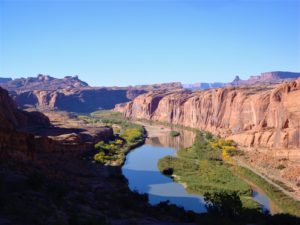
Brian Grossenbacher: For the last three years, I have lived in southern Utah where water and drought are major concerns. The Colorado River system is overtaxed providing water for over 40 million people from numerous Tribal Nations, Arizona, Colorado, California, New Mexico, Nevada, Utah, Wyoming, and two states in Mexico.
Water levels at Lake Powell are critically low and some models suggest that we could see dead pool levels as early as December 2026. Dead Pool is the elevation where the water is so low it can no longer pass through the dam’s infrastructure to the downstream Colorado River. The potential for reaching dead pool threatens the water supply and power for millions of people in the western US and Mexico, not to mention the renowned recreation of the Grand Canyon. That being said, local conservation can go a long way to helping this problem. The residents of Washington County, Utah’s hottest and driest region, historically used 302 gallons daily, twice as much water as the average American, although they have reduced this consumption in recent years. Ironically, Washington County continues to consider the construction of a 140-mile pipeline from Lake Powell. This project is estimated to cost $2.4 billion and would pump 28 billion gallons of water 2,000 feet uphill across 140 miles of desert to provide 160,000 residents in southwest Utah with more water.

TRCP: Why is it important to you to be involved in conservation?
Brian Grossenbacher: Why is it important to clean your gun or to sight in your bow or practice your cast? Conservation needs to be as important as maintaining our gear, sharpening our skills, and planning our trips. Simply put, if we lose the resource or access to it, then everything else is fluff. We as individuals must start taking personal responsibility for conservation. I don’t expect my neighbor to maintain my gear, so why would I expect them to protect my favorite river? It’s not enough to buy a license and assume you’ve done your part. Having a place to hunt or fish or hike and camp is a privilege not a right, and we need to do everything possible to protect that for the future.
TRCP: Why should conservation matter to the next generation of hunters and anglers?
Brian Grossenbacher: A lot can happen in a lifetime. We are only seven generations removed from the Lewis and Clark expedition and a time the entire western United States was wild. Today there are a lot of places you can’t throw a frisbee without hitting a strip mall or Starbucks.
Virtually everyone my age has a story about how they used to hunt or fish in a spot before the shopping center or neighborhood was built. If I have learned one thing, it’s that habitat destruction happens fast, and if the land is open and developable, someone will take it.
Roosevelt was three generations removed from Lewis and Clark and already the writing was on the wall. Without adequate conservation, our natural resources would quickly be in peril. Today those lands that he made into national forests and parks are starting to look like islands and habitat loss is widening the gap daily. If you want the opportunity to hunt and fish, then it is your responsibility to help conserve the very resources that offer that privilege. Otherwise, they will disappear or be sold to the highest bidder.
Photo credits: Brian Grossenbacher
The TRCP is your resource for all things conservation. In our weekly Roosevelt Report, you’ll receive the latest news on emerging habitat threats, legislation and proposals on the move, public land access solutions we’re spearheading, and opportunities for hunters and anglers to take action. Sign up now.
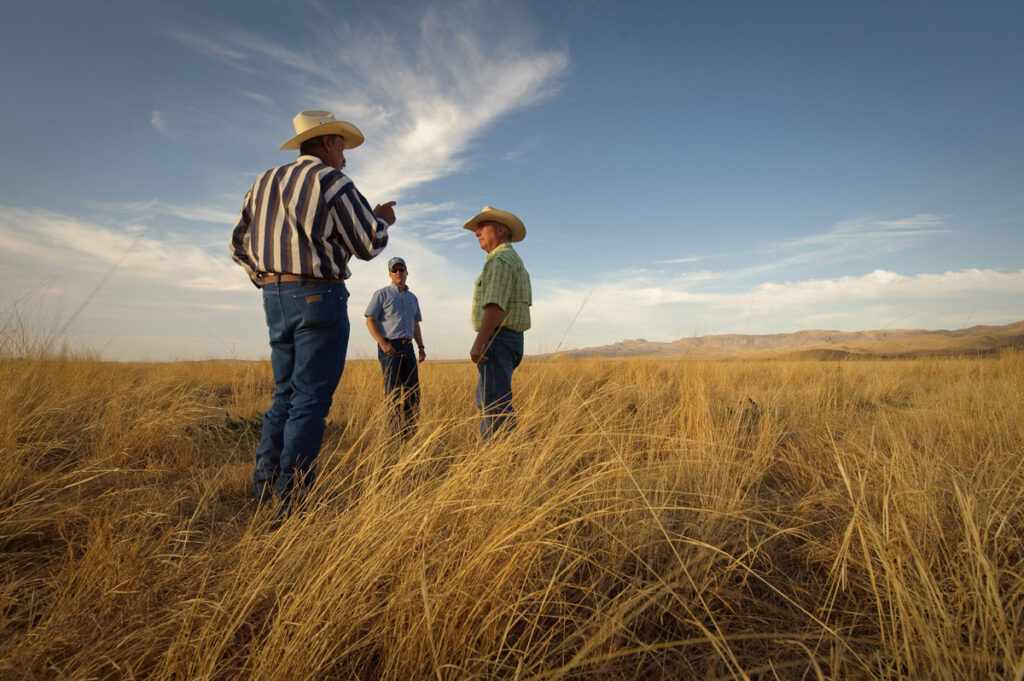
The new Cornell Lab of Ornithology video highlights how ranchers and conservation partners, like the Nature Conservancy and the North American Grouse Partnership, are working together to sustain rural communities and conserve iconic species like the lesser prairie-chicken.
At TRCP, we believe voluntary, incentive-based conservation, through tools like Farm Bill programs, is one of the most effective ways to ensure thriving landscapes, safeguard working lands, improve fish and wildlife habitat, and expand hunting and fishing opportunities. This story is a reminder that collaboration is the path forward for wildlife, water, and rural economies.
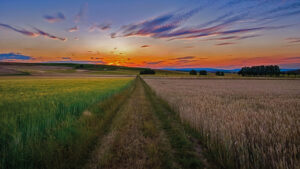
The Farm Bill is one of the most important pieces of legislation that Congress considers, supporting agriculture producers and helping to ensure families have food on the table. Within this bill are also vital conservation programs that strengthen habitat, improve water quality, and promote more sustainable landscapes – providing a lifeline for fish and wildlife.
It has been seven years since most Farm Bill programs were updated, and we are now nearly two years past the initial expiration of the 2018 Farm Bill. Congress has managed to limp these programs along by extending them for one year (twice), but once again, key Farm Bill programs expired on September 30, 2025.
Now is the time to act.

Top photo: Cornell Lab of Ornithology
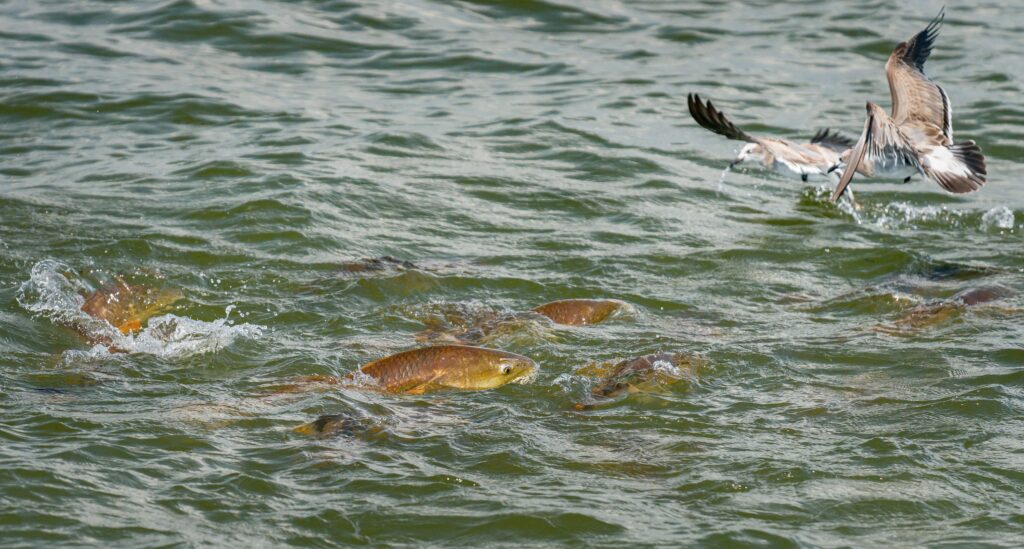
Louisiana’s Gulf menhaden fishery is the second largest fishery in the country, with harvests of nearly 1 billion pounds of these critical forage fish annually. And this comes at a cost. As TRCP recently reported, state-funded research shows that the two companies that harvest Gulf menhaden, also known as “pogies,” are catching and killing nearly 150 million non-target fish each year as bycatch, including 30,000 redfish and hundreds of thousands of other pogy predators like spotted seatrout (speckled trout), black drum, and jack crevalle, as well as 25-million-plus sand seatrout, commonly called white trout.
For Louisiana, this matters because redfish (Louisiana’s only saltwater gamefish, also known as red drum) and other sportfish aren’t just any fish — they’re a cornerstone of the state’s $3.7 billion recreational fishing economy. They bring in anglers, fuel guide services, and support local businesses. When redfish are lost as bycatch – especially breeding-size fish – Louisiana loses twice: in terms of the fish themselves and again in terms of lost economic opportunity.
Environmental research company LGL Ecological Research Associates conducted a two-part study during the 2024 pogy fishing season to examine: 1) What species (including red drum) are caught as bycatch in Louisiana’s menhaden reduction fishery, and 2) What happens to released bycatch—i.e. how many fish survive after being caught and released.
TRCP reported on the preliminary results of this work back in July, but now that we have the final results, the public and Louisiana decisionmakers have the data they’ve needed for years to determine how this industrial fishery truly impacts redfish populations in Sportsman’s Paradise, and which bycatch mitigation measures could be effective moving forward to help sustain healthy sportfish populations.

Here are some key takeaways of the full report:
Redfish bycatch was more likely to occur in net sets made in less than 22 feet of water depth.

Regarding redfish specifically:
In the late summer and fall, the likelihood of redfish bycatch increased noticeably.
Here’s why Louisiana decisionmakers and anglers should care, and what could be done to reduce the menhaden fishery’s impacts on redfish populations:


While recreational fishing accounts for most of the redfish harvest in Louisiana, bycatch from the industrial menhaden fishery still kills tens of thousands of redfish each year, along with millions of other fish including speckled trout, white trout, Atlantic croaker, and cownose rays. Unlike recreational harvest, these deaths produce no economic return for Louisiana – they’re simply waste. In addition, the industry is clearly commercially harvesting species that are either illegal to harvest commercially or are under regulations that don’t seem to apply to the menhaden fishery’s activities.
The science is clear: with better bycatch reduction gear and data-based locational/seasonal catch considerations, much of this loss could be avoided. By addressing menhaden bycatch from multiple possible angles, Louisiana can protect the sportfish central to its culture and economy, reduce unnecessary waste, and ensure our coastal ecosystems provide abundance for future generations of anglers.
More information about the ecological and recreational importance of Gulf menhaden is available on TRCP’s Forage Fish Recovery Page.
Banner image courtesy Pat Ford Photography

Hunters and anglers understand the special moment of pursuing a new species. For TRCP communications manager Noah Davis, this Oregon chukar hunt was made sweeter by the company and landscape
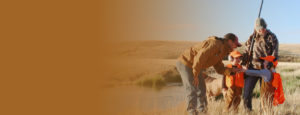
Willa, the pudelpointer, moved as a snake would over the lip of the canyon. Her belly laid flat as the native bunch grasses gave way to cheat, and her nose followed the trail of wild chukar scent that swayed with the lifting thermals up from the Owyhee River.
Michael, TRCP’s director of the center for public lands and Willa’s owner, directed me to side hill on the basalt trying to pick the best line toward her. Above us, the sky was blue, and below, the slope was broken into cliffs that from this distance almost looked like stairs one could step on.

“Try to get below her,” Michael said. “They’ll pitch down so get them before they make for the river.”
At that moment, Willa made a right angle turn down the slope toward a craggy outcrop. We hustled to the rock as she slithered closer to the drop off. Michael and I both expected birds with every step, each of us thumbing our safeties as our shadows reached beyond us onto the slope.
Willa stopped and we made our way below her. The birds were in the rocks, and despite our obvious approach punctuated by sliding and cursing, they had held, so when the first few lifted, my bootlaces swayed with the wind off their wings.
Chukar are a bird of gravity. That might be a strange thing to say as all birds and other creatures of this world are influenced by gravity, but what I mean is that chukar are one with gravity, so when they fly and follow the canyon down, gravity accepts them, welcomes them, and aids them in their escape.

What I’m trying to say is, I thought I had more time before I had to shoot. The birds broke from the rock and sailed toward their destination of the river. My first shot was behind the chukar I chose, and the second felt like a reach but makeable with the modified choke. The bird did fall, hard, but I knew there was life still in the chukar.
Michael laughed at his shots falling behind as I scrambled toward the last place I saw the bird. Willa began to work over to the left, but we called her back over to search. For every half-minute that passed, the disgust of losing a bird grew in my stomach and the adage of Oregon’s basalt country eating boots and birds ran on repeat in my mind.

Then Willa moved left again, and by the wonder that is a bird dog’s nose, she found the chukar who was as tough as the country that made it. She graciously brought my first chukar to my hand as if to say, Trust me the first time.
One of the most rewarding aspects of working in the conservation space is the shared passion of colleagues. TRCP field staff works to ensure quality hunting and fishing opportunities for all Americans because they love those landscapes.
As I hunted the Owyhee River Canyon with Michael, he shared stories of past hunts, where we might find another covey because he’s found them there before, and learned how the place had changed—and stayed the same—since he first visited. This place-based knowledge, along with expertise in working with federal agencies, local stakeholders, and our partners, makes our staff some of the most qualified to help conserve these landscapes so our hunting and fishing traditions can endure.
I am proud to work beside such passionate individuals to conserve places like the Owyhee Canyonlands.
Learn more about TRCP’s commitment to public lands HERE.
TRCP has partnered with Afuera Coffee Co. to further our commitment to conservation. $4 from each bag is donated to the TRCP, to help continue our efforts of safeguarding critical habitats, productive hunting grounds, and favorite fishing holes for future generations.
Learn More