Our Issues
Public Lands
Why It Matters

Hunting & Fishing Access

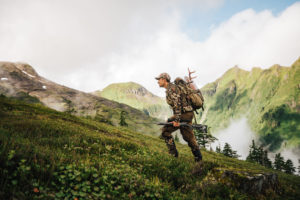
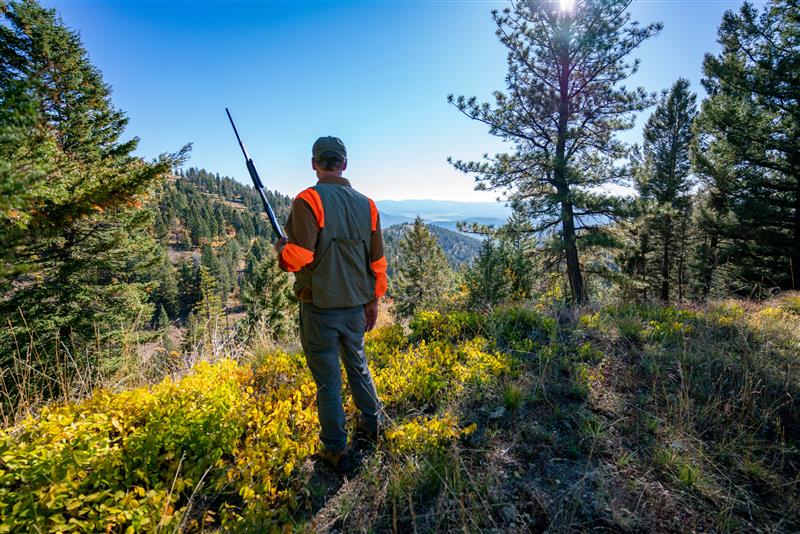
America’s 640 million acres of national public lands provide irreplaceable hunting and fishing opportunities to millions of Americans.

Learn More About Access
What TRCP is Doing

We’re working to safeguard America’s public lands so hunters and anglers always have quality places to pursue their passions.
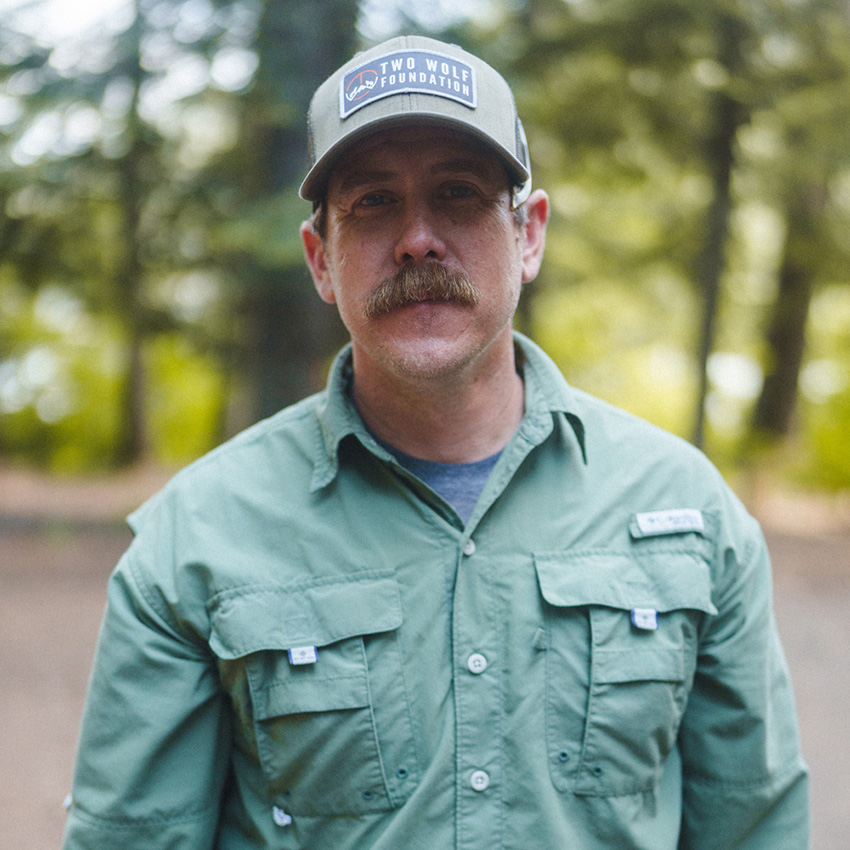
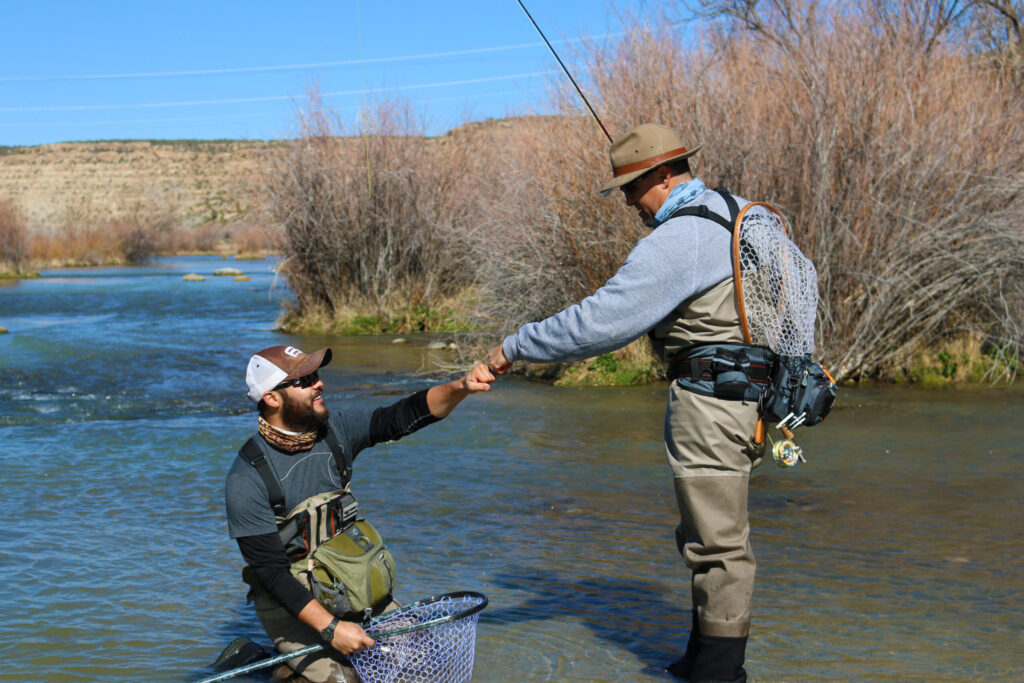
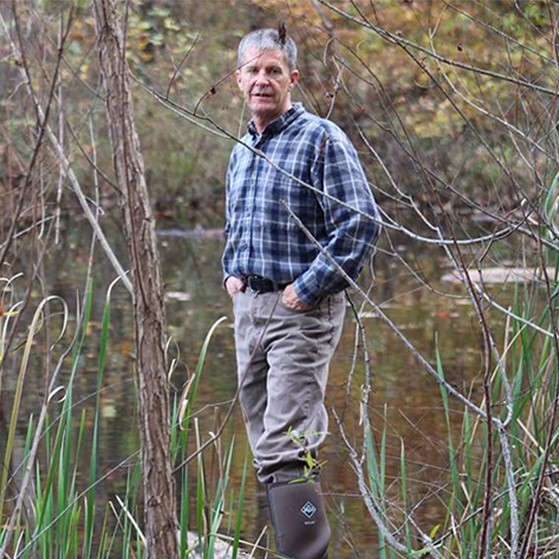
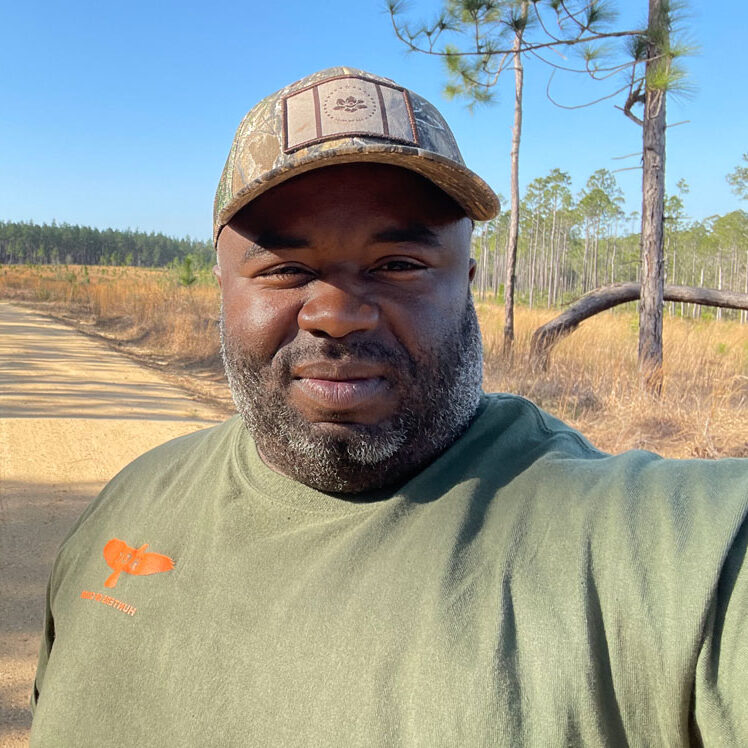
 Brian Flynn, Two Wolf Foundation
How Sportsmen Are Doing It Right

Brian Flynn, Two Wolf Foundation's Story

Following a distinguished career in the U.S. Army, lifelong outdoorsman Brian Flynn returned home from a deployment in Afghanistan and…

Hunting
Why It Matters

Key Issues for America’s Hunters

Your source for the latest policy updates, conservation challenges, and opportunities shaping America’s hunting traditions.

What TRCP is Doing

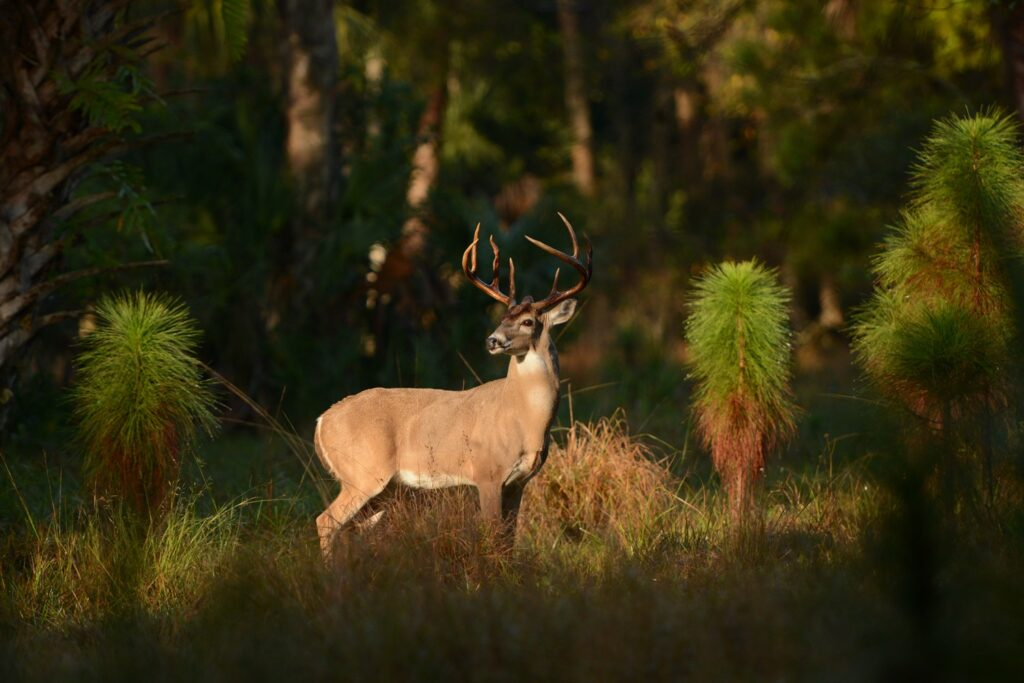
We’re fighting for meaningful policy changes that benefit wildlife, our waters, and the American landscapes that make our outdoor traditions possible.

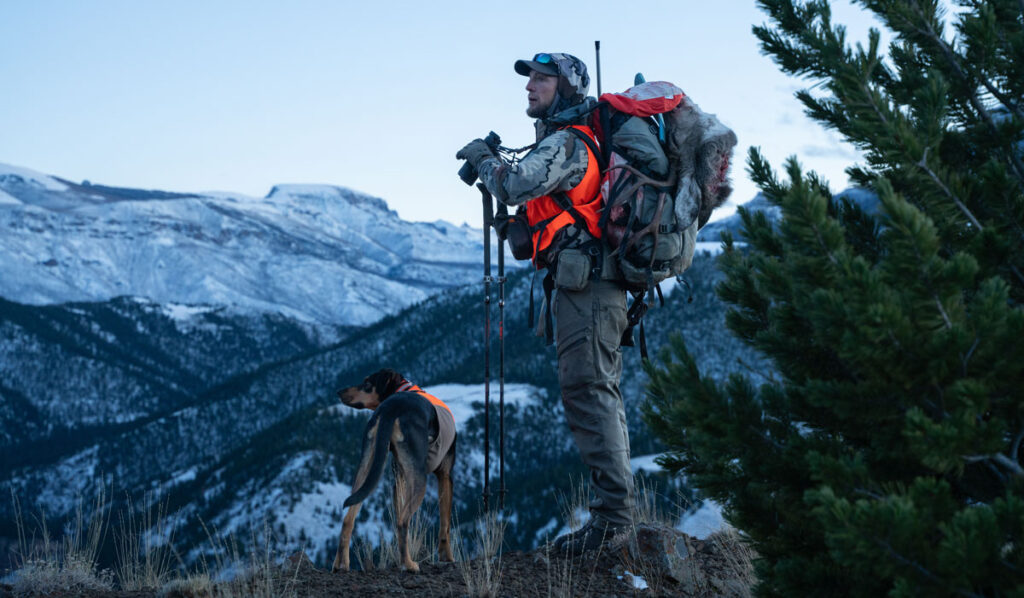
 Ryan Sparks
How Sportsmen Are Doing It Right

Ryan Sparks's Story

TRCP’s “In the Arena” series highlights the individual voices of hunters and anglers who, as Theodore Roosevelt so famously said,…
Fishing
Why It Matters

Key Issues for America’s Anglers

Your source for the latest policy updates, conservation challenges, and opportunities shaping America’s fishing traditions.

Sign Up For Forage Fish Updates
What TRCP is Doing

We’re fighting for meaningful policy changes that benefit wildlife, our waters, and the American landscapes that make our outdoor traditions possible.

 David Mangum
How Sportsmen Are Doing It Right

David Mangum's Story

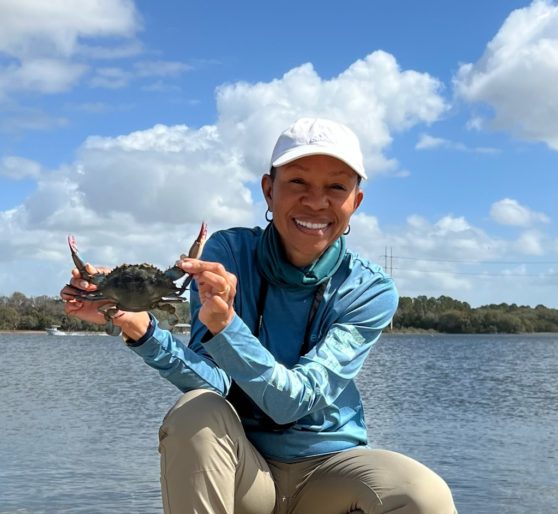
Capt. David Mangum is a YETI ambassador and outdoor photographer who utilizes his talents to produce media that inspire a…

Private Land
Why It Matters

Stewardship on America’s private lands

With 70 percent of U.S. lands in private hands and many of our best hunt and fish opportunities occurring there, investing in voluntary conservation on working lands safeguards access, strengthens habitat and water quality, and ensures resilient landscapes.

Take Action - Farm Bill 2026
What TRCP is Doing

We champion policies and programs that restore wildlife habitat, improve soil and water health, and keep working lands productive.

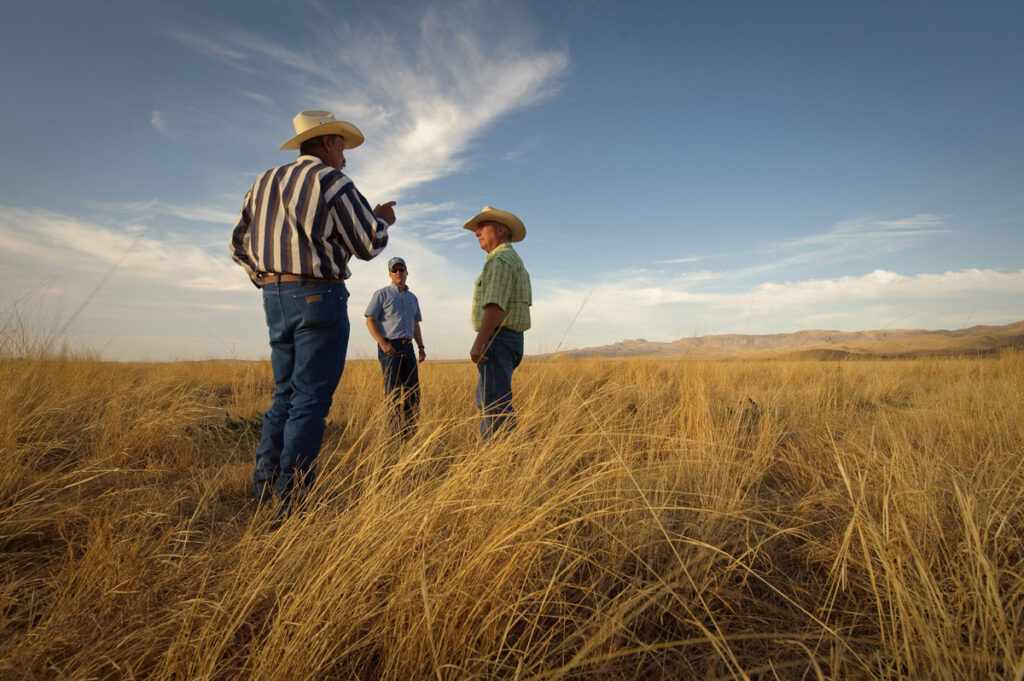
 Ward Burton
How Sportsmen are Doing It Right

Ward Burton's Story

Ward Burton’s NASCAR driving career stretched across most of two decades. As an avid sportsman and conservationist, he founded the…

Special Places
Why It Matters

Special Places Worth Protecting

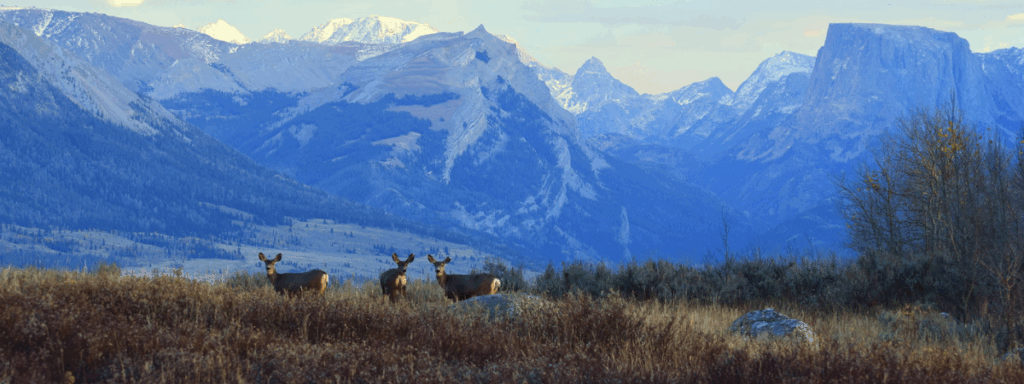
America’s most iconic landscapes provide unmatched habitat and unforgettable days afield. These places sustain wildlife, anchor local economies, and define the hunting and fishing traditions we pass down.

What TRCP is Doing

We’re working to conserve special places that provide world-class habitat and unforgettable opportunities for hunters and anglers.

 Franklin Adams
How Sportsmen Are Doing It Right

Franklin Adams's Story

As a true Gladesman, conservationist, and historian, Capt. Franklin Adams has spent more than six decades championing Everglades restoration efforts…

Habitat & Clean Water
Why It Matters

Healthy Habitat Powers Every Pursuit

All hunting and fishing opportunities depend on quality habitat, from clean water and healthy wetlands to winter and summer habitats and the migration corridors that connect them.

All About Habitat & Clean Water
What TRCP is Doing

We are working to safeguard the habitats that power every hunting and fishing opportunity.

 Alex Harvey
How Sportsmen Are Doing It Right

Alex Harvey's Story

Alex Harvey, founder of Legacy Land Management, is a registered professional forester in Mississippi and Alabama with a Master's degree…

Science
Why It Matters

Science That Guides TRCP

From conserving migration corridors and wetlands to ensuring clean water and resilient landscapes, science provides evidence that turns conservation goals into effective action.

Science for Conservation
What TRCP is Doing

For hunters and anglers, science safeguards the experiences we treasure including resilient big game populations, abundant fish, and wild places that endure changing social landscapes.

Jamelle Ellis
Your Science Expert

Jamelle Ellis's Story

Jamelle Ellis joined the Theodore Roosevelt Conservation Partnership in 2022. Jamelle spent the last three years as an environmental sustainability…

Where We Work
Across the Nation

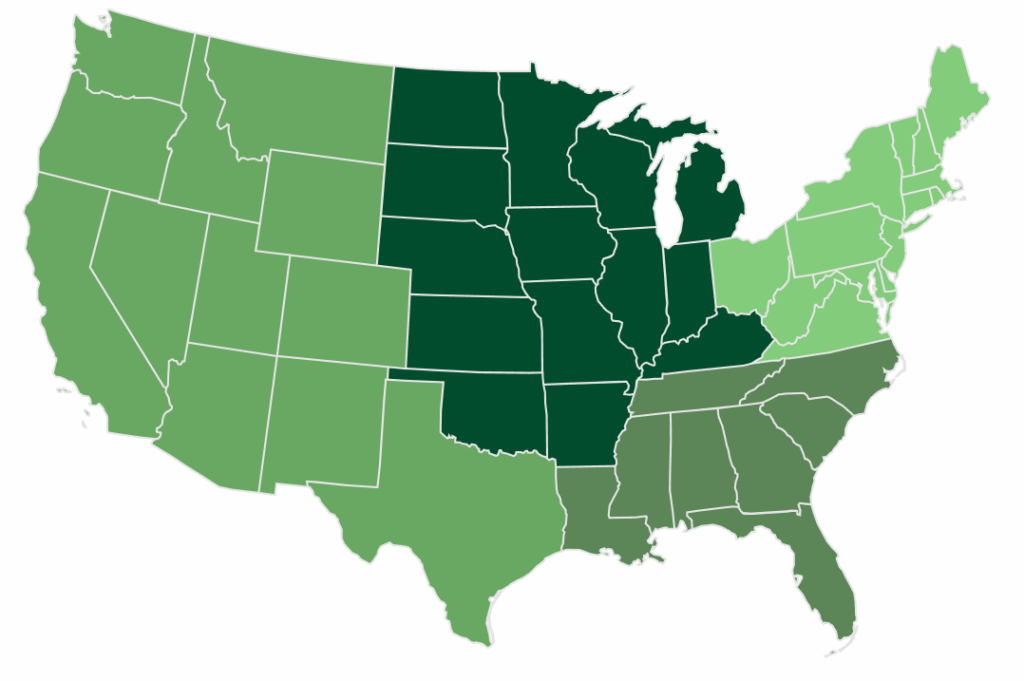
Conservation Across America

TRCP works across the country to ensure hunters and anglers can enjoy healthy fish and wildlife and quality days afield, no matter where they live.

See All Issues
TRCP in Your Region

TRCP works across the country to ensure hunters and anglers can enjoy healthy fish and wildlife and quality days afield, no matter where they live.

Who We Are
Our Mission

To guarantee all Americans quality places to hunt & fish

We unite and amplify our partners’ voices to advance America’s legacy of conservation, habitat, and access.

Our Mission & Values
Our People & Partners
  • Meet the TRCP Team

    Our staff and board members unite and amplify our partners’ voices to advance America’s legacy of conservation, habitat, and access.

    Meet the Team
  • Our Partners

    ‘Partnership’ is in our name. We work with 64 diverse partner groups that represent today’s leading hunting, fishing, and conservation organizations in order to strengthen the sportsman’s voice in Washington, D.C.

    Our Partners
  • Corporate Council

    TRCP’s Corporate Council is made up of diverse corporations that share a common passion for conservation.

    Corporate Council
Our Organization

Looking for more information?

Explore our latest news, policy updates, and conservation resources to get the information you need.

Giving
How You Can Help

To guarantee all Americans quality places to hunt & fish

Your tax-deductible donation will support TRCP's mission, now and into the future.

DONATE
Special Ways to support trcp
  • Capital Conservation Awards Dinner

    The CCAD is one of Washington's best-attended conservation celebrations, featuring dinner, cocktails, and a silent auction.

    Learn More
  • Step Into the Arena

    Help us ensure that our treasured wild habitats and game remain intact for the next generation to enjoy – lend your support to the TRCP’s efforts today!

    Donate
  • Roosevelt Roast

    TRCP has partnered with Afuera Coffee Co. to further our commitment to conservation.

    Learn More
More donation options

Find the best way for you to lend your support. Join one of TRCP’s donor circles for special invitations, premium offerings from outdoor retailers, and more exclusive benefits. Take control of your legacy with planned giving or contribute to special conservation funds.

Other Ways To Give
News
In the Spotlight

Hunters and Anglers Weigh in to Ask the Forest Service to Retain Roadless Safeguards 

We can have healthy habitats and fire-resilient landscapes, and the Forest Service has an opportunity to continue to conserve habitat without roads in a way that gives fire management necessary flexibility and retains the core backcountry values that make these places unique. 

Read More

Stay Informed

Receive our newsletter, the Roosevelt Report, right in your inbox. Never miss the latest news in conservation issues.

by:

posted in:

August 25, 2026

Texas Rio Grande tour channelized river-Sarah Smith-750

Do you have any thoughts on this post?

XHTML: You can use these tags: <a href="" title=""> <abbr title=""> <acronym title=""> <b> <blockquote cite=""> <cite> <code> <del datetime=""> <em> <i> <q cite=""> <s> <strike> <strong>

Comments must be under 1000 characters.

by:

posted in:

August 24, 2026

TRCP Encourages Balanced Approach to Forest Service Travel Management Updates 

Hunters and anglers call for consistent framework to ensure conservation priorities in national forests 

Last week, the U.S. Forest Service published a Notice of Intent to initiate rulemaking to revise the agency’s 2005 Travel Management Rule. The notice initiated a 30-day public scoping period, which will be followed by a proposed rule. The Theodore Roosevelt Conservation Partnership is urging the agency to ensure that any updates support responsible motorized and nonmotorized access, reduce user conflicts, and conserve important fish and wildlife habitat. 

“We are open to thoughtful updates to the Forest Service’s travel management rule to ensure our national forest road and trail system continues to meet the needs of the public and land managers,” said Joel Webster, TRCP chief conservation officer. “At the same time, we believe the proposal needs refinement to ensure the revised travel management rule supports quality recreation experiences, minimizes user conflicts, and helps avoid fragmentation of important habitat. TRCP looks forward to engaging through public comments and discussions with the agency to help craft a durable policy that responds to changing forest conditions and recreational needs while retaining meaningful safeguards for fish and wildlife.”  

The Forest Service manages more than 380,000 miles of roads and 165,000 miles of trails across 193 million acres of national forests and grasslands. Hunters and anglers rely on many of these routes to reach important hunting and fishing destinations, and they also recognize that roads and trails must be managed carefully to conserve habitat, reduce conflicts among users, and reflect the financial and workforce capacity constraints — including reliance on volunteers and partners — that limit maintenance capacity. Consistent research shows that route density and motorized use can influence deer and elk habitat use. High route densities can cause big game to avoid otherwise productive habitat, while seasonal use in key habitats can negatively affect wildlife when they are most vulnerable. 

“Partner organizations have invested significant time, funding, and volunteer capacity into improving trails and recreation experiences on federal lands through partnerships with the Forest Service,” continued Webster. “Any revised travel management rule should protect that investment by reducing user conflicts, supporting sustainable access, and ensuring that road and trail systems remain sustainable over time.”  

Travel management regulations should create a consistent framework to guide how transportation systems are planned and managed on public lands, including how roads, trails, and areas are designated for motorized and non-motorized recreation. Effective travel management helps provide public access and quality recreation opportunities, supports land management needs, reduces conflicts among users, and conserves important natural resources, including fish and wildlife habitat. 

Follow TRCP to learn more about the process and how to comment. 

Learn more about TRCP’s work on public access here. 


The TRCP is your resource for all things conservation. In our weekly Roosevelt Report, you’ll receive the latest news on emerging habitat threats, legislation and proposals on the move, public land access solutions we’re spearheading, and opportunities for hunters and anglers to take action. Sign up now.

by:

posted in:

The Next Year Will Be Critical for the Colorado River

A new federal decision offers short-term stability for the river basin, but a more durable agreement between states is still needed as the region adapts to future hydrologic realities

On Aug. 21, the Department of the Interior finalized a Record of Decision establishing interim operating guidelines for the Colorado River through 2028. This decision provides a near-term operational framework for hydropower facilities, infrastructure, and water management in the river, while the seven states that comprise the Colorado River Basin—Wyoming, Utah, Colorado, Nevada, Arizona, New Mexico, and California—continue working toward a long-term agreement. The decision provides important near-term stability for the Basin, but it is not the finish line. Instead, it creates an opportunity to focus on the work that will ultimately determine the Colorado River’s future.

The next year and a half will be critical. As Basin states negotiate a long-term agreement, the choices they make will shape the future of the river and the communities, economies, and fish and wildlife that depend on it for decades to come.

The Colorado River supports drinking water for millions of people; irrigates farms and ranches across the West; and supports wetlands and fish and wildlife habitat. For hunters and anglers, it is far more than a source of water. A healthy river and tributaries support productive trout fisheries, replenish wetlands that provide essential habitat for migrating waterfowl, and sustain healthy riparian corridors that countless wildlife species depend on throughout the Basin. Conserving these resources is fundamental to sustaining outdoor recreation and local economies.

The short-term operating framework establishes operating guidelines for Lake Powell and Lake Mead, providing near-term certainty for reservoir operations and water management across the seven Basin states while the more challenging work continues. But only a long-term agreement, not short-term operational plans, will determine how the Basin adapts to a future shaped by today’s hydrologic realities. As Basin states continue negotiations, healthy rivers and reliable water supplies should remain complementary objectives. A resilient Colorado River system depends on both.

Achieving that outcome will require increased investment in conservation, watershed and habitat restoration, agricultural and municipal water efficiency, and innovative water management. These approaches strengthen water security while conserving fish and wildlife habitat, helping ensure the Colorado River continues to support hunting, fishing, and outdoor recreation opportunities across the Basin.

With short-term operations now in place, the Department of the Interior has an important opportunity to maintain momentum by supporting a transparent, collaborative process that keeps Basin states engaged in productive negotiations. Successfully facilitating these discussions will be essential to helping Basin states reach a long-term agreement that reflects today’s Colorado River conditions while recognizing the importance of healthy rivers, reliable water supplies, replenished wetlands, and irreplaceable fish and wildlife habitat.

TRCP looks forward to continuing to work alongside the DOI, Basin states, and partners across the Colorado River Basin by sharing technical expertise and advancing collaborative, science-based conservation solutions. Decades of collaborative conservation have shown that durable solutions become possible when diverse interests work together toward shared goals.

The short-term operating framework provides time, but the Basin’s long-term success will ultimately be measured by what happens next. Over the next year and a half, Basin states have an opportunity to make meaningful progress toward a durable agreement that strengthens the Colorado River for generations to come. Continued collaboration among states, water users, Tribal Nations, conservation organizations, and other key stakeholders will be critical to achieving that shared goal.

by:

posted in:

Pennsylvania Awarded $2.8 Million USDA Grant to Expand Fishing Access on Private Lands

The Farm Bill-funded Voluntary Public Access and Habitat Incentive Program (VPA-HIP) provides critical funding for state and tribal governments to increase public access opportunities for hunting, fishing, and outdoor recreation on private lands

Pennsylvania is fortunate to have almost 86,000 miles of streams and rivers. A diverse landscape produces small headwater mountain runs, limestone creeks, freestone streams, big rivers, and one Great Lake, offering some of the finest fishing in the country. But with a population of 13 million people and many waterways flowing through private land, access can be a barrier for the many who seek to enjoy these resources. In fact, over 80% of Pennsylvania’s stocked trout waters exist on private lands, while 70% of wild trout waters and almost 60% of our Class A trout waters also are on private lands. These privately owned stretches can impede anglers trying to access fishable waters.

Fortunately, funding has been dedicated that facilitates hunting and fishing access to these private lands through the Voluntary Public Access and Habitat Incentive Program (VPA-HIP); a voluntary, incentive-based Farm Bill program.  VPA-HIP provides funding for state and tribal governments to incentivize landowners for allowing public access to hunters, anglers, and other outdoor recreationists on their lands. Through a competitive application process, states and tribes apply for VPA-HIP funds that can be used at the state-level for access and habitat improvement projects. During the latest round of applications,  the PFBC sought funding and was awarded $2.8 million through VPA-HIP to expand public access on private waterways in Pennsylvania through access easements. The commission will purchase streamside easements on targeted waterways that permanently create public access for fishing, boating, and outdoor recreation.  

Easements acquired by PFBC as part of a previous round of VPA-HIP funding. 
Image credit: PFBC

Former VPA-HIP dollars awarded to the PFBC have been used to open stretches of multiple waterways across the Commonwealth,  and this round of funding aims to do more of the same. Through the application of easements that compensate landowners for access, the PFBC continues to invest in expanding fishing opportunities, which benefits all Pennsylvania anglers.  

“We are excited for this opportunity and believe that it can benefit private landowners significantly, while also benefiting anyone who enjoys outdoor recreation and access to waters,said Penny Ayers, Chief of the Division of Public Access and Property Services for the PFBC.

Access to Lake Erie tributaries is critical for anglers who pursue steelhead and brown trout during upstream runs. Image credit: Tim Schaeffer 

Over the next three years, easements will be acquired on private waterways that have been identified by PFBC staff as desirable waters for anglers or are offered by willing landowners. This is a voluntary program, so private landowners always get to decide if they want to participate. They retain ownership of the land while being compensated monetarily for allowing public access for fishing or boating. Potential easements are discussed at quarterly PFBC Commissioner meetings, and when approved are made public through press releases and the PFBC website.

A section of Pine Creek in Potter County, opened for public access through a PFBC VPA-HIP easement. Image credit: PFBC 

VPA-HIP dollars can also be used by the PFBC to construct or improve parking areas that provide anglers with improved access to streamside easements. These projects are implemented on sites where appropriate, and only with landowner approval.

Whether you’re pursuing smallmouth in the Susquehanna, wild browns in the Little J, or steelhead coming out of Lake Erie, increased access facilitates better fishing opportunities and improves angler satisfaction. VPA-HIP grants and similar programs provide critical funding for easement acquisitions, offering state governments the necessary tools to enhance access to waterways that flow through private lands. TRCP applauds the USDA and PFBC for continuing to invest in public access programs that provide quality hunting and fishing opportunities for all Pennsylvanians.

If you are a Pennsylvania landowner interested in being compensated for opening your stream frontage to public access, you can contact Penny Ayers, Chief of the Division of Public Access and Property Services for the Pennsylvania Fish and Boat Commission, at peayers@pa.gov.

Banner image courtesy Adam Miller


The Hunter & Angler’s Guide to the Farm Bill

It can be difficult to understand all the acronyms tied to Farm Bill conservation programs and why the reauthorization and improvement of this legislation is a top priority. In The Hunter & Anglers Guide to the Farm Bill, we demystify the Farm Bill and the crucial conservations programs that sportsmen and women should care about.

by:

posted in:

August 19, 2026

TRCP Responds to Forest Service Roadless Area Proposal with Call for Collaboration 

Encourages a solution that supports reduced wildfire risk while maintaining backcountry values   

The U.S. Forest Service released a proposed rule and accompanying Draft Environmental Impact Statement (DEIS) that could alter future management of more than 44 million acres of inventoried roadless areas on national forest lands. The agency is seeking public comment on the proposed rule through September 21.  

“National forest backcountry areas provide valuable habitat for big game, cold and clean headwaters for trout and salmon, and some of the best hunting and fishing opportunities that can be found in America,” said Michael O’Casey, TRCP’s director of public lands. “We encourage the Forest Service to craft a durable outcome that creates additional management flexibility to protect communities from wildfire while maintaining the conservation values of the backcountry. We view the longstanding Idaho and Colorado roadless rules as successful models that could help inform a solution.” 

The Forest Service’s proposed rule would rescind the 2001 Roadless Area Conservation Rule, but informed comments on the draft EIS can still shift the outcome among the alternatives under consideration. Many hunters and anglers agree that backcountry values and responsible forest management need not be mutually exclusive. The conservation of roadless areas can be maintained while increasing the agency’s ability to thin forests, reduce fire risk in the Wildland-Urban Interface, and protect people and property. The DEIS evaluates a range of alternatives addressing the future management of roadless areas, and the Forest Service has an opportunity to craft a final rule that advances all of these important values. 

“Places like the Wyoming Range, the Warner Mountains of Oregon and California, the Blue Range of Arizona, and the temperate rainforests of southeast Alaska have captured the hearts and minds of Americans for generations,” continued O’Casey. “We have an opportunity to continue those traditions while seeking reasonable solutions to reduce the risk of catastrophic wildfire. Such an outcome would reduce litigation and the political uncertainty that would come with a more drastic approach.” 

In the coming days, the TRCP will share more detailed recommendations that hunters and anglers can use to easily weigh in and add their voice in support of a balanced path forward for healthy forests, safer communities, and the long-term conservation of many of America’s most important backcountry hunting and fishing grounds.  

Public comments on the proposed rule and Draft Environmental Impact Statement must be received by September 21. Additional information is available on the Forest Service’s Roadless Areas webpage, and comments may be submitted through Regulations.gov

Learn more about TRCP’s commitment to public-land access HERE


The TRCP is your resource for all things conservation. In our weekly Roosevelt Report, you’ll receive the latest news on emerging habitat threats, legislation and proposals on the move, public land access solutions we’re spearheading, and opportunities for hunters and anglers to take action. Sign up now.

HOW YOU CAN HELP

TRCP has partnered with Afuera Coffee Co. to further our commitment to conservation. $4 from each bag is donated to the TRCP, to help continue our efforts of safeguarding critical habitats, productive hunting grounds, and favorite fishing holes for future generations.

Learn More

You have Successfully Subscribed!

You have Successfully Subscribed!

You have Successfully Subscribed!

You have Successfully Subscribed!