Our Issues
Public Lands
Why It Matters

Hunting & Fishing Access

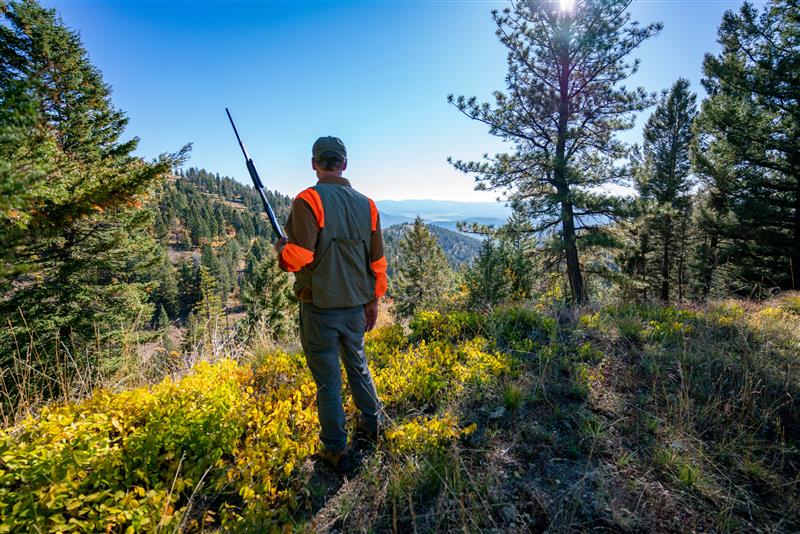
America’s 640 million acres of national public lands provide irreplaceable hunting and fishing opportunities to millions of Americans.

Learn More About Access
What TRCP is Doing

We’re working to safeguard America’s public lands so hunters and anglers always have quality places to pursue their passions.
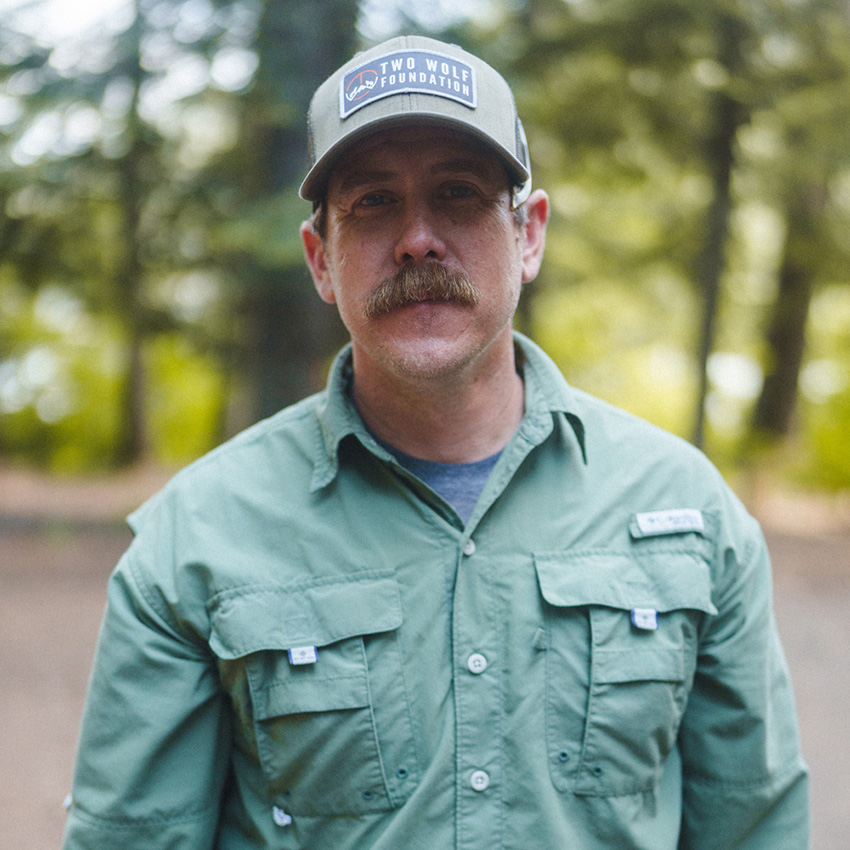
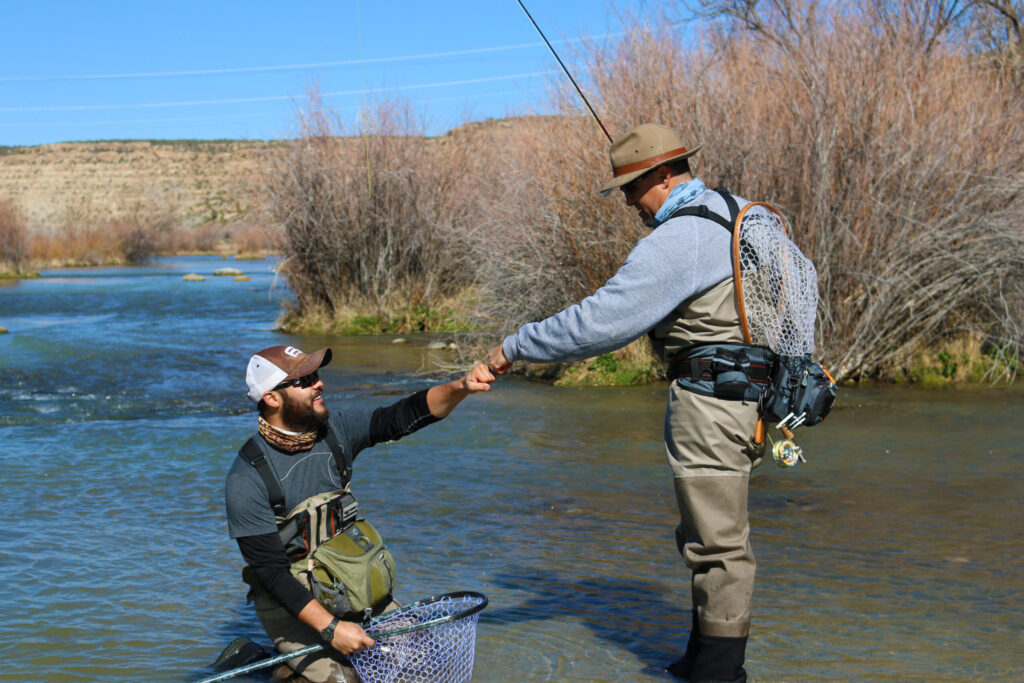
 Brian Flynn, Two Wolf Foundation
How Sportsmen Are Doing It Right

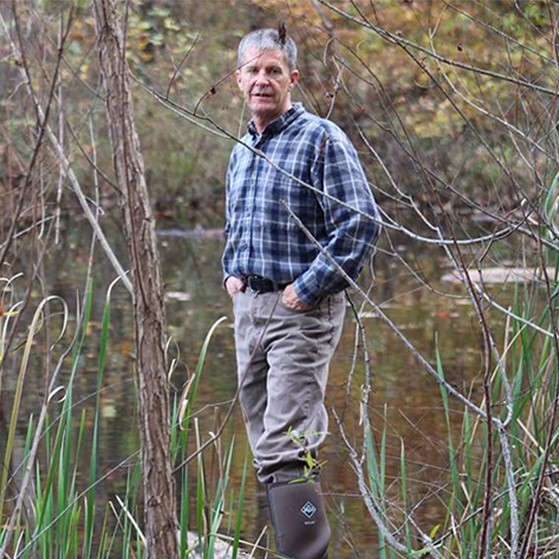
Brian Flynn, Two Wolf Foundation's Story

Following a distinguished career in the U.S. Army, lifelong outdoorsman Brian Flynn returned home from a deployment in Afghanistan and…

Hunting
Why It Matters

Key Issues for America’s Hunters

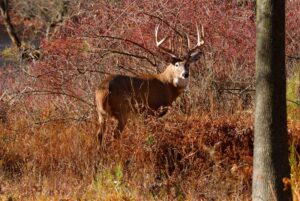
Your source for the latest policy updates, conservation challenges, and opportunities shaping America’s hunting traditions.

What TRCP is Doing

We’re fighting for meaningful policy changes that benefit wildlife, our waters, and the American landscapes that make our outdoor traditions possible.

 Ryan Sparks
How Sportsmen Are Doing It Right

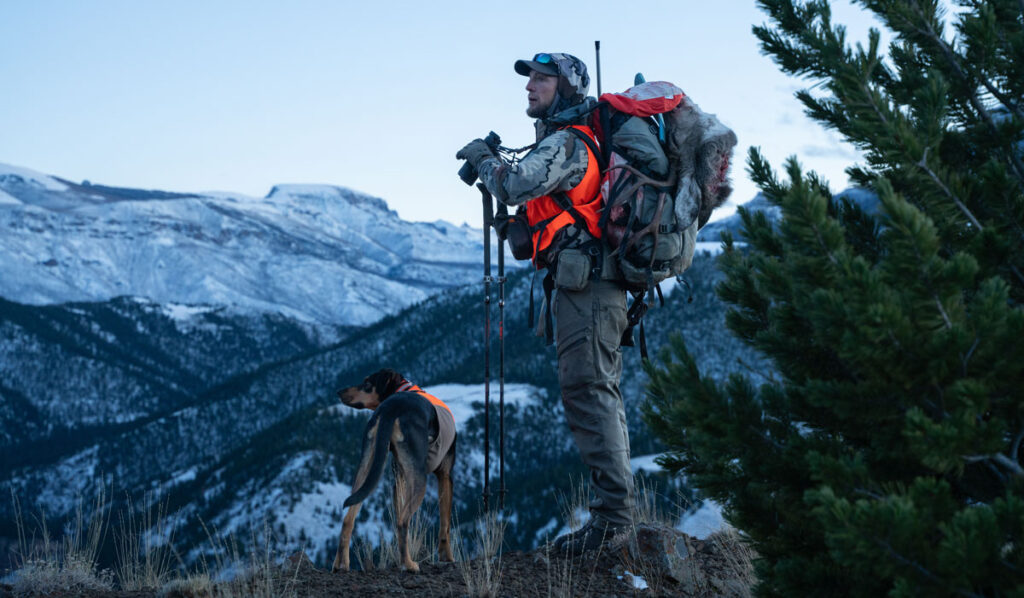
Ryan Sparks's Story

TRCP’s “In the Arena” series highlights the individual voices of hunters and anglers who, as Theodore Roosevelt so famously said,…
Fishing
Why It Matters

Key Issues for America’s Anglers

Your source for the latest policy updates, conservation challenges, and opportunities shaping America’s fishing traditions.

Sign Up For Forage Fish Updates
What TRCP is Doing

We’re fighting for meaningful policy changes that benefit wildlife, our waters, and the American landscapes that make our outdoor traditions possible.

 David Mangum
How Sportsmen Are Doing It Right

David Mangum's Story

Capt. David Mangum is a YETI ambassador and outdoor photographer who utilizes his talents to produce media that inspire a…

Private Land
Why It Matters

Stewardship on America’s private lands

With 70 percent of U.S. lands in private hands and many of our best hunt and fish opportunities occurring there, investing in voluntary conservation on working lands safeguards access, strengthens habitat and water quality, and ensures resilient landscapes.

Take Action - Farm Bill 2026
What TRCP is Doing

We champion policies and programs that restore wildlife habitat, improve soil and water health, and keep working lands productive.

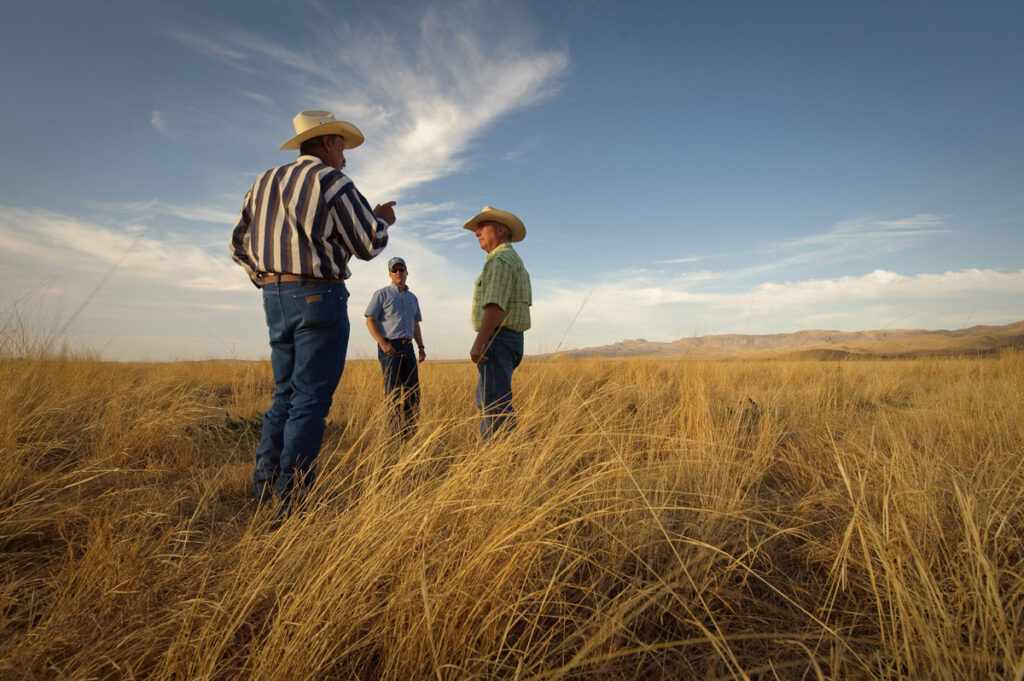
 Ward Burton
How Sportsmen are Doing It Right

Ward Burton's Story

Ward Burton’s NASCAR driving career stretched across most of two decades. As an avid sportsman and conservationist, he founded the…

Special Places
Why It Matters

Special Places Worth Protecting

America’s most iconic landscapes provide unmatched habitat and unforgettable days afield. These places sustain wildlife, anchor local economies, and define the hunting and fishing traditions we pass down.

What TRCP is Doing

We’re working to conserve special places that provide world-class habitat and unforgettable opportunities for hunters and anglers.

 Franklin Adams
How Sportsmen Are Doing It Right

Franklin Adams's Story

As a true Gladesman, conservationist, and historian, Capt. Franklin Adams has spent more than six decades championing Everglades restoration efforts…

Habitat & Clean Water
Why It Matters

Healthy Habitat Powers Every Pursuit

All hunting and fishing opportunities depend on quality habitat, from clean water and healthy wetlands to winter and summer habitats and the migration corridors that connect them.

All About Habitat & Clean Water
What TRCP is Doing

We are working to safeguard the habitats that power every hunting and fishing opportunity.

 Alex Harvey
How Sportsmen Are Doing It Right

Alex Harvey's Story

Alex Harvey, founder of Legacy Land Management, is a registered professional forester in Mississippi and Alabama with a Master's degree…

Science
Why It Matters

Science That Guides TRCP

From conserving migration corridors and wetlands to ensuring clean water and resilient landscapes, science provides evidence that turns conservation goals into effective action.

Science for Conservation
What TRCP is Doing

For hunters and anglers, science safeguards the experiences we treasure including resilient big game populations, abundant fish, and wild places that endure changing social landscapes.

Jamelle Ellis
Your Science Expert

Jamelle Ellis's Story

Jamelle Ellis joined the Theodore Roosevelt Conservation Partnership in 2022. Jamelle spent the last three years as an environmental sustainability…

Where We Work
Across the Nation

Conservation Across America

TRCP works across the country to ensure hunters and anglers can enjoy healthy fish and wildlife and quality days afield, no matter where they live.

See All Issues
TRCP in Your Region

TRCP works across the country to ensure hunters and anglers can enjoy healthy fish and wildlife and quality days afield, no matter where they live.

Who We Are
Our Mission

To guarantee all Americans quality places to hunt & fish

We unite and amplify our partners’ voices to advance America’s legacy of conservation, habitat, and access.

Our Mission & Values
Our People & Partners
  • Meet the TRCP Team

    Our staff and board members unite and amplify our partners’ voices to advance America’s legacy of conservation, habitat, and access.

    Meet the Team
  • Our Partners

    ‘Partnership’ is in our name. We work with 64 diverse partner groups that represent today’s leading hunting, fishing, and conservation organizations in order to strengthen the sportsman’s voice in Washington, D.C.

    Our Partners
  • Corporate Council

    TRCP’s Corporate Council is made up of diverse corporations that share a common passion for conservation.

    Corporate Council
Our Organization

Looking for more information?

Explore our latest news, policy updates, and conservation resources to get the information you need.

Giving
How You Can Help

To guarantee all Americans quality places to hunt & fish

Your tax-deductible donation will support TRCP's mission, now and into the future.

DONATE
Special Ways to support trcp
  • TRCP MeatEater 2026 Sweepstakes

    The TRCP MeatEater 2026 Sweepstakes is your chance to join Steven Rinella and Janis Putelis.

    Learn More
  • Capital Conservation Awards Dinner

    The CCAD is one of Washington's best-attended conservation celebrations, featuring dinner, cocktails, and a silent auction.

    Learn More
  • Step Into the Arena

    Help us ensure that our treasured wild habitats and game remain intact for the next generation to enjoy – lend your support to the TRCP’s efforts today!

    Donate
  • Roosevelt Roast

    TRCP has partnered with Afuera Coffee Co. to further our commitment to conservation.

    Learn More
More donation options

Find the best way for you to lend your support. Join one of TRCP’s donor circles for special invitations, premium offerings from outdoor retailers, and more exclusive benefits. Take control of your legacy with planned giving or contribute to special conservation funds.

Other Ways To Give
News
In the Spotlight

Elk Hunting and Forest Planning in Oregon’s Blue Mountains

The ongoing Blue Mountains Forest Plan Revision should balance motorized access with active forest management to keep elk on public lands

Read More

Stay Informed

Receive our newsletter, the Roosevelt Report, right in your inbox. Never miss the latest news in conservation issues.

June 30, 2026

Elk Hunting and Forest Planning in Oregon’s Blue Mountains

The ongoing Blue Mountains Forest Plan Revision should balance motorized access with active forest management to keep elk on public lands

Wildfire, drought, the health of our forests, and hunter and angler access have been dinner-table conversations for families across the West for decades. These conversations hit even closer to home for those families who feed themselves with elk. 

Across more than five million acres of public land in northeast Oregon and southeast Washington, the Forest Service has been working for over 20 years to update the plan that guides how these forests are managed. The agency will soon take public comment on the Blue Mountains Draft Environmental Impact Statement, and the stakes are hard to overstate. These forests hold some of the best public land elk hunting in the West and sustain rural economies. If done right, new management approaches can improve habitat and water quality, breathe life back into rural communities, produce more timber and reduce catastrophic fire on the landscape, and strengthen the fish and wildlife populations that hunters and anglers depend on. 

Ranchers, loggers, hunters, and anglers agree this opportunity is real. TRCP and our partners are working to ensure the right management and planning tools are built into the final Blue Mountains plans, which will guide the Malheur, Wallowa-Whitman, and Umatilla National Forests for decades to come. Read more below to learn how you can get involved. 

The Science of Elk Habitat 

Good hunters understand habitat sets the stage for animal behavior. The availability and quality of food, shelter, and perceived safety dictate big game distribution. Hunters also understand that access matters, but when road networks are too dense and the quiet, quality habitat that elk need shrinks, the animals are forced to search for more appealing country. 

As recreational activity has expanded on public land and forests have grown denser due to fire suppression and a lack of active management, herds often head for the quiet side of the fence on private agricultural ground. When elk seek food and/or security on private land, hunters may lose opportunity and landowners suffer crop damage and forage competition. Ultimately, wildlife managers may have to make the difficult choice to cut tag numbers or issue damage permits. 

The Starkey Experimental Forest and Range in northeast Oregon has produced some of the most important long-term research on elk behavior and road-based disturbance in the country. Starkey studies have consistently identified open, well-traveled roads as the single most important variable in determining where elk spend their time during hunting season. Rowland and colleagues reported in 2004 that reducing open-road density and creating areas that properly balance motorized access with active management projects improves quality elk habitat that keeps elk on public lands. More recent work at Starkey shows the same holds true for trails. In a controlled study published in 2018, Wisdom and colleagues found that while elk moved away from ATV riders, mountain bikers, hikers, and horseback riders, the strongest response was to motorized use. This pattern holds well beyond the Blue Mountains. Studies of elk herds in Montana have also found that elk consistently move to quieter country that keeps them away from motorized access during archery and rifle seasons. 

Critically, the research also points to something every hunter should understand before this plan is finalized. Active management like thinning, prescribed fire, and fuels reduction can dramatically improve the amount and quality of food a landscape provides for elk. But better food only helps if elk are willing to use it. If the surrounding road network keeps them in a constant state of avoidance, the improved habitat goes unused. In other words, restoration work and road management must go hand in hand, or the investment does not deliver what it should. 

Forest Planning Sets the Stage for Successful Elk Hunts 

Forest plans are the control valve for many of the factors that contribute to robust populations of big game. These plans—developed through public process and shaped by collaboration between state and federal agencies—set the direction that every subsequent decision on the forest has to follow. When that plan includes clear direction on how many open roads a landscape can have and how human disturbance is managed during sensitive seasons, the individual projects like timber sales, habitat restoration, and new roads or trails all have to work toward those same goals. When the plan stays silent on those questions, each project is decided on its own, with no consistent standard. 

The Grand Mesa, Uncompahgre, and Gunnison National Forests in Colorado offer a recent, applicable example. The GMUG’s 2024 final forest plan established more than 800,000 acres of Wildlife Management Areas with route density standards designed to maintain habitat function while allowing for more sustainable recreation and active management. The GMUG plan demonstrates that wildlife habitat management, recreation access and active forest management do not need to be competing objectives. When properly conducted, they can reinforce each other. Standards on the density of roads and trails gives land managers a clear framework for designing projects within the forest that improve both forest health and elk habitat, remove timber where needed, and give the public confidence that restoration investments will translate into wildlife on the ground. 

The Malheur, Umatilla, and Wallowa-Whitman National Forests support one of the largest Rocky Mountain elk herds in the country, and the Starkey Experimental Forest, with its wealth of science to inform habitat management, sits within the planning area. A revision is long overdue, and this is a real opportunity to account for the many ways people use these forests and to update how the plan manages roads in relation to elk habitat. Instead, the draft environmental impact statement recently released by the Forest Service for public comment does not include elk security and road density standards that have guided these forests since 1990, and it does so without putting a modern, science-based replacement in their place. That is a step backward on both counts: it abandons direction that has been in place for 35 years and sets aside the best-available Starkey research.  

The Forest Service will soon take public comment on the Blue Mountains Draft Environmental Impact Statement. This is the time for hunters and anglers to weigh in. Comments from those who hunt these mountains are a meaningful contribution to the public process. This is a real chance to usher in a new era of management that better serves the communities that depend on these forests. Stay tuned to TRCP channels for upcoming opportunities for you to take action. 

Do you have any thoughts on this post?

XHTML: You can use these tags: <a href="" title=""> <abbr title=""> <acronym title=""> <b> <blockquote cite=""> <cite> <code> <del datetime=""> <em> <i> <q cite=""> <s> <strike> <strong>

Comments must be under 1000 characters.

June 29, 2026

Restoring the Rio Grande with Federal Funding: New Mexico

As the first in a three-part series highlighting 2026 project tours in New Mexico, Colorado, and Texas, TRCP highlights here how stakeholders led Congressional staff on a tour of project work to see firsthand how WaterSMART grants yield on-the-ground impacts to protect water supplies and fish and wildlife habitat in central New Mexico 

It’s no secret that Western water supplies are under stress from long-term drought and hotter, drier weather, especially this year. At the same time, federal funding for Western water management and fish and wildlife habitat has been shrinking, creating uncertainty around the ability to address critical water challenges across the West that impact not only sportsmen and women but also millions of people in communities across the region.

The Bureau of Reclamation’s WaterSMART (Sustain and Manage America’s Resources for Tomorrow) program is one of the primary federal funding sources dedicated to addressing Western water management and drought-related challenges.

Over a three-part series, we will take you on a journey through the Rio Grande Basin to explore how this funding source in particular is essential for water security and habitat improvement projects along the iconic Rio Grande. We start our journey in the heart of the river basin: central New Mexico.

Diverse Projects Throughout New Mexico

In late May, the Theodore Roosevelt Conservation Partnership hosted Congressional offices for a field tour and discussion of WaterSMART-funded projects and watershed management planning documents in New Mexico’s portion of the Rio Grande River Basin. River restoration and conservation organizations, water utilities, agricultural producers, and more who receive funding from WaterSMART programs from across the state convened to present on their projects. These projects ranged from watershed restoration and planning efforts to infrastructure efficiency upgrades and agricultural modernization. The tour included a wide diversity of projects, exhibiting just how versatile this federal funding source is in offering solutions to a myriad of Western water issues.

Habitat restoration is not simply a localized environmental effort, but a basin-wide necessity with far-reaching benefits across the watershed.

The tour began at a riverside beach in Albuquerque to discuss the background of the WaterSMART program, the different funding mechanisms under the program, and the current state of the program. Throughout the day, grantees —including nonprofit organizations, an Indigenous Pueblo, acequia (community-managed irrigation canal) representatives, and more —presented on their WaterSMART-funded projects. These included projects aimed at planning for drought, reducing woody fuels in forested areas to increase wildfire resilience, and scaling up riparian restoration to improve fish and wildlife habitat and stream function.

The group visited the Albuquerque-Bernalillo County Water Utility Authority Southside Wastewater Reclamation Plant to see a restoration project completed last fall. This project restored riparian and aquatic habitat, reconnected the river to its floodplain within a degraded reach, and improved public access through the creation of riverside trails. While visiting the project site, we saw two young men fishing from the newly restored and stabilized riverbank, an area where the public previously lacked safe access to the river or opportunities to enjoy activities such as fishing.

Partners supporting the New Mexico tour were numerous and included:

  • U.S. Bureau of Reclamation
  • Audubon Southwest
  • World Wildlife Fund
  • Middle Rio Grande Conservancy District
  • Albuquerque-Bernalillo Water Utility Authority
  • Pueblo of Acoma
  • New Mexico Acequia Association
  • Chama Peak Land Alliance
  • Santa Fe Watershed Association
Lasting Impressions

Staff from four of New Mexico’s five U.S. Senate and House offices were present during the tour, and more than one shared that the experience gave them a deeper understanding of the WaterSMART program after seeing firsthand the range of projects it supports across the state.

The WaterSMART program has seen an approximately 70% reduction in funding between 2025 and 2026.

Attendees remarked that what resonated most was how interconnected the work across the Rio Grande Basin truly is, and how actions like fuels reduction and streambank restoration projects in the headwaters of northern New Mexico can improve the quantity and quality of water flowing to communities far downstream to the south. Indeed, investments in both infrastructure and habitat restoration throughout the watershed benefit the entire river system and all who rely on the Rio Grande, from hunters and anglers to cities to agricultural producers. Habitat restoration is not simply a localized environmental effort, but a basin-wide necessity with far-reaching benefits across the watershed.

An Invaluable Funding Source  

With the Rio Grande as a backdrop, the TRCP explained to tour attendees that the WaterSMART program has seen an approximately 70% reduction in funding between 2025 and 2026 and currently faces additional cuts and program changes in the draft 2027 federal appropriations bill. Notably, the WaterSMART Aquatic Ecosystem Restoration Program, which focuses on improving the health of fisheries, wildlife, and aquatic habitat, is facing total elimination.

The WaterSMART program is widely successful across the West, having funded 2,144 projects and 270 planning documents totaling over $12.1 billion – achievements that would otherwise not be attainable for states. One grantee noted that “projects like these…have incredible societal, economic, and environmental benefits, but are often outside the budgetary constraints of small and rural communities.” This is true for larger, municipal entities, too. While states often provide matching funds for accessing these dollars, the federal investment is often necessary for enabling these “big ticket” projects.

In the weeks following the tour, the Bureau of Reclamation has released a number of Notices of Funding Opportunity for various WaterSMART programs, including those that support drought response activities, watershed planning, and infrastructure efficiency upgrades. The TRCP is encouraged to see agency efforts to continue the program with previous-year funding despite the fact that future funding remains uncertain.

Although our group thankfully timed the tour perfectly to see water actually flowing through the riverbed, the Rio Grande went dry through Albuquerque just a couple of days later and is expected to remain barren until summer rains arrive. This is a stark reminder of the dire situation this river, and others throughout the Southwest, are facing. Federal investments in programs like WaterSMART can continue helping communities plan and implement actions to better manage water supplies and improve fish and wildlife habitat for current and future generations.

To learn more about the TRCP’s efforts to ensure WaterSMART receives continued funding to tackle Western water challenges, and to help support this effort, see a related Action Alert . And stay tuned for parts two and three of our Restoring the Rio Grande with Federal Funding blog series: next up, we will take you to the headwaters of the Rio Grande in Colorado, before a visit to its terminus in South Texas.

June 26, 2026

In the Arena: Angelo Paez

TRCP’s “In the Arena” series highlights the individual voices of hunters and anglers who, as Theodore Roosevelt so famously said, strive valiantly in the worthy cause of conservation.

Angelo Paez


Hometown: Oakland, California

Occupation: Law Enforcement Recruit (Bay Area Rapid Transit)
Conservation credentials: Angelo Paez is a participant in both Outdoor Afro and the Black Heritage Hunt. Paez is part of a growing community dedicated to reconnecting people with the outdoors and with hunting and fishing traditions. He sees that work as essential to building the next generation of conservation advocates. Based in the San Francisco Bay Area, he knows firsthand the pressures that urban development and habitat fragmentation place on public lands, and he believes that protecting those spaces is inseparable from the sportsman’s responsibility to the land.

Raised in Oakland, California, Angelo Paez dabbled in fishing growing up before attending CSU Monterey Bay where he turned a passing interest into a serious pursuit. In 2021, Rue Mapp and the California Waterfowl Association introduced him to hunting through the Black Heritage Hunt, an experience Paez says rocket-shipped his love for the sport. Now a law enforcement recruit with Bay Area Rapid Transit (BART) and a dedicated public land hunter, he brings that same drive into conservation: keeping wild places intact so the tradition of hunting and fishing for your own food endures for every generation that follows.

Here is his story.

TRCP: How were you introduced to hunting, fishing, and the outdoors? Who introduced you? 

Angelo Paez: I fished off and on growing up, but my passion truly ignited during college at CSU Monterey Bay. My good friend Hunter Isbell and I spent countless hours exploring, experimenting, and learning the local waters.

My introduction to hunting came in 2021 through Rue Mapp and Holly Heyser at the California Waterfowl Association’s Suisun property and more deeply through the Black Heritage Hunt and Outdoor Afro.

Sitting in a duck blind for the first time and watching the birds work was an unforgettable experience. It completely rocket-shipped my love for the sport, sending me down a path of exploring new, wild places, targeting different species, and deeply respecting the outdoor lifestyle.

TRCP: Tell us about one of your most memorable outdoor adventures. 

Angelo Paez: Hunting at the Fort Hunter Liggett military base stands out as a true favorite. The sheer scale of the property gives you the ultimate freedom to completely explore and hunt in the raw, untamed wild. What makes it incredibly memorable is the seasonal variety – being able to pursue multiple species on the same massive piece of public land is an absolute rush and an outdoor experience that is hard to match.

Angelo Paez with a great catfish ready for the dinner table.

TRCP: If you could hunt or fish anywhere, where would it be and why?

Angelo Paez: I would love to hunt and fish across the rugged wilderness of Alaska. It represents the ultimate frontier for any outdoorsman. The opportunity to chase big game, fish for wild salmon in pristine rivers, and experience a massive landscape that has remained largely untouched by modern development is the dream. It’s the definition of wild, self-reliant adventure.

TRCP: How does conservation help enhance your outdoor life? 

Angelo Paez: Conservation ensures that the wild spaces I rely on for food, adventure, and mental clarity actually stay wild. When habitats are properly managed, wildlife populations thrive naturally, which means healthier ecosystems and better harvest opportunities. It directly translates to a more rewarding, high-quality experience every single time I step into the field or cast a line.

Bass and smiles are hard to beat!

TRCP: What are the major conservation challenges where you live?

Angelo Paez: In the crowded San Francisco Bay Area, the biggest challenge is balancing urban development with protecting our local ecosystems and waterways. Urban runoff, habitat fragmentation, and heavy pressure on surrounding public lands threaten the natural balance. Preserving public access while ensuring these high-traffic areas aren’t over-pressured or degraded is a massive uphill battle.

TRCP: Why is it important to you to be involved in conservation? 

Angelo Paez: It matters to me because I want to ensure that public properties remain open and viable for people to do exactly what our ancestors did: hunt and fish for their own food. I love seeing the environment thrive in its natural, pure beauty. Being involved means finding the perfect balance between harvesting from nature without causing undue pressure.

TRCP: Why should conservation matter to the next generation of hunters and anglers?

Angelo Paez: If the next generation doesn’t advocate for conservation, the traditions we love will disappear. Public lands are constantly under threat of being lost or degraded. Future hunters and anglers need to realize that being a sportsman isn’t just about the harvest; it’s about being a caretaker of the land so that the generations after them can experience the same freedom and beauty.

Photo credit: Angelo Paez


The TRCP is your resource for all things conservation. In our weekly Roosevelt Report, you’ll receive the latest news on emerging habitat threats, legislation and proposals on the move, public land access solutions we’re spearheading, and opportunities for hunters and anglers to take action. Sign up now.

June 24, 2026

America’s Forests Can’t Wait Another Fire Season. Congress Has a Fix. 

From prescribed fire to watershed protection: what the Fix Our Forests Act does for hunters and anglers

America’s forests are burning at a pace and scale that should give every hunter and angler pause. According to the National Interagency Fire Center’s May 2026 National Significant Wildland Fire Potential Outlook, as of April 30, 1,848,210 acres had burned across the country – 194% above average. Nearly 62% of the U.S. is now in drought, with conditions persisting, intensifying, or developing across much of the western U.S., High Plains, and Southeast. Looking ahead, NIFC projects above normal significant fire potential through the summer across an unusually broad geographic footprint: the Northwest, northern Great Basin, northern California, the Southwest, the Rocky Mountain Front Range, and much of the southern Gulf coast.  

But fire itself is not the enemy. Much of the American West and South is naturally fire-adapted, with forests and grasslands that evolved alongside frequent low – to moderate-intensity fire, which historically reduced excess vegetation, recycled nutrients, maintained some of the most productive wildlife habitat in the country. The crisis isn’t that forests burn. It’s that a century of widespread fire suppression, changing land management practices, expanding development, invasive species, and a changing climate have left many of those same forests choked with unnatural, dense fuel loads – turning a natural process into some of the catastrophic, habitat destroying wildfires we’re now seeing. 

For America’s hunters and anglers, the consequences of getting this wrong are not abstract.  They are lost seasons, degraded watersheds, and habitat that will take decades to recover. The challenge before Congress is not simply reducing fire – it is restoring healthier forests where beneficial fire can once again play its natural role while reducing catastrophic wildfires that threaten communities, fish and wildlife habitat, and outdoor recreation. 

The good news is that Congress is well on its way to passing legislation to combat this crisis. has already done much of the hard work to address this crisis. The Fix Our Forests Act (FOFA) passed the U.S. House of Representatives earlier in the 119th Congress and cleared the Senate Agriculture, Nutrition, and Forestry Committee by a 18-5 bipartisan vote last October. It is currently ready to be called to the Senate floor at any moment.   

The Fix Our Forests Act takes a comprehensive approach to the forest health and wildfire challenges that have been building for decades on our national forests. For hunters and anglers, the most consequential provisions are straightforward. Here are just a few: 

Accelerating on-the-ground restoration. 

For the first time in legislation, FOFA recognizes that projects to restore watersheds can reduce wildfire risk and protect drinking water sources for downstream communities. Land managers would be authorized to conduct restoration projects aimed at enhancing riparian and wet-meadow health in the newly designated “Fireshed Management Areas” under the bill. This win-win-win creates healthier habitat for fish and wildlife, more fire-resistant landscapes, and protects water supply for downstream communities.  

Expanding the use of prescribed fire. 

FOFA aims to make meaningful progress toward putting more “good fire” back on the landscape by strengthening the prescribed fire workforce, improving training and coordination among state, tribal, private, and federal practitioners, and reducing the barriers that have limited the safe use of prescribed burning. These investments would acknowledge what land managers have long understood.  

For hunters and anglers, more prescribed fire means healthier forests – stimulating new forage for elk and deer, improving habitat diversity for upland birds, and reducing the risk that future wildfires will severely damage the watersheds wild trout and salmon depend on. 

Protecting watersheds and downstream communities. 

Beyond improving watershed health in Fireshed Management Areas, FOFA would conserve and restore freshwater resources on other National Forest System Lands and nearby non-federal lands through reauthorizing the Water Source Protection Program and improving the Watershed Condition Framework. These programs identify and implement conservation and restoration efforts to improve water quality originating on U.S. Forest Service lands. Through these provisions, FOFA would expand critical public-private partnerships working to ensure that our National Forests provide clean water for communities, benefit agricultural producers, and safeguard fish and wildlife habitat that hunters and anglers rely on. 

Improving interagency coordination. 

Wildfire response today is too often hampered by fragmented data and slow coordination across the federal, state, tribal, and local agencies that share responsibility for fighting fires. FOFA addresses this by creating a national Wildfire Intelligence Center, which would generate and host real-time fire data and coordinate rapid interagency response. For hunters and anglers, faster, better-coordinated fire response means more public land stays accessible each season, and less prime fish and wildlife habitat is lost to fires that could have been contained earlier. 

Strengthening community resilience. 

FOFA would help communities become more resilient to wildfire by establishing a new interagency “Community Wildfire Risk Reduction Program” to better coordinate federal efforts to help communities prepare for, withstand, and recover from wildfires. The bill also strengthens and expands the Community Risk Reduction Program and makes improvements to existing grant programs while fostering cutting-edge research on wildfire and early detection technologies. These investments would help towns near national forests and other public lands better withstand and recover from wildfire – which matters to hunters and anglers, too: resilient gateway communities sustain the outfitters, access points, and local economies that depend on healthy public lands. 

The TRCP has long held that healthy national forests are foundational to quality hunting and fishing. Elk, mule deer, and pronghorn (and many other species) depend on the mosaic of open meadows, mixed conifer forests, and riparian corridors that characterize well-managed national forests. Trout and salmon depend on cold, clean water that forested watersheds provide. When forests are degraded, the hunting and fishing opportunities that millions of Americans enjoy suffers alongside them. 

The Fix Our Forests Act does not solve every challenge facing our national forests. The bill must be accompanied by adequate resources and agency capacity to put its tools to work. Legislation alone cannot substitute for a well-funded, well-staffed agency workforce – but the bill aims to lay critical groundwork that could meaningfully reduce the risk of catastrophic, landscape scale fires that have become increasingly common. 

Momentum for meaningful forest and wildfire policy has been building for years. The bipartisan support behind the Fix Our Forests Act – alongside backing from Western governors, state foresters, fire chiefs, conservation organizations, and other stakeholders – reflects a broad consensus that the status quo is no longer acceptable. While these groups may not agree on every aspect of forest management, they agree that the growing wildfire crisis demands action. Congress has an opportunity to build on that momentum and deliver lasting, science-based solutions before another fire season is upon us. 

TRCP urges the Senate to pass the Fix Our Forests Act before the close of the current legislative session. Every fire season that passes without action increases the risk of uncharacteristic wildfires that can devastate watersheds, fragment wildlife habitat, and cause long term closures on public lands that hunters and anglers have depended on for generations. The forests that make those days afield possible are counting on Congress to act. 

A path forward is in sight. It’s time to move.   

June 23, 2026

In the Arena: Sandy Moret

TRCP’s “In the Arena” series highlights the individual voices of hunters and anglers who, as Theodore Roosevelt so famously said, strive valiantly in the worthy cause of conservation.

Sandy Moret

Hometown: Islamorada, Florida 
Occupation: Fly fishing school instructor, outfitter, and fly shop retailer
Conservation credentials: Moret is on the board of directors for Bonefish & Tarpon Trust, an organization for which he was a founding member, and is past president of the Everglades Protection Association. He also has served on the East Everglades/Everglades National Park Advisory Board. In 2018, he received the Conservationist of the Year Award from Fly Fisherman magazine and the Lifetime Achievement Award from outdoor retailer Orvis for his work with the “Now or Neverglades” movement.

Originally hailing from Georgia, Moret moved to South Florida more than 50 years ago and quickly developed a passion for exploring the waters of the Keys and Everglades. Over the years, he became an expert at sight fishing for permit, bonefish, tarpon, and snook while learning alongside friends and mentors of the likes of legends such as Walker’s Cay Chronicles host Flip Pallot (Moret was also a guest angler on the show more than once) and renowned guide Steve Huff. He also has been featured on the Mill House Podcast. In the late ‘80s he founded the Florida Keys Fly Fishing School, which for three decades has continued to provide world-class instruction and ultimately led to the opening of Florida Keys Outfitters, a fly shop in Islamorada where Moret currently instructs. He has been the Grand Champion of the Florida Keys’ top fly fishing tournaments, the Gold Cup Tarpon Tournament and the Islamorada Invitational Bonefish Fly Championship, a combined eight times.

Here is his story.

Photo Credit: Dave Robinson

I grew up in Atlanta, where my dad encouraged access to nearby bass fishing and quail hunting. On holidays the family would drive down to Crystal River on Florida’s Gulf Coast to fish for trout, mackerel, and redfish with live shrimp below our popping corks. If waterfowl season was open, we could hunt ducks as well. I vividly remember riding out the river in Captain Robby Edge’s boat and staring through the clear water. I was mesmerized seeing every blade of grass, redfish, crab, and bass on the bottom as we sped by. There were tens of thousands of ducks, coots, and wading birds in the basins. It was truly a paradise.

I moved to Miami for a business opportunity in 1972 and subsequently met Flip Pallot. He mentored me in the wonders of South Florida’s Everglades from the Keys, Biscayne and Florida Bays up to Lake Okeechobee and the Kissimmee River. I learned firsthand how the interconnected segments created the “River of Grass.”

My first bonefish trip with Flip was to Elliots Key across Biscayne Bay. We began wading on the ocean side at dead low tide. As the tide began rising, bonefish returned, swimming, pushing, and tailing along the shoreline. They came in pairs, small groups, and herds. Excitement made me shake so I could hardly cast and spooked several. One came up so shallow its back was out. Flip put a fly just ahead of the fish and as it approached, he twitched the fly. The fish humped up on the fly and tore away for 80 yards. I was hooked.

Photo Credit: Erick Dent/Vineyard Vines Corporate

If you told me I could fish anywhere in the world I wanted, I would still be right where I am in Islamorada, on Florida Bay’s half-million acres at the bottom of the Florida Everglades! Where else could you fish for sailfish, tuna, mahi, bonefish, permit, tarpon, snook, redfish, and black bass in the same day? You can fish over the myriad flats and basins of the Bay. You can run out to the reef or Gulfstream, or into the inland freshwater ponds and canals for bass.

“Each generation seems to be slipping farther away from the natural world and more dependent on digital developments, mechanical conveniences, and a synthetic lifestyle.”

I believe conservation is critical for humans to maintain a connection with our natural world, to feel the need to protect those resources. If people do not spend outdoor time with nature, it becomes easy to lose touch with the air, water, vegetation, and animals we share the planet with. Each generation seems to be slipping farther away from the natural world and more dependent on digital developments, mechanical conveniences, and a synthetic lifestyle. 

Photo Credit: Steve Huff

The weight of humanity is heavy on Florida’s water quantity and quality. Unbridled development, golf courses, subdivisions, and agricultural runoff contribute to massive losses of green space and continued degradation of our water quality. Since I moved to Florida over 50 years ago, the population has grown from 7.5 million to 23.5 million residents. At any given time, there are an additional half-a-million tourists as well. Industries favoring strong growth advocacy have controlled our legislators’ governance to the detriment of the environment for decades.

As Florida’s population has grown at a rate of a thousand new residents a day, the impact of human activities has compounded our environmental problems. Most newcomers from the past several decades have little or no understanding or connection to natural Florida and to the importance of the Everglades system to our ability to live on this flat, low-lying peninsula.

Photo Credit: Greg Poland

Based on solid science and common sense, the EPA and our legislators began creating environmentally sound laws and regulations from the mid ‘60s through recent years as Atlanta, L.A., Denver, and many urban areas developed massive overhead domes of haze. While South Florida’s air has generally been cleaner, we deal primarily with problems related to water. The Florida Keys have completed removal of all septic tanks and converted to central sewer. But our reefs are collapsing, and much of our marine life contains excessive amounts of mercury and human pharmaceuticals flushed into the system. Algae blooms continue to create seagrass die-offs, robbing our gamefish of quality habitat.

Recent legislative and regulatory attempts to abort protective measures and ignore conclusions drawn from solid science have become all too common. As stakeholders, whether anglers, hunters, photographers, hikers, or other users of our resources, we must be aggressive, outspoken, and insistent on maintaining and increasing protective measures well into the future. Otherwise, we will face a significant deterioration in the quality of life for everyone.

Banner image credit: David Mangum


HOW YOU CAN HELP

TRCP has partnered with Afuera Coffee Co. to further our commitment to conservation. $4 from each bag is donated to the TRCP, to help continue our efforts of safeguarding critical habitats, productive hunting grounds, and favorite fishing holes for future generations.

Learn More
Subscribe


You have Successfully Subscribed!

You have Successfully Subscribed!

You have Successfully Subscribed!

You have Successfully Subscribed!

You have Successfully Subscribed!