Our Issues
Public Lands
Why It Matters

Hunting & Fishing Access

America’s 640 million acres of national public lands provide irreplaceable hunting and fishing opportunities to millions of Americans.

Learn More About Access
What TRCP is Doing

We’re working to safeguard America’s public lands so hunters and anglers always have quality places to pursue their passions.

 Brian Flynn, Two Wolf Foundation
How Sportsmen Are Doing It Right

Brian Flynn, Two Wolf Foundation's Story

Following a distinguished career in the U.S. Army, lifelong outdoorsman Brian Flynn returned home from a deployment in Afghanistan and…


Hunting
Why It Matters

Key Issues for America’s Hunters

Your source for the latest policy updates, conservation challenges, and opportunities shaping America’s hunting traditions.

What TRCP is Doing

We’re fighting for meaningful policy changes that benefit wildlife, our waters, and the American landscapes that make our outdoor traditions possible.

 Ryan Sparks
How Sportsmen Are Doing It Right

Ryan Sparks's Story

TRCP’s “In the Arena” series highlights the individual voices of hunters and anglers who, as Theodore Roosevelt so famously said,…

Fishing
Why It Matters

Key Issues for America’s Anglers

Your source for the latest policy updates, conservation challenges, and opportunities shaping America’s fishing traditions.

Sign Up For Forage Fish Updates
What TRCP is Doing

We’re fighting for meaningful policy changes that benefit wildlife, our waters, and the American landscapes that make our outdoor traditions possible.

 David Mangum
How Sportsmen Are Doing It Right

David Mangum's Story

Capt. David Mangum is a YETI ambassador and outdoor photographer who utilizes his talents to produce media that inspire a…

Private Land
Why It Matters

Stewardship on America’s private lands

With 70 percent of U.S. lands in private hands and many of our best hunt and fish opportunities occurring there, investing in voluntary conservation on working lands safeguards access, strengthens habitat and water quality, and ensures resilient landscapes.

Take Action - Farm Bill 2026
What TRCP is Doing

We champion policies and programs that restore wildlife habitat, improve soil and water health, and keep working lands productive.

 Ward Burton
How Sportsmen are Doing It Right

Ward Burton's Story

Ward Burton’s NASCAR driving career stretched across most of two decades. As an avid sportsman and conservationist, he founded the…

Special Places
Why It Matters

Special Places Worth Protecting

America’s most iconic landscapes provide unmatched habitat and unforgettable days afield. These places sustain wildlife, anchor local economies, and define the hunting and fishing traditions we pass down.

What TRCP is Doing

We’re working to conserve special places that provide world-class habitat and unforgettable opportunities for hunters and anglers.

 Franklin Adams
How Sportsmen Are Doing It Right

Franklin Adams's Story

As a true Gladesman, conservationist, and historian, Capt. Franklin Adams has spent more than six decades championing Everglades restoration efforts…

Habitat & Clean Water
Why It Matters

Healthy Habitat Powers Every Pursuit

All hunting and fishing opportunities depend on quality habitat, from clean water and healthy wetlands to winter and summer habitats and the migration corridors that connect them.

All About Habitat & Clean Water
What TRCP is Doing

We are working to safeguard the habitats that power every hunting and fishing opportunity.

 Alex Harvey
How Sportsmen Are Doing It Right

Alex Harvey's Story

Alex Harvey, founder of Legacy Land Management, is a registered professional forester in Mississippi and Alabama with a Master's degree…

Science
Why It Matters

Science That Guides TRCP

From conserving migration corridors and wetlands to ensuring clean water and resilient landscapes, science provides evidence that turns conservation goals into effective action.

Science for Conservation
What TRCP is Doing

For hunters and anglers, science safeguards the experiences we treasure including resilient big game populations, abundant fish, and wild places that endure changing social landscapes.

Jamelle Ellis
Your Science Expert

Jamelle Ellis's Story

Jamelle Ellis joined the Theodore Roosevelt Conservation Partnership in 2022. Jamelle spent the last three years as an environmental sustainability…

Where We Work
Across the Nation

Conservation Across America

TRCP works across the country to ensure hunters and anglers can enjoy healthy fish and wildlife and quality days afield, no matter where they live.

See All Issues
TRCP in Your Region

TRCP works across the country to ensure hunters and anglers can enjoy healthy fish and wildlife and quality days afield, no matter where they live.

Who We Are
Our Mission

To guarantee all Americans quality places to hunt & fish

We unite and amplify our partners’ voices to advance America’s legacy of conservation, habitat, and access.

Our Mission & Values
Our People & Partners
  • Meet the TRCP Team

    Our staff and board members unite and amplify our partners’ voices to advance America’s legacy of conservation, habitat, and access.

    Meet the Team
  • Our Partners

    ‘Partnership’ is in our name. We work with 64 diverse partner groups that represent today’s leading hunting, fishing, and conservation organizations in order to strengthen the sportsman’s voice in Washington, D.C.

    Our Partners
  • Corporate Council

    TRCP’s Corporate Council is made up of diverse corporations that share a common passion for conservation.

    Corporate Council
Our Organization

Looking for more information?

Explore our latest news, policy updates, and conservation resources to get the information you need.

Giving
How You Can Help

To guarantee all Americans quality places to hunt & fish

Your tax-deductible donation will support TRCP's mission, now and into the future.

DONATE
Special Ways to support trcp
  • Capital Conservation Awards Dinner

    The CCAD is one of Washington's best-attended conservation celebrations, featuring dinner, cocktails, and a silent auction.

    Learn More
  • Step Into the Arena

    Help us ensure that our treasured wild habitats and game remain intact for the next generation to enjoy – lend your support to the TRCP’s efforts today!

    Donate
  • Roosevelt Roast

    TRCP has partnered with Afuera Coffee Co. to further our commitment to conservation.

    Learn More
More donation options

Find the best way for you to lend your support. Join one of TRCP’s donor circles for special invitations, premium offerings from outdoor retailers, and more exclusive benefits. Take control of your legacy with planned giving or contribute to special conservation funds.

Other Ways To Give
News
In the Spotlight

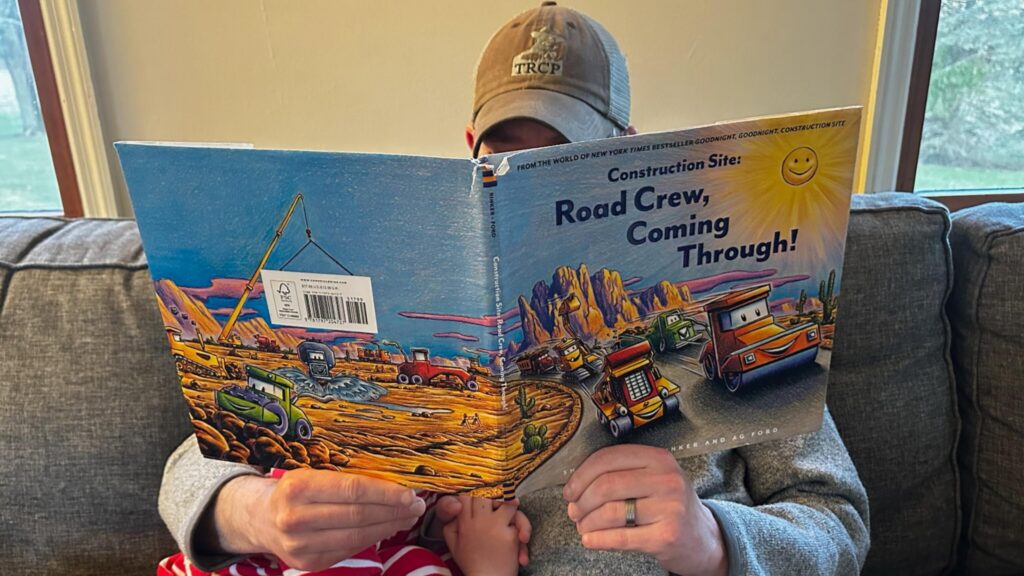
Your Kid’s Favorite Book Is Making the Case for Wildlife Crossings

A coyote slips under a bridge in a children's book — and it's making the case for one of the smartest conservation investments in America. Here's why hunters and anglers should pay attention.

Read More

Stay Informed

Receive our newsletter, the Roosevelt Report, right in your inbox. Never miss the latest news in conservation issues.

March 12, 2026

The Next Step for the Tongass

Hunters and anglers can help shape the forest plan

Last December, we wrote about the Forest Service’s Tongass National Forest Plan Assessment Report, which highlighted the importance of healthy fish and wildlife habitat, watershed conservation for salmon, and continued access for hunters and anglers across Southeast Alaska. That report was the first step in updating the management plan for the Tongass, America’s largest national forest. Now the process is entering its next and most important phase.

The U.S. Forest Service is accepting public comments through March 20 to help shape how the Tongass National Forest will be managed for the next decade or more.

For hunters and anglers who value this iconic place and Southeast Alaska’s world-class fisheries, abundant wildlife, and vast public lands, this is an important opportunity to speak up.

Why the Tongass Matters

The Tongass spans roughly 16.7 million acres across Southeast Alaska, covering most of the region’s islands, forests, and watersheds. It remains one of the most intact temperate rainforests on Earth, with habitats that continue to function much as they have for thousands of years.

For hunters and anglers, the Tongass supports world-class salmon and steelhead fisheries, important habitat for Sitka black-tailed deer, brown bears, and other wildlife, and vast backcountry landscapes that provide exceptional opportunities for hunting, fishing, and recreation. These healthy forests and watersheds also underpin a thriving outdoor recreation and guiding economy, sustaining not only wildlife but also the communities and outdoor traditions that define Southeast Alaska. The Tongass continues to build a restoration economy to improve forest health and shift to the harvest of young growth that together can support a sustainable timber sector and contribute to rural economies and culture.

The Tongass supports vast backcountry landscapes that provide exceptional opportunities for hunting, fishing, and recreation.

Why the Forest Plan Matters

A forest plan serves as the long-term blueprint for how the Tongass will be managed. While it does not authorize specific projects, it guides future decisions about fish and wildlife habitat conservation, timber harvest and forest management, recreation and tourism infrastructure, watershed safeguards for salmon streams, access to hunting and fishing opportunities, and potential conservation designations such as wilderness recommendations.

The current Tongass plan was last fully revised nearly three decades ago, and the Forest Service says the update is needed to reflect changes in science, regional economies, and how people use and experience the forest today.

Another important policy context surrounding the plan revision involves the management of roadless areas within the Tongass. More than nine million acres of the forest are currently designated as roadless areas: large, relatively undeveloped landscapes that provide important habitat for fish and wildlife and opportunities for backcountry hunting and fishing.

The Forest Service is currently considering broader changes to the national Roadless Area Conservation Rule. As part of the Tongass plan revision, the agency will analyze at least one alternative that would remove roadless safeguards. For hunters and anglers, the absence of roads helps support intact habitat and provides some of the most remote recreation opportunities remaining in Southeast Alaska. The Forest Service is also exploring ways to streamline the forest plan by reducing the number of management areas that guide different land uses. This could shift more focus to forest-wide standards while simplifying the overall structure of management designations across the Tongass.

Key Issues for Hunters and Anglers

Several major issues will shape the revised Tongass forest plan and the following environmental analysis, particularly those affecting fish and wildlife habitat, recreation, and the communities that rely on the forest.

Salmon Habitat and Watersheds
The Tongass produces a significant share of Alaska’s wild salmon harvest, making the health of its watersheds critical to fisheries across the region. Forest management decisions from road placement to timber harvest can influence water quality and the spawning habitat salmon depend on. As part of the revision, the Forest Service is considering new ways to prioritize watershed health, including identifying watersheds where conserving salmon habitat would be a central management priority.

Wildlife Habitat
Old-growth forests provide important habitat for species such as Sitka black-tailed deer, which support both hunting opportunities and subsistence harvests. Throughout winter and early spring, deer are generally restricted to old-growth forests below 1,500 feet in elevation. These old-growth forests provide optimal winter habitat because the high, broken canopy intercepts heavy snowfall while still providing for the growth of forage plants browsed by deer. Maintaining healthy forest structure and habitat connectivity will be an important consideration for sustaining wildlife populations across the Tongass.

Recreation, Access, and Communities
Outdoor recreation and tourism are among the largest economic drivers in Southeast Alaska, and many rural communities rely on the Tongass for food, livelihoods, and cultural traditions. The revised plan will examine how to balance growing visitation with conservation while maintaining reliable access to hunting, fishing, and other traditional uses that sustain Southeast Alaska communities.

The Tongass produces a significant share of Alaska’s wild salmon harvest.

Talking Points for Your Comment

If you plan to submit a comment, ask the Forest Service to carry forward plan components that maintain habitat connectivity and sustain high-quality wildlife habitat and fisheries as those conditions underpin both subsistence and public hunting and fishing opportunities. 

Additionally, consider highlighting the following points.

Conserve Salmon Habitat and Watersheds
The Tongass provides an estimated 22 percent of Alaska’s annual commercial salmon catch and 75 percent of the annual southeast Alaska commercial salmon catch, valued at more than $68 million annually. Healthy salmon runs depend on intact watersheds, clean water, and well-managed forests. The revised plan should prioritize strong conservation safeguards for salmon streams and aquatic habitat.

Maintain Healthy Wildlife Habitat
Old-growth forests and intact landscapes support deer, bears, and many other species important to hunters and anglers.

Support Access for Hunting and Fishing
The Tongass provides world-class opportunities for hunting, fishing, and outdoor recreation. The revised plan should maintain reliable access for residents, guides, and visiting sportsmen and women.

Acknowledge the Outdoor Recreation Economy
From 2010-2019, southeast Alaska attracted 120,000 sport anglers annually who caught nearly 780,000 salmon each year. Sportfishing, guiding, and outdoor tourism depend on healthy habitats and intact landscapes. These sustainable economic drivers should remain central to the Tongass’s future and be considered in the forest plan revision.

Ensure “Management Area Simplification” Maintains the Wild Character of the Tongass
The Tongass is one of the last large temperate rainforests left on Earth. Long-term stewardship and a simplified set of management areas should ensure that its wild landscapes and abundant wildlife remain intact for future generations.

The Forest Service is accepting comments until March 20.

Submit your comments through the button below.

You can learn more about the Tongass forest plan revision and upcoming public engagement opportunities, including in-person events throughout Southeast Alaska, HERE.

Looking Ahead

The Tongass remains one of America’s great public lands. A place where healthy habitat still supports thriving fish runs, abundant wildlife, and unforgettable days afield.

The decisions made in this forest plan revision will shape how these lands are managed for years to come. Hunters and anglers have long been leaders in conservation. This is another opportunity to help ensure the Tongass continues to support healthy habitat, strong fisheries, and access to the public lands that make Alaska special.

Feature Image: Bjorn Dihle


The TRCP is your resource for all things conservation. In our weekly Roosevelt Report, you’ll receive the latest news on emerging habitat threats, legislation and proposals on the move, public land access solutions we’re spearheading, and opportunities for hunters and anglers to take action. Sign up now.

Do you have any thoughts on this post?

XHTML: You can use these tags: <a href="" title=""> <abbr title=""> <acronym title=""> <b> <blockquote cite=""> <cite> <code> <del datetime=""> <em> <i> <q cite=""> <s> <strike> <strong>

Comments must be under 1000 characters.

March 5, 2026

Oregon Legislature Passes Landmark “1.25 Percent for Wildlife” Act

After three legislative sessions and more than a decade of advocacy, a bipartisan coalition secures Oregon’s most significant conservation funding victory in a generation

Yesterday, the Oregon legislature passed HB 4134, the “1.25 Percent for Wildlife” act, which will generate approximately $38 million annually for fish, wildlife, and habitat conservation across the state. The bill now heads to Governor Kotek’s desk to be signed into law. The measure passed the Senate with bipartisan support after clearing the House on a 36–22 vote, marking the culmination of more than a decade of work by hunters, anglers, landowners, conservation organizations, and community leaders.

The legislation was championed by Representatives Ken Helm (D–Beaverton), Mark Owens (R–Crane), and Senator Todd Nash (R-Joseph) among others, who built bipartisan support across both chambers to advance the proposal.

“This is what happens when sportsmen and sportswomen, ranchers, conservation organizations, and community leaders refuse to give up,” said Tristan Henry, Oregon field representative for the Theodore Roosevelt Conservation Partnership. “The Theodore Roosevelt Conservation Partnership has worked to advance this funding in some form for three sessions now. Today, Oregonians reaffirmed our commitment to the fish, wildlife, and landscapes that define this state. Hunters and anglers have shouldered the financial load of conservation for over a century. This bill asks the broader public, and the visitors who come here to enjoy what we’ve helped build, to share in that investment.”

HB 4134 ensures that visitors contribute to sustaining the resources they come to Oregon to experience. (James Wicks)

Where the Money Comes From

HB 4134 increases Oregon’s statewide transient lodging tax by 1.25 percentage points, from 1.5 percent to 2.75 percent, beginning January 1, 2027. Oregon will remain among the lowest lodging tax states in the nation after the increase. Roughly two-thirds of the tax is paid by out-of-state visitors. For Oregonians, the cost amount rises to roughly $1.25 to $2.50 on an average overnight stay.

The new revenue is dedicated to nine clearly defined conservation and natural resource programs through predictable funding that does not depend on biennial budget negotiations or one-time General Fund deposits.

Where the Money Goes

The scale of this investment is best understood in context. ODFW’s entire biennial budget is approximately $562 million, funded primarily through a combination of hunting and fishing license revenue, federal grants, and limited General Fund support. Before this bill passed, the agency had zero dedicated funding for implementing Oregon’s State Wildlife Action Plan, the science-based blueprint that identifies 321 species of greatest conservation need and 11 habitat types requiring proactive restoration. One-time General Fund deposits of $10 million per biennium had been used in prior budget cycles, but those are phased out entirely in the current 2025–27 budget.

HB 4134 changes that picture. The largest allocation, approximately $27.4 million per year, flows to the newly renamed Recovering Oregon’s Wildlife Fund Subaccount to implement the State Wildlife Action Plan and Oregon Nearshore Strategy. allocating 0.9% of Oregon’s transient lodging revenue for habitat restoration, species recovery, and conservation strategy implementation. For an agency that has been forced to cut $1.3 million from anti-poaching campaigns, $1.9 million from fish research and monitoring, and $1.5 million from hatchery operations in recent budgets, this is not incremental. It is transformative. The remaining [approximate] $10.6 million per year is allocated across eight additional programs.

Oregon Conservation Corps (0.10% [of transient lodging revenue]): Stable funding for wildfire risk reduction, community resilience, and natural resources workforce development. This investment supports young Oregonians working in land management careers while building fire-adapted communities across the state.

ODFW Wildlife Connectivity Program (0.050%): Funding for wildlife crossing structures, passage improvements, and research to reduce wildlife-vehicle collisions and reconnect fragmented habitats. Oregon’s highway system intersects critical migration corridors for elk, mule deer, and other species, and connectivity work is among the highest-return conservation investments available.

Oregon State Police Fish and Wildlife Division (0.050%): New resources for the troopers on the front lines against poaching, a persistent threat to Oregon’s fish and wildlife that directly undermines the work of hunters and anglers. ODFW’s most recent budget included a $600,000 cut to OSP enforcement funded by the agency. This allocation more than reverses that reduction and provides a durable funding base.

Wolf Management Compensation and Proactive Trust Fund (0.050%): Dedicated funding for livestock loss compensation, nonlethal deterrence tools, and conflict reduction programs. For ranching families in Eastern Oregon who have borne the costs of wolf recovery with limited and uncertain state support, this delivers on a long-standing commitment.

Oregon Conservation and Recreation Fund (0.050%): Community-based conservation and recreation grants that engage Oregonians in hands-on outdoor stewardship. This fund, established by the legislature in 2019 but chronically underfunded, will finally have a sustainable revenue source.

Wildlife Stewardship Program (0.020%): Support for wildlife rehabilitation facilities and stewardship priorities statewide.

Invasive Species Response (0.005%): Resources for detection, prevention, and removal of harmful invasive species that threaten native fish, wildlife, and habitat.

Department of Justice Anti-Poaching (0.010%): Stabilized capacity within DOJ to support prosecution of wildlife crimes.

The new revenue is dedicated to nine clearly defined conservation and natural resource programs through predictable funding that does not depend on biennial budget negotiations or one-time General Fund deposits. (Jim Davis)

A Decade in the Making

The passage of HB 4134 is the product of persistent, bipartisan advocacy that stretches back more than a decade. Representative Ken Helm (D-Beaverton) and Representative Mark Owens (R-Crane) have served as the bill’s chief sponsors, building support across party lines in both chambers. The concept was first introduced as a legislative concept and advanced in varying forms through prior sessions. The TRCP has worked to advance this funding mechanism for three consecutive legislative sessions, helping to build the hunting and fishing coalition that gave the bill credibility with lawmakers in both parties and from every corner of the state.

The broader coalition behind HB 4134 spans more than 60 organizations, from the Oregon Hunters Association and Backcountry Hunters & Anglers to Oregon Wild and the Nature Conservancy, from the Oregon Cattlemen’s Association to the League of Women Voters of Oregon. More than 2,000 pieces of public testimony were submitted during the legislative process, with over 84 percent in support. That breadth of support reflects a simple truth: Oregonians across the political spectrum understand that healthy fish, wildlife, and habitat are the foundation of the state’s identity, economy, and quality of life.

What This Means for Oregon

Oregon’s outdoor recreation economy generates $16 billion in consumer spending, supports 192,000 jobs, and accounts for 2.6 percent of the state’s GDP. Ninety percent of visitors come to Oregon to enjoy the state’s natural landscapes and wildlife. HB 4134 ensures that those visitors contribute to sustaining the resources they come here to experience.

For ODFW, this bill represents the most significant new funding stream in the agency’s modern history. The TRCP thanks the representatives and senators who supported this bill, the conservation organizations that engaged their members and provided testimony, and the thousands of Oregon hunters and anglers who sent emails, made phone calls, and championed this measure. For all this work, a brighter future for our hunting, fishing, ranching, and outdoor heritage has been secured.

Feature Image: James Wicks


The TRCP is your resource for all things conservation. In our weekly Roosevelt Report, you’ll receive the latest news on emerging habitat threats, legislation and proposals on the move, public land access solutions we’re spearheading, and opportunities for hunters and anglers to take action. Sign up now.

New Farm Bill Advances in House Committee: Key Impacts for Hunters and Anglers

The House Agriculture Committee has advanced the Farm, Food, and National Security Act of 2026, launching the next phase of negotiations over conservation programs that will impact wildlife habitat and hunting and fishing access.

It’s been nearly two years since we had a Farm Bill proposal to evaluate, but that changed on February 13, when House Ag Committee Chairman G.T. Thompson introduced the Farm, Food, and National Security Act of 2026. A lot has happened in agricultural conservation policy since the 2018 Farm Bill. Key programs have been extended and received major funding boosts, first through the Inflation Reduction Act and then made permanent in the One Big Beautiful Bill Act. But without a Farm Bill, there has been no opportunity to improve the underlaying structure that makes these programs work. 

On March 4, the House Ag Committee debated this bill, proposed amendments, and ultimately advanced it to the House floor on a 34-17 vote. Given the importance of the Farm Bill to hunters and anglers—and the difficulty of moving legislation of this scale—we are encouraged to have a bill to review and formal committee action toward passing it.

Before we summarize the key provisions of this bill, there are a few important dynamics to keep in mind.

With tight margins in both the House and Senate, bipartisanship will be essential. Although this bill could have advanced through Committee on a party-line vote, passing a fully partisan on the House floor would be highly unlikely. Nearly 30% of Ag Committee Democrats voted to advance this bill, indicating substantive bipartisan support. However, major sticking points remain, including earlier changes within the Supplemental Nutrition Assistance Program, policy around pesticide labeling, and state authority to regulate swine production. These issues fall outside of TRCP’s primary focus, but they will influence whether conservation priorities ultimately advance. 

Work on this Farm Bill began as soon as, or even before, the 2018 bill was signed. Although six or seven years seems like ample time to resolve differences, significant negotiations remain. This markup, and advancing the bill out of committee, is an important step, but further debate will occur as the bill moves to the House floor. In the Senate, Agriculture Committee Chairman John Boozman (R-Ark.) and Ranking Member Amy Klobuchar (D-Minn.) are working on their own proposal. As a result, this means that any individual provision in Chairman Thompson’s bill has additional hurdles to clear, and elements are likely to change.

Extended Farm Bill negotiations are not new, but after more than seven years without a comprehensive bill—and with bipartisan legislation increasingly difficult to move—Congress is fast approaching uncharted waters. At the same time, the Conservation Title is in better shape than usual. Investments in Title II programs through budget reconciliation packages in 2022 and 2025 extended most USDA conservation programs through 2031 and strengthened their long-term funding, providing some stability as Congress debates program changes. However, reconciliation rules allow funding adjustments but not policy reforms, meaning updates to conservation programs are still needed. Additionally, because the Conservation Reserve Program is limited by acreage rather than funding, CRP did not receive a funding increase or long-term reauthorization through reconciliation.

Policy and funding changes in this Farm Bill will impact fish and wildlife habitat and hunting and fishing access for the next five years and beyond. You can find explanations about how Farm Bill programs support hunters and anglers here. 

Keeping these dynamics in mind, what exactly is in this bill?  Farm Bills cover a wide range of issues—from nutrition assistance and agricultural research to trade, risk management, and livestock disease—so a comprehensive analysis of the entire 800-page bill is beyond the scope of this blog. Instead, we focus on several provisions most likely to affect habitat and access for hunters and anglers. Let’s dig in. 

Key Conservation Provisions in The Farm, Food, and National Security Act of 2026 would: 

This bill has been informally called “Farm Bill 2.0”, in recognition that many priorities were accomplished through the budget reconciliation process last summer. As part of that package, Congress made the remaining conservation funding from the 2022 Inflation Reduction Act permanent. This represented a major investment in Title II programs and shifted the balance among several programs, particularly the Regional Conservation Partnership Program (RCPP) and the Environmental Quality Incentives Program (EQIP). However, Chairman Thompson’s team has consistently stated their intention to reallocate those resources to support policy improvements and new programs in this Farm Bill. Priority programs differ among members of the hunting and fishing community—and even more among the broader ag conservation community— but TRCP’s priority throughout this process has been ensuring that conservation funding remains conservation funding, and this bill meets that criterion. 

Chairman Thompson’s 2024 bill included major changes to the Conservation Reserve Program (CRP), some of which were clearly beneficial to habitat and others potentially problematic. This time CRP is simply reauthorized for five years. This puts the program back on the same reauthorization schedule as the rest of Title II and avoids complications associated with repeated expirations and extensions. However, it is also a missed opportunity to make needed improvements to the program. Ideally, the bill would increase payment limitations, restore cost share for mid-contract management, and remove rental rate limitations, among other improvements. Still, leaving CRP largely unchanged gives the Senate significant latitude to pursue these updates, many of which have already been proposed in the bipartisan CRP Improvement and Flexibility Act. Congressman Jim Costa (D-Calif.) offered an amendment reflecting this legislation with support from Representatives Dusty Johnson (R-S.D.), Sharice Davids (D-Kan.), and Randy Feenstra (R-Iowa), but it was withdrawn after the Chairman committed to continuing work toward solutions.

This bill would have substantial impacts on conservation easement programs. One of the most significant is the creation of a new Forest Conservation Easement Program with mandatory funding filling a gap in current easement opportunities and supporting working forest conservation. The bill also makes several adjustments that expand management opportunities on new and existing wetland easements, helping ensure these wetlands continue to provide quality habitat for generations.  

The Regional Conservation Partnership Program (RCPP) has tremendous potential to deliver conservation in innovative, partnership-driven ways, but the program has long been hampered by barriers that frustrated partners and limited its impact.  Chairman Thompson’s bill returns the RCPP to an earlier structure, that more closely connects projects to “covered programs” like EQIP.  It also aims to shorten approval timelines and reimburse partner administrative expenses. While the covered program model has both advantages and drawbacks, efforts to streamline the RCPP are welcome, as is the addition of wildlife corridors and habitat connectivity to the program’s purposes. 

In addition to the language within RCPP, the bill encourages the Secretary of Agriculture to “encourage the use of conservation practices that support the development, restoration, and maintenance of habitat connectivity and wildlife corridors” in all conservation programs. The impact of this provision will vary depending on the priorities of any given Secretary but given the importance of corridors for species like Western big game, the direction is encouraging.  

During the markup itself, Congressman Gabe Vasquez (D-NM), offered an amendment based on the Habitat Connectivity on Working Lands Act he is leading with Congressman Ryan Zinke (R-Mont.). The amendment includes several provisions supporting migration corridors and habitat connectivity. One of the most significant aims to codify the USDA’s ability to use EQIP or the Conservation Stewardship Program (CSP) on the same acres, but for different purposes, as Grassland CRP. This approach – often referred to as a “program stack,” where multiple conservation programs can be used together on the same acreage – is a key component of the Migratory Big Game Initiative, which has proven successful in Wyoming and elsewhere. The amendment was adopted by voice vote and generated positive comments from members of both parties including Chairman Thompson and Congressman Frank Lucas (R-OK). It was also great to hear Ranking Member Craig comment on the importance of “developing conservation programs with an eye toward restoring wildlife habitat and habitat connectivity.” 

Chairman Thompson has long been an advocate for the Voluntary Public Access and Habitat Incentive Program (VPA-HIP). In 2024, the committee tried to include $150 million for the program, a funding level called for by the Voluntary Public Access Improvement Act and dozens of conservation organizations. However, this current bill does not include funding for VPA-HIP. Fortunately, thanks in large part to Chairman Thompson’s efforts, VPA-HIP received $70 million over seven years in the One Big Beautiful Bill Act last summer. While important, that funding level is unlikely to expand the program’s impact.  

The bill provides several new tools aimed at improving forest health and watershed function, with benefits for water quality, fish and wildlife, and resilience to wildfire and drought. Notable provisions include reauthorization of the U.S. Forest Service’s Water Source Protection Program, expanded use of good neighbor agreements, and additional improvements to watershed health and drinking water sources within the Collaborative Forest Landscape Restoration Program. 

While proactively addressing wildfire risk is important, the bill also includes provisions that could limit the U.S. Forest Service’s ability to manage wildfire effectively. These include requirements to suppress certain fires within 24 hours of detection and additional limitations on prescribed fire. Although these provisions apply only in certain areas and conditions, relying primarily on suppression has not historically been an effective wildfire strategy, and experienced land management professionals are better equipped than Congress to make these decisions.  

There are many other provisions in this bill that we will continue to follow, and there is still a long road before its impacts are felt on the ground. The TRCP thanks both House and Senate Agriculture Committee leadership for their work toward a bipartisan Farm Bill that supports habitat and access. 


The Hunter & Angler’s Guide to the Farm Bill

We know it can be challenging to break through the alphabet soup of program acronyms to understand why the reauthorization and improvement of Farm Bill conservation programs is a top priority. In The Hunter & Anglers Guide to the Farm Bill, we demystify the Farm Bill and the crucial conservations programs that sportsmen and women should care about.

February 27, 2026

In the Arena: Josh Warren

TRCP’s “In the Arena” series highlights the individual voices of hunters and anglers who, as Theodore Roosevelt so famously said, strive valiantly in the worthy cause of conservation.

Josh Warren

Hometown: Ashland, OR
Occupation:
Director of Marketing for WorkSharp 
Conservation credentials: 
Warren is is an Oregon hunter and angler who values public lands and the North American Model of Conservation. Through his role at WorkSharp, he helps support conservation partnerships that sustain wildlife, habitat, and opportunity for future generations.

For many hunters and anglers, the connection to conservation begins close to home — in the woods behind the house, along a familiar stretch of river, or through time spent learning from mentors and family. That sense of place is something Joshua Warren carries with him, both personally and professionally. As Director of Marketing at WorkSharp, Josh represents a company rooted in Ashland, Oregon, a community defined by its access to public lands and wild country.

Here is his story.

TRCP: How were you introduced to hunting, fishing, and the outdoors? Who introduced you? 

Josh Warren: I was introduced to the outdoors at a young age, and it shaped much of who I am today. Time outside wasn’t just recreation — it was where I learned patience, responsibility, and respect for wild places. That perspective carries directly into my work at Work Sharp. We’ve proudly rooted our company in Ashland, Oregon because of its natural beauty and access to public lands. For decades, we’ve built tools for hunters and anglers, and one of the most rewarding parts of what we do is watching someone experience that spark for the first time — whether it’s chasing their first elk, landing a salmon, or simply spending meaningful time outside. 

TRCP: Tell us about one of your most memorable outdoor adventures. 

Josh Warren: One of the experiences I look forward to every year is FishCamp. We bring together a small group of men and women from across the outdoor community and gather along the Columbia River during the fall salmon run. It’s an intimate setting — long days on the water, evenings around the campfire, stories shared, and genuine connections made. FishCamp grounds us. It reminds us why we do what we do — building tools that help people make memories in wild places and supporting conservation efforts that ensure those opportunities remain for the next generation. 

TRCP: If you could hunt or fish anywhere, where would it be and why?

Josh Warren: While there are many places around the country and around the world that are fascinating, adventurous and unknown, there is something special about hunting the woods behind your house, your local unit, or the river on the edge of town. It harkens back to the original reason people hunted and fished: survival. Going back to the roots of hunting the same woods, fishing the same rivers and streams means something. It’s not about Instagram, it’s not about trophies — it’s doing it because we love it, even in its most mundane form. 

TRCP: How does conservation help enhance your outdoor life? 

Josh Warren: It feels cliché to say that we’re protecting something for generations to come, but I can certainly recognize that if we hadn’t made decisions years ago about protecting wild lands, I wouldn’t have the same opportunities today that I do. I recognize the power we have just by existing in this time to protect lands and species that would be immensely harder to recover and protect in the future. Many of my favorite memories come from places that are protected through wilderness designations, roadless regions, or simply the fact that in Oregon we can hunt a wide variety of species because they still exist. Rocky Mountain elk in Northeast Oregon are a prime example of old conservation work that has benefited me and my family over the years. 

TRCP: What are the major conservation challenges where you live?

Josh Warren: It’s complex, and in many ways our specific region, Southwest Oregon, has benefited from strong belief in conservation. But there are still challenges. It could be controversial, but I think one challenge is education for people, specifically non-hunters, to understand how our model of conservation is funded. Oregon faces threats of anti-hunting laws regularly. Hunting and fishing licenses and tags directly support the conservation of the species we hunt and the public lands we maintain. The model of conservation works as well as any through history, and that continues to be new information to many people who oppose hunting and fishing. 

TRCP: Why is it important to you to be involved in conservation? 

Josh Warren: We have significantly more power to preserve and conserve now than we will at any point in the future. We must do what we can as early as we can. 

TRCP: Why should conservation matter to the next generation of hunters and anglers?

Josh Warren: Ultimately, the next generation needs to decide if they value conservation for themselves. I believe there is value in living life hands on — pushing back against the rapid evolution of technology and convenience and pursuing a life where we count on our own two hands. Hunting and angling are incredibly grounding and are one of the ultimate expressions of living life hands on. I believe that’s good for people and for humanity. 

Photo credit: Josh Warren


The TRCP is your resource for all things conservation. In our weekly Roosevelt Report, you’ll receive the latest news on emerging habitat threats, legislation and proposals on the move, public land access solutions we’re spearheading, and opportunities for hunters and anglers to take action. Sign up now.

February 25, 2026

Beyond State Lines: Uniting Sportsmen and Women Across the Rio Grande

A West Texas convening brought hunters, anglers, and Rio Grande Basin stakeholders together to confront water challenges and advance collaborative solutions across the Basin.

In the Rio Grande Basin, water is more than a resource; it is the lifeblood of trout streams, desert springs, working lands, and the wetlands where waterfowl gather each fall. From the headwaters in Colorado to the deserts of New Mexico and Texas, the Rio Grande and its tributaries sustain wildlife, rural communities, economies, and the hunting and fishing traditions that connect generations of Americans to the outdoors. Managing this river responsibly requires cooperation across state lines, sound science, and a shared commitment to stewardship. That’s why the Theodore Roosevelt Conservation Partnership is working to unite sportsmen and women, landowners, scientists, and policymakers around practical solutions that ensure the Rio Grande remains a place where fish and wildlife thrive and outdoor traditions endure.

Last month in Alpine, Texas, more than 300 landowners, scientists, water managers, policymakers, and conservation leaders gathered at Sul Ross State University for the Water in the Desert Conference. Partners including the Rio Grande Joint Venture, American Bird Conservancy, The Nature Conservancy, Texas Parks and Wildlife Department, and the Texas Wildlife Association joined the conversation, alongside local stakeholders from across the basin. The focus was simple but urgent: roll up our sleeves and advance practical, science-driven solutions to the water challenges shaping the future of the Rio Grande. For hunters and anglers, these discussions aren’t abstract policy debates – they help determine whether trout streams keep flowing, wetlands support migrating birds, and wildlife habitat remains strong across the basin.  

Throughout the conference, one theme surfaced again and again: management of the Rio Grande cannot continue on its current path. Keynote speaker and freshwater researcher Brian Richter cautioned about a main challenge in the region: water is being withdrawn faster than nature can replace it. This is putting the Rio Grande on an unsustainable path that risks reducing flows for communities, agriculture, and wildlife alike. This message underscored what hunters and anglers already know: declining water supplies mean shrinking wetlands, stressed fisheries, and degraded habitat for the species we care about. 

Encouragingly, some real progress is already underway in the lower Rio Grande Basin. Speakers highlighted strong partnerships, innovative research, and practical policy solutions aimed at addressing water scarcity and building long-term resilience in the basin. Steps to increase watershed health and adaptive capacity are being taken through stream restoration projects reconnecting floodplains and improving fish habitat, establishment of new water funding tools, and research focused on protecting springs and sustaining critical aquatic ecosystems.  

The week concluded with field sessions including visits to springs, rangelands, and active restoration sites that gave participants a firsthand look at West Texas land and water management in action. These site visits showcased how spring protection, riparian restoration, and collaborative watershed projects can enhance trout and warmwater fisheries, improve water sources for wildlife, and strengthen habitats across the basin. Throughout the basin, tangible steps are being taken that benefit fish, wildlife, and the sporting community today. 

By improving coordination across state lines, fortifying water data and science, and encouraging collaborative management, leaders across the Rio Grande Basin are helping to lay the groundwork for healthier rivers, springs, and wetlands—places where trout rise, waterfowl gather, and wildlife thrives. That matters deeply to hunters and anglers across Colorado, New Mexico, and Texas because fish and wildlife don’t recognize state lines, and neither should our commitment to conserving them. 

U.S. Representative Tony Gonzales, a member of the Congressional Sportsmen’s Caucus, closed the conference by emphasizing the importance of teamwork in tackling the region’s water challenges. His message reinforced an important fact: conserving the Rio Grande requires collaboration at every level, including Washington D.C. The TRCP looks forward to continuing to work with leaders on both sides of the aisle to elevate Rio Grande Basin priorities at the federal level. 

Safeguarding the Rio Grande will take all of us, and the TRCP is committed to ensuring hunters and anglers have a seat at the table to ensure that water management decisions across the Rio Grande Basin reflect the needs of fish, wildlife, and the people who pursue them. As TRCP’s Rio Grande Program Manager, I was proud to represent the hunting and angling community in these conversations, and to help ensure that the future of the Rio Grande includes healthy habitat and strong sporting traditions for generations to come.  

Learn more about TRCP’s commitment to habitat and clean water HERE

Top photo credit: NPS Photo/Jennette Jurado


The TRCP is your resource for all things conservation. In our weekly Roosevelt Report, you’ll receive the latest news on emerging habitat threats, legislation and proposals on the move, public land access solutions we’re spearheading, and opportunities for hunters and anglers to take action. Sign up now.

HOW YOU CAN HELP

TRCP has partnered with Afuera Coffee Co. to further our commitment to conservation. $4 from each bag is donated to the TRCP, to help continue our efforts of safeguarding critical habitats, productive hunting grounds, and favorite fishing holes for future generations.

Learn More
Subscribe


You have Successfully Subscribed!

You have Successfully Subscribed!

You have Successfully Subscribed!

You have Successfully Subscribed!

You have Successfully Subscribed!