Our Issues
Public Lands
Why It Matters

Hunting & Fishing Access

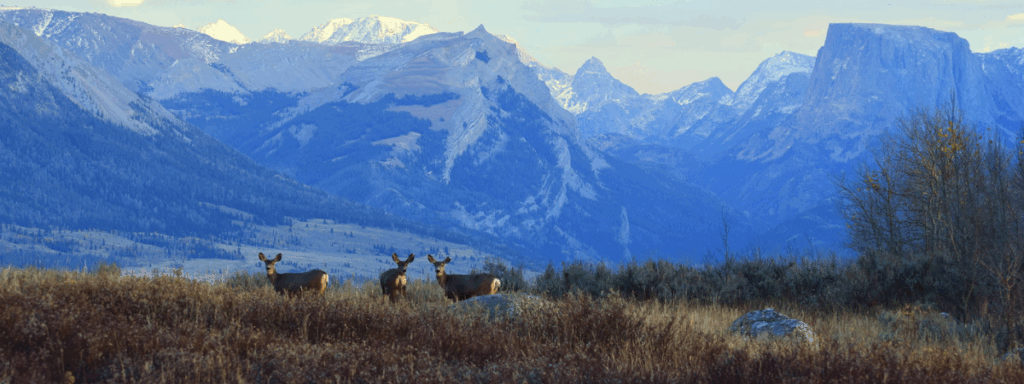
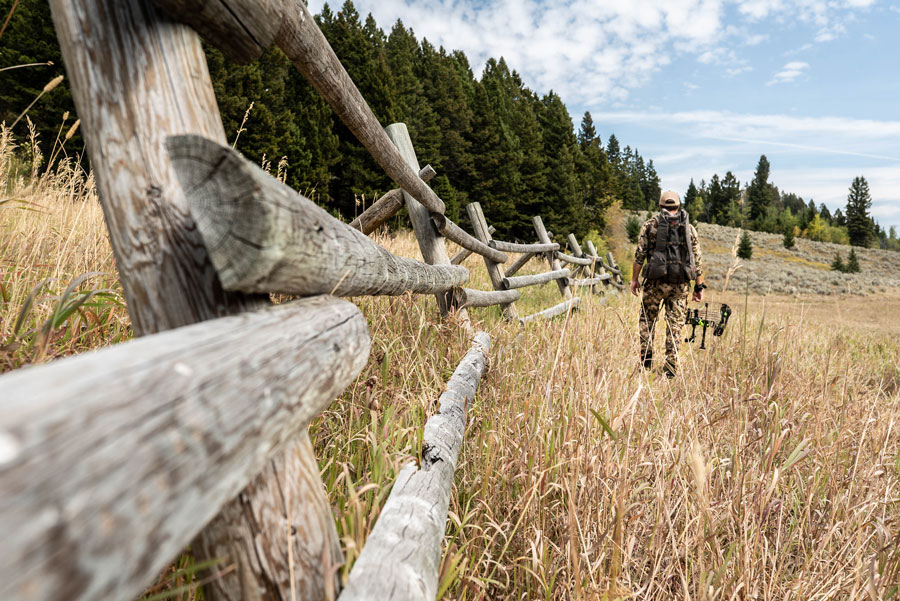
America’s 640 million acres of national public lands provide irreplaceable hunting and fishing opportunities to millions of Americans.

Learn More About Access
What TRCP is Doing

We’re working to safeguard America’s public lands so hunters and anglers always have quality places to pursue their passions.
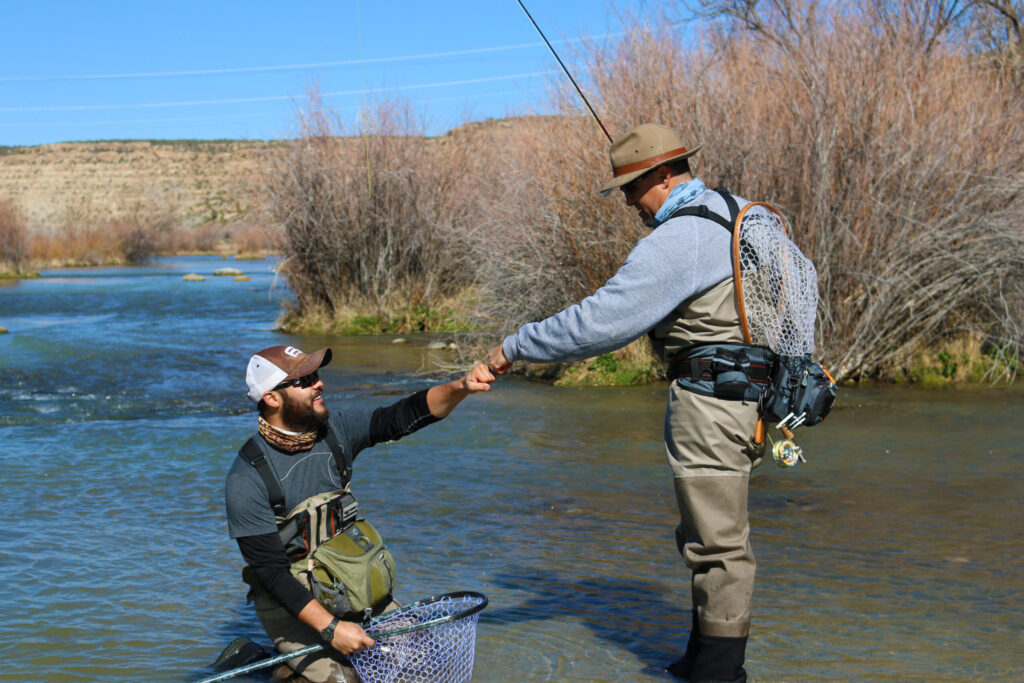
 Brian Flynn, Two Wolf Foundation
How Sportsmen Are Doing It Right

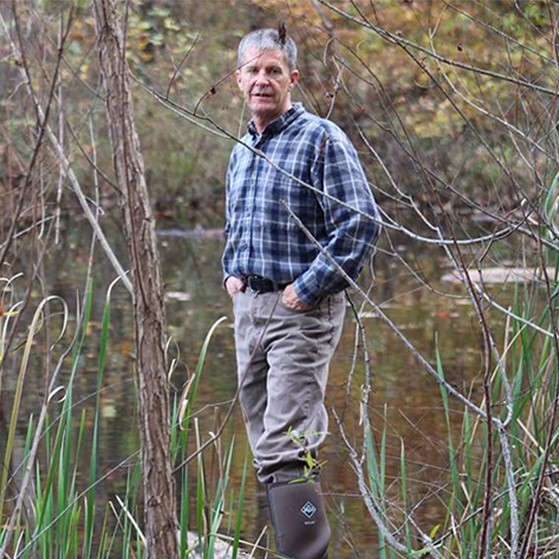
Brian Flynn, Two Wolf Foundation's Story

Following a distinguished career in the U.S. Army, lifelong outdoorsman Brian Flynn returned home from a deployment in Afghanistan and…

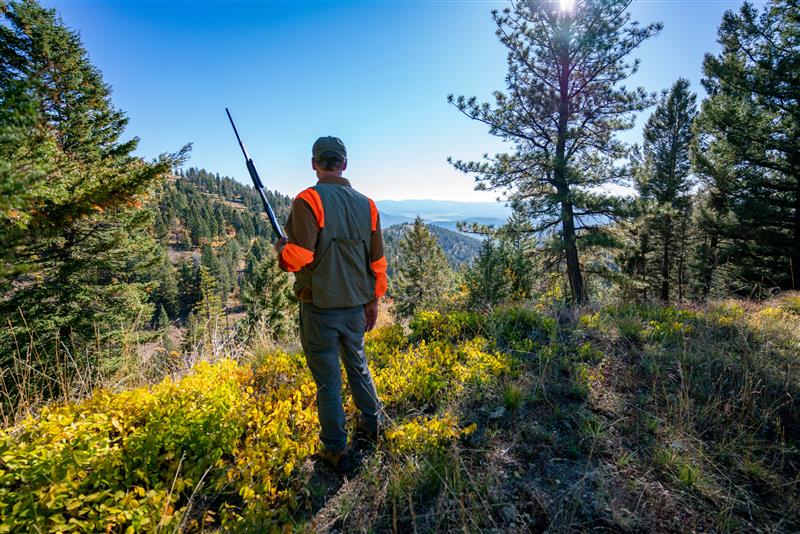
Hunting
Why It Matters

Key Issues for America’s Hunters

Your source for the latest policy updates, conservation challenges, and opportunities shaping America’s hunting traditions.

What TRCP is Doing

We’re fighting for meaningful policy changes that benefit wildlife, our waters, and the American landscapes that make our outdoor traditions possible.

 Ryan Sparks
How Sportsmen Are Doing It Right

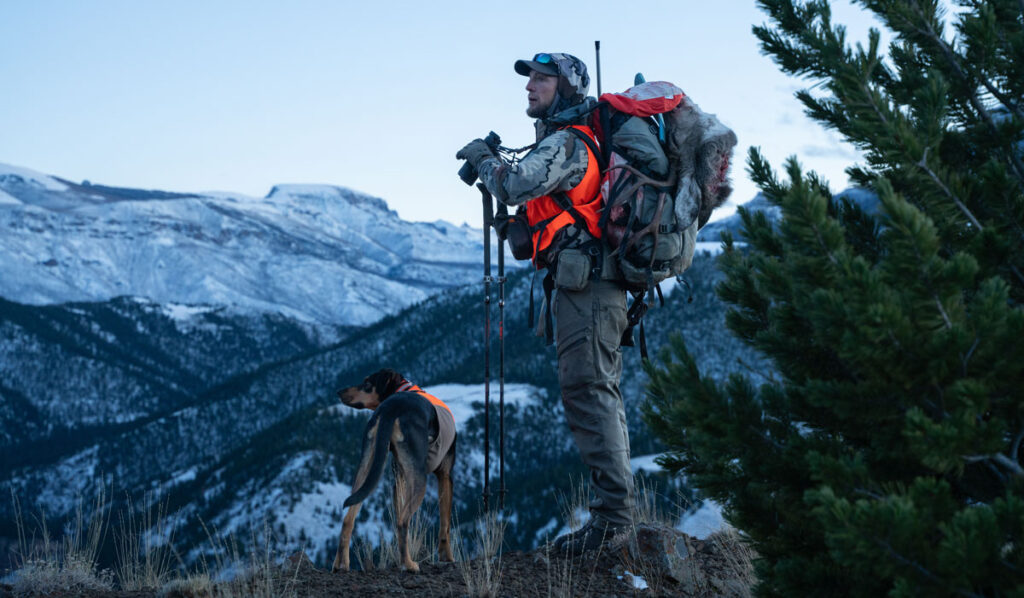
Ryan Sparks's Story

TRCP’s “In the Arena” series highlights the individual voices of hunters and anglers who, as Theodore Roosevelt so famously said,…
Fishing
Why It Matters

Key Issues for America’s Anglers

Your source for the latest policy updates, conservation challenges, and opportunities shaping America’s fishing traditions.

What TRCP is Doing

We’re fighting for meaningful policy changes that benefit wildlife, our waters, and the American landscapes that make our outdoor traditions possible.

 David Mangum
How Sportsmen Are Doing It Right

David Mangum's Story

Capt. David Mangum is a YETI ambassador and outdoor photographer who utilizes his talents to produce media that inspire a…

Private Land
Why It Matters

Stewardship on America’s private lands

With 70 percent of U.S. lands in private hands and many of our best hunt and fish opportunities occurring there, investing in voluntary conservation on working lands safeguards access, strengthens habitat and water quality, and ensures resilient landscapes.

Learn More
What TRCP is Doing

We champion policies and programs that restore wildlife habitat, improve soil and water health, and keep working lands productive.

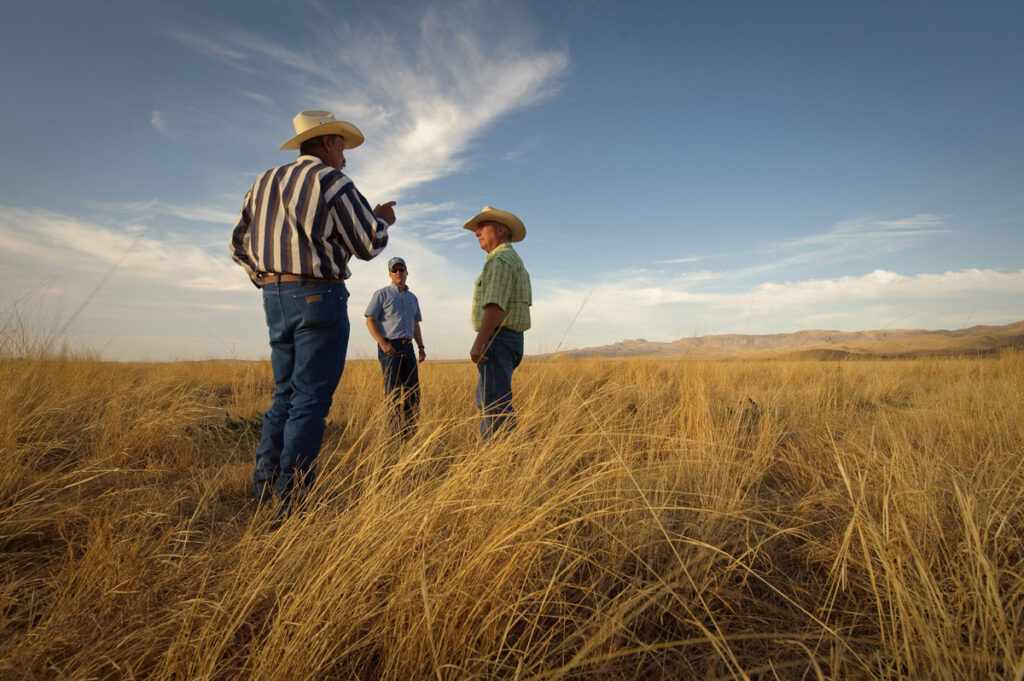
 Ward Burton
How Sportsmen are Doing It Right

Ward Burton's Story

Ward Burton’s NASCAR driving career stretched across most of two decades. As an avid sportsman and conservationist, he founded the…

Special Places
Why It Matters

Special Places Worth Protecting

America’s most iconic landscapes provide unmatched habitat and unforgettable days afield. These places sustain wildlife, anchor local economies, and define the hunting and fishing traditions we pass down.

What TRCP is Doing

We’re working to conserve special places that provide world-class habitat and unforgettable opportunities for hunters and anglers.

 Franklin Adams
How Sportsmen Are Doing It Right

Franklin Adams's Story

As a true Gladesman, conservationist, and historian, Capt. Franklin Adams has spent more than six decades championing Everglades restoration efforts…

Habitat & Clean Water
Why It Matters

Healthy Habitat Powers Every Pursuit

All hunting and fishing opportunities depend on quality habitat, from clean water and healthy wetlands to winter and summer habitats and the migration corridors that connect them.

All About Habitat & Clean Water
What TRCP is Doing

We are working to safeguard the habitats that power every hunting and fishing opportunity.

 Alex Harvey
How Sportsmen Are Doing It Right

Alex Harvey's Story

Alex Harvey, founder of Legacy Land Management, is a registered professional forester in Mississippi and Alabama with a Master's degree…

Science
Why It Matters

Science That Guides TRCP

From conserving migration corridors and wetlands to ensuring clean water and resilient landscapes, science provides evidence that turns conservation goals into effective action.

Science for Conservation
What TRCP is Doing

For hunters and anglers, science safeguards the experiences we treasure including resilient big game populations, abundant fish, and wild places that endure changing social landscapes.

Jamelle Ellis
Your Science Expert

Jamelle Ellis's Story

Jamelle Ellis joined the Theodore Roosevelt Conservation Partnership in 2022. Jamelle spent the last three years as an environmental sustainability…

Where We Work
Across the Nation

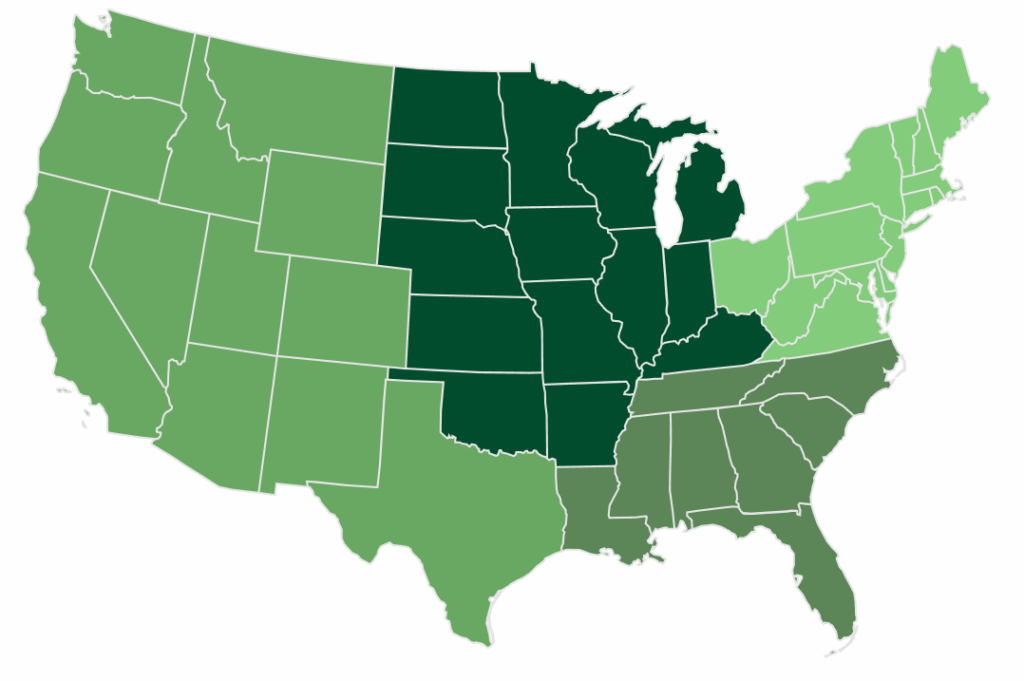
Conservation Across America

TRCP works across the country to ensure hunters and anglers can enjoy healthy fish and wildlife and quality days afield, no matter where they live.

See All Issues
TRCP in Your Region

TRCP works across the country to ensure hunters and anglers can enjoy healthy fish and wildlife and quality days afield, no matter where they live.

Who We Are
Our Mission

To guarantee all Americans quality places to hunt & fish

We unite and amplify our partners’ voices to advance America’s legacy of conservation, habitat, and access.

Our Mission & Values
Our People & Partners
  • Meet the TRCP Team

    Our staff and board members unite and amplify our partners’ voices to advance America’s legacy of conservation, habitat, and access.

    Meet the Team
  • Our Partners

    ‘Partnership’ is in our name. We work with 64 diverse partner groups that represent today’s leading hunting, fishing, and conservation organizations in order to strengthen the sportsman’s voice in Washington, D.C.

    Our Partners
  • Corporate Council

    TRCP’s Corporate Council is made up of diverse corporations that share a common passion for conservation.

    Corporate Council
Our Organization

Looking for more information?

Explore our latest news, policy updates, and conservation resources to get the information you need.

Giving
How You Can Help

To guarantee all Americans quality places to hunt & fish

Your tax-deductible donation will support TRCP's mission, now and into the future.

DONATE
Special Ways to support trcp
  • Capital Conservation Awards Dinner

    The CCAD is one of Washington's best-attended conservation celebrations, featuring dinner, cocktails, and a silent auction.

    Learn More
  • Step Into the Arena

    Help us ensure that our treasured wild habitats and game remain intact for the next generation to enjoy – lend your support to the TRCP’s efforts today!

    Donate
  • Roosevelt Roast

    TRCP has partnered with Afuera Coffee Co. to further our commitment to conservation.

    Learn More
More donation options

Find the best way for you to lend your support. Join one of TRCP’s donor circles for special invitations, premium offerings from outdoor retailers, and more exclusive benefits. Take control of your legacy with planned giving or contribute to special conservation funds.

Other Ways To Give
News
In the Spotlight
Colorado river

Colorado River Decisions Will Shape the Future of Fish, Wildlife, and the Southwest

With this important federal milestone, now is the time for the Colorado River Basin States to come to an agreement on the future of the Colorado River.

Read More

Stay Informed

Receive our newsletter, the Roosevelt Report, right in your inbox. Never miss the latest news in conservation issues.

by:

posted in:

October 28, 2025

thumbnail_IMG_7155

Do you have any thoughts on this post?

XHTML: You can use these tags: <a href="" title=""> <abbr title=""> <acronym title=""> <b> <blockquote cite=""> <cite> <code> <del datetime=""> <em> <i> <q cite=""> <s> <strike> <strong>

Comments must be under 1000 characters.

by:

posted in:

Deer Season – Hunting & CWD: Prepping for the Pennsylvania Season 

As TRCP’s Jim Kauffman prepares for a new deer season in Pennsylvania, he reflects on tradition, responsibility, and staying vigilant about CWD to help keep our herds – and our hunting heritage – strong. 

Each summer, as the days grow shorter and trail cameras start lighting up, I feel that familiar pull toward deer season. The ritual of scouting, planning, and preparing connects me to the same woods my dad and grandfathers hunted. But in recent years, there’s been a new layer of responsibility for that preparation: staying informed about Chronic Wasting Disease (CWD) and how it affects the deer and the places I love to hunt. 

Last season brought long days, snow, and new challenges, but also memories that I’ll never forget, especially carrying out a buck on my back, in the dark, with my grandfather’s rifle, and sharing venison with friends and family. Like many Pennsylvanians, I cherish these traditions and the public lands that make them possible. 

Pennsylvania has a rich tradition of deer hunting camps, and each fall many Pennsylvanians (including me) look forward to pursuing deer in its northern forests. I am fortunate to reside in a region where deer are plentiful, so opportunities also exist to hunt deer at home. Rich agricultural lands with woodlots and forest patches are widespread, and the public lands of the ridge and valley province offer ample deer hunting opportunities. Undulating forested ridges run throughout most of central Pennsylvania, framing semi-developed valleys with productive farmlands. Many of the ridge tops are public land, offering an opportunity to pursue deer that utilize these forests to grow fat on corn and soybeans in the valleys below. The Appalachian Trail runs along the southernmost ridges here, facilitating access to deeper deer haunts, if you are willing to put a few miles on your boots. So before heading to camp, I often pursue deer closer to home.  

The downside of hunting in southern Pennsylvania is facing the reality of CWD. The disease was first detected in wild Pennsylvania deer in 2012, and it has continued to spread across the Commonwealth. Each year, positive cases identified outside of established Disease Management Areas (DMAs) warrant DMA expansions and the potential for changing regulations. So, each preseason, I consult the Pennsylvania Game Commission (PGC) regulations to determine whether I will be hunting in a DMA to plan safe carcass movement, butchering, and disposal. 

In mid-summer, Pennsylvanians purchase their antlerless tags that determine the Wildlife Management Units where they can pursue does. This is a good time to check the CWD regulations and plan for proper field care and butchering. Fortunately, the areas that I plan to hunt this year still fall outside of Pennsylvania’s CWD DMAs.  But this could certainly change in the future as the disease continues to spread – and it is always important to check so you can stay informed about current regulations and requirements. Keep in mind that even if you are hunting outside of Pennsylvania’s DMA areas, you can still get your deer tested if you choose to do so. Testing provides peace of mind to be certain that your deer is not CWD positive, while providing the PGC with additional surveillance data.

During the late summer of this year, I began the usual process of learning a new section of public land on a ridge top closer to home – walking the terrain, looking for signs, and hanging cameras. As summer transitioned to fall, I also spent time at many of my former haunts throughout the northern tier, monitoring conditions and thinking about a game plan for the upcoming seasons. In general, Pennsylvania is having a good mast year, and acorns are plentiful throughout many regions of the state. Scrapes and rubs are becoming more prevalent as bucks prepare for the impending rut, which peaks in Pennsylvania during mid-November. 

The 2025 season will be the first in a very long time that Pennsylvanians have had the opportunity to hunt on most Sundays throughout the fall, thanks to bipartisan legislation that repeals a long-standing ban on Sunday hunting. This legislation provides the PGC with full authority to decide which hunting seasons can include Sunday hunting. By permitting Sunday hunting, we now can extend our hunting opportunities and make hunting more accessible to those with limited time to spend afield. I am certainly looking forward to that opportunity. 

For hunters preparing this fall, it’s worth taking time to check the PGC’s latest guidance on CWD testing, carcass disposal, and best practices—even if your hunting area lies outside a Disease Management Area, talk with your local processor about their disposal methods or encourage hunting partners to get deer tested if they hunt within or near a DMA. Every step we take helps protect the deer herds that define our seasons. 

As hunters, we’ve always cared for the land and wildlife that sustain us. Learning about and adapting to CWD is just the next chapter in that long tradition of responsibility—one that ensures we can keep sharing these woods, and these memories, for generations to come. 

With the Pennsylvania deer seasons fast approaching, I look forward to spending time at deer camp with friends and family. Regardless of success, I am certain this fall will provide another round of memories and stories to tell. Check back in at the conclusion of the season – hopefully I’ll have some good news to report.  

Deer Season – Hunting and CWD.

This new TRCP series shares the personal deer hunting stories of three staff members while exploring the practices aimed at addressing the spread of chronic wasting disease. This season, we invite you to follow along and take part in preserving what we love most about deer hunting. 

As deer seasons open across the country, hunters are packing gear, checking maps, and preparing for the moments that define another fall outdoors. But today’s deer hunters face new challenges – chief among them, the spread of Chronic Wasting Disease (CWD), a 100-percent fatal neurodegenerative wildlife disease that affects members of the deer family. While more and more hunters are finding CWD in their backyards, it remains a source of confusion for many.  

From pre-season prep and regulation changes to lessons learned in the woods and around deer camp, Deer Season – Hunting and CWD will show how everyday hunters are part of the solution. Along the way, you’ll find tips, resources, and reflections that tie together our love of the hunt with our shared responsibility to keep deer herds healthy for future generations. 

Learn more about Chronic Wasting Disease here.

by:

posted in:

October 23, 2025

Introducing TRCP’s New Series: Deer Season – Hunting and CWD 

This new TRCP series shares the personal deer hunting stories of three staff members while exploring the practices aimed at addressing the spread of chronic wasting disease. 

This year marks my 24th year as a deer hunter, and almost all that hunting has taken place within 20 miles of where I’m sitting right now. I suppose I could call it 25 years, but I wasn’t old enough to carry a rifle the first time I got to go along. Back then we had a real deer camp. Dave and Arlene, my great uncle and aunt, had a piece of property a little ways east of here, in the part of western Minnesota that starts to look like the swamps and woods further east.  

There were probably 6-10 hunters on any given day. We’d head for our stands before first light and sit until Uncle Dave got restless, which usually didn’t take more than a few hours, and then we’d get together and plan the midday deer drive. Generally, those who still had tags to fill would sit on stumps, buckets, or box stands on likely escape routes. Everybody else, including the “husky” 11-year-old I was at the time, formed a line and drove the tamarack and cattail swamps toward the posted hunters.  

I still have a clear memory of that first drive. Watching my Dad duct tape the tops of his rubber boots to his jeans, I wondered if I might be in over my head. Turns out I just about was. It was mid-November in Minnesota, and the swamps were frozen, but the ice was only about a half inch thick. Most steps I’d break through, but I was determined to keep up my place on the line. Eventually I figured out I could hop from root to root on the tamaracks and make pretty good progress.  

My strategy fell apart when the forested swamp faded into an open cattail slough. The cattails were taller than I was, so I couldn’t see the rest of the drivers, but I could hear the steady whoops and whistles we used to keep track of each other. About the time I thought I couldn’t break cattails for another step, I stumbled into a beaver run going exactly the direction I was heading. I was soaked to the knee already, so walking in the water was no problem, and I silently praised my genius as a navigator. 

That is, until about 50 yards later when the foot deep beaver trail dropped off to four feet and left me standing neck deep in icy water. I’ll never forget the laughter and pride in Uncle Dave’s eyes when he saw me pop out of the swamp at the end of that drive, exhausted, soaked, grinning, and a newly minted lifelong deer hunter. 

I’d bet that every deer hunter reading this has a similar story, and probably several. Deer hunting creates community, it teaches life lessons, it fosters a connection to nature, and it feeds families.  

That’s why this fall, the Theodore Roosevelt Conservation Partnership is launching a new blog series, Deer Season: Hunting and CWD. Through the eyes of three TRCP staff members: Ryan Chapin in Montana, Aaron Field in Minnesota, and Jim Kauffman in Pennsylvania, we’ll share personal stories from the field and explore what hunters can do to help slow the spread of CWD

Deer Season – Hunting and CWD

As deer seasons open across the country, hunters are packing gear, checking maps, and preparing for the moments that define another fall outdoors. But today’s deer hunters face new challenges – chief among them, the spread of Chronic Wasting Disease (CWD), a 100-percent fatal neurodegenerative wildlife disease that affects members of the deer family. While more and more hunters are finding CWD in their backyards, it remains a source of confusion for many.  

From pre-season prep and regulation changes to lessons learned in the woods and around deer camp, these stories will show how everyday hunters are part of the solution. Along the way, you’ll find tips, resources, and reflections that tie together our love of the hunt with our shared responsibility to keep deer herds healthy for future generations. 

As Theodore Roosevelt once said, “In a civilized and cultivated country, wild animals only continue to exist at all when preserved by sportsmen.” This season, we invite you to follow along and take part in preserving what we love most about deer hunting. 

Learn more about Chronic Wasting Disease here.

by:

posted in:

Hunting and Fishing with a Search and Rescue Perspective

Tips from TRCP’s resident SAR member on how to be found

For many hunters and anglers, our love of the outdoors is often because of, rather than despite, the unpredictability that comes with wild places. Otherwise, we’d sit on the couch all day and watch TV. The rugged beauty of the outdoors is enticing, and a big bull or hidden lake can lure the most sensible folks to the next ridge or drainage. 

As hunting seasons ramp up around the country and winter fishing approaches, now is the time to recognize the risks that come with hunting and fishing in our wild places. What can you do to keep yourself and your loved ones from becoming lost while hunting or fishing, and if it happens, how should you act?

This blog shares the basics of Search and Rescue just in time for the seasons we wait all year to enjoy.

Lost vs. Missing

First, there is a difference between someone who is “lost” and someone who is “missing.”  For example, if an angler broke her ankle while crossing a stream and could not walk back to her vehicle, she would be missing, and a SAR team would be deployed to help her get home. If a hunter took a wrong turn and couldn’t find the main trail again, she would be considered lost, and the rest of her hunting party would have to call in a SAR team to help find her.

Both lost and missing people can require a SAR team. This distinction matters because someone who is lost behaves differently than someone who is missing and understanding that distinction can help narrow down the search area. Someone who is truly lost is confused with their current location in respect to finding other locations and is unable to reorient themselves. It is assumed that a missing person knows where they are but is incapable of returning.

In a SAR mission, the lost person is referred to as the “subject” of the search. Whoever reports the subject as missing is interviewed by a searcher and the local sheriff to gain some insight into how they became lost. Based on the answers to these questions, searchers will perform a statistical analysis to determine the probability of detection within a defined search area. The statistical framework used to analyze this data is often based on what the person was doing when they became lost. Hunters and anglers offer different statistics.

Some Numbers on Hunters and Anglers

Hunters are the second most common subject of SAR missions, with hikers being the most common. Despite being common subjects, many hunters refrain from using the term “lost,” and about 33% of lost hunters manage to rescue themselves without the help of rescue teams. Some even avoid searchers out of embarrassment or fear of having to pay a fee for deploying the rescue teams (though most SAR teams do not charge for their services). About 20% of these “lost” hunters are merely overdue and return to their loved ones later than expected.

Several factors influence the reasons hunters become lost and their survivability. Most hunters lose their way in the pursuit of game. Chasing game can lead to deadfall areas and dense underbrush that may become difficult to navigate in the dark. Hunters are more likely to travel at night than most lost persons and can be more active during inclement weather since many hunters believe animals move prior to approaching storm fronts. All of these are factors that rescuers consider when searching for a lost hunter.

Anglers, while making up a smaller percentage of SAR missions, have a higher percentage of mortalities. This is largely due to their proximity to water. While most anglers can reorient themselves based on their waterway, mistakes can occur while enroute to or from waterways or when the waterway becomes confusing, such as forks in the stream or networks of lakes. Whether fishing from the shore or a boat, wet anglers can rapidly become hypothermic as the sun sets or the weather changes, and this will impact their ability to make decisions. While 44% of lost anglers are truly lost, approximately 30% are merely overdue, 23% become stranded, and a significant number drown.

Be Prepared

Understanding the way people become lost can prevent others from succumbing to the logical fallacies that factor into the decision-making processes of a lost person. It may seem logical to follow a stream downhill, but in some regions, that can lead you to a swamp or a dry washout with no road or civilization in sight. Familiarize yourself with the region prior to going out alone. If you are lost, stay put! Find or build a shelter and stay there until you are found. It’s more difficult for SAR teams to find a moving target.

If you do find yourself turned around, a few key items in your pack can make the difference between returning to your vehicle alive and becoming an unfortunate statistic. A compass, space blanket, and a fire starter are the three basic things that can get you through a tough situation if you know how to use them. There are a variety of technologies out there for GPS devices, emergency beacons, and mapping apps that can also help SAR teams locate you in an emergency.

Support SAR Teams

Search and rescue units are usually volunteer organizations made up of people in the community. Often, these people are also hunters and anglers who love using their outdoor skills to help people in need. SAR teams are dispatched through the local sheriff’s department and are funded through grants and donations. So, the next time you buy a hunting or fishing license, consider opting for the extra donation to SAR in your state. You never know when you might need them!


The TRCP is your resource for all things conservation. In our weekly Roosevelt Report, you’ll receive the latest news on emerging habitat threats, legislation and proposals on the move, public land access solutions we’re spearheading, and opportunities for hunters and anglers to take action. Sign up now.

by:

posted in:

October 21, 2025

TRCP Applauds Senate Committee Markup of the Fix Our Forests Act

Bipartisan legislation seeks to accelerate forest management and restoration, improve wildfire resilience, and expand collaboration and innovation 

Today, the Theodore Roosevelt Conservation Partnership applauds Senate advancement of the bipartisan Fix Our Forests Act. Led by Senator John Curtis (R-Utah), Senator John Hickenlooper (D-Colo.), Senator Tim Sheehy (R-Mont.), and Senator Alex Padilla (D-Calif.), the Fix Our Forests Act passed out of the Senate Agriculture, Nutrition, and Forestry Committee with bipartisan support. The bill was first introduced by Representative Bruce Westerman (R-Ark.) and Representative Scott Peters (D-Calif.) and passed the U.S. House of Representatives with a strong bipartisan vote earlier this year. 

“The declining health of our National Forests and the fish and wildlife habitat that they provide is a concern for America’s hunters and anglers,” said Joel Webster, Chief Conservation Officer for the Theodore Roosevelt Conservation Partnership. “TRCP applauds the leadership of Senate Agriculture Committee members for advancing the bipartisan Fix Our Forests Act. We urge Congress to pass these important forest management provisions and to accompany them with adequate resources and capacity to carry out on-the-ground work.” 

The bill provides a comprehensive approach to address forest health and the wildfire challenges on our nation’s forests by accelerating important planning and implementation of restoration projects, expanding collaborative tools, and improving coordination between local, state, federal, and Tribal partners. The legislation bolsters the use of prescribed fire, promotes replanting after wildfires or other extreme events, and supports ecosystem and habitat restoration across Western forests, as well as the priceless white oak forests of the Eastern U.S.

Importantly, the Fix Our Forests Act would help communities become more resilient to wildfire by establishing a Community Risk Reduction Program and makes improvements to existing grant programs while fostering cutting-edge research. The bill creates a Fire Intelligence Center to improve interagency coordination and adoption of new technologies. For the first time, this bill recognizes that projects to restore and improve floodplains and wetlands can demonstrably reduce wildfire risk to downstream communities, including the long-term impacts wildfires can have on valuable drinking water supplies for rural and urban populations.

“While the ongoing government shutdown highlights the challenges facing our public land agencies, today’s bipartisan action by the Senate Agriculture Committee shows that progress on forest health and wildfire resilience can and should continue,” added Webster. “The Fix Our Forests Act lays the groundwork to advance the pace and scale of forest management, and the TRCP will continue to work with Congress to secure the resources agencies need to put these tools to work.”

Learn more about TRCP’s commitment to public lands HERE.

HOW YOU CAN HELP

TRCP has partnered with Afuera Coffee Co. to further our commitment to conservation. $4 from each bag is donated to the TRCP, to help continue our efforts of safeguarding critical habitats, productive hunting grounds, and favorite fishing holes for future generations.

Learn More

You have Successfully Subscribed!

You have Successfully Subscribed!

You have Successfully Subscribed!

You have Successfully Subscribed!