EFF_photograph_of_NSA’s_Utah_Data_Center
Do you have any thoughts on this post?
TRCP’s “In the Arena” series highlights the individual voices of hunters and anglers who, as Theodore Roosevelt so famously said, strive valiantly in the worthy cause of conservation.
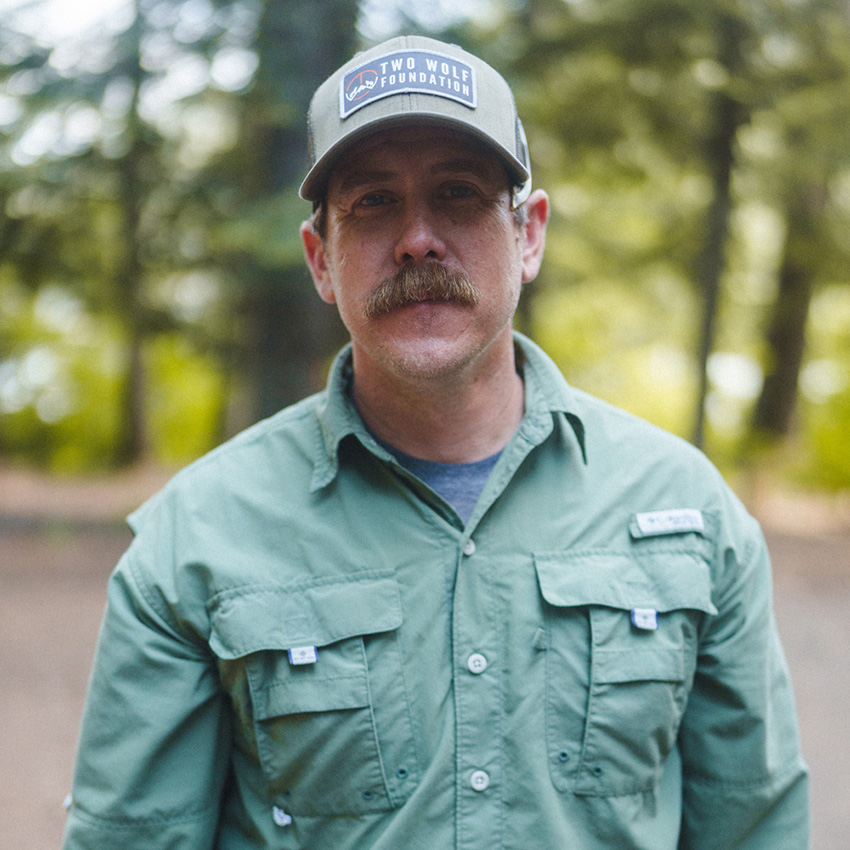
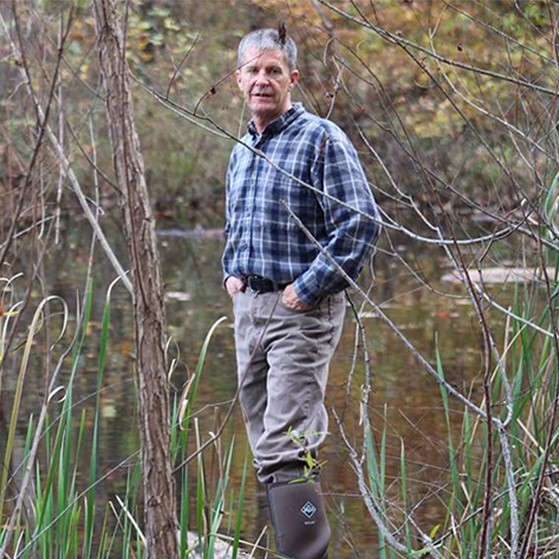
David Brooks
After a childhood in Indiana and a collegiate running career in Colorado, David Brooks understood that he wanted to remain in America’s West. Luckily for him, he moved to Missoula, Montana, and quickly found friends that were willing to share their knowledge and a few select places to hunt and fish. Since those early years, Brooks has hunted big game and birds across Montana and as far north as the Arctic Circle in Alaska. This intimate knowledge of place has helped inform his professional career as Executive Director of Montana Trout Unlimited.
Here is his story.

TRCP: How were you introduced to hunting, fishing, and the outdoors? Who introduced you?
David Brooks: The grace and generosity of friends introduced me to hunting, fishing, and most of my outdoor pursuits. When I moved from the Midwest to southern Colorado for my undergraduate studies, I did so mostly to run cross country and track for Coach Joe I. Vigil at Adams State College. Though I was mainly focused on running and school, I began to meet people who spent their falls stalking elk in the San Juan Mountains, their springs and summers casting flies for wild trout in tributaries that flowed out of those same public lands, and their winter weekends carving turns in the snow-covered flanks of the Colorado ranges. Hearing the stories of those outings from my non-runner friends planted seeds in the field of what my post-collegiate life might look like. When my wife and I moved to Missoula, Montana, in a pickup truck in 2000, I was fortunate to befriend a few people who had spent their lives hunting, fishing, floating rivers, backpacking, and generally reaping the bounty of the great outdoors. I slowly started acquiring the tools—a used Winchester .270, a hand-me-down Orvis rod, a third-hand raft. More importantly, these new friends shared their stories and let me tag along on a whitetail hunt, a trek to find native westslope cutthroat trout in a small stream, and on a 5-day river trip. The outings provided me with lessons on how to move in the woods, how to wield a flyrod, how to read water. The stories were of equal value in teaching me how to think as a hunter, angler, and lover of wild places.
TRCP: Tell us about one of your most memorable outdoor adventures.
David Brooks: In 2004, I was invited to float the Smith River, Montana’s only permitted multi-day float trip. Fortunately, one of my closest friends and mentors agreed to go and to let me bring my 15-month-old daughter. He provided all the gear. At the time, my wife and I had been modest backpackers, so didn’t own a raft, drybags, or any other river trip toys. This friend even let me try rowing a few times each of the five days we were on the river, while he kept one eye on my daughter and the other downstream. When I banged his boat off a rock, a bank, or cliff wall, he offered keen rowing advice rather than admonitions. He laughed rather than cursed and let me keep trying. After five days of staring up into the Smith River canyon and enjoying the special camaraderie that river trips bring, I returned home with an unshakable case to share with my wife about why we needed to start investing in river gear. And we did. Besides launching our love of river trips, which have been our summer family vacation ever since, that trip taught me about the value of stringing consecutive days of outdoor time together, especially hunting and fishing. The river taught me about immersion.

TRCP: If you could hunt or fish anywhere, where would it be and why?
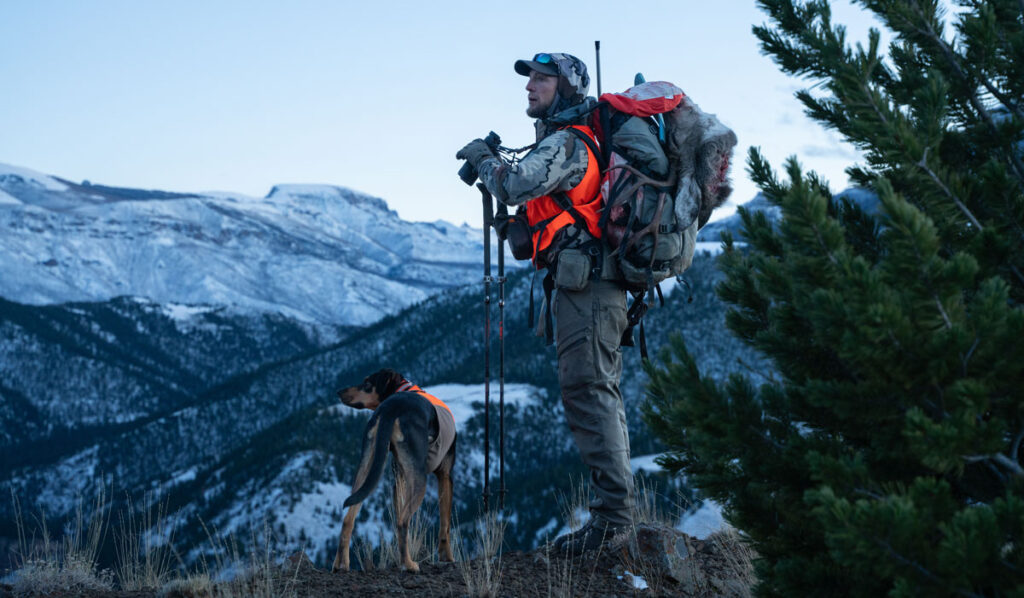
David Brooks: With the exception of a glorious 10-day float-hunt in Alaska, most of my hunting and fishing has been in Montana. I have yet to tire of returning to the places I have started to know near home, nor have I tired of exploring new places within the state. Since turning 50-years-old, doing a DIY drop camp to hunt elk in a Wilderness Area in western Montana is probably my top priority. My clock is ticking for such a hunt. So I aim to spend some days in 2025 scouting camp and hunting spots for a 2026 trip. As for fishing, I have yet to catch a redband trout or a Yellowstone cutthroat trout in Montana in their native range, so those are both high priority goals. While I would love to hunt caribou in Alaska again or cast for a 100+ pound arapaima in the Amazon, the realities of my lifestyle increasingly point me in the direction of exploring a new section of a small western Montana trout stream each year, or learning a few more of the pinch points between elk feeding and resting grounds in the walk-in areas of public land I favor each fall near my home.

TRCP: How does conservation help enhance your outdoor life?
David Brooks: In general, working in and learning about conservation issues always adds a layer to my time outdoors. When a conservation measure like Hoot Owl restrictions are implemented on Montana rivers, it makes me think more keenly about how water quality, like temperature, affects trout health and behavior. It pushes me to learn more about where cold water refugia are in a stretch of river or stream, such as upwellings of groundwater, springs and, of course, cold tributaries and, hence, where fish will be moving and how they will be feeding. Conservation introduces me to new places. When MTU joined our National TU staff in pursuing the removal of an old dam from the Rattlesnake Wilderness Area, working on that effort drew me farther and deeper than I had ever been in a Wilderness Area that is essentially in my backyard and where I regularly recreate. Knowing the conservation challenges that our streams, rivers, and lands face increases the gratitude I feel for each close encounter I have with a native trout, elk, whitetail deer, or sharptail grouse.
TRCP: What are the major conservation challenges where you live?
David Brooks: It is hard not to wear my MTU hat when thinking about the biggest conservation challenge where I live. From that vantage, I think diminishing and changing patterns of flow in our streams and rivers has to be near the top of the worry list. Climate change is making year-round precipitation less certain and altering the timing. We are seeing more short, weak winters. Even when winter snowpack reaches historic norms, like this year across much of the state, that snow begins melting earlier and across a ‘longer spring’ so that we don’t see normal peak runoff. And then flows quickly fall to base or below baseflow. Low, increasingly warm water lasts longer into fall. More such drought years in a row without the reprieve of truly good water years in between is the biggest challenge to maintaining or recovering healthy native and wild trout populations statewide. Concurrently, I don’t know of a single diminishing demand on water.

TRCP: Why is it important to you to be involved in conservation?
David Brooks: I have a daughter. In conservation, we often talk about passing on the world to the next generation(s) in as good or better shape than we found it. Besides the innate value of ecosystems, what higher purpose for being in conservation is there?
TRCP: Why should conservation matter to the next generation of hunters and anglers?
David Brooks: While I have said that the highest reason to be involved in conservation is to pass on places in better shape to the next generation than we found them, those of us at a certain age and in our late careers in conservation need the next generation of hunters and anglers. We need their creativity and energy for the variety and complexity of conservation issues we face. And, more soberingly, if young hunters and anglers don’t care about conservation, chances are that many of the places they hunt or fish will be gone or greatly diminished within their lifetimes. There will be many places that they might discover as rich hunting and fishing grounds that will wither to a poor imitation of their current selves or disappear completely.
Photo credits: David Brooks
The TRCP is your resource for all things conservation. In our weekly Roosevelt Report, you’ll receive the latest news on emerging habitat threats, legislation and proposals on the move, public land access solutions we’re spearheading, and opportunities for hunters and anglers to take action. Sign up now.
What hunters, anglers, and conservationists stand to lose as the Rio Grande dries up
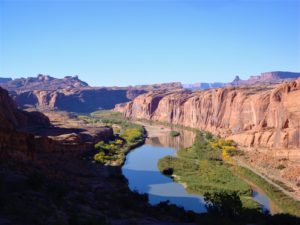
For the second time in just three years, the Rio Grande is running dry in many of its reaches throughout central and southern New Mexico. Barren riverbeds stand as stark reminders that drought and overuse threaten not only the river’s survival but also a way of life for those who depend on it. In areas where water is usually prevalent this time of year, fish are found stranded and drying up in shrinking, murky puddles. Wildlife across the region is losing a crucial water source amid relentless summer heat. At the Theodore Roosevelt Conservation Partnership, we believe restoring reliable flows to this vital river system is essential to sustaining habitats and securing a resilient future for the Southwest.
It’s no wonder how the Rio Grande got its name. Stretching from its source in the Colorado mountains to the sea, the Rio Grande is the third longest river in the continental United States. It provides drinking water to millions of people across three states and two countries. This diverse river flows from high alpine mountains through deep canyon gorges to serene cottonwood groves and into harsh desert terrain. In an arid landscape, it’s a lifeline for fish and wildlife, Indigenous peoples, traditional agricultural communities, municipalities, as well as hunters, anglers, and other recreational users.
Water in the Rio Grande is shared by Colorado, New Mexico, and Texas under a legal agreement called the Rio Grande Compact; with each state entitled to a portion. For example, even though Texas is at the downstream end of the river, New Mexico is required to deliver a set amount of water to Texas every year through the compact agreement. As rising temperatures and prolonged drought reduce overall flows, there’s less water to go around. New Mexico is often left with little to no excess water to store in its own reservoirs after mandated deliveries to Texas, this leaves upstream sections vulnerable when natural flows taper off during the hottest part of the year. Additionally, less snowpack in the river’s Colorado headwaters coupled with higher spring temperatures has meant snowmelt-fed flows are smaller and come earlier, leaving just a trickle by the time summer rolls around. While southern sections of the river have historically gone dry later in the summer due to diversions for agriculture and other uses, this kind of early-season drying—especially this far north—is a troubling new pattern.
These challenges pose real consequences throughout the basin. As flows diminish, critical habitat for fish and wildlife disappears, water quality declines, and recreational opportunities for users including hunters and anglers become fewer. Communities that rely on the river for drinking water, sustenance, and cultural traditions are left facing harsh economic and environmental realities. Part of the TRCP’s work with local and national stakeholders in the basin is to identify and advocate for durable, science-backed solutions to keep water in the Rio Grande so we can safeguard this river system, together.
Despite its importance, the Rio Grande receives significantly less federal attention and funding for research, infrastructure management, ecological restoration, and conservation efforts than other similarly sized rivers in the country. As part of its ongoing efforts in the Rio Grande Basin, the TRCP continues working to elevate the river’s profile and advance projects and policies that protect sustainable flows and thriving habitats. In my role as the TRCP’s new Rio Grande Program Manager, I’m collaborating with a diverse set of conservation organizations such as American Rivers, National Audubon Society, National Wildlife Federation, World Wildlife Fund, Trout Unlimited, The Nature Conservancy, HECHO (Hispanics Enjoying Camping, Hunting, and the Outdoors) and others to advocate for the federal actions needed to ensure dry riverbeds don’t become the new normal.
The Rio Grande deserves more than to be treated as an afterthought. Theodore Roosevelt himself prioritized its protection with the creation of the Rio Grande National Forest in 1908, largely to safeguard the river’s headwaters and the resources it sustains. This extraordinary river merits attention, funding, and long-term planning across management areas so that it can continue to support fish and wildlife, cultural traditions, and hunting and angling opportunities for generations to come. By recognizing the Rio Grande’s importance, we are one step closer to helping restore reliable flows and resilience to this iconic river system.
Learn more about TRCP’s commitment to habitat and clean water HERE
Top photo courtesy of BLM Flickr

Few people can capture the magic of fly fishing like Peter Kaminsky. The celebrated author, journalist, and lifelong angler has spent decades chasing fish across the globe—and championing the waters and habitats they call home. In this exclusive TRCP conversation, Kaminsky shares the captivating story of how he fell in love with fly fishing, the ways it has shaped his life, and why anglers have a critical role to play in conservation. Whether you’re a seasoned fly fisher or just wondering if the sport might be for you, his reflections are as inspiring as they are insightful.
For more than three decades, Kaminsky contributed to the New York Times Outdoors column and has served as a contributing editor to Field & Stream, Sports Afield, and Outdoor Life. His books—including The Moon Pulled Up an Acre of Bass and The Catch of a Lifetime—blend storytelling, personal reflections, and a deep respect for the natural world. His newest release, The Zen of Flyfishing (2025), captures the joy and meaning he’s found in the sport through essays, quotes, and stunning imagery.

In our latest conversation, Kaminsky reflected on his journey into fly fishing, the restorative qualities of time on the water, and the role anglers play in sustaining healthy fisheries. He also shared some interesting history about Theodore Roosevelt’s uncle, another outdoorsman who inspired the future president’s conservation ethos.

Peter Kaminsky’s first encounter with fly fishing was clearly transformative. On a trip to Mexico in the 1970s, he watched veteran anglers casting in the surf and felt an instant connection—what he calls “the hour I first believed.” Back in New York, he sought instruction from legendary fly fisherman Doug Swisher and never looked back.
Since then, fly fishing has been a grounding force in both good times and bad. “It’s the thing I return to in the rough times,” he says, describing how the sport can suspend time and bring peace. Hear his account of how during a period of personal hardship, while fishing Idaho’s Silver Creek, he found both solace and perspective: “It showed me you don’t have to feel miserable all the time – there’s a sunny side.”

Kaminsky has fished around the world, from trout streams in the Rockies to bonefish flats in the Yucatán, but remains deeply connected to the waters near home—especially the striped bass fishery along the Atlantic Coast. He’s witnessed the boom-and-bust cycles of striper populations and warns that current challenges, from depleted menhaden stocks to degraded spawning habitat in the Chesapeake Bay, demand action.
For him, conservation isn’t about moral superiority; it’s about ensuring the future of the resource. And wherever you stand on the practice of catch and release fishing, you’ll want to hear his wisdom on the matter.
“Everything gets eaten in this world,” he says. “It’s just a question of who’s eating it and when.”

Kaminsky also takes inspiration from conservation history, noting the influence of Theodore Roosevelt’s uncle, Robert Barnhill Roosevelt, in shaping America’s fish and game management. He sees that legacy as a call to keep our lands and waters “green and bountiful” for the next generation.
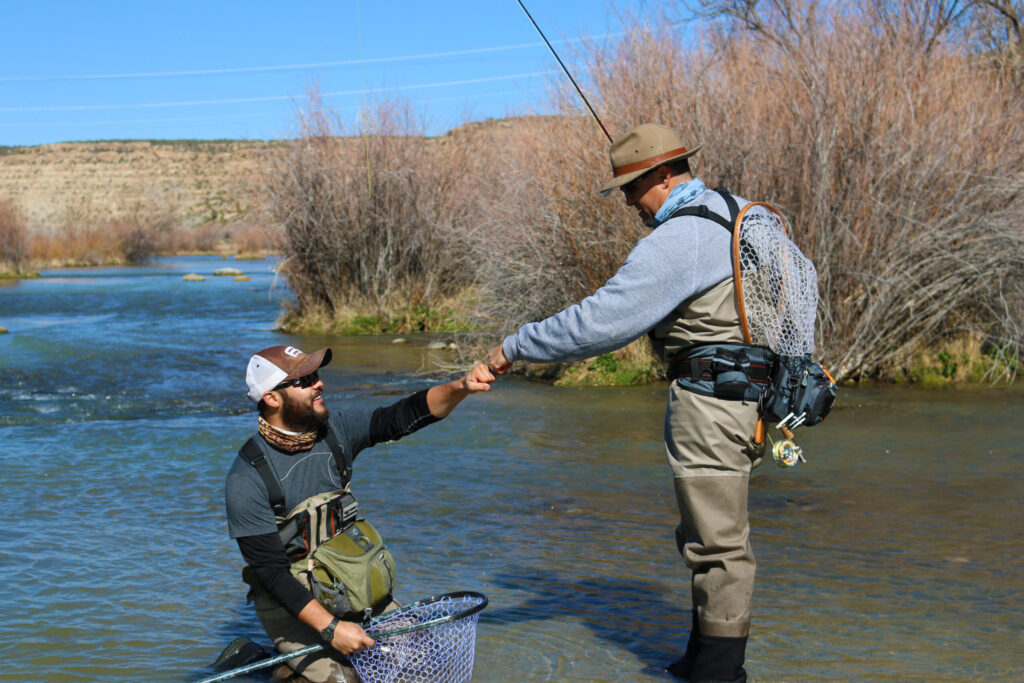
For those curious about fly fishing for the first time, his advice is simple: get casting lessons. “Seek out someone with the patience to teach you,” he says. “The investment will pay off.”
Watch the full interview here.
All photos are from The Zen of Flyfishing by Peter Kaminsky (2025), published by Workman Publishing, a division of Hachette Book Group.
Learn how to submit comments below
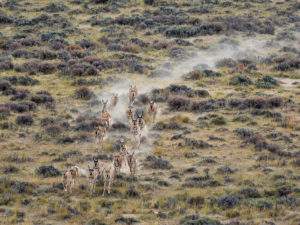
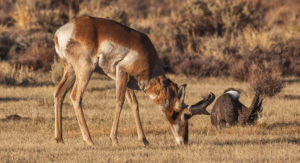
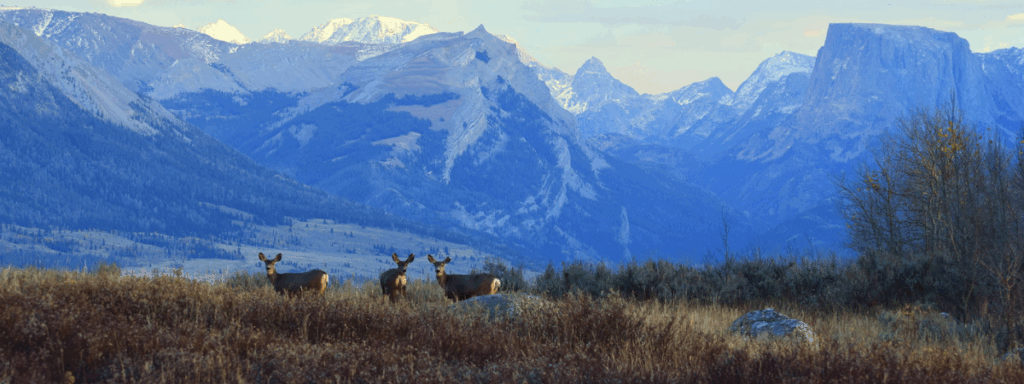
When it comes to iconic public lands cherished by sportspeople, Wyoming’s 3.4-million-acre Bridger-Teton National Forest stands out as one of America’s crown jewels. It’s one of few places left in the Lower 48 where long-distance mule deer, elk, and pronghorn antelope migrations have persisted for centuries. Four species of native cutthroat trout are found in the forest’s cold-water streams. Bighorn sheep, moose, mountain goats, bison, grizzly and black bears, wolves, and mountain lions all call this wild country home.
Sportspeople who know the Bridger-Teton understand that success in this rugged landscape requires careful preparation, patience, and persistence. Ensuring that a revised management plan for the Bridger-Teton National Forest incorporates the values of sportspeople, the wildlife, and wild places we love into the final plan is no different. After 35 years, the process to revise the management plan for the forest is moving forward, and the first step is to provide feedback on the Draft Assessment report.
The Assessment is an outline of the current conditions of the Forest and will be used to guide proposed changes to management of the Forest during the future phases of the revision process. That’s why we need sportsmen and women to help ensure that the Draft Assessment includes the best available science and information. TRCP staff have taken the time to review the assessment and have identified the need for additional big game science and data to be added to the report. Suggested comment language is provided below.
Please submit your comments to the Forest Service to ensure big game populations continue to thrive in this region. Don’t delay, comments are due August 24!
Suggested Comments for the Draft Forest Plan Assessment:
Big Game Migration
Wyoming is home to some of the last remaining long-distance big game migrations in North America, many of which bisect the Bridger-Teton National Forest. I appreciate the efforts of federal land managers to follow the direction of the Wyoming Game and Fish when making land management decisions that will impact wildlife populations. I appreciate the inclusion of state designated and identified big game corridors in the draft assessment, however, additional state-led migration research and data, including the iconic Wyoming Range mule deer migration, are missing from the draft assessment. Forest planning regulations require the best available scientific information to be included in the Assessment, and in order to meet this requirement, additional research and data must be included. Please include, at a minimum, big game habitat maps relevant to the planning area from the USGS Migration Atlas Volumes One through Four.
Outdoor Recreation
As an avid sportsperson, I appreciate the opportunity to explore our public lands throughout the year and recognize their importance to local communities, as identified in the assessment. I have also seen the rapid growth of outdoor recreation on the Bridger-Teton National Forest and want recreation opportunities to be managed to avoid negative impacts to our wildlife populations. Thank you for including current seasonal closures to conserve wintering wildlife and migration corridors along with some research on disturbance impacts. Please expand this section to include the best available scientific information surrounding impacts of recreation on wildlife including summer range, winter range, and dispersed recreation.
Big Game Crucial Range and Parturition
The Supplemental Assessment states “Identifying high priority conservation areas (See Figure 15 and Figure 16) allows managers to focus on key areas to protect. Among the top habitat types to protect are: stopover habitat sites, crucial ranges, parturition areas (i.e., birthing grounds), areas utilized by multiple herds and/or species, travel bottlenecks, and other areas where sensitive behaviors occur” (Page 49). While some of this data is included in the assessment, big game crucial range and parturition areas are not. This information informs managers to how big game use the Forest and should be included in the Forest Plan assessment to create a clear picture of current conditions.
Thank you for the opportunity to comment on the draft assessment. Including the “Best Available Scientific Information” in the Assessment is a crucial step in developing updates to the Forest Plan that incorporates the needs of our local communities, respects the distinct roles of state and federal agencies, and conserves the forest’s outstanding resources for future generations.
The Long Haul
Sportspeople are used to patiently waiting for the right opportunity and persistently pursuing our goals. Getting involved in the Assessment now helps prepare us to engage in the Forest Plan revision over the next few years. The TRCP and our partners will be here to help guide you throughout the process. Thank you for being a sportsperson advocate for the Bridger-Teton!
Check out “The Citizen’s Guide to Forest Planning” to learn more.
More questions or want to get involved? Please contact Wyoming field manager Josh Metten at jmetten@trcp.org.
Learn more about the forest plan revision HERE.
TRCP has partnered with Afuera Coffee Co. to further our commitment to conservation. $4 from each bag is donated to the TRCP, to help continue our efforts of safeguarding critical habitats, productive hunting grounds, and favorite fishing holes for future generations.
Learn More