by:

posted in:

August 21, 2025

Kaminsky thumb 3

Do you have any thoughts on this post?

XHTML: You can use these tags: <a href="" title=""> <abbr title=""> <acronym title=""> <b> <blockquote cite=""> <cite> <code> <del datetime=""> <em> <i> <q cite=""> <s> <strike> <strong>

Comments must be under 1000 characters.

by:

posted in:

The Merits of Fly Fishing: A Conversation with Peter Kaminsky 

The author, angler, and conservation advocate shares why fly fishing continues to inspire him—and why anglers must have a voice in conservation. 

Few people can capture the magic of fly fishing like Peter Kaminsky. The celebrated author, journalist, and lifelong angler has spent decades chasing fish across the globe—and championing the waters and habitats they call home. In this exclusive TRCP conversation, Kaminsky shares the captivating story of how he fell in love with fly fishing, the ways it has shaped his life, and why anglers have a critical role to play in conservation. Whether you’re a seasoned fly fisher or just wondering if the sport might be for you, his reflections are as inspiring as they are insightful. 

For more than three decades, Kaminsky contributed to the New York Times Outdoors column and has served as a contributing editor to Field & Stream, Sports Afield, and Outdoor Life. His books—including The Moon Pulled Up an Acre of Bass and The Catch of a Lifetime—blend storytelling, personal reflections, and a deep respect for the natural world. His newest release, The Zen of Flyfishing (2025), captures the joy and meaning he’s found in the sport through essays, quotes, and stunning imagery. 

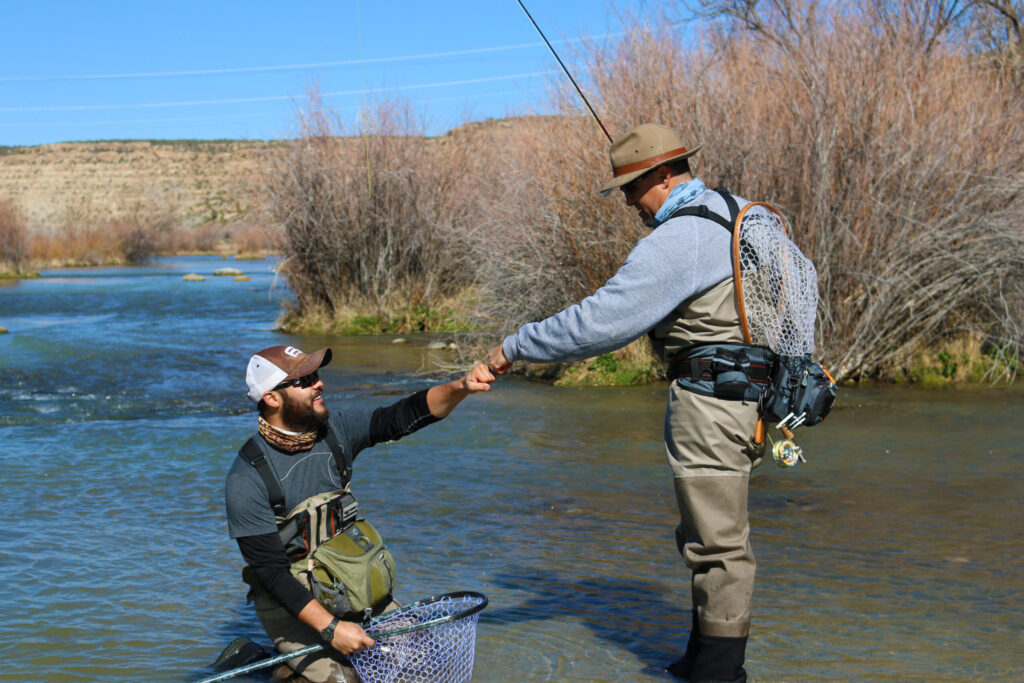
Credit: William Hereford

In our latest conversation, Kaminsky reflected on his journey into fly fishing, the restorative qualities of time on the water, and the role anglers play in sustaining healthy fisheries. He also shared some interesting history about Theodore Roosevelt’s uncle, another outdoorsman who inspired the future president’s conservation ethos. 

Credit: Jared Zissu

Finding a Calling on the Water 

Peter Kaminsky’s first encounter with fly fishing was clearly transformative. On a trip to Mexico in the 1970s, he watched veteran anglers casting in the surf and felt an instant connection—what he calls “the hour I first believed.” Back in New York, he sought instruction from legendary fly fisherman Doug Swisher and never looked back. 

Since then, fly fishing has been a grounding force in both good times and bad. “It’s the thing I return to in the rough times,” he says, describing how the sport can suspend time and bring peace. Hear his account of how during a period of personal hardship, while fishing Idaho’s Silver Creek, he found both solace and perspective: “It showed me you don’t have to feel miserable all the time – there’s a sunny side.” 

Credit: Andrew Burr

Conservation, Connection, and Responsibility 

Kaminsky has fished around the world, from trout streams in the Rockies to bonefish flats in the Yucatán, but remains deeply connected to the waters near home—especially the striped bass fishery along the Atlantic Coast. He’s witnessed the boom-and-bust cycles of striper populations and warns that current challenges, from depleted menhaden stocks to degraded spawning habitat in the Chesapeake Bay, demand action. 

For him, conservation isn’t about moral superiority; it’s about ensuring the future of the resource.  And wherever you stand on the practice of catch and release fishing, you’ll want to hear his wisdom on the matter.  

“Everything gets eaten in this world,” he says. “It’s just a question of who’s eating it and when.” 

Credit: Rex Messing

Passing It On 

Kaminsky also takes inspiration from conservation history, noting the influence of Theodore Roosevelt’s uncle, Robert Barnhill Roosevelt, in shaping America’s fish and game management. He sees that legacy as a call to keep our lands and waters “green and bountiful” for the next generation. 

For those curious about fly fishing for the first time, his advice is simple: get casting lessons. “Seek out someone with the patience to teach you,” he says. “The investment will pay off.” 

Watch the full interview here

All photos are from The Zen of Flyfishing by Peter Kaminsky (2025), published by Workman Publishing, a division of Hachette Book Group.

by:

posted in:

August 19, 2025

The Bridger-Teton National Forest Released a Plan Revision Assessment. Why Do Sportspeople Need to Engage?

Learn how to submit comments below

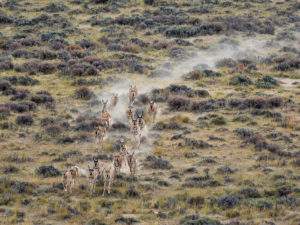
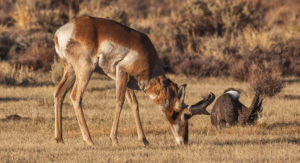
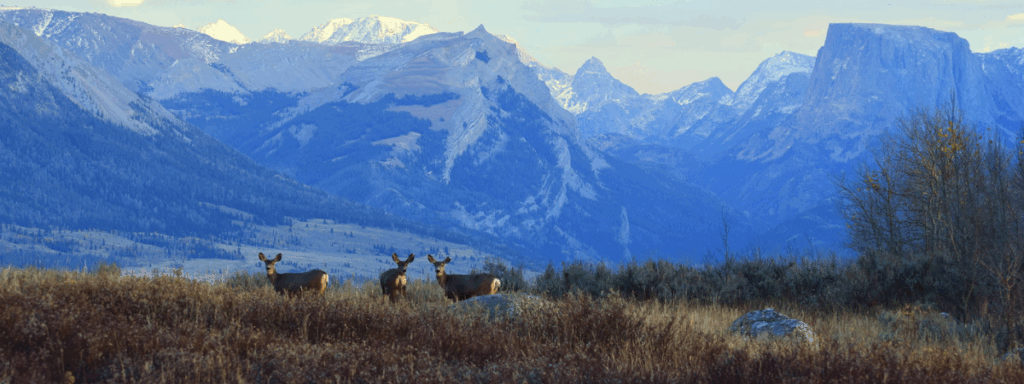
When it comes to iconic public lands cherished by sportspeople, Wyoming’s 3.4-million-acre Bridger-Teton National Forest stands out as one of America’s crown jewels. It’s one of few places left in the Lower 48 where long-distance mule deer, elk, and pronghorn antelope migrations have persisted for centuries. Four species of native cutthroat trout are found in the forest’s cold-water streams. Bighorn sheep, moose, mountain goats, bison, grizzly and black bears, wolves, and mountain lions all call this wild country home.

Sportspeople who know the Bridger-Teton understand that success in this rugged landscape requires careful preparation, patience, and persistence. Ensuring that a revised management plan for the Bridger-Teton National Forest incorporates the values of sportspeople, the wildlife, and wild places we love into the final plan is no different. After 35 years, the process to revise the management plan for the forest is moving forward, and the first step is to provide feedback on the Draft Assessment report.   

The Assessment is an outline of the current conditions of the Forest and will be used to guide proposed changes to management of the Forest during the future phases of the revision process. That’s why we need sportsmen and women to help ensure that the Draft Assessment includes the best available science and information. TRCP staff have taken the time to review the assessment and have identified the need for additional big game science and data to be added to the report. Suggested comment language is provided below. 

Please submit your comments to the Forest Service to ensure big game populations continue to thrive in this region. Don’t delay, comments are due August 24!

Suggested Comments for the Draft Forest Plan Assessment:

Big Game Migration

Wyoming is home to some of the last remaining long-distance big game migrations in North America, many of which bisect the Bridger-Teton National Forest. I appreciate the efforts of federal land managers to follow the direction of the Wyoming Game and Fish when making land management decisions that will impact wildlife populations. I appreciate the inclusion of state designated and identified big game corridors in the draft assessment, however, additional state-led migration research and data, including the iconic Wyoming Range mule deer migration, are missing from the draft assessment. Forest planning regulations require the best available scientific information to be included in the Assessment, and in order to meet this requirement, additional research and data must be included. Please include, at a minimum, big game habitat maps relevant to the planning area from the USGS Migration Atlas Volumes One through Four.

Outdoor Recreation

As an avid sportsperson, I appreciate the opportunity to explore our public lands throughout the year and recognize their importance to local communities, as identified in the assessment. I have also seen the rapid growth of outdoor recreation on the Bridger-Teton National Forest and want recreation opportunities to be managed to avoid negative impacts to our wildlife populations. Thank you for including current seasonal closures to conserve wintering wildlife and migration corridors along with some research on disturbance impacts. Please expand this section to include the best available scientific information surrounding impacts of recreation on wildlife including summer range, winter range, and dispersed recreation.

Big Game Crucial Range and Parturition

The Supplemental Assessment states “Identifying high priority conservation areas (See Figure 15 and Figure 16) allows managers to focus on key areas to protect. Among the top habitat types to protect are: stopover habitat sites, crucial ranges, parturition areas (i.e., birthing grounds), areas utilized by multiple herds and/or species, travel bottlenecks, and other areas where sensitive behaviors occur” (Page 49). While some of this data is included in the assessment, big game crucial range and parturition areas are not. This information informs managers to how big game use the Forest and should be included in the Forest Plan assessment to create a clear picture of current conditions.

Thank you for the opportunity to comment on the draft assessment. Including the “Best Available Scientific Information” in the Assessment is a crucial step in developing updates to the Forest Plan that incorporates the needs of our local communities, respects the distinct roles of state and federal agencies, and conserves the forest’s outstanding resources for future generations.


The Long Haul

Sportspeople are used to patiently waiting for the right opportunity and persistently pursuing our goals. Getting involved in the Assessment now helps prepare us to engage in the Forest Plan revision over the next few years. The TRCP and our partners will be here to help guide you throughout the process. Thank you for being a sportsperson advocate for the Bridger-Teton!

Check out “The Citizen’s Guide to Forest Planning” to learn more.

More questions or want to get involved? Please contact Wyoming field manager Josh Metten at jmetten@trcp.org.

Learn more about the forest plan revision HERE.

August 12, 2025

TRCP Applauds Bipartisan Support for SHARKED Act

New bipartisan legislation creates a national task force to address rising shark depredation through science, collaboration, and education, supporting both anglers and ocean health

The Theodore Roosevelt Conservation Partnership commends the Senate Commerce, Science and Transportation Committee for advancing the SHARKED Act on July 30 – a vital step toward balancing recreational fishing interests with the ecological importance of sharks.

The Supporting the Health of Aquatic Systems through Research Knowledge and Enhanced Dialogue Act of 2025 (SHARKED Act)  moves on to a full vote by the Senate before heading to the president’s desk to potentially be signed into law. The bill was introduced by Senators Rick Scott (R-FL) and Brian Schatz (D-HI) and directs the Department of Commerce to establish a comprehensive task force focused on shark depredation. The act previously passed the House of Representatives in January.

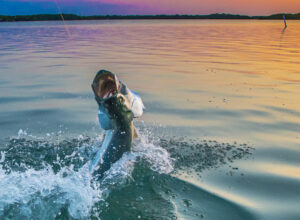
Image credit: David Hay Jones, courtesy of the MSU Marine Fisheries Ecology Program

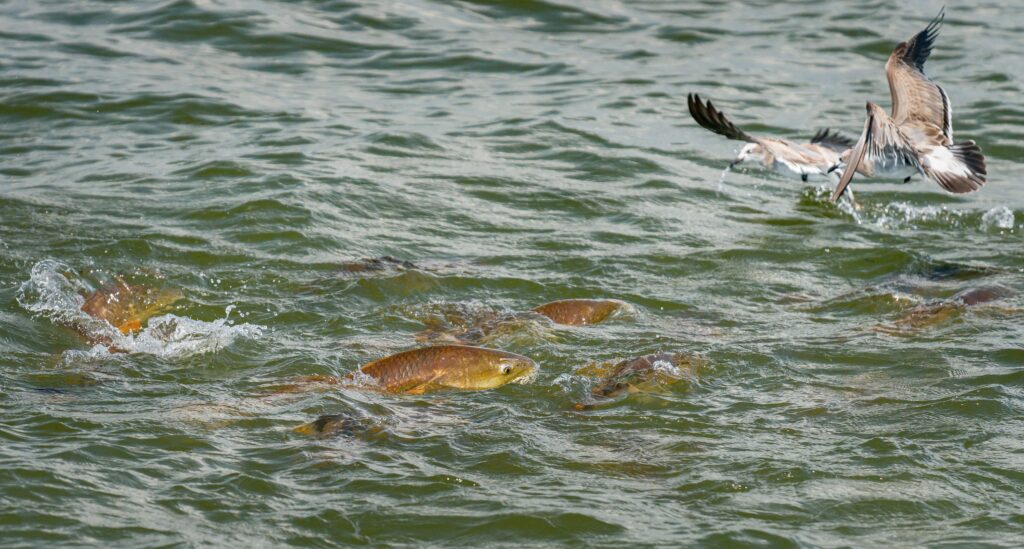
Shark depredation is the phenomenon in which sharks circle fishing vessels to eat hooked fish while anglers fight the fish to the boat. While not a new issue, recreational fishermen and charter captains in the South Atlantic and Gulf of America have been particularly concerned in recent years at what seems to be a dramatic increase in the number of fish like snapper, tunas, tarpon, and even billfish that are being attacked by sharks.

“Anglers across the Atlantic Basin have grown increasingly frustrated in the last several years by sharks taking hooked fish and congregating in large numbers around reefs, wrecks, and other popular fishing areas, something I’ve seen firsthand repeatedly over the last five-plus years,” said TRCP Fisheries Director and avid angler Chris Macaluso. “Getting the best science we can to find out the causes of these increases and working with anglers to find sound, science-based approaches to addressing the issue is what the SHARKED Act aims to accomplish. We applaud Congress for continuing to move this bill forward.”

Image credit: David Hay Jones, courtesy of the MSU Marine Fisheries Ecology Program

The task force will harness expertise from regional fishery management councils, marine fisheries commissions, state wildlife agencies, the National Marine Fisheries Service, and marine scientists to:

  • Enhance coordination between fisheries managers and shark researchers
  • Identify key research priorities and the most effective tactics—from species identification to changing shark behaviors and climate change impacts on shifting shark populations and prey
  • Develop management strategies and non‑lethal approaches to reduce harmful interactions
  • Provide guidance and educational materials to fishers and resource managers

The bill mandates an initial report to Congress within two years of enactment, with biennial updates thereafter, and includes a sunset clause terminating the task force after seven years.

Austin Evans is TRCP’s 2025 marine fisheries intern.

Learn more about how TRCP supports our outdoor recreation economy here.

by:

posted in:

August 11, 2025

Make-A-Will Month: Leave a Legacy for the Wild Places You Love

Safeguard public lands, waters, and wildlife for future generations by making conservation part of your lasting legacy.

Every August, National Make-A-Will Month is a reminder that your legacy is yours to shape. It’s not just about financial planning, it’s about protecting the values, traditions, and places you hold most dear. For hunters, anglers, and outdoor enthusiasts, that means standing up for the future of conservation. 

By including the Theodore Roosevelt Conservation Partnership in your will or estate plan, you’re doing more than leaving a gift—you’re joining a growing community committed to guaranteeing all Americans quality places to hunt and fish, now and forever. 

Planned gifts help TRCP lead the charge on policies that protect public lands, clean water, and safeguard the hunting and fishing access we all cherish. These aren’t just conservation goals; they’re cornerstones of a way of life worth passing down.  

TRCP donors Kim and Mary Martin realize the importance of planned gifts and the impact it will have on conversations for future generations.  

“My wife and I have been bird hunters, anglers, and duck hunters throughout our lives. We give to others that benefit us and will in the future. We cannot think of a better organization than the TRCP, to leave a legacy to for future generations.” 

Kim and Mary Martin, TRCP donors

Adding TRCP to your estate plans helps ensure the next generation can experience the same thrill of a rising trout, bugling elk, or sunrise on public land. It’s a simple but powerful way to keep conservation moving forward. 

This August, take one simple and powerful step: 

  • Add TRCP to your will or estate plan—cash, securities, real estate, or a percentage of your estate. 
  • Contact TRCP’s Director of Program Development, Joshua Walters to learn more and join the T.R. Legacy Society by email at jwalters@trcp.org or by phone at (304) 261-4941.

The fight for conservation doesn’t end with us. Join TRCP this Make-A-Will Month—and be part of a legacy that speaks up for our outdoor way of life, forever. 

“The nation behaves well if it treats the natural resources as assets which it must turn over to the next generation increased and not impaired in value.” – President Theodore Roosevelt 

The information stated here is not intended as financial or legal advice. Always consider seeking the advice of your financial or legal advisor. 


The TRCP is your resource for all things conservation. In our weekly Roosevelt Report, you’ll receive the latest news on emerging habitat threats, legislation and proposals on the move, public land and waters access solutions we’re spearheading, and opportunities for hunters and anglers to take action. Sign up now.

HOW YOU CAN HELP

TRCP has partnered with Afuera Coffee Co. to further our commitment to conservation. $4 from each bag is donated to the TRCP, to help continue our efforts of safeguarding critical habitats, productive hunting grounds, and favorite fishing holes for future generations.

Learn More

You have Successfully Subscribed!

You have Successfully Subscribed!

You have Successfully Subscribed!

You have Successfully Subscribed!