Our Issues
Public Lands
Why It Matters

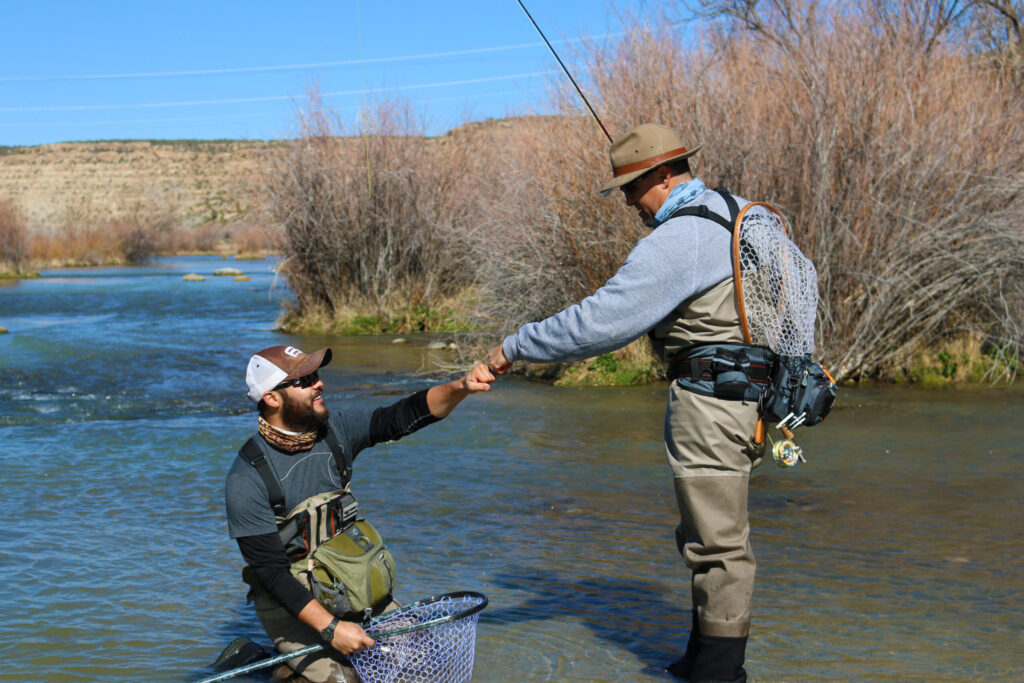
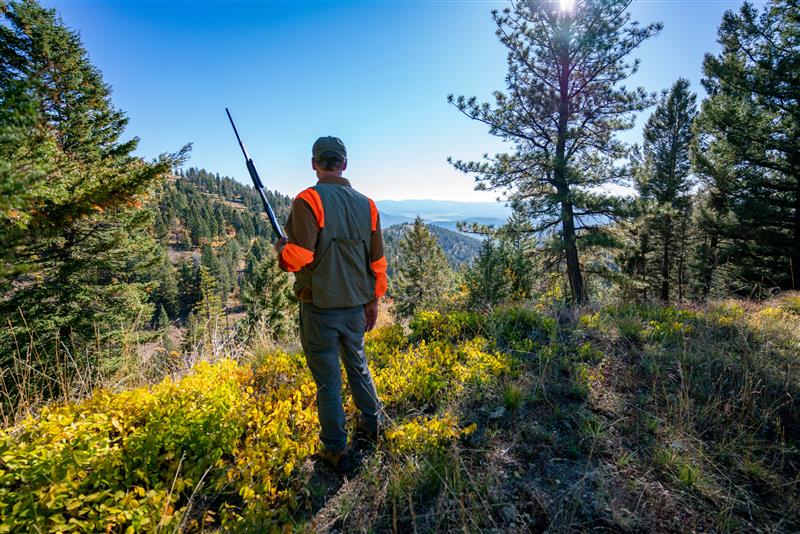
Hunting & Fishing Access

America’s 640 million acres of national public lands provide irreplaceable hunting and fishing opportunities to millions of Americans.

Learn More About Access
What TRCP is Doing

We’re working to safeguard America’s public lands so hunters and anglers always have quality places to pursue their passions.

 Brian Flynn, Two Wolf Foundation
How Sportsmen Are Doing It Right

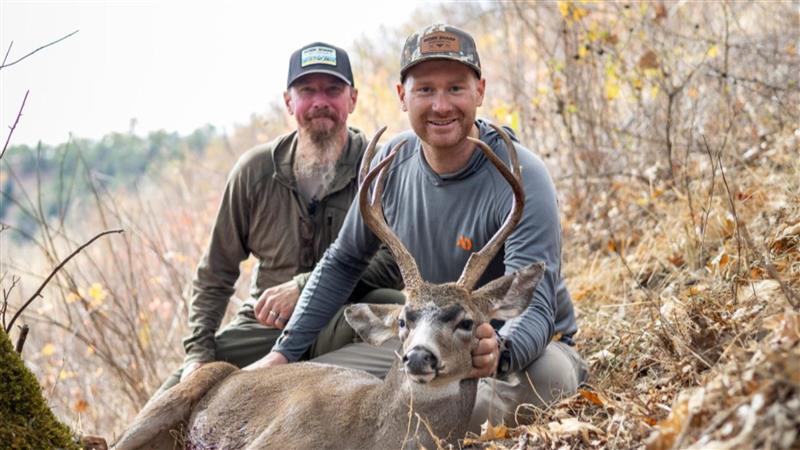
Brian Flynn, Two Wolf Foundation's Story

Following a distinguished career in the U.S. Army, lifelong outdoorsman Brian Flynn returned home from a deployment in Afghanistan and…

Hunting
Why It Matters

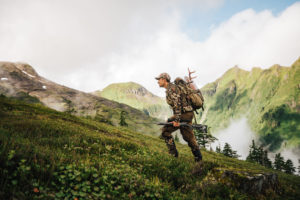
Key Issues for America’s Hunters

Your source for the latest policy updates, conservation challenges, and opportunities shaping America’s hunting traditions.

What TRCP is Doing

We’re fighting for meaningful policy changes that benefit wildlife, our waters, and the American landscapes that make our outdoor traditions possible.

 Ryan Sparks
How Sportsmen Are Doing It Right

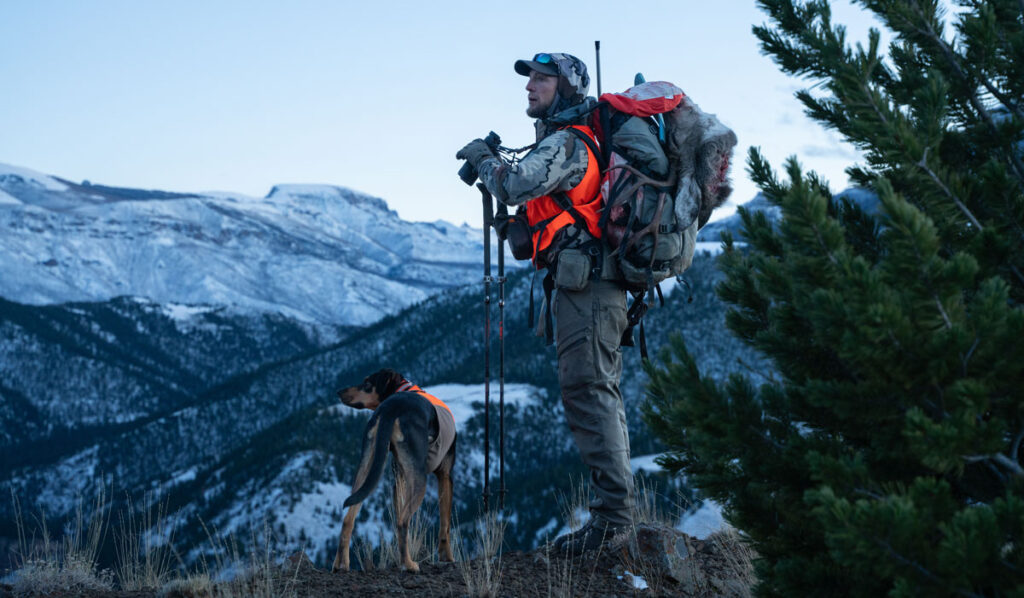
Ryan Sparks's Story

TRCP’s “In the Arena” series highlights the individual voices of hunters and anglers who, as Theodore Roosevelt so famously said,…

Fishing
Why It Matters

Key Issues for America’s Anglers

Your source for the latest policy updates, conservation challenges, and opportunities shaping America’s fishing traditions.

What TRCP is Doing

We’re fighting for meaningful policy changes that benefit wildlife, our waters, and the American landscapes that make our outdoor traditions possible.

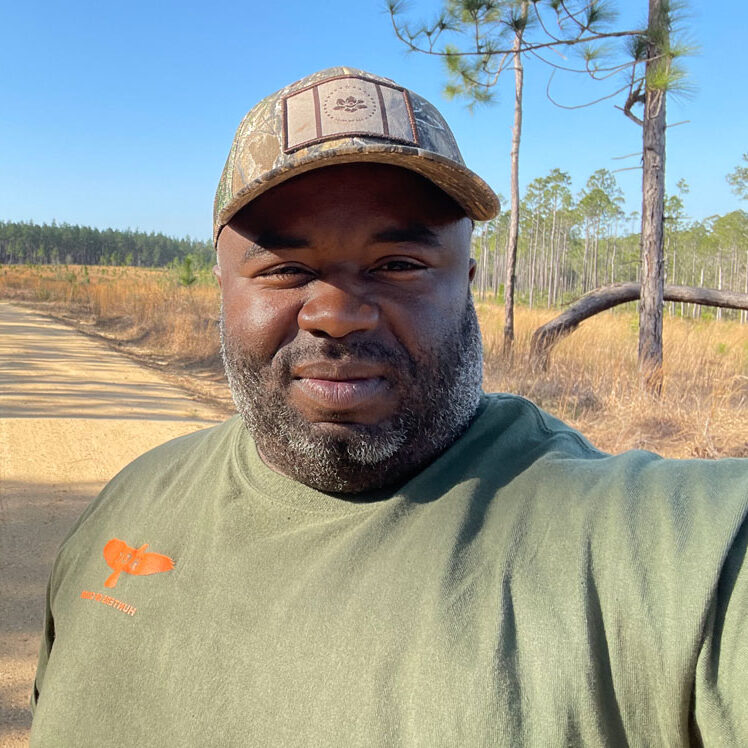
 David Mangum
How Sportsmen Are Doing It Right

David Mangum's Story

Capt. David Mangum is a YETI ambassador and outdoor photographer who utilizes his talents to produce media that inspire a…

Private Land
Why It Matters

Stewardship on America’s private lands

With 70 percent of U.S. lands in private hands and many of our best hunt and fish opportunities occurring there, investing in voluntary conservation on working lands safeguards access, strengthens habitat and water quality, and ensures resilient landscapes.

Learn More
What TRCP is Doing

We champion policies and programs that restore wildlife habitat, improve soil and water health, and keep working lands productive.

 Ward Burton
How Sportsmen are Doing It Right

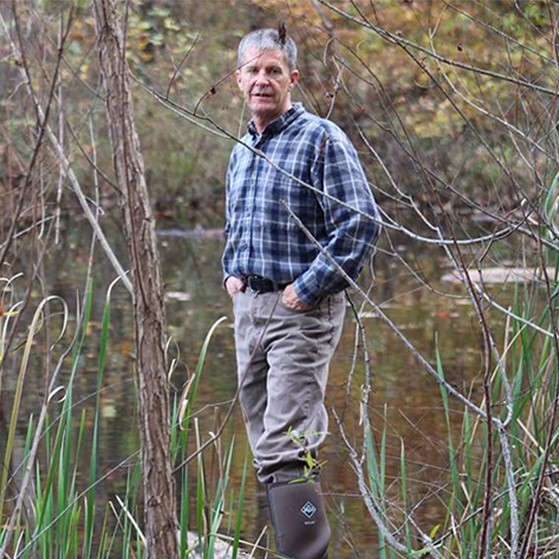
Ward Burton's Story

Ward Burton’s NASCAR driving career stretched across most of two decades. As an avid sportsman and conservationist, he founded the…

Special Places
Why It Matters

Special Places Worth Protecting

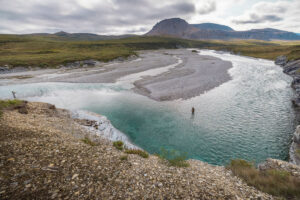
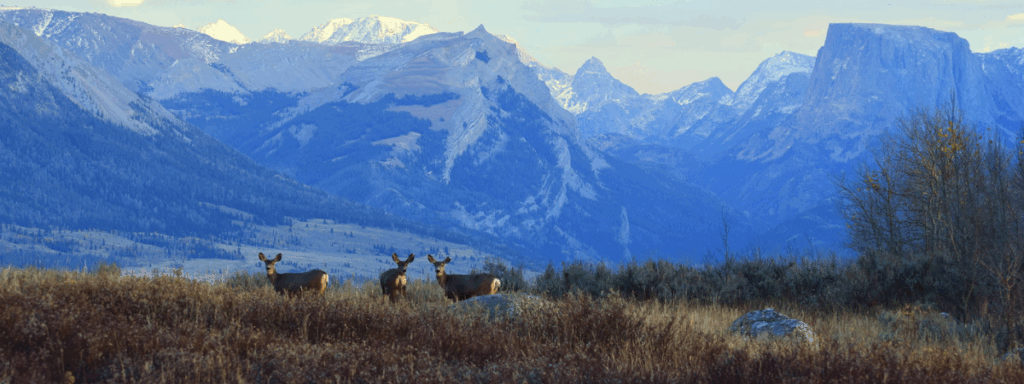
America’s most iconic landscapes provide unmatched habitat and unforgettable days afield. These places sustain wildlife, anchor local economies, and define the hunting and fishing traditions we pass down.

What TRCP is Doing

We’re working to conserve special places that provide world-class habitat and unforgettable opportunities for hunters and anglers.

 Franklin Adams
How Sportsmen Are Doing It Right

Franklin Adams's Story

As a true Gladesman, conservationist, and historian, Capt. Franklin Adams has spent more than six decades championing Everglades restoration efforts…

Habitat & Clean Water
Why It Matters

Healthy Habitat Powers Every Pursuit

All hunting and fishing opportunities depend on quality habitat, from clean water and healthy wetlands to winter and summer habitats and the migration corridors that connect them.

All About Habitat & Clean Water
What TRCP is Doing

We are working to safeguard the habitats that power every hunting and fishing opportunity.

 Alex Harvey
How Sportsmen Are Doing It Right

Alex Harvey's Story

Alex Harvey, founder of Legacy Land Management, is a registered professional forester in Mississippi and Alabama with a Master's degree…

Science
Why It Matters

Science That Guides TRCP

From conserving migration corridors and wetlands to ensuring clean water and resilient landscapes, science provides evidence that turns conservation goals into effective action.

Science for Conservation
What TRCP is Doing

For hunters and anglers, science safeguards the experiences we treasure including resilient big game populations, abundant fish, and wild places that endure changing social landscapes.

Jamelle Ellis
Your Science Expert

Jamelle Ellis's Story

Jamelle Ellis joined the Theodore Roosevelt Conservation Partnership in 2022. Jamelle spent the last three years as an environmental sustainability…

Where We Work
Across the Nation

Conservation Across America

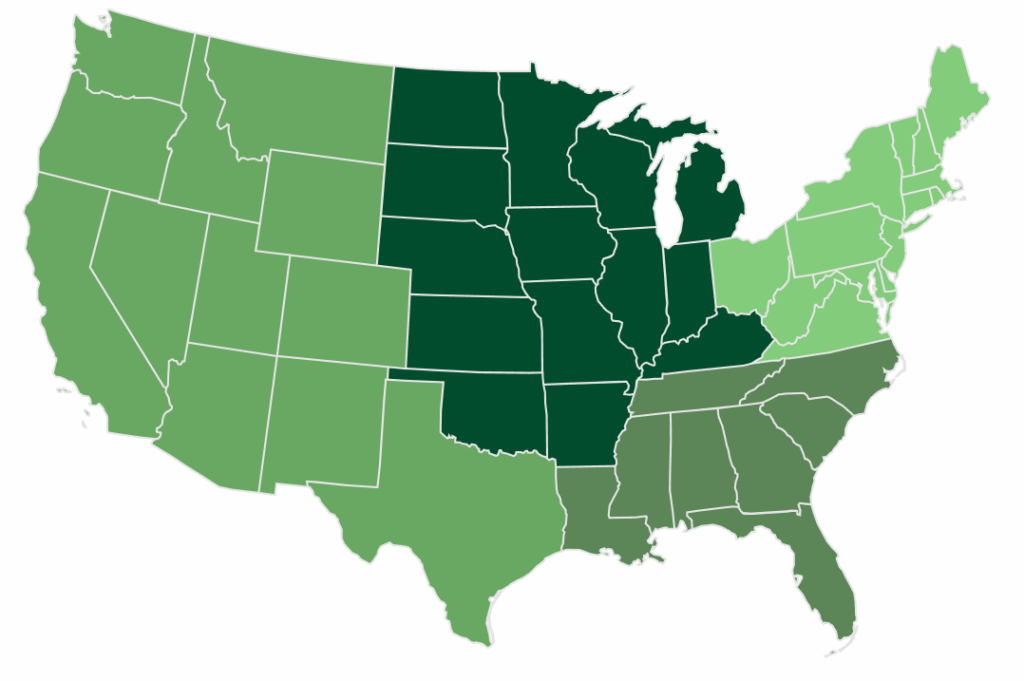
TRCP works across the country to ensure hunters and anglers can enjoy healthy fish and wildlife and quality days afield, no matter where they live.

See All Issues
TRCP in Your Region

TRCP works across the country to ensure hunters and anglers can enjoy healthy fish and wildlife and quality days afield, no matter where they live.

Who We Are
Our Mission

To guarantee all Americans quality places to hunt & fish

We unite and amplify our partners’ voices to advance America’s legacy of conservation, habitat, and access.

Our Mission & Values
Our People & Partners
  • Meet the TRCP Team

    Our staff and board members unite and amplify our partners’ voices to advance America’s legacy of conservation, habitat, and access.

    Meet the Team
  • Our Partners

    ‘Partnership’ is in our name. We work with 64 diverse partner groups that represent today’s leading hunting, fishing, and conservation organizations in order to strengthen the sportsman’s voice in Washington, D.C.

    Our Partners
  • Corporate Council

    TRCP’s Corporate Council is made up of diverse corporations that share a common passion for conservation.

    Corporate Council
Our Organization

Looking for more information?

Explore our latest news, policy updates, and conservation resources to get the information you need.

Giving
How You Can Help

To guarantee all Americans quality places to hunt & fish

Your tax-deductible donation will support TRCP's mission, now and into the future.

DONATE
Special Ways to support trcp
  • Capital Conservation Awards Dinner

    The CCAD is one of Washington's best-attended conservation celebrations, featuring dinner, cocktails, and a silent auction.

    Learn More
  • Step Into the Arena

    Help us ensure that our treasured wild habitats and game remain intact for the next generation to enjoy – lend your support to the TRCP’s efforts today!

    Donate
  • Roosevelt Roast

    TRCP has partnered with Afuera Coffee Co. to further our commitment to conservation.

    Learn More
More donation options

Find the best way for you to lend your support. Join one of TRCP’s donor circles for special invitations, premium offerings from outdoor retailers, and more exclusive benefits. Take control of your legacy with planned giving or contribute to special conservation funds.

Other Ways To Give
News
In the Spotlight

In the Arena: Josh Warren

For many hunters and anglers, the connection to conservation begins close to home — in the woods behind the house, along a familiar stretch of river, or through time spent learning from mentors and family. That sense of place is something Joshua Warren carries with him, both personally and professionally. As Director of Marketing at WorkSharp, Josh represents a company rooted in Ashland, Oregon, a community defined by its access to public lands and wild country.

Read More

Stay Informed

Receive our newsletter, the Roosevelt Report, right in your inbox. Never miss the latest news in conservation issues.

by:

posted in:

July 16, 2024

wade-fellin-2

Do you have any thoughts on this post?

XHTML: You can use these tags: <a href="" title=""> <abbr title=""> <acronym title=""> <b> <blockquote cite=""> <cite> <code> <del datetime=""> <em> <i> <q cite=""> <s> <strike> <strong>

Comments must be under 1000 characters.

by:

posted in:

July 11, 2024

Fishing’s Most Wanted: Catch & Eat These Tasty Invasives

Support sustainable native fisheries by targeting, removing, and cooking up these four delicious, invasive fish species

Many aquatic invasive species (AIS) are causing harm to American fisheries and affecting recreational fishing, from flora like hydrilla and hyacinth to fauna like zebra mussels and Asian carp. For this reason, TRCP and its partners convened an AIS commission in 2022. But not all AIS issues can be targeted by anglers, and fewer still are good to eat. We narrowed the list to TRCP’s top four AIS species for anglers because they are fun to catch and good to eat, and our fisheries benefit when we remove them.

If you decide to pursue any of these fish, search for the competitions set up to incentivize their removals. And even if you elect not to eat them, if you ever catch them in locations where they are considered problematic and are not protected, remember that it’s best to not return them to the water.

Northern Snakehead

Snakeheads can reach over 3 feet in length. Photo credit: Noah Bressman

Take some regular old freshwater fish and Frankenstein it – giving it the head and elongated body of a serpent, the teeth of a wolf, and the abilities to wriggle over land and survive out of water for more than a day – and you have yourself a northern snakehead. Native to China, Russia, and the Korean Peninsula, these bizarre, air-breathing fish probably became established in the U.S. after aquarium owners and others intentionally released unwanted specimens into local waterways. These aggressive top predators can outcompete native fish for food, with adults consuming smaller fish, crustaceans, reptiles, amphibians, and even some birds. Anglers prize them for their explosive strikes and delicious filets. While now established in the Mid-Atlantic and Chesapeake Bay regions, as well as in Arkansas (and recently spreading from there to the Mississippi River), they’ve also been detected in other states like California, Delaware, Florida, Georgia, Illinois, Massachusetts, and North Carolina, but have no established populations there.

  • Size: Typically, mature specimens are in the 18- to 30-inch range, but can reach over 3 ft. in length and more than 20 lbs.
  • Where to Target: The Potomac River drainage and other portions of Virginia and Washington, D.C., as well as in Maryland; Arkansas, New York, and Pennsylvania also offer limited opportunities
  • How to Catch: Focus on slow-moving or stagnant freshwater streams, rivers, or ponds with aquatic vegetation present, and fish for them as you would for largemouth and smallmouth bass, using spinners, frogs, buzzbaits, bladed jigs, and topwater lures; bowfishing can also be used to harvest these fish
  • Best Times: Early April through early October; live bait can also be used for fishing during cooler fall and winter periods
  • How to Prepare: The snakehead’s mild, flaky-but-firm, low-fat flesh is versatile and ideal for pan-searing, grilling, frying, smoking, or stews, with little seasoning required; just be sure to remove the skin before cooking

Blue Catfish

Blue catfish taste much better than they look — trust us. Photo credit: Joe Schmitt/ Virginia Sea Grant

While a native species in the Mississippi, Missouri, Ohio, and Rio Grande river basins, blue catfish were introduced in the Chesapeake Bay area in the 1970s. As an apex predator that can thrive even in brackish waters and grow to more than 100 pounds, their population eventually exploded and they are now wreaking havoc on local ecosystems by eating a wide range of important native species in the Bay region, including menhaden, herring, striped bass, and blue crabs. Blue catfish can be found even far up Nanticoke River tributaries in Delaware, and are present in many Southeastern states, where they are considered more naturalized and populations have not exploded like they have in the Mid-Atlantic. Even if blue cats are native where you live, they’re still worth targeting for their sheer potential size and deliciously mild, firm flesh. There’s so good to eat, in fact, that a commercial industry now targets them in the Chesapeake Bay region to supply local restaurants and markets.

  • Size: Up to more than 6 feet and 100+ lbs.; avoid eating fish over 30″ long
  • Where to Target: Freshwater and brackish Chesapeake Bay river systems and tributaries in Maryland, Virginia, Washington, D.C., and Delaware; click the state links to see fish consumption advisories to avoid eating these and other fish from areas with high contaminant levels in the water
  • How to Catch: Blue cats will eat anything, are fairly easy to catch, and a good choice for targeting with kids or inexperienced anglers, fishing near the bottom using fresh cut baits like shrimp, chicken liver, or fish, or live bait for larger catfish; trot lines can also be used if the goal is simply to catch as many fish as possible
  • Best Times: Can be fished year-round, with the spring months being particularly good; in the winter they are biting when not much else is, mainly in the warmer daytime periods; nighttime and low-light conditions are best in warmer summer months, and give anglers quarry to pursue to give striped bass a breather
  • How to Prepare: Blackened, pan-seared, deep fried, broiled or grilled (catfish filets hold up remarkably well on a grill); be sure to remove the skin before cooking

Lionfish

Lionfish, which must be harvested with a spear gun, wreak havoc on reefs. Photo credit: Florida Fish and Wildlife Conservation Commission

An attractive, audacious, and venomous marine species native to Indo-Pacific coral reefs, lionfish were first detected in U.S. waters off Florida roughly 40 years ago. It’s thought that people also inexplicably have released them from home aquariums into the Atlantic Ocean multiple times since. (A good reminder that people should never release any pets into the wild!) They have now unfortunately spread throughout the Atlantic, Gulf of Mexico, and Caribbean from New England to Texas and the Bahamas to the Greater Antilles. Their heaviest concentrations are in Florida, the Keys, and most Caribbean islands, with detections even having occurred in the saltwater portions of the Everglades – as if South Florida and the Everglades didn’t have enough invasive species problems to deal with already. Lionfish have become a serious problem because they gorge on dozens of species of juvenile reef fish that would ultimately grow to be bigger fish we like to catch. They can eat prey more than half their own length; have no real predators in the Western Hemisphere; and compete for food with important sportfish like snapper and grouper. Despite having venomous spines (which are painful, but not deadly), the flesh is perfectly safe to eat.

  • Size: Up to 15 inches or more and about 2.5 lbs.
  • Where to Target: Artificial or natural reefs and structure (the deeper, the better) off Florida and Alabama; internationally, in Puerto Rico, the U.S. Virgin Islands, and the Bahamas
  • How to Catch: Spearfishing (pole spears or Hawaiian slings) using scuba or snorkeling gear; they are surprisingly easy to harvest, due to a lack of predators that makes them unlikely to evade pursuit
  • Best Times: Any time of year, ideally near dawn and dusk
  • How to Prepare: They are in the same family as Pacific Coast rockfish, which are prized for their meat; their mild, buttery filets have been compared to grouper or mahi-mahi

Yellowstone Lake Trout

Angler with a Wyoming lake trout. Photo credit: Noah Bressman

Though most coveted trout species are actually considered invasive in at least parts of the U.S., they have long been established and often support economically important fisheries. However, some trout species in some areas are considered more destructive than valuable, so fisheries managers are working to eradicate them. The Yellowstone National Park region is home to non-native rainbows, browns, and brookies, but it’s the lake trout that are a problem. Both lake trout and native cutthroat trout are found in Yellowstone Lake, the largest high-elevation lake in North America, with lake trout both preying on and competing with cutthroats. A single lake trout can eat dozens of cutthroat trout every year, and this loss of the native fish is contributing to declines in many other wildlife species. In Yellowstone Lake, park regulations actually require anglers to keep or at least dispatch all lake trout they land. Added good news is that you’ll probably also be able to catch (and release) some big cutthroats when you’re out there.

  • Size: Around 20 inches typically, but up to 36 inches and nearly 40 pounds in this region
  • Where to Target: Yellowstone Lake, WY; noted spots include Carrington Island by boat or shore fishing in the Bridge Bay and West Thumb areas
  • How to Catch: Fly fishing by stripping a streamer with a baitfish pattern, or gear angling using deep-diving lures or vertical jigging in deeper water; guided fishing tours and boat rentals are available
  • Best Times: Legal in the park from Memorial Day weekend until early November, but fall is the best time, when lake trout move into the shallows to spawn
  • How to Prepare: High in healthy omega-3 fatty acids, they can be pan-fried or baked; they also cook nicely over an open fire in a grill basket (bring some butter and lemons)

What We’re Doing About AIS

TRCP recently worked with Yamaha Rightwaters, YETI, the American Sportfishing Association, Bass Pro Shops, and other partners on an AIS commission to address the need for better prevention and mitigation of aquatic invasive species. The commission’s final recommendations, finalized in 2023, included the need to modernize federal law and policy, increase targeted funding, maintain fishing access, and increase public education. See the full Aquatic Invasive Species Commission report here.

A special thanks to Noah Bressman, an assistant professor and AIS expert at Salisbury University, for helping confirm information for this blog, and for providing the snakehead photo in the banner image.

by:

posted in:

In The Arena: Erin Block

TRCP’s “In the Arena” series highlights the individual voices of hunters and anglers who, as Theodore Roosevelt so famously said, strive valiantly in the worthy cause of conservation

Erin Block

Hometown: Golden, CO
Occupation: Librarian
Conservation credentials: Erin Block is an established outdoor writer and has published her work in publications such as Gray’s Sporting Journal, Midcurrent, and Field & Stream, alongside her books The View from Coal Creek and By a Thread: A Retrospective on Women and Fly Tying. She also serves as editor-at-large for TROUT magazine, and her first collection of poetry How You Walk Alone in the Dark recently won a Colorado Book Award.

As a Nebraska farm kid showing 4-H steers and dairy goats, Erin Block was raised to understand where food comes from, but it wasn’t until she moved to Colorado that she started hunting grouse, hares, and turkeys on the public lands around her home. A celebrated writer who grapples with the complexities of hunting and surrounding culture, Block offers a unique perspective with talent that grips her readers.

Here is her story.

Block with a high-country Merriam’s in an early season snowstorm.

I grew up in the Midwest, in Nebraska and Iowa, and spent time fishing with my dad. But no one in my immediate family hunted. We lived on a small farm, and I spent my childhood riding horses, raising 4-H steers and dairy goats. After college, I moved to Denver, Colorado, and that’s when I started hiking and backpacking. As a kid, I took it for granted that I knew where some of my food was coming from. As an adult, I started to realize that I wanted to get back to that in some way, but a farm was out of my financial means. So I started foraging mushrooms and then hunting. I started small, working my way up in animal and weapon size each season: first for grouse, then snowshoe hare, jackrabbit, turkey, and mule deer.  

This past October, my husband, Jay Zimmerman, and I took our recurve bows out to hunt snowshoe hare. There was new snow that had fallen overnight and there was no wind. The hare tracks were fresh and it was magical to move through the woods so quietly as a predator. It felt like a lucid dream. 

I am very much a homebody and don’t like traveling. I’m attached to my home waters and hunting grounds and would always choose them over anywhere else: the Front Range and eastern plains of Colorado. 

Conservation is essential for being able to continue to hunt and fish. Good habitat creates better opportunities for hunters and anglers, but also improves the health of the ecosystem and animal populations. Every hunter knows the stomach-sinking-feeling of returning to an area you have had past success in and finding corners of a field mowed, timber cut, water drained, thickets torn up.  

I’m lucky to live in an area with many public lands, but each year, more empty plots are developed, and the weather has become predictably unpredictable. I’ve witnessed severe drought, 1,000-year floods, and wildfires in my area all within a short span of time. Without a doubt the climate is changing and if we can create and maintain good habitat through conservation practices, that will help all animals through the coming years. There are also just a lot more people on the landscape. This isn’t a bad thing, but I think we all need to be mindful that even if we don’t view an activity as consumptive—hiking, for example—we are still impacting the land and its inhabitants, possibly detrimentally so. 

Block chases dusky grouse in the Front Range of Colorado.

It’s important to me to try to have a positive impact on the resources I use and enjoy and also the small area of land where I live. I plant fruit trees, leave brush piles for rabbits, encourage the growth of native plants such as wild raspberries for pollinators, and so on. In less than a decade of hunting turkey, I have noticed a decrease in songbird activity at sunrise. Hunting takes you to places where you notice small changes like that, and makes you want to do something about it. In an interview with Orion Magazine, the poet Ross Gay was asked what he’d most like to be remembered for and his answer always sticks with me: “I am glad to have planted trees.” 

Conservation should matter to us and to the next generation because even if you don’t fish or hunt, the health of our ecosystems directly affects our own well-being, both physically and mentally. And even for non-game species, we should care about their right to exist and their contribution to ecosystems. To quote Aldo Leopold, “keep all the pieces.” 

Photos Courtesy of Erin Block.


The TRCP is your resource for all things conservation. In our weekly Roosevelt Report, you’ll receive the latest news on emerging habitat threats, legislation and proposals on the move, public land access solutions we’re spearheading, and opportunities for hunters and anglers to take action. Sign up now.

by:

posted in:

July 9, 2024

2024 Herring Stock Assessment Shows Continued Decline

The Atlantic herring stock is still overfished, and recent public scoping shows that a vast majority of stakeholders favor stricter management measures to support rebuilding

New England anglers out on the water this summer wondering when they’ll find that next big school of herring to use as bait to score a trophy bluefin or striper might want to stick with using menhaden instead. At the end of June, NOAA Fisheries published the 2024 stock assessment update for Atlantic herring, and unfortunately the results show that little progress has been made toward rebuilding a herring stock that has been in decline for many years. A good visual depiction of how the Atlantic herring population has been in decline for decades is the NOAA graph below, which charts how commercial landings have plummeted over the last six decades.

Image Credit: New England Fishery Management Council

This new stock assessment further validates the work the Theodore Roosevelt Conservation Partnership and its partners have been doing to support a new amendment to the Atlantic Herring Management Plan – Amendment 10 – to address user conflicts with anglers, attain optimum yield in the fishery, improve herring’s conservation status, and ensure that access to a healthy herring population is available to all stakeholders.

Herring Population Well Below Target

The 2024 assessment, which incorporated updated catch data, survey information, and life history parameters through 2023, indicates that the Atlantic herring stock is still overfished, but overfishing is not occurring. This essentially means that the overall size of the herring population is still far below its target level, despite fishing pressure being low enough that the stock should be able to replenish itself naturally. The data showed that the adjusted spawning stock biomass (SSB) was approximately 48,000 metric tons, or just 26 percent of the biomass target. For reference, the previous stock assessment estimated the 2021 herring SSB at 39,000 metric tons, or 21 percent of the biomass target, compared to the early 2000s when the SSB was over 200,000 metric tons, or over 1 million metric tons in the late 1960s. That’s more than 20 times what we are seeing today.

The likelihood of Atlantic herring meeting the 2025 rebuilding target is less than 1 percent.

Thus, herring are experiencing chronic circumstances that prevent them from recruiting enough younger fish to rebuild their population to a sustainable level for a thriving Northern Atlantic ecosystem, much less a thriving directed fishery. The stock’s rebuilding projections remain uncertain according to the latest data, and the likelihood of meeting the 2025 rebuilding target is less than 1 percent​​.

Bluefin tuna, a popular offshore sportfish, chase herring both in the wild and as bait. (Photo credit: Time Flies Charters)

Advocacy Offers Hope

The recent assessment may sound bleak, but not all hope is lost. Since 2023, the TRCP and partners have been involved in moving Amendment 10 to the Atlantic Herring Management Plan forward with the New England Fishery Management Council (NEFMC). The amendment is intended to address potential management changes, such as spatial and temporal restrictions for the Atlantic herring trawl fleet, to minimize conflicts with recreational anglers, charters, and other stakeholders; contribute to optimum yield; and support rebuilding of the herring resource. The NEFMC will also take action through Amendment 10 to address incidental catch of river herring and shad by the herring trawl fleet to better support ongoing coastwide restoration efforts for these species.

Thank you to those of you who contributed during the public comment period for Amendment 10 scoping in March and April, via spoken comments at scoping hearings or written comments submitted online. A full summary of scoping comments can be found here, but highlights include:

  • More than 99 percent of respondents were in support of further management actions to defend herring and supported economies. Of 891 people who commented, 795 did so on behalf of themselves and/or businesses, and only 6 comments did not support Amendment 10 action.
  • The public’s preference for potential new management measures via Amendment 10 include spatial/temporal measures (such as buffer zone variations, time/area closures to reduce river herring and shad incidental catch, and herring spawning area protections), gear restrictions in Stellwagen Bank National Marine Sanctuary, and increased observer coverage on commercial herring vessels.
  • Ideas for data sources that the NEFMC could use to develop alternative measures were provided by the public, which included data collected by local Tribes, mapping overlap analyses, public survey data, and Vessel Monitoring System (VMS) data.
Countless blueback herring (seen here) and shad are inadvertently killed by Atlantic herring trawlers. (Photo credit: Connecticut DEEP Fisheries)
What’s Next?

Rest assured, the TRCP and partners will continue to advocate for Amendment 10 moving forward to develop management alternatives for the Atlantic herring fishery that adequately address ongoing user conflicts, decrease incidental catch of river herring and shad, and contribute to optimum yield of herring for all who want to access this vital public resource. Next steps for Atlantic herring management at the NEFMC include:

  • The NEFMC Atlantic Herring Plan Development Team (PDT) and Technical Committee will meet July 9 to discuss the stock assessment update.
  • The Scientific and Statistical Committee will meet July 30-31 to recommend overfishing limits and acceptable biological catch for the 2025-2027 fishing seasons, based on the stock assessment results.

Amendment 10 will be on hold while the NEFMC focuses on the above fishing season specification-setting process over the summer. In the fall and winter months, the PDT will begin to analyze available data and develop potential management alternatives for Amendment 10, which will be reviewed by the Council.

If you’d like to stay involved in the Amendment 10 process, please fill out this user conflict survey (and share with all your friends!) that will be submitted to the NEFMC to help identify areas of high conflict between the directed fishery and other users of the herring resource: https://tinyurl.com/atlantic-herring-survey

Banner image credit 16:9Clue

by:

posted in:

July 3, 2024

TRCP Applauds Wyoming Proposal to Identify Mule Deer Migration Corridor

Iconic mule deer migration path stretches from Dubois to Grand Teton National Park

On Monday, July 1, the Wyoming Game and Fish Department formally announced the public input process to establish the Upper Wind River Mule Deer Migration Corridor via Governor Gordon’s Executive Order 2020-1. This iconic deer migration connects winter range surrounding Dubois to summer range 90 miles west in Grand Teton National Park.

“Wyomingites care deeply about our wildlife and recognize the crucial importance of maintaining connectivity for migratory big game species,” said Josh Metten, Wyoming field manager with the Theodore Roosevelt Conservation Partnership. “TRCP appreciates the state’s effort to formally identify the Upper Wind River Mule Deer Migration Corridor.”

The corridor is primarily used by the Dubois mule deer herd, which is prized by sportspeople for the outstanding hunting opportunities it provides. The herd’s quality winter range and intact migration routes are thought to have buffered these animals from the steep declines observed in other mule deer populations across the state. Identifying the corridor will increase opportunities for incentive-based private lands conservation and prioritization of corridor functionality on state and federal lands. This includes a current effort by Tribes, the Game and Fish Department, Department of Transportation, and other partners to fund wildlife crossings in the area, which could prevent hundreds of wildlife-vehicle collisions each year.

“For thousands of years, deer have migrated between the lush meadows of the Teton range and surrounding national forests to the winter ranges of the Dubois Badlands,” continued Metten. “We look forward to helping Wyoming sportspeople support corridor identification and will work with the department to conserve this iconic migration for future generations.”

The public is invited to participate in two upcoming public meetings about the corridor and can submit comments online until 5 p.m. on August 9.

Wind River Mule Deer Migration Corridor Identification Process Public Meetings

– July 8, 5 p.m. Jackson, Jackson Public Library

– July 9, 6 p.m. Dubois, Dennison Lodge

Learn more about Wyoming wildlife migration corridor conservation HERE.

Photo credit: Josh Metten

HOW YOU CAN HELP

TRCP has partnered with Afuera Coffee Co. to further our commitment to conservation. $4 from each bag is donated to the TRCP, to help continue our efforts of safeguarding critical habitats, productive hunting grounds, and favorite fishing holes for future generations.

Learn More

You have Successfully Subscribed!

You have Successfully Subscribed!

You have Successfully Subscribed!

You have Successfully Subscribed!