Our Issues
Public Lands
Why It Matters

Hunting & Fishing Access

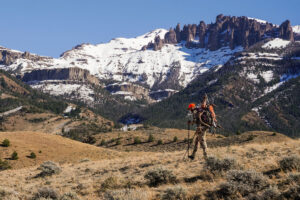
America’s 640 million acres of national public lands provide irreplaceable hunting and fishing opportunities to millions of Americans.

Learn More About Access
What TRCP is Doing

We’re working to safeguard America’s public lands so hunters and anglers always have quality places to pursue their passions.
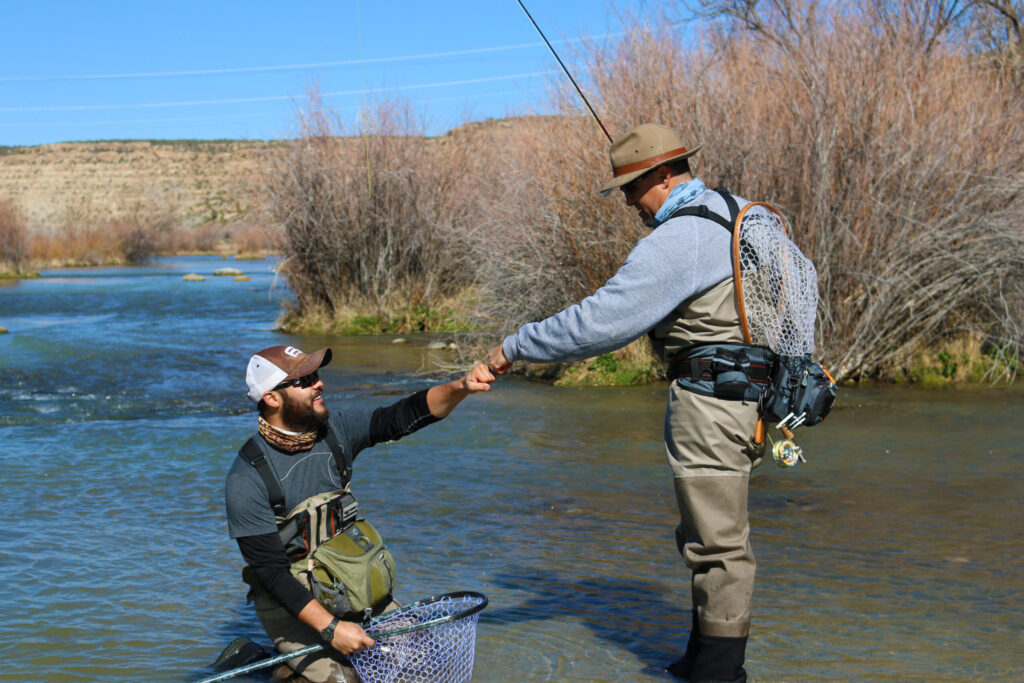
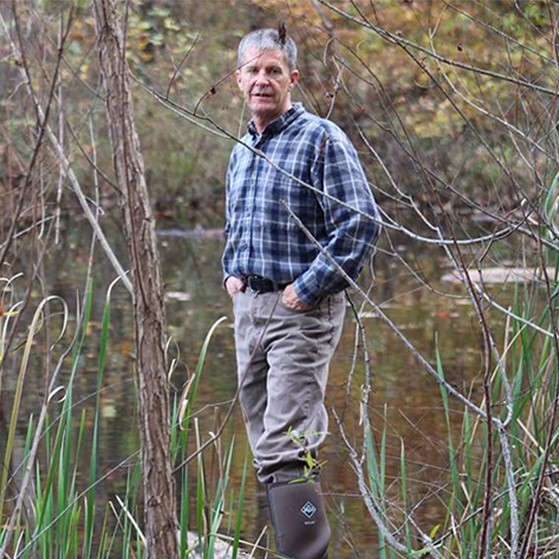
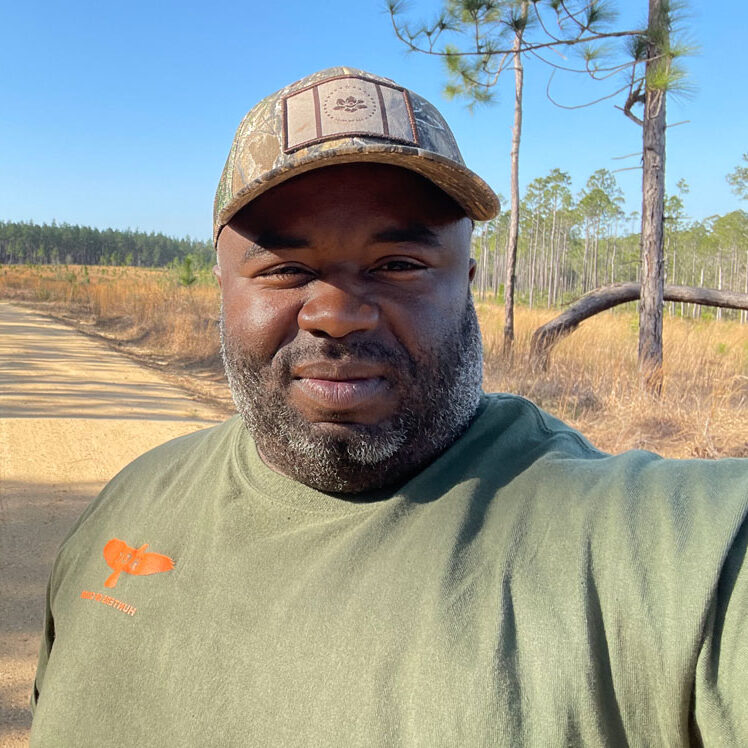
 Brian Flynn, Two Wolf Foundation
How Sportsmen Are Doing It Right

Brian Flynn, Two Wolf Foundation's Story

Following a distinguished career in the U.S. Army, lifelong outdoorsman Brian Flynn returned home from a deployment in Afghanistan and…

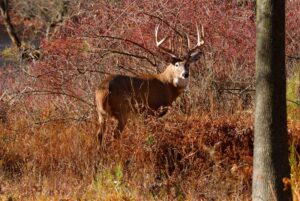
Hunting
Why It Matters

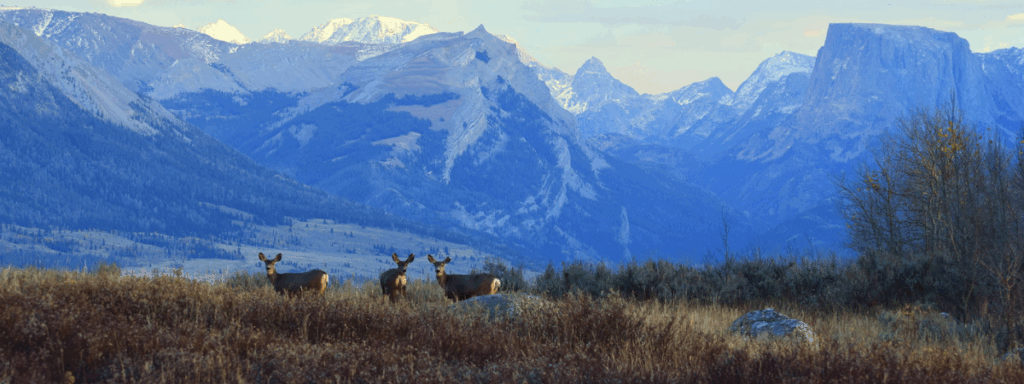
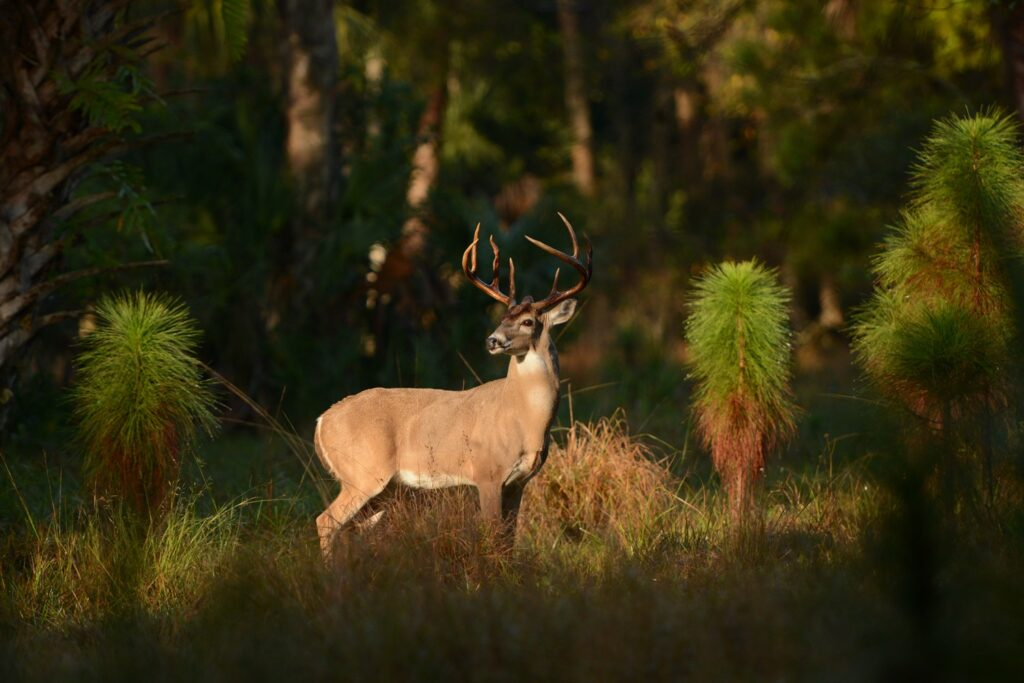
Key Issues for America’s Hunters

Your source for the latest policy updates, conservation challenges, and opportunities shaping America’s hunting traditions.

What TRCP is Doing

We’re fighting for meaningful policy changes that benefit wildlife, our waters, and the American landscapes that make our outdoor traditions possible.

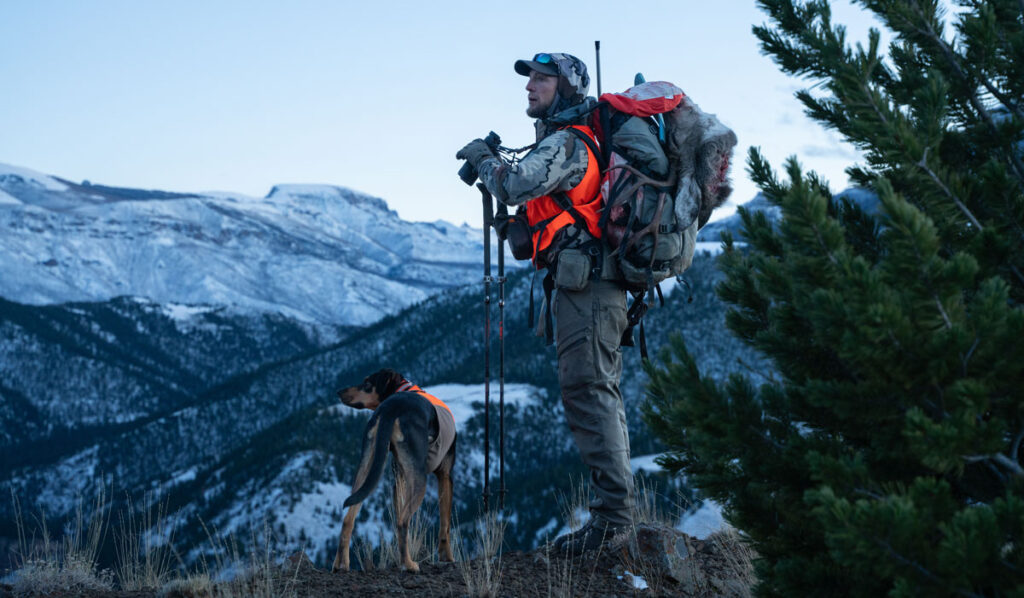
 Ryan Sparks
How Sportsmen Are Doing It Right

Ryan Sparks's Story

TRCP’s “In the Arena” series highlights the individual voices of hunters and anglers who, as Theodore Roosevelt so famously said,…
Fishing
Why It Matters

Key Issues for America’s Anglers

Your source for the latest policy updates, conservation challenges, and opportunities shaping America’s fishing traditions.

What TRCP is Doing

We’re fighting for meaningful policy changes that benefit wildlife, our waters, and the American landscapes that make our outdoor traditions possible.

 David Mangum
How Sportsmen Are Doing It Right

David Mangum's Story

Capt. David Mangum is a YETI ambassador and outdoor photographer who utilizes his talents to produce media that inspire a…

Private Land
Why It Matters

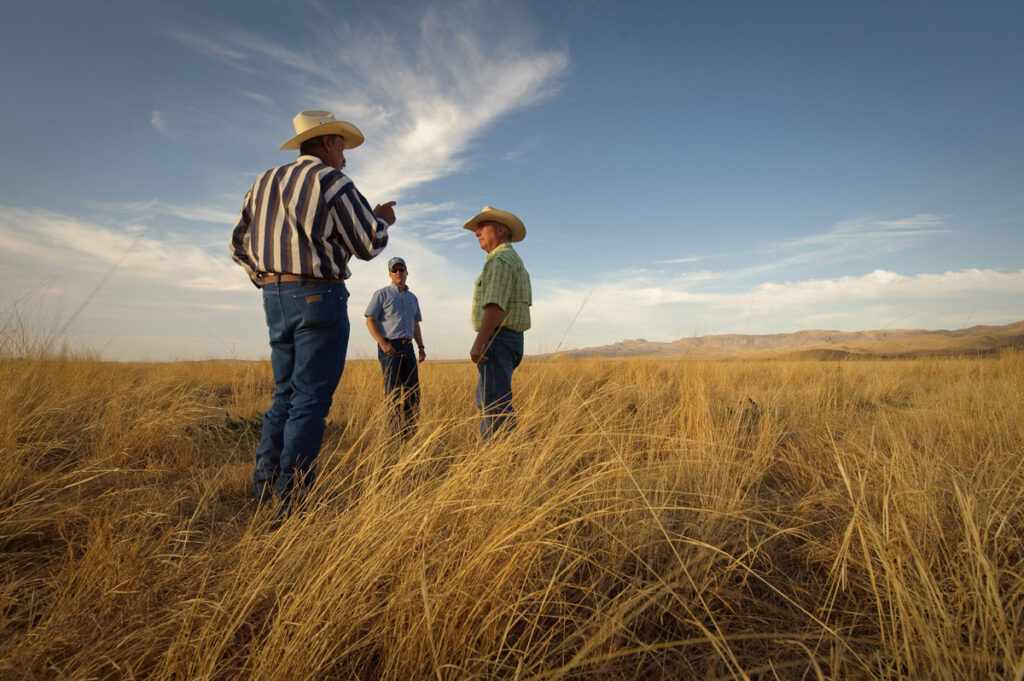
Stewardship on America’s private lands

With 70 percent of U.S. lands in private hands and many of our best hunt and fish opportunities occurring there, investing in voluntary conservation on working lands safeguards access, strengthens habitat and water quality, and ensures resilient landscapes.

Learn More
What TRCP is Doing

We champion policies and programs that restore wildlife habitat, improve soil and water health, and keep working lands productive.

 Ward Burton
How Sportsmen are Doing It Right

Ward Burton's Story

Ward Burton’s NASCAR driving career stretched across most of two decades. As an avid sportsman and conservationist, he founded the…

Special Places
Why It Matters

Special Places Worth Protecting

America’s most iconic landscapes provide unmatched habitat and unforgettable days afield. These places sustain wildlife, anchor local economies, and define the hunting and fishing traditions we pass down.

What TRCP is Doing

We’re working to conserve special places that provide world-class habitat and unforgettable opportunities for hunters and anglers.

 Franklin Adams
How Sportsmen Are Doing It Right

Franklin Adams's Story

As a true Gladesman, conservationist, and historian, Capt. Franklin Adams has spent more than six decades championing Everglades restoration efforts…

Habitat & Clean Water
Why It Matters

Healthy Habitat Powers Every Pursuit

All hunting and fishing opportunities depend on quality habitat, from clean water and healthy wetlands to winter and summer habitats and the migration corridors that connect them.

All About Habitat & Clean Water
What TRCP is Doing

We are working to safeguard the habitats that power every hunting and fishing opportunity.

 Alex Harvey
How Sportsmen Are Doing It Right

Alex Harvey's Story

Alex Harvey, founder of Legacy Land Management, is a registered professional forester in Mississippi and Alabama with a Master's degree…

Science
Why It Matters

Science That Guides TRCP

From conserving migration corridors and wetlands to ensuring clean water and resilient landscapes, science provides evidence that turns conservation goals into effective action.

Science for Conservation
What TRCP is Doing

For hunters and anglers, science safeguards the experiences we treasure including resilient big game populations, abundant fish, and wild places that endure changing social landscapes.

Jamelle Ellis
Your Science Expert

Jamelle Ellis's Story

Jamelle Ellis joined the Theodore Roosevelt Conservation Partnership in 2022. Jamelle spent the last three years as an environmental sustainability…

Where We Work
Across the Nation

Conservation Across America

TRCP works across the country to ensure hunters and anglers can enjoy healthy fish and wildlife and quality days afield, no matter where they live.

See All Issues
TRCP in Your Region

TRCP works across the country to ensure hunters and anglers can enjoy healthy fish and wildlife and quality days afield, no matter where they live.

Who We Are
Our Mission

To guarantee all Americans quality places to hunt & fish

We unite and amplify our partners’ voices to advance America’s legacy of conservation, habitat, and access.

Our Mission & Values
Our People & Partners
  • Meet the TRCP Team

    Our staff and board members unite and amplify our partners’ voices to advance America’s legacy of conservation, habitat, and access.

    Meet the Team
  • Our Partners

    ‘Partnership’ is in our name. We work with 64 diverse partner groups that represent today’s leading hunting, fishing, and conservation organizations in order to strengthen the sportsman’s voice in Washington, D.C.

    Our Partners
  • Corporate Council

    TRCP’s Corporate Council is made up of diverse corporations that share a common passion for conservation.

    Corporate Council
Our Organization

Looking for more information?

Explore our latest news, policy updates, and conservation resources to get the information you need.

Giving
How You Can Help

To guarantee all Americans quality places to hunt & fish

Your tax-deductible donation will support TRCP's mission, now and into the future.

DONATE
Special Ways to support trcp
  • Capital Conservation Awards Dinner

    The CCAD is one of Washington's best-attended conservation celebrations, featuring dinner, cocktails, and a silent auction.

    Learn More
  • Step Into the Arena

    Help us ensure that our treasured wild habitats and game remain intact for the next generation to enjoy – lend your support to the TRCP’s efforts today!

    Donate
  • Roosevelt Roast

    TRCP has partnered with Afuera Coffee Co. to further our commitment to conservation.

    Learn More
More donation options

Find the best way for you to lend your support. Join one of TRCP’s donor circles for special invitations, premium offerings from outdoor retailers, and more exclusive benefits. Take control of your legacy with planned giving or contribute to special conservation funds.

Other Ways To Give
News
In the Spotlight

House Agriculture Committee Chairman GT Thompson Introduces Farm Bill Proposal 

Hunters and anglers depend on strong Conservation and Forestry Titles, and TRCP will closely evaluate the bill's impacts as it moves forward.

Read More

Stay Informed

Receive our newsletter, the Roosevelt Report, right in your inbox. Never miss the latest news in conservation issues.

January 10, 2020

The North American Model, Explained

A Quick Primer on the Foundation of Our Hunting and Fishing Heritage

Hunters and anglers have long been the driving force behind wildlife conservation in America. In the second half of the 19th century, hunters began to organize and advocate for the creation of wildlife refuges, after witnessing the effects of market hunting and the wanton destruction of habitat. Some species, like the passenger pigeon, were taken to the point of no return; others such as bison, whitetail deer, and wild turkeys, were pushed to the edge of extinction.

President Theodore Roosevelt is generally remembered as the father of conservation in our country. He credited wild places and wildlife for his own personal development, and feared that the rugged individualism the wilderness taught him would be lost if he didn’t succeed in making conservation the nation’s highest priority. During his tenure as president, Roosevelt set aside more than 240 million acres as national parks, forests, monuments, and wildlife refuges. He and his colleagues were instrumental in ending market hunting and ushering forward our nation’s conservation ethos.

Subsequent generations expanded Roosevelt’s legacy by creating funding mechanisms, primarily through excise taxes and license fees, to pay for the professional management and acquisition of millions of acres for the public to enjoy. During the early 1900s, important laws were passed, including the Migratory Bird Treaty Act of 1918, the Migratory Bird Hunting and Conservation Stamp Act of 1934, the Federal Aid in Wildlife Restoration Act of 1937 (better known as the Pittman-Robertson Act), and the Federal Aid in Sport Fish Restoration Act of 1950 (the Dingell-Johnson Act).

These statutes and the legal and funding framework that has since developed through these collective actions is now known as the North American Model of Wildlife Conservation. The term — coined and further expanded upon by luminaries such as Valerius Geist and Shane Mahoney, and championed by groups such as the Boone and Crockett Club and The Wildlife Society— outlines the principles that have underpinned successful wildlife conservation efforts in Canada and the United States.


USFWS Mountain Prairie
The Seven Pillars

As articulated by the U.S. Fish and Wildlife Service, seven features make the North American model distinct:

1) Wildlife is a public resource and held in public trust. In the Unites States, wildlife is considered a public resource, independent of the land or water where wildlife may live. Government at various levels have a role in managing that resource on behalf of all citizens and to ensure the long-term sustainability of wildlife populations.

2) Markets for game have been eliminated. Government actions making it illegal to buy and sell meat and parts of game and non-game species have removed a huge threat to the survival of those species. A market in furbearers continues as a highly regulated activity.

3) Allocation of wildlife by law. Wildlife is a public resource managed by government. As a result, access to wildlife for hunting is through legal mechanisms such as set hunting seasons, bag limits, license requirements, etc.

4) Wildlife can only be killed for a legitimate purpose. Wildlife is a shared resource that must not be wasted. The law prohibits killing wildlife for frivolous reasons.

5) Wildlife species are considered an international resource. Some species, such as migratory birds, cross national boundaries. Treaties such as the Migratory Bird Treaty and CITES recognize a shared responsibility to manage these species across national boundaries.

6) Science is the proper tool for discharge of wildlife policy. In order to manage wildlife as a shared resource fairly, objectively, and knowledgeably, decisions must be based on sound science such as annual waterfowl population surveys and the work of professional wildlife biologists.

7) The democracy of hunting and fishing. In keeping with democratic principles, government allocates access to wildlife without regard for wealth, prestige, or land ownership.


Jeff Sullivan via Flickr
A Heritage Worth Fighting For

Today, we all have a duty to understand this uniquely American privilege and to preserve it for future generations.

Too often we take for granted what Roosevelt and generations of conservation-minded leaders have left us: a system of public lands that is unparalleled in all the world; the best-managed fish and wildlife populations of any nation; and the ability for all Americans to hunt and fish, regardless of class or economic status.


Top photo: Paul VanDerWerf via Flickr

8 Responses to “The North American Model, Explained”

  1. S. Schroeder

    The North American Model could use some sprucing up as we emerge into a new decade, and indeed a new age. We are on the precipice of the Sixth Mass Extinction, and with the fires in Australia as an example, wildlife hangs in the balance. The old guard needs to make way for a New Guard that will be better stewards of our wildlife and our wild lands. It’s time to eliminate the hold that ranching agriculture has on our wildlife laws and practices. Time to do away with inhumane killing practices like cyanide bombs and aerial shooting of wolves and groups like “Wildlife Services”. The New Guard should include preservation and protection of keystone apex predators like wolves and mountain lions. The New Guard must adhere to the so-called “Seven Pillars”, most especially Pillar number 4, which states that “wildlife must not be killed for frivolous purposes”. Our laws must eliminate heartless and needless killing contests that give out prizes for hunters who take the biggest and the most animals out. The market in furbearing needs to be eliminated entirely! Trapping is heinous and cruel, animals suffer horrific deaths and there are many innocent victims who are not the target who also suffer, like our pets who fall victim to trapping. Over 80 countries have banned trapping and the United States lags sorely behind. Time to evolve into a more compassionate and forward thinking society and ban all fur trade.
    We need to strive to teach our children to be kind to all wildlife, to respect it and revere it, to treasure our wildlife and not to have a cavalier attitude. As a true conservationist, I abhor all trophy hunting and groups like Safari Club International have long lists of heinous crimes. Hunting should ONLY be done for sustenence. Period. Killing is NOT conservation.

  2. Don Kromer

    As a hunter and fisherman ,that works very hard ,and has been fortunate enough to hunt out west a couple times, (Iwish I could afford more trips) has witnessed as the years pass how the-rice of hunting has gone through the roof becoming a rich mans sport to venture in the wilderness. Diy hunts are almost nil. The price the states put on game tags onsite species are over the top and guides are just as bad and there are no guaantees. I’ve hunted moose in the Federal Reserve several times in Alaska , and the tag WAS 400.00 over the counter , I remember bear tags and a Grizzly hunt did not cost 30,000.00 or a goat tag was not over the top either for an out of stater. Also states are making out of staters ,hire a guide Mandator! I don’t know if its greed or just for the privileged. This I do know , when it come to our BLM ,I better never hear a foreigner owns it.Since I’m not rich enough to enjoy what’s ours.

  3. JEFFREY C SWETT

    I have to agree with Don. The prices of hunting is getting higher especially if a hunter wants to travel or seeks a rarer experience. Mandatory guides, high fees, especially for non-residents, and lack of access make hunting difficult and too often out of reach for many. Even if one just hunts locally land access and fees can make stuffing your freezer difficult. I know there are reasons for the costs, protecting game isn’t cheap and their is a demand that exceeds supply in many cases, but its increasingly a sport for the folks who have money and less so for those who legitimately need the meat. Protecting public lands helps ensure that those not able to buy a hunt in the more game rich areas have an opportunity to enjoy the fruits of the hard work that has gone into fish & game management. Sadly we also seem to have people who should know better vocally condemning Fish & Game departments because they believe some nonsense about the departments becoming anti-hunter / anti-fisher due to some policy or other that they personally don’t like. Others ( oddly fishermen most often from what I have seen) refuse to spend the money for a license because its “too high” and risk getting caught, ignoring that the license fee, especially for fishing, is often the least expensive part of the hobby.

  4. As a hunting & fishing blogger, my mission has been to promote conservation and help preserve the tradition of hunting for future generations. As a Realtor, I hear from many new residents moving to my state, that they have given up hunting because of costs, and regulations. That is a significant concern of mine. We can’t afford to lose hunters!

  5. Rex Dickerson

    Schroeder’s rant doesn’t appear to have been written by a hunter but rather by someone from WWF.
    For example: “The old guard needs to make way for a New Guard that will be better stewards of our wildlife and our wild lands.” Who is the old guard? Who is the new guard? Ostensibly, the so called “new guard” are the enlightened ones who will save and protect wildlife by restricting our hunting privileges and instituting more government into our outdoor pursuits. No thank you.

    “The New Guard should include preservation and protection of keystone apex predators like wolves and mountain lions.” So, no hunting to keep predator numbers manageable? Foolishness.
    Trapping is a viable wildlife management tool. Racoons, coyotes, foxes and other animals raid duck nests and destroy eggs and eat ducklings. Uncontrolled numbers can and do decimate duck populations.
    My hope is the “old guard” will continue to manage our wildlife and hunting with wisdom, study and review. Our wild turkey, deer, bear, wolf and elk populations are exceptionally healthy. The old guard has been mighty successful for nearly a hundred years. They have my support.

  6. R. Dickerson

    Schroeder’s rant doesn’t appear to have been written by a hunter but instead by someone from WWF.
    For example: “The old guard needs to make way for a New Guard that will be better stewards of our wildlife and our wild lands.” Who is the old guard? Who is the new guard? Ostensibly, the so called “new guard” are the enlightened ones who will save and protect wildlife by restricting our hunting privileges and instituting more government into our outdoor pursuits. No thank you.

    “The New Guard should include preservation and protection of keystone apex predators like wolves and mountain lions.” So, no hunting to keep predator numbers manageable? Foolishness.
    Trapping is a viable wildlife management tool. Racoons, coyotes, foxes and other animals raid duck nests and destroy eggs and eat ducklings. Uncontrolled numbers can and do decimate duck populations.
    My hope is the “old guard” will continue to manage our wildlife and hunting with wisdom, study and review. Our wild turkey, deer, bear, wolf and elk populations are exceptionally healthy. The old guard has been mighty successful for nearly a hundred years. They have my support.

Do you have any thoughts on this post?

XHTML: You can use these tags: <a href="" title=""> <abbr title=""> <acronym title=""> <b> <blockquote cite=""> <cite> <code> <del datetime=""> <em> <i> <q cite=""> <s> <strike> <strong>

Comments must be under 1000 characters.

January 9, 2020

A Season of Firsts: Getting Started

An Aspiring Hunter Reflects on Potential Barriers to Recruiting New Sportsmen and Women

Whenever I tell people that I grew up in Montana, the first question I’m always asked is whether I hunt.

Up until this year, I’ve always sheepishly answered “no,” thinking that my reply in the negative would undermine my credibility as a Westerner.  

Growing up at the base of the Rocky Mountains, I was surrounded by big antlers on the wall, game meat on the table, and camo attire at weddings and funerals.  But I didn’t hunt.  

I was intimidated by the sport. I didn’t have anyone in my family who could teach me. I didn’t own a gun. I didn’t have any of the right gear. I didn’t know how to get a license or what I might need one for.  

But I knew I needed to learn when I began working at TRCP. If I wanted to talk the talk, I had to walk the walk. And with an office full of potential mentors, there was no excuse not to give it a shot.

Diving In

After asking a few of my co-workers how to get started, I discovered I could take a online hunter education course, which would then allow me to purchase a hunting license in any state. 

Given my current residence in Washington D.C., I signed up for the Maryland web course, which took about four hours to complete.  After passing the online portion, I had to spend an afternoon at a face-to-face class where an instructor would teach us how to handle a firearm, identify ethical shots, and navigate the complexities of landowner permission.   

It sounds relatively easy, but there were several barriers that needlessly frustrated the process.  And, because I know the statistics surrounding hunting’s declining rates of participation, they troubled me.  

For instance, because there were no opportunities to take the class near my apartment in the city, I had to rent a car and drive three hours to complete my certification. Meanwhile, the location of the course had been moved and I had no way of knowing until I showed up to the wrong building, just 10 minutes before the class was supposed to begin. The change in venue might not have been a big deal to someone familiar with the local community or who hadn’t needed to carefully plan their travel that day, but for me it presented another hurdle that could have been easily avoided.

When I arrived late, I was one of two female students in a class of 20 led by all male instructors.  One man, clearly amused by the D.C. license plate on my car, asked “Why would a city girl come all the way up here to learn how to hunt?” Another man quipped, “Don’t hold that gun like you’re scared of it.” While not intended to be mean-spirited, these words and others throughout the day clearly implied that I was out of place.

These challenges did not stop me from passing the course, but I can imagine for some they might. How would a prospective new hunter without easy access to transportation get there? Can we make it easier to reach new hunters where they might be found? How would someone with less self-confidence respond when they walk into that room or when they encounter skeptical gazes and teasing? Can we find ways to understand how underrepresented groups might feel as they learn about hunting?

We have to ask ourselves these questions as we watch the number of hunters decline year after year.


The Road Ahead

Thankfully, at the end of 2019 Congress took a major step forward in addressing some of these problems.  They passed the bipartisan Modernizing the Pittman-Robertson Fund for Tomorrow’s Needs Act allowing excise taxes on firearms and ammunition to be used to improve the recruitment, retention, and reactivation of hunters.  

As this law gets implemented, states should take a hard look at the hurdles that people have to jump over and work to address them so more people feel comfortable learning about the sport and joining our community.  Reversing the trend of declining participation will require us to think seriously about what we can do better to make hunting more accessible to all, no matter where they live or what they look like.

This blog is part one is a series. Tune in next week to hear more about Marnee’s bird hunting adventure.  


December 5, 2019

House Committee Advances Bills to Invest in Hunter Recruitment and Proactive Conservation

Lawmakers tee up floor vote for legislation to modernize the Pittman-Robertson Act and to head off habitat challenges for at-risk species

In a House Natural Resources Committee hearing today, decision-makers voted to advance two critical funding priorities with long-term impacts for American sportsmen and women.

The Modernizing the Pittman-Robertson Fund for Tomorrow’s Needs Act would allow a portion of hunting license sales and excise taxes on gear, guns, and ammunition to be used not only for conservation but also to recruit, retain, and reactivate more hunters.

“State wildlife agencies have the most to lose if hunting participation continues to decline, because many of them depend entirely on Pittman-Robertson dollars, but that’s why it’s so critical that these agencies market to and educate prospective sportsmen and women,” says Whit Fosburgh, president and CEO of the Theodore Roosevelt Conservation Partnership. “This critical update to the original law—which was written at a time when more than half the country hunted or had access to someone who could likely show them how—would help ensure the future of our traditions and turn the tide on a looming conservation funding crisis in America.”

The committee also debated and passed the Recovering America’s Wildlife Act, which would invest roughly $1.4 billion in proactive, voluntary conservation efforts led by states, territories, and tribal nations to prevent vulnerable wildlife from becoming endangered. This new fund could benefit up to 12,000 species, including 40 percent of the nation’s freshwater fish, that need conservation action.

“We’re thrilled to see momentum behind a new investment in conservation that recognizes the real need to get ahead of habitat challenges—rather than scramble to revive a species on the brink,” says Fosburgh. “Together, these two pieces of legislation represent a forward-thinking approach to conservation that should be applauded, and we hope to see bipartisan support on the House floor very soon.”

Watch a video of the hearing here.


Photo: Ken Mattison via Flickr

November 27, 2019

Five Ways to Do More than #OptOutside This Black Friday

This year, REI challenges everyone who loves the outdoors to opt to act in service of public lands and habitat

In 2015, our friends at REI laid down the original challenge: They would pay their workforce to stay home on Black Friday, and meanwhile they urged ALL Americans to spend time outdoors instead of shopping. Since then, #OptOutside has become a movement embraced by hikers and hunters alike.

But this year, the company admits that it isn’t enough.

It’s easy to choose to spend our time on America’s public lands and waters instead of in malls this holiday weekend. But—as REI’s president and CEO Eric Artz writes in the most recent Co-op Journal—outdoorsmen and women of all stripes must opt to act as well. Our natural resources face new and enduring challenges, and it will take all of our voices in harmony to push back on bad conservation policies and habitat setbacks that could take decades to undo.

Fortunately, this is pretty much the business that we’re in here at the TRCP—giving you opportunities to take action on the issues that are most critical RIGHT NOW.

And, not to brag, but we never waste your time with misdirection or scare tactics. If you’re hearing from us, it’s because critical or damaging legislation is on the move and you have a chance to make a difference. We translate the wonky policy language that some decision-makers are hoping will confuse you, and we provide hunters and anglers with the tools to make your voices heard in a few clicks or less.

If you’re willing to do more than simply enjoy the outdoors this Black Friday, here are five things you can do to safeguard all the ways we #OptOutside.

Photo by Katie Theule/USFWS.
Enhance the Power of One of Our Best Public Lands Programs

With momentum behind a Senate bill that passed out of committee last week, now is the perfect time to remind lawmakers that the Land and Water Conservation Fund benefits every kind of public land user and has created access or habitat in all 50 states since its inception. Specifically, what we need now is full funding for the LWCF at its annual $900 million potential, which would go a long way toward unlocking the nearly 16 million acres of public land that are entirely surrounded by private land and therefore legally inaccessible to the Americans who own them. Add your voice to this rallying cry.


Photo by the U.S. Fish and Wildlife Service.
Make the Trip “Over the River and Through the Woods” a Little Safer

In many parts of the country, you’re highly likely to encounter deer or other critters crossing the road on your way to grandma’s house this week. This risk of collision is no good for drivers or wildlife, and Congress has a chance to make a dedicated effort to keep animals off busy roadways—something that Western states say they’d prioritize if they had dedicated funding. Take action to ask lawmakers for a Highway Bill that sets aside funding for wildlife-friendly overpasses, underpasses, culverts, and other crossing structures that benefit wildlife and motorists.


Photo by Tim Donovan/Florida Fish and Wildlife Conservation Commission
Watch and Learn

Sometimes just getting informed is half the battle—and that’s where these videos come in: Deer hunters can help prevent the spread of chronic wasting disease by following these basic steps in the field. Anglers looking to fish any of the Colorado River’s vast tributary network should understand this about the future of water management in the region. And these clips help explain why redfish and speckled trout aren’t the only ones benefiting from efforts to restore the disappearing coastline along the Gulf of Mexico. Bone up on the basics so you’re ready to act when conservation is threatened.


Jordan Mortimore admires a rainbow trout from the Kukaklek River, Bristol Bay, Alaska. Photo by Wild Salmon Center.
Defend Bucket-List Destinations

Balanced use of our public lands and natural resources is necessary, but there are some habitats that are too special to risk exposing to the impacts of development. If you dream of mule deer hunting the untouched backcountry of Nevada’s “Swiss Alps” or landing a salmon in Alaska’s famed Bristol Bay, speak up now for legislation and congressional support that will ensure these one-of-a-kind landscapes are there for you and future generations.


Photo courtesy of Take Me Fishing
Keep It Local

Want to do more right at home? Residents of the Atlantic Coast, Pennsylvania, Wyoming, Alaska, Colorado, Idaho, and other states can find regional conservation issues to support on the bottom half of the TRCP Action Center page. Check it out, fill one out, and fuel more of what you like to do outdoors.

Visit the Action Center Now!

Top photo by Tony Young/FWC.

November 20, 2019

House Passes Legislation to Fund Waterfowl Habitat Restoration

An overwhelmingly bipartisan vote advances the North American Wetlands Conservation Extension Act

The House has passed the North American Wetlands Conservation Extension Act (H.R. 925), which would reauthorize a highly successful habitat conservation program benefiting migratory birds and other wildlife at up to $60 million annually through 2024.

Since its inception in 1989, the North American Wetlands Conservation Act has granted more than $1.73 billion and leveraged $3.57 billion in matching funds from local and state partners to complete nearly 3,000 projects on 30 million acres of habitat across all 50 states.

“As many Americans head out to duck blinds or volunteer to band or survey birds this season, it’s great to see the House prioritize a collaborative and popular conservation program to benefit wetlands across the country,” says Whit Fosburgh, president and CEO of the Theodore Roosevelt Conservation Partnership. “This move to invest in our waterfowl habitat is also timely because wetlands loss will likely accelerate under the EPA’s rollback of Clean Water Act protections for wetlands and headwater streams. We hope to see NAWCA move through the Senate soon so on-the-ground conservation can continue.”

The legislation to extend NAWCA was passed out of the House Natural Resources Committee in September 2019, coupled with a reauthorization of the National Fish Habitat Partnerships program. NFHP uses a similarly collaborative model to enhance habitat and water quality for fish species, but it has not yet been brought to the House floor.

The TRCP has asked sportsmen and women to reach out to lawmakers in support of NFHP and fish habitat improvements.

HOW YOU CAN HELP

TRCP has partnered with Afuera Coffee Co. to further our commitment to conservation. $4 from each bag is donated to the TRCP, to help continue our efforts of safeguarding critical habitats, productive hunting grounds, and favorite fishing holes for future generations.

Learn More
Subscribe


You have Successfully Subscribed!

You have Successfully Subscribed!

You have Successfully Subscribed!

You have Successfully Subscribed!

You have Successfully Subscribed!