Our Issues
Public Lands
Why It Matters

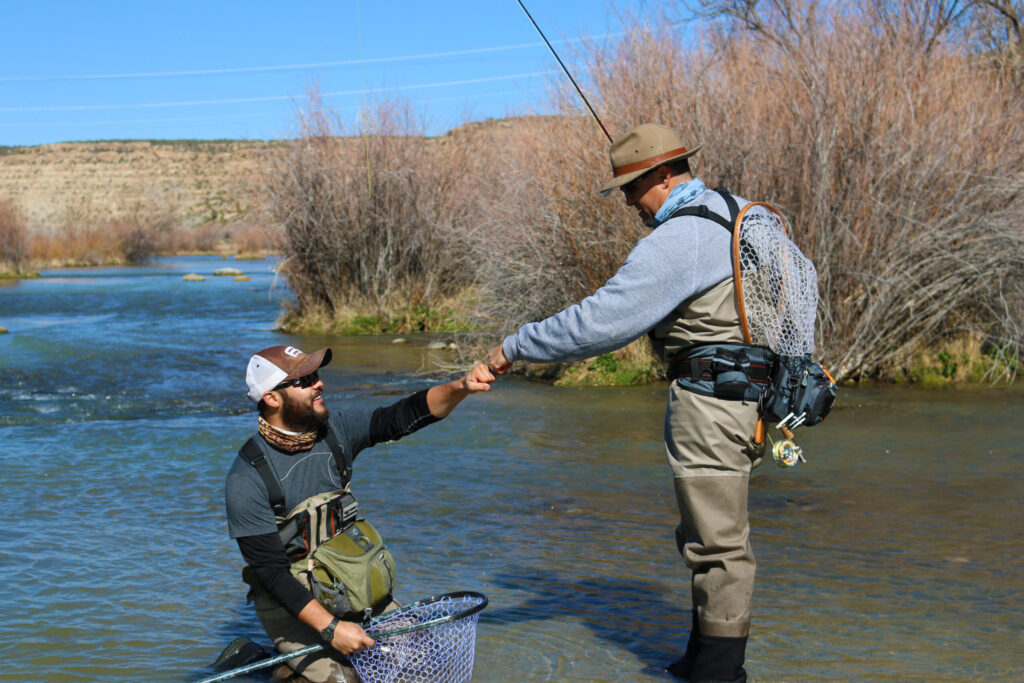
Hunting & Fishing Access

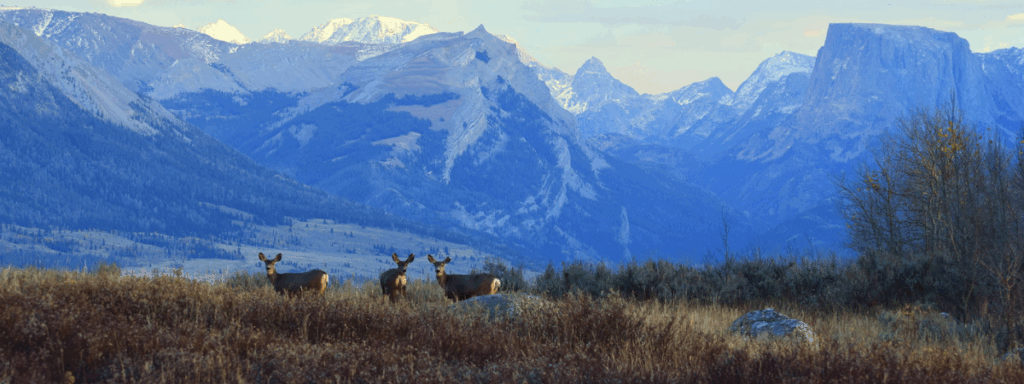
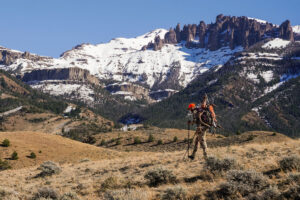
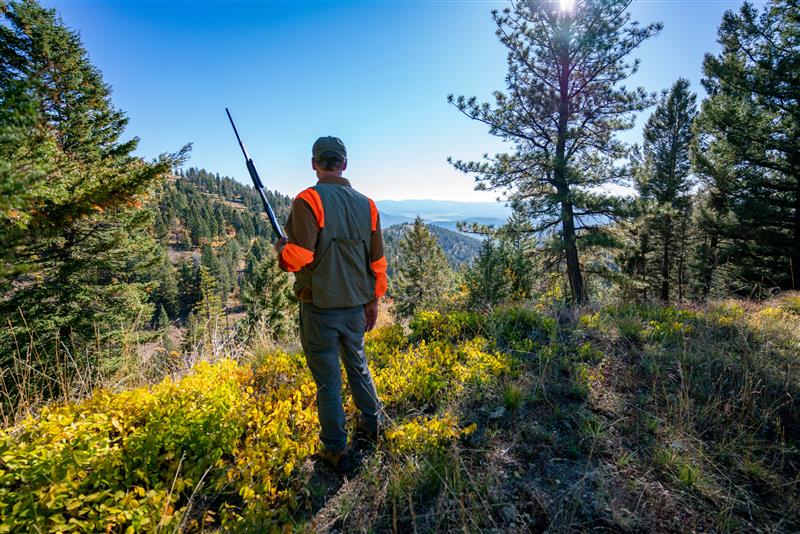
America’s 640 million acres of national public lands provide irreplaceable hunting and fishing opportunities to millions of Americans.

Learn More About Access
What TRCP is Doing

We’re working to safeguard America’s public lands so hunters and anglers always have quality places to pursue their passions.
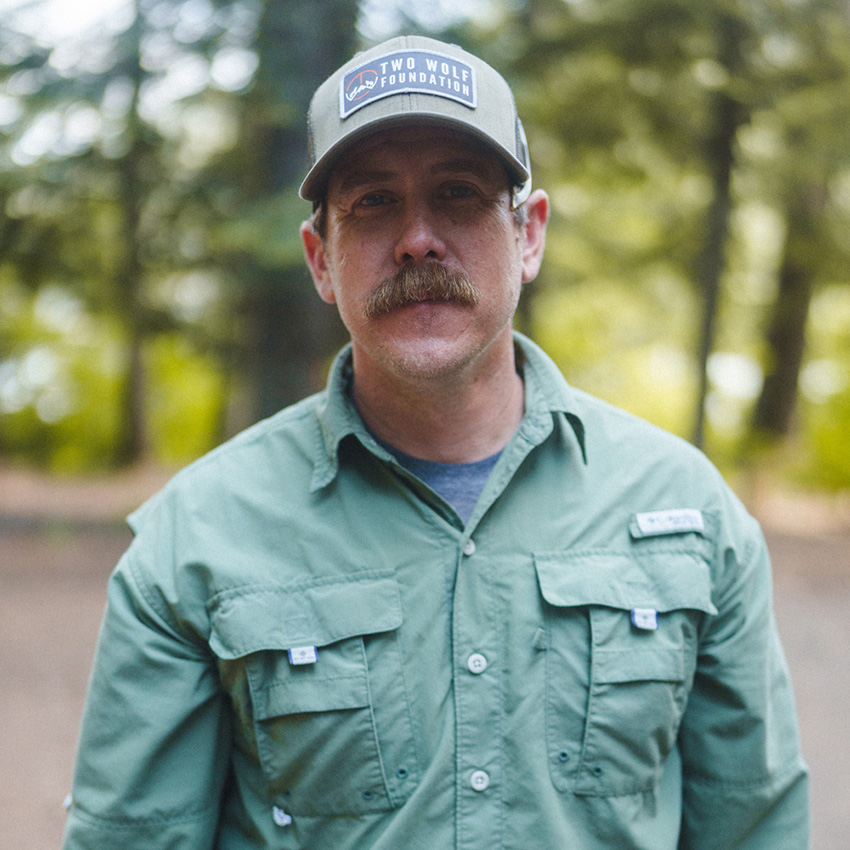
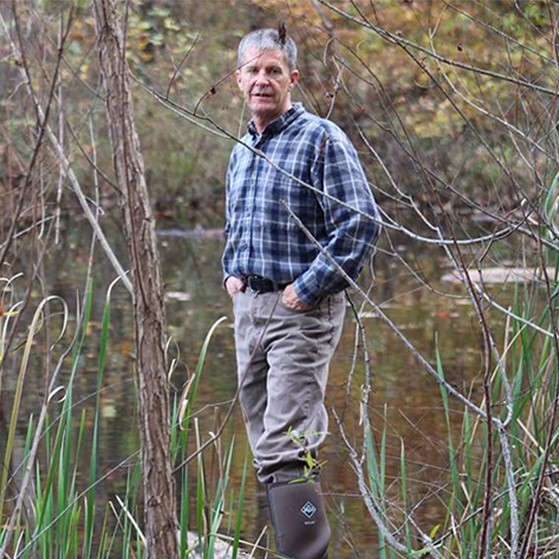
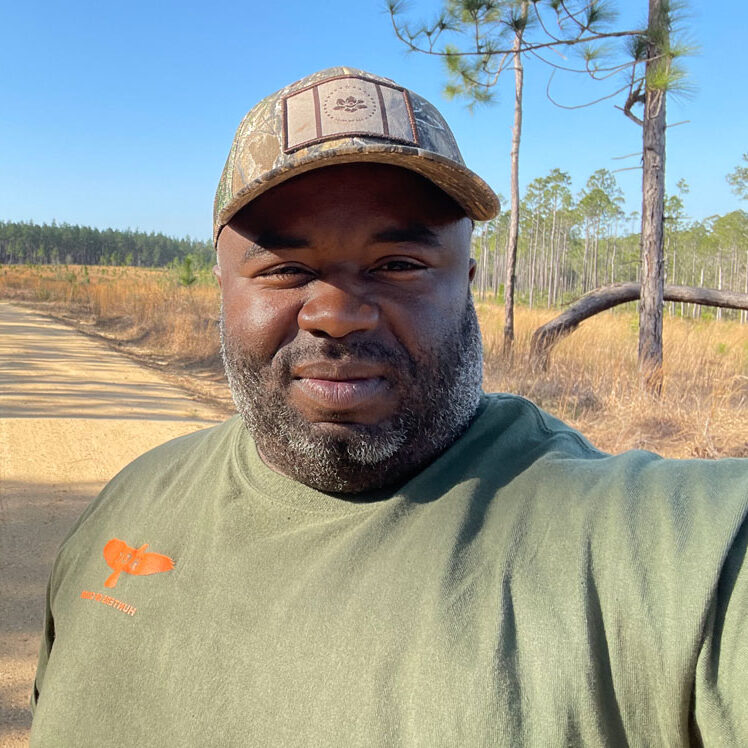
 Brian Flynn, Two Wolf Foundation
How Sportsmen Are Doing It Right

Brian Flynn, Two Wolf Foundation's Story

Following a distinguished career in the U.S. Army, lifelong outdoorsman Brian Flynn returned home from a deployment in Afghanistan and…

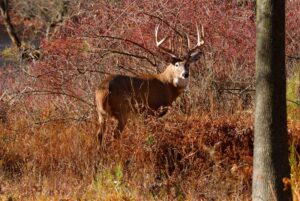
Hunting
Why It Matters

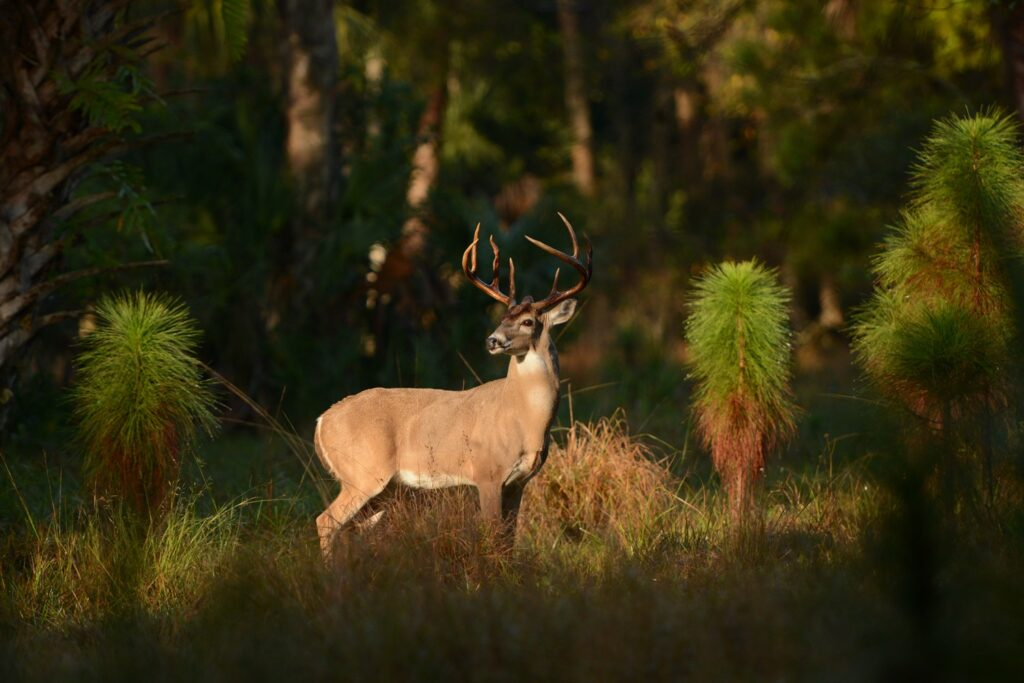
Key Issues for America’s Hunters

Your source for the latest policy updates, conservation challenges, and opportunities shaping America’s hunting traditions.

What TRCP is Doing

We’re fighting for meaningful policy changes that benefit wildlife, our waters, and the American landscapes that make our outdoor traditions possible.

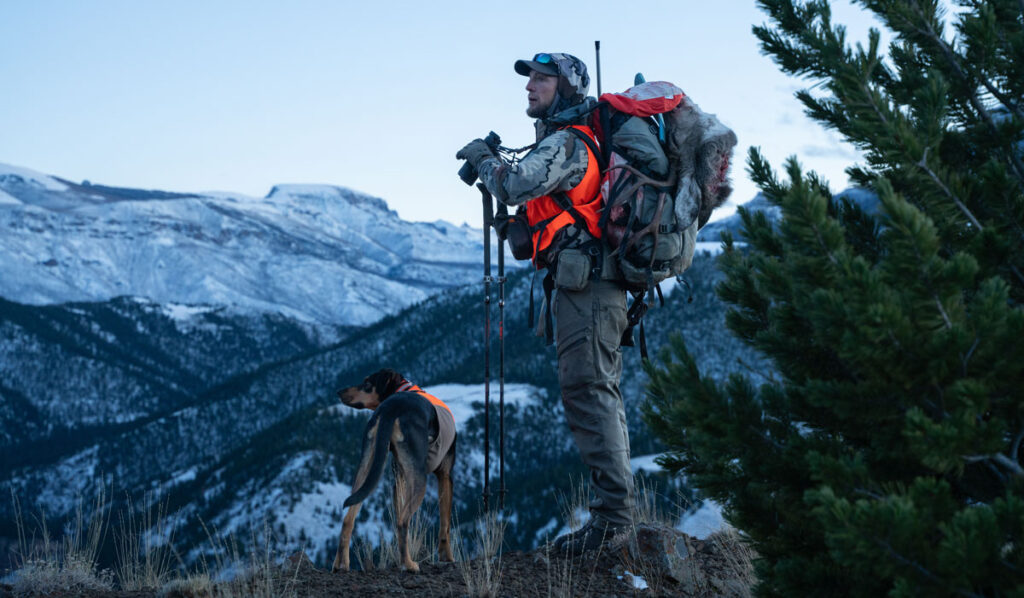
 Ryan Sparks
How Sportsmen Are Doing It Right

Ryan Sparks's Story

TRCP’s “In the Arena” series highlights the individual voices of hunters and anglers who, as Theodore Roosevelt so famously said,…
Fishing
Why It Matters

Key Issues for America’s Anglers

Your source for the latest policy updates, conservation challenges, and opportunities shaping America’s fishing traditions.

What TRCP is Doing

We’re fighting for meaningful policy changes that benefit wildlife, our waters, and the American landscapes that make our outdoor traditions possible.

 David Mangum
How Sportsmen Are Doing It Right

David Mangum's Story

Capt. David Mangum is a YETI ambassador and outdoor photographer who utilizes his talents to produce media that inspire a…

Private Land
Why It Matters

Stewardship on America’s private lands

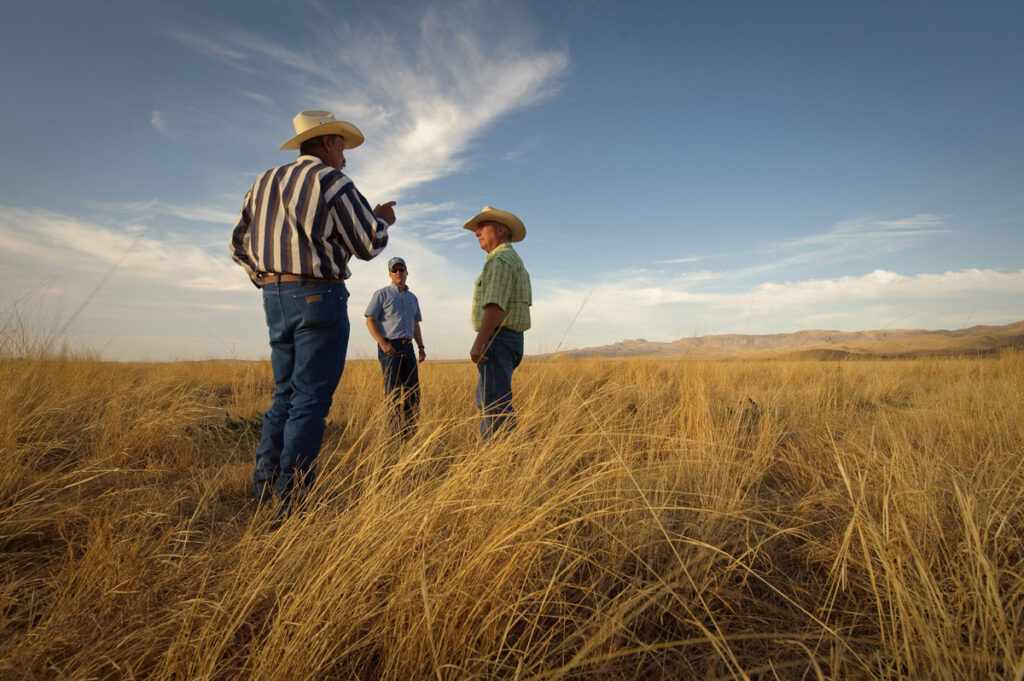
With 70 percent of U.S. lands in private hands and many of our best hunt and fish opportunities occurring there, investing in voluntary conservation on working lands safeguards access, strengthens habitat and water quality, and ensures resilient landscapes.

Learn More
What TRCP is Doing

We champion policies and programs that restore wildlife habitat, improve soil and water health, and keep working lands productive.

 Ward Burton
How Sportsmen are Doing It Right

Ward Burton's Story

Ward Burton’s NASCAR driving career stretched across most of two decades. As an avid sportsman and conservationist, he founded the…

Special Places
Why It Matters

Special Places Worth Protecting

America’s most iconic landscapes provide unmatched habitat and unforgettable days afield. These places sustain wildlife, anchor local economies, and define the hunting and fishing traditions we pass down.

What TRCP is Doing

We’re working to conserve special places that provide world-class habitat and unforgettable opportunities for hunters and anglers.

 Franklin Adams
How Sportsmen Are Doing It Right

Franklin Adams's Story

As a true Gladesman, conservationist, and historian, Capt. Franklin Adams has spent more than six decades championing Everglades restoration efforts…

Habitat & Clean Water
Why It Matters

Healthy Habitat Powers Every Pursuit

All hunting and fishing opportunities depend on quality habitat, from clean water and healthy wetlands to winter and summer habitats and the migration corridors that connect them.

All About Habitat & Clean Water
What TRCP is Doing

We are working to safeguard the habitats that power every hunting and fishing opportunity.

 Alex Harvey
How Sportsmen Are Doing It Right

Alex Harvey's Story

Alex Harvey, founder of Legacy Land Management, is a registered professional forester in Mississippi and Alabama with a Master's degree…

Science
Why It Matters

Science That Guides TRCP

From conserving migration corridors and wetlands to ensuring clean water and resilient landscapes, science provides evidence that turns conservation goals into effective action.

Science for Conservation
What TRCP is Doing

For hunters and anglers, science safeguards the experiences we treasure including resilient big game populations, abundant fish, and wild places that endure changing social landscapes.

Jamelle Ellis
Your Science Expert

Jamelle Ellis's Story

Jamelle Ellis joined the Theodore Roosevelt Conservation Partnership in 2022. Jamelle spent the last three years as an environmental sustainability…

Where We Work
Across the Nation

Conservation Across America

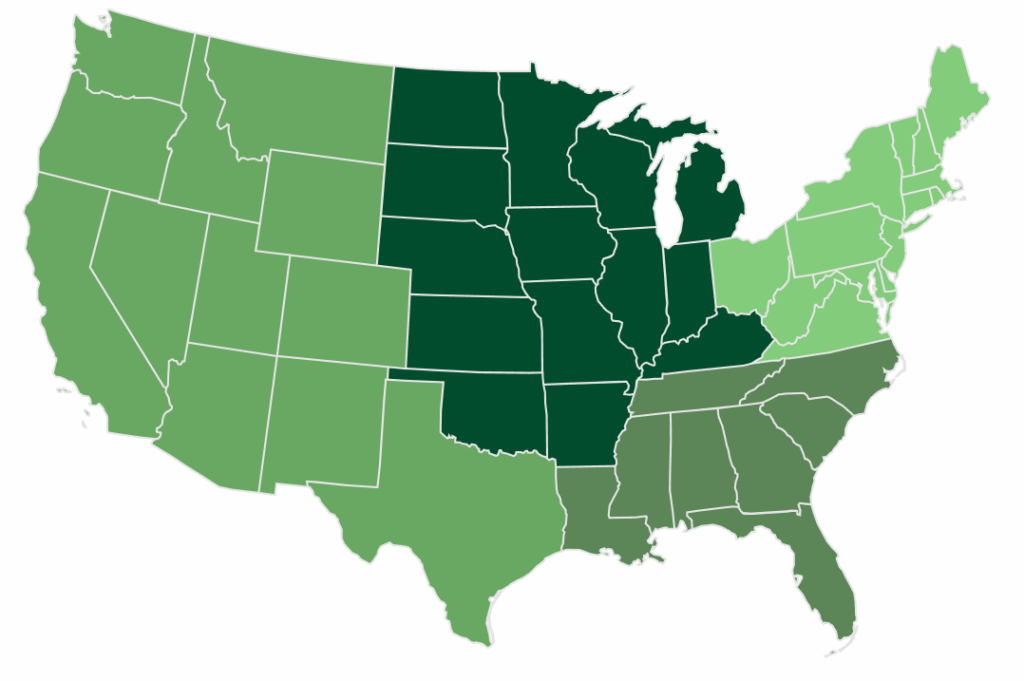
TRCP works across the country to ensure hunters and anglers can enjoy healthy fish and wildlife and quality days afield, no matter where they live.

See All Issues
TRCP in Your Region

TRCP works across the country to ensure hunters and anglers can enjoy healthy fish and wildlife and quality days afield, no matter where they live.

Who We Are
Our Mission

To guarantee all Americans quality places to hunt & fish

We unite and amplify our partners’ voices to advance America’s legacy of conservation, habitat, and access.

Our Mission & Values
Our People & Partners
  • Meet the TRCP Team

    Our staff and board members unite and amplify our partners’ voices to advance America’s legacy of conservation, habitat, and access.

    Meet the Team
  • Our Partners

    ‘Partnership’ is in our name. We work with 64 diverse partner groups that represent today’s leading hunting, fishing, and conservation organizations in order to strengthen the sportsman’s voice in Washington, D.C.

    Our Partners
  • Corporate Council

    TRCP’s Corporate Council is made up of diverse corporations that share a common passion for conservation.

    Corporate Council
Our Organization

Looking for more information?

Explore our latest news, policy updates, and conservation resources to get the information you need.

Giving
How You Can Help

To guarantee all Americans quality places to hunt & fish

Your tax-deductible donation will support TRCP's mission, now and into the future.

DONATE
Special Ways to support trcp
  • Capital Conservation Awards Dinner

    The CCAD is one of Washington's best-attended conservation celebrations, featuring dinner, cocktails, and a silent auction.

    Learn More
  • Step Into the Arena

    Help us ensure that our treasured wild habitats and game remain intact for the next generation to enjoy – lend your support to the TRCP’s efforts today!

    Donate
  • Roosevelt Roast

    TRCP has partnered with Afuera Coffee Co. to further our commitment to conservation.

    Learn More
More donation options

Find the best way for you to lend your support. Join one of TRCP’s donor circles for special invitations, premium offerings from outdoor retailers, and more exclusive benefits. Take control of your legacy with planned giving or contribute to special conservation funds.

Other Ways To Give
News
In the Spotlight

Oregon Legislature Passes Landmark “1.25 Percent for Wildlife” Act

After three legislative sessions and more than a decade of advocacy, a bipartisan coalition secures Oregon’s most significant conservation funding victory in a generation.

Read More

Stay Informed

Receive our newsletter, the Roosevelt Report, right in your inbox. Never miss the latest news in conservation issues.

June 13, 2019

Western Governors Officially Support Policy to Conserve Migration Corridors

With firm backing from state leaders, sportsmen and women could see more coordinated efforts to improve habitat connectivity and big game population health

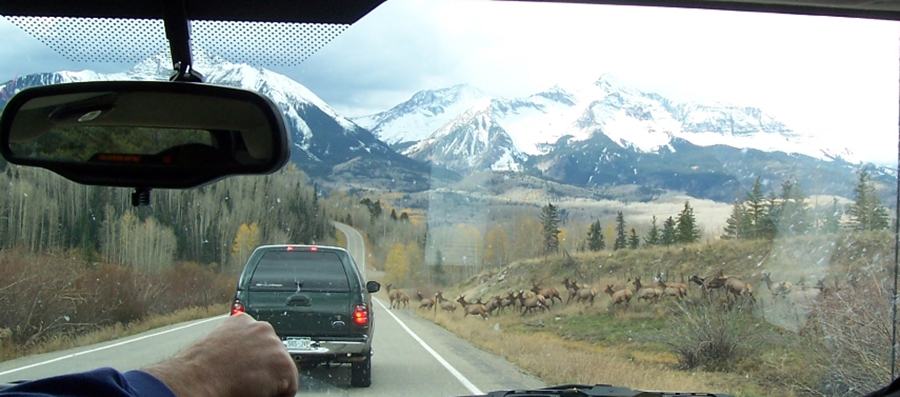
At their summer meeting in Colorado this week, the Western Governors’ Association passed a resolution supporting the conservation and state-led management of wildlife migration corridors.

The resolution recognizes that migration corridors and habitats are vital for maintaining the overall health of fish and wildlife populations in the West. Governors are calling on federal land-management agencies to support locally developed initiatives to conserve migration corridors and collaborate with state agencies to implement management efforts.

Though big game species rely on these critical seasonal habitats, migration corridors have not been addressed in conservation policy until recent years. The WGA’s bipartisan support could help shape burgeoning policies affecting all the Western states.

“Migration corridors and connectivity across seasonal habitats are critical pieces of the conservation puzzle for big game and other wildlife,” says Whit Fosburgh, president and CEO of the Theodore Roosevelt Conservation Partnership. “We greatly appreciate the leadership of the Western Governors’ Association on the conservation of wildlife corridors and improvement of habitat connectivity. We look forward to working with each state to implement on-the-ground conservation strategies that ensure populations of big game animals continue to migrate and thrive.”

The WGA also released policy resolutions on biosecurity and invasive species management, federal-state land exchanges and purchases, and national parks in the West.

The TRCP and 43 other hunting, fishing, and conservation groups recently urged federal lawmakers to use the upcoming Highway Bill to create a dedicated funding source to improve migration crossings.

3 Responses to “Western Governors Officially Support Policy to Conserve Migration Corridors”

  1. Richard E. Nelson

    The Bend Chapter of the Oregon Hunters Association was the driving force in construction of wildlife underpasses of US 97 that has reduced wildlife collisions by nearly 90%. There is a scheduled project that the State has agreed to build the under crossing but not the required fencing. Conservation organizations feel so strongly about this they have pledged over a half a million dollars to build the fence,more is needed.

  2. It is vital for the health and sustainability of grizzlies and other species to have a migration corridor contiguous from the Rockies in the US up through the Rockies in Canada with nature bridges or wide tunnels under major highways like Canada has already built.

Do you have any thoughts on this post?

XHTML: You can use these tags: <a href="" title=""> <abbr title=""> <acronym title=""> <b> <blockquote cite=""> <cite> <code> <del datetime=""> <em> <i> <q cite=""> <s> <strike> <strong>

Comments must be under 1000 characters.

May 30, 2019

These Teams Are Responsible for 800 Fish Habitat Restoration Projects Across the U.S.

Help us urge Congress to lock down the program—and conservation funding—that allows the people who fish local waters to mastermind the projects to improve them

Americans across the country are hitting the water this summer in the hopes of hooking one of many iconic species of fish—from kokanee salmon and cutthroat trout to largemouth bass and red snapper.

You may not realize that there has been a collaborative effort at work behind the scenes for years to expand and guarantee your access to great fishing. The National Fish Habitat Partnership, a collective of 20 diverse groups across every landscape in America, has already succeeded in boosting fish populations through on-the-ground fish habitat conservation projects.

In Pennsylvania, the Fish and Boat Commission, parks department, bass anglers, and local businesses banded together to restore a degraded reservoir, adding more than 800 structures that give fish critical cover to spawn. In New Mexico, partners enhanced desert fish habitat and reopened a key migratory passage between the Navajo River and eight miles of Amargo Creek.

Since 2007, more than 840 projects have been completed across all 50 states. But the future success of these partnerships is perennially threatened.

The National Fish Habitat Partnership initiative has no permanent authorization from the federal government and funding has been cut year after year. But that could change this Congress, thanks to legislation that would secure the future of these collaborative fish habitat improvement projects.

Photo by Flickr user handels
The Best Partners Know Local Waters

Rather than develop a top-down, inside-the-beltway plan to restore and protect America’s unique fish habitats, the National Fish Habitat Partnership exists at the crossroads of science-based solutions, community partnerships, and state and federal agencies. The 20 Fish Habitat Partnerships focus on the needs of specific regions and ecosystems, each working to forge stronger local and regional partnerships with other key stakeholders to restore and protect fisheries. The program is designed to include a wide range of voices in decision-making.

A national board chaired by a state fish and wildlife agency representative meets three times annually to review projects submitted by the 20 individual partnerships and recommend how funding should be allocated. This isn’t your average federal Board of Directors: Real sportsmen and women unite with local leaders and scientists to steer fish habitat conservation and put the needs of our fish and wildlife first. (In fact, TRCP’s Chief Conservation Officer Christy Plumer is a member of the National Board and has been instrumental in the development and success of the National Fish Habitat Partnership.)

Each of the twenty regional partnerships includes state fish and wildlife professionals, local leaders, and representatives of the conservation community and federal agencies. Committees help determine which projects each region submits to the national board for approval, focusing on the interests of the communities within the partnership’s footprint and ensuring projects are advancing the needs of fish populations close to home.

But none of these individuals can do their jobs while the future of the program, or its funding, is subject to the annual whims of Congress.

Photo by USFWS-Alaska Region
We Know the Model Works

This isn’t the first time this model has been used to work better for wildlife: The North American Wetlands Conservation Act has a similar approach. NAWCA provides matching grants to conservation projects across North America to improve habitat for migratory birds, boost water quality, and conserve wetlands ecosystems—and it has been highly successful. Now, it’s time to allow this successful model to work for fish.

(By the way, legislation to reauthorize and fund NAWCA is also pending in both chambers, and Congress should act with expediency here, too.)

Defend Against Defunding

The Partnership receives its funding in the annual appropriations bills, but since it isn’t permanently authorized, Congress could decide to defund it without warning, ending community-based support for fish conservation across the nation. Luckily, bills have been introduced in both the Senate and House to fix that: S. 754, introduced this Congress by Sens. Mike Crapo (R-Idaho) and Ben Cardin (D-Md.), and H.R. 1747, introduced by Reps. Rob Wittman (R-Va.) and Marc Veasey (D-Texas).

The National Fish Habitat Conservation Through Partnerships Act formally establishes the National Fish Habitat Board and guarantees that all stakeholders—tribes, nonprofits, local and state governments, private sector entities, and the federal government—have a seat at the table. The bill would also enact into law other components of the National Fish Habitat Partnership, including clear decision-making criteria and a process for designating new partnerships.

Importantly, this legislation would fund the program through 2023, with 5 percent dedicated to Indian Tribes and additional resources provided for several key federal agencies to provide scientific and technical assistance to fish habitat partnerships. The bill also sets a cap on administrative costs at 5 percent, preventing federal agencies from redirecting funding from the program to pay for other agency needs during tight budget times.

This five-year authorization would end year-to-year uncertainty, ensuring that each of the partnerships have the ability to plan ahead and do the best work possible.

Photo by Alexandre Estanislau via flickr.
Take Action

The National Fish Habitat Partnership is one of North America’s most successful conservation programs, but its continued success, and existence, depends on all of us speaking up for our waterways and the fish that call them home. Please join the Theodore Roosevelt Conservation Partnership and our partners across the nation in urging Congress to pass the National Fish Habitat Conservation Through Partnerships Act into law.

May 24, 2019

Weekend Download: The Climate Change Impacts We Should Be Facing

The Hunting Collective’s Ben O’Brien visits TRCP President and CEO Whit Fosburgh at his home on the Potomac River to talk about the direct effects of climate change on hunting and fishing and the other top challenges facing our community.

Skip right to Whit’s Q&A at 48 minutes in, or enjoy the full episode featuring some of the top female leaders at MeatEater HQ. (Bonus: They decide, based on internet photos, that Whit stacks up in the fashion and style department, where Rinella apparently does not.)

May 16, 2019

BLM’s Proposed Plans for Montana Public Lands Should Reflect Sportsmen’s Priorities

Plans to conserve popular elk hunting destinations are among the various options in the draft plans, but not at the top of BLM’s list

Today the Bureau of Land Management released draft plans that – when finalized – will guide land management decisions for more than 800K acres of public lands over the next 20 years or more. This includes some of Montana’s most scenic and recreationally important public lands overseen by the agency’s Lewistown and Missoula field offices.

This is a key step in a public process of land-use planning, which helps determine how habitat, outdoor recreation opportunities, and development are balanced in a particular area. The BLM proposes a variety of management options for a planning area and names one preferred alternative—in these plans, the agency’s preferred paths forward lack important measures that would conserve some of Montana’s best hunting areas.

Specifically, hunters, anglers, and other stakeholders have been calling for sportsmen-friendly conservation measures on intact and undeveloped lands with outstanding big game habitat in both the Missouri River Breaks as well as in the Garnet and John Long Ranges just east of Missoula.

“After an initial review of the two plans, we’re encouraged to see that conservation measures for key backcountry hunting areas are among the options, but it is disappointing that they were left out of the BLM’s preferred alternative,” says Scott Laird, Montana field representative with the Theodore Roosevelt Conservation Partnership. “At the start of these processes, the BLM received reasonable proposals to conserve some of Montana’s finest elk and deer country—measures that had broad buy-in and support from the governor’s office, Montana Fish, Wildlife & Parks Commission, Confederated Salish and Kootenai Tribal Council, timber interests, local business owners, and public land users of all kinds. We now ask that the BLM adopt sportsmen-oriented management for our best hunting areas in the final Missoula and Lewistown plans.”

Numerous outdoor-related businesses and conservation organizations support revising the two Resource Management Plans to better serve the interests of Montana’s hunters and other outdoor recreationists. “The Garnet Range is an often overlooked but important hunting destination just a short drive from Missoula and other surrounding communities,” says Casey Smith, owner of Straight6Archery in Missoula. “The BLM has an opportunity to do right by sportsmen and businesses through the Missoula resource management plan, and we are depending on them to incorporate measures in the final plan that will safeguard our best backcountry hunting areas near Chamberlain and Marcum Mountains.”

Popular public lands in central and western Montana help fuel the state’s $7.1-billion outdoor recreation economy, provide important wildlife habitat, and support various traditional uses of the land. These include Montana FWP Hunting Districts 410, 412, 417, 426, 281, 291, 292, and 298.

“The BLM has an opportunity to safeguard some of Montana’s best hunting areas and wildlife habitat through these land-use plans, and do it in a balanced way,” says John Borgreen, a Great Falls-area hunter who has been engaged in local conservation efforts for more than 45 years. “It’s a potential win-win for the varied wildlife we love to pursue, and will help ensure that our valued hunting heritage, outdoor traditions, and way of life can be enjoyed by future generations.”

“Sportsmen and other stakeholders will continue to speak up as these planning processes move forward, and we hope the BLM will listen,” says Laird. “We are talking about common-sense management provisions that would benefit our sporting traditions and wildlife habitat, while providing the flexibility to manage for other uses of these lands. It should be a slam dunk for the agency.”


Photo: Charlie Bulla

May 14, 2019

Sportsmen Applaud Senate Committee for Considering Ruby Mountain Protection Act

Hunters and anglers call for swift passage of this critical public lands legislation

The Sportsmen for the Rubies, a coalition of 14 hunting, fishing, and wildlife conservation groups representing thousands of individual sportsmen and women, expressed appreciation for a subcommittee hearing Tuesday on the Ruby Mountain Protection Act (S.258). This development, which took place in the Senate Energy and Natural Resources Subcommittee on Public Lands, Forests, and Mining, marks the first progression for the bill since its introduction by Senator Catherine Cortez Masto (D-NV).

If passed into law, the act would conserve Nevada’s Ruby Mountains by permanently withdrawing from oil and gas exploration 450,000 acres in the Humboldt-Toiyabe National Forest’s Ruby Mountain Ranger District.

“Hunters, anglers, and a wide array of stakeholder groups have been vocal supporters of the bill from its inception,” said Joel Webster, director of the Theodore Roosevelt Conservation Partnership’s Center for Western Lands. “The Ruby Mountains, known as the Swiss Alps of Nevada, contain some of the region’s finest outdoor opportunities and serve as the foundation of a $165 million outdoor recreation economy in Elko County.”

Last week, the Sportsmen for the Rubies coalition sent a letter to the committee chair and ranking member, urging a speedy vote on the bill so that it can proceed to the Senate floor.

The groups highlighted the importance of the area as fish and wildlife habitat in addition to its tremendous economic value as a recreational destination. The Ruby Mountains are home to a number of unique species such as the Lahontan cutthroat trout and the Himalayan snowcock, as well as Nevada’s largest mule deer herd.

“The Rubies are an incredible fish and wildlife resource as well as an economic engine for rural Nevada, said Pam Harrington, Nevada field coordinator with Trout Unlimited. “We are pleased the Nevada delegation is working with the sportsmen’s community to protect the Rubies.”

“Sportsmen and women throughout Nevada appreciate the subcommittee’s timely hearing on this bill,” said Tom Smith, the vice president of the Coalition for Nevada’s Wildlife. “We hope that leadership will commit to a markup and move this legislation to the floor for passage, so that future generations can enjoy the Ruby Mountains as we do today.”


Photo: USDA Intermountain Forest Service via Flickr

HOW YOU CAN HELP

TRCP has partnered with Afuera Coffee Co. to further our commitment to conservation. $4 from each bag is donated to the TRCP, to help continue our efforts of safeguarding critical habitats, productive hunting grounds, and favorite fishing holes for future generations.

Learn More
Subscribe


You have Successfully Subscribed!

You have Successfully Subscribed!

You have Successfully Subscribed!

You have Successfully Subscribed!

You have Successfully Subscribed!