Our Issues
Public Lands
Why It Matters

Hunting & Fishing Access

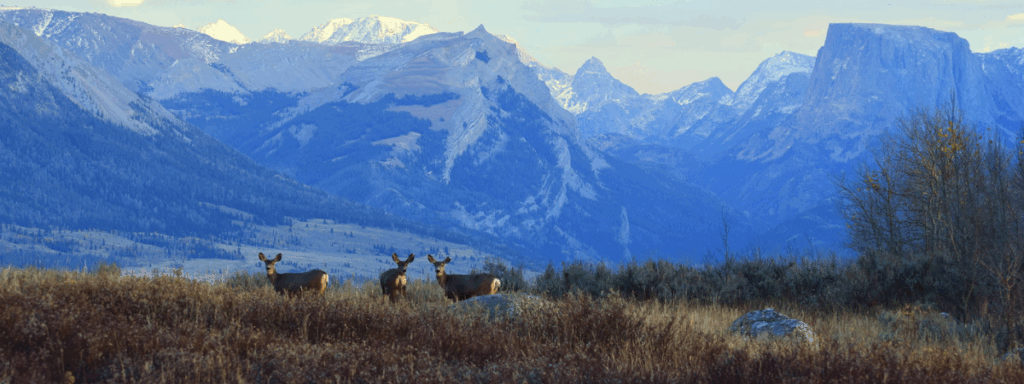
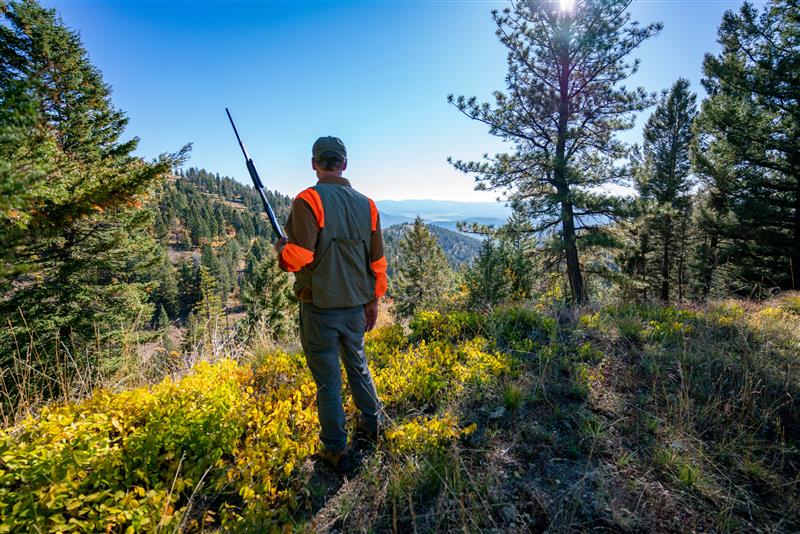
America’s 640 million acres of national public lands provide irreplaceable hunting and fishing opportunities to millions of Americans.

Learn More About Access
What TRCP is Doing

We’re working to safeguard America’s public lands so hunters and anglers always have quality places to pursue their passions.
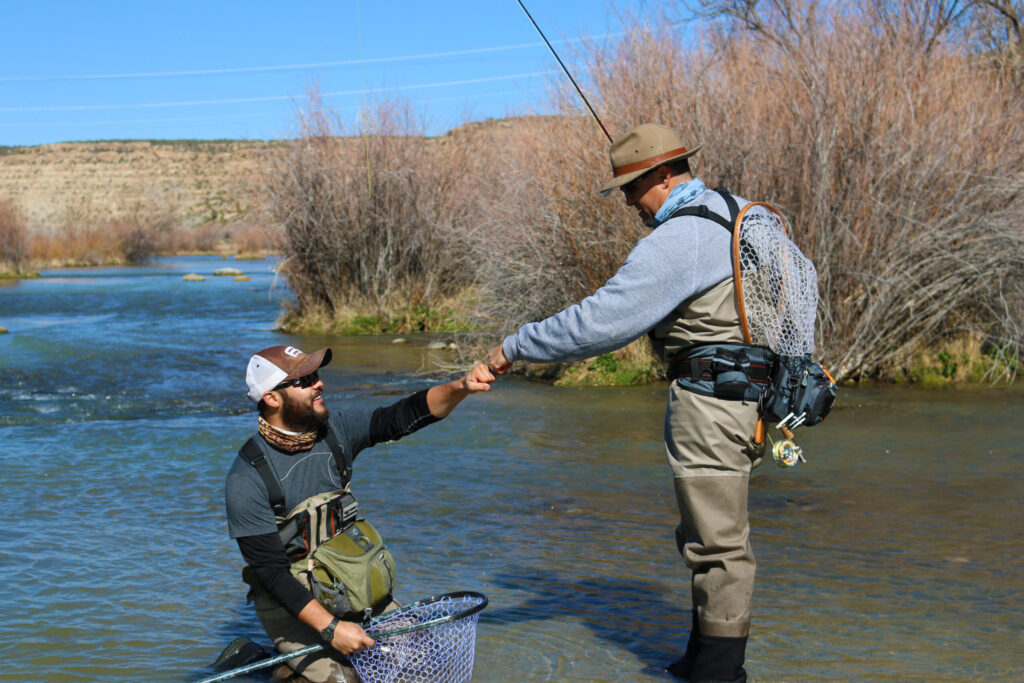
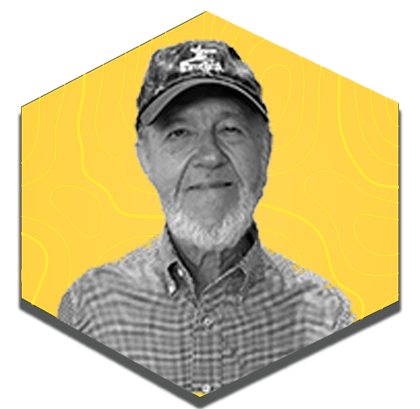
 Brian Flynn, Two Wolf Foundation
How Sportsmen Are Doing It Right

Brian Flynn, Two Wolf Foundation's Story

Following a distinguished career in the U.S. Army, lifelong outdoorsman Brian Flynn returned home from a deployment in Afghanistan and…

Hunting
Why It Matters

Key Issues for America’s Hunters

Your source for the latest policy updates, conservation challenges, and opportunities shaping America’s hunting traditions.

What TRCP is Doing

We’re fighting for meaningful policy changes that benefit wildlife, our waters, and the American landscapes that make our outdoor traditions possible.

 Ryan Sparks
How Sportsmen Are Doing It Right

Ryan Sparks's Story

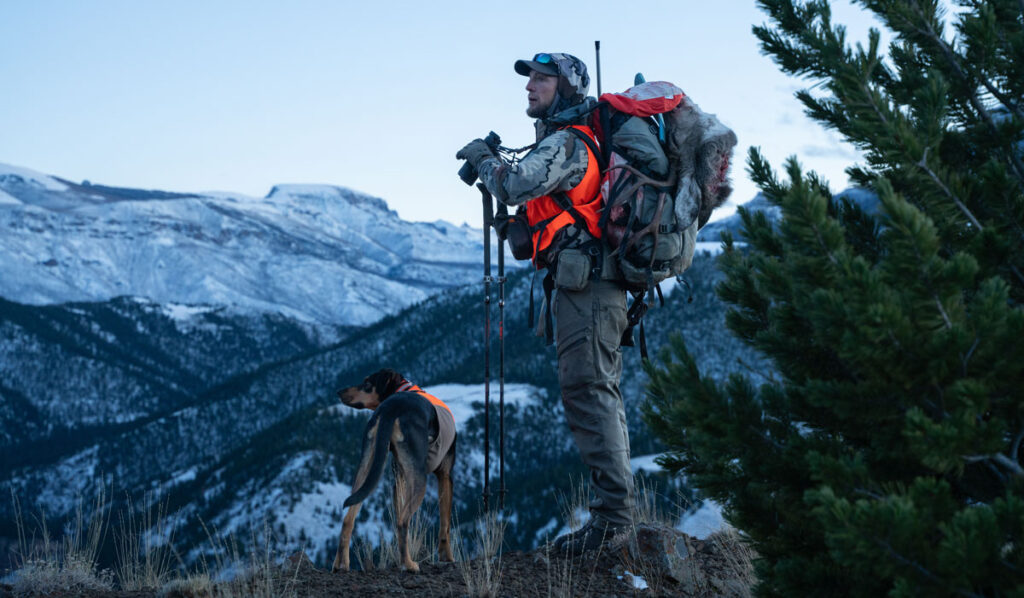
TRCP’s “In the Arena” series highlights the individual voices of hunters and anglers who, as Theodore Roosevelt so famously said,…
Fishing
Why It Matters

Key Issues for America’s Anglers

Your source for the latest policy updates, conservation challenges, and opportunities shaping America’s fishing traditions.

What TRCP is Doing

We’re fighting for meaningful policy changes that benefit wildlife, our waters, and the American landscapes that make our outdoor traditions possible.

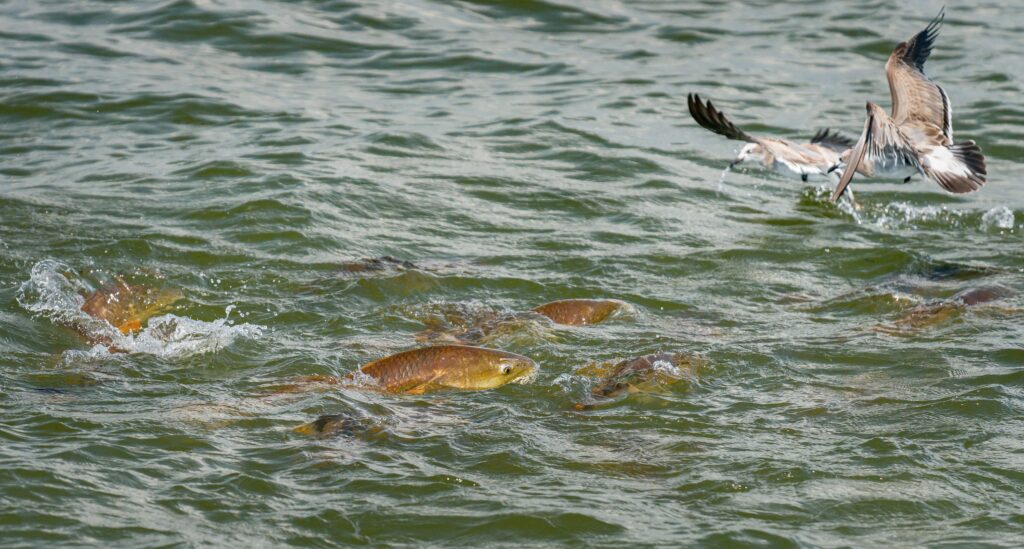
 David Mangum
How Sportsmen Are Doing It Right

David Mangum's Story

Capt. David Mangum is a YETI ambassador and outdoor photographer who utilizes his talents to produce media that inspire a…

Private Land
Why It Matters

Stewardship on America’s private lands

With 70 percent of U.S. lands in private hands and many of our best hunt and fish opportunities occurring there, investing in voluntary conservation on working lands safeguards access, strengthens habitat and water quality, and ensures resilient landscapes.

Learn More
What TRCP is Doing

We champion policies and programs that restore wildlife habitat, improve soil and water health, and keep working lands productive.

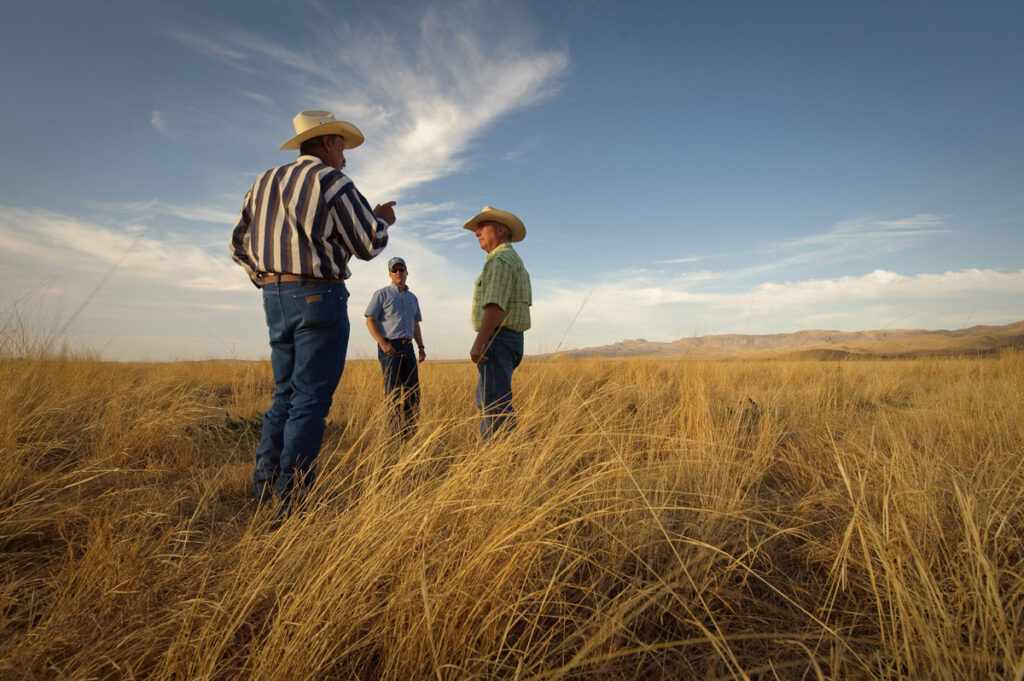
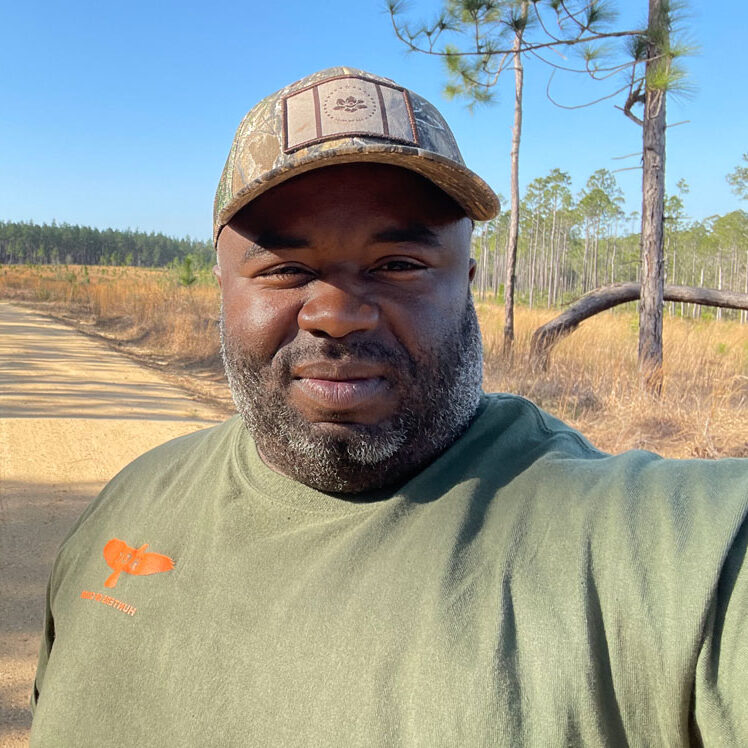
 Ward Burton
How Sportsmen are Doing It Right

Ward Burton's Story

Ward Burton’s NASCAR driving career stretched across most of two decades. As an avid sportsman and conservationist, he founded the…

Special Places
Why It Matters

Special Places Worth Protecting

America’s most iconic landscapes provide unmatched habitat and unforgettable days afield. These places sustain wildlife, anchor local economies, and define the hunting and fishing traditions we pass down.

What TRCP is Doing

We’re working to conserve special places that provide world-class habitat and unforgettable opportunities for hunters and anglers.

 Franklin Adams
How Sportsmen Are Doing It Right

Franklin Adams's Story

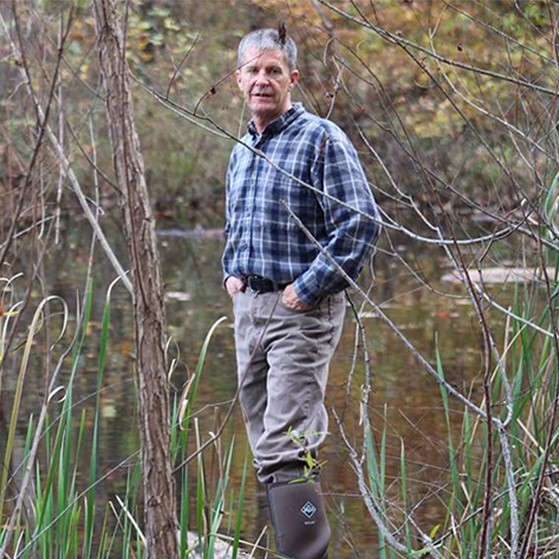
As a true Gladesman, conservationist, and historian, Capt. Franklin Adams has spent more than six decades championing Everglades restoration efforts…

Habitat & Clean Water
Why It Matters

Healthy Habitat Powers Every Pursuit

All hunting and fishing opportunities depend on quality habitat, from clean water and healthy wetlands to winter and summer habitats and the migration corridors that connect them.

All About Habitat & Clean Water
What TRCP is Doing

We are working to safeguard the habitats that power every hunting and fishing opportunity.

 Alex Harvey
How Sportsmen Are Doing It Right

Alex Harvey's Story

Alex Harvey, founder of Legacy Land Management, is a registered professional forester in Mississippi and Alabama with a Master's degree…

Science
Why It Matters

Science That Guides TRCP

From conserving migration corridors and wetlands to ensuring clean water and resilient landscapes, science provides evidence that turns conservation goals into effective action.

Science for Conservation
What TRCP is Doing

For hunters and anglers, science safeguards the experiences we treasure including resilient big game populations, abundant fish, and wild places that endure changing social landscapes.

Jamelle Ellis
Your Science Expert

Jamelle Ellis's Story

Jamelle Ellis joined the Theodore Roosevelt Conservation Partnership in 2022. Jamelle spent the last three years as an environmental sustainability…

Where We Work
Across the Nation

Conservation Across America

TRCP works across the country to ensure hunters and anglers can enjoy healthy fish and wildlife and quality days afield, no matter where they live.

See All Issues
TRCP in Your Region

TRCP works across the country to ensure hunters and anglers can enjoy healthy fish and wildlife and quality days afield, no matter where they live.

Who We Are
Our Mission

To guarantee all Americans quality places to hunt & fish

We unite and amplify our partners’ voices to advance America’s legacy of conservation, habitat, and access.

Our Mission & Values
Our People & Partners
  • Meet the TRCP Team

    Our staff and board members unite and amplify our partners’ voices to advance America’s legacy of conservation, habitat, and access.

    Meet the Team
  • Our Partners

    ‘Partnership’ is in our name. We work with 64 diverse partner groups that represent today’s leading hunting, fishing, and conservation organizations in order to strengthen the sportsman’s voice in Washington, D.C.

    Our Partners
  • Corporate Council

    TRCP’s Corporate Council is made up of diverse corporations that share a common passion for conservation.

    Corporate Council
Our Organization

Looking for more information?

Explore our latest news, policy updates, and conservation resources to get the information you need.

Giving
How You Can Help

To guarantee all Americans quality places to hunt & fish

Your tax-deductible donation will support TRCP's mission, now and into the future.

DONATE
Special Ways to support trcp
  • Capital Conservation Awards Dinner

    The CCAD is one of Washington's best-attended conservation celebrations, featuring dinner, cocktails, and a silent auction.

    Learn More
  • Step Into the Arena

    Help us ensure that our treasured wild habitats and game remain intact for the next generation to enjoy – lend your support to the TRCP’s efforts today!

    Donate
  • Roosevelt Roast

    TRCP has partnered with Afuera Coffee Co. to further our commitment to conservation.

    Learn More
More donation options

Find the best way for you to lend your support. Join one of TRCP’s donor circles for special invitations, premium offerings from outdoor retailers, and more exclusive benefits. Take control of your legacy with planned giving or contribute to special conservation funds.

Other Ways To Give
News
In the Spotlight

House Agriculture Committee Chairman GT Thompson Introduces Farm Bill Proposal 

Hunters and anglers depend on strong Conservation and Forestry Titles, and TRCP will closely evaluate the bill's impacts as it moves forward.

Read More

Stay Informed

Receive our newsletter, the Roosevelt Report, right in your inbox. Never miss the latest news in conservation issues.

by:

posted in:

June 25, 2019

Wake the Woods HP ad

Do you have any thoughts on this post?

XHTML: You can use these tags: <a href="" title=""> <abbr title=""> <acronym title=""> <b> <blockquote cite=""> <cite> <code> <del datetime=""> <em> <i> <q cite=""> <s> <strike> <strong>

Comments must be under 1000 characters.

by:

posted in:

Fall Opportunities for Hunters Show What’s at Risk in the Rubies

Nearly 3,000 hunters will take to the field in the Ruby Mountains this fall, but first we must defend this habitat

Results for the Nevada Department of Wildlife big game tag drawings came out late last month, and tags are currently making their way to the mailboxes of successful applicants.

More than 2,700 tags were issued to hunters who will be able to pursue deer in area 10, which includes the backbone of Nevada’s largest mule deer herd—the unparalleled Ruby Mountains. Additionally, 150 elk tags were given out for a depredation hunt in the Rubies under the statewide elk management plan. Finally, eight very lucky hunters have drawn what could be called the once-in-a-lifetime opportunity to hunt mountain goats in three units within the Ruby and East Humboldt ranges.

In the coming months, these tagholders and their families and friends will be making scouting trips, most likely to be combined with fishing, camping, and hiking in Rubies, as well as the Ruby Lakes Wildlife Refuge, an area known to Nevadans as the Ruby Marshes. Approximately 10 percent of these sportsmen and women will be from out of state, and their spending will bring substantial income to rural Nevada businesses.

Many of these recreationists will be enjoying the area for the first time, while others will be returning to traditional hunting grounds, where they have a long history. All will be building lifelong memories of a special place. I know what that is like.

I tagged my first mule deer buck in the Ruby Mountains more years ago than I care to admit. At just 13 years old, it was where I learned some of the most formative lessons about woodsmanship and the outdoors from close friends and relatives. That November hunt was an adventure I’ll never forget and is still one of my favorite stories to tell.

The Rubies are indeed a special place. But this habitat could be changed forever if we don’t speak out for fish, wildlife, and our outdoor recreation opportunities.

A Landscape Under Threat

Sportsmen and women need to be aware of an ongoing threat to the Ruby Mountains and how they can help. Nearly two years ago, 54,000 acres of U.S. Forest Service land in the Rubies were nominated for oil and gas leasing. After months of careful consideration, the forest supervisor officially decided not to allow leasing of those parcels.

In late January 2019, Senator Catherine Cortez Masto went even further and introduced the Ruby Mountain Protection Act (S. 258) to withdraw 450,000 acres of Forest Service land on the Rubies and East Humboldt Range from oil and gas leasing. The bill had a hearing in May and now awaits further action.

At approximately the same time, additional “expressions of interest”—the mechanism by which parcels are nominated for leasing—were filed for some of the same areas as the original request, as well as other parcels in the southern Rubies. Mule deer migration corridors flank both sides of the mountains, where Nevada’s largest deer herd moves from the high-elevation summer and fall range to its southern winter range.

Oil and gas exploration could negatively impact those corridors. But Cortez Masto’s bill would be a major step forward in protecting and conserving these critical habitats.

Time to Act

S. 258 would be a huge win for anyone who care about this special place, and sportsmen and women need to speak up in support of this legislation.

Still, we can do even more to protect the outdoor opportunities in this area. The Ruby Marshes, nestled against the southeastern corner of the Ruby Mountains, are managed by the U.S. Fish and Wildlife Service and now is our opportunity to see that they are protected as part of the larger bill. Please ask lawmakers to add the Ruby Lakes National Wildlife Refuge to the lands included in Cortez Masto’s bill to ensure that the hunting and fishing traditions in this area remain intact for future generations.

Learn more and take action at SportsmenfortheRubies.com.


Photo: Tom Hilton via Flickr

by:

posted in:

June 21, 2019

Sportsmen Ask BLM to Support Outdoor Priorities in Eastern Colorado

Draft public lands management plan shows some promising provisions in the preferred alternative, some areas in need of improvement

Canon City, Colo. – On Monday the Bureau of Land Management made public its Royal Gorge Field Office (RGFO) draft Resource Management Plan, which when finalized will guide management decisions over the next few decades on 600,000 surface and 6.8 million subsurface acres of public lands.

A coalition of ten hunting- and fishing-related groups and 23 local businesses have been working alongside a wide range of stakeholders over the past several years to ensure that high-value backcountry hunting and fishing areas are accessible and big game populations conserved in the Royal Gorge Field Office. While sportsmen would like to see some changes to the final plan, the response to the draft plan was generally positive.

“South Park-area BLM public lands offer some truly amazing and wide-ranging opportunities for sportsmen and women,” said Nick Payne, Colorado field representative with the Theodore Roosevelt Conservation Partnership. “This is particularly true in the Upper Arkansas River area, which supports a great deal of recreation. By making a few adjustments to secure sportsmen’s priorities in the final plan – especially for key backcountry hunting areas – the BLM could make this land use plan a success.”

Safeguards for key hunting and fishing lands have been one focus of a years-long community-driven planning process for the South Park area. While some changes have been made to management provisions in the South Park Area, hunting and fishing groups believe this part of the plan remains largely true to the desired outcomes expressed by the community and various stakeholders.

“Although there have been some changes in presentation of the South Park management in the draft RMP, we feel good about where this planning process is headed and believe the community’s priorities can be represented in the final plan,” said Suzanne O’Neill, executive director of the Colorado Wildlife Federation, who has been on the forefront of these efforts since the first discussions in 2011. “Sportsmen, women, and wildlife enthusiasts will remain involved in this process as constructive partners to ensure that the final plan benefits the iconic South Park landscape and community.”

Terry Meyers, executive director of the Rocky Mountain Bighorn Society, pointed out the importance of this plan to Colorado’s bighorn sheep hunters, “Rocky Mountain bighorn sheep hunting units in the RGFO offer hunters the chance to pursue this iconic Western species in Colorado every year. We encourage the BLM to conserve valuable intact habitat and hunting areas in the final plan”

“This process isn’t over yet and there are some things we’d like to see improved,” continued Payne. “But we also appreciate the work put into this plan by the BLM and we will remain at the table to see this process through to completion. We believe it can be a success.”


Photo: Scrubhiker (USCdyer) via Flickr

by:

posted in:

June 20, 2019

Oregonians: Stand Up for Public Lands!

This is YOUR chance to play a role in how our public lands are managed and ensure that sportsmen and women have a say about the places where we love to hunt and fish

The Bureau of Land Management’s Vale District Office manages more than 4.6 million acres of public lands across eastern Oregon including the Trout Creek Mountains and the Owyhee Reservoir. These landscapes provide some of the finest hunting, fishing, and outdoor recreation opportunities in the state, as well as important habitat for big game, upland birds, and lahontan cutthroat trout

Currently, the BLM is revising its plan that will determine the future management of these lands for the next 20+ years, and public meetings are scheduled that offer an opportunity for the public to share their ideas directly to the BLM. This process is a key opportunity to help protect habitat of the imperiled sage grouse, determine where Off-Road Vehicles can and cannot travel, and protect wild desert places to camp, hunt and fish. Three main issues will be addressed in this planning process: Lands with Wilderness Characteristics, Off-Road Vehicle and Travel Management and Livestock Grazing. Each meeting will include a brief overview of the alternatives being considered at 6 p.m. Maps, handouts and BLM staff to answer questions will be available for the duration of each meeting. Sportsmen and women must get involved to ensure that the best habitats are conserved and public access for hunting and fishing is maintained.

Please attend one of three local public meetings and make your voice heard – meeting dates, locations, and times, as well as suggested talking points are listed below.

Where and when

Public meetings (All meetings run from 5 p.m. to 8 p.m.)

  • Monday, June 24, at the Four Rivers Cultural Center in Ontario, Ore
  • Tuesday, June 25, at the McDermitt Community Center in McDermitt, Nev.
  • Wednesday, June 26, at the Jordan Valley Lions Hall, Jordan Valley, Ore

Suggested talking points

Stakeholder Support: The BLM’s preferred alternative to revert to the management plan from 2002 does not reflect recommendations made after countless years of efforts by diverse stakeholders on the local Resource Advisory Council to improve the management of public lands for recreation and wildlife. Urge the BLM to select an alternative that will protect this landscape’s wild places by limiting OHV travel to existing routes and maximizes opportunities for common-sense conservation that improves the health and habitat of this vast landscape.

Conservation of unfragmented, functional habitats: These high-quality habitats benefit countless species including sage grouse, mule deer, and desert bighorn sheep. Over 2 million acres within the planning area have been identified as mule deer winter range and deserve common sense protections. Backcountry public lands also enable hunters to get away from the crowds and enjoy a quality hunting experience.

Wildlife and fisheries restoration and enhancement: We encourage and support efforts to prioritize active habitat restoration and enhancement on the landscape to benefit big game and other wildlife species.

by:

posted in:

New Study: Significant Opportunities to Open Recreation Access in Colo.

Outdoor Retailer audiences get a sneak preview of a new report from TRCP and onX identifying landlocked state lands across the West

Denver, Colo. — Today, onX and the Theodore Roosevelt Conservation Partnership revealed a snapshot of new data uncovered in their latest collaborative study to calculate the acreage of landlocked state lands across 11 Western states.

In a press briefing at the Outdoor Retailer Summer Market, onX founder Eric Siegfried and TRCP’s director of Western lands Joel Webster announced their preliminary findings on access barriers to trust lands in the state of Colorado, including:

  • More than 435,000 acres are landlocked by private land and cannot be reached at all by public roads or through adjacent federally managed public lands.
  • Meanwhile, 1.78 million acres of accessible lands are closed to public access by state policy.
  • A total of 558,000 acres of accessible trust lands are currently open to hunting and fishing because of collaborative agreements between the State Land Board and Colorado Parks and Wildlife.

There are 2.78 million acres of state trust lands in total across Colorado. All Western states were granted lands by the federal government at statehood, and Colorado is the only state in the Mountain West that does not allow public access to the majority of its trust lands. Webster noted that Colorado’s restrictive access rules are actually a greater hindrance to outdoor recreation on state trust lands than the landlocked land issue, which makes it an outlier among other Western states.

Governor Jared Polis is taking proactive steps to address this challenge. “Colorado is arguably the most beautiful state in America, and I’m committed to expanding the public’s access to our treasured federal and state-owned land,” said Governor Polis. “I’m delighted that Colorado Parks and Wildlife’s Public Access Program for sportsmen and women will be growing by more than 100,000 acres in time for the upcoming 2019 hunting season. We will continue looking at more opportunities to increase access in the near future.”

“We appreciate the collaborative work that has already gone into opening state trust lands to public access in Colorado and believe the state currently has perhaps the single greatest opportunity to expand public access in the West,” said TRCP’s Joel Webster. “Without a doubt, Governor Polis’s commitment to expanding public access should be encouraging to everyone who recreates in the outdoors. Other states have come up with innovative ideas for opening access to trust lands, and they offer a model for how Colorado could continue to tackle this issue.”

The project is building on a 2018 report by onX and the TRCP that found more than 9.52 million acres of federally managed public lands in the West are landlocked and lack legal public access. Those findings are available in a new report, “Off Limits, But Within Reach: Unlocking the West’s Inaccessible Public Lands,” which unpacks the issue in unprecedented detail.

“Our company’s mission is to help people find places they can explore to create a memorable outdoor experience,” says onX founder Eric Siegfried. “State lands can be easily overlooked by the recreating public, and more can be done to make these lands accessible to all. We are looking forward to calculating the full extent of access challenges and highlighting constructive opportunities to open lands to the public.”

The full report will delve deeper into the issue of recreational access across 11 Western states by focusing on landlocked lands at the state level. It will be formally presented to the press and public at the TRCP Western Media Summit on August 19, 2019 in Seattle, Washington.

“We’re excited to partner once again with onX on a collaborative project that wouldn’t be possible without their world-class product and commitment to public access,” concluded Webster.

Learn more about the forthcoming report and sign up to be the first to receive it at unlockingpubliclands.org.

HOW YOU CAN HELP

TRCP has partnered with Afuera Coffee Co. to further our commitment to conservation. $4 from each bag is donated to the TRCP, to help continue our efforts of safeguarding critical habitats, productive hunting grounds, and favorite fishing holes for future generations.

Learn More

You have Successfully Subscribed!

You have Successfully Subscribed!

You have Successfully Subscribed!

You have Successfully Subscribed!