Our Issues
Public Lands
Why It Matters
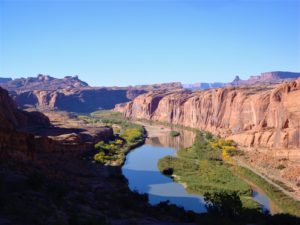
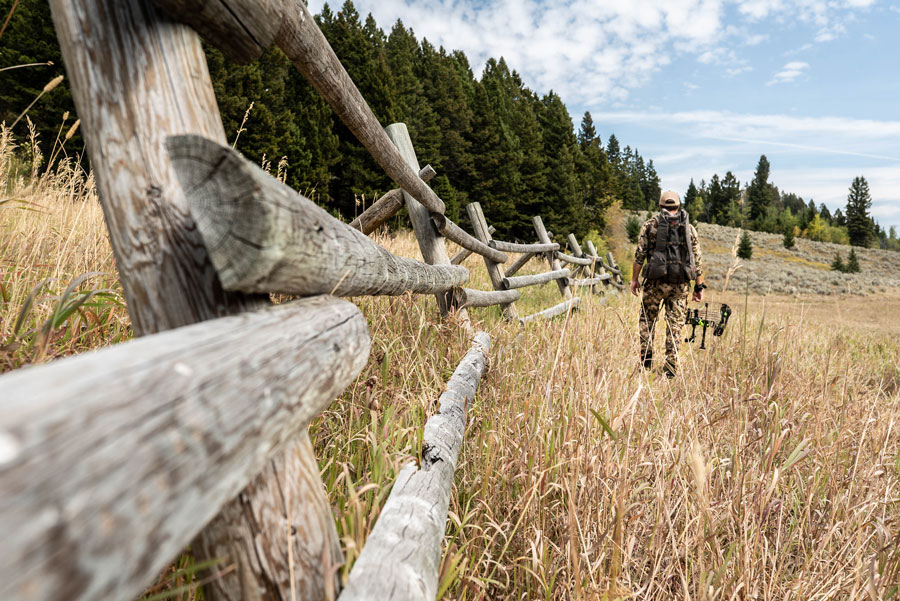
Hunting & Fishing Access

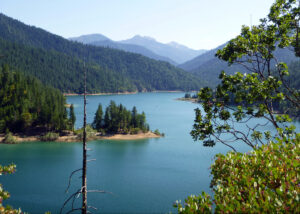
America’s 640 million acres of national public lands provide irreplaceable hunting and fishing opportunities to millions of Americans.

Learn More About Access
What TRCP is Doing

We’re working to safeguard America’s public lands so hunters and anglers always have quality places to pursue their passions.
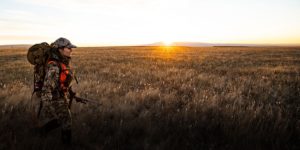
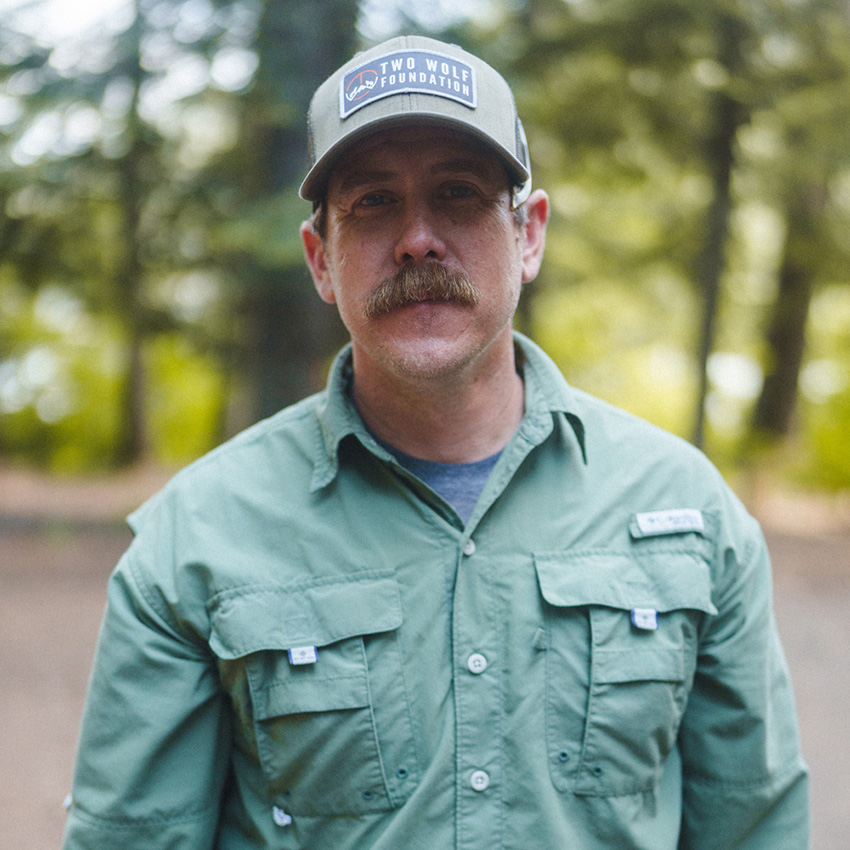
 Brian Flynn, Two Wolf Foundation
How Sportsmen Are Doing It Right

Brian Flynn, Two Wolf Foundation's Story

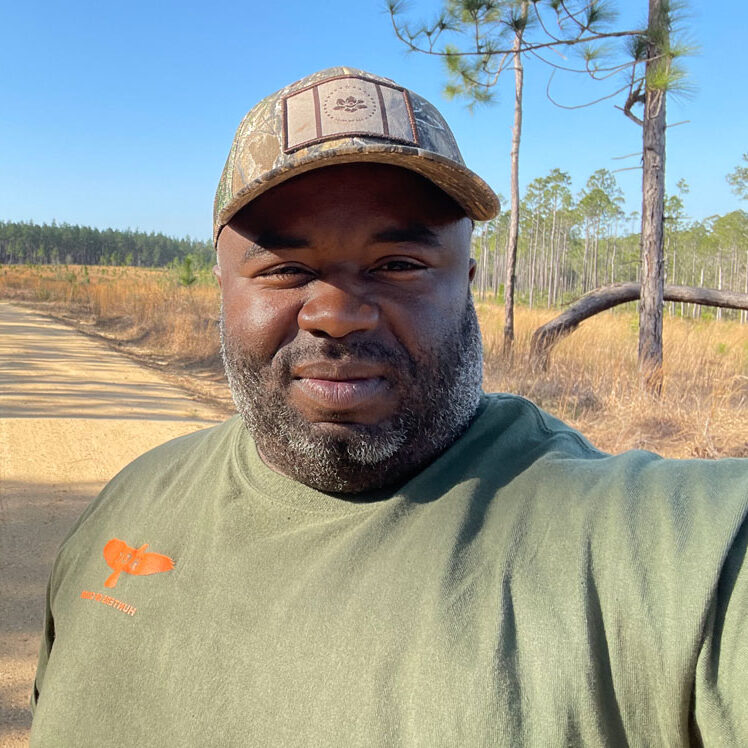
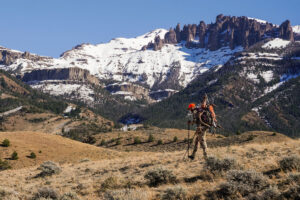
Following a distinguished career in the U.S. Army, lifelong outdoorsman Brian Flynn returned home from a deployment in Afghanistan and…

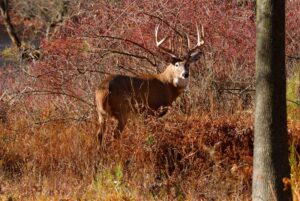
Hunting
Why It Matters

Key Issues for America’s Hunters

Your source for the latest policy updates, conservation challenges, and opportunities shaping America’s hunting traditions.

What TRCP is Doing

We’re fighting for meaningful policy changes that benefit wildlife, our waters, and the American landscapes that make our outdoor traditions possible.

 Ryan Sparks
How Sportsmen Are Doing It Right

Ryan Sparks's Story

TRCP’s “In the Arena” series highlights the individual voices of hunters and anglers who, as Theodore Roosevelt so famously said,…
Fishing
Why It Matters

Key Issues for America’s Anglers

Your source for the latest policy updates, conservation challenges, and opportunities shaping America’s fishing traditions.

What TRCP is Doing

We’re fighting for meaningful policy changes that benefit wildlife, our waters, and the American landscapes that make our outdoor traditions possible.

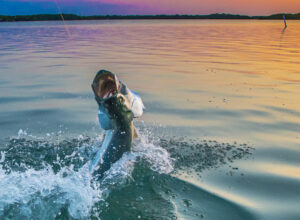
 David Mangum
How Sportsmen Are Doing It Right

David Mangum's Story

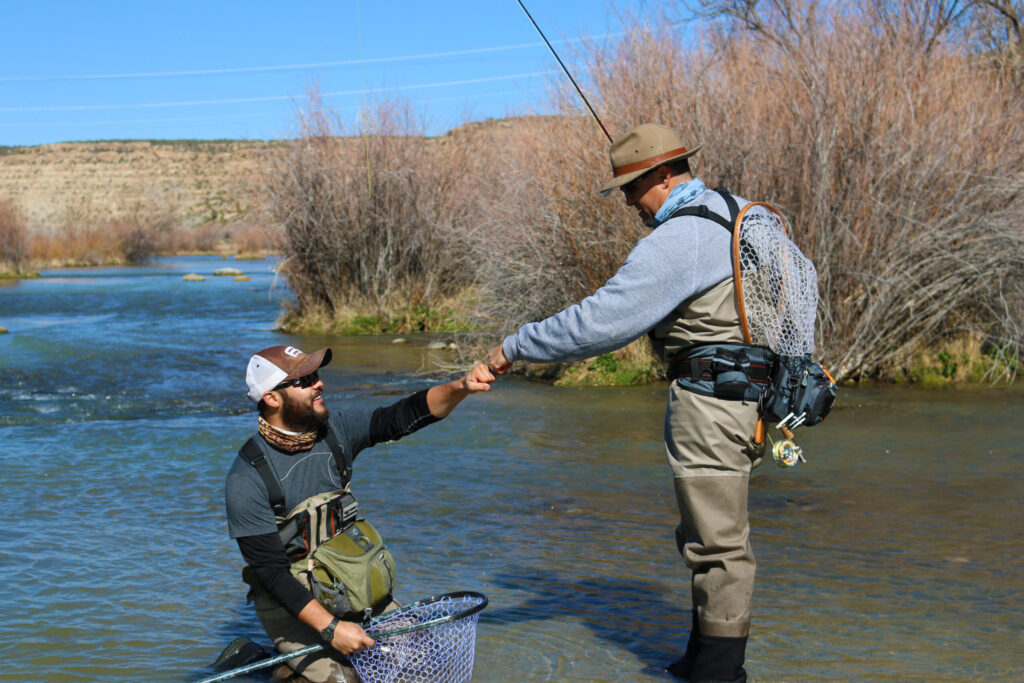
Capt. David Mangum is a YETI ambassador and outdoor photographer who utilizes his talents to produce media that inspire a…

Private Land
Why It Matters

Stewardship on America’s private lands

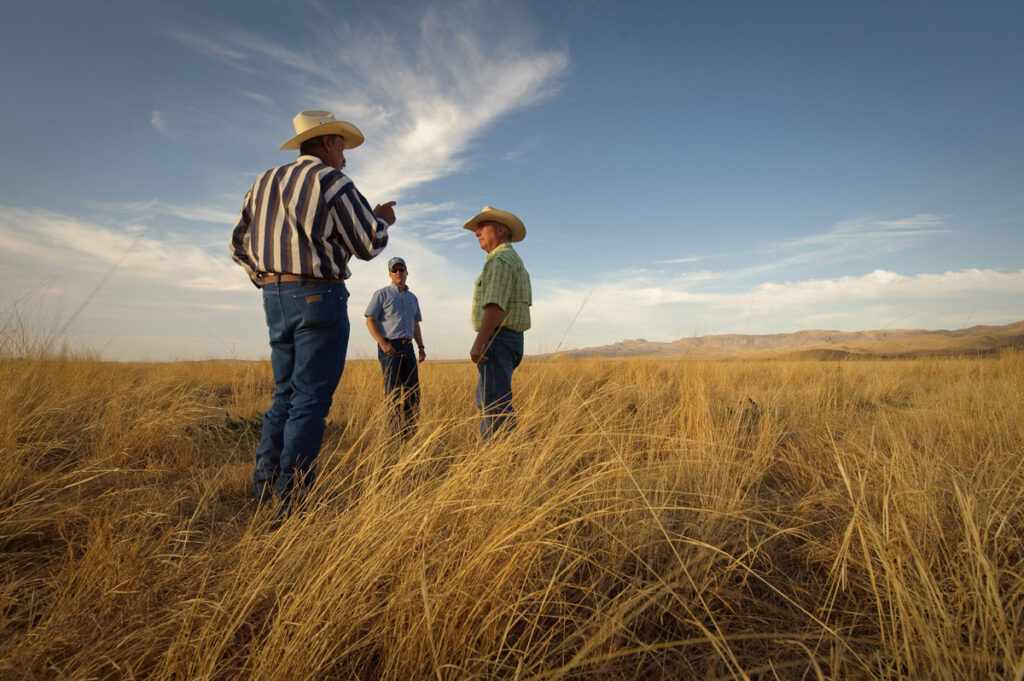
With 70 percent of U.S. lands in private hands and many of our best hunt and fish opportunities occurring there, investing in voluntary conservation on working lands safeguards access, strengthens habitat and water quality, and ensures resilient landscapes.

Learn More
What TRCP is Doing

We champion policies and programs that restore wildlife habitat, improve soil and water health, and keep working lands productive.

 Ward Burton
How Sportsmen are Doing It Right

Ward Burton's Story

Ward Burton’s NASCAR driving career stretched across most of two decades. As an avid sportsman and conservationist, he founded the…

Special Places
Why It Matters

Special Places Worth Protecting

America’s most iconic landscapes provide unmatched habitat and unforgettable days afield. These places sustain wildlife, anchor local economies, and define the hunting and fishing traditions we pass down.

What TRCP is Doing

We’re working to conserve special places that provide world-class habitat and unforgettable opportunities for hunters and anglers.

 Franklin Adams
How Sportsmen Are Doing It Right

Franklin Adams's Story

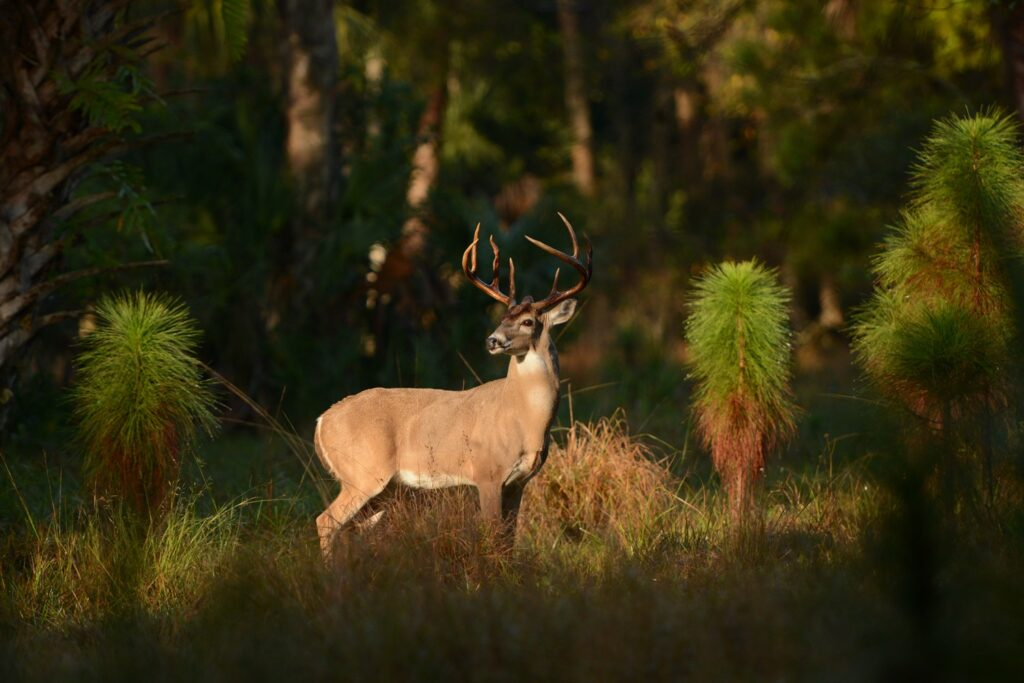
As a true Gladesman, conservationist, and historian, Capt. Franklin Adams has spent more than six decades championing Everglades restoration efforts…

Habitat & Clean Water
Why It Matters

Healthy Habitat Powers Every Pursuit

All hunting and fishing opportunities depend on quality habitat, from clean water and healthy wetlands to winter and summer habitats and the migration corridors that connect them.

All About Habitat & Clean Water
What TRCP is Doing

We are working to safeguard the habitats that power every hunting and fishing opportunity.

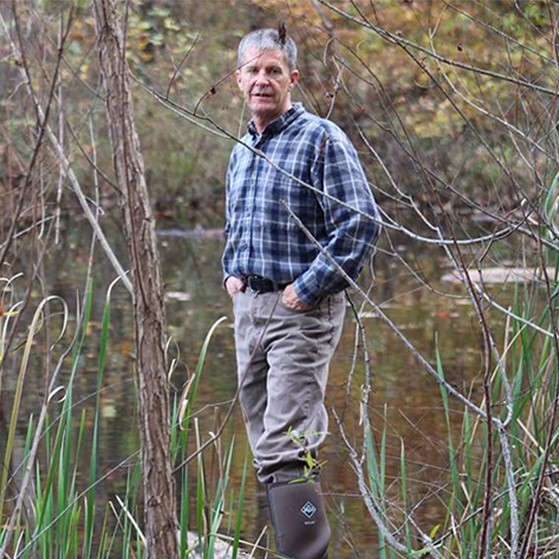
 Alex Harvey
How Sportsmen Are Doing It Right

Alex Harvey's Story

Alex Harvey, founder of Legacy Land Management, is a registered professional forester in Mississippi and Alabama with a Master's degree…

Science
Why It Matters

Science That Guides TRCP

From conserving migration corridors and wetlands to ensuring clean water and resilient landscapes, science provides evidence that turns conservation goals into effective action.

Science for Conservation
What TRCP is Doing

For hunters and anglers, science safeguards the experiences we treasure including resilient big game populations, abundant fish, and wild places that endure changing social landscapes.

Jamelle Ellis
Your Science Expert

Jamelle Ellis's Story

Jamelle Ellis joined the Theodore Roosevelt Conservation Partnership in 2022. Jamelle spent the last three years as an environmental sustainability…

Where We Work
Across the Nation

Conservation Across America

TRCP works across the country to ensure hunters and anglers can enjoy healthy fish and wildlife and quality days afield, no matter where they live.

See All Issues
TRCP in Your Region

TRCP works across the country to ensure hunters and anglers can enjoy healthy fish and wildlife and quality days afield, no matter where they live.

Who We Are
Our Mission

To guarantee all Americans quality places to hunt & fish

We unite and amplify our partners’ voices to advance America’s legacy of conservation, habitat, and access.

Our Mission & Values
Our People & Partners
  • Meet the TRCP Team

    Our staff and board members unite and amplify our partners’ voices to advance America’s legacy of conservation, habitat, and access.

    Meet the Team
  • Our Partners

    ‘Partnership’ is in our name. We work with 64 diverse partner groups that represent today’s leading hunting, fishing, and conservation organizations in order to strengthen the sportsman’s voice in Washington, D.C.

    Our Partners
  • Corporate Council

    TRCP’s Corporate Council is made up of diverse corporations that share a common passion for conservation.

    Corporate Council
Our Organization

Looking for more information?

Explore our latest news, policy updates, and conservation resources to get the information you need.

Giving
How You Can Help

To guarantee all Americans quality places to hunt & fish

Your tax-deductible donation will support TRCP's mission, now and into the future.

DONATE
Special Ways to support trcp
  • Capital Conservation Awards Dinner

    The CCAD is one of Washington's best-attended conservation celebrations, featuring dinner, cocktails, and a silent auction.

    Learn More
  • Step Into the Arena

    Help us ensure that our treasured wild habitats and game remain intact for the next generation to enjoy – lend your support to the TRCP’s efforts today!

    Donate
  • Roosevelt Roast

    TRCP has partnered with Afuera Coffee Co. to further our commitment to conservation.

    Learn More
More donation options

Find the best way for you to lend your support. Join one of TRCP’s donor circles for special invitations, premium offerings from outdoor retailers, and more exclusive benefits. Take control of your legacy with planned giving or contribute to special conservation funds.

Other Ways To Give
News
In the Spotlight

TRCP Appreciates Make America Beautiful Again 250 Strategy and Migration Announcements

Efforts will continue progress on habitat, access, and big game migration corridor conservation

Read More

Stay Informed

Receive our newsletter, the Roosevelt Report, right in your inbox. Never miss the latest news in conservation issues.

by:

posted in:

January 21, 2015

stelprdb1267997

Do you have any thoughts on this post?

XHTML: You can use these tags: <a href="" title=""> <abbr title=""> <acronym title=""> <b> <blockquote cite=""> <cite> <code> <del datetime=""> <em> <i> <q cite=""> <s> <strike> <strong>

Comments must be under 1000 characters.

by:

posted in:

The Sportsmen’s State of the Union 2015

November’s elections proved that change is a constant in Washington; today’s majority can swiftly become tomorrow’s minority. But regardless of which party controls the agenda and the gavels of Congress, it remains imperative for America’s hunters and anglers to make clear our priorities: excellent access to quality fish and wildlife habitat. Communicating that message to decision makers is the mission, indeed, the very reason the Theodore Roosevelt Conservation Partnership was created.

2015 promises to bring many changes and challenges, both positive and negative, to the sportsmen’s community. The TRCP and our partners will be closely tracking the following issues, all of which have the potential to significantly impact our ability to hunt, fish and otherwise enjoy what Theodore Roosevelt called “the strenuous life.”

2015 promises to bring many changes and challenges, both positive and negative, to the sportsmen’s community.

Our community of 40 million American hunters and anglers continues to be one of the very few stakeholder groups that pays our own way. Through license fees, excise taxes and membership to groups like Ducks Unlimited and Pheasants Forever, who leverage every federal dollar they receive three or four times, we support our outdoor way of life. While so many citizens expect more from the government, sportsmen are a group of citizens who continue to pay more. We remain one of the very best investments the federal government makes. As an example, this year waterfowl hunters have elected to pay just a little bit more for Duck Stamps, as we asked Congress to raise the price from $15 to $25. Few walk the halls of the Capitol lobbying for increased fees, but sportsmen understand that tomorrow’s outdoor opportunities require conservation today.

2015 may well be the “year of the sage grouse,” but whether this will be a story of failure or a conservation success story for the ages remains to be seen. The continued commitment of state and federal land managers to take the steps necessary for durable conservation of both the bird, and more importantly the sage ecosystem on which hundreds of other species depend, will be vital to sustain both the grouse and species like mule deer and pronghorn antelope. Getting it right on sage grouse now will go a long way towards avoiding a veritable cascade of listing decisions that may well cripple the American West in a way that works for no one.

Public lands hunt
Photo courtesy of Jarred Kay.

On our national forests, the pendulum has swung away from active forest management, resulting in fuels accumulating, an increased risk of wildfire and fish and wildlife habitat in dire need of restoration. Even the most straightforward forest management projects frequently wind up in court, delayed unnecessarily for years while forest conditions deteriorate. A bipartisan, multi-stakeholder opportunity exists to improve the health of our national forests – and subsequently improve the forest-dependent economy. Short-sighted, single solution approaches that seek to return to the other extreme are no more workable than the status quo, but in this Congress TRCP believes the leadership and the will exists for pragmatic forest legislation, sportsmen look forward to being part of that conversation.

Sportsmen readily admit that management challenges exist on America’s public lands, but the sale of those public lands, an idea that seems to arise once a generation or so, remains a worrisome proposition. America’s public lands are interwoven into a sportsmen’s heritage that is more than a century old, and their accessibility to Americans of all stripes stands in stark contrast to the private ownership and moneyed access of privileged European monarchies. Few more un-American ideas exist than the notion that private economic interests should gain title to a large swath of the American legacy, and the TRCP and our partners remain committed to thwarting misguided attempts to sell, transfer or otherwise divest the federal government of its irreplaceable public lands.

Image courtesy of Howard Polskin.

Management challenges are not limited to the land, of course, but also extend to our oceans and coastal resources. Congress in 2015 may well continue to examine the law managing our nation’s fisheries, the Magnuson-Stevens Act, with an eye toward making changes in the next round of reauthorization. 2016 will be the 40th anniversary of the act. Over the past four decades, recreational saltwater fishing has grown up, but the Magnuson-Stevens Act hasn’t kept the pace. Communities that once depended on commercial fishing now just as surely depend on recreational anglers for their economic livelihoods. As congressional leaders from a variety of coastal states review American fisheries management, they would do well to consider the health of recreational fisheries on equal footing with commercial fisheries. The TRCP will continue to stress that ignoring recreational angling equates to bad economic policy.

Opportunities and threats exist, much as they always do. The theme of 2015 will be balance. With a thoughtful and open-minded approach, threats can become opportunities, and the collective interests of all Americans can be addressed. An “us versus them” mentality draws lines in the sand unnecessarily and assures that division remains the status quo.

The TRCP will seek collaboration where we can and defend strongly our rock solid principles where they are threatened. In so doing, we will make sure that the future of hunting and angling dawns bright for future generations of Americans.

by:

posted in:

January 15, 2015

Public lands: Sportsmen’s most precious resource

Growing up in a small farming and ranching community in Central California in the 50s and 60s, I had access to private lands for hunting and fishing.  My brothers and I could literally walk out the back door of our home to hunt for doves and rabbits on our neighbor’s ranch. Larger, family-owned ranches in the area were readily accessible for deer and quail hunting and fishing for coastal steelhead.

Times have changed, and many of the lands I visited as a kid are no longer accessible. Some have been turned into subdivisions, and most of large ranches are either closed to public access, or hunting privileges have been leased to elite clubs where only the wealthy can afford to hunt. Fortunately, I have lived most of my adult life in Colorado and Arizona where there are abundant public lands available to pursue my passions.

Image courtesy of John Hamill.

Opportunities to hunt, fish and recreate on public lands are under attack in nine Western states, however, led by special interests intent on passing legislation that would require the transfer of federal lands to the states. This includes our national forests, national wildlife refuges and public lands managed by the Bureau of Land Management.

Attacks like these are not new. In 2012, the Arizona legislature passed a bill, vetoed by the Gov. Jan Brewer, that would have required Congress to turn over 25 million acres of public lands to the state by the end of 2014. Proposition 120, a ballot measure defeated by two thirds of Arizona voters, would have amended the state’s constitution to “declare Arizona’s sovereignty and jurisdiction over the air, water, public lands, minerals, wildlife and other natural resources within the state’s boundaries.” On the surface this may not seem like such a bad idea. However, when you dig into these proposals you find that the primary motivation can be to facilitate the sale of public lands to private interests to generate revenues and enable development.

Image courtesy of John Hamill.

Western states have a long history of selling their lands. In Nevada, nearly 2.7 million acres of state land have been sold; Utah has sold more than 50 percent of its land grant. The question of how the states would pay for the management of these lands complicates the issue further. Maintaining roads and recreation facilities, fighting wildfires and similar activities require funds that these states simply do not have. The only practical means to raise the funds would be to charge higher user fees, open more lands to development or sell the lands to private interests.

The transfer or “divestiture” of federal public lands to the states poses a threat to hunting and fishing as we know it today. While sportsmen may be frustrated with the federal government’s management of our public lands, transferring public lands to the states and making them available for sale to private interests is not in the best interest of fish and wildlife or hunting and fishing. Sportsmen need to fight to maintain control of and access to our most precious resource: our public lands.

To make you voice heard, I encourage you to write or call your elected official or support organizations like the TRCP, which is leading the fight on behalf of sportsmen. Finally, consider attending the sportsmen’s rallies in Santa Fe, Denver and Boise in the coming months. This is the time for action – not complacency!

by:

posted in:

January 2, 2015

TRCP’s Top 10 Underreported Conservation Stories

Here it is – our Top 10 Underreported Conservation Stories of 2014. These stories comprise a choice cross-section of important conservation-related topics that failed to register with the public over the past 12 months.

Photo courtesy of Eric Petlock.

Right now, these issues couldn’t be more relevant to American citizens and we’d like to refocus attention on the policy debates that have the greatest potential to alter Americans’ abilities to access and enjoy our fish and wildlife, lands and waters.

Conservation of our invaluable natural resources and upholding public access to enjoy these resources is in everyone’s interest, whether you fish for bass, trout or snook or hunt deer, pheasants or ducks – or simply appreciate open spaces and clean water.

Millions of acres of public lands off limits to the American people, a world-renowned – and critically threatened – Alaskan salmon fishery, unprecedented opportunities for restoration of the Gulf of Mexico and the threat to our nation’s public lands heritage – these are among the underreported conservation stories that made the 2014 TRCP list.

ALL TOP 10 STORIES

1. America’s National Forests and Parks for Sale?
2. Money Earmarked for Conservation Gets Spent Elsewhere
3. Budgeting Restrictions for Wildfire Management Burn Up Cash
4. World’s Largest Marine Reserve Embraces Recreational Fishing
5. Regulations for Management of 245 Million Acres of Public Land Being Rewritten for the First Time
6. Public Denied Access to 35 Million Acres of Public Lands
7. Gulf of Mexico Restoration Offers Once-in-a-Lifetime Conservation Opportunities
8. Federal Red Snapper Regulations Have Anglers Seeing Red
9. ‘Not Dead Yet’: Alaska’s Proposed Pebble Mine Still a Threat
10. While California Fights, Western Sportsmen and Ranchers Collaborate – and Win

by:

posted in:

December 19, 2014

Colorado maps its water future

In 2013, Colorado Gov. Hickenlooper directed the state’s water board to develop a strategy to guide water supply decision-making in the state. Fortunately, like hunters and anglers across the Colorado, Gov. Hickenlooper knows that healthy trout streams and productive habitat for elk, mule deer and other game species are essential to Colorado’s $9 billion outdoor economy and our sporting heritage. In fact, he has said that “every conversation about water should start with conservation.” (emphasis added)

Gross Reservoir, Photo courtesy of Jeffrey Beall

On December 10, 2014, the water board delivered the first draft of the state water plan to the governor, but not before over 7000 Colorado sportsmen spoke together in a telephone town hall about it. Callers talked about the importance and potential of conservation efforts, the risks associated with diverting more Colorado River water to the Front Range and how healthy stream flows affect hunters as well as anglers. You can listen to their discussion here.

The draft plan represents one significant milestone on the journey to a secure water future for Colorado, but there are many miles yet to go. The draft plan recognizes that we must protect healthy rivers for fish and wildlife and make more efficient use of our existing resources, but the plan needs to lay out specific directions to actually achieving those goals. Also, the draft plan leaves the door open for risky, large diversions of Colorado River water from the west slope to the Front Range.

In 2015, all Coloradans have an opportunity to tell Gov. Hickenlooper, his water board and others involved in the process exactly how important it is to protect the habitats where we hunt and fish. Visit Colorado Trout Unlimited to send a message to the governor and other officials.

HOW YOU CAN HELP

TRCP has partnered with Afuera Coffee Co. to further our commitment to conservation. $4 from each bag is donated to the TRCP, to help continue our efforts of safeguarding critical habitats, productive hunting grounds, and favorite fishing holes for future generations.

Learn More

You have Successfully Subscribed!

You have Successfully Subscribed!

You have Successfully Subscribed!

You have Successfully Subscribed!