Our Issues
Public Lands
Why It Matters

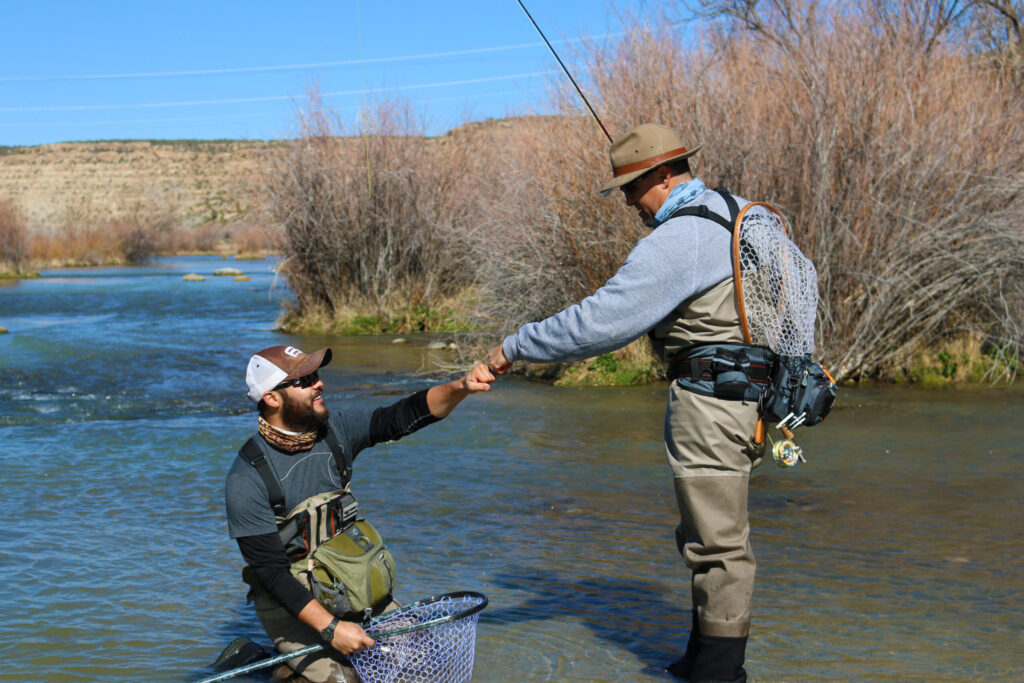
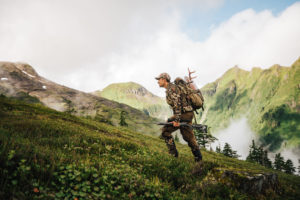
Hunting & Fishing Access

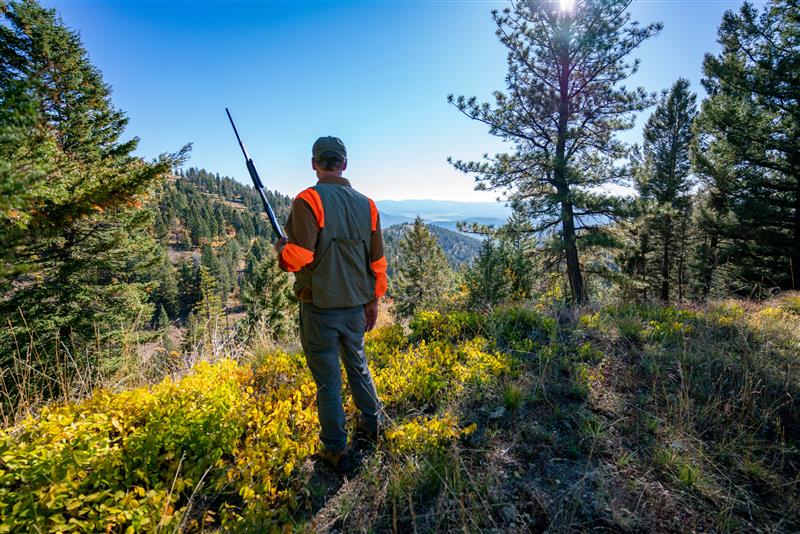
America’s 640 million acres of national public lands provide irreplaceable hunting and fishing opportunities to millions of Americans.

Learn More About Access
What TRCP is Doing

We’re working to safeguard America’s public lands so hunters and anglers always have quality places to pursue their passions.
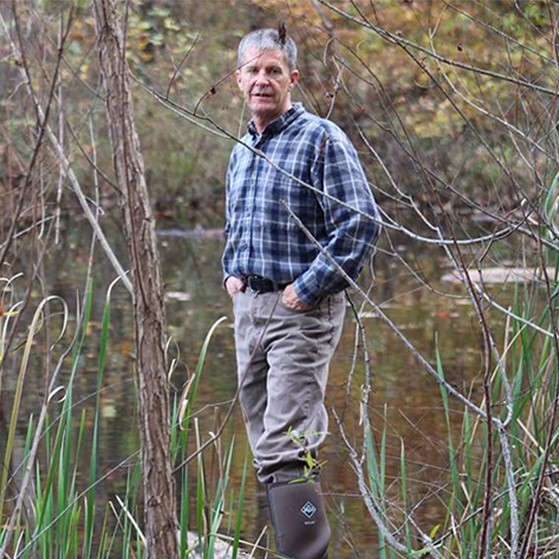
 Brian Flynn, Two Wolf Foundation
How Sportsmen Are Doing It Right

Brian Flynn, Two Wolf Foundation's Story

Following a distinguished career in the U.S. Army, lifelong outdoorsman Brian Flynn returned home from a deployment in Afghanistan and…

Hunting
Why It Matters

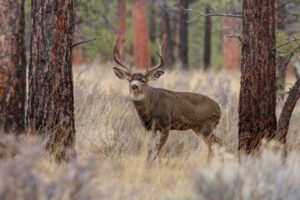
Key Issues for America’s Hunters

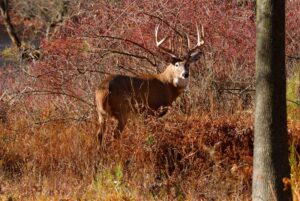
Your source for the latest policy updates, conservation challenges, and opportunities shaping America’s hunting traditions.

What TRCP is Doing

We’re fighting for meaningful policy changes that benefit wildlife, our waters, and the American landscapes that make our outdoor traditions possible.

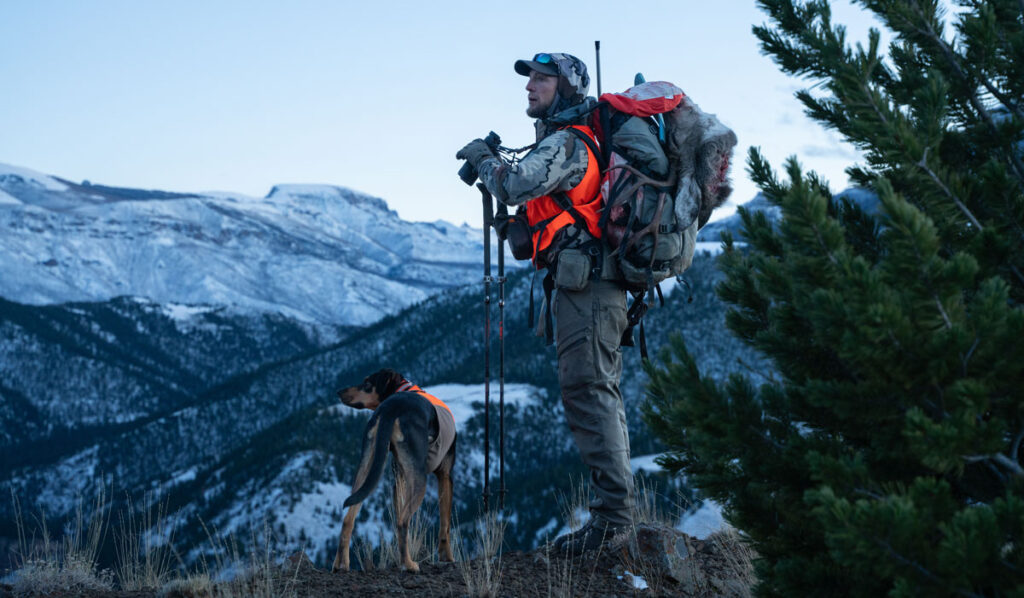
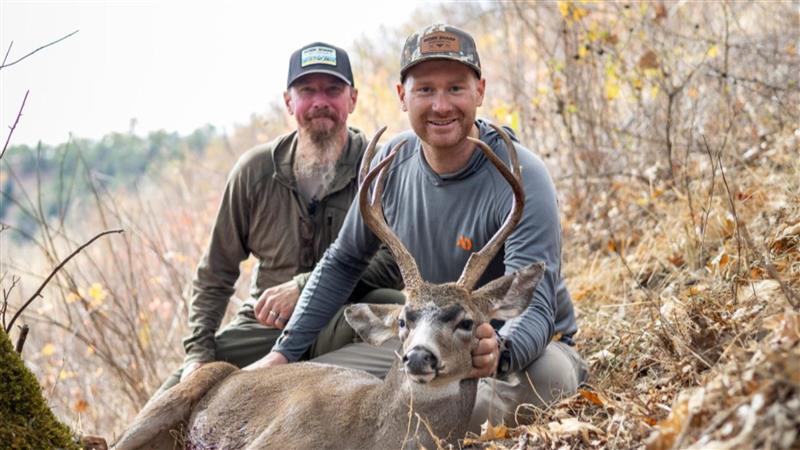
 Ryan Sparks
How Sportsmen Are Doing It Right

Ryan Sparks's Story

TRCP’s “In the Arena” series highlights the individual voices of hunters and anglers who, as Theodore Roosevelt so famously said,…

Fishing
Why It Matters

Key Issues for America’s Anglers

Your source for the latest policy updates, conservation challenges, and opportunities shaping America’s fishing traditions.

What TRCP is Doing

We’re fighting for meaningful policy changes that benefit wildlife, our waters, and the American landscapes that make our outdoor traditions possible.

 David Mangum
How Sportsmen Are Doing It Right

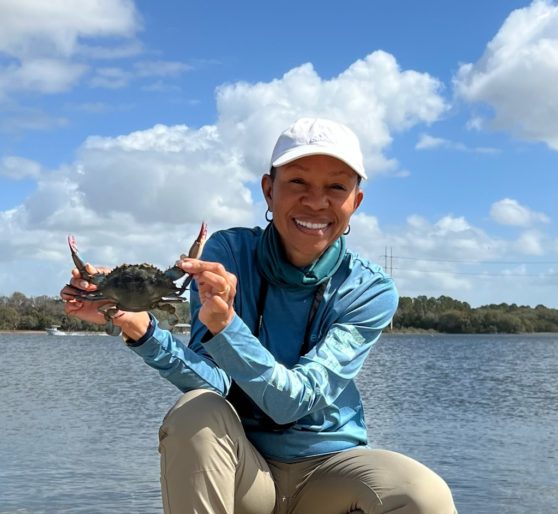
David Mangum's Story

Capt. David Mangum is a YETI ambassador and outdoor photographer who utilizes his talents to produce media that inspire a…

Private Land
Why It Matters

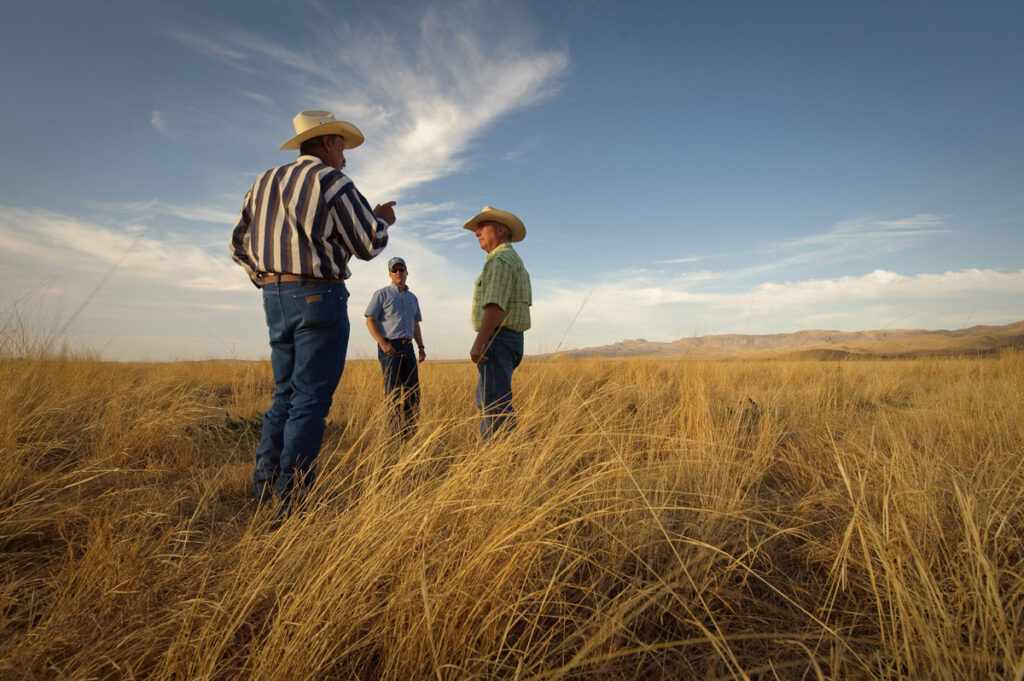
Stewardship on America’s private lands

With 70 percent of U.S. lands in private hands and many of our best hunt and fish opportunities occurring there, investing in voluntary conservation on working lands safeguards access, strengthens habitat and water quality, and ensures resilient landscapes.

Learn More
What TRCP is Doing

We champion policies and programs that restore wildlife habitat, improve soil and water health, and keep working lands productive.

 Ward Burton
How Sportsmen are Doing It Right

Ward Burton's Story

Ward Burton’s NASCAR driving career stretched across most of two decades. As an avid sportsman and conservationist, he founded the…

Special Places
Why It Matters

Special Places Worth Protecting

America’s most iconic landscapes provide unmatched habitat and unforgettable days afield. These places sustain wildlife, anchor local economies, and define the hunting and fishing traditions we pass down.

What TRCP is Doing

We’re working to conserve special places that provide world-class habitat and unforgettable opportunities for hunters and anglers.

 Franklin Adams
How Sportsmen Are Doing It Right

Franklin Adams's Story

As a true Gladesman, conservationist, and historian, Capt. Franklin Adams has spent more than six decades championing Everglades restoration efforts…

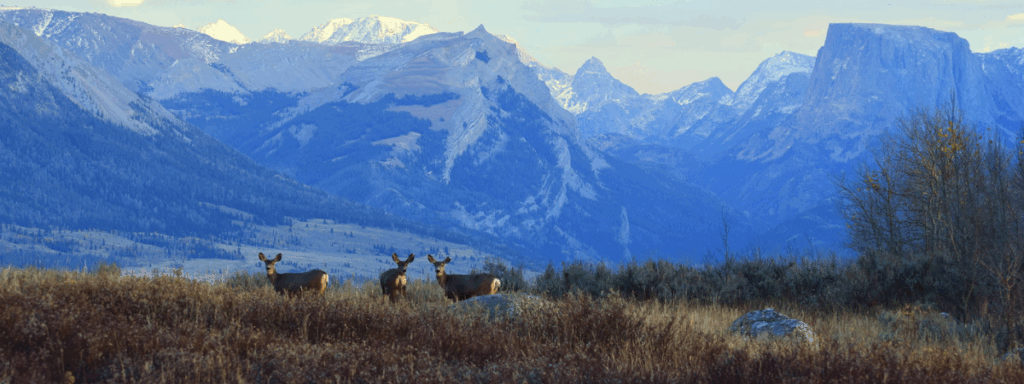
Habitat & Clean Water
Why It Matters

Healthy Habitat Powers Every Pursuit

All hunting and fishing opportunities depend on quality habitat, from clean water and healthy wetlands to winter and summer habitats and the migration corridors that connect them.

All About Habitat & Clean Water
What TRCP is Doing

We are working to safeguard the habitats that power every hunting and fishing opportunity.

 Alex Harvey
How Sportsmen Are Doing It Right

Alex Harvey's Story

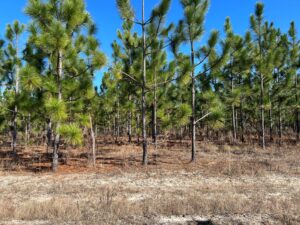
Alex Harvey, founder of Legacy Land Management, is a registered professional forester in Mississippi and Alabama with a Master's degree…

Science
Why It Matters

Science That Guides TRCP

From conserving migration corridors and wetlands to ensuring clean water and resilient landscapes, science provides evidence that turns conservation goals into effective action.

Science for Conservation
What TRCP is Doing

For hunters and anglers, science safeguards the experiences we treasure including resilient big game populations, abundant fish, and wild places that endure changing social landscapes.

Jamelle Ellis
Your Science Expert

Jamelle Ellis's Story

Jamelle Ellis joined the Theodore Roosevelt Conservation Partnership in 2022. Jamelle spent the last three years as an environmental sustainability…

Where We Work
Across the Nation

Conservation Across America

TRCP works across the country to ensure hunters and anglers can enjoy healthy fish and wildlife and quality days afield, no matter where they live.

See All Issues
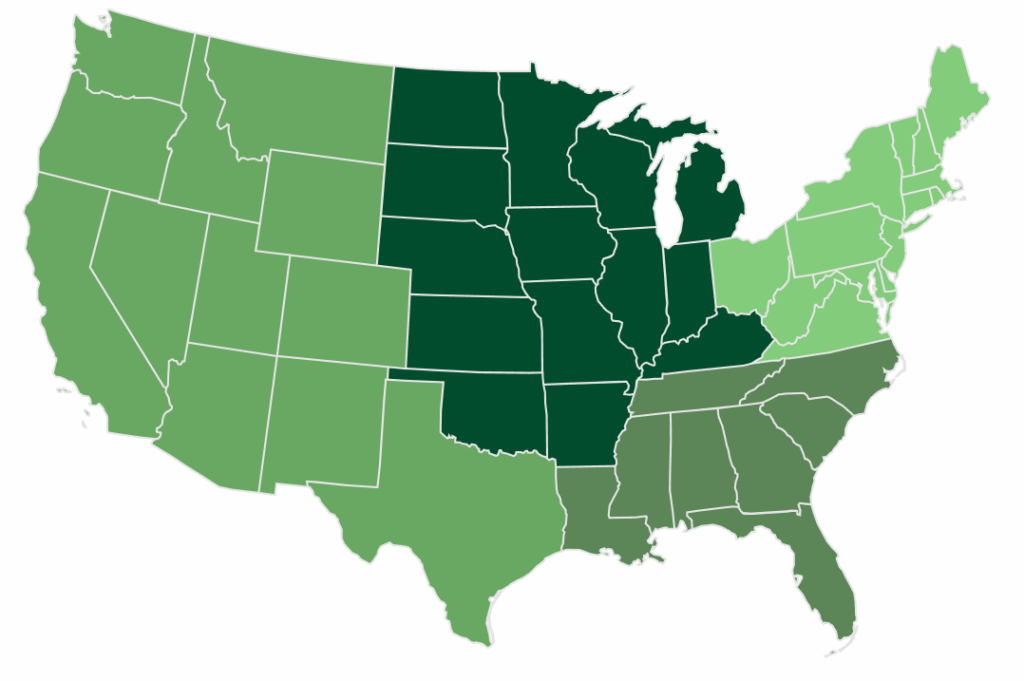
TRCP in Your Region

TRCP works across the country to ensure hunters and anglers can enjoy healthy fish and wildlife and quality days afield, no matter where they live.

Who We Are
Our Mission

To guarantee all Americans quality places to hunt & fish

We unite and amplify our partners’ voices to advance America’s legacy of conservation, habitat, and access.

Our Mission & Values
Our People & Partners
  • Meet the TRCP Team

    Our staff and board members unite and amplify our partners’ voices to advance America’s legacy of conservation, habitat, and access.

    Meet the Team
  • Our Partners

    ‘Partnership’ is in our name. We work with 64 diverse partner groups that represent today’s leading hunting, fishing, and conservation organizations in order to strengthen the sportsman’s voice in Washington, D.C.

    Our Partners
  • Corporate Council

    TRCP’s Corporate Council is made up of diverse corporations that share a common passion for conservation.

    Corporate Council
Our Organization

Looking for more information?

Explore our latest news, policy updates, and conservation resources to get the information you need.

Giving
How You Can Help

To guarantee all Americans quality places to hunt & fish

Your tax-deductible donation will support TRCP's mission, now and into the future.

DONATE
Special Ways to support trcp
  • Capital Conservation Awards Dinner

    The CCAD is one of Washington's best-attended conservation celebrations, featuring dinner, cocktails, and a silent auction.

    Learn More
  • Step Into the Arena

    Help us ensure that our treasured wild habitats and game remain intact for the next generation to enjoy – lend your support to the TRCP’s efforts today!

    Donate
  • Roosevelt Roast

    TRCP has partnered with Afuera Coffee Co. to further our commitment to conservation.

    Learn More
More donation options

Find the best way for you to lend your support. Join one of TRCP’s donor circles for special invitations, premium offerings from outdoor retailers, and more exclusive benefits. Take control of your legacy with planned giving or contribute to special conservation funds.

Other Ways To Give
News
In the Spotlight

In the Arena: Josh Warren

For many hunters and anglers, the connection to conservation begins close to home — in the woods behind the house, along a familiar stretch of river, or through time spent learning from mentors and family. That sense of place is something Joshua Warren carries with him, both personally and professionally. As Director of Marketing at WorkSharp, Josh represents a company rooted in Ashland, Oregon, a community defined by its access to public lands and wild country.

Read More

Stay Informed

Receive our newsletter, the Roosevelt Report, right in your inbox. Never miss the latest news in conservation issues.

by:

posted in:

October 2, 2020

by:

posted in:

October 1, 2020

Proposed Changes to Forest Service Leasing Rule Could Affect Hunting and Fishing

TRCP engages to protect interests of hunters and anglers

From Alaska to California and Minnesota to Puerto Rico, the U.S. Forest Service administers 193 million acres of national forests and grasslands. These landscapes ensure that all Americans have access to clean water, abundant fish and wildlife populations, and outdoor recreation opportunities.

National forest lands are also managed for multiple use, meaning that commercial and industrial activities, like logging and energy development, for example, must be balanced with the land’s value to conservation and outdoor recreation.

But a recent proposal would change the way that oil and gas resources are leased and developed within our national forests, potentially upsetting the balance between multiple uses and affecting our hunting and fishing opportunities.

Here’s why sportsmen and women need to speak up to ensure that our public lands are managed in a balanced way.

The Rules of the Game

It’s no secret that Americans depend on oil and natural gas to drive our cars and heat our houses. Sportsmen and women recognize that we need energy development, but most want to see it done responsibly. There are certain places on our public lands that are incompatible with development, where we must enact safeguards for sensitive habitats and protect special landscapes.

For example, decades of research have shown that energy development has the potential to fragment seasonal habitats for big game. In Wyoming, long-term research on the Pinedale Anticline demonstrated a 36 percent decline in the number of mule deer because of unbalanced development on winter range.

The current process for oil and gas leasing on Forest Service lands is based on a set of rules and procedures developed in 1990, and this framework—which was updated slightly in 2007—has been effective at ensuring our national forests are managed in a balanced way.

First, it’s important to know that even though these are national forest lands, the Bureau of Land Management controls the leasing of subsurface resources. One of the strengths of the existing process is a provision that requires the BLM to consult with the Forest Service and get its consent before leasing a particular parcel.

There have been several recent instances in which energy leases proposed by private interests were halted by the Forest Service’s determination that development would not be compatible with the existing conservation value of these lands. Some noteworthy examples are the Ruby Mountains in Nevada, one of the West’s premier mule deer hunting locations where the TRCP is currently trying to secure permanent protection from development, and the Thompson Divide in Colorado, a world-class elk hunting and trout fishing destination.

But the newly proposed rule would change this consultation requirement and eliminate the need for the BLM to get the Forest Service’s consent before leasing national forest lands. If this change is enacted, important habitat could get tied up for development even if it is widely recognized as incompatible with these activities.

Additionally, under the existing rules, the Forest Service is allowed to apply protective measures called stipulations to guide how energy development must take place in order to protect sensitive resources. Currently, the agency is allowed to apply the stipulations it deems most effective, but the proposed change would require the Forest Service to apply only the “least restrictive” stipulations necessary. This would likely result in fewer precautions and more fragmented habitats on our valuable public lands.

Increased fragmentation could lead to declining fish and wildlife populations and reduced hunting and fishing opportunities.

How You Can Help

The TRCP fully recognizes that oil and gas leasing and development on public lands is a complicated business, especially on national forest lands where the land is managed by the Forest Service while the BLM is responsible for energy leasing. Even so, federal policies must ensure that our best fish and wildlife habitat and outdoor recreation destinations are conserved for current and future generations.

To that end, the TRCP encourages the Forest Service to make changes to the final rule that would:

1) Maintain the requirement for the BLM to receive consent from the Forest Service prior to leasing national forest lands; and

2) Maintain flexibility for the Forest Service to apply protective stipulations that are most effective for protecting resources and achieving intended management outcomes.

The new oil and gas leasing rule is not a done deal yet, and you can make your voice heard during the public comment period through November 2, 2020. If you care about fish and wildlife habitat and outdoor recreation on your public lands, we encourage you to speak up.

Review the Forest Service proposed oil and gas leasing rules here.

Take Action Now


Photo by Tom Hilton via flickr.

by:

posted in:

September 25, 2020

TRCP Opposes Removing Conservation Safeguards in Tongass National Forest

Dramatic policy shift for the Tongass National Forest would open 9.2 million acres of roadless public lands in Alaska to development

Today the U.S. Forest Service moved one step closer to eliminating conservation safeguards in the Tongass National Forest, despite strong objections from many Alaskans and sportsmen and sportswomen across the nation.

For two decades, the 2001 Roadless Area Conservation Rule has successfully conserved vital wildlife habitat in undeveloped swaths of the Tongass, the world’s largest remaining temperate rainforest. Yet today’s release of a Final Environmental Impact Statement that includes a proposal to exempt the Tongass from the Roadless Rule indicates that the Trump Administration will soon reverse that conservation legacy and put these public lands and habitats at risk.

“Hunters and anglers support a lasting solution for the Tongass. Today’s final proposal is not a reasonable long term plan,” said Whit Fosburgh, president and CEO of the Theodore Roosevelt Conservation Partnership. “Local communities depend on balanced uses of these public resources. The decision to exempt the Tongass from the Roadless Rule will only lead to more contention and uncertainty over the future of these lands.”

The Forest Service issued its proposed plan for the Tongass last fall, after the White House instructed the Secretary of Agriculture to roll back a 19-year-old management plan that safeguards habitat for important fish and wildlife species. That directive closely followed an off-the-record meeting between President Trump and Alaska Governor Mike Dunleavy. These actions effectively foreclosed any opportunity for a compromise solution and forced a majority of stakeholders—locally and nationally—to oppose the agency’s proposal.

The Tongass National Forest encompasses nearly 90 percent of the southeastern panhandle of Alaska. Some of the state’s most productive watersheds for salmon rearing and fishing are located within roadless areas of the forest. Eliminating the Roadless Rule in the Tongass will open 9.2 million acres of undeveloped forests to development, potentially undermining the region’s world-class fisheries and impacting vital habitat for Sitka black-tailed deer, black and brown bears, moose, and even Roosevelt elk. These fish and wildlife resources are an important food source for thousands of local families, hold significant cultural value, and provide outstanding opportunities for recreational hunting, fishing, and wildlife viewing that fuel Southeast Alaska’s vibrant tourism industry.

“Eliminating conservation safeguards for millions of acres of productive salmon and Sitka black-tailed deer habitat does not reflect the values of Alaskans and it disregards feedback from nearly a quarter-million Americans who took time to participate in this process,” said Jen Leahy, Alaska Field Representative with the Theodore Roosevelt Conservation Partnership. “Unilateral actions like this rarely stand the test of time; nor should they. The TRCP remains committed to working with our hunting and fishing partners, local communities, business leaders, and decision makers to help establish a durable solution for the Tongass that conserves our public lands and supports sustainable economic growth.”

The Forest Service is expected to issue its final decision as early as October.


Credit: Howie Garber Photography

by:

posted in:

September 24, 2020

Veasey, Graves, and Michaelcheck Receive TRCP’s Conservation Awards

MeatEater’s Steven Rinella and TRCP’s Whit Fosburgh co-hosted the annual awards event in an all-digital format on Wednesday evening

Last night at the organization’s virtual Capital Conservation Awards Dinner, the Theodore Roosevelt Conservation Partnership was proud to honor Representative Marc Veasey (D-Texas), Representative Garret Graves (R-La.), and business leader William J. Michaelcheck for their commitment to bipartisan conservation solutions. MeatEater’s Steven Rinella co-emceed the online event with TRCP’s president and CEO, Whit Fosburgh.

“This year’s honorees share a dedication to commonsense conservation solutions that unite not only decision-makers on both sides of the aisle but also the various factions of the outdoor recreation community,” says Fosburgh. “Whether it’s finding common ground to make federal investments in the health of our wild deer herds, responding to the habitat impacts of sea-level rise and climate change, or rethinking a defunct approach to fisheries management, these champions of conservation have worked for many years to clinch conservation victories and they deserve our thanks as hunters and anglers.”

Michaelcheck, who won the TRCP’s Conservation Achievement Award, is founder and co-chief investment officer of Mariner Investment Group and has been instrumental in the effort to modernize the management of menhaden, a critical bait fish that supports some of the most popular and economically important marine predators.

Congressmen Veasey and Graves were awarded the James D. Range Conservation Award, named after TRCP’s founder.

As House co-chair of the Congressional Sportsmen’s Caucus and member of the Energy and Commerce Committee, Rep. Veasey has advocated for strong investments in outdoor recreation infrastructure, clean water, and wildlife resources—particularly research and testing for chronic wasting disease in deer.

Rep. Graves serves on both the Committee on Natural Resources and the Committee on Transportation and Infrastructure, where he champions critical conservation issues related to transportation, infrastructure, fisheries, and coastal restoration. He also managed the Louisiana Coastal Protection and Restoration Authority under Governor Bobby Jindal, helping to oversee Louisiana’s recovery from the Deepwater Horizon oil spill.

It was the 12th annual dinner but the first-ever all-digital presentation held over YouTube Live. More than 1,200 TRCP supporters viewed the presentation, which featured live remarks and Q&A sessions with the honorees as well as pre-recorded videos from VIPs, including sports stars (and avid outdoorsmen) Bo Jackson and Pete Alonso and Minority Outdoor Alliance Founder Durrell Smith.

The event, which included a silent auction and grand-prize sweepstakes featuring a Michigan turkey hunt with Rinella, raised more than $700,000 to support the TRCP’s mission of guaranteeing all Americans quality places to hunt and fish.

Pre-COVID, the in-person gala has drawn crowds of up to 500 people—including decision-makers, outdoor recreation business leaders, and other champions of conservation—and is known as a can’t-miss conservation event in D.C. Past awardees Sen. Martin Heinrich, Sen. Debbie Stabenow, Rep. Mike Simpson, Rep. Rob Wittman, philanthropist Liz Storer, and Bass Pro Shops’ Johnny Morris were also featured via video last night.

The Capital Conservation Awards Dinner was made possible with the support of the following generous sponsors: Coca-Cola, National Fish and Wildlife Foundation, Shell Oil, Schlumberger, Walton Family Foundation, Yamaha, American Sportfishing Association, Bass Pro Shops, Boone and Crockett Club, L.L. Bean, Matt Cook, FSI, Outdoor Industry Association, Pure Fishing, Range Resources, Tod Sedgwick, Sitka Gear, Vista Outdoor, AFL-CIO, Archery Trade Association, The Baird Group, Browning, Coastal Conservation Association, Everglades Foundation, Costa, Elliotsville Foundation, First Lite, Leupold, Mossy Oak, Natural Resource Results, The Nature Conservancy, Next Era Energy, Outdoor Research, Outtech, Peak Design, Pheasants Forever, PotlatchDeltic, Recreational Boating and Fishing Foundation, RV Industry Association, REI Co-Op, RMS, Shimano, Simms Fishing Products, The Trust for Public Land, Weyerhaeuser, YETI, Association of Fish and Wildlife Agencies, Bonefish and Tarpon Trust, Captains for Clean Water, The Conservation Fund, Contender, Fly Fishers International, Forbes-Tate Partners, Land Trust Alliance, , Mystery Ranch, North American Falconers Association, Power-Pole, Ruffed Grouse Society, Stone Glacier, Property and Environment Research Center, Texas Parks and Wildlife Foundation, United Union of Roofers, Waterproofers, and Allied Workers, Vortex, The Cypress Group, Filson, National Park Foundation, National Wildlife Refuge Association, onX, Sage, The Turner Foundation, Brown-Forman, and New Belgium Brewing.

Click here to watch an uncut recording of last night’s online event.

Next year’s CCAD will be held on April 28, 2021, at the Andrew W. Mellon Auditorium.

by:

posted in:

September 18, 2020

Senate Passes Legislation with Benefits for Fish, Waterfowl, and Deer

The ACE Act breathes new life into successful programs that fund and facilitate habitat restoration and creates an all-new task force to take on a wildlife epidemic

This week, the U.S. Senate passed the America’s Conservation Enhancement Act, which supports investments in wetland and watershed restoration as well as advancements in chronic wasting disease research.

In particular, the ACE Act reauthorizes the North American Wetlands Conservation Act, which leverages private investments to improve millions of acres of waterfowl habitat, and establishes a task force to address the spread of CWD. (Our CEO testified in support of this idea last fall, but also urged House committee members to make robust investments in CWD response.)

The bill also codifies the National Fish Habitat Partnership, which tackles riparian and stream restoration projects through regional coalitions, and reinvests in the Chesapeake Bay Program’s clean water work. (Here’s what it’s going to take to clean up the Bay’s dead zone.)

“We applaud our senators for this latest effort to prioritize fish and wildlife habitat improvements and invest in programs that help put Americans back to work in conservation jobs of every kind,” says Whit Fosburgh, president and CEO of the Theodore Roosevelt Conservation Partnership. “Sportsmen and women are encouraging the House to follow suit and swiftly send the ACE Act to the president’s desk.”

You can still support the ACE Act before the House votes. Take action here.

TAKE ACTION >

Top photo by Tim Donovan/FWC

HOW YOU CAN HELP

TRCP has partnered with Afuera Coffee Co. to further our commitment to conservation. $4 from each bag is donated to the TRCP, to help continue our efforts of safeguarding critical habitats, productive hunting grounds, and favorite fishing holes for future generations.

Learn More

You have Successfully Subscribed!

You have Successfully Subscribed!

You have Successfully Subscribed!

You have Successfully Subscribed!