Our Issues
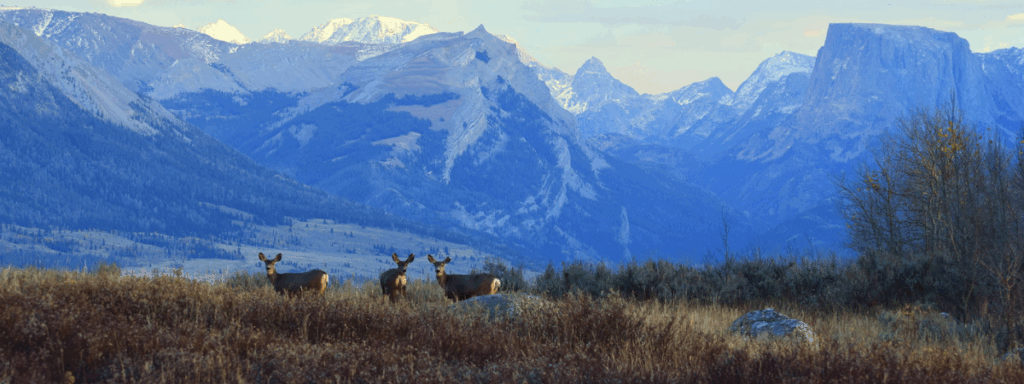
Public Lands
Why It Matters

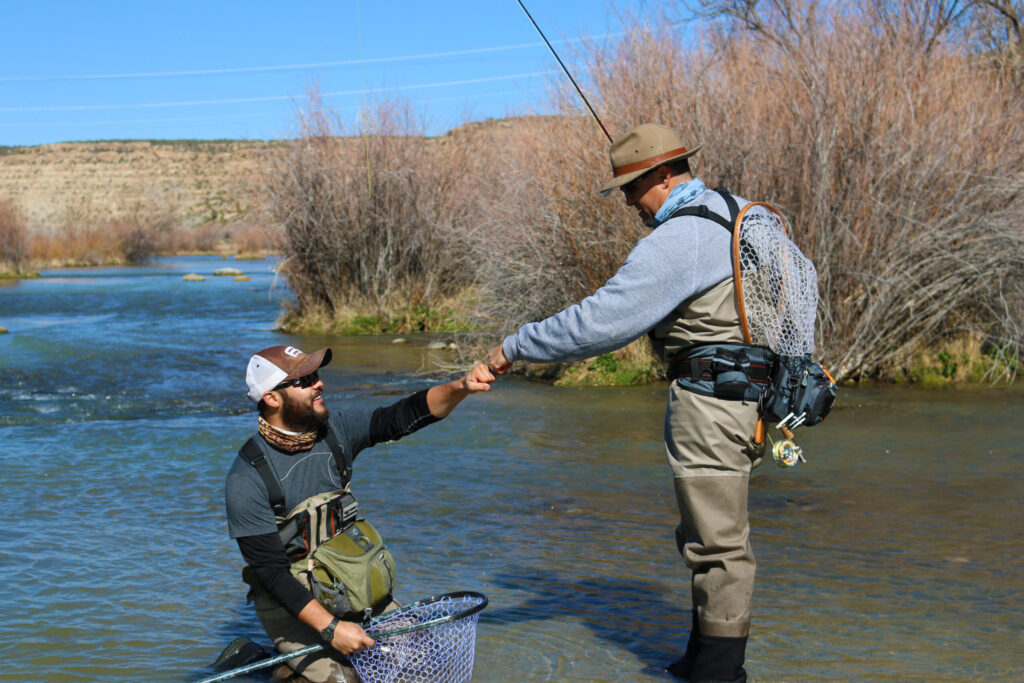
Hunting & Fishing Access

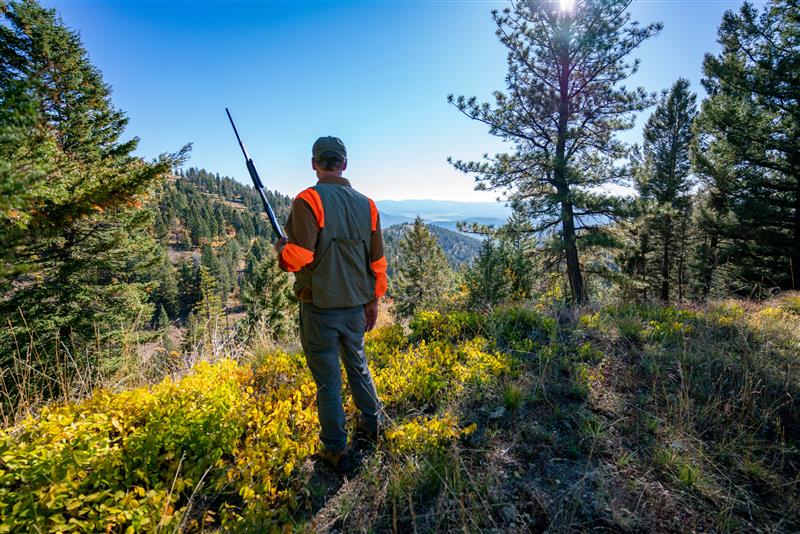
America’s 640 million acres of national public lands provide irreplaceable hunting and fishing opportunities to millions of Americans.

Learn More About Access
What TRCP is Doing

We’re working to safeguard America’s public lands so hunters and anglers always have quality places to pursue their passions.
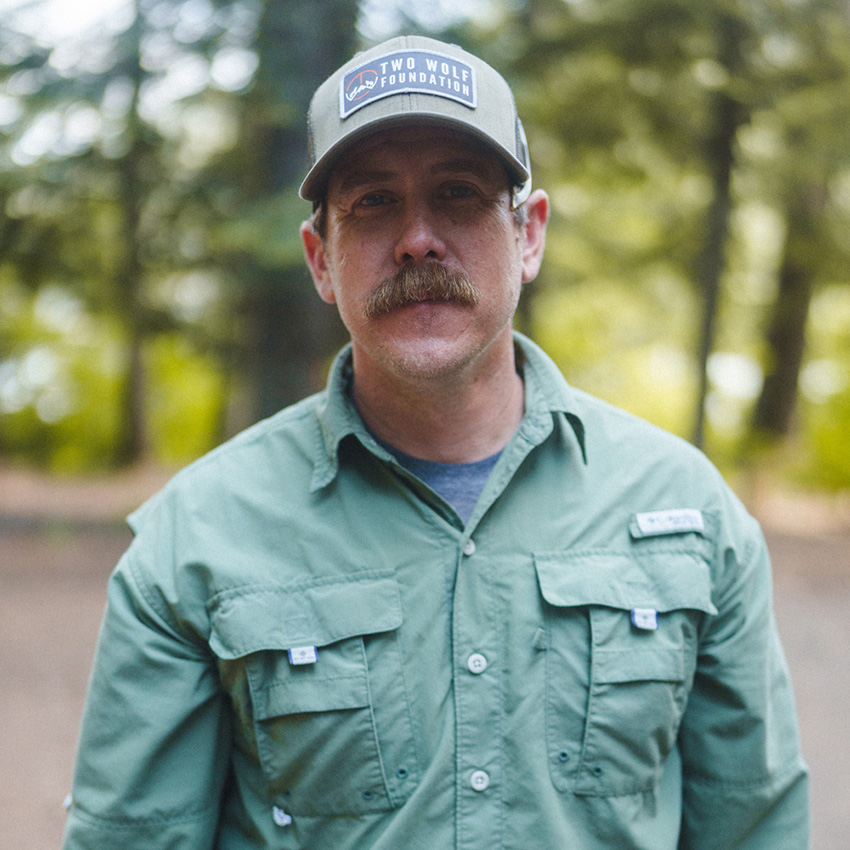
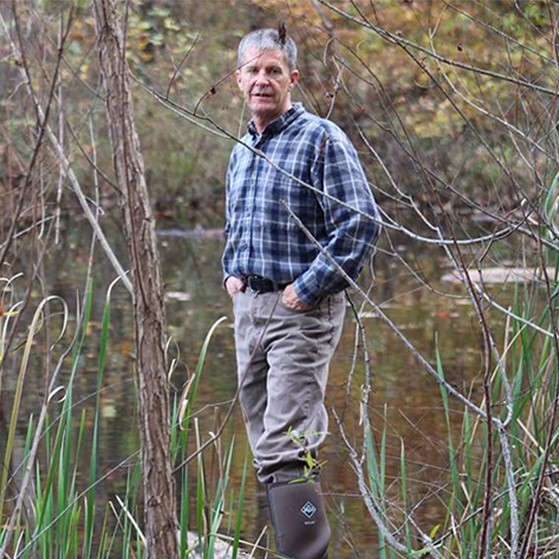
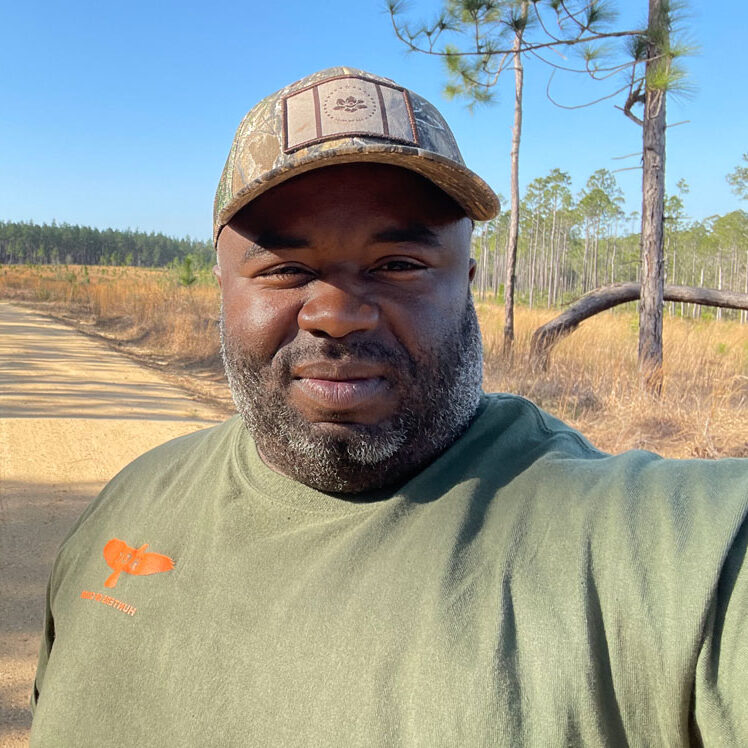
 Brian Flynn, Two Wolf Foundation
How Sportsmen Are Doing It Right

Brian Flynn, Two Wolf Foundation's Story

Following a distinguished career in the U.S. Army, lifelong outdoorsman Brian Flynn returned home from a deployment in Afghanistan and…

Hunting
Why It Matters

Key Issues for America’s Hunters

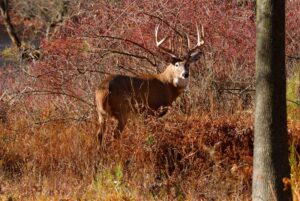
Your source for the latest policy updates, conservation challenges, and opportunities shaping America’s hunting traditions.

What TRCP is Doing

We’re fighting for meaningful policy changes that benefit wildlife, our waters, and the American landscapes that make our outdoor traditions possible.

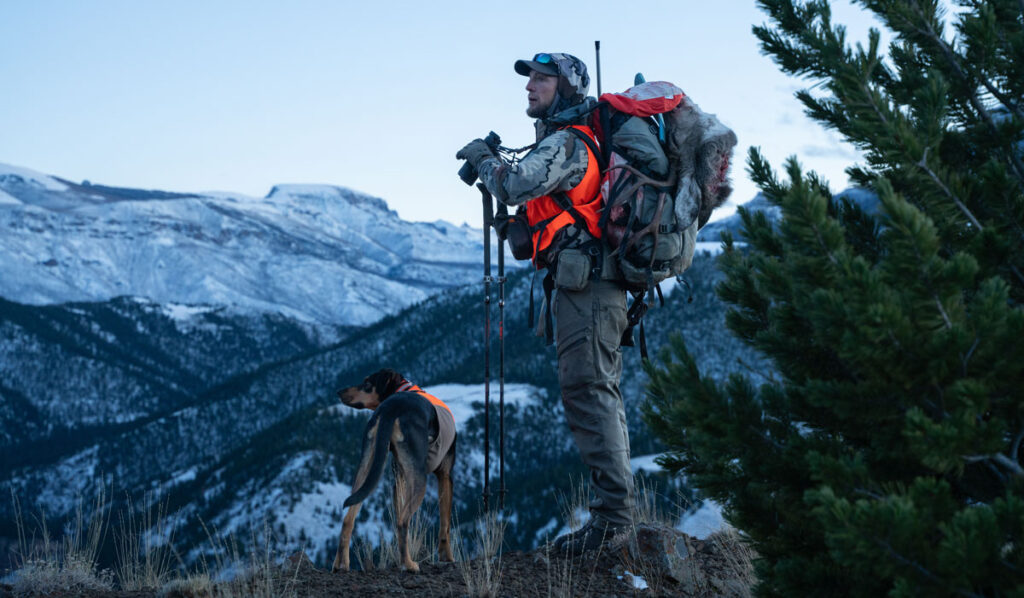
 Ryan Sparks
How Sportsmen Are Doing It Right

Ryan Sparks's Story

TRCP’s “In the Arena” series highlights the individual voices of hunters and anglers who, as Theodore Roosevelt so famously said,…
Fishing
Why It Matters

Key Issues for America’s Anglers

Your source for the latest policy updates, conservation challenges, and opportunities shaping America’s fishing traditions.

What TRCP is Doing

We’re fighting for meaningful policy changes that benefit wildlife, our waters, and the American landscapes that make our outdoor traditions possible.

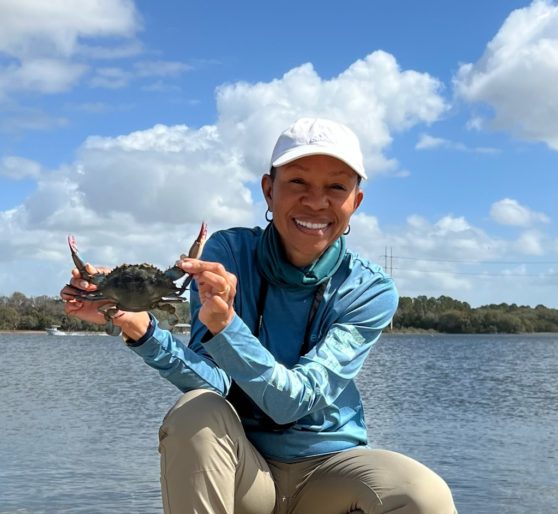
 David Mangum
How Sportsmen Are Doing It Right

David Mangum's Story

Capt. David Mangum is a YETI ambassador and outdoor photographer who utilizes his talents to produce media that inspire a…

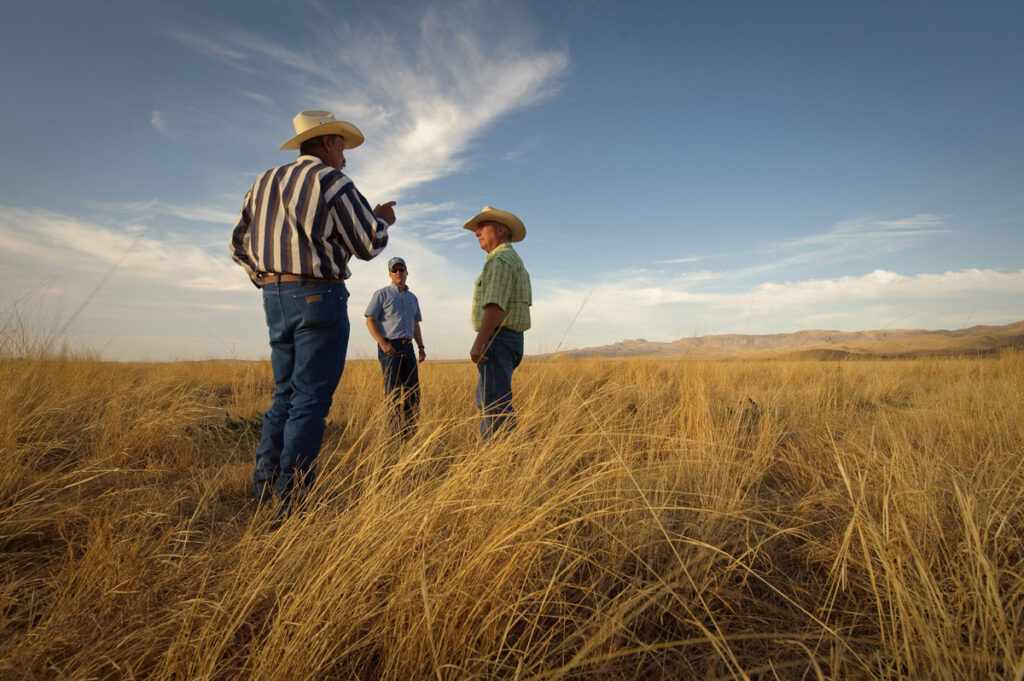
Private Land
Why It Matters

Stewardship on America’s private lands

With 70 percent of U.S. lands in private hands and many of our best hunt and fish opportunities occurring there, investing in voluntary conservation on working lands safeguards access, strengthens habitat and water quality, and ensures resilient landscapes.

Learn More
What TRCP is Doing

We champion policies and programs that restore wildlife habitat, improve soil and water health, and keep working lands productive.

 Ward Burton
How Sportsmen are Doing It Right

Ward Burton's Story

Ward Burton’s NASCAR driving career stretched across most of two decades. As an avid sportsman and conservationist, he founded the…

Special Places
Why It Matters

Special Places Worth Protecting

America’s most iconic landscapes provide unmatched habitat and unforgettable days afield. These places sustain wildlife, anchor local economies, and define the hunting and fishing traditions we pass down.

What TRCP is Doing

We’re working to conserve special places that provide world-class habitat and unforgettable opportunities for hunters and anglers.

 Franklin Adams
How Sportsmen Are Doing It Right

Franklin Adams's Story

As a true Gladesman, conservationist, and historian, Capt. Franklin Adams has spent more than six decades championing Everglades restoration efforts…

Habitat & Clean Water
Why It Matters

Healthy Habitat Powers Every Pursuit

All hunting and fishing opportunities depend on quality habitat, from clean water and healthy wetlands to winter and summer habitats and the migration corridors that connect them.

All About Habitat & Clean Water
What TRCP is Doing

We are working to safeguard the habitats that power every hunting and fishing opportunity.

 Alex Harvey
How Sportsmen Are Doing It Right

Alex Harvey's Story

Alex Harvey, founder of Legacy Land Management, is a registered professional forester in Mississippi and Alabama with a Master's degree…

Science
Why It Matters

Science That Guides TRCP

From conserving migration corridors and wetlands to ensuring clean water and resilient landscapes, science provides evidence that turns conservation goals into effective action.

Science for Conservation
What TRCP is Doing

For hunters and anglers, science safeguards the experiences we treasure including resilient big game populations, abundant fish, and wild places that endure changing social landscapes.

Jamelle Ellis
Your Science Expert

Jamelle Ellis's Story

Jamelle Ellis joined the Theodore Roosevelt Conservation Partnership in 2022. Jamelle spent the last three years as an environmental sustainability…

Where We Work
Across the Nation

Conservation Across America

TRCP works across the country to ensure hunters and anglers can enjoy healthy fish and wildlife and quality days afield, no matter where they live.

See All Issues
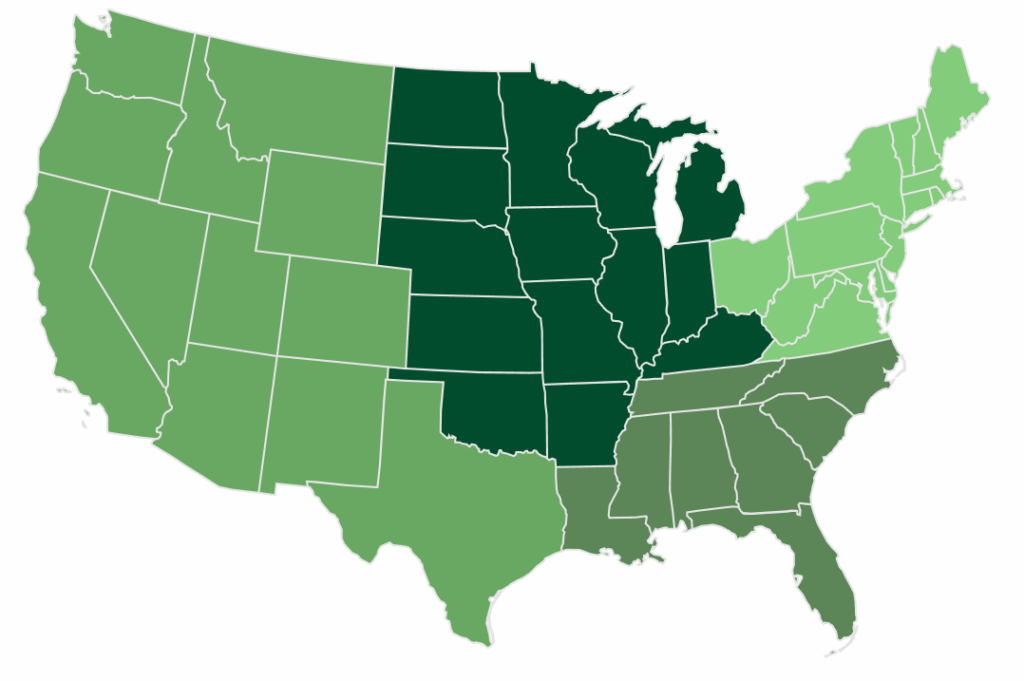
TRCP in Your Region

TRCP works across the country to ensure hunters and anglers can enjoy healthy fish and wildlife and quality days afield, no matter where they live.

Who We Are
Our Mission

To guarantee all Americans quality places to hunt & fish

We unite and amplify our partners’ voices to advance America’s legacy of conservation, habitat, and access.

Our Mission & Values
Our People & Partners
  • Meet the TRCP Team

    Our staff and board members unite and amplify our partners’ voices to advance America’s legacy of conservation, habitat, and access.

    Meet the Team
  • Our Partners

    ‘Partnership’ is in our name. We work with 64 diverse partner groups that represent today’s leading hunting, fishing, and conservation organizations in order to strengthen the sportsman’s voice in Washington, D.C.

    Our Partners
  • Corporate Council

    TRCP’s Corporate Council is made up of diverse corporations that share a common passion for conservation.

    Corporate Council
Our Organization

Looking for more information?

Explore our latest news, policy updates, and conservation resources to get the information you need.

Giving
How You Can Help

To guarantee all Americans quality places to hunt & fish

Your tax-deductible donation will support TRCP's mission, now and into the future.

DONATE
Special Ways to support trcp
  • Capital Conservation Awards Dinner

    The CCAD is one of Washington's best-attended conservation celebrations, featuring dinner, cocktails, and a silent auction.

    Learn More
  • Step Into the Arena

    Help us ensure that our treasured wild habitats and game remain intact for the next generation to enjoy – lend your support to the TRCP’s efforts today!

    Donate
  • Roosevelt Roast

    TRCP has partnered with Afuera Coffee Co. to further our commitment to conservation.

    Learn More
More donation options

Find the best way for you to lend your support. Join one of TRCP’s donor circles for special invitations, premium offerings from outdoor retailers, and more exclusive benefits. Take control of your legacy with planned giving or contribute to special conservation funds.

Other Ways To Give
News
In the Spotlight

TRCP Urges Renewed Collaboration on Colorado River Management

Missed deadline highlights continued need for durable agreement that sustains water, fish, and wildlife - and the outdoor traditions central to the Basin's identity and economy.

Read More

Stay Informed

Receive our newsletter, the Roosevelt Report, right in your inbox. Never miss the latest news in conservation issues.

by:

posted in:

May 5, 2025

Image (48)

Do you have any thoughts on this post?

XHTML: You can use these tags: <a href="" title=""> <abbr title=""> <acronym title=""> <b> <blockquote cite=""> <cite> <code> <del datetime=""> <em> <i> <q cite=""> <s> <strike> <strong>

Comments must be under 1000 characters.

by:

posted in:

May 1, 2025

In the Arena: Capt. John McMurray

TRCP’s “In the Arena” series highlights the individual voices of hunters and anglers who, as Theodore Roosevelt so famously said, strive valiantly in the worthy cause of conservation.

John McMurray

Hometown: Oceanside, New York 
Occupation: Fishing guide/charter boat captain
Conservation credentials: McMurray has been the executive director of the Coastal Conservation Association New York and director of grant programs at the Norcross Wildlife Foundation. He was also a legislative proxy for the Atlantic States Marine Fisheries Commission and served for a decade as New York’s recreational representative on the Mid-Atlantic Fishery Management Council.

Capt. John McMurray hails as a renowned big tuna and striped bass charter captain based on Long Island, New York. The hard-charging captain has been the owner and primary operator of One More Cast Charters, Inc. for more than twenty years, where he charters trips far offshore on seaworthy Contenders and inshore on smaller skiffs. McMurray has been a leader with the New York arm of the Coastal Conservation Association and a long-time advocate for menhaden conservation. He’s also served in the U.S. Coast Guard as a coxswain and law enforcement officer, and for 16 years served as the director of grant programs at the Norcross Wildlife Foundation, which distributed over $20 million in grants that largely targeted the protection of marine fish and habitat. Driven to fish hard for his clients without respite during major runs, he’s out on the water almost every day of the season, rain or shine – including a running timeslot every other Sunday he sets aside to take his son and his friends fishing on what he refers to as “Bro-day.”

McMurray is an oft-published outdoor writer, who currently blogs for the Marine Fish Conservation Network and has had feature articles/photography published in On The Water, Saltwater Fly Fishing, and The New York Times. A decade ago he penned a weekly conservation blog for TRCP.

Here is his story.

No one ever really introduced me to the outdoors. I didn’t really come from an outdoorsy family. Just kinda got into it myself. There was a local pond we’d go to in northern Virginia. I started out with bluegills, graduated to catfish, then largemouths in the Potomac. I later enlisted in the Coast Guard, which brought me to New York, where I discovered striped bass and became a full-on addict. Eventually I got into tuna fishing. At that point fishing kinda became my life.

I guess my most memorable outdoor adventure was at that local pond, there was a “giant” catfish (I’m sure it was probably more than one) that would break people off, stole at least one “dead-sticked” rod. No one could ever land it. Eventually, one year (I think I was 9) I stuck it, did a lap around the pond while a small crowd gathered as I landed it. It was not “big” really, maybe 10 lbs., but back then? It was HUGE! I was an instant legend (in my own mind anyway).

If I could fish anywhere in the world, honestly, it would be Long Island, New York, man. Believe it or not, we’ve got one of THE best fisheries in the world. Incredibly abundant striped bass populations. The sight/flats fishing is GREAT in the spring and the fall blitz fishery is Nat Geo-type stuff. We’ve also got an extraordinary giant tuna fishery within sight of land. Mid-shore the recreational size bluefin fishery is awesome too. Fish in the 150, even 200 lb.-range can be caught on spin gear! Offshore? We’ve got an insane yellowfin tuna fishery. We get 100 lb. fish on poppers regularly.

Conservation enhances what I do because it creates abundance, and abundance equals opportunity. The main conservation challenge off of Long Island is that A LOT of our fisheries revolve around menhaden aggregations. We get the menhaden schools, we get predators.  Every year though, the large-scale processors in Virginia sail purse-seine boats and fly spotter planes up here. They sit right off the 3-mile line and rake up hundreds of thousands of pounds of menhaden, effectively shutting down bluefin and striped bass runs. It REALLY sucks.

If we deplete forage fish stocks, those predator fish ain’t coming around.

I’m involved in conservation efforts out of enlightened self-interest. I need there to be an abundance of both predators and forage fish around to be successful at the catching part. My business emphasizes the experience fishing brings rather than just filling coolers. So a fish in the water is WAY more beneficial than a dead one on the dock. It’s not really how many I can kill that’s important, but how many we can catch.

It’s obvious to me why conservation should matter to our next generation of anglers. We kill too many predator fish now, there won’t be any left for my kids. If we deplete forage fish stocks, those predator fish ain’t coming around. For me, or for future generations.

All images credit John McMurray

by:

posted in:

April 30, 2025

Padilla, Zinke, and Sharkey Receive TRCP’s Conservation Awards

Gala event hosted by MeatEater’s Steven Rinella brought together D.C. luminaries, outdoor industry leaders, and TRCP supporters

At its 17th annual Capital Conservation Awards Dinner, the Theodore Roosevelt Conservation Partnership proudly celebrated the conservation achievements of Senator Alex Padilla (D-Calif.), Representative Ryan Zinke (R-Mont.), and long-time advocate for big game migration corridors, Steve Sharkey.  

The gala event was hosted by Steven Rinella, founder of MeatEater, at the National Cathedral in Washington, D.C. 

“We are thrilled to be presenting our 2024 awards to three leaders who, in the spirit of Theodore Roosevelt, strive valiantly in the worthy cause of conservation: Senator Alex Padilla, Congressman Ryan Zinke, and Steve Sharkey,” said Joel Pedersen, TRCP president and CEO. “Senator Padilla and Congressman Zinke have been instrumental in clinching legislative victories for habitat, access, and conservation funding that will impact hunting and fishing opportunities for years to come. Our event is also a fitting way to celebrate a hunter and passionate advocate who helped create the model for big game migration conservation across the West, Steve Sharkey.” 

Senator Alex Padilla, the first Latino in the U.S. Senate, is a proven collaborator and dedicated conservation advocate. He leads the bipartisan Wildlife Movement Through Partnerships Act to secure permanent funding for big game migration corridors and long-term habitat protection. Padilla introduced legislation to boost funding for the Lower Colorado River Multi-Species Conservation Program, restoring river habitats for fish and wildlife. Additionally, he co-leads the “Fix our Forests Act” to reduce wildfire risk and improve forest health. A champion for water conservation, Padilla is committed to protecting the Colorado River and conserving habitats for wildlife and recreation.  

Congressman Ryan Zinke, a fifth-generation Montanan and former U.S. Navy SEAL, has a strong record in conservation and public lands policy throughout his career in government. Serving as U.S. Representative for Montana’s First District and previously as U.S. Secretary of the Interior, Zinke championed expanding public land access, protecting wildlife migration corridors, and preventing federal land selloffs. In Congress, he co-leads the “Wildlife Movement Through Partnerships Act,” to establish dedicated funding for wildlife migration and the “Public Lands in Public Hands Act,” to require congressional approval for the sale and transfer of public lands. A strong advocate for Montana’s natural heritage, Zinke supports policies balancing conservation with responsible resource management.  

Steve Sharkey, a Director of the Knobloch Family Foundation, the Emily J. Knobloch Foundation, and the Wyoming Stock Growers Land Trust, has long championed the research- and conservation-based approach to migration corridor conservation in Wyoming.  His efforts laid important groundwork that helped make possible the state and national programs that prioritize the conservation of big game migration corridors and winter range across the West. Thanks to Steve’s unwavering commitment, migratory herds now benefit from greater safeguards, and millions of Americans continue to enjoy the wildlife resources they represent.  

The 17th Annual Capital Conservation Awards Dinner was made possible with the support of the following generous sponsors:


The TRCP is your resource for all things conservation. In our weekly Roosevelt Report, you’ll receive the latest news on emerging habitat threats, legislation and proposals on the move, public land access solutions we’re spearheading, and opportunities for hunters and anglers to take action. Sign up now.

by:

posted in:

April 18, 2025

Montana Highway Wildlife Crossings Account to be Established  

House Bill 855 heads to the governor’s desk for signature

Today, House Bill 855—Establish FWP Wildlife Highway Crossings and Accommodations Account, passed out of the Montana Senate with a 38-12 vote. HB 855 now awaits Governor Gianforte’s signature to be signed into law.

After advancing through committees and passing the House of Representatives with enormous support, this legislation is an important step toward reducing wildlife-vehicle collisions in Montana. On top of establishing an account, this legislation will result in a new state license plate that could generate $160k annually. The account could also receive funds from other sources to increase the amount available annually.

Throughout the West, wildlife accommodation infrastructure—including fencing, overpasses, and underpasses—has supported wildlife movement across highways while making our roads safer for motorists. Montana’s high rate of wildlife-vehicle collisions poses a significant threat to public safety and the conservation of big game.

Sponsored by Representative Katie Zolnikov (R-Billings), this legislation will establish the Fish, Wildlife & Parks Wildlife Highway Crossings and Accommodations Account, which will house funding to be used on wildlife accommodation infrastructure in Montana.

“By establishing the Wildlife Highway Crossings and Accommodations Account, Montana is making a commitment to increasing public safety on Montana’s roadways while conserving wildlife,” said Ryan Chapin, Montana field manager at the Theodore Roosevelt Conservation Partnership. “We join the Treasure State’s motorists and hunters and anglers in thanking Representative Zolnikov for her leadership on this bill and the legislature for swiftly advancing this life-saving legislation.”

Learn more about TRCP’s commitment to wildlife migration conservation HERE.

by:

posted in:

April 11, 2025

TRCP Applauds Senate Introduction of Bipartisan Fix Our Forests Act

New legislation seeks to accelerate forest management and restoration, improve wildfire resilience, and enhance collaboration and innovative management strategies. 

Today, the bipartisan Fix our Forests Act was introduced in the U.S. Senate by Senators Sheehy (R-Mont.), Curtis (R-Utah), Padilla (D-Calif.) and Hickenlooper (D-Colo.). A similar version of the bill passed through the U.S. House of Representatives earlier this year with broad bipartisan support. The legislation introduced in the Senate would direct federal agencies to develop new and innovative technologies to address forest health threats, suppress and manage fire more efficiently, and increase the pace and scale of restoration across our forests and watersheds. In addition, the bill would make communities more resilient to wildfire by establishing a Community Risk Reduction Program and improving existing grant programs while also furthering new research.  

“The declining health of our National Forests and the fish and wildlife habitat that they provide is a concern for America’s hunters and anglers,” said Joel Pedersen, president and CEO of the Theodore Roosevelt Conservation Partnership. “TRCP applauds the leadership of Senators Curtis, Sheehy, Hickenlooper, and Padilla for introducing the bipartisan Fix Our Forests Act in the Senate and urges Congress to advance these important forest management provisions and to accompany them with adequate resources and capacity to carry out on-the-ground work.”

In 2024 alone, wildlifes caused more than 8.9 million acres to be burned across the country. The Fix Our Forests Act seeks to provide more arrows in the quiver to help take aim at this challenge through a multitude of solutions. One such policy solution, included in the bill and led by TRCP, would formally recognize the wildfire risk reduction benefits associated with restoration of riparian and wetland habitat, the first such recognition in federal statute. Other provisions of the Fix Our Forests Act will help TRCP partners and other land managers increase forest health and resilience to benefit water resources, wildlife habitat, outdoor recreation and the local communities that depend on them.  

“The Fix Our Forests Act streamlines collaboration between the National Wild Turkey Federation, the USDA Forest Service, and other partners, cutting red tape to accelerate urgent forest restoration and management on federal lands,” said Matt Lindler, NWTF Director of Government Affairs. “This bill ensures we can better manage and conserve vital natural resources for wildlife, hunters and anglers. We are grateful to see the Senate introduce this critical piece of legislation and await the signature from the president.”    

“The health of our nation’s forests is dependent on the rivers, streams, and wetlands that sustain them. Actively conserving and restoring these critical aquatic resources is an important tool that can be used to mitigate the impacts of wildfire and drought, among other threats,” said Alicia Marrs, director of western water for the National Wildlife Federation. “We’re encouraged to see language in the bipartisan Fix Our Forests Act that recognizes the wildfire benefits of aquatic restoration. We look forward to continuing to work with leaders from both sides of the aisle to elevate these common sense and cost-effective approaches to forest and water management for all Americans.”

Top photo credit: Dr. Emily Fairfax


The TRCP is your resource for all things conservation. In our weekly Roosevelt Report, you’ll receive the latest news on emerging habitat threats, legislation and proposals on the move, public land access solutions we’re spearheading, and opportunities for hunters and anglers to take action. Sign up now.

HOW YOU CAN HELP

TRCP has partnered with Afuera Coffee Co. to further our commitment to conservation. $4 from each bag is donated to the TRCP, to help continue our efforts of safeguarding critical habitats, productive hunting grounds, and favorite fishing holes for future generations.

Learn More

You have Successfully Subscribed!

You have Successfully Subscribed!

You have Successfully Subscribed!

You have Successfully Subscribed!