Our Issues
Public Lands
Why It Matters

Hunting & Fishing Access

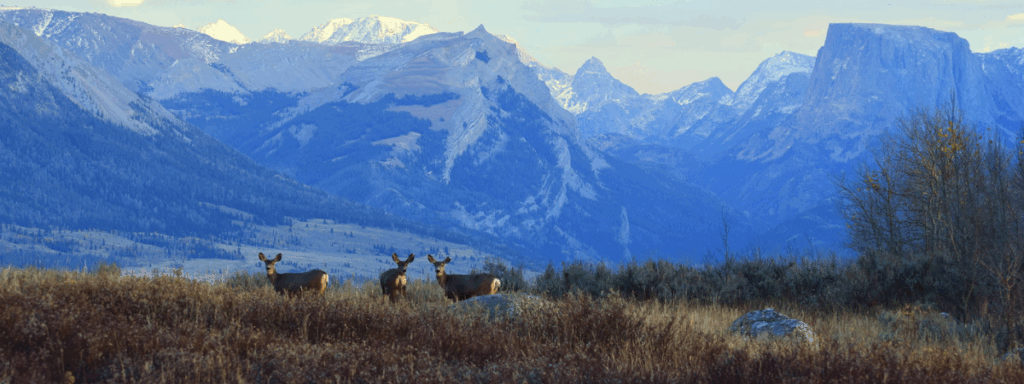
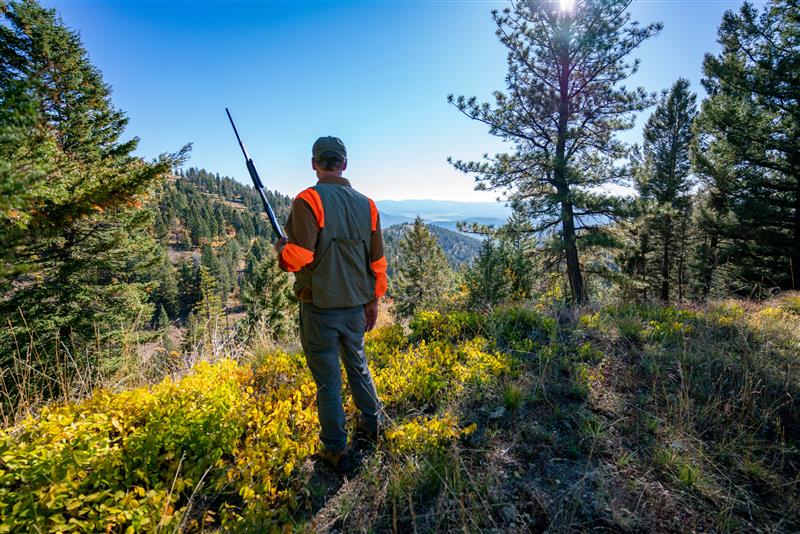
America’s 640 million acres of national public lands provide irreplaceable hunting and fishing opportunities to millions of Americans.

Learn More About Access
What TRCP is Doing

We’re working to safeguard America’s public lands so hunters and anglers always have quality places to pursue their passions.
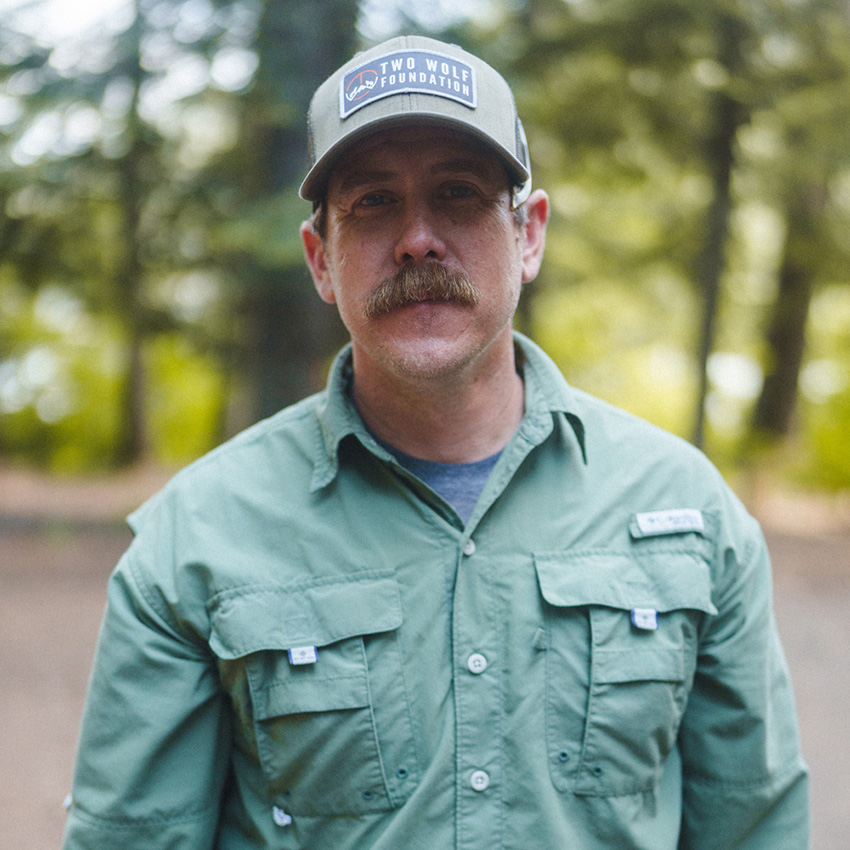
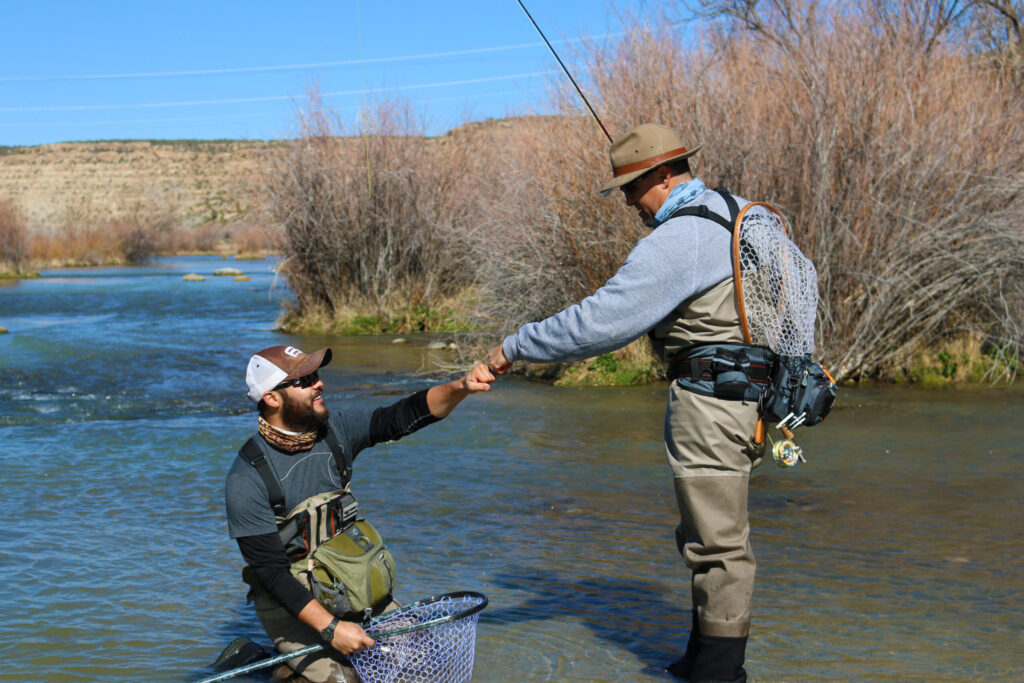
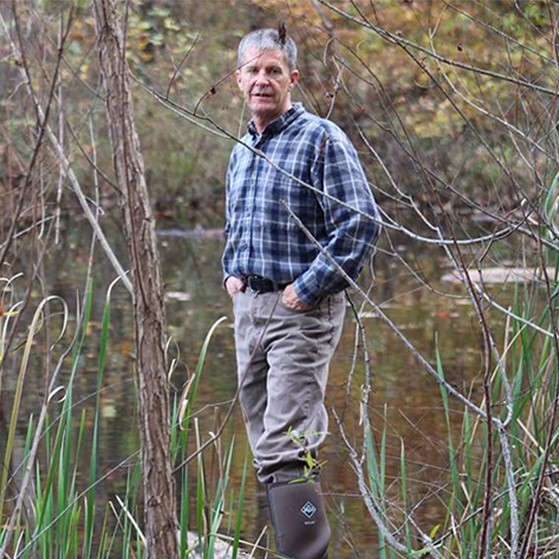
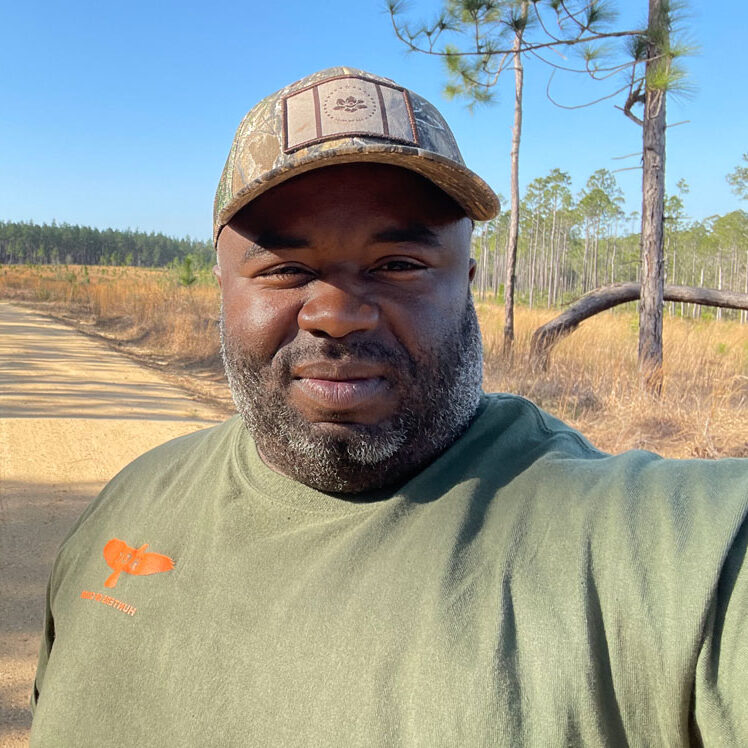
 Brian Flynn, Two Wolf Foundation
How Sportsmen Are Doing It Right

Brian Flynn, Two Wolf Foundation's Story

Following a distinguished career in the U.S. Army, lifelong outdoorsman Brian Flynn returned home from a deployment in Afghanistan and…

Hunting
Why It Matters

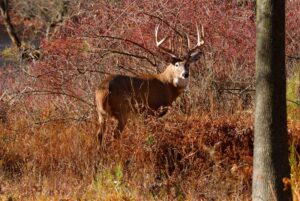
Key Issues for America’s Hunters

Your source for the latest policy updates, conservation challenges, and opportunities shaping America’s hunting traditions.

What TRCP is Doing

We’re fighting for meaningful policy changes that benefit wildlife, our waters, and the American landscapes that make our outdoor traditions possible.

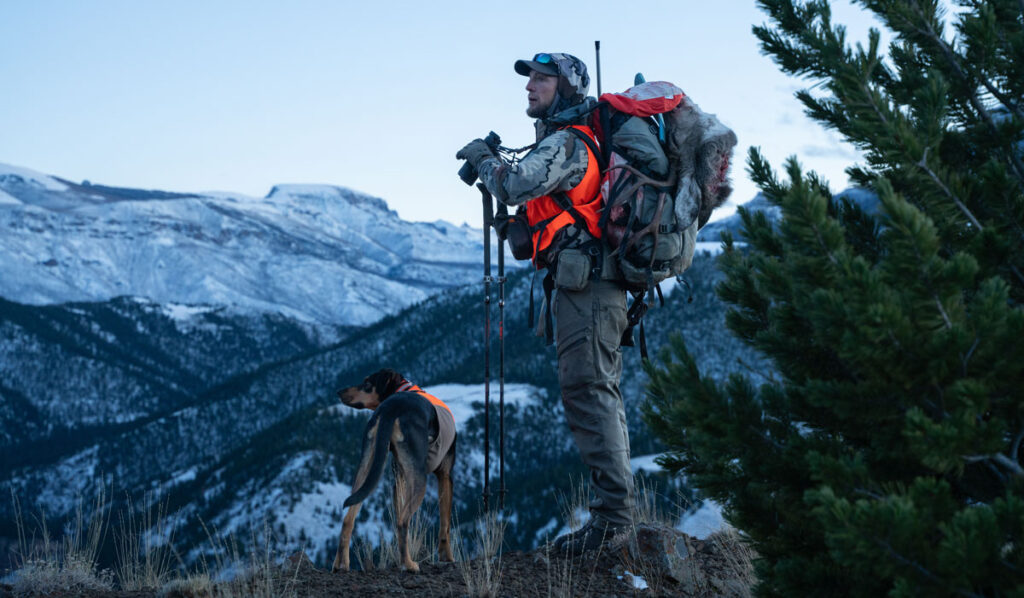
 Ryan Sparks
How Sportsmen Are Doing It Right

Ryan Sparks's Story

TRCP’s “In the Arena” series highlights the individual voices of hunters and anglers who, as Theodore Roosevelt so famously said,…
Fishing
Why It Matters

Key Issues for America’s Anglers

Your source for the latest policy updates, conservation challenges, and opportunities shaping America’s fishing traditions.

Sign Up For Forage Fish Updates
What TRCP is Doing

We’re fighting for meaningful policy changes that benefit wildlife, our waters, and the American landscapes that make our outdoor traditions possible.

 David Mangum
How Sportsmen Are Doing It Right

David Mangum's Story

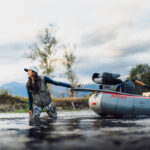
Capt. David Mangum is a YETI ambassador and outdoor photographer who utilizes his talents to produce media that inspire a…

Private Land
Why It Matters

Stewardship on America’s private lands

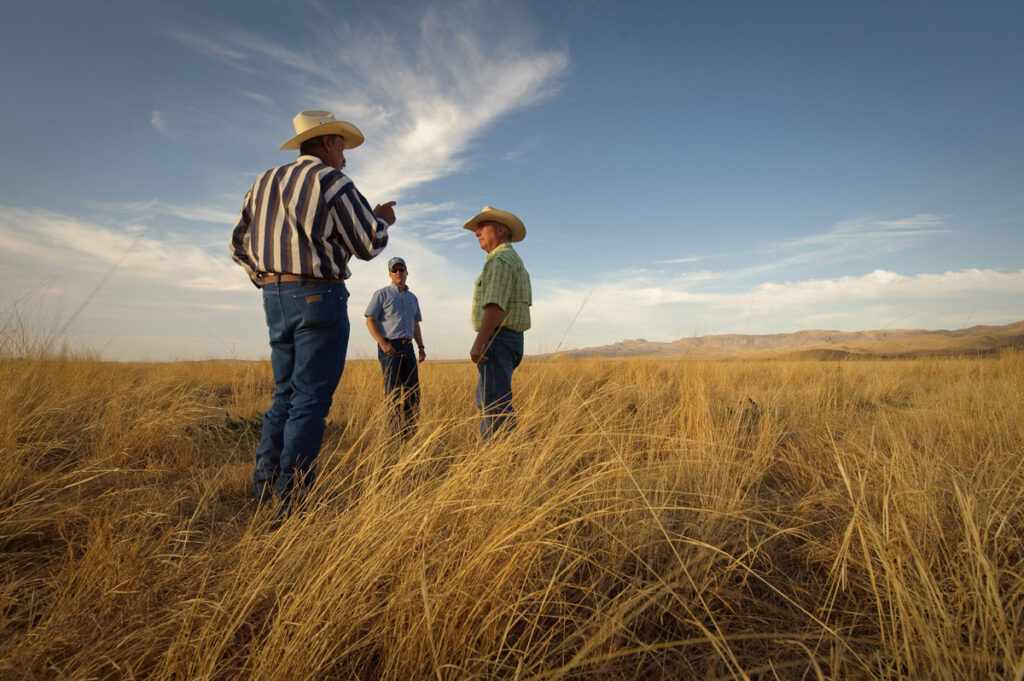
With 70 percent of U.S. lands in private hands and many of our best hunt and fish opportunities occurring there, investing in voluntary conservation on working lands safeguards access, strengthens habitat and water quality, and ensures resilient landscapes.

Take Action - Farm Bill 2026
What TRCP is Doing

We champion policies and programs that restore wildlife habitat, improve soil and water health, and keep working lands productive.

 Ward Burton
How Sportsmen are Doing It Right

Ward Burton's Story

Ward Burton’s NASCAR driving career stretched across most of two decades. As an avid sportsman and conservationist, he founded the…

Special Places
Why It Matters

Special Places Worth Protecting

America’s most iconic landscapes provide unmatched habitat and unforgettable days afield. These places sustain wildlife, anchor local economies, and define the hunting and fishing traditions we pass down.

What TRCP is Doing

We’re working to conserve special places that provide world-class habitat and unforgettable opportunities for hunters and anglers.

 Franklin Adams
How Sportsmen Are Doing It Right

Franklin Adams's Story

As a true Gladesman, conservationist, and historian, Capt. Franklin Adams has spent more than six decades championing Everglades restoration efforts…

Habitat & Clean Water
Why It Matters

Healthy Habitat Powers Every Pursuit

All hunting and fishing opportunities depend on quality habitat, from clean water and healthy wetlands to winter and summer habitats and the migration corridors that connect them.

All About Habitat & Clean Water
What TRCP is Doing

We are working to safeguard the habitats that power every hunting and fishing opportunity.

 Alex Harvey
How Sportsmen Are Doing It Right

Alex Harvey's Story

Alex Harvey, founder of Legacy Land Management, is a registered professional forester in Mississippi and Alabama with a Master's degree…

Science
Why It Matters

Science That Guides TRCP

From conserving migration corridors and wetlands to ensuring clean water and resilient landscapes, science provides evidence that turns conservation goals into effective action.

Science for Conservation
What TRCP is Doing

For hunters and anglers, science safeguards the experiences we treasure including resilient big game populations, abundant fish, and wild places that endure changing social landscapes.

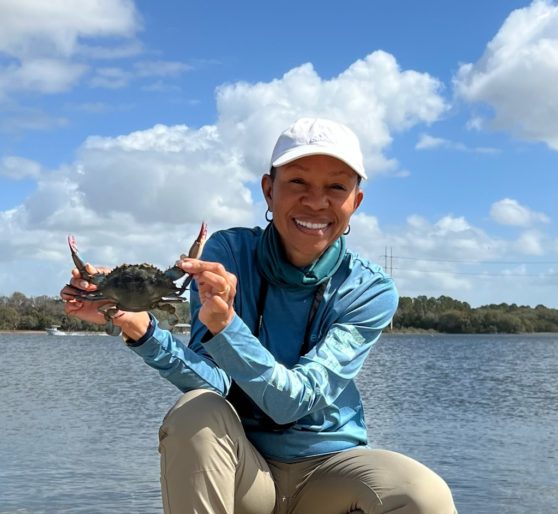
Jamelle Ellis
Your Science Expert

Jamelle Ellis's Story

Jamelle Ellis joined the Theodore Roosevelt Conservation Partnership in 2022. Jamelle spent the last three years as an environmental sustainability…

Where We Work
Across the Nation

Conservation Across America

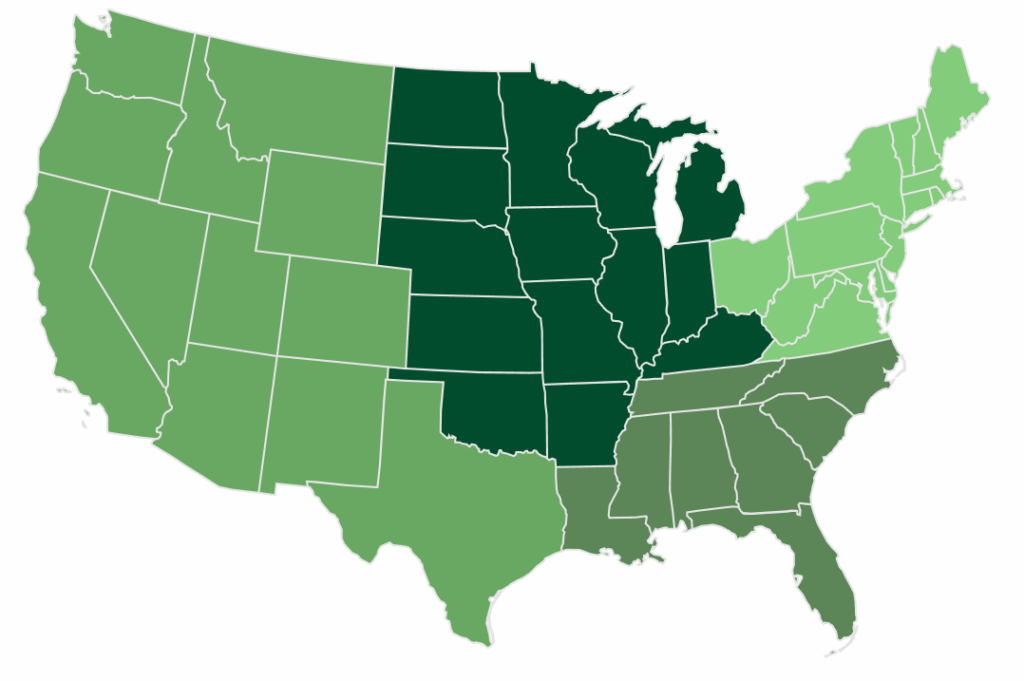
TRCP works across the country to ensure hunters and anglers can enjoy healthy fish and wildlife and quality days afield, no matter where they live.

See All Issues
TRCP in Your Region

TRCP works across the country to ensure hunters and anglers can enjoy healthy fish and wildlife and quality days afield, no matter where they live.

Who We Are
Our Mission

To guarantee all Americans quality places to hunt & fish

We unite and amplify our partners’ voices to advance America’s legacy of conservation, habitat, and access.

Our Mission & Values
Our People & Partners
  • Meet the TRCP Team

    Our staff and board members unite and amplify our partners’ voices to advance America’s legacy of conservation, habitat, and access.

    Meet the Team
  • Our Partners

    ‘Partnership’ is in our name. We work with 64 diverse partner groups that represent today’s leading hunting, fishing, and conservation organizations in order to strengthen the sportsman’s voice in Washington, D.C.

    Our Partners
  • Corporate Council

    TRCP’s Corporate Council is made up of diverse corporations that share a common passion for conservation.

    Corporate Council
Our Organization

Looking for more information?

Explore our latest news, policy updates, and conservation resources to get the information you need.

Giving
How You Can Help

To guarantee all Americans quality places to hunt & fish

Your tax-deductible donation will support TRCP's mission, now and into the future.

DONATE
Special Ways to support trcp
  • Capital Conservation Awards Dinner

    The CCAD is one of Washington's best-attended conservation celebrations, featuring dinner, cocktails, and a silent auction.

    Learn More
  • Step Into the Arena

    Help us ensure that our treasured wild habitats and game remain intact for the next generation to enjoy – lend your support to the TRCP’s efforts today!

    Donate
  • Roosevelt Roast

    TRCP has partnered with Afuera Coffee Co. to further our commitment to conservation.

    Learn More
More donation options

Find the best way for you to lend your support. Join one of TRCP’s donor circles for special invitations, premium offerings from outdoor retailers, and more exclusive benefits. Take control of your legacy with planned giving or contribute to special conservation funds.

Other Ways To Give
News
In the Spotlight

Idaho Passes Wins for Motorist Safety, Habitat Connectivity, and Public Lands

Senate Concurrent Resolution No. 124 and Senate Joint Memorial 111 establish state priorities on conservation and federal public lands.

Read More

Stay Informed

Receive our newsletter, the Roosevelt Report, right in your inbox. Never miss the latest news in conservation issues.

by:

posted in: Highlights

September 28, 2016

Everglades Restoration Clears House Hurdle

House members vote to send the Water Resources Development Act to conference, meaning anglers are one step closer to better fish habitat in at-risk waters

The U.S. House of Representatives has passed the Water Resources Development Act of 2016 (WRDA), which matches Senate-passed provisions to jumpstart much-needed restoration of Everglades fisheries and water quality improvements across the country through strategic use of wetlands, reefs, and other natural infrastructure.

The bipartisan bill would authorize $5 billion in water projects overseen by the U.S. Army Corps of Engineers, including $1.9 billion for the Central Everglades Planning Project, which would fast-track efforts to restore natural water flows, remove pollutants, and reverse algae blooms and other conditions devastating South Florida’s fisheries.

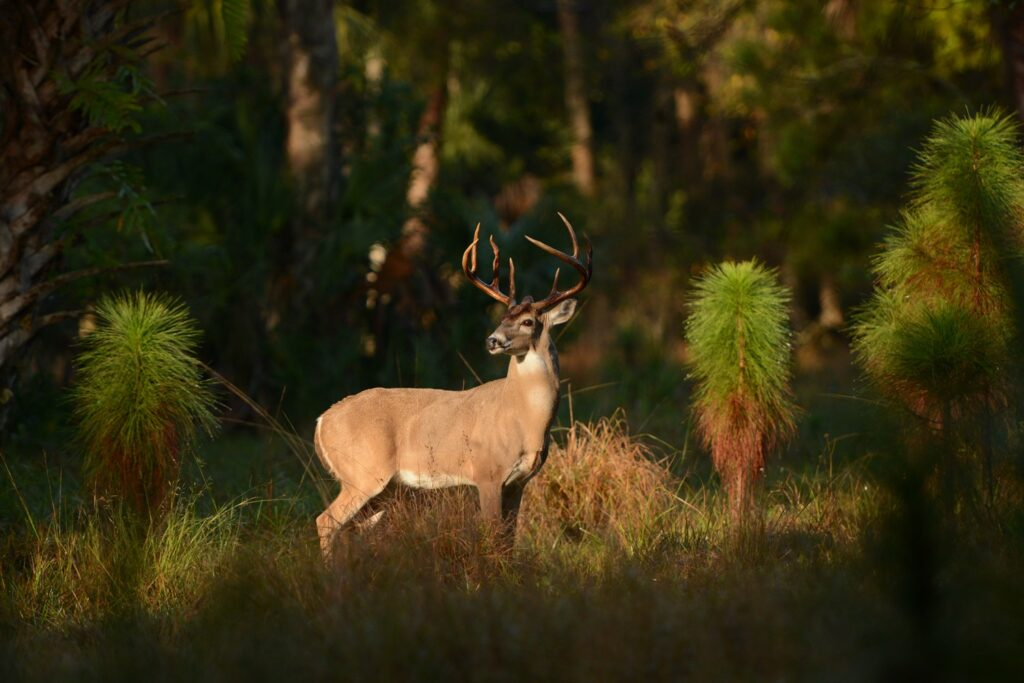
Image courtesy of Fish and Wildlife Commission.

“The sportfishing industry recognizes that it is vital for the Florida Everglades to receive funding as soon as possible to expedite the implementation of multi-year projects that will help fix the water quality and water management challenges that plague south Florida,” says Scott Gudes, vice president of government affairs with the American Sportfishing Association. “These projects have been through an extensive review process and will provide significant environmental benefits by moving more water south from Lake Okeechobee. However, Congressional authorization is required before construction can begin.”

The House bill would also emphasize the use of nature-based infrastructure—like wetlands and dunes Share on X

The House bill would also emphasize the use of nature-based infrastructure—like wetlands, dunes, and reefs—over new man-made structures to reduce flood and storm damage, improve water quality, and protect vital fish and wildlife habitat in the process. This provision, which sportsmen have been calling for since June 2016, was added as an amendment after a strongly bipartisan voice vote.

Similar provisions in the Senate version of WRDA, which passed 95-3 on September 15, would clear a path toward making these conservation measures happen. The two bills will need to be conferenced, with any differences hammered out, before legislation can go to the president’s desk.

“It should be encouraging to sportsmen that Congress is making definitive moves to advance important conservation measures with major impacts for fish, wildlife, and water quality at a time when they are tasked with so much,” says Steve Kline, director of government relations with the Theodore Roosevelt Conservation Partnership. “There will be as much, or more, competing for lawmakers’ attention going into a conference on these bills, but there is no time to lose when it comes to reversing destruction in Florida’s fisheries or prioritizing projects that have mutual benefits for habitat and infrastructure.”

Read about the Senate version of WRDA here.

Learn more about the Everglades fisheries crisis here.

Do you have any thoughts on this post?

XHTML: You can use these tags: <a href="" title=""> <abbr title=""> <acronym title=""> <b> <blockquote cite=""> <cite> <code> <del datetime=""> <em> <i> <q cite=""> <s> <strike> <strong>

Comments must be under 1000 characters.

by:

posted in: Highlights

September 20, 2016

105 Sportsmen Businesses Agree: Don’t Mess With Sage Grouse Conservation

One year after the historic decision not to list the greater sage grouse for endangered species protection, retailers, outfitters, and gear manufacturers from across the country call on Congress to let sage grouse conservation work

Today, more than 100 hunting, fishing, and wildlife-related businesses are asking lawmakers to block attempts to undo collaborative conservation efforts that benefit the greater sage grouse.

As representatives of a $646-billion outdoor recreation industry that depends on sportsmen having access to healthy fish and wildlife habitat, business owners from 14 states have sent a letter that calls on Congressional leadership to oppose language or riders to any legislation that would force the Bureau of Land Management (BLM) and U.S. Forest Service (USFS) to abandon their own sage grouse conservation plans in favor of plans developed by the states.

Image courtesy of Department of Interior.

Almost exactly one year ago, on September 22, 2015, the U.S. Fish and Wildlife Service determined that the range-wide population of greater sage grouse did not warrant protection under the Endangered Species Act, following historic collaboration by federal and state agencies, industry, private landowners, sportsmen, and other stakeholders. This achievement, business leaders write, “should also be seen as a boon for business.”

However, some in Congress are attempting to derail the process by crafting language meant to block the federal conservation plans and attaching it to the only legislation moving in Washington, D.C.—the National Defense Authorization Act (NDAA) and appropriations bills that keep the federal government operating.

“Sportsmen and outdoor business owners across the country are disappointed that Congress continues to play politics with our national defense and other must-pass legislation by attempting to insert unrelated and detrimental language about sage-grouse conservation into bills,” says Ryan Callaghan, marketing manager for First Lite, a hunting clothing company based in Ketchum, Idaho. “Healthy sagebrush is important not only for sage grouse, but also for mule deer, pronghorns, and elk, and to our customers that pursue these species each fall.”

Ed Arnett, senior scientist for the Theodore Roosevelt Conservation Partnership, adds that if language contained in the riders were to become law, it would throw into question decades of statutory precedent, several environmental laws, and the subsequent legal decisions around those laws. “Federal, state, and private landowner efforts are all needed to create on-the-ground results for sage grouse, and the Fish and Wildlife Service’s decision last fall was predicated on all of these plans working in concert,” says Arnett. “Implementation must be allowed to continue.”

Business owners across the Western U.S. are counting on it. “There’s a lot that goes on in Congress that is confusing, frustrating or seemingly unrelated to what we care about as sportsmen, but when your bottom line—not to mention the activities you love and hope to pass on to your grandkids—depends on the health of an entire ecosystem, you pay attention,” says Melissa Herz of Herz Gun Dogs in Bend, Oregon. “We can’t allow the sagebrush landscape, vibrant with 350 species of plants and animals that rely on the same habitat as sage grouse, to become just a pawn in a political game, and we cannot waver on conservation plans that were put in place for good reason.”

The House version of the NDAA has already passed with provisions that would be detrimental to sage grouse conservation. The Senate is expected to consider its version of the bill, which does not include any language on sage grouse, in the coming weeks. Sportsmen’s groups and businesses have made it clear to lawmakers that the best thing they can do for sage grouse is ensure that state and federal land managers get the resources they need to implement their respective plans and that conservation efforts on private lands continue.

Undoing federal conservation plans might be the best way to ensure a listing, which is bad news for just about everyone.

Read the letter from 105 hunting and fishing businesses here.

Learn more about how conditions have improved for sage grouse in the year since the decision not to list the species.

by:

posted in: Highlights

January 21, 2014

Strength in numbers: TRCP unites sportsmen-conservationists at SHOT Show forum

Sportsmen and industry professionals travel from across the country – and, in many cases, from around the world – to attend the Shooting, Hunting and Outdoor Trade Show, or SHOT Show, every year. The show, which took place Jan. 14-17, is the largest and most comprehensive trade show for the shooting, hunting and related industries.

Attendees cite a wide range of reasons for coming to SHOT, and, with attendance at this year’s show topping a record-breaking 67,000, you’d be hard pressed to generalize about why so many consider it a can’t-miss event.

But one explanation resonates throughout the show’s 635,000 square feet of exhibition space and among the more than 1,600 exhibitors: economics.

The hunting and shooting industries have never been stronger in America. Data released by the National Shooting Sports Foundation, which owns and manages SHOT, shows that spending by hunters and shooters had a total impact of more than $110 billion on the U.S. economy in 2011. This supports more than 866,000 jobs.

These numbers won’t surprise many in the sportsmen’s community, including the TRCP and our partner groups, who have been responding to legislative attacks on programs important to hunters and anglers, fish and wildlife, and conservation in America by citing data that illustrates the economic value of hunting, fishing and other forms of outdoor recreation.

Hunting and fishing directly contribute more than $86 billion to the U.S. economy each year and support approximately 1.5 million non-exportable jobs. Sportsmen also are integral to the broader outdoor-recreation and conservation economy, which is responsible for $646 billion in direct consumer spending annually.

There is strength in numbers. Whether those numbers are impressive economic figures or the growing number of sportsmen raising our voices on Capitol Hill, the TRCP is channeling them to promote the outdoor traditions, sporting heritage and vast economic impact of sportsmen by bringing all the stakeholders in our community “to the table” to speak together in a unified voice.

To this end, at the 2014 SHOT Show the TRCP convened our third annual “Sportsmen’s Conservation Forum,” a meeting of some of the greatest minds in conservation, including CEOs, policy experts and influential members of the media, to discuss federal policy impacting sportsmen and the top-line priorities for our community in 2014. More than 40 sportsman leaders – among them U.S. Fish and Wildlife Service Director Dan Ashe, Howard Vincent of Pheasants Forever and Quail Forever, Miles Moretti of the Mule Deer Foundation, “MeatEater” host Steven Rinella and Field & Stream Editor in Chief Anthony Licata – had a wide-ranging dialogue that touched on the federal budget and sportsmen’s values, the next farm bill, public hunting access (and obstacles to access) and the prospects for passage of comprehensive sportsmen’s legislation in 2014.

While the participants are committed hunters and shooters, all of them also have a stake in responsive policy that supports these outdoor traditions. And while the prospects for sportsman-focused policy and legislation in 2014 remain unclear, our community remains unwavering in our commitment to stand strong, present a united front, and show the strength both of our combined numbers and the economic influence of sportsmen – at events like the SHOT Show and elsewhere in the crucially important time to come.

Learn more about the TRCP’s work to promote strongly funded conservation programs and legislative measures important to sportsmen.

by:

posted in: Highlights

December 23, 2013

Wishing You the Best

It doesn’t matter whether you are a bass fisherman in Alabama or a pheasant hunter in South Dakota. America’s century-old commitment to conservation has been driven by sportsmen like you. Now is your chance to uphold America’s conservation legacy. Support our work.

by:

posted in: Highlights

November 8, 2013

“I Will Never Forget”

In many cultures, mountains and water have a special significance and attraction. In China, an ancient song titled “High Mountains and Flowing Water” represents cherished friendship. In the Bible, Psalm 23’s well-known verse three teaches, “He leads me beside quiet waters, he refreshes my soul,” and those of us who pursue fly fishing in the mountains around moving water know the therapeutic value of a day spent on the water.

In 2007, a group in Bozeman decided that this experience would help aid in the recovery of our nation’s wounded warriors from the injuries, both physical and psychological, that they received during the wars in Iraq and Afghanistan. From this idea sprang the Bozeman-based Warriors and Quiet Waters Foundation for which I served as both the volunteer director of fly fishing operations and a board member from 2007-2010. During that time, the program grew from two five-day events to eight events that served 40-50 wounded warriors and their spouses each year.

The typical fishing experience is a five-day event that begins with equipment fitting, compliments of Simms Fishing Products, followed by a day of fly fishing instruction on a local pond; we call it Fly Fishing 101. Events typically conclude with two days of guided fishing and a sight-seeing trip into Yellowstone National Park.

Participants with injuries ranging from bilateral amputations to post-traumatic stress disorder come from military medical facilities across the U.S. and are fully equipped, accommodated and cared for during their stay by a group of dedicated Warriors and Quiet Waters volunteers.

I’ve been fortunate to have been involved with Warriors and Quiet Waters and another great therapeutic fly fishing program, Project Healing Waters, for seven years. During that time, I’ve seen first-hand the palpable impact that time spent in the mountains, around flowing water and fly fishing has on these wounded warriors and vets.

I could tell their stories myself, but the most powerful testimonies come directly from the participants themselves.

Fly fishing has given me a chance to ease my mind. There is no peace quite like being on the river surrounded by surreal beauty with only a friend, Mother Nature and yourself. When I leave the river, I feel rejuvenated and optimistic.”

– Avery, a wounded U.S. Army soldier

“I really wanted to mention the day we had at the creek. I had a great time, and even if I had not caught a single fish it would have still been tops. The scenery was great, the wildlife was awesome and I could have just sat on the bank and imagined I was in heaven. I will never forget my day on the creek. It was like a year’s worth of therapy wrapped into a single moment.”

– John C., U.S. Army Sgt. 1st Class

Testimonies such as these underscore the importance of ensuring that all Americans can enjoy a day on the water or discover the camaraderie forged during trips afield. These experiences would be harder to come by if not for the groundwork laid by the forefathers of conservation like Theodore Roosevelt, Aldo Leopold and others. And groups like the Theodore Roosevelt Conservation Partnership and Trout Unlimited help uphold our nation’s great conservation legacy.

We do this because these high mountains and flowing water experiences change lives, and, in some cases, they even save them. I will leave you with the following story from Chris, a U.S. Air Force wounded warrior:

While I was in the ICU, I died three times, flat-lined. I don’t recall much, except for the last time. The last time I flat-lined I do recall accepting it that my body just could not handle the stress of it any longer. Things were going dark for me, but I remembered a Warriors and Quiet Waters fishing trip that I took to Montana. I was fishing at the place where they filmed the movie A River Runs Through It. I saw the old train tracks, and I saw myself sitting on a rock just fishing, not trying too hard, but just relaxing. It was the most relaxing place ever for me. But, I knew I was going to die and this was it. But when this happened, I pictured my son sitting on the rock with me smiling away as we were fishing. Then, all the alarms were going off in ICU, but I accepted it and then everything went black. Four days or so later I woke up. I was out the entire time. I was told by the nurse I flat-lined three times and almost died. In her words it was a miracle I am still alive.

Images courtesy Dave Kumlien.

HOW YOU CAN HELP

TRCP has partnered with Afuera Coffee Co. to further our commitment to conservation. $4 from each bag is donated to the TRCP, to help continue our efforts of safeguarding critical habitats, productive hunting grounds, and favorite fishing holes for future generations.

Learn More
Subscribe


You have Successfully Subscribed!

You have Successfully Subscribed!

You have Successfully Subscribed!

You have Successfully Subscribed!

You have Successfully Subscribed!