Our Issues
Public Lands
Why It Matters
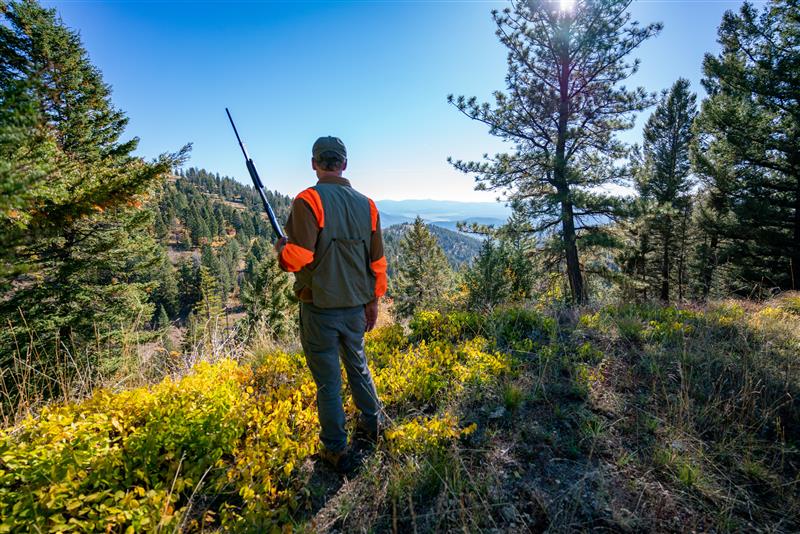
Hunting & Fishing Access

America’s 640 million acres of national public lands provide irreplaceable hunting and fishing opportunities to millions of Americans.

Learn More About Access
What TRCP is Doing

We’re working to safeguard America’s public lands so hunters and anglers always have quality places to pursue their passions.
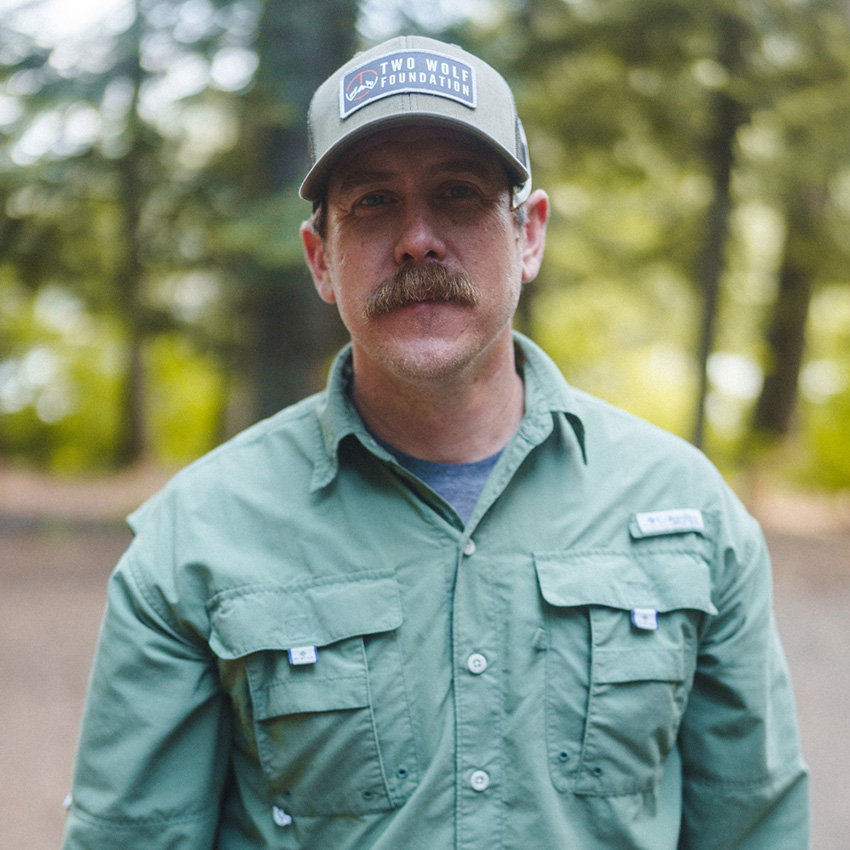
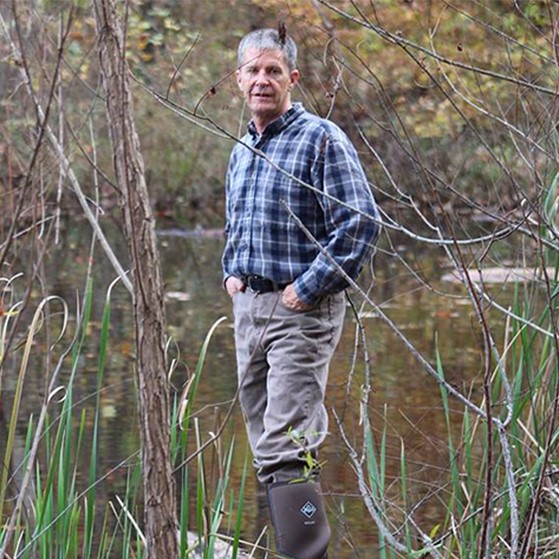
 Brian Flynn, Two Wolf Foundation
How Sportsmen Are Doing It Right

Brian Flynn, Two Wolf Foundation's Story

Following a distinguished career in the U.S. Army, lifelong outdoorsman Brian Flynn returned home from a deployment in Afghanistan and…

Hunting
Why It Matters

Key Issues for America’s Hunters

Your source for the latest policy updates, conservation challenges, and opportunities shaping America’s hunting traditions.

What TRCP is Doing

We’re fighting for meaningful policy changes that benefit wildlife, our waters, and the American landscapes that make our outdoor traditions possible.

 Ryan Sparks
How Sportsmen Are Doing It Right

Ryan Sparks's Story

TRCP’s “In the Arena” series highlights the individual voices of hunters and anglers who, as Theodore Roosevelt so famously said,…
Fishing
Why It Matters

Key Issues for America’s Anglers

Your source for the latest policy updates, conservation challenges, and opportunities shaping America’s fishing traditions.

Sign Up For Forage Fish Updates
What TRCP is Doing

We’re fighting for meaningful policy changes that benefit wildlife, our waters, and the American landscapes that make our outdoor traditions possible.

 David Mangum
How Sportsmen Are Doing It Right

David Mangum's Story

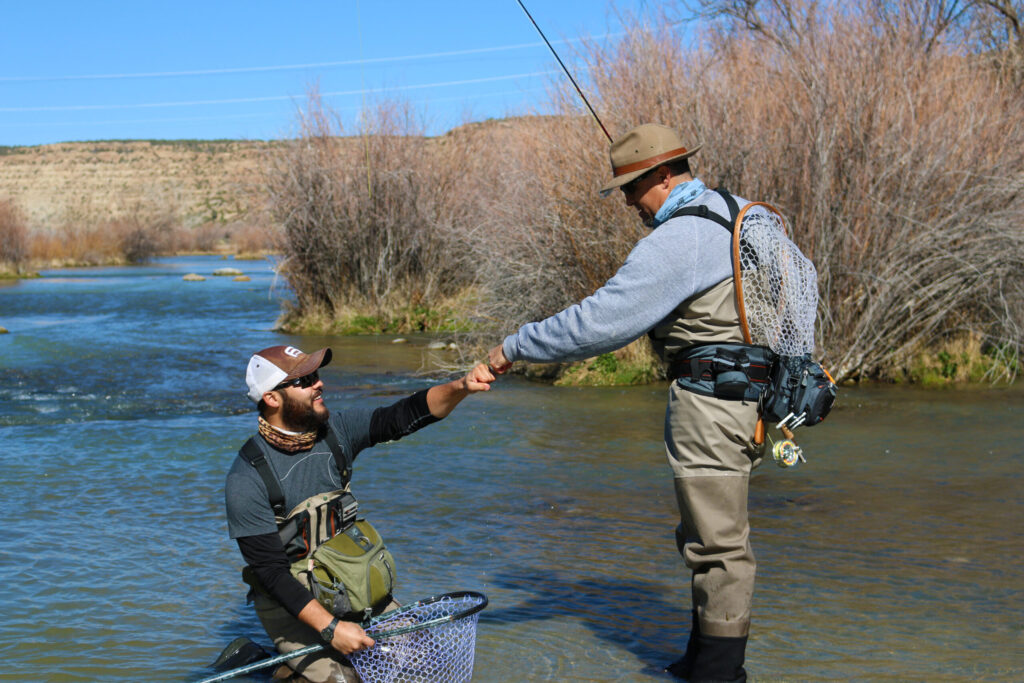
Capt. David Mangum is a YETI ambassador and outdoor photographer who utilizes his talents to produce media that inspire a…

Private Land
Why It Matters

Stewardship on America’s private lands

With 70 percent of U.S. lands in private hands and many of our best hunt and fish opportunities occurring there, investing in voluntary conservation on working lands safeguards access, strengthens habitat and water quality, and ensures resilient landscapes.

Take Action - Farm Bill 2026
What TRCP is Doing

We champion policies and programs that restore wildlife habitat, improve soil and water health, and keep working lands productive.

 Ward Burton
How Sportsmen are Doing It Right

Ward Burton's Story

Ward Burton’s NASCAR driving career stretched across most of two decades. As an avid sportsman and conservationist, he founded the…

Special Places
Why It Matters

Special Places Worth Protecting

America’s most iconic landscapes provide unmatched habitat and unforgettable days afield. These places sustain wildlife, anchor local economies, and define the hunting and fishing traditions we pass down.

What TRCP is Doing

We’re working to conserve special places that provide world-class habitat and unforgettable opportunities for hunters and anglers.

 Franklin Adams
How Sportsmen Are Doing It Right

Franklin Adams's Story

As a true Gladesman, conservationist, and historian, Capt. Franklin Adams has spent more than six decades championing Everglades restoration efforts…

Habitat & Clean Water
Why It Matters

Healthy Habitat Powers Every Pursuit

All hunting and fishing opportunities depend on quality habitat, from clean water and healthy wetlands to winter and summer habitats and the migration corridors that connect them.

All About Habitat & Clean Water
What TRCP is Doing

We are working to safeguard the habitats that power every hunting and fishing opportunity.

 Alex Harvey
How Sportsmen Are Doing It Right

Alex Harvey's Story

Alex Harvey, founder of Legacy Land Management, is a registered professional forester in Mississippi and Alabama with a Master's degree…

Science
Why It Matters

Science That Guides TRCP

From conserving migration corridors and wetlands to ensuring clean water and resilient landscapes, science provides evidence that turns conservation goals into effective action.

Science for Conservation
What TRCP is Doing

For hunters and anglers, science safeguards the experiences we treasure including resilient big game populations, abundant fish, and wild places that endure changing social landscapes.

Jamelle Ellis
Your Science Expert

Jamelle Ellis's Story

Jamelle Ellis joined the Theodore Roosevelt Conservation Partnership in 2022. Jamelle spent the last three years as an environmental sustainability…

Where We Work
Across the Nation

Conservation Across America

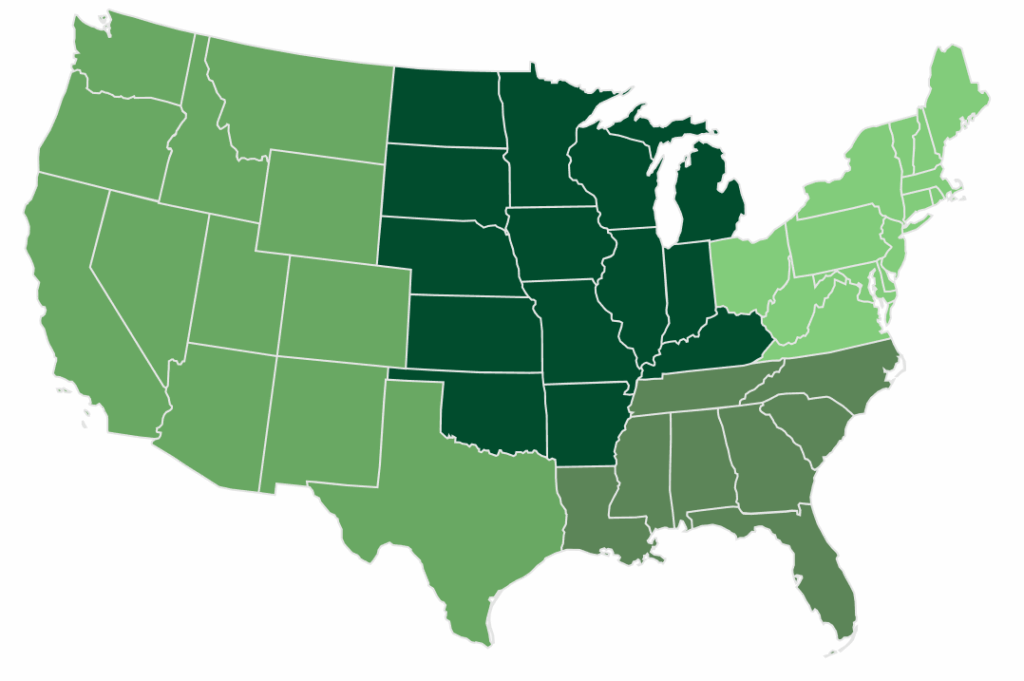
TRCP works across the country to ensure hunters and anglers can enjoy healthy fish and wildlife and quality days afield, no matter where they live.

See All Issues
TRCP in Your Region

TRCP works across the country to ensure hunters and anglers can enjoy healthy fish and wildlife and quality days afield, no matter where they live.

Who We Are
Our Mission

To guarantee all Americans quality places to hunt & fish

We unite and amplify our partners’ voices to advance America’s legacy of conservation, habitat, and access.

Our Mission & Values
Our People & Partners
  • Meet the TRCP Team

    Our staff and board members unite and amplify our partners’ voices to advance America’s legacy of conservation, habitat, and access.

    Meet the Team
  • Our Partners

    ‘Partnership’ is in our name. We work with 64 diverse partner groups that represent today’s leading hunting, fishing, and conservation organizations in order to strengthen the sportsman’s voice in Washington, D.C.

    Our Partners
  • Corporate Council

    TRCP’s Corporate Council is made up of diverse corporations that share a common passion for conservation.

    Corporate Council
Our Organization

Looking for more information?

Explore our latest news, policy updates, and conservation resources to get the information you need.

Giving
How You Can Help

To guarantee all Americans quality places to hunt & fish

Your tax-deductible donation will support TRCP's mission, now and into the future.

DONATE
Special Ways to support trcp
  • Capital Conservation Awards Dinner

    The CCAD is one of Washington's best-attended conservation celebrations, featuring dinner, cocktails, and a silent auction.

    Learn More
  • Step Into the Arena

    Help us ensure that our treasured wild habitats and game remain intact for the next generation to enjoy – lend your support to the TRCP’s efforts today!

    Donate
  • Roosevelt Roast

    TRCP has partnered with Afuera Coffee Co. to further our commitment to conservation.

    Learn More
More donation options

Find the best way for you to lend your support. Join one of TRCP’s donor circles for special invitations, premium offerings from outdoor retailers, and more exclusive benefits. Take control of your legacy with planned giving or contribute to special conservation funds.

Other Ways To Give
News
In the Spotlight

Farm Bill Now: What Hunters & Anglers Have Riding on the Lame Duck 

Congress has until Dec. 31 to finish a bipartisan Farm Bill. Here’s what it means for the places we hunt and fish.

Read More

Stay Informed

Receive our newsletter, the Roosevelt Report, right in your inbox. Never miss the latest news in conservation issues.

by:

posted in:

November 3, 2026

Aaron-Field-photo-VPA-HIP-signage

Do you have any thoughts on this post?

XHTML: You can use these tags: <a href="" title=""> <abbr title=""> <acronym title=""> <b> <blockquote cite=""> <cite> <code> <del datetime=""> <em> <i> <q cite=""> <s> <strike> <strong>

Comments must be under 1000 characters.

by:

posted in:

November 2, 2026

Mark Rehbein joins the TRCP as Vice President of Development

Rehbein is a conservation fundraiser with more than a decade of experience building philanthropic support for fish and wildlife habitat.

The Theodore Roosevelt Conservation Partnership (TRCP) is pleased to announce the hiring of Mark Rehbein as Vice President of Development, bringing more than a decade of conservation fundraising and nonprofit leadership experience to the organization. As the nation’s most impactful conservation coalition, TRCP will draw on his expertise to expand philanthropic support and build lasting relationships with the donors and partners who make its work on behalf of hunters and anglers possible. 

Prior to joining TRCP, Rehbein spent more than 12 years at Bonefish & Tarpon Trust, where he served as director of development and helped drive the organization’s growth. During his tenure, he expanded fundraising programs and cultivated partnerships that supported fisheries research, habitat conservation and advocacy throughout the southeastern United States, the Bahamas, Belize and Mexico. 

A lifelong outdoorsman, Rehbein caught his first fish at age 3 and developed an early love of fishing that eventually grew to include hunting. His early professional experiences took him from Alaska’s Kenai Peninsula to Capitol Hill before his passion for the outdoors ultimately led him to a career in conservation. 

“Mark understands that every conservation success for hunters and anglers starts with people who believe in the work enough to invest in it,” said Liz Ogilvie, TRCP’s chief communications and operations officer. “He has spent his career turning a shared love of hunting and fishing into real gains for fish, wildlife, habitat, and access, and he knows firsthand what it takes to carry our sporting traditions forward. As TRCP heads into its 25th anniversary year, Mark will help us build lasting support for the next generation of hunters and anglers.” 

Rehbein graduated from Elon University and later earned an MBA from Florida International University. He lives in South Florida with his wife and son and enjoys hunting, fishing and exploring public lands and waters with family and friends. 

With this addition, TRCP is well positioned to grow the support needed to guarantee all Americans quality places to hunt and fish. 

Learn more about TRCP’s leadership HERE.  


The TRCP is your resource for all things conservation. In our weekly Roosevelt Report, you’ll receive the latest news on emerging habitat threats, legislation and proposals on the move, public land access solutions we’re spearheading, and opportunities for hunters and anglers to take action. Sign up now.

by:

posted in:

October 30, 2026

State Agencies Partner to Enhance PA Fishing, Boating Opportunities  

Collaboration between Pennsylvania natural resource agencies provides a resource for improving fishing and boating access, while balancing local needs, accessibility, funding, and user satisfaction

With almost 86,000 miles of streams and rivers and nearly 4,000 lakes, ponds, and reservoirs, Pennsylvania offers some of the finest freshwater fishing opportunities in the country. But with a population of 13 million and many waterways flowing through private land, access can be a barrier for many that seek to enjoy these resources. To increase opportunities for recreational and angler access, the Pennsylvania Fish and Boat Commission (PFBC) and the Department of Conservation and Natural Resources (DCNR) have partnered in an effort to enhance recreational water use in the commonwealth by providing a new resource for fishing and boating access managers.

Pennsylvania Fish and Boat Commission

The Pennsylvania Fishing and Boating Access Strategy 2026 provides a framework to guide government agencies and partner organizations in their efforts to connect anglers and boaters to water resources. The intent of this document is to provide tools and resources that will guide managers when developing fishing and boating access sites, improving existing sites, and maximizing accessibility. By developing recommendations that guide decisionmakers when pursuing enhanced access opportunities, this resource can be used to improve water-based recreation while balancing environmental protection, accessibility, funding, and local community needs. This means improved angling opportunities, and ensuring the necessary facilities are available at water-access sites around Pennsylvania.

The project’s primary goal is to help state agencies, local governments, NGOs, and communities plan for improved and increased water access and user satisfaction. While water access sites exist throughout the Commonwealth, they vary greatly in their accessibility from land, condition, and type. Access sites are typically categorized as rustic, enhanced, or developed. Rustic sites have little infrastructure, primitive parking, and are typically for walk-in access. These areas are typically less expensive and require less maintenance. Enhanced sites have more infrastructure, potentially containing improved boat launches, parking, or walkways. The most developed sites have extensive facilities, often including bathrooms, docks, large parking areas, and other amenities. The Access Strategy provides a toolkit to help managers make decisions on which access types may be most appropriate for sites that are being considered for development.    

Boating access, in particular, provides facilities for the launch and retrieval of boats, kayaks or canoes – often with some additional infrastructure, like parking. Boating access is typically at a designated point on a waterway or impoundment, while walk-in access provides a way for anglers to reach a waterway by traveling some distance along a stream to wade or fish from shore. Walk-in access areas often have few amenities and may not include boating access. Identifying and implementing access area types can be challenging, as agencies and organizations must consider many variables that determine where access is needed, which type of access is necessary, and how to best balance the needs of individual sites.      

The Access Strategy provides general recommendations for site selection and methods to evaluate the criteria that must be considered when pursuing opportunities for access. By improving existing access, prioritizing areas where access is lacking, and maximizing accessibility, organizations can optimize access types and placement while making the most efficient use of funds, to the benefit of anglers, boaters, and taxpayers. The document also provides a toolkit that aids in overcoming barriers, a funding matrix, permitting guidance, and a worksheet template for assessing potential sites.

By developing this document, PFBC and DCNR have provided an invaluable resource for agencies and organizations to reference while pursuing increased opportunities for access. Improving and expanding angler access is a key tenet of TRCP’s mission, and we value this partnership’s commitment to connecting more Pennsylvanians to fishing, boating, and outdoor recreation opportunities.

by:

posted in:

October 28, 2026

USDA-NRCS Awards $325 million for Partner-led, Producer-focused Stewardship 

These projects will lead to cleaner water, more and better habitat, and improved agricultural producer outcomes, all good news for hunters, anglers, and landowners alike. 

On Oct. 26, USDA’s Natural Resources Conservation Service (NRCS) announced 42 new Regional Conservation Partnership Program (RCPP) projects, totaling $325 million. Each project will benefit hunters and anglers by creating or improving habitat, reducing erosion and sedimentation, protecting open spaces, or promoting groundwater recharge. We are especially pleased to see that several selected projects will be led by TRCP partners. 

That matters because much of the country’s best fish and wildlife habitat sits on private farms, ranches, and forests. Voluntary conservation with landowners is one of the most effective ways to keep the places we hunt and fish productive. 

The RCPP is an excellent example of NRCS’s partnership-based approach. External organizations like Tribes, states, and NGOs propose ways to deliver targeted, regionally appropriate conservation projects. These public-private partnerships leverage private funding and expertise to amplify the positive impacts of federal investments. They also support coordinated, regional work that creates measurable positive impacts. 

Fish and wildlife don’t stop at property lines, and RCPP works at the landscape and watershed scale they need. It’s one reason TRCP supports strong conservation programs in the Farm Bill. 

So what will these projects actually accomplish? Here are a few examples hunters and anglers should be particularly excited about: 

Arkansas Forests to Farms: Igniting a Private Lands Wildlife Legacy 

This $9.45 million award will support prescribed fire, timber stand improvement, and native plant establishment to restore grasslands and open canopy forests. It will also expand post-harvest rice field flooding. These practices are projected to benefit both local and migratory wildlife, as well as water quality, across approximately 70,000 acres in the top waterfowl-hunting success state of Arkansas (with 1.4 million ducks harvested annually). For waterfowl hunters, that could mean more birds and better hunting in the flooded timber and fields Arkansas is famous for, along with improved habitat for quail, turkey, and deer. 

Southwest Georgia’s Longleaf Landscape 

Longleaf pine forests have declined in both scale and quality across the South, to the detriment of species like northern bobwhite quail and eastern wild turkeys. Tall Timbers has long led the work in reversing those declines. This $10 million award will assist Tall Timbers’ efforts to restore, manage, and permanently protect approximately 6,000 acres of Longleaf pine forest in southwest Georgia. For upland hunters, healthy longleaf forests mean more quail coveys to chase and more gobblers to work in the spring. 

Rice Stewardship Partnership’s Working Lands for Migratory Birds 

The Rice Stewardship Partnership is an excellent example of collaborative conservation between a commodity organization, USA Rice, and a conservation organization, Ducks Unlimited. The Rice Stewardship Partnership is designed to increase seasonal shallow-water habitat acreage on rice-producing land across the Mississippi Alluvial Valley in Arkansas, Mississippi, Missouri, and Louisiana. By meeting the needs of both producers and wildlife, this project has already enjoyed over a decade of successful implementation. The $8.9 million award will build on that success and deliver for migratory birds, especially waterfowl. Duck hunters up and down the Mississippi Flyway stand to see the payoff each fall. 

Ogallala Aquifer Recharge 

In addition to their efforts on flooded rice, Ducks Unlimited is also working to pair groundwater recharge with wildlife habitat by conserving playa wetlands in the Ogallala Aquifer region. Found in High Plains states like Nebraska, Kansas, Colorado, Oklahoma, New Mexico, and Texas, playa wetlands provide critical stopover habitat for waterfowl. They are also the primary recharge mechanism for the rapidly diminishing Ogallala aquifer. This $10 million award demonstrates NRCS’ commitment to projects that benefit wildlife, producers, and rural communities at the same time. Healthy playas mean well-fed birds heading down the Central Flyway and a more secure future for the agricultural communities that host so many hunting opportunities. 

Salt River Watershed Restoration Project

This project combines the expertise and resources of a local conservation district, a state fish and game agency, a national nonprofit, and a federal agency to deliver miles of river restoration. By improving grazing management, upgrading structures to enable fish passage, reconnecting floodplains, and restoring appropriate riparian vegetation, this project will improve fish habitat and fishing opportunities in Wyoming while supporting sustainable ranching and water quality. This $9.5 million award will support this long-term restoration effort. For anglers, that means healthier trout populations and more water worth fishing for years to come. 

Dozens more quality projects will be supported through this announcement. Whether it’s water quality in Iowa or the Chesapeake Bay, soil health and grassland restoration in the Dakotas, or post-hurricane headwaters restoration in Tennessee, financial and technical assistance through RCPP is creating opportunities for hunters and anglers while supporting ecosystem health and long-term agricultural production by leveraging public-private partnerships. We look forward to seeing the results of these projects and of future RCPP funding opportunities. Strong private lands conservation is essential to TRCP’s mission of guaranteeing all Americans quality places to hunt and fish, and RCPP is one of the best tools we have to get there. 


The TRCP is your resource for all things conservation. In our weekly Roosevelt Report, you’ll receive the latest news on emerging habitat threats, legislation and proposals on the move, public land access solutions we’re spearheading, and opportunities for hunters and anglers to take action. Sign up now.


by:

posted in:

In the Arena: Peter Brookes

Retired Navy commander, national security veteran, and award-winning outdoor writer Peter Brookes didn’t pick up a fly rod or carry a rifle afield until adulthood. Now he’s chasing a goal of hunting or fishing in all 50 states.

Peter Brookes spent decades in national security, with stints in the Navy, at the State Department and the CIA, on Capitol Hill and as a senior Pentagon official. He traveled to 65 countries on five continents, including North Korea. But he didn’t cast a fly or carry a rifle afield until his future wife brought him home to Idaho to meet her family.

Today, Brookes is an award-winning outdoor and travel writer and photographer who covers destination fly fishing and hunting as Brookes Outdoors. He’s hunted or fished in 37 states plus the District of Columbia, and he credits public lands and waters, and the conservation work that sustains them, with making it possible.

Few hunters and anglers have seen as much of the world as Brookes, and that vantage point has given him a deep appreciation for what we have here at home. He talked with us about his late start, a memorable hunt, and why conservation should matter to the next generation.

I did not grow up hunting or fishing or hiking or camping. I played a lot of the traditional, organized sports through high school in western New York and at Annapolis in college, but no one in my family or among my high school and college friends hunted or fished.

It was my Idaho-native, now-wife who introduced me to the outdoors when we were dating; she lured (my word, not hers) me to Coeur d’Alene to ostensibly try fly fishing, but what she really wanted was for me to meet her family. I had seen “A River Runs Through It,” so I thought: Why not?

A guide-friend of hers from high school, Joe Roope of Castaway Fly Fishing, took me on a float trip on Montana’s Clark Fork River; to my surprise, I caught a bunch of rainbow trout. Is there anything quite like the thrill of catching your first fish?! I was hooked by her and fly fishing — and have been ever since.

My first elk hunt in the Steamboat Springs, Colorado, area. An experienced hunter and friend invited me on my first big game hunt. Encouraged once again by my wife, I had started hunting upland birds, making a couple of trips to South Dakota, but had never bagged anything bigger than a well-fed, prairie grasslands pheasant.

After a series of incredibly embarrassing newbie mistakes — like leaving my ammo on my camp bunk and forgetting to chamber a round in my .30-06 — I dropped a 6×6 bull elk with my first shot at 350 yards in the first few hours of my first day of big game hunting. The truth can be more unbelievable than fiction.

Having been afflicted with adult-onset hunting and fishing, I still have a number of bucket-list adventures to check off, including a few overseas, but there is no place to hunt or fish like the good ol’ USA.

In my previous career, I traveled to 65 countries on five continents, including Stalinist North Korea. I can tell you we are so privileged to have broad public access to some of the world’s most amazing natural resources and wildlife.

From Alaska’s Bristol Bay to the Florida Keys to the Hawaiian reefs and the Rocky and Appalachian mountains in between, this country’s biodiversity is a treasure for the hunter and angler. And the freedom to hunt and fish so much of it is an unbelievable privilege.

I think most Americans have no idea how fortunate we are. In some countries (you know who you are!) access to land for hunting and fishing can be severely limited by private ownership, licensing arrangements, clubs and associations.

Here in the U.S., accessible public lands and waters provide outstanding opportunities for people to experience our outdoor traditions firsthand. We need to keep it that way — and I hope other countries follow our nation’s thoughtful conservation and access models and best practices.

One of my goals is to hunt or fish in all 50 states. I currently stand at 37 states plus the District of Columbia. I am encouraged that the efforts of conservation-minded advocates and organizations like the Theodore Roosevelt Conservation Partnership will ensure there is plenty of wildlife and accessible land available to achieve my retirement goal.

I mostly write outdoor destination pieces, but I recently wrote a piece on demolishing unused mill dams in Virginia to allow migratory striped bass and shad to return to their historic spawning grounds deep into the Piedmont of the Blue Ridge Mountains. That is incredible not only for the fish, but for the Virginia anglers — like myself — who wait all winter long for the annual spring striper-shad run up the state’s tidal rivers.

And you cannot put a price on seeing an American bison in Yellowstone National Park, a bald eagle circling over the Potomac River or hearing a Rio turkey thunder a gobble at daybreak during the spring mating season in Kansas. These once-endangered animals are here today because of conservation — and we are better off for it.

Suburbanization — and the loss of habitat. Of course, the local deer are all for it. A lot easier for them to eat clover off a well-groomed lawn, munch the neighbor’s flowers or steal vegetables from the garden than scrape through layers of leaves on a hardwood forest floor looking for acorns!

But, of course, what works for whitetails does not necessarily work for the full range of wildlife that depend on connected, productive habitat such as northern bobwhite quail, who have declined due to the introduction of some modern farming practices. The challenge is to find a balance between conservation and progress for humankind.

I want my kids and grandkids to be able to enjoy the outdoors and hunting and fishing just like I have come to. My youngest son and I take an annual father-son fishing trip every summer, trading trash talk over fish size and numbers, while creating unforgettable family memories. I want him to be able to take a trip to Alaska’s Naknek River for Pacific salmon with his kids and regale them with stories about how he “out-fished” Grandpa.

Moreover, discovering hunting, fishing, hiking and kayaking helped me keep my “sanity” throughout a long, pressure-filled career in national security which stretched from the Cold War through 9/11 and the War on Terror. Once I discovered it, I found that getting into the outdoors refreshed and renewed my soul and spirit. Immersing yourself in the outdoors is as effective a form of therapy as any I have ever found for the hurried lives many of us lead.

The stewardship of our natural resources is thankfully an important — and growing — part of modern American consciousness and culture. We have been given a great gift in this country, and it is important that we protect and restore it for those who come after us.

Growing up near Lake Erie, I heard stories in school science classes about how industrial pollution, sewage and agricultural runoff devastated this Great Lake. Biologically, it was dead. Due to conservation laws such as the 1972 Clean Water Act and growing public advocacy and awareness, this fall, I fly-fished for — and caught — big, healthy, wild steelhead trout in a tributary of that very same lake.

Today, Lake Erie is reportedly the most biologically productive of the Great Lakes, famous for its world-class walleye and smallmouth bass fishing. Marveling at a soon-to-be-released, 6-pound, dime-silver steelhead in your net is all the empirical evidence I need to appreciate the importance of conservation.

I hope that my humble scribbles, in some small way, contribute to encouraging Americans to get off their screens and outside to enjoy Mother Nature’s gifts — and to more fully understand why we need to conserve them. My introduction to the outdoors, especially fishing and hunting, changed my life in so many positive and profound ways. My only regret is not finding the outdoors sooner.

Follow Peter Brookes on Instagram and X at @brookesoutdoors, on Facebook at Brookes Outdoors, and on LinkedIn at Dr. Peter Brookes.


The TRCP is your resource for all things conservation. In our weekly Roosevelt Report, you’ll receive the latest news on emerging habitat threats, legislation and proposals on the move, public land access solutions we’re spearheading, and opportunities for hunters and anglers to take action. Sign up now.

HOW YOU CAN HELP

Every hunt and every cast depends on healthy habitat and access to the wild places you love. TRCP’s mission is to guarantee all Americans have quality places to hunt and fish. Help carry this work forward with a donation today.

Learn More

You have Successfully Subscribed!

You have Successfully Subscribed!

You have Successfully Subscribed!

You have Successfully Subscribed!