Our Issues
Public Lands
Why It Matters

Hunting & Fishing Access

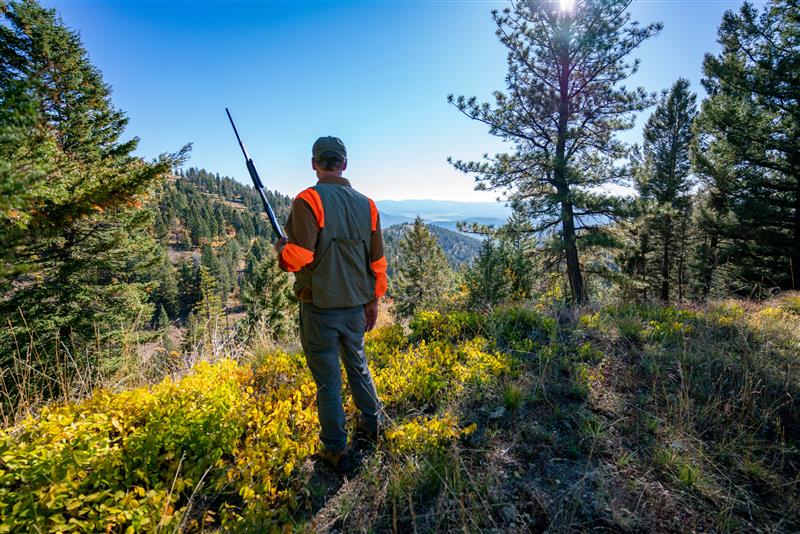
America’s 640 million acres of national public lands provide irreplaceable hunting and fishing opportunities to millions of Americans.

Learn More About Access
What TRCP is Doing

We’re working to safeguard America’s public lands so hunters and anglers always have quality places to pursue their passions.
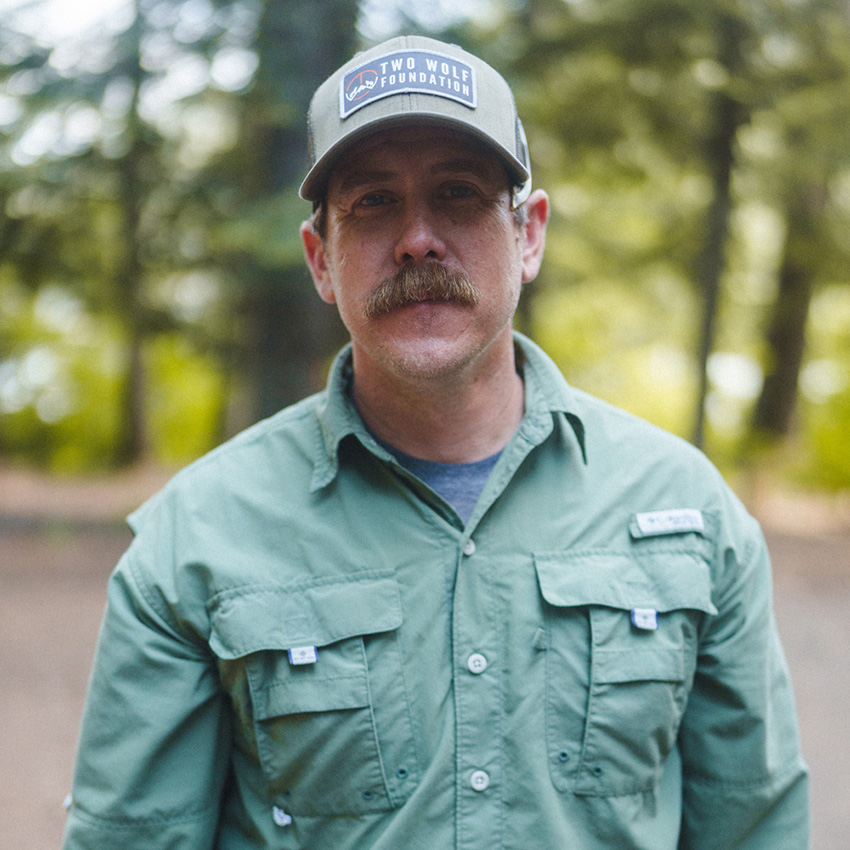
 Brian Flynn, Two Wolf Foundation
How Sportsmen Are Doing It Right

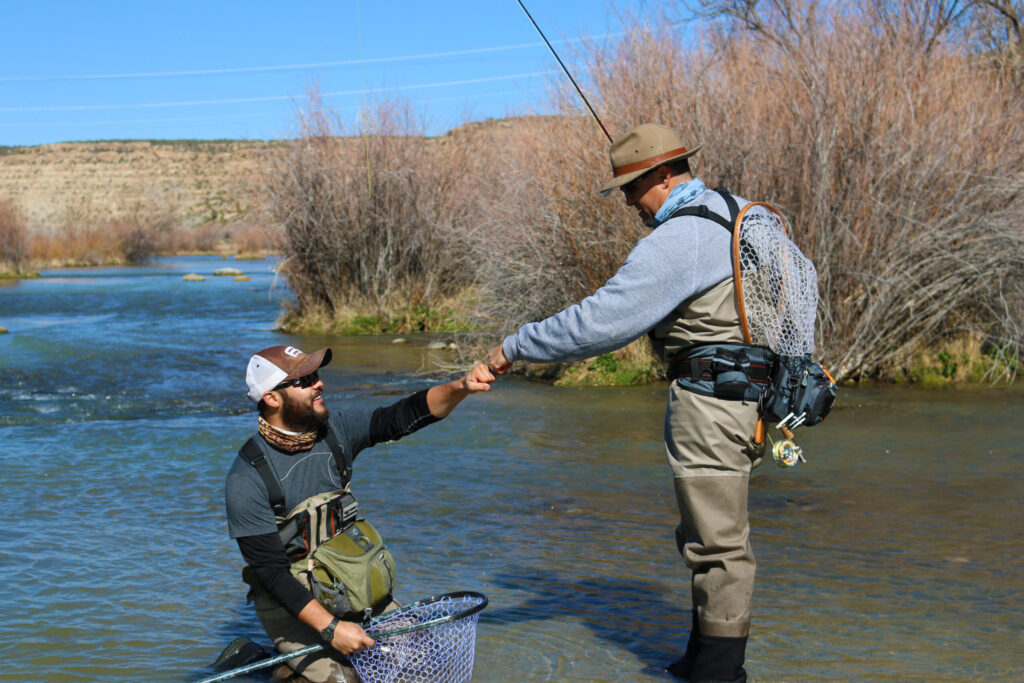
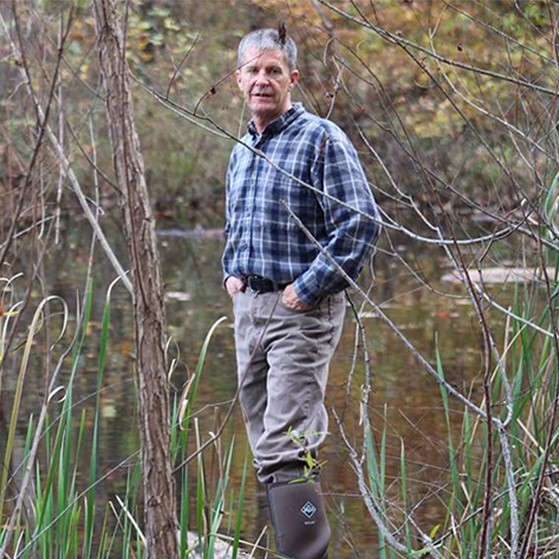
Brian Flynn, Two Wolf Foundation's Story

Following a distinguished career in the U.S. Army, lifelong outdoorsman Brian Flynn returned home from a deployment in Afghanistan and…


Hunting
Why It Matters

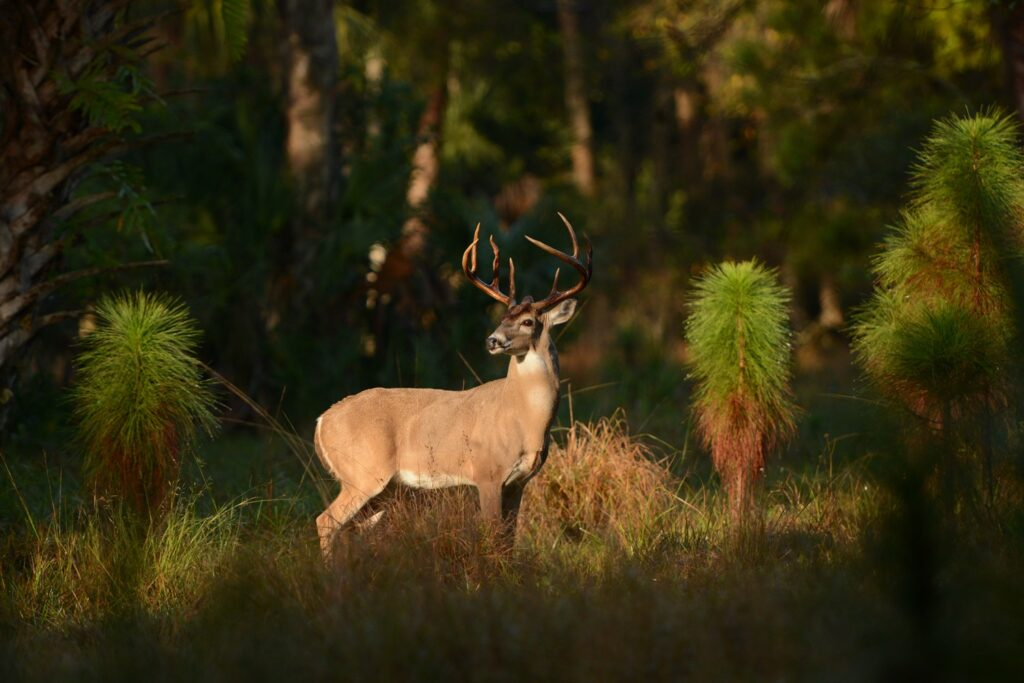
Key Issues for America’s Hunters

Your source for the latest policy updates, conservation challenges, and opportunities shaping America’s hunting traditions.

What TRCP is Doing

We’re fighting for meaningful policy changes that benefit wildlife, our waters, and the American landscapes that make our outdoor traditions possible.

 Ryan Sparks
How Sportsmen Are Doing It Right

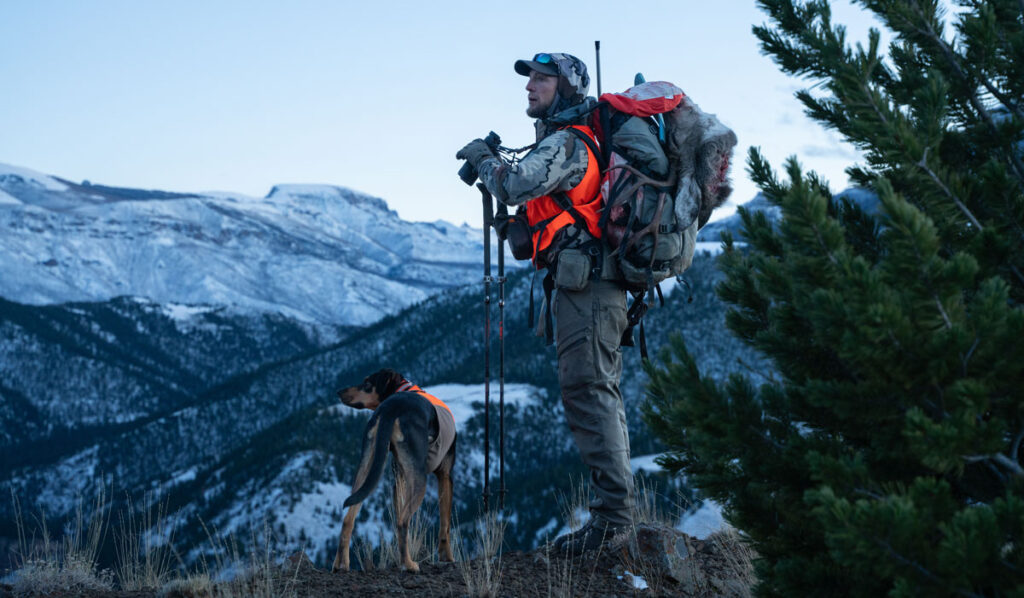
Ryan Sparks's Story

TRCP’s “In the Arena” series highlights the individual voices of hunters and anglers who, as Theodore Roosevelt so famously said,…

Fishing
Why It Matters

Key Issues for America’s Anglers

Your source for the latest policy updates, conservation challenges, and opportunities shaping America’s fishing traditions.

Sign Up For Forage Fish Updates
What TRCP is Doing

We’re fighting for meaningful policy changes that benefit wildlife, our waters, and the American landscapes that make our outdoor traditions possible.

 David Mangum
How Sportsmen Are Doing It Right

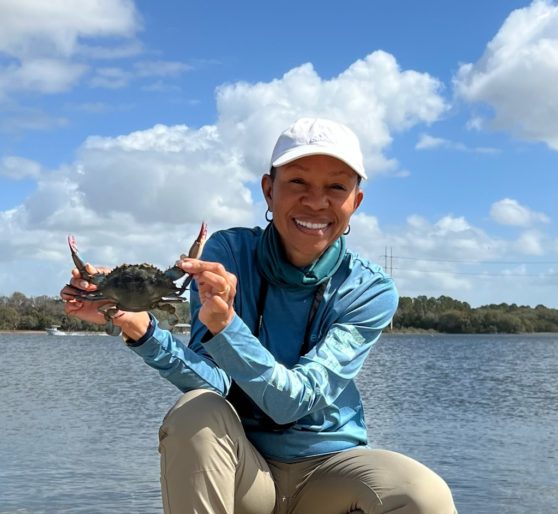
David Mangum's Story

Capt. David Mangum is a YETI ambassador and outdoor photographer who utilizes his talents to produce media that inspire a…

Private Land
Why It Matters

Stewardship on America’s private lands

With 70 percent of U.S. lands in private hands and many of our best hunt and fish opportunities occurring there, investing in voluntary conservation on working lands safeguards access, strengthens habitat and water quality, and ensures resilient landscapes.

Take Action - Farm Bill 2026
What TRCP is Doing

We champion policies and programs that restore wildlife habitat, improve soil and water health, and keep working lands productive.

 Ward Burton
How Sportsmen are Doing It Right

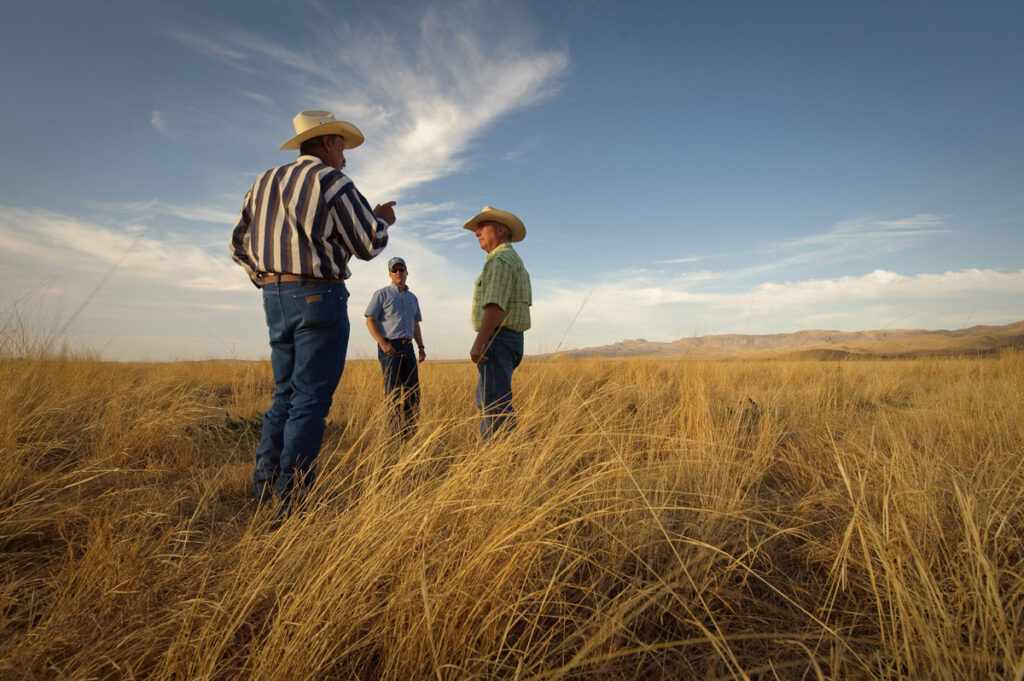
Ward Burton's Story

Ward Burton’s NASCAR driving career stretched across most of two decades. As an avid sportsman and conservationist, he founded the…

Special Places
Why It Matters

Special Places Worth Protecting

America’s most iconic landscapes provide unmatched habitat and unforgettable days afield. These places sustain wildlife, anchor local economies, and define the hunting and fishing traditions we pass down.

What TRCP is Doing

We’re working to conserve special places that provide world-class habitat and unforgettable opportunities for hunters and anglers.

 Franklin Adams
How Sportsmen Are Doing It Right

Franklin Adams's Story

As a true Gladesman, conservationist, and historian, Capt. Franklin Adams has spent more than six decades championing Everglades restoration efforts…

Habitat & Clean Water
Why It Matters

Healthy Habitat Powers Every Pursuit

All hunting and fishing opportunities depend on quality habitat, from clean water and healthy wetlands to winter and summer habitats and the migration corridors that connect them.

All About Habitat & Clean Water
What TRCP is Doing

We are working to safeguard the habitats that power every hunting and fishing opportunity.

 Alex Harvey
How Sportsmen Are Doing It Right

Alex Harvey's Story

Alex Harvey, founder of Legacy Land Management, is a registered professional forester in Mississippi and Alabama with a Master's degree…

Science
Why It Matters

Science That Guides TRCP

From conserving migration corridors and wetlands to ensuring clean water and resilient landscapes, science provides evidence that turns conservation goals into effective action.

Science for Conservation
What TRCP is Doing

For hunters and anglers, science safeguards the experiences we treasure including resilient big game populations, abundant fish, and wild places that endure changing social landscapes.

Jamelle Ellis
Your Science Expert

Jamelle Ellis's Story

Jamelle Ellis joined the Theodore Roosevelt Conservation Partnership in 2022. Jamelle spent the last three years as an environmental sustainability…

Where We Work
Across the Nation

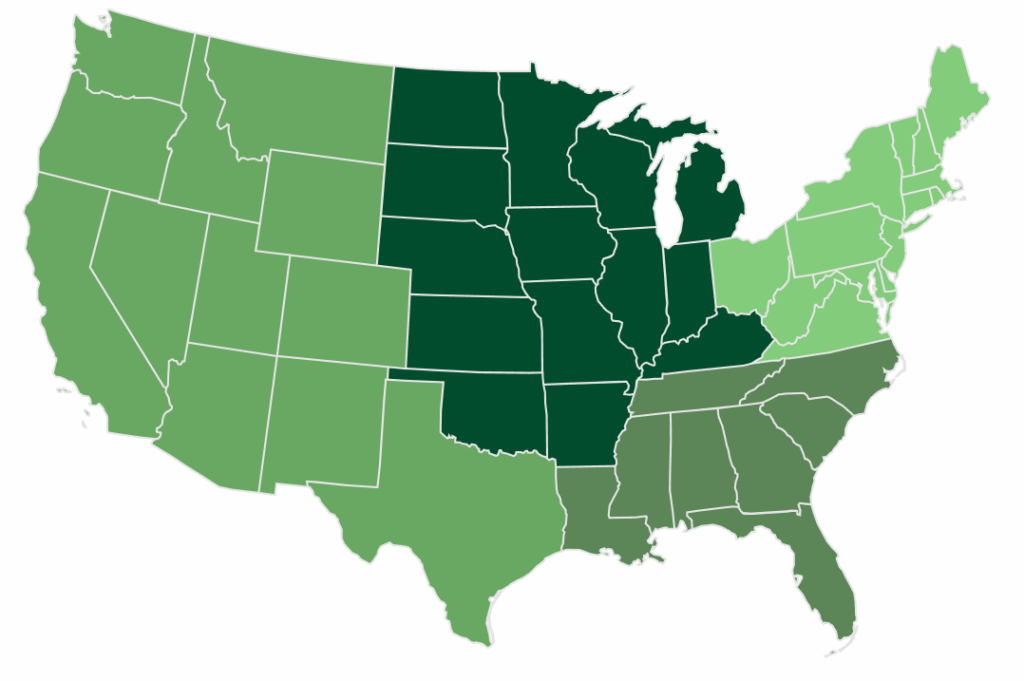
Conservation Across America

TRCP works across the country to ensure hunters and anglers can enjoy healthy fish and wildlife and quality days afield, no matter where they live.

See All Issues
TRCP in Your Region

TRCP works across the country to ensure hunters and anglers can enjoy healthy fish and wildlife and quality days afield, no matter where they live.

Who We Are
Our Mission

To guarantee all Americans quality places to hunt & fish

We unite and amplify our partners’ voices to advance America’s legacy of conservation, habitat, and access.

Our Mission & Values
Our People & Partners
  • Meet the TRCP Team

    Our staff and board members unite and amplify our partners’ voices to advance America’s legacy of conservation, habitat, and access.

    Meet the Team
  • Our Partners

    ‘Partnership’ is in our name. We work with 64 diverse partner groups that represent today’s leading hunting, fishing, and conservation organizations in order to strengthen the sportsman’s voice in Washington, D.C.

    Our Partners
  • Corporate Council

    TRCP’s Corporate Council is made up of diverse corporations that share a common passion for conservation.

    Corporate Council
Our Organization

Looking for more information?

Explore our latest news, policy updates, and conservation resources to get the information you need.

Giving
How You Can Help

To guarantee all Americans quality places to hunt & fish

Your tax-deductible donation will support TRCP's mission, now and into the future.

DONATE
Special Ways to support trcp
  • Capital Conservation Awards Dinner

    The CCAD is one of Washington's best-attended conservation celebrations, featuring dinner, cocktails, and a silent auction.

    Learn More
  • Step Into the Arena

    Help us ensure that our treasured wild habitats and game remain intact for the next generation to enjoy – lend your support to the TRCP’s efforts today!

    Donate
  • Roosevelt Roast

    TRCP has partnered with Afuera Coffee Co. to further our commitment to conservation.

    Learn More
More donation options

Find the best way for you to lend your support. Join one of TRCP’s donor circles for special invitations, premium offerings from outdoor retailers, and more exclusive benefits. Take control of your legacy with planned giving or contribute to special conservation funds.

Other Ways To Give
News
In the Spotlight

Flying for the Future of the Lolo, Part II

An aerial tour over the Lolo National Forest highlights growing interest, collaboration, and momentum surrounding the forest plan revision as it moves closer to a public reveal and the 90-day comment window.

Read More

Stay Informed

Receive our newsletter, the Roosevelt Report, right in your inbox. Never miss the latest news in conservation issues.

Latest News

Looking for Press Releases?

Timely information on major conservation issues, organizational news, and policy developments that matter to America’s hunters and anglers.

Press Releases

by:

posted in: General

August 27, 2026

Flying for the Future of the Lolo, Part II


An aerial tour over the Lolo National Forest highlights growing interest, collaboration, and momentum surrounding the forest plan revision as it moves closer to a public reveal and the 90-day comment window.

Just after sunrise on a recent summer morning, a group gathered at the airport for the second time in two years to participate in an overflight of the Lolo National Forest. Hosted by EcoFlight, a nonprofit organization that uses small aircraft to help people better understand conservation issues, landscapes, and communities, the event included significantly more participants than the previous year, reflecting a growing interest in the ongoing Lolo National Forest Plan Revision as the Draft Plan and the DEIS move closer to public release in the late summer of 2026.

From the window of the six-seat Cessna, this small corner of the 2.3 million acre Lolo National Forest in western Montana’s Rocky Mountains revealed itself in a way no computer screen can replicate. Rugged ridgelines stretched toward the horizon, eventually giving way to the snow-covered shoulders of Lolo Peak. Each gentle turn of the aircraft and dip of the wing offered a new perspective on the landscape below. Narrow creek bottoms converged into the broad ribbon of the Clark Fork River, illustrating just how interconnected this landscape truly is.

Clark Fork River, I-90. Courtesy of EcoFlight

The Lolo National Forest faces growing challenges, including larger and more severe wildfires, increasing recreation pressure, and the need to maintain secure wildlife habitat. Areas such as Marshall Mountain, Woody Mountain, and the Fish Creek landscape illustrate how recreation use can overlap with important big game winter range and security habitat, while future road development and travel planning in traditionally backcountry areas will require careful consideration. The upcoming and revised Land Management Plan will help guide how these challenges are addressed, balancing habitat, clean water, recreation opportunities, forest products, and the economic benefits that support local communities. From the air, participants could see examples of this work already underway near Missoula, Frenchtown, Alberton, Superior, and Lolo, where forest management projects are helping reduce wildfire risk, improve watershed health, and build more resilient forests and communities.

You can learn about an area on the ground, but an aerial view really helps connect the dots,” said Chet Crowser, Missoula County’s Chief Lands and Communities Officer. “Seeing wildlife habitat, recreation areas, forest management projects, and nearby communities all in the same view reinforces just how important it is to approach these issues collaboratively.

TRCP’s mission is to ensure all Americans have access to quality places to hunt and fish, and that commitment fuels our active role in forest plan revisions. We work closely with partners and the forest’s planning team to keep wildlife habitat, public access, healthy communities, and resilient forests at the center of future management decisions. The flight’s passengers represented local governments, conservation organizations, sporting groups, journalists, community leaders, and the next generation of public land users, all of whom have deep interest in keeping the Lolo National Forest working as intended.

A bird’s eye view of forest planning

This marked the second consecutive year that the Theodore Roosevelt Conservation Partnership (TRCP) coordinated an overflight of the Lolo National Forest. In addition to seeing the landscape from above, the flight provided participants with a shared view of the opportunities and challenges that will help shape the upcoming Lolo Land Management Plan Revision.  Seeing wildlife habitat, recreation areas, active forest management projects, and nearby communities in the same frame reinforced the importance of thoughtful, collaborative planning for the forest’s future.

National Forest Access Roads, Timber Operations in the Lolo National Forest. Courtesy of EcoFlight.

The Draft Land Management Plan and Draft Environmental Impact Statement (DEIS) are expected to be published in early fall, beginning a 90-day public comment period.  On the morning of the flights, Lolo National Forest Supervisor Ben Johnson joined participants on the ground to learn firsthand what’s important to them about the Lolo National Forest.

Recognizing the importance of coordinated engagement and diverse interests in the forest, TRCP has convened and continues to lead a Lolo Forest Plan Revision Collaborative that includes conservation organizations, sporting groups, wildlife advocates, local partners, and other stakeholders interested in the future of the forest. Many of this year’s flight participants are active members of the collaborative.

The Lolo from the Air

After coffee, conversation and pastries, the flights began. As the aircraft crossed the greater Missoula area and entered the airspace of the Lolo, the bigger picture of the forest came into focus. Participants viewed the wildlife movement corridor of the proposed Sixmile underpass on Interstate 90 that would connect the large ecosystems of the Northern Continental Divide and the Greater Bitterroots, an important connection point in western Montana. Conversations in the air focused on wildlife movement and habitat connectivity, which are major themes that many conservationists hope to see in the new land use plan for the Lolo.

Seeing our landscapes from the air is so fascinating! The views (even with the smoke), the conversations in the plane, getting disoriented and then reoriented… it all highlighted how people share a love for the land and for our communities. It’s inspiring to see how connected we all are. Working across boundaries is really important to successful stewardship and the flight gave us a whole new perspective on building those cross-boundary connections,” said Cindy Super, Forestry & Prescribed Fire Coordinator for the Blackfoot Challenge.

I-90, Clark Fork River, Near Tarkio, MT. Courtesy of EcoFlight

Farther west, participants observed portions of the Sawmill-Petty landscape, where active forest management projects illustrated how forest health, wildlife habitat, local jobs, and community resilience are often interconnected. From above, the patchwork of timber harvest projects from the Sawmill-Petty projects that support local economies in communities like Alberton and St. Regis spread out like a quilt. These projects both create and sustain jobs while also improving big game forage and habitat by allowing sunlight to reach the vegetation beneath the forest canopy.

A topic that surfaced throughout the morning was balancing growing recreation use with the needs of wildlife habitat and security. In several areas, participants observed how recreation destinations, like the Fish Creek area, overlap with important habitat, reinforcing the need for thoughtful management that supports both conservation and recreation.

The flight also highlighted proactive forest management near communities, where fuel reduction and mining restoration projects are improving overall forest health and reducing wildfire risk. Resilient watersheds, forests and healthy communities go hand in hand.

The Lolo has been a tremendous partner in restoration efforts like the work in the Ninemile watershed,” said Jeff Lukas of Trout Unlimited. “From the air, you can see how connected these landscapes really are. It reinforces why long-term collaboration is so important for improving habitat, protecting water quality, and making sure these places continue to benefit fish, wildlife, and local communities.”

A 10,000 foot view of our forest’s future

As our plane descended towards the Missoula International Airport, I thought of one of my grandpa’s favorite sayings. “You can’t land on a runway that’s behind you,” he would say with a chuckle. He understood that aphorism firsthand. He flew during World War II and later owned a small plane, often taking us grandkids on flights over the Ohio countryside. Those are some of my fondest memories.

Looking back, I realize his saying wasn’t really about flying. It was about the importance of looking ahead. Forest planning is much the same way.

National Forest Access Roads, Timber Operations in the Lolo National Forest. Courtesy EcoFlight.

What stood out to me most was that interest in the Lolo’s future is gaining altitude. By the time the planes touched down on the tarmac, it was clear that more people than ever are committed to helping chart the course for one of western Montana’s greatest public resources.

As the Lolo National Forest Plan Revision moves toward its public release of the Draft Plan and DEIS, TRCP will continue working with partners, community leaders, and agency staff to ensure that hunters, anglers, and all who value these public lands have a strong voice in the process. Stay tuned to TRCP channels for updates, opportunities to learn more, and your chance to weigh in once the 90‑day comment period opens.

Like we said after last year’s flight, if you’re a hunter, angler, or anyone who values Montana’s public lands, this plan will impact you. It’s up to us to shape how the Lolo is managed for decades to come, so let’s ensure the plan revision reflects the values we hold dear: thriving wildlife habitat and connectivity across the landscape, clean and cold water, and sustainable uses that support hunting, fishing, and our local economies.

For more information, check out the Lolo National Forest Land Management Plan Revision Hub.

by:

posted in: General

TRCP Brings Hunter and Angler Priorities to Western Energy Initiative

How TRCP is working to meet the West’s energy needs without sacrificing hunting and fishing traditions

The Western Governors’ Association spent the past year examining how Western states can expand energy production, transmission and storage – an effort led by Utah Governor Spencer Cox and branded Energy Superabundance: Unlocking Prosperity in the West. The yearlong initiative included workshops, surveys, and webinars, bringing together policy makers, industry leaders, and conservation organizations from across the West.  Energy infrastructure and public lands access aren’t separate issues in the West – the same landscapes that support energy transmission infrastructure and mineral development also hold migration corridors, cold water streams, and hunting grounds that define the region’s outdoor traditions.

The report presents federal policy recommendations to help plan, finance, develop, and deploy energy projects across the West, and includes several key policy recommendations provided by TRCP throughout the initiative, one example being: Madeleine West, TRCP’s vice president of western conservation, participated in the Siting Considerations for Energy Development panel during the WGA workshop held in Pheonix, Arizona. Over the course of the initiative, West, along with McKay Fleck, TRCP’s energy policy advisor, worked with partners to bring together defensible policy recommendations that avoid, minimize, and mitigate impacts to fish and wildlife while still meeting America’s growing energy demands – and account for hunting and fishing access and habitat connectivity from the start, not as an afterthought. 

The Energy Superabundance Report echoes several of TRCP’s energy siting recommendations to the federal government. It calls for building transmission lines in already disturbed rights-of-way and siting energy development in brownfields, aiming to keep new projects out of the wildlife habitat that hunters and anglers depend on. The report also backs data driven planning, reinforcing that the best available science should guide durable energy siting policy to ensure responsible energy development.

Special consideration was given to the mining of critical minerals, and building reliable domestic energy will require expanding critical mineral production, processing, and manufacturing, while also recognizing the importance of protections for state equities, tribal interests, hunting and angling, and the environment. Half of all the known critical minerals deposits in the U.S. are upstream of valuable trout and salmon habitat, such as the Wild and Scenic Illinois River in Oregon, or the Pecos River watershed in New Mexico. The WGA report highlights the need to bolster domestic mineral supply chains by expanding our ability to process, refine, and recycle existing ore. Making better use of resources we’ve already extracted means less pressure to open new mines in the sensitive watersheds that hunters and anglers rely on. Western governors and conservation organizations alike agree that energy and outdoor recreation can work simultaneously to build a thriving western economy while retaining the robust wildlife populations and outdoor recreation opportunities that make the west unique in the first place.  

Hunters and anglers depend on healthy, connected habitat and reliable access to public land, so how and where energy development happens directly affects the future of those hunting traditions. TRCP has long been a leader in advancing responsible energy siting policy and convenes partners and stakeholders in the hunt-fish community to build scientifically supported policy recommendations to ensure hunting and fishing traditions and outdoor recreation economies continue to thrive as energy demands are met. 

This includes the Energy Development & Land Use: Fish & Wildlife Platform developed by TRCP and 21 other hunting, fishing, and conservation organizations; the Wildlife for the 21st Century, Volume VII (W-21) recommendations published by the American Wildlife Conservation Partners, the nation’s top 52 sporting-conservation organizations; the Critical Minerals: A Hunting and Fishing Perspective report, developed jointly by Trout Unlimited, Backcountry Hunters & Anglers, The Nature Conservancy, National Wildlife Federation, and the TRCP; and TRCP’s solar siting guidelines which summarize emerging science to inform the siting of solar energy facilities in a manner that avoids, minimizes, and mitigates impacts to big game and their habitats. These efforts share a common goal, ensuring the West can meet its energy needs without sacrificing the fish, wildlife, and public access that hunters and anglers depend on. 

Learn more about energy, critical minerals, & your hunting and fishing opportunities HERE

Top photo courtesy of Josh Metten

by:

posted in: General

August 24, 2026

TRCP Encourages Balanced Approach to Forest Service Travel Management Updates 

Hunters and anglers call for consistent framework to ensure conservation priorities in national forests 

Last week, the U.S. Forest Service published a Notice of Intent to initiate rulemaking to revise the agency’s 2005 Travel Management Rule. The notice initiated a 30-day public scoping period, which will be followed by a proposed rule. The Theodore Roosevelt Conservation Partnership is urging the agency to ensure that any updates support responsible motorized and nonmotorized access, reduce user conflicts, and conserve important fish and wildlife habitat. 

“We are open to thoughtful updates to the Forest Service’s travel management rule to ensure our national forest road and trail system continues to meet the needs of the public and land managers,” said Joel Webster, TRCP chief conservation officer. “At the same time, we believe the proposal needs refinement to ensure the revised travel management rule supports quality recreation experiences, minimizes user conflicts, and helps avoid fragmentation of important habitat. TRCP looks forward to engaging through public comments and discussions with the agency to help craft a durable policy that responds to changing forest conditions and recreational needs while retaining meaningful safeguards for fish and wildlife.”  

The Forest Service manages more than 380,000 miles of roads and 165,000 miles of trails across 193 million acres of national forests and grasslands. Hunters and anglers rely on many of these routes to reach important hunting and fishing destinations, and they also recognize that roads and trails must be managed carefully to conserve habitat, reduce conflicts among users, and reflect the financial and workforce capacity constraints — including reliance on volunteers and partners — that limit maintenance capacity. Consistent research shows that route density and motorized use can influence deer and elk habitat use. High route densities can cause big game to avoid otherwise productive habitat, while seasonal use in key habitats can negatively affect wildlife when they are most vulnerable. 

“Partner organizations have invested significant time, funding, and volunteer capacity into improving trails and recreation experiences on federal lands through partnerships with the Forest Service,” continued Webster. “Any revised travel management rule should protect that investment by reducing user conflicts, supporting sustainable access, and ensuring that road and trail systems remain sustainable over time.”  

Travel management regulations should create a consistent framework to guide how transportation systems are planned and managed on public lands, including how roads, trails, and areas are designated for motorized and non-motorized recreation. Effective travel management helps provide public access and quality recreation opportunities, supports land management needs, reduces conflicts among users, and conserves important natural resources, including fish and wildlife habitat. 

Follow TRCP to learn more about the process and how to comment. 

Learn more about TRCP’s work on public access here. 


The TRCP is your resource for all things conservation. In our weekly Roosevelt Report, you’ll receive the latest news on emerging habitat threats, legislation and proposals on the move, public land access solutions we’re spearheading, and opportunities for hunters and anglers to take action. Sign up now.

by:

posted in: General

August 19, 2026

TRCP Responds to Forest Service Roadless Area Proposal with Call for Collaboration 

Encourages a solution that supports reduced wildfire risk while maintaining backcountry values   

The U.S. Forest Service released a proposed rule and accompanying Draft Environmental Impact Statement (DEIS) that could alter future management of more than 44 million acres of inventoried roadless areas on national forest lands. The agency is seeking public comment on the proposed rule through September 21.  

“National forest backcountry areas provide valuable habitat for big game, cold and clean headwaters for trout and salmon, and some of the best hunting and fishing opportunities that can be found in America,” said Michael O’Casey, TRCP’s director of public lands. “We encourage the Forest Service to craft a durable outcome that creates additional management flexibility to protect communities from wildfire while maintaining the conservation values of the backcountry. We view the longstanding Idaho and Colorado roadless rules as successful models that could help inform a solution.” 

The Forest Service’s proposed rule would rescind the 2001 Roadless Area Conservation Rule, but informed comments on the draft EIS can still shift the outcome among the alternatives under consideration. Many hunters and anglers agree that backcountry values and responsible forest management need not be mutually exclusive. The conservation of roadless areas can be maintained while increasing the agency’s ability to thin forests, reduce fire risk in the Wildland-Urban Interface, and protect people and property. The DEIS evaluates a range of alternatives addressing the future management of roadless areas, and the Forest Service has an opportunity to craft a final rule that advances all of these important values. 

“Places like the Wyoming Range, the Warner Mountains of Oregon and California, the Blue Range of Arizona, and the temperate rainforests of southeast Alaska have captured the hearts and minds of Americans for generations,” continued O’Casey. “We have an opportunity to continue those traditions while seeking reasonable solutions to reduce the risk of catastrophic wildfire. Such an outcome would reduce litigation and the political uncertainty that would come with a more drastic approach.” 

In the coming days, the TRCP will share more detailed recommendations that hunters and anglers can use to easily weigh in and add their voice in support of a balanced path forward for healthy forests, safer communities, and the long-term conservation of many of America’s most important backcountry hunting and fishing grounds.  

Public comments on the proposed rule and Draft Environmental Impact Statement must be received by September 21. Additional information is available on the Forest Service’s Roadless Areas webpage, and comments may be submitted through Regulations.gov

Learn more about TRCP’s commitment to public-land access HERE


The TRCP is your resource for all things conservation. In our weekly Roosevelt Report, you’ll receive the latest news on emerging habitat threats, legislation and proposals on the move, public land access solutions we’re spearheading, and opportunities for hunters and anglers to take action. Sign up now.

by:

posted in: General

August 14, 2026

TRCP Welcomes Interior Action Expanding Hunting and Fishing Access on National Wildlife Refuges

Final rule will deliver largest expansion of refuge and hatchery access in Fish and Wildlife Service history

Today, the Theodore Roosevelt Conservation Partnership welcomed the announcement of a final rule from the Department of the Interior expanding hunting and fishing access at 111 national wildlife refuges and national fish hatcheries across 32 states. The rule will add nearly 1,500 new hunting and fishing opportunities, opening more than 92 million acres—over 95 percent of National Wildlife Refuge System lands— for hunting access, marking the largest such expansion in U.S. Fish and Wildlife Service history. 

“Hunters and anglers have long been central to conserving wildlife and habitat in this country, and national wildlife refuges are no exception,” said Joel Webster, TRCP’s chief conservation officer. “We appreciate the Department of the Interior’s work to expand access to these lands in a way that is consistent with wildlife conservation and the laws that guide the refuge system’s unique mission.”  

The final rule will build on the direction set by Secretarial Order 3447 and aims to deliver on the priorities of the Make America Beautiful Again Commission. It will include more than 1,000 updates to existing regulations intended to reduce complexity and better align federal rules with state fish and wildlife laws. National wildlife refuges were established with strong support from hunters and anglers, and the 1997 National Wildlife Refuge System Improvement Act identifies hunting and fishing among six priority, wildlife-dependent public uses that receive enhanced consideration in refuge management. Expanding scientifically regulated access consistent with state management could allow refuges to continue demonstrating effective wildlife stewardship while connecting the public directly to conservation. 

The final rule is expected to publish in the Federal Register in time for hunting season.  

Learn more by visiting: Department of the Interior Announces Largest Expansion of Hunting and Fishing Opportunities in U.S. Fish and Wildlife History | U.S. Department of the Interior


The TRCP is your resource for all things conservation. In our weekly Roosevelt Report, you’ll receive the latest news on emerging habitat threats, legislation and proposals on the move, public land access solutions we’re spearheading, and opportunities for hunters and anglers to take action. Sign up now.

HOW YOU CAN HELP

TRCP has partnered with Afuera Coffee Co. to further our commitment to conservation. $4 from each bag is donated to the TRCP, to help continue our efforts of safeguarding critical habitats, productive hunting grounds, and favorite fishing holes for future generations.

Learn More
Subscribe


You have Successfully Subscribed!

You have Successfully Subscribed!

You have Successfully Subscribed!

You have Successfully Subscribed!

You have Successfully Subscribed!