Our Issues
Public Lands
Why It Matters

Hunting & Fishing Access

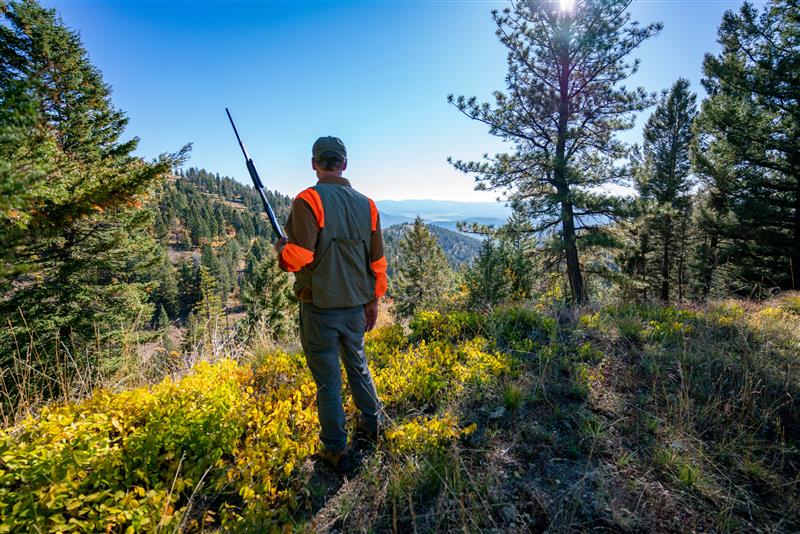
America’s 640 million acres of national public lands provide irreplaceable hunting and fishing opportunities to millions of Americans.

Learn More About Access
What TRCP is Doing

We’re working to safeguard America’s public lands so hunters and anglers always have quality places to pursue their passions.
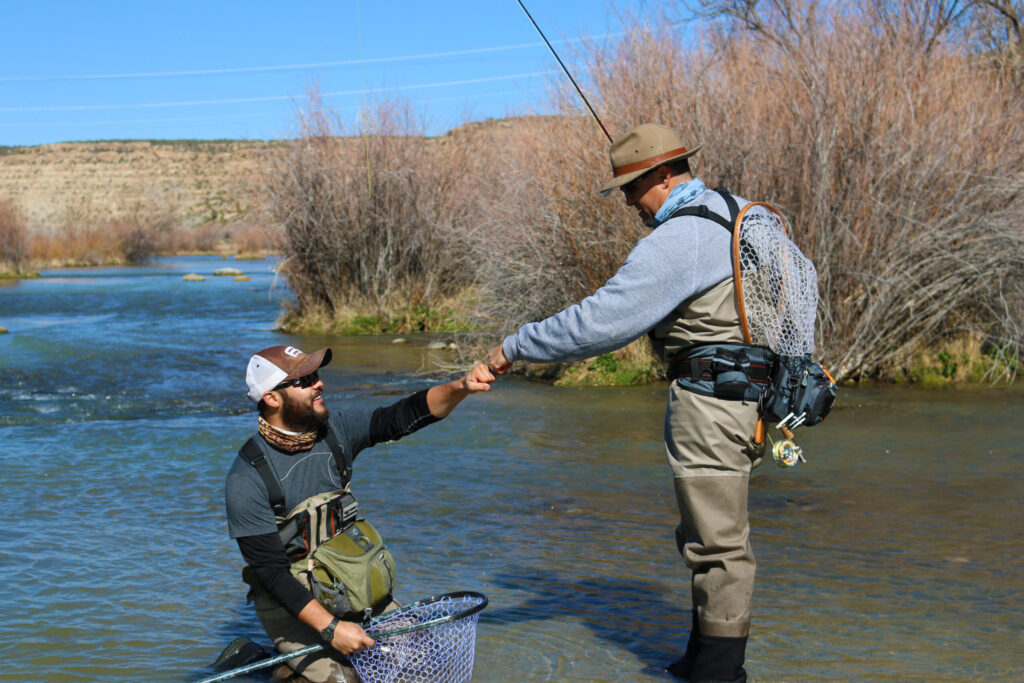
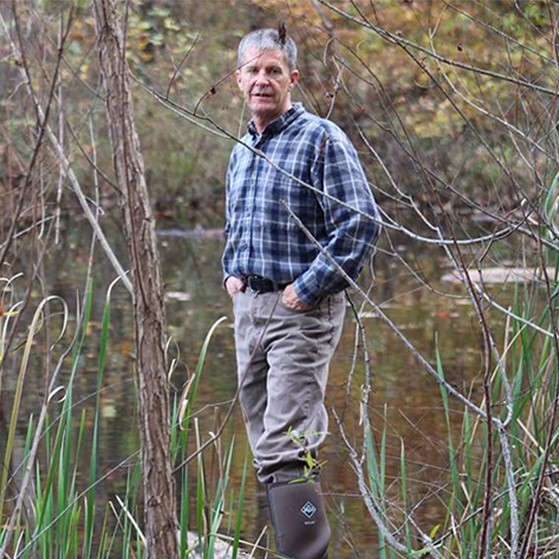
 Brian Flynn, Two Wolf Foundation
How Sportsmen Are Doing It Right

Brian Flynn, Two Wolf Foundation's Story

Following a distinguished career in the U.S. Army, lifelong outdoorsman Brian Flynn returned home from a deployment in Afghanistan and…

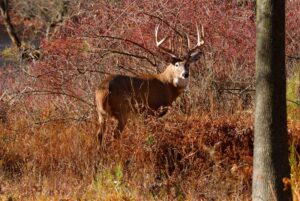
Hunting
Why It Matters

Key Issues for America’s Hunters

Your source for the latest policy updates, conservation challenges, and opportunities shaping America’s hunting traditions.

What TRCP is Doing

We’re fighting for meaningful policy changes that benefit wildlife, our waters, and the American landscapes that make our outdoor traditions possible.

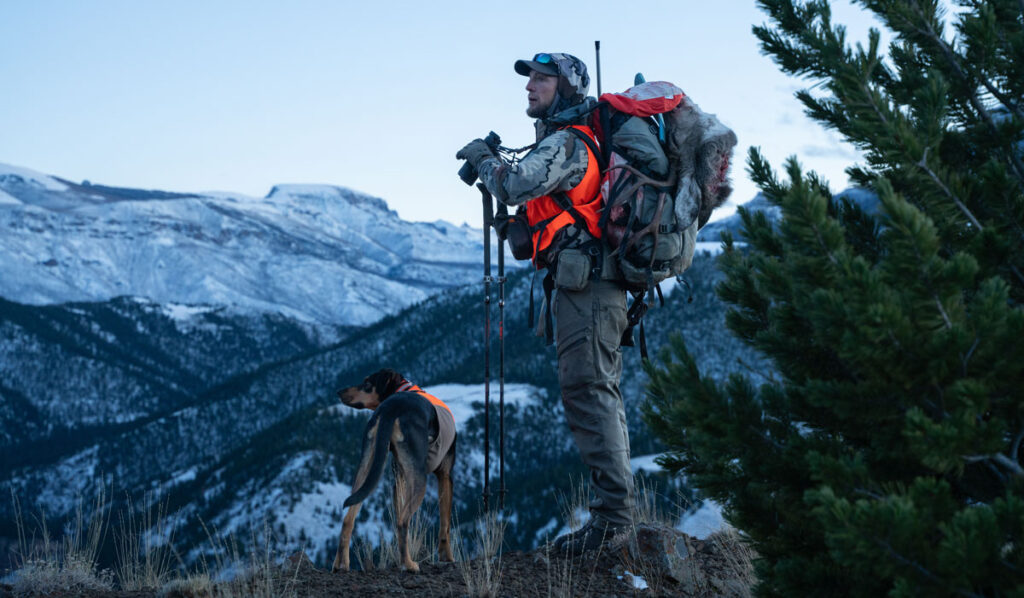
 Ryan Sparks
How Sportsmen Are Doing It Right

Ryan Sparks's Story

TRCP’s “In the Arena” series highlights the individual voices of hunters and anglers who, as Theodore Roosevelt so famously said,…
Fishing
Why It Matters

Key Issues for America’s Anglers

Your source for the latest policy updates, conservation challenges, and opportunities shaping America’s fishing traditions.

Sign Up For Forage Fish Updates
What TRCP is Doing

We’re fighting for meaningful policy changes that benefit wildlife, our waters, and the American landscapes that make our outdoor traditions possible.

 David Mangum
How Sportsmen Are Doing It Right

David Mangum's Story

Capt. David Mangum is a YETI ambassador and outdoor photographer who utilizes his talents to produce media that inspire a…

Private Land
Why It Matters

Stewardship on America’s private lands

With 70 percent of U.S. lands in private hands and many of our best hunt and fish opportunities occurring there, investing in voluntary conservation on working lands safeguards access, strengthens habitat and water quality, and ensures resilient landscapes.

Take Action - Farm Bill 2026
What TRCP is Doing

We champion policies and programs that restore wildlife habitat, improve soil and water health, and keep working lands productive.

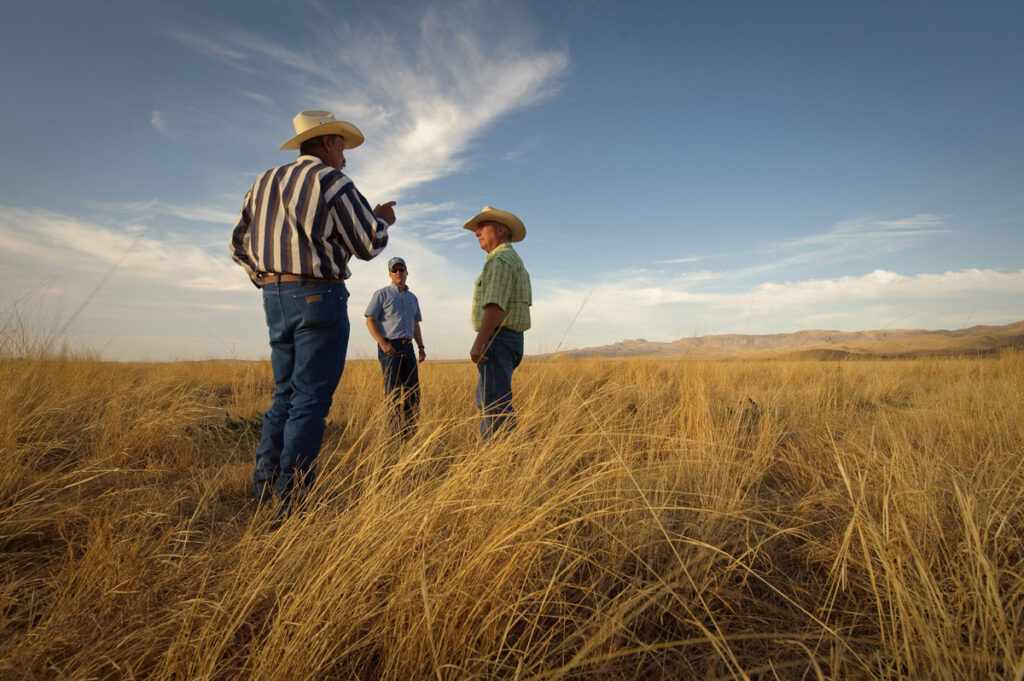
 Ward Burton
How Sportsmen are Doing It Right

Ward Burton's Story

Ward Burton’s NASCAR driving career stretched across most of two decades. As an avid sportsman and conservationist, he founded the…

Special Places
Why It Matters

Special Places Worth Protecting

America’s most iconic landscapes provide unmatched habitat and unforgettable days afield. These places sustain wildlife, anchor local economies, and define the hunting and fishing traditions we pass down.

What TRCP is Doing

We’re working to conserve special places that provide world-class habitat and unforgettable opportunities for hunters and anglers.

 Franklin Adams
How Sportsmen Are Doing It Right

Franklin Adams's Story

As a true Gladesman, conservationist, and historian, Capt. Franklin Adams has spent more than six decades championing Everglades restoration efforts…

Habitat & Clean Water
Why It Matters

Healthy Habitat Powers Every Pursuit

All hunting and fishing opportunities depend on quality habitat, from clean water and healthy wetlands to winter and summer habitats and the migration corridors that connect them.

All About Habitat & Clean Water
What TRCP is Doing

We are working to safeguard the habitats that power every hunting and fishing opportunity.

 Alex Harvey
How Sportsmen Are Doing It Right

Alex Harvey's Story

Alex Harvey, founder of Legacy Land Management, is a registered professional forester in Mississippi and Alabama with a Master's degree…

Science
Why It Matters

Science That Guides TRCP

From conserving migration corridors and wetlands to ensuring clean water and resilient landscapes, science provides evidence that turns conservation goals into effective action.

Science for Conservation
What TRCP is Doing

For hunters and anglers, science safeguards the experiences we treasure including resilient big game populations, abundant fish, and wild places that endure changing social landscapes.

Jamelle Ellis
Your Science Expert

Jamelle Ellis's Story

Jamelle Ellis joined the Theodore Roosevelt Conservation Partnership in 2022. Jamelle spent the last three years as an environmental sustainability…

Where We Work
Across the Nation

Conservation Across America

TRCP works across the country to ensure hunters and anglers can enjoy healthy fish and wildlife and quality days afield, no matter where they live.

See All Issues
TRCP in Your Region

TRCP works across the country to ensure hunters and anglers can enjoy healthy fish and wildlife and quality days afield, no matter where they live.

Who We Are
Our Mission

To guarantee all Americans quality places to hunt & fish

We unite and amplify our partners’ voices to advance America’s legacy of conservation, habitat, and access.

Our Mission & Values
Our People & Partners
  • Meet the TRCP Team

    Our staff and board members unite and amplify our partners’ voices to advance America’s legacy of conservation, habitat, and access.

    Meet the Team
  • Our Partners

    ‘Partnership’ is in our name. We work with 64 diverse partner groups that represent today’s leading hunting, fishing, and conservation organizations in order to strengthen the sportsman’s voice in Washington, D.C.

    Our Partners
  • Corporate Council

    TRCP’s Corporate Council is made up of diverse corporations that share a common passion for conservation.

    Corporate Council
Our Organization

Looking for more information?

Explore our latest news, policy updates, and conservation resources to get the information you need.

Giving
How You Can Help

To guarantee all Americans quality places to hunt & fish

Your tax-deductible donation will support TRCP's mission, now and into the future.

DONATE
Special Ways to support trcp
  • Capital Conservation Awards Dinner

    The CCAD is one of Washington's best-attended conservation celebrations, featuring dinner, cocktails, and a silent auction.

    Learn More
  • Step Into the Arena

    Help us ensure that our treasured wild habitats and game remain intact for the next generation to enjoy – lend your support to the TRCP’s efforts today!

    Donate
  • Roosevelt Roast

    TRCP has partnered with Afuera Coffee Co. to further our commitment to conservation.

    Learn More
More donation options

Find the best way for you to lend your support. Join one of TRCP’s donor circles for special invitations, premium offerings from outdoor retailers, and more exclusive benefits. Take control of your legacy with planned giving or contribute to special conservation funds.

Other Ways To Give
News
In the Spotlight

A Chance to Strengthen Chesapeake Bay Menhaden Protections

As the Atlantic States Marine Fisheries Commission considers several measures to strengthen Chesapeake Bay menhaden management, TRCP offers specific guidance for submitting comments.

Read More

Stay Informed

Receive our newsletter, the Roosevelt Report, right in your inbox. Never miss the latest news in conservation issues.

by:

posted in: Energy

August 27, 2026

TRCP Brings Hunter and Angler Priorities to Western Energy Initiative

How TRCP is working to meet the West’s energy needs without sacrificing hunting and fishing traditions

The Western Governors’ Association spent the past year examining how Western states can expand energy production, transmission and storage – an effort led by Utah Governor Spencer Cox and branded Energy Superabundance: Unlocking Prosperity in the West. The yearlong initiative included workshops, surveys, and webinars, bringing together policy makers, industry leaders, and conservation organizations from across the West.  Energy infrastructure and public lands access aren’t separate issues in the West – the same landscapes that support energy transmission infrastructure and mineral development also hold migration corridors, cold water streams, and hunting grounds that define the region’s outdoor traditions.

The report presents federal policy recommendations to help plan, finance, develop, and deploy energy projects across the West, and includes several key policy recommendations provided by TRCP throughout the initiative, one example being: Madeleine West, TRCP’s vice president of western conservation, participated in the Siting Considerations for Energy Development panel during the WGA workshop held in Pheonix, Arizona. Over the course of the initiative, West, along with McKay Fleck, TRCP’s energy policy advisor, worked with partners to bring together defensible policy recommendations that avoid, minimize, and mitigate impacts to fish and wildlife while still meeting America’s growing energy demands – and account for hunting and fishing access and habitat connectivity from the start, not as an afterthought. 

The Energy Superabundance Report echoes several of TRCP’s energy siting recommendations to the federal government. It calls for building transmission lines in already disturbed rights-of-way and siting energy development in brownfields, aiming to keep new projects out of the wildlife habitat that hunters and anglers depend on. The report also backs data driven planning, reinforcing that the best available science should guide durable energy siting policy to ensure responsible energy development.

Special consideration was given to the mining of critical minerals, and building reliable domestic energy will require expanding critical mineral production, processing, and manufacturing, while also recognizing the importance of protections for state equities, tribal interests, hunting and angling, and the environment. Half of all the known critical minerals deposits in the U.S. are upstream of valuable trout and salmon habitat, such as the Wild and Scenic Illinois River in Oregon, or the Pecos River watershed in New Mexico. The WGA report highlights the need to bolster domestic mineral supply chains by expanding our ability to process, refine, and recycle existing ore. Making better use of resources we’ve already extracted means less pressure to open new mines in the sensitive watersheds that hunters and anglers rely on. Western governors and conservation organizations alike agree that energy and outdoor recreation can work simultaneously to build a thriving western economy while retaining the robust wildlife populations and outdoor recreation opportunities that make the west unique in the first place.  

Hunters and anglers depend on healthy, connected habitat and reliable access to public land, so how and where energy development happens directly affects the future of those hunting traditions. TRCP has long been a leader in advancing responsible energy siting policy and convenes partners and stakeholders in the hunt-fish community to build scientifically supported policy recommendations to ensure hunting and fishing traditions and outdoor recreation economies continue to thrive as energy demands are met. 

This includes the Energy Development & Land Use: Fish & Wildlife Platform developed by TRCP and 21 other hunting, fishing, and conservation organizations; the Wildlife for the 21st Century, Volume VII (W-21) recommendations published by the American Wildlife Conservation Partners, the nation’s top 52 sporting-conservation organizations; the Critical Minerals: A Hunting and Fishing Perspective report, developed jointly by Trout Unlimited, Backcountry Hunters & Anglers, The Nature Conservancy, National Wildlife Federation, and the TRCP; and TRCP’s solar siting guidelines which summarize emerging science to inform the siting of solar energy facilities in a manner that avoids, minimizes, and mitigates impacts to big game and their habitats. These efforts share a common goal, ensuring the West can meet its energy needs without sacrificing the fish, wildlife, and public access that hunters and anglers depend on. 

Learn more about energy, critical minerals, & your hunting and fishing opportunities HERE

Top photo courtesy of Josh Metten

Do you have any thoughts on this post?

XHTML: You can use these tags: <a href="" title=""> <abbr title=""> <acronym title=""> <b> <blockquote cite=""> <cite> <code> <del datetime=""> <em> <i> <q cite=""> <s> <strike> <strong>

Comments must be under 1000 characters.

by:

posted in: Energy

July 29, 2026

Committees Consider Public Lands Bills That Balance Conservation, Access and Local Economies

Bipartisan bills aim to resolve long-standing land use conflicts while safeguarding fish and wildlife habitat and hunter and angler access.

Earlier this month, the House Natural Resources Committee (HNRC) and the Senate Energy and Natural Resources (ENR) Committee heard testimony and voted to advance several bills that would conserve fish and wildlife habitat, boost access, and improve rural economies. Although these bills use different public land designations to protect resources or enhance recreation—and, in select cases, transfer federal land to tribes and counties—they share a common thread: each carefully balances a range of local interests and reflects years of collaboration.  


Northern Nevada Economic Development and Conservation Act

On a bipartisan vote, the HNRC voted to advance the Northern Nevada Economic Development and Conservation Act (H.R. 2317) led by Congressman Mark Amodei (R- Nev.). This bill represents an important step toward responsible, community-driven land use planning that includes conservation and maintains public access. It includes the sale or transfer of some carefully vetted public land parcels for community use, tribal land transfers, and the resolution of long-standing wilderness study areas and wilderness designations that have broad support. Additionally, the bill would help address the public and private land ownership issues of checkerboarded public land in northern NV, allowing large sections of public and private land to become contiguous and creating access to once-landlocked public lands. 

Douglas County Economic Development and Conservation Act

The Senate ENR Subcommittee on Public Lands, Forests, and Mining heard testimony on the Douglas County Economic Development and Conservation Act (S. 4200) introduced by Senator Catherine Cortez Masto (D-Nev.). The bill includes many of the provisions of H.R. 2317 specific to Douglas County. Beyond tribal land transfers and other provisions that would ensure public access is maintained or improved; the bill would transfer land to the county for flood prevention and watershed health projects. Similar to H.R. 2317, the Douglas County Economic Development and Conservation Act is the product of many years of locally led collaboration and compromise. 

Gunnison Outdoor Resources Protection

During the same ENR Subcommittee hearing, the panel heard testimony on the Gunnison Outdoor Resources Protection Act (S. 1791/H.R. 3421) introduced by Senator Michael Bennet (D-Colo), Senator John Hickenlooper (D-Colo), and Congressman Jeff Hurd (R-Colo). The bill would establish enhanced public land protections through tools like special management areas, wildlife conservation areas, recreation management areas, and wilderness for more than 730,000 acres in the Gunnison River Basin. TRCP applauds the bipartisan support and attention to this region of Colorado given the significance to hunters and anglers. It will be important to take the bill in context with the recently finalized Grand Mesa, Uncompahgre, and Gunnison National Forests Plan, and ensure that wildlife habitat function and connectivity remain prioritized in balance with other interests.

These bills took another important step forward toward becoming law but still have a long way to go, and there are many other deserving public lands conservation bills still awaiting markup. The clock on the 119th Congress strikes midnight in January 2027, after which all bills would need to be reintroduced and reconsidered. TRCP remains committed to working with Congress to work on these bills and other important public lands, habitat, and access legislation.  


TRCP is your resource for all things conservation. In our weekly Roosevelt Report, you’ll receive the latest news on budget reconciliation as well as emerging habitat threats, legislation and proposals on the move, public land access solutions we’re spearheading, and opportunities for hunters and anglers to take action. Sign up now


by:

posted in: Energy

February 20, 2026

Why TRCP Works to Conserve America’s Special Places

TRCP works to conserve special places like the Boundary Waters and landscapes that define hunting and fishing. Here’s why.


At the Theodore Roosevelt Conservation Partnership, that idea is not a slogan. It is a responsibility. 

Hunters and anglers know conservation is not abstract. It is a duck blind at sunrise, a bull elk crossing a high ridge, a trout rising in clean, cold water. It is also the rare chance to hunt, fish, and travel through landscapes where solitude is still possible—where distance, quiet, and undeveloped character shape the experience itself. 

We believe in the wise use of natural resources. Responsible development strengthens communities and supports our economy and quality of life. But we also recognize that some landscapes are so ecologically intact, and so vital to fish, wildlife, and outdoor experiences, that their highest and best use is long-term stewardship. 

Not every place meets that threshold and TRCP is judicious in where we engage. But where intact watersheds, big game habitat, resilient fisheries, and recreation depend on stability at scale—and where there is broad agreement among hunters and anglers—conservation is not symbolic. It is practical. It is how opportunity endures. 

This is why TRCP works to conserve America’s special places. This principle guides our work from Alaska to Florida and in places like the Boundary Waters and the Brooks Range. 

Photo: Theodore Roosevelt Collection Harvard College Library

President Theodore Roosevelt believed conservation and prosperity belonged together. He hunted, he ranched, he fished, and he understood that wildlife abundance depends on intact habitat and clean water.  

As T.R. wrote, “Conservation means development as much as it does protection.” Stewardship meant ensuring natural resources endure, productive and accessible, for generations to come. Yet Roosevelt also believed that some special places, by their very character, warranted enduring stewardship. That dual commitment of wise use and careful restraint where necessary, continues to guide TRCP’s work today. 

Recently, Theodore Roosevelt’s direct descendants sent a letter to U.S. Senators urging them to uphold that legacy by protecting the Boundary Waters. They reminded lawmakers that Roosevelt worked “exceedingly hard to protect Minnesota’s forests and water,” emphasizing that safeguarding extraordinary landscapes reflects foresight, responsibility, and bipartisan leadership. 

Their appeal was not nostalgic. It was a call to carry forward a distinctly American tradition of stewardship—recognizing that when certain waters, wildlife habitats, and public lands are placed at risk, leaders have a duty to act with the long view in mind. 

For hunters and anglers, that long view is simple: intact habitat today means opportunity tomorrow. 

Photo: Glen Eberle

For hunters and anglers, special places are not abstract. They are the source of opportunity. 

They are the cold headwaters that sustain trout. The migratory habitats that carry elk and mule deer across vast landscapes. The intact watersheds that support wild salmon and thriving waterfowl. They are also landscapes where Americans can escape the noise of everyday life and immerse themselves in nature – experiences afield that are increasingly rare and important in a busy world. 

When systems are altered in ways that cannot be easily reversed, the impacts are not theoretical – they show up directly in fewer fish, displaced herds, and diminished experiences. When habitat fragments or water quality declines, opportunity declines with it. 

This is why TRCP engages selectively and strategically in conserving nationally significant landscapes where habitat is irreplaceable and long-term sporting opportunity depends on stewardship. 

When we step into the arena, we intend to make it count. 

Photo: Josh Metten

For more than two decades, TRCP has worked alongside hunters, anglers, landowners, and elected leaders from both parties to conserve landscapes that define American sporting opportunities. 

In Wyoming’s Wyoming Range, we helped secure the withdrawal of 1.2 million acres of the Bridger-Teton National Forest from mineral entry, safeguarding critical habitat for one of North America’s most important mule deer herds. In Montana’s Rocky Mountain Front, we supported efforts to maintain the integrity of a landscape long valued for elk, native trout, and backcountry access. In Alaska’s Bristol Bay, we mobilized sportsmen and women to help sustain one of the world’s most productive wild salmon fisheries. 

These efforts were not about opposing development everywhere. TRCP supports responsible development projects needed to benefit our economy, protect national security, and advance the interests of the United States, and we will work with decisionmakers and businesses to advance sensible projects. But certain landscapes—because of their ecological integrity, sporting value, and national significance, including the significant economic contributions they make through outdoor recreation and conservation investments —warrant durable safeguards.  

That same principle guides our engagement in Alaska’s Brooks Range, one of North America’s last largely intact hunting and fishing landscapes. The very qualities that hunters and anglers value the most about the Brooks Range—the unbroken expansiveness, the lack of human activity, the unmatched solitude—are simply incompatible with a major industrial access corridor.

Across administrations and political shifts, TRCP has approached this work steadily and pragmatically, grounded in science and focused on lasting outcomes for fish, wildlife, and the sporting community. 

Photo: Sportsmen for the Boundary Waters

The Boundary Waters Canoe Area Wilderness and the surrounding Rainy River watershed form one of the most intact freshwater systems in the country. These cold, connected waters sustain lake trout, walleye, and smallmouth bass, while the broader landscape supports moose, deer, and waterfowl—and it is all linked by more than 1,100 lakes and historic portage trails that allow people to experience this wildlife-rich landscape by canoe.  

TRCP has engaged in this region with that responsibility in mind. In 2023, we joined several of our partners in celebrating the 20-year mineral withdrawal in the Rainy River watershed because of its national significance to hunting and fishing and the long-term risks sulfide-ore copper mining poses in such an interconnected system. 

Our position has remained consistent: where development presents a high likelihood of irreversible harm to fisheries, recreation, and wildlife habitat—and where sporting interests broadly agree that conservation is needed – long-term stewardship is the prudent course.

The recent letter from Roosevelt’s descendants reinforces that tradition of foresight and bipartisan responsibility. Safeguarding places like the Boundary Waters reflects a continuation of America’s conservation ethic. 

For hunters and anglers who believe stewardship requires participation, speaking up is part of that responsibility.  

Take action through the Sportsmen for the Boundary Waters alert: Senate Resolution : Sportsmen for the Boundary Waters 


The TRCP is your resource for all things conservation. In our weekly Roosevelt Report, you’ll receive the latest news on emerging habitat threats, legislation and proposals on the move, public land access solutions we’re spearheading, and opportunities for hunters and anglers to take action. 

Click here to sign up today.

by:

posted in: Energy

December 19, 2025

TRCP’s Madeleine West Brings Sporting Perspective to Western Governors’ Association Panel

VP of Western Conservation spoke on responsible energy siting. Watch the full panel discussion below.

This week, the Western Governors’ Association held the third workshop of Governor Spencer Cox’s Chair initiative, Energy Superabundance: Unlocking Prosperity in the West in Pheonix, Arizona.

Arizona Governor Katie Hobbs kicked off the workshop which offered a series of expert panels comprised of policymakers, conservationists, and industry leaders from across the West. Topics included the West’s growing energy demands and how these challenges can be addressed through streamlined permitting and siting processes, as well as the expansion of emerging energy technologies.

Madeleine West, TRCP’s VP of Western Conservation, participated in the Siting Considerations for Energy Development panel which discussed the challenges of siting energy infrastructure and considered strategies to improve responsible energy siting outcomes. 

“We recognize we need a diverse source of energy to meet our seemingly unquenchable energy needs in this country,” said West. “But we believe that can be done by also conserving the places where we love to hunt and fish and having sustainable fish and wildlife populations.”

Watch the full panel discussion below.

West emphasized that TRCP understands a diversity of energy sources is needed to meet our growing energy needs and reduce carbon emissions. However, many of these options require vast amounts of land, exclusionary fencing, and temporary or permanent disturbance that can impact wildlife directly, as well as sensitive habitats and working agricultural lands. Responsible siting policies must be in place that facilitate expanded deployment of diverse energy resources, while also guaranteeing quality places to hunt and fish

Joining West on the panel was Jason Baran, director of state government affairs for the Salt River Project; Kathryn Leonard, Arizona state historic preservation officer for the Arizona State Historic Preservation Office; Marc Reyes, director of interconnection and transmission for Fervo Energy; and Tom Vinson, vice president of policy and regulatory affairs for the American Clean Power Association.

West highlighted that fish and wildlife drive a robust and growing outdoor recreation economy, the benefits of which are driven largely in rural communities. These communities are also where much of the new energy infrastructure is being proposed, creating the need to support economic growth from energy development without sacrificing existing wildlife and land-driven economies.    

TRCP is working with partners in the hunt-fish community to build scientifically supported policy recommendations to ensure hunting and fishing traditions and growing outdoor recreation economies continue to thrive as energy demands are met.

This includes the Energy Development & Land Use: Fish & Wildlife Platform developed by TRCP and 21 other hunting, fishing, and conservation organizations; the Wildlife for the 21st Century, Volume VII (W-21) by the American Wildlife Conservation Partners, the nation’s top 52 sporting-conservation organizations; the Critical Minerals: A Hunting and Fishing Perspective report, developed by Trout Unlimited, Backcountry Hunters & Anglers, The Nature Conservancy, National Wildlife Federation, and the TRCP; and TRCP’s solar siting guidelines to summarize the emerging science to inform the siting of solar energy facilities in a manner that avoids, minimizes, and mitigates impacts to big game and their habitats.

by:

posted in: Energy

August 26, 2025

Data Centers, Energy, and Water: What Hunters and Anglers Need to Know

Exploring how digital infrastructure shapes the natural systems hunters and anglers depend on

The backbone of today’s digital world is not something most hunters and anglers think about when they log onto a mapping app, stream a video, or upload photos from the field. But behind every click sits a vast network of data centers – massive facilities filled with computer systems, servers, and cooling equipment that run 24/7 to power online services, cloud storage, and emerging technologies like artificial intelligence (AI). You might have heard about one being built near you. 

And like any form of infrastructure, these facilities come with costs. Chief among them are growing demands for electricity and water – resources that are also vital to sustaining the fish, wildlife, and habitats hunters and anglers depend on. 

Growth and Scale

Across the U.S., between 3,000 and 5,400 data centers are already operating, with new facilities rapidly being built to meet the booming demand for cloud computing, AI, and digital services. The United States hosts more data centers than any other country, and projections show their electricity use could rise from 17 gigawatts in 2022 to as much as 130 gigawatts by 2030. For context, that’s more than 100 times the output of a single large nuclear power plant. 

Water use is just as significant. Cooling massive banks of servers requires millions of gallons per day in some locations, while additional indirect water demand comes from the power plants that generate electricity for these facilities. In arid states like Utah and New Mexico, these demands are sparking debates over whether scarce water should support fast-growing tech hubs or be reserved for communities, agriculture, and wildlife habitat. 

Why This Matters for Fish and Wildlife

The connection between digital infrastructure and conservation may not be obvious at first, but the ripple effects are real. 

Data centers place demands on three linked resources:  

  • Electricity: Data centers require enormous amounts of power to operate and meeting this need puts pressure on local energy grids and drives the increased demand for new energy development, whether oil and gas, coal, wind, solar, or other sources, which in turn can lead to increased development and fragmentation on the landscape. 
  • Water: Water is used directly for cooling and indirectly in power generation. This dual use can be especially challenging in arid states where every drop counts. 
  • Habitat: Construction of new facilities, transmission lines, and cooling infrastructure often requires large footprints that can fragment or displace wildlife habitat. 

One notable example comes from New Mexico, where Facebook secured a deal guaranteeing access to 4.5 million gallons of water per day for a new data center campus. While local officials welcomed the economic boost, the deal sparked questions about long-term water availability in a drought-prone region. 

Balancing Growth and Conservation

The digital economy is here to stay, and the demand for data will only increase. But growth doesn’t have to come at the expense of fish, wildlife, and clean water.  

The Theodore Roosevelt Conservation Partnership is committed to working with diverse stakeholders to support energy development approaches that avoid and minimize impacts to the nation’s fish and wildlife resources to align with its Energy Platform such as: 

  • Smarter Siting: Prioritizing development on already disturbed lands rather than intact habitats. 
  • Water Stewardship: Using non-potable water, closed-loop cooling, and transparent reporting to reduce stress on drought-prone watersheds. 
  • Wildlife Safeguards: Incorporating habitat data and migration mapping into planning decisions so that critical fish and wildlife resources are conserved. 

Looking Ahead

The growth of data centers is part of a broader digital transformation that shows no sign of slowing. At the same time, water scarcity and energy demand are critical challenges in many parts of the country. As these facilities continue to expand, decisions about how they are sited, powered, and cooled will play an important role in balancing economic growth with long-term resource sustainability. 

By understanding how data centers function and the pressures they create, hunters, anglers, and other conservation-minded citizens can better appreciate the connections between digital infrastructure and the natural systems we all rely on. 


Learn more about TRCP’s work on energy development and critical minerals production, including how TRCP is working to ensure this growth avoids and minimizes impacts on hunter and angler access and opportunity.  Click HERE.

HOW YOU CAN HELP

TRCP has partnered with Afuera Coffee Co. to further our commitment to conservation. $4 from each bag is donated to the TRCP, to help continue our efforts of safeguarding critical habitats, productive hunting grounds, and favorite fishing holes for future generations.

Learn More
Subscribe


You have Successfully Subscribed!

You have Successfully Subscribed!

You have Successfully Subscribed!

You have Successfully Subscribed!

You have Successfully Subscribed!