Our Issues
Public Lands
Why It Matters

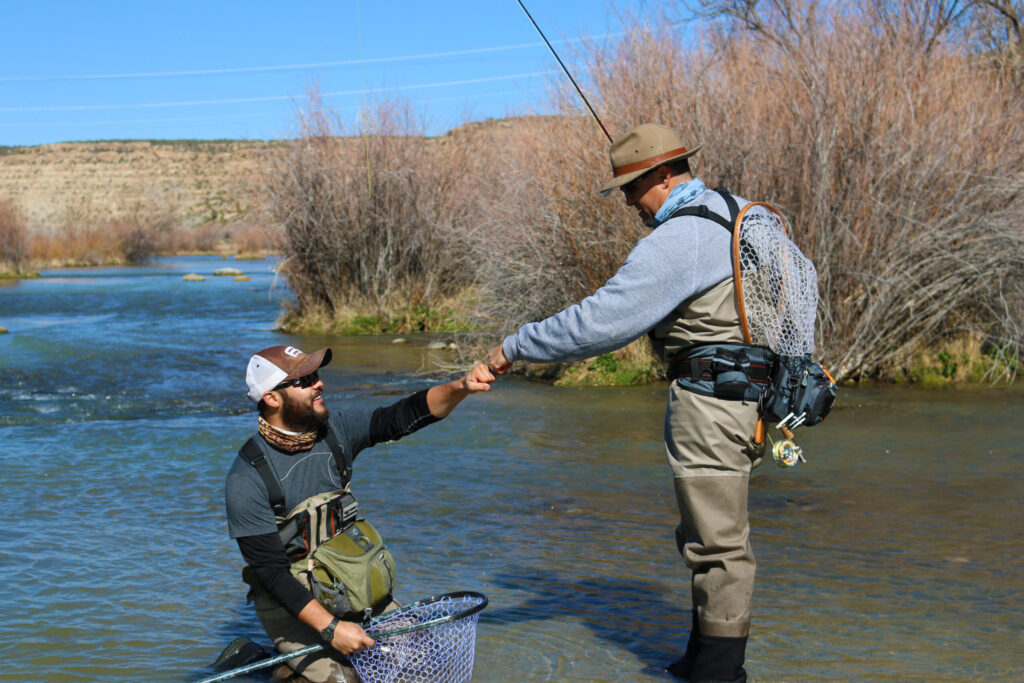
Hunting & Fishing Access

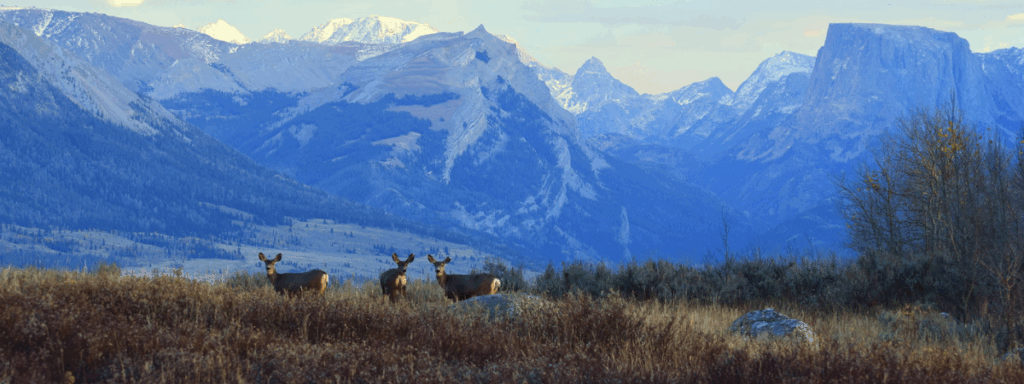
America’s 640 million acres of national public lands provide irreplaceable hunting and fishing opportunities to millions of Americans.

Learn More About Access
What TRCP is Doing

We’re working to safeguard America’s public lands so hunters and anglers always have quality places to pursue their passions.
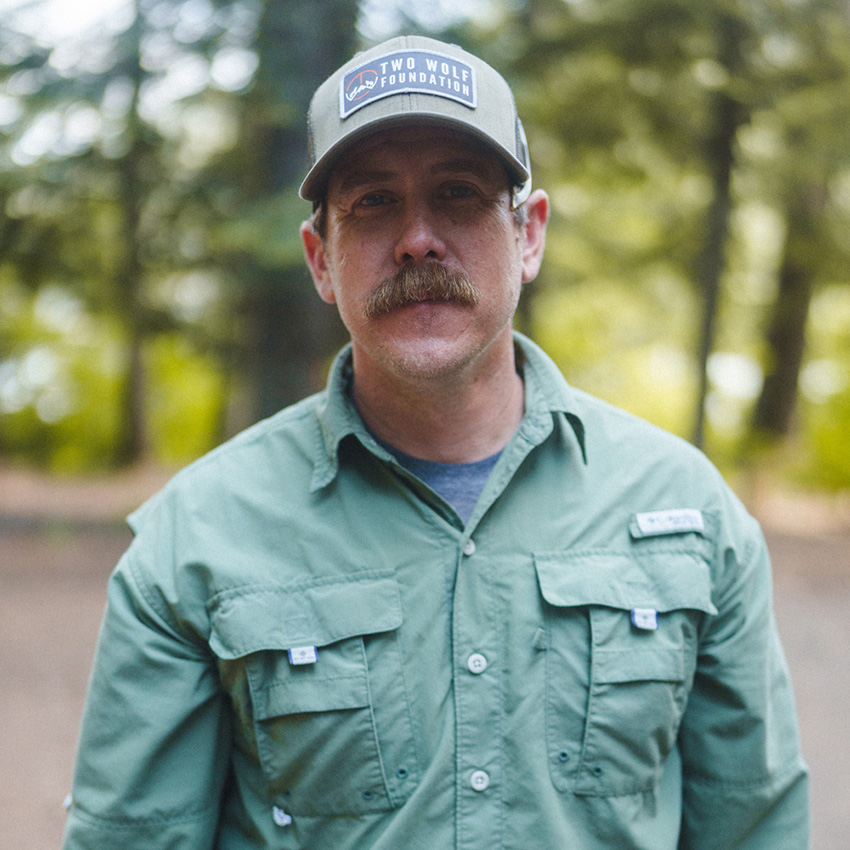
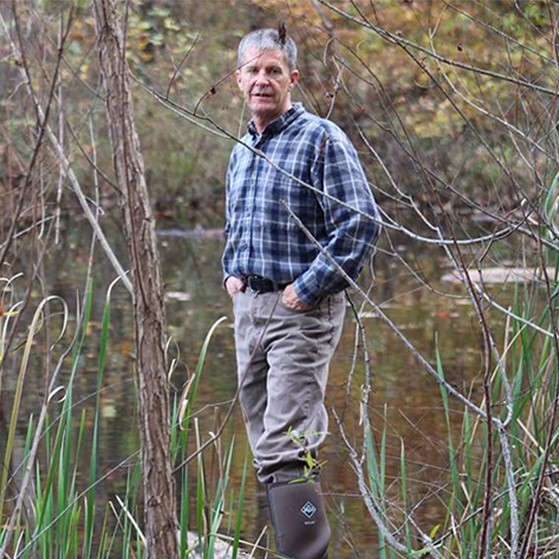
 Brian Flynn, Two Wolf Foundation
How Sportsmen Are Doing It Right

Brian Flynn, Two Wolf Foundation's Story

Following a distinguished career in the U.S. Army, lifelong outdoorsman Brian Flynn returned home from a deployment in Afghanistan and…

Hunting
Why It Matters

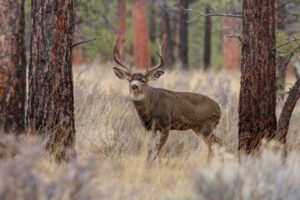
Key Issues for America’s Hunters

Your source for the latest policy updates, conservation challenges, and opportunities shaping America’s hunting traditions.

What TRCP is Doing

We’re fighting for meaningful policy changes that benefit wildlife, our waters, and the American landscapes that make our outdoor traditions possible.

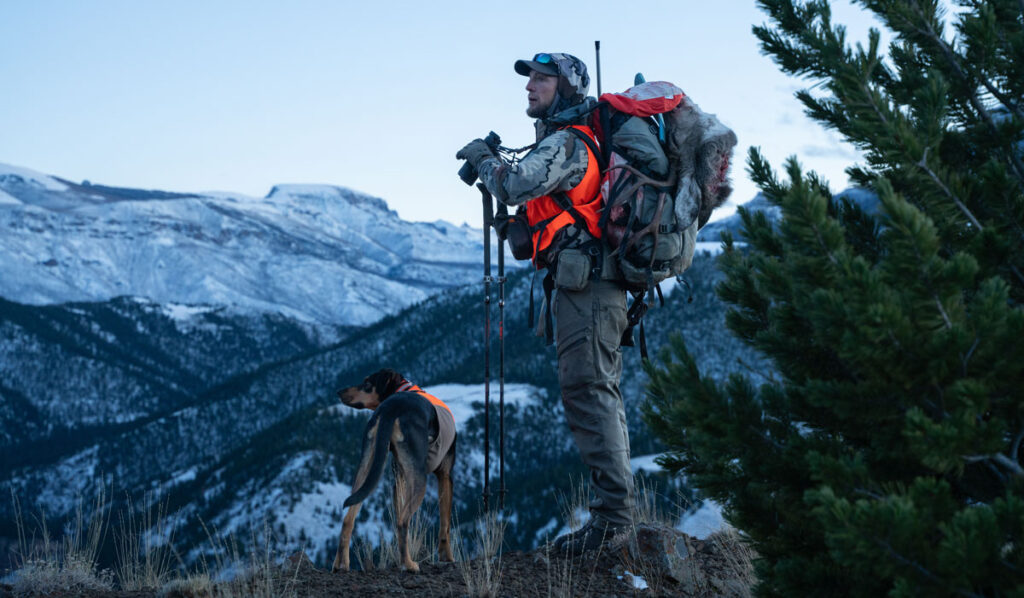
 Ryan Sparks
How Sportsmen Are Doing It Right

Ryan Sparks's Story

TRCP’s “In the Arena” series highlights the individual voices of hunters and anglers who, as Theodore Roosevelt so famously said,…
Fishing
Why It Matters

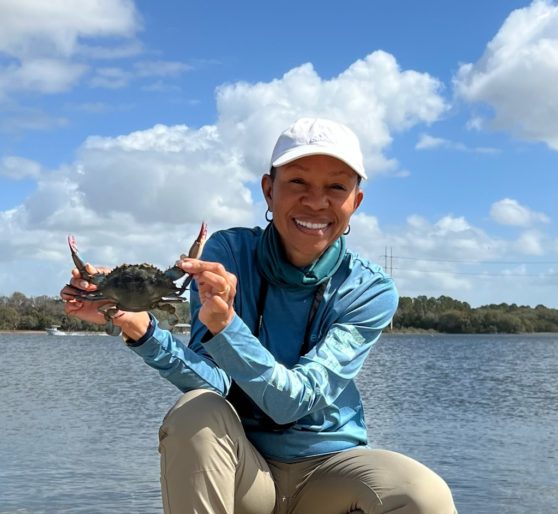
Key Issues for America’s Anglers

Your source for the latest policy updates, conservation challenges, and opportunities shaping America’s fishing traditions.

What TRCP is Doing

We’re fighting for meaningful policy changes that benefit wildlife, our waters, and the American landscapes that make our outdoor traditions possible.

 David Mangum
How Sportsmen Are Doing It Right

David Mangum's Story

Capt. David Mangum is a YETI ambassador and outdoor photographer who utilizes his talents to produce media that inspire a…

Private Land
Why It Matters

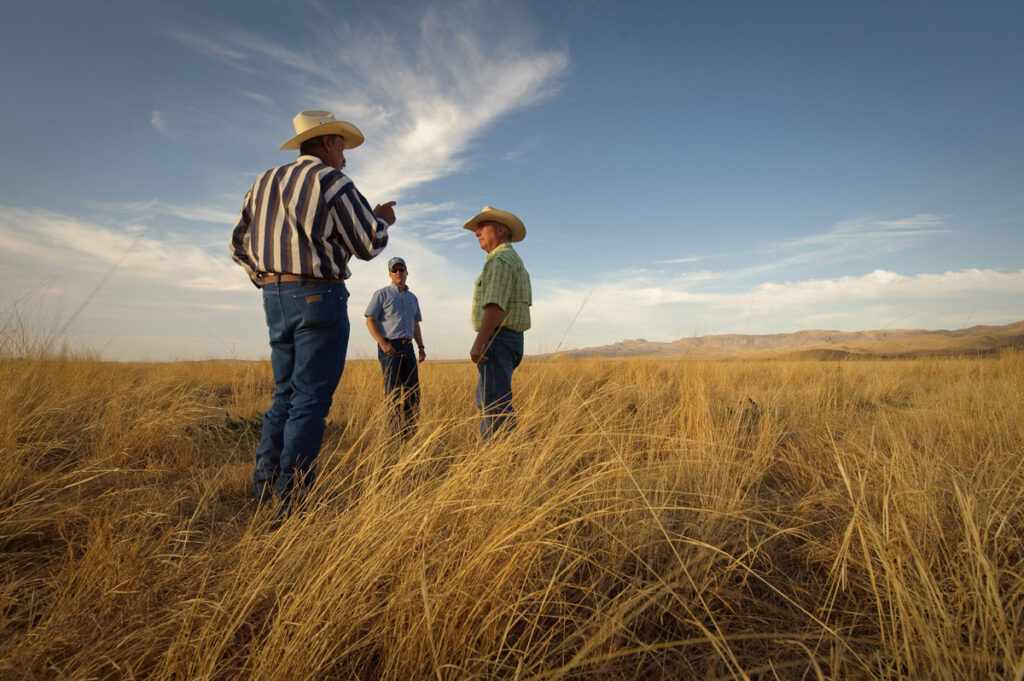
Stewardship on America’s private lands

With 70 percent of U.S. lands in private hands and many of our best hunt and fish opportunities occurring there, investing in voluntary conservation on working lands safeguards access, strengthens habitat and water quality, and ensures resilient landscapes.

Learn More
What TRCP is Doing

We champion policies and programs that restore wildlife habitat, improve soil and water health, and keep working lands productive.

 Ward Burton
How Sportsmen are Doing It Right

Ward Burton's Story

Ward Burton’s NASCAR driving career stretched across most of two decades. As an avid sportsman and conservationist, he founded the…

Special Places
Why It Matters

Special Places Worth Protecting

America’s most iconic landscapes provide unmatched habitat and unforgettable days afield. These places sustain wildlife, anchor local economies, and define the hunting and fishing traditions we pass down.

What TRCP is Doing

We’re working to conserve special places that provide world-class habitat and unforgettable opportunities for hunters and anglers.

 Franklin Adams
How Sportsmen Are Doing It Right

Franklin Adams's Story

As a true Gladesman, conservationist, and historian, Capt. Franklin Adams has spent more than six decades championing Everglades restoration efforts…

Habitat & Clean Water
Why It Matters

Healthy Habitat Powers Every Pursuit

All hunting and fishing opportunities depend on quality habitat, from clean water and healthy wetlands to winter and summer habitats and the migration corridors that connect them.

All About Habitat & Clean Water
What TRCP is Doing

We are working to safeguard the habitats that power every hunting and fishing opportunity.

 Alex Harvey
How Sportsmen Are Doing It Right

Alex Harvey's Story

Alex Harvey, founder of Legacy Land Management, is a registered professional forester in Mississippi and Alabama with a Master's degree…

Science
Why It Matters

Science That Guides TRCP

From conserving migration corridors and wetlands to ensuring clean water and resilient landscapes, science provides evidence that turns conservation goals into effective action.

Science for Conservation
What TRCP is Doing

For hunters and anglers, science safeguards the experiences we treasure including resilient big game populations, abundant fish, and wild places that endure changing social landscapes.

Jamelle Ellis
Your Science Expert

Jamelle Ellis's Story

Jamelle Ellis joined the Theodore Roosevelt Conservation Partnership in 2022. Jamelle spent the last three years as an environmental sustainability…

Where We Work
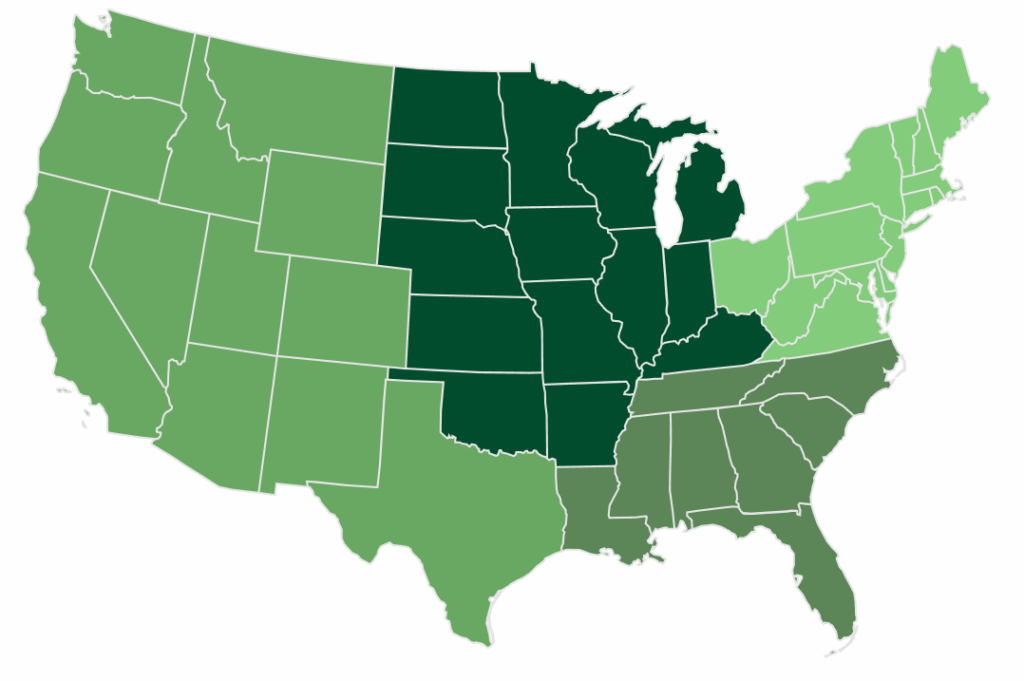
Across the Nation

Conservation Across America

TRCP works across the country to ensure hunters and anglers can enjoy healthy fish and wildlife and quality days afield, no matter where they live.

See All Issues
TRCP in Your Region

TRCP works across the country to ensure hunters and anglers can enjoy healthy fish and wildlife and quality days afield, no matter where they live.

Who We Are
Our Mission

To guarantee all Americans quality places to hunt & fish

We unite and amplify our partners’ voices to advance America’s legacy of conservation, habitat, and access.

Our Mission & Values
Our People & Partners
  • Meet the TRCP Team

    Our staff and board members unite and amplify our partners’ voices to advance America’s legacy of conservation, habitat, and access.

    Meet the Team
  • Our Partners

    ‘Partnership’ is in our name. We work with 64 diverse partner groups that represent today’s leading hunting, fishing, and conservation organizations in order to strengthen the sportsman’s voice in Washington, D.C.

    Our Partners
  • Corporate Council

    TRCP’s Corporate Council is made up of diverse corporations that share a common passion for conservation.

    Corporate Council
Our Organization

Looking for more information?

Explore our latest news, policy updates, and conservation resources to get the information you need.

Giving
How You Can Help

To guarantee all Americans quality places to hunt & fish

Your tax-deductible donation will support TRCP's mission, now and into the future.

DONATE
Special Ways to support trcp
  • Capital Conservation Awards Dinner

    The CCAD is one of Washington's best-attended conservation celebrations, featuring dinner, cocktails, and a silent auction.

    Learn More
  • Step Into the Arena

    Help us ensure that our treasured wild habitats and game remain intact for the next generation to enjoy – lend your support to the TRCP’s efforts today!

    Donate
  • Roosevelt Roast

    TRCP has partnered with Afuera Coffee Co. to further our commitment to conservation.

    Learn More
More donation options

Find the best way for you to lend your support. Join one of TRCP’s donor circles for special invitations, premium offerings from outdoor retailers, and more exclusive benefits. Take control of your legacy with planned giving or contribute to special conservation funds.

Other Ways To Give
News
In the Spotlight

Oregon Legislature Passes Landmark “1.25 Percent for Wildlife” Act

After three legislative sessions and more than a decade of advocacy, a bipartisan coalition secures Oregon’s most significant conservation funding victory in a generation.

Read More

Stay Informed

Receive our newsletter, the Roosevelt Report, right in your inbox. Never miss the latest news in conservation issues.

by:

posted in:

February 11, 2026

Ryan Dulaney-800 crop

Do you have any thoughts on this post?

XHTML: You can use these tags: <a href="" title=""> <abbr title=""> <acronym title=""> <b> <blockquote cite=""> <cite> <code> <del datetime=""> <em> <i> <q cite=""> <s> <strike> <strong>

Comments must be under 1000 characters.

by:

posted in:

USDA Announces Conservation Reserve Program Signup for 2026

CRP continues a proven legacy of habitat conservation benefiting landowners, producers, wildlife, and sportsmen and women.

Yesterday, the US Department of Agriculture’s Farm Service Agency announced upcoming enrollment periods for the Conservation Reserve Program’s Continuous and General sign-ups. Continuous CRP offers will be accepted from February 12 through March 20, and the General CRP signup will run from March 9 through April 17. USDA also indicated that Grassland CRP signup dates will be announced soon. 

The Conservation Reserve Program (CRP) is one of the most important habitat creation and improvement tools in existence. Directly impacting almost 27 million acres, the Conservation Reserve Program gives landowners the financial support they need to put their least productive and most sensitive cropland into conservation cover, particularly on acres that would be more productive as wildlife habitat than they are for crops. It also incentivizes improved management on rangelands.  This keeps soil in place, filters water, creates wetlands, and boosts wildlife populations while supporting farm and ranch profitability.  

“We’re still very close to the 27-million-acre statutory cap with 1.9 million acres available for all CRP enrollments this fiscal year so enrollment is likely to be competitive,” USDA’s Under Secretary for Farm Production and Conservation Richard Fordyce said. “This isn’t about the total number of acres enrolled, it’s about producers and landowners offering and USDA accepting the acres that can best deliver real, lasting benefits to soil, water and wildlife.” 

Many of the species hunters and anglers love to pursue find habitat in farm country thanks to the CRP. Without the CRP, pheasant numbers would plummet, the northern plains states would lose much of their duck breeding habitat, sage grouse in the West would be at even greater risk, and brook trout would decline in Eastern headwaters. Put simply, without the CRP, millions of sportsmen and women would lose hunting and fishing opportunities across rural America.  

“Habitat makes opportunity, and no USDA program creates more habitat that benefits both producers and hunters and anglers than the Conservation Reserve Program,” said Aaron Field, director of private lands conservation at the Theodore Roosevelt Conservation Partnership. “CRP has a long track record of supporting wildlife, improving water quality, and expanding access to quality hunting and fishing opportunities, while keeping working lands working. We thank USDA for opening this signup as producers make decisions for the year ahead.” 

Learn more about Conservation Reserve Program enrollment options and eligibility through USDA’s Farm Service Agency HERE 

Additional information on how the Conservation Reserve Program and how it benefits hunters and anglers can be found HERE 

Learn more about Farm Bill Conservation Programs here

by:

posted in:

February 10, 2026

Colorado River Decisions Will Shape the Future of Fish, Wildlife, and the Southwest

With this important federal milestone, now is the time for the Colorado River Basin States to come to an agreement on the future of the Colorado River.

WASHINGTON, D.C. – In early January, the Department of the Interior and the Bureau of Reclamation released a Draft Environmental Impact Statement outlining post-2026 operations for the Colorado River. The Draft EIS includes a range of alternative approaches that will shape future water management decisions with major implications for fish, wildlife, hunting, fishing, and outdoor recreation across the Basin. 

The Draft EIS announcement comes at a time of greater uncertainty regarding the Colorado River’s trajectory as Basin states and federal partners continue working to define a long-term management framework that provides stability for water users while safeguarding the Colorado River for current and future generations. 

The Theodore Roosevelt Conservation Partnership has long been engaged in Colorado River Basin issues and works to advance durable, science-based solutions that sustain fish and wildlife, as well as the hunting and fishing opportunities that depend on healthy rivers. 

“We appreciate the work by the Department of the Interior and the Bureau of Reclamation to put forward a Draft EIS that clearly acknowledges the vulnerability of the Colorado River system and the implications for fish, wildlife, and the hunting and fishing opportunities that depend on a healthy river,” said Alex Funk, TRCP’s director of water resources. “The Draft EIS represents an important step in moving the Basin toward a more transparent, science-based, and collaborative discussion about long-term risk and responsibility and it is now on the Basin states to reach an agreement that brings much needed water security to the Basin .” 

As reflected in the Draft EIS, a durable post-2026 framework will depend on greater clarity and predictability around future risk, along with the ability to utilize flexible tools that will allow water to be conserved and stored in ways that could provide a range of benefits, including for fish and wildlife that depend on the Colorado River.  

“Long-term success will also hinge on how effectively the framework integrates values, including how management decisions can best support native fisheries, wildlife habitat, and a robust outdoor recreation economy across the Basin,” continued Funk. 

Restoring balance to the Colorado River system and providing long-term reliability will require moving beyond short-term adjustments and incremental measures. The Draft EIS represents an important step by acknowledging system vulnerability and evaluating a range of operational alternatives, but it is not the endpoint. It will be critical that the Bureau of Reclamation, Basin States, and other stakeholders are given the ability to translate these concepts into a comprehensive, implementable framework and to pair future work with sustained investment in conservation, infrastructure modernization, watershed health, and water-reliability initiatives that support communities, economies, and fish and wildlife across the West. 

by:

posted in:

February 9, 2026

Part II: Conservation, Access, and Public Land Management in Nevada

Understanding how targeted, conservation-driven decisions can strengthen wildlife habitat and hunter and angler access in Nevada

The Theodore Roosevelt Conservation Partnership, and many Nevada-based conservation organizations, oppose large-scale public land sales and approach any land management discussion through the lens of conservation outcomes and public access. This blog includes a breakdown on how current legislation could impact the future of public land management in the Silver State.

In my last blog, you read about my 2025 pronghorn archery hunt on public land. I am so grateful to live in a state that affords me these hunting opportunities.

Like me, most hunters who are lucky enough to draw a big game tag in Nevada will likely hunt on public lands managed by the Bureau of Land Management. At 48 million acres, Nevada has more BLM-managed lands within its borders than any other state in the West.

Public lands uniquely define our country and so many American lives.

These millions of acres of public lands are a big part of why I love Nevada and call it my home. Our public lands provide space to roam freely, hunt, fish, hike, and recreate, and that is what Nevada, and the American West, is all about. Public lands uniquely define our country and so many American lives. Our public lands are not just places to hunt and fish, they are working landscapes that support wildlife, sustain our access, and supports local economies. That is why the TRCP, our partners, and most Nevada-based sporting and conservation groups remain firmly opposed to large-scale public land sales and believe that any discussion about public land management must prioritize long-term conservation, public access, and transparency above all else.

With these principles in mind, there is room for thoughtful discussion about how Nevada can address growth, conservation, and access challenges without sacrificing the public lands that define our hunting and fishing heritage. A few such targeted exchanges have taken place in Nevada. These efforts were well recognized as bipartisan, collaborative efforts between lawmakers, state and federal agencies, conservation groups, and sportsmen and women.

While the vast majority of public lands should remain public, there are a small number of cases where the sale or transfer of carefully vetted parcels would make sense, so long as the funds generated from those sales are directed back into conservation efforts on public lands in the states that they were sold. These select acres tend to be lands close to existing communities that no longer possess quality wildlife habitat or offer hunting and fishing opportunities. When conducted properly, these transactions can convert low-quality parcels with poor habitat and low recreational value into conservation wins by reinvesting the proceeds into public lands with high-quality habitat, recreational opportunities, and securing access to the places that matter most to hunters, anglers, and outdoor recreationalists.

The important discussion now is how to distinguish between public lands with the greatest habitat, wildlife, recreational, cultural, and conservation values and those lands that are suitable for disposal to achieve responsible growth. We need tools like the recently released onX map, which identifies BLM lands marked for potential disposal through a formal administrative process. We must also ensure public engagement with state and federal agencies and lawmakers throughout the decision-making process.

Our public lands are not just places to hunt and fish, they are working landscapes that support wildlife, sustain our access, and supports local economies. That is why the TRCP, our partners, and most Nevada-based sporting and conservation groups remain firmly opposed to large-scale public land sales and believe that any discussion about public land management must prioritize long-term conservation, public access, and transparency above all else.

Current Legislation for Nevada’s Public Land Management Future

The Northern Nevada Economic Development and Conservation Act 2025 (H.R. 2317), introduced by Representative Mark Amodie, the Pershing County Economic Development and Conservation Act 2025 (S.1195) and the Truckee Meadows Public Lands Management Act (S. 462) both introduced by Senator Jackie Rosen, and the Southern Nevada  Economic Development and Conservation Act (S.1005) introduced by Senator Catherine Cortez-Masto are four examples of legislation aimed at reshaping public land management in northern Nevada. These bills encourage economic development, cultural land use, and wildlife conservation.

The two bills specifically related to my 2025 hunting season in northern Nevada—H.R. 2317 and S. 1195—will help address the public and private land ownership issues of checkerboarding. By allowing the sale of some carefully vetted public land parcels and the exchange of others, large sections of public and private lands will become contiguous, allowing for greater economic development and greater public access to once-landlocked public lands.

Additionally, H.R. 2317 and S. 1195 would remove land management constraints that have made needed habitat restoration efforts more difficult, while setting aside roughly 136,000 acres for conservation and wildlife habitat. While S.1005 and S.462 primarily focus on Washoe and Clark counties, they are examples of how major conservation wins can be achieved through small well-vetted transfers of public lands. These two bills would conserve nearly 1,700,000 acres through new or expanded Wilderness areas. This would represent one of the largest conservation gains in Nevada benefiting hunters and anglers.

Public lands management must prioritize transparency, long-term conservation, and public hunting and fishing access.

The bills include the requirement that proceeds from public land sales would be dispersed similar to the Southern Nevada Public Lands Management Act, keeping the proceeds in Nevada to help fund public schools (5%), infrastructure (10%), and the future conservation restoration of public lands and wildlife habitat (85%).

H.R. 2317, S. 1195, S. 462, and S.1005 all represent bipartisan, conservation collaboration between lawmakers, invested stakeholders, NGO’s, and the public. They emerged from a multi-year collaborative process involving local governments, developers, hunting/fishing groups, and Tribal governments dating back to 2016. They all mirror the structure of the Southern Nevada Public Lands Management Act, but with clear parcel-by-parcel selection for additional transparency. Supporters praise the balanced inclusion of development, conservation, and Tribal equity. As written and unamended, the conservation language, Wilderness designations, and revenue structure have earned these bills support from several Nevada sporting and conservation groups that have worked closely with Representative Amodie, Senator Rosen, and Senator Cortez-Masto.

The foundation of these four pieces of legislation can inform future discussions in other states about public lands management and how those conversations must prioritize transparency, long-term conservation, and public hunting and fishing access.

Learn more about TRCP’s commitment to public land HERE.

Read Part I of this two-part series on public lands in Nevada, as TRCP’s Nevada field representative shares a spot-and-stalk archery pronghorn hunt.


by:

posted in:

Part I: A Nevada Public Land Pronghorn Hunt

In Part I of this two-part series on public lands in Nevada, TRCP’s Nevada field representative shares a spot-and-stalk archery pronghorn hunt and focuses on the personal connection hunters have to public lands

The Nevada archery season opens early and hot on August 1 when the grass and brush is crunchy, the temps are triple digits, and the relative humidity is in the teens. This time of year, water holes are shallow and scarce, providing an excellent opportunity for the patient archery hunter to sit in a blind and wait for the perfect buck to walk within bow range.

Unfortunately, I am not a patient hunter. I am a plodder, a hiker, a let’s-go-have-a-look kind of hunter and the soles of my boots pay the price. Though in 2025, I was determined to make myself sit down and not move—for at least two days.

I built a sagebrush blind in mid-July above a little seep that trickled off a hill creating a few muddy puddles. I prepped for success with a fan, snacks, ice water in a small cooler, and a bandanna to soak and wrap around my neck. I also had about four years of hunting and kid pictures on my phone to organize.

Coston’s home for two days: the pronghorn blind.

I persevered for those two long, hot days despite a severe bout of restless leg syndrome. I saw my target buck early on the first morning watering out of bow range and a couple nice bucks that came right in but never presented a clean, clear shot. Even with all my preparation and planning, I couldn’t bring myself to sit still any longer.

I went back to basics, back to what I know, to what I like to think I am good at: finding animals, reading the terrain, anticipating their movements, then working in undetected.

After driving home for the week, I was back late Friday night to break down my blind, and early Saturday morning I was watching a group of eight bucks feed across a grassy bowl.

It was a perfect set up. I dropped off my glassing knob and ducked down into a coulee running uphill alongside the bench they were feeding toward. There was a good band of rocks about 100 yards above the bench, and I made it behind them just as the bucks fed into the open below me.

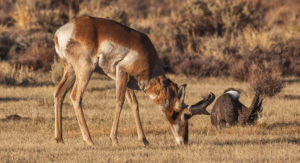
I sat in the rocks as they chased each other, sparred, played, and browsed until eventually spreading out and bedding down. I had a buck picked out and started scooting my way out of the rocks, slowly inching down the hill two feet at a time. I would have to stop and wait, then inch down two more feet, then stop and wait. This went on for a couple hours until I was almost in range of the buck I wanted.

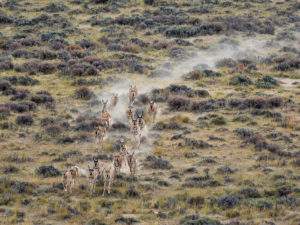
The group of pronghorn Coston spotted from the rocks.

Suddenly, one of the other bucks in the group left his bed and began feeding up the hill toward me. Opportunities like this in archery are sometimes a blessing and sometimes a curse, most of the time they are just what you make them. I slowly sat up and ranged him as he fed inside of 60 yards, slightly quartering toward me. I dialed in my sight, drew back from a seated position, and let my arrow go.

The mix of emotions after this moment are always deep and complex. The two that are usually the strongest are gratitude and appreciation. Gratitude for the life taken and appreciation for the land that fostered and nurtured that life.

I sat there taking in the moment, looking out at the stark beauty of the land and the rest of the job that lay before me. The August heat demanded I worked quickly to break down the animal. A short time later I shouldered my pack bulging with the meat, head, and hide, and started hiking toward my truck. As I made my way down the hill weaving through the rocks and brush, I found myself reflecting on the fact that the public land that I was hunting had recently been proposed for sale.

The result of a successful hunt on public lands.

That fact reinforced why safeguarding these places matters so deeply to me and to hunters and anglers. Any discussion about public land management must begin with a commitment to conservation, public access, and opposition to large-scale land sales.

With those principles in mind, Part II of this blog series looks at how Nevada has approached complex land management challenges and why safeguards and public processes are essential to conserving what matters most.

Read Part II of this blog that details how targeted public land transfers in Nevada can benefit hunters and anglers, conservation, and access.

HOW YOU CAN HELP

TRCP has partnered with Afuera Coffee Co. to further our commitment to conservation. $4 from each bag is donated to the TRCP, to help continue our efforts of safeguarding critical habitats, productive hunting grounds, and favorite fishing holes for future generations.

Learn More

You have Successfully Subscribed!

You have Successfully Subscribed!

You have Successfully Subscribed!

You have Successfully Subscribed!