Our Issues
Public Lands
Why It Matters

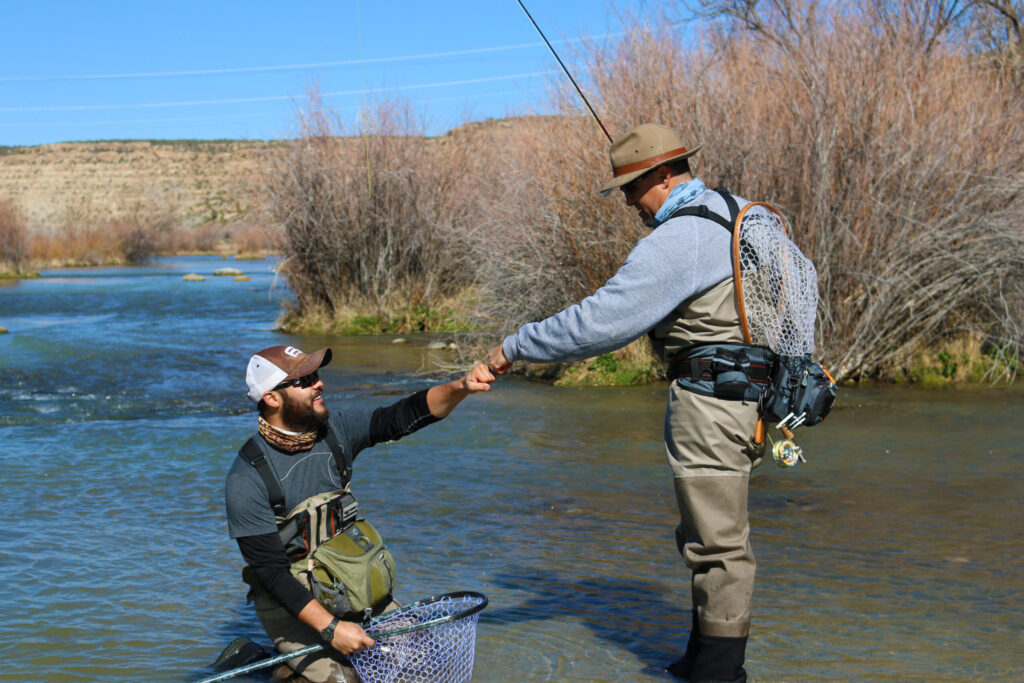
Hunting & Fishing Access

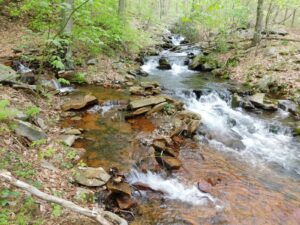
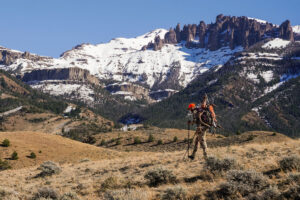
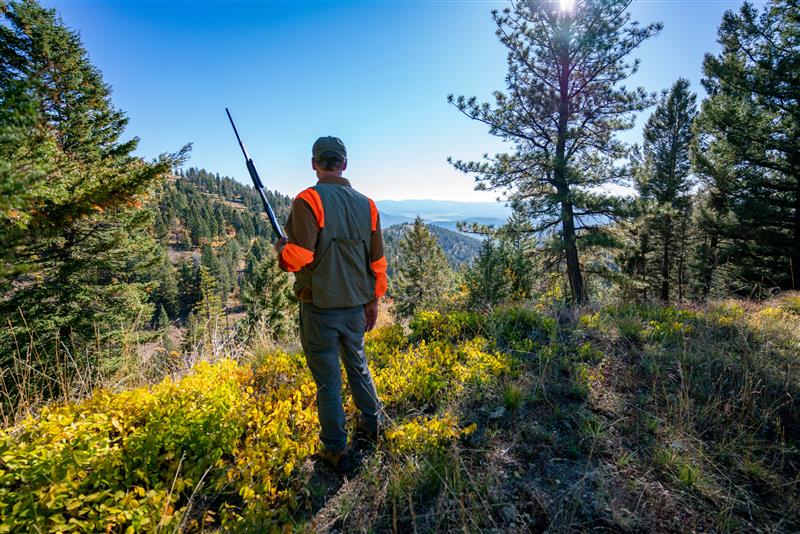
America’s 640 million acres of national public lands provide irreplaceable hunting and fishing opportunities to millions of Americans.

Learn More About Access
What TRCP is Doing

We’re working to safeguard America’s public lands so hunters and anglers always have quality places to pursue their passions.
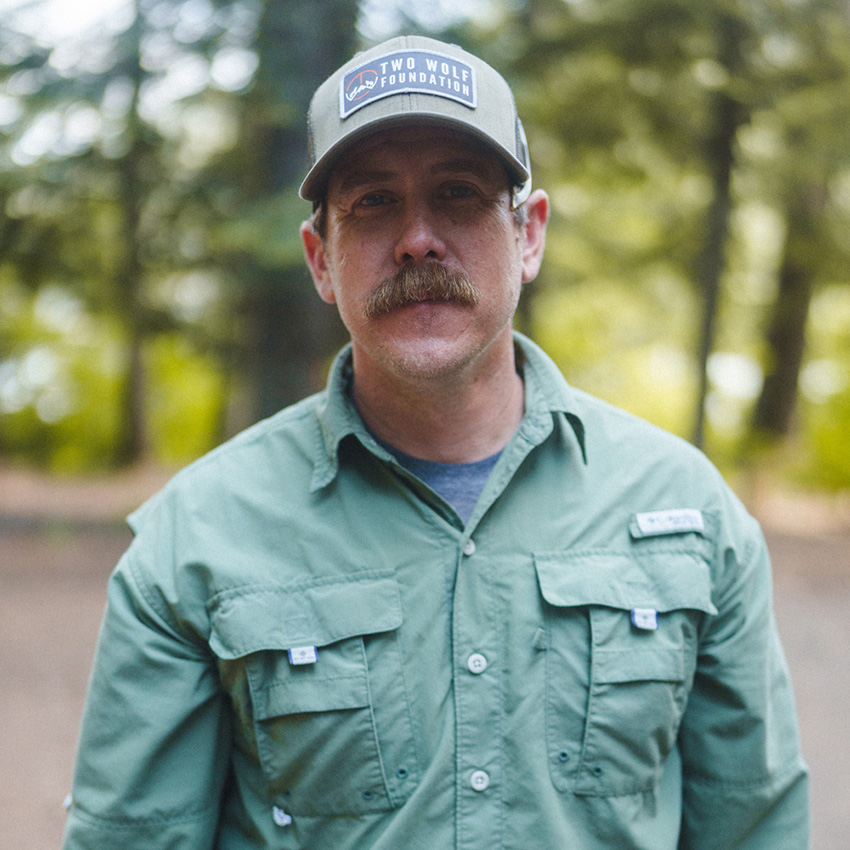
 Brian Flynn, Two Wolf Foundation
How Sportsmen Are Doing It Right

Brian Flynn, Two Wolf Foundation's Story

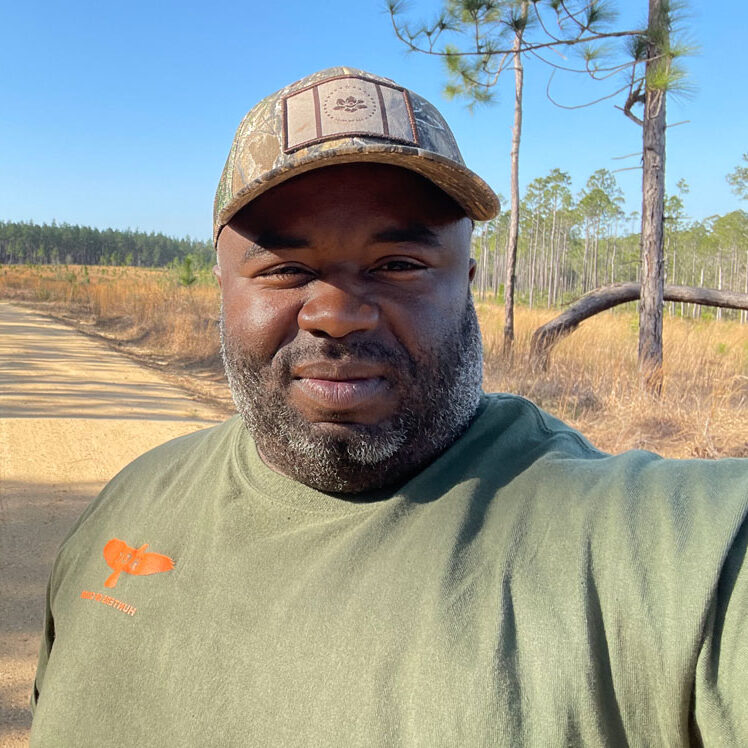
Following a distinguished career in the U.S. Army, lifelong outdoorsman Brian Flynn returned home from a deployment in Afghanistan and…

Hunting
Why It Matters

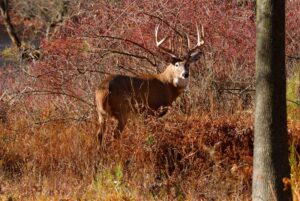
Key Issues for America’s Hunters

Your source for the latest policy updates, conservation challenges, and opportunities shaping America’s hunting traditions.

What TRCP is Doing

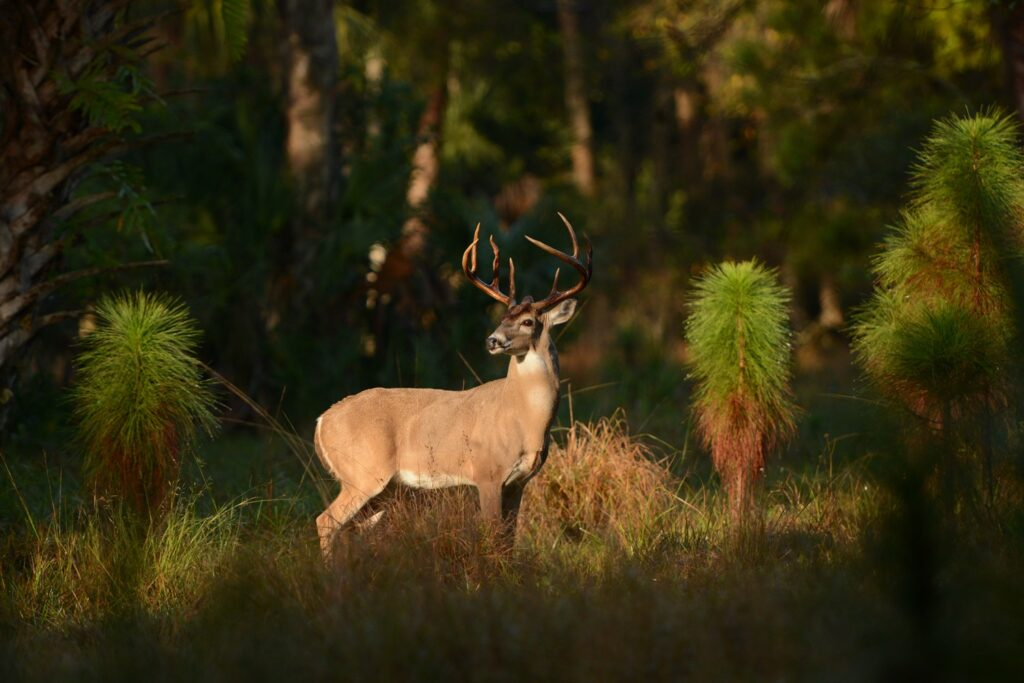
We’re fighting for meaningful policy changes that benefit wildlife, our waters, and the American landscapes that make our outdoor traditions possible.

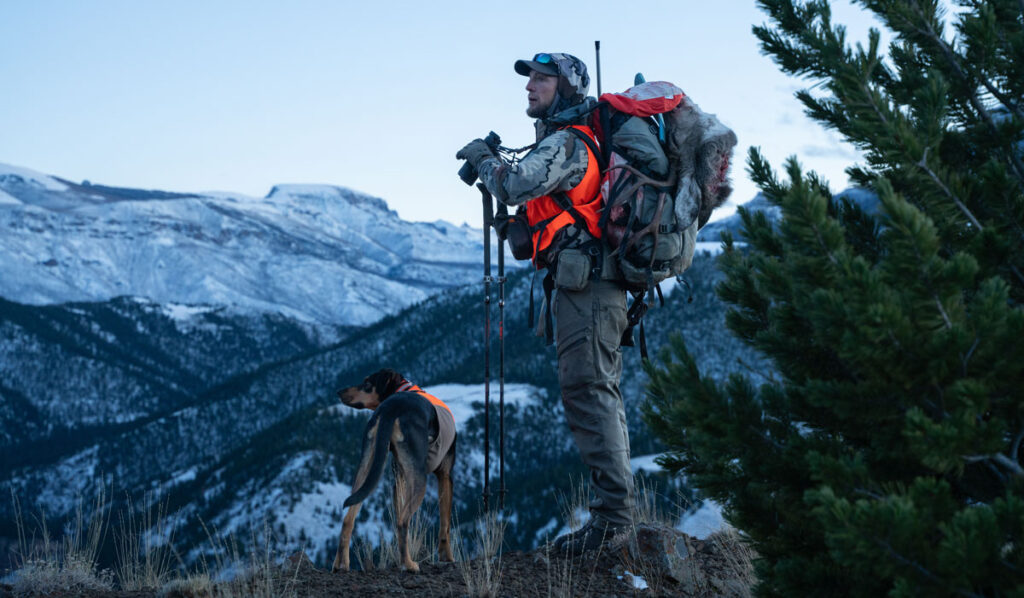
 Ryan Sparks
How Sportsmen Are Doing It Right

Ryan Sparks's Story

TRCP’s “In the Arena” series highlights the individual voices of hunters and anglers who, as Theodore Roosevelt so famously said,…
Fishing
Why It Matters

Key Issues for America’s Anglers

Your source for the latest policy updates, conservation challenges, and opportunities shaping America’s fishing traditions.

What TRCP is Doing

We’re fighting for meaningful policy changes that benefit wildlife, our waters, and the American landscapes that make our outdoor traditions possible.

 David Mangum
How Sportsmen Are Doing It Right

David Mangum's Story

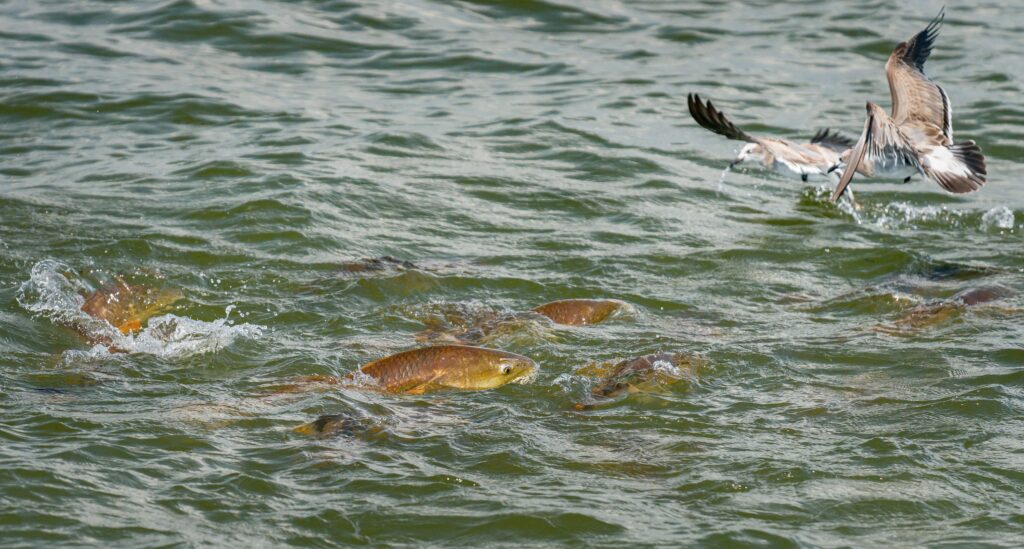
Capt. David Mangum is a YETI ambassador and outdoor photographer who utilizes his talents to produce media that inspire a…

Private Land
Why It Matters

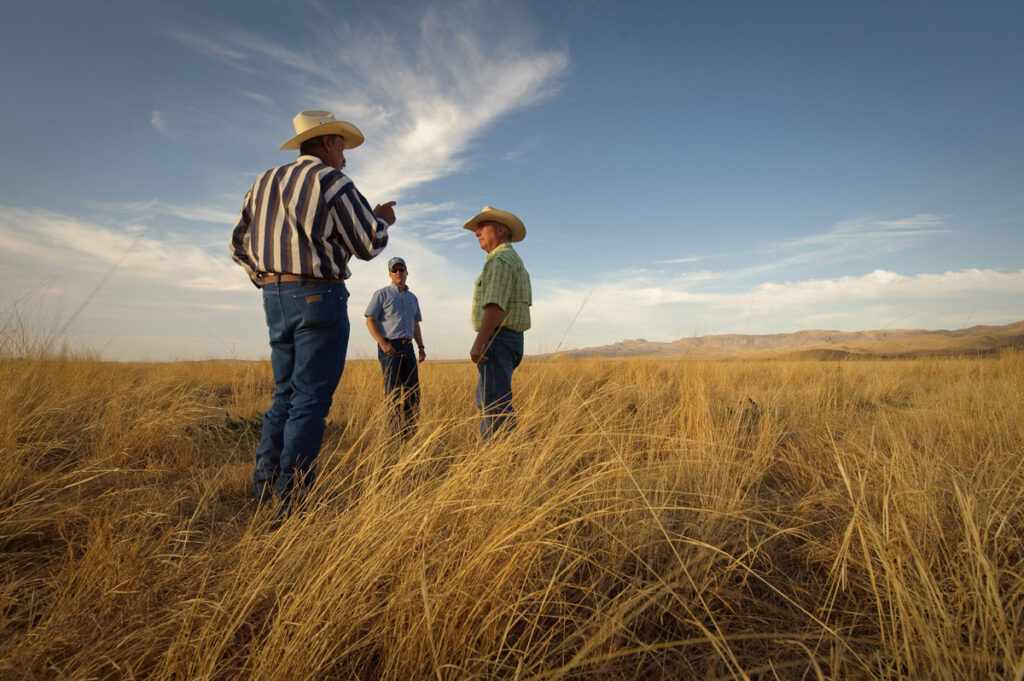
Stewardship on America’s private lands

With 70 percent of U.S. lands in private hands and many of our best hunt and fish opportunities occurring there, investing in voluntary conservation on working lands safeguards access, strengthens habitat and water quality, and ensures resilient landscapes.

Learn More
What TRCP is Doing

We champion policies and programs that restore wildlife habitat, improve soil and water health, and keep working lands productive.

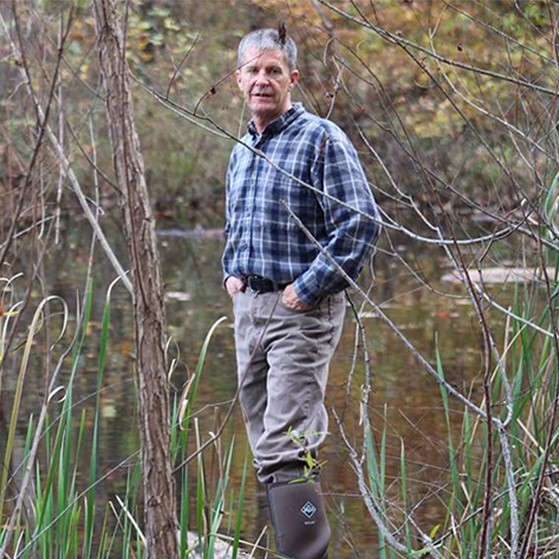
 Ward Burton
How Sportsmen are Doing It Right

Ward Burton's Story

Ward Burton’s NASCAR driving career stretched across most of two decades. As an avid sportsman and conservationist, he founded the…

Special Places
Why It Matters

Special Places Worth Protecting

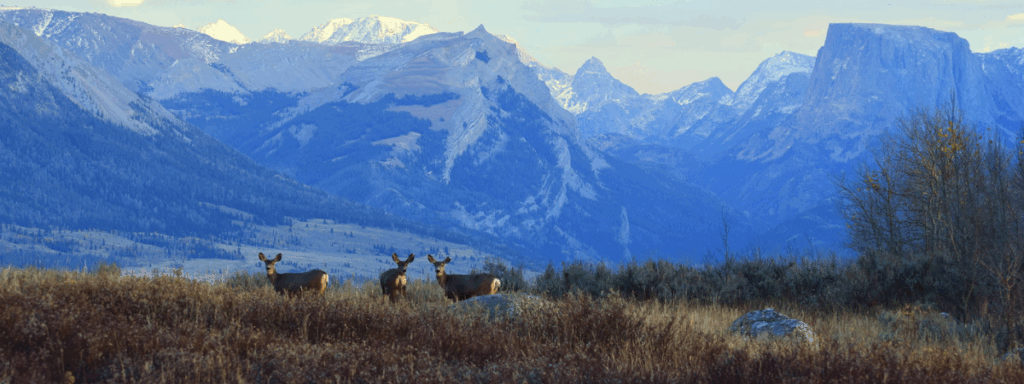
America’s most iconic landscapes provide unmatched habitat and unforgettable days afield. These places sustain wildlife, anchor local economies, and define the hunting and fishing traditions we pass down.

What TRCP is Doing

We’re working to conserve special places that provide world-class habitat and unforgettable opportunities for hunters and anglers.

 Franklin Adams
How Sportsmen Are Doing It Right

Franklin Adams's Story

As a true Gladesman, conservationist, and historian, Capt. Franklin Adams has spent more than six decades championing Everglades restoration efforts…

Habitat & Clean Water
Why It Matters

Healthy Habitat Powers Every Pursuit

All hunting and fishing opportunities depend on quality habitat, from clean water and healthy wetlands to winter and summer habitats and the migration corridors that connect them.

All About Habitat & Clean Water
What TRCP is Doing

We are working to safeguard the habitats that power every hunting and fishing opportunity.

 Alex Harvey
How Sportsmen Are Doing It Right

Alex Harvey's Story

Alex Harvey, founder of Legacy Land Management, is a registered professional forester in Mississippi and Alabama with a Master's degree…

Science
Why It Matters

Science That Guides TRCP

From conserving migration corridors and wetlands to ensuring clean water and resilient landscapes, science provides evidence that turns conservation goals into effective action.

Science for Conservation
What TRCP is Doing

For hunters and anglers, science safeguards the experiences we treasure including resilient big game populations, abundant fish, and wild places that endure changing social landscapes.

Jamelle Ellis
Your Science Expert

Jamelle Ellis's Story

Jamelle Ellis joined the Theodore Roosevelt Conservation Partnership in 2022. Jamelle spent the last three years as an environmental sustainability…

Where We Work
Across the Nation

Conservation Across America

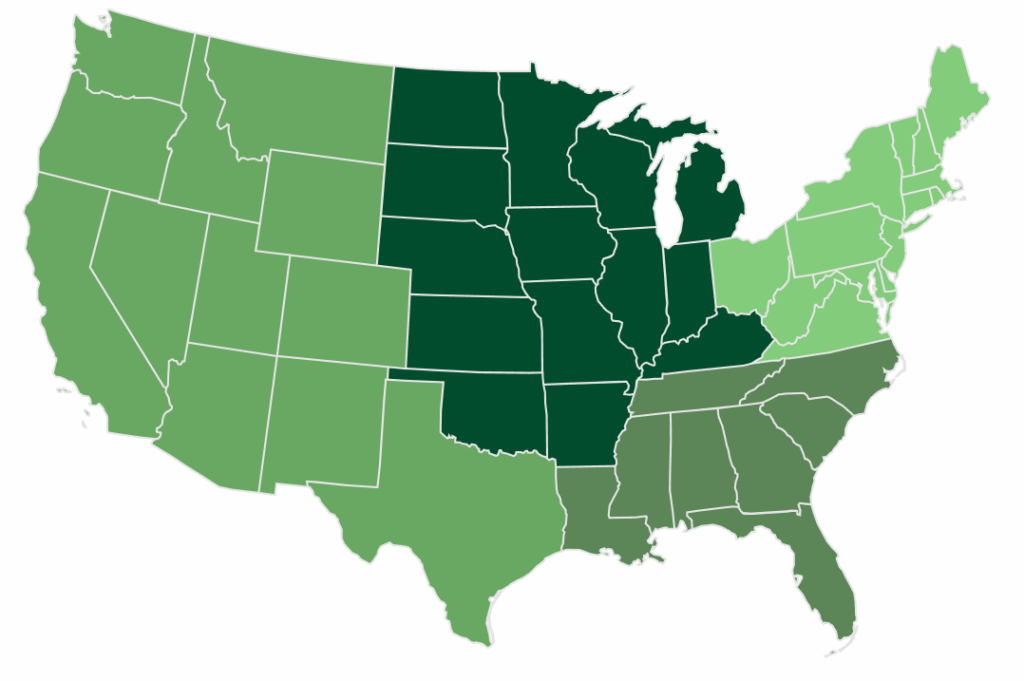
TRCP works across the country to ensure hunters and anglers can enjoy healthy fish and wildlife and quality days afield, no matter where they live.

See All Issues
TRCP in Your Region

TRCP works across the country to ensure hunters and anglers can enjoy healthy fish and wildlife and quality days afield, no matter where they live.

Who We Are
Our Mission

To guarantee all Americans quality places to hunt & fish

We unite and amplify our partners’ voices to advance America’s legacy of conservation, habitat, and access.

Our Mission & Values
Our People & Partners
  • Meet the TRCP Team

    Our staff and board members unite and amplify our partners’ voices to advance America’s legacy of conservation, habitat, and access.

    Meet the Team
  • Our Partners

    ‘Partnership’ is in our name. We work with 64 diverse partner groups that represent today’s leading hunting, fishing, and conservation organizations in order to strengthen the sportsman’s voice in Washington, D.C.

    Our Partners
  • Corporate Council

    TRCP’s Corporate Council is made up of diverse corporations that share a common passion for conservation.

    Corporate Council
Our Organization

Looking for more information?

Explore our latest news, policy updates, and conservation resources to get the information you need.

Giving
How You Can Help

To guarantee all Americans quality places to hunt & fish

Your tax-deductible donation will support TRCP's mission, now and into the future.

DONATE
Special Ways to support trcp
  • Capital Conservation Awards Dinner

    The CCAD is one of Washington's best-attended conservation celebrations, featuring dinner, cocktails, and a silent auction.

    Learn More
  • Step Into the Arena

    Help us ensure that our treasured wild habitats and game remain intact for the next generation to enjoy – lend your support to the TRCP’s efforts today!

    Donate
  • Roosevelt Roast

    TRCP has partnered with Afuera Coffee Co. to further our commitment to conservation.

    Learn More
More donation options

Find the best way for you to lend your support. Join one of TRCP’s donor circles for special invitations, premium offerings from outdoor retailers, and more exclusive benefits. Take control of your legacy with planned giving or contribute to special conservation funds.

Other Ways To Give
News
In the Spotlight

TRCP Appreciates Make America Beautiful Again 250 Strategy and Migration Announcements

Efforts will continue progress on habitat, access, and big game migration corridor conservation

Read More

Stay Informed

Receive our newsletter, the Roosevelt Report, right in your inbox. Never miss the latest news in conservation issues.

by:

posted in:

November 20, 2024

ITA profile image – Chris Dollar

Do you have any thoughts on this post?

XHTML: You can use these tags: <a href="" title=""> <abbr title=""> <acronym title=""> <b> <blockquote cite=""> <cite> <code> <del datetime=""> <em> <i> <q cite=""> <s> <strike> <strong>

Comments must be under 1000 characters.

by:

posted in:

November 19, 2024

TRCP Legislative Priorities Advance Out of Senate Committee

Included bills would modernize public access to federal waters, address Colorado River water issues, and improve wildlife habitat

Today, the Energy and Natural Resources Committee chaired by Senator Joe Manchin (I-W.Va.) with ranking member Senator John Barrasso (R-Wyo.) held a markup on 74 bills which could ultimately be included in an end-of-Congress package advancing public lands, outdoor recreation, wildlife conservation, forestry, and fisheries conservation legislation. Several of the bills marked up today would improve the quality of hunting and fishing in America. 

“TRCP joins hunters and anglers across the country in thanking Senators Manchin and Barrasso and other members of the committee for their continued efforts to craft a bipartisan public lands package,” said Joel Pedersen, president and CEO of the Theodore Roosevelt Conservation Partnership. “Our community stands ready to work to advance legislation that will enhance wildlife habitat, bolster rural economies, and expand hunting and fishing access.”

Below is a list of bills passed out of committee today that we hope to see become law this Congress:

  • S. 373: The RISEE Act (Reinvesting In Shoreline Economies and Ecosystems Act) would establish several dedicated streams of funding for coastal infrastructure and resiliency to protect vulnerable communities and businesses most impacted by sea level rise and coastal erosion, in turn conserving coastal habitats.
  • S. 2169: The Watershed Results Act would ensure a streamline approach for identifying watershed improvement projects for improved water quality and quantity, at the lowest cost to taxpayers.
  • S. 3123: The MAPWaters Act (Modernizing Access to our Public Waters Act) would direct federal agencies to digitize water and fishing access and recreational use information on federal waterways and make those resources readily available to the public. 
  • S. 4576: The Colorado River Basin System Conservation Extension Act would reauthorize the Department of the Interior to fund or participate in pilot projects to increase Colorado River System water in Lake Mead and the Colorado River Storage Project reservoirs through FY2026.

For more than 20 years, the Theodore Roosevelt Conservation Partnership has been at the forefront of conservation, working diligently on behalf of America’s hunters and anglers to ensure America’s legacy of habitat management and access is protected and advanced. Learn more about TRCP’s work supporting the wildlife and fish we love to pursue HERE.

by:

posted in:

November 15, 2024

Hands-On Event Exposes Students to Outdoor Recreation, Conservation Career Paths

MOA Fest, offered at locations around the country by TRCP partner Minority Outdoor Alliance, teaches hunting, fishing, and conservation skills and ideals

Earlier this month I was able to join one of our partner organizations, Minority Outdoor Alliance, for their annual MOA Fest. This festival has been held in various states throughout the country, including Texas, Alabama, and earlier this month, Pennsylvania.

The event is designed to allow college students who have had limited or no exposure to hunting, fishing, and outdoor recreation the opportunity to explore activities and careers in the outdoor and conservation space. Students are given the freedom to try new activities such as mountain biking, clay shooting, and rappelling. This year I watched as students from Temple University and Bucks County Community College kayaked, drew compound bows, and cast fly rods for the first time. Students were also able to participate in a community service project – planting and caging native trees in a local park. The setting was ideal to talk about conservation issues in Pennsylvania, where TRCP unifies the voices of hunters, anglers, and conservationists around key initiatives and works to ensure clean water, enhanced fisheries, and better public access and opportunities.

A student at MOA Fest 2024 learns how to shoot a compound bow. Credit: Carlina Croston

Husband and wife team and co-founders, Durrell and Ashley Smith, started the Minority Outdoor Alliance in the summer of 2020, and soon after offered the first MOA Fest.

“We are incredibly grateful to our dedicated sponsors and partners for making MOA Fest a reality each year,” said MOA President Durrell Smith. “The goals of the festival are unity and expanding the capacity of the host agency by serving as a bridge to connect younger and broader audiences with recreation opportunities and career opportunities in the outdoors.”

Durrell and Ashley Smith started the Minority Outdoor Alliance in summer 2020. Credit: MOA

“Watching students ask questions about how their current educational paths could intersect with the conservation industry was exciting to see.”

While it is always thrilling for students to watch a bird dog demonstration or to learn to cook wild game, MOA also expands participants’ ideas about what it takes to work in conservation and the outdoors. Many of the students who attend MOA Fest each year are from urban areas where spending time in the outdoors may not have been a focal point of their childhoods. When asked what types of careers they think are available, many are surprised to hear that they do not have to be park rangers or biologists to succeed.

The career fair portion of MOA Fest is an opportunity for the local state agencies and partner organizations to let students know about the various professional options available to them. Watching students ask questions about how their current educational paths could intersect with the conservation industry was exciting to see. Law majors discovered there is plenty of work to do in policy at all levels of government and communications majors heard about the teams at various agencies that are dedicated to sharing information across every platform. Facilitating conversations about their ability to protect our environment in diverse ways, early on in these students’ degree paths, may lead some to careers in the outdoors that they may never have considered if not exposed to an event like MOA Fest.

“The unity and diversity we witness at MOA Fest are reminders that the outdoors is a place for all to cherish.”

Durrell Smith, MOA president

What truly makes MOA Fest unique is the focus on underrepresented communities in the outdoor space. Students who have spent their lives in urban areas, with no regular exposure to all the great outdoors have to offer, are often shocked at the number of careers that are available. Being able to actively and effectively interact with this community of students is an asset to the outdoor and conservation space. Their unique perspectives and experiences will do nothing but enhance our collective ability to think nimbly and critically about issues central to our mission as we move into the future of conservation.

Students had the opportunity to experience kayaking at MOA Fest 2024. Credit: Carlina Croston

MOA has created a space where students are free to ask questions, try new things, and network with industry professionals across the conservation and outdoor industry. Their dedication to making the outdoors accessible to everyone and their goal of “Uniting Communities for Joy and Conservation” is truly embodied in this important event.

“MOA believes in the unity of humanity and in fostering authentic connections through shared experiences in the natural world,” Durrell shared with me. “The joy of seeing individuals connect with dogs, sporting traditions, and conservation leadership reaffirms our mission and fills us with pride. The unity and diversity we witness at MOA Fest are reminders that the outdoors is a place for all to cherish and a place for collective care and stewardship.”

For more information about MOA and events it offers, click here.

Banner image of Durrell Smith with bird dog credit MOA.

by:

posted in:

TRCP Supports Continued Access to World-Class Opportunities on BLM Lands in Northern Alaska

The Central Yukon Resource Management Plan Record of Decision maintains important habitat and recreation opportunities

This week, the Bureau of Land Management released the Record of Decision for the Central Yukon Resource Management Plan that will manage 13.3 million acres of BLM lands in northern Alaska. This conclusion of the RMP process comes after more than a decade of engagement with local residents, Alaska Native Tribes, hunters and anglers, and conservation and development interests.

The RMP will guide landscape-level management and the various uses allowed on BLM lands in this region for the next 20 or more years. The plan includes management strategies to ensure outstanding hunting and fishing opportunities remain along the Dalton Corridor and outlines steps to prepare for the growing recreational demand that is expected to increase over the next two decades. In addition, the RMP maintains existing conservation safeguards to uphold the quality hunting, fishing, and other recreational opportunities of the region and incorporates specific habitat management areas for caribou and Dall sheep.

The Central Yukon planning area is home to iconic big game species such as Dall sheep, moose, and caribou and 25 species of fish. The area is accessed by most hunters and anglers by the Dalton Highway Corridor. BLM-managed lands along the “Haul Road” provide important habitat connectivity between several conservation units that are prized by hunters and anglers, including five national wildlife refuges.

“TRCP thanks the BLM for including habitat-focused conservation in the ROD, and for balancing conservation and development interests,” said Michael O’Casey, deputy director of Forest Policy & Northwest Programs for the Theodore Roosevelt Conservation Partnership. “We appreciate the agency’s responsiveness to requests from the hunting and fishing community who has been involved in this plan revision for many years.”

by:

posted in:

November 13, 2024

Hunters and Anglers Support the BLM Lakeview Field Office’s Final Resource Management Plan Amendment

Final plan includes a proposed management approach that would conserve big game habitat, ranching, and outdoor recreation

Today, the Theodore Roosevelt Conservation Partnership applauds the release of the BLM Lakeview Field Office’s Final Resource Management Plan Amendment, which would establish a blueprint for the conservation and management of nearly 3.2 million acres of southeastern Oregon’s public lands for the next 20 years or more.

“The Lakeview RMPA revision was an important opportunity to improve the management of these public lands, and we appreciate the many hunters and anglers who weighed in on this plan to advocate for the region’s wild and working landscapes,” said Tristan Henry, Oregon field representative for the TRCP. “The plan’s proposed alternative would conserve undeveloped backcountry and wildlife corridors essential for big game and other wildlife across this intact landscape.”

Hunters and anglers have been involved in the Lakeview plan revision since 2014, and the release of the Final RMPA is a significant step in a public process that will determine how wild landscapes, wildlife habitat, recreation, grazing, development, and other uses will be balanced. Tribal governments, wildlife agencies, the Southeast Oregon Resource Advisory Council, and members of the public provided valuable input and feedback during the planning process. The BLM considered approximately 1,300 comments while developing the plan amendment.

“We commend the BLM’s dedication to a balanced plan that upholds sustainable use, working lands, and conservation, all of which ensure quality hunting and fishing opportunities in the Lakeview District will endure for future generations,” said Michael O’Casey, TRCP’s Deputy Director of Forest Policy & Northwest Programs.

The TRCP and its partners are committed to supporting an ultimate Record of Decision and final plan that prioritizes habitat conservation of backcountry landscapes, while also supporting active land stewardship for restoration and sustainable economic activities like ranching, hunting, and recreation.


The TRCP is your resource for all things conservation. In our weekly Roosevelt Report, you’ll receive the latest news on emerging habitat threats, legislation and proposals on the move, public land access solutions we’re spearheading, and opportunities for hunters and anglers to take action. Sign up now.

HOW YOU CAN HELP

TRCP has partnered with Afuera Coffee Co. to further our commitment to conservation. $4 from each bag is donated to the TRCP, to help continue our efforts of safeguarding critical habitats, productive hunting grounds, and favorite fishing holes for future generations.

Learn More

You have Successfully Subscribed!

You have Successfully Subscribed!

You have Successfully Subscribed!

You have Successfully Subscribed!