Our Issues
Public Lands
Why It Matters

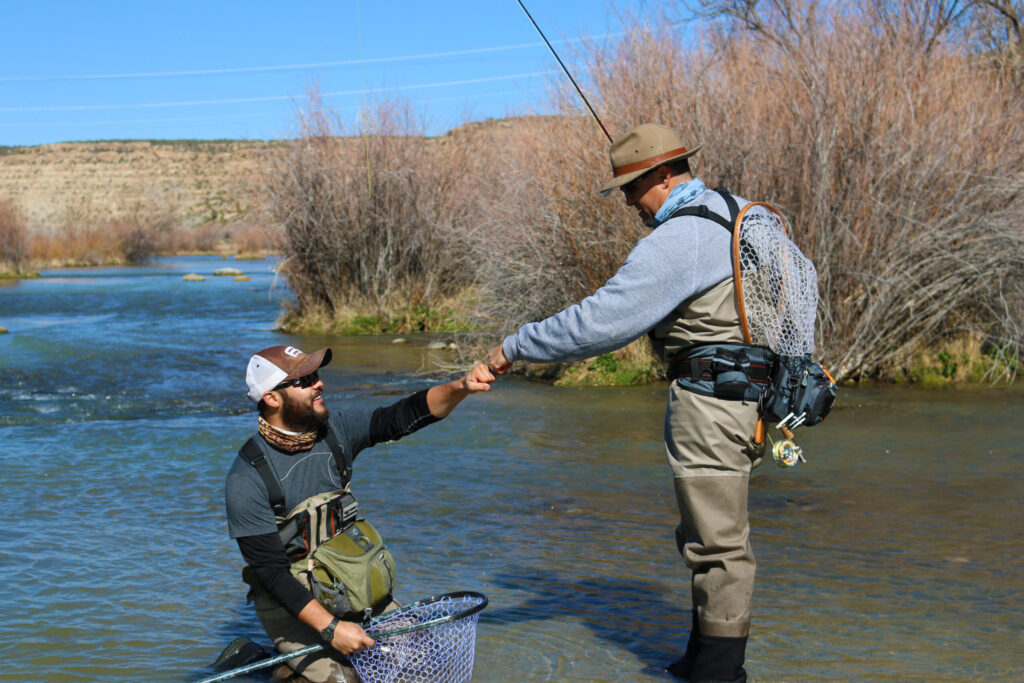
Hunting & Fishing Access

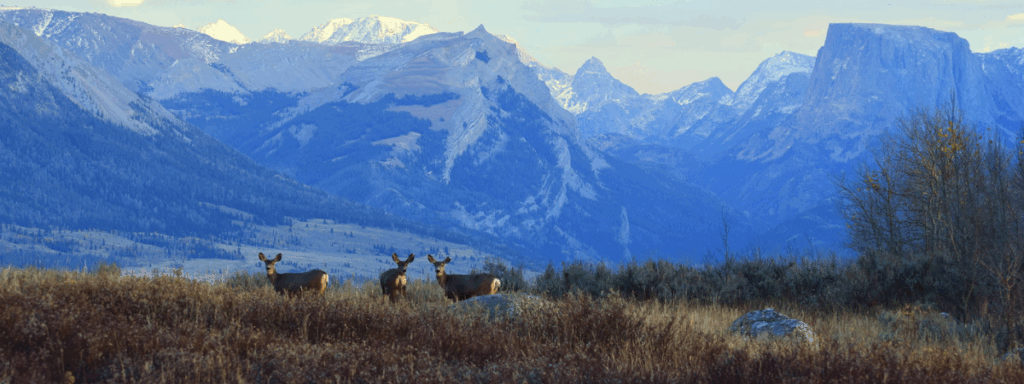
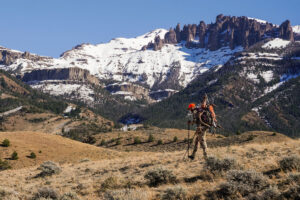
America’s 640 million acres of national public lands provide irreplaceable hunting and fishing opportunities to millions of Americans.

Learn More About Access
What TRCP is Doing

We’re working to safeguard America’s public lands so hunters and anglers always have quality places to pursue their passions.

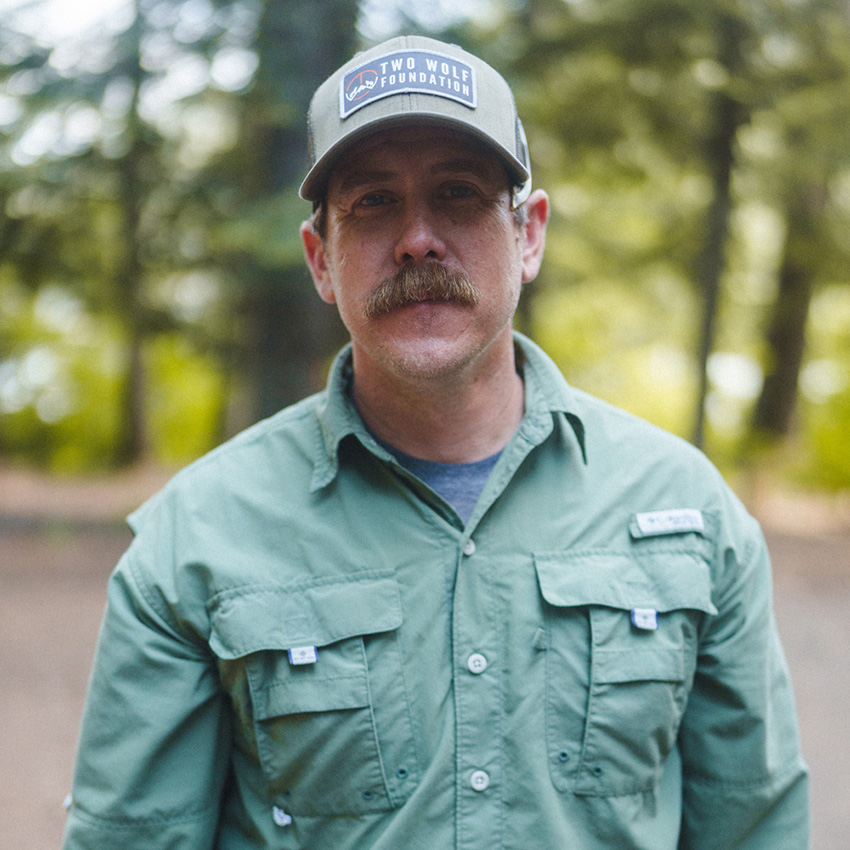
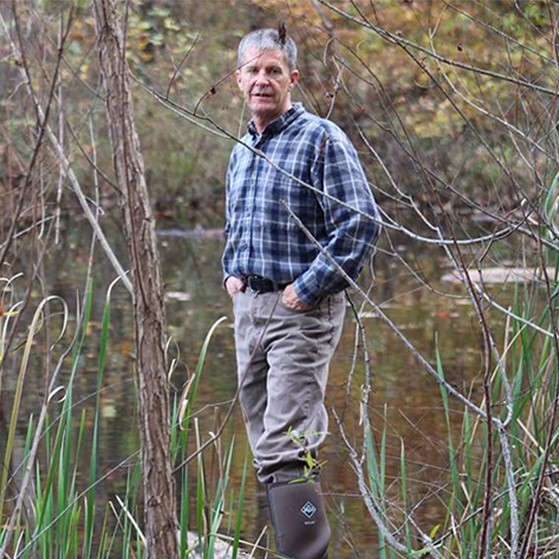
 Brian Flynn, Two Wolf Foundation
How Sportsmen Are Doing It Right

Brian Flynn, Two Wolf Foundation's Story

Following a distinguished career in the U.S. Army, lifelong outdoorsman Brian Flynn returned home from a deployment in Afghanistan and…

Hunting
Why It Matters

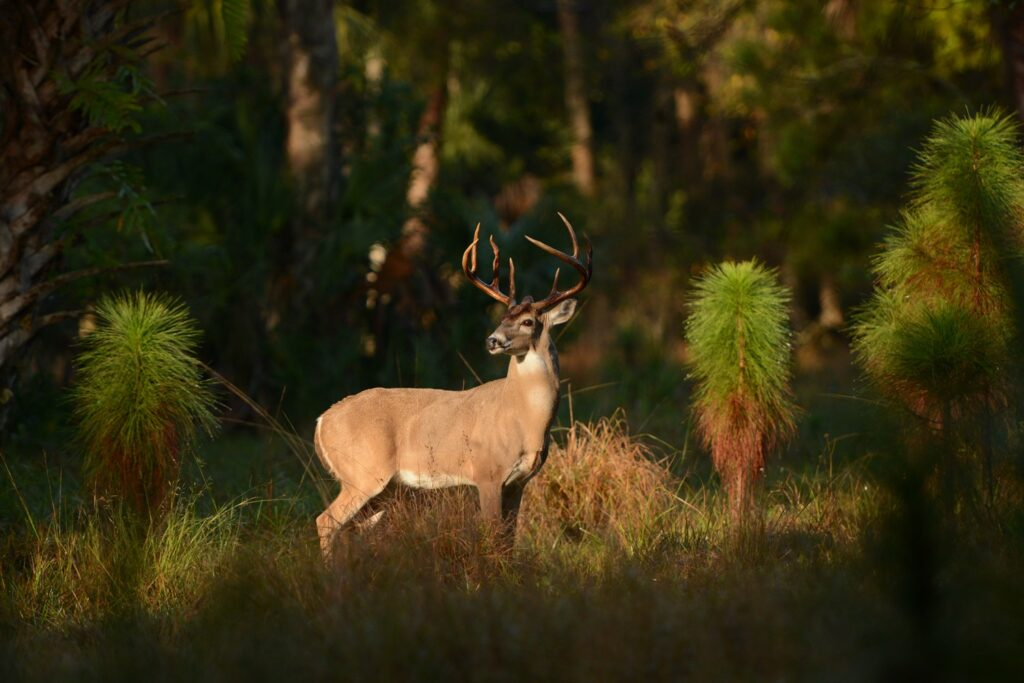
Key Issues for America’s Hunters

Your source for the latest policy updates, conservation challenges, and opportunities shaping America’s hunting traditions.

What TRCP is Doing

We’re fighting for meaningful policy changes that benefit wildlife, our waters, and the American landscapes that make our outdoor traditions possible.

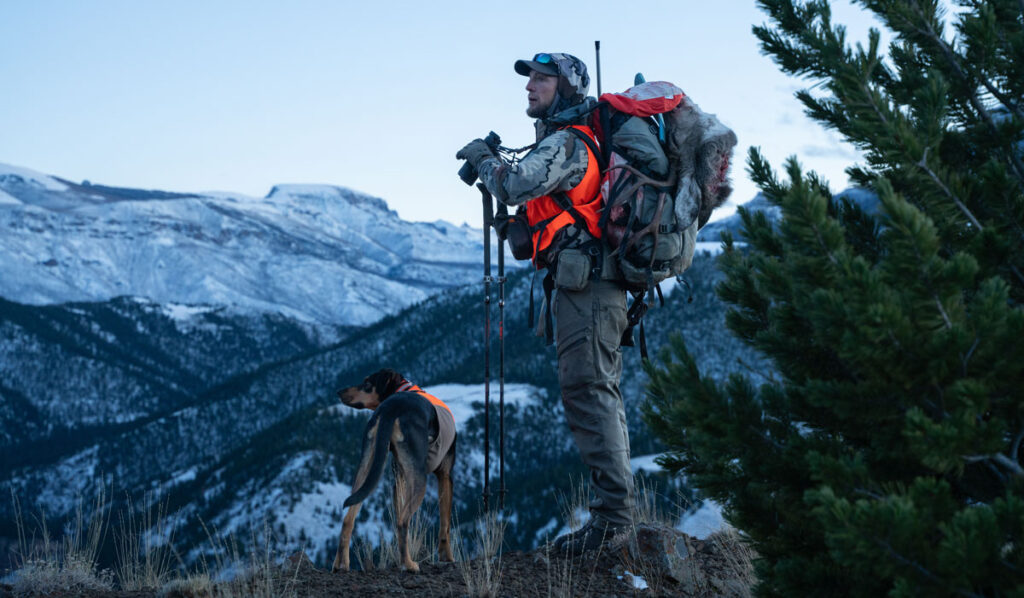
 Ryan Sparks
How Sportsmen Are Doing It Right

Ryan Sparks's Story

TRCP’s “In the Arena” series highlights the individual voices of hunters and anglers who, as Theodore Roosevelt so famously said,…
Fishing
Why It Matters

Key Issues for America’s Anglers

Your source for the latest policy updates, conservation challenges, and opportunities shaping America’s fishing traditions.

What TRCP is Doing

We’re fighting for meaningful policy changes that benefit wildlife, our waters, and the American landscapes that make our outdoor traditions possible.

 David Mangum
How Sportsmen Are Doing It Right

David Mangum's Story

Capt. David Mangum is a YETI ambassador and outdoor photographer who utilizes his talents to produce media that inspire a…

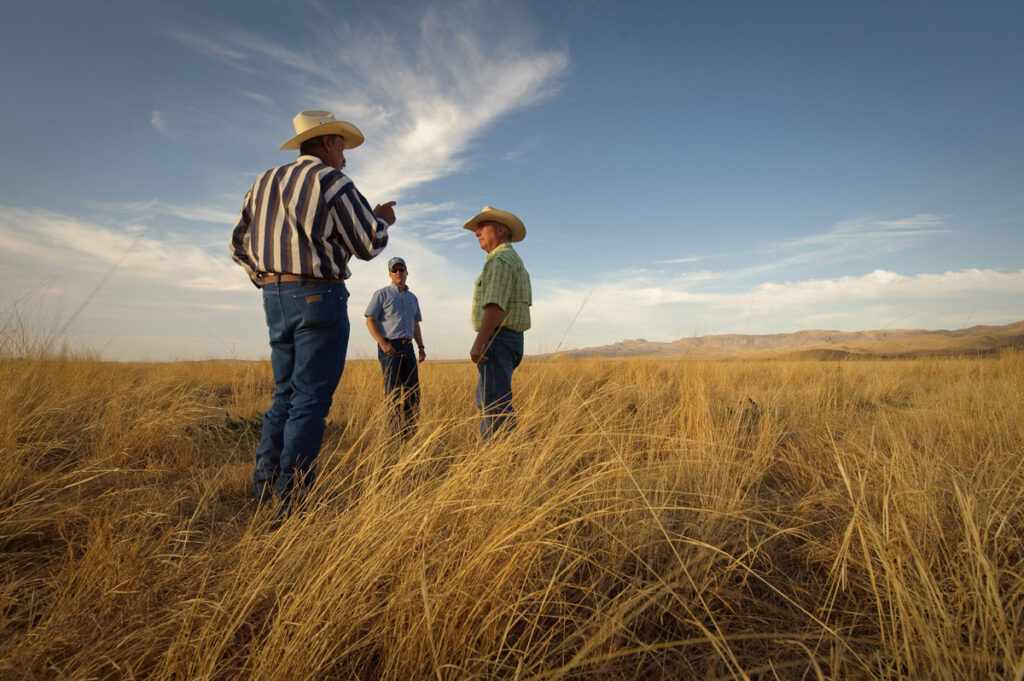
Private Land
Why It Matters

Stewardship on America’s private lands

With 70 percent of U.S. lands in private hands and many of our best hunt and fish opportunities occurring there, investing in voluntary conservation on working lands safeguards access, strengthens habitat and water quality, and ensures resilient landscapes.

Learn More
What TRCP is Doing

We champion policies and programs that restore wildlife habitat, improve soil and water health, and keep working lands productive.

 Ward Burton
How Sportsmen are Doing It Right

Ward Burton's Story

Ward Burton’s NASCAR driving career stretched across most of two decades. As an avid sportsman and conservationist, he founded the…

Special Places
Why It Matters

Special Places Worth Protecting

America’s most iconic landscapes provide unmatched habitat and unforgettable days afield. These places sustain wildlife, anchor local economies, and define the hunting and fishing traditions we pass down.

What TRCP is Doing

We’re working to conserve special places that provide world-class habitat and unforgettable opportunities for hunters and anglers.

 Franklin Adams
How Sportsmen Are Doing It Right

Franklin Adams's Story

As a true Gladesman, conservationist, and historian, Capt. Franklin Adams has spent more than six decades championing Everglades restoration efforts…

Habitat & Clean Water
Why It Matters

Healthy Habitat Powers Every Pursuit

All hunting and fishing opportunities depend on quality habitat, from clean water and healthy wetlands to winter and summer habitats and the migration corridors that connect them.

All About Habitat & Clean Water
What TRCP is Doing

We are working to safeguard the habitats that power every hunting and fishing opportunity.

 Alex Harvey
How Sportsmen Are Doing It Right

Alex Harvey's Story

Alex Harvey, founder of Legacy Land Management, is a registered professional forester in Mississippi and Alabama with a Master's degree…

Science
Why It Matters

Science That Guides TRCP

From conserving migration corridors and wetlands to ensuring clean water and resilient landscapes, science provides evidence that turns conservation goals into effective action.

Science for Conservation
What TRCP is Doing

For hunters and anglers, science safeguards the experiences we treasure including resilient big game populations, abundant fish, and wild places that endure changing social landscapes.

Jamelle Ellis
Your Science Expert

Jamelle Ellis's Story

Jamelle Ellis joined the Theodore Roosevelt Conservation Partnership in 2022. Jamelle spent the last three years as an environmental sustainability…

Where We Work
Across the Nation

Conservation Across America

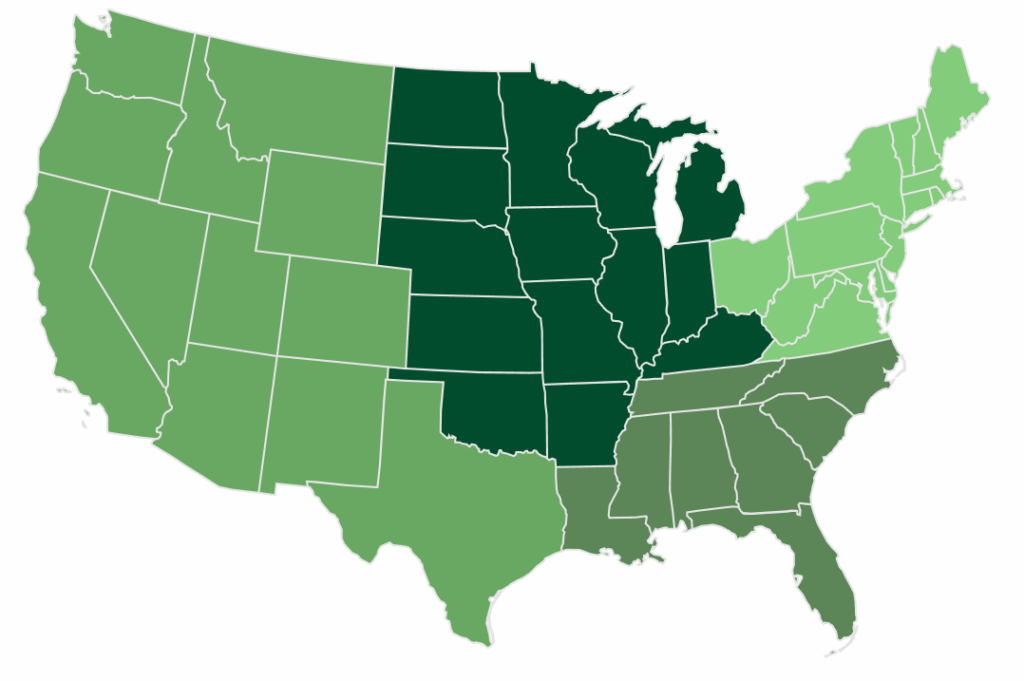
TRCP works across the country to ensure hunters and anglers can enjoy healthy fish and wildlife and quality days afield, no matter where they live.

See All Issues
TRCP in Your Region

TRCP works across the country to ensure hunters and anglers can enjoy healthy fish and wildlife and quality days afield, no matter where they live.

Who We Are
Our Mission

To guarantee all Americans quality places to hunt & fish

We unite and amplify our partners’ voices to advance America’s legacy of conservation, habitat, and access.

Our Mission & Values
Our People & Partners
  • Meet the TRCP Team

    Our staff and board members unite and amplify our partners’ voices to advance America’s legacy of conservation, habitat, and access.

    Meet the Team
  • Our Partners

    ‘Partnership’ is in our name. We work with 64 diverse partner groups that represent today’s leading hunting, fishing, and conservation organizations in order to strengthen the sportsman’s voice in Washington, D.C.

    Our Partners
  • Corporate Council

    TRCP’s Corporate Council is made up of diverse corporations that share a common passion for conservation.

    Corporate Council
Our Organization

Looking for more information?

Explore our latest news, policy updates, and conservation resources to get the information you need.

Giving
How You Can Help

To guarantee all Americans quality places to hunt & fish

Your tax-deductible donation will support TRCP's mission, now and into the future.

DONATE
Special Ways to support trcp
  • Capital Conservation Awards Dinner

    The CCAD is one of Washington's best-attended conservation celebrations, featuring dinner, cocktails, and a silent auction.

    Learn More
  • Step Into the Arena

    Help us ensure that our treasured wild habitats and game remain intact for the next generation to enjoy – lend your support to the TRCP’s efforts today!

    Donate
  • Roosevelt Roast

    TRCP has partnered with Afuera Coffee Co. to further our commitment to conservation.

    Learn More
More donation options

Find the best way for you to lend your support. Join one of TRCP’s donor circles for special invitations, premium offerings from outdoor retailers, and more exclusive benefits. Take control of your legacy with planned giving or contribute to special conservation funds.

Other Ways To Give
News
In the Spotlight

TRCP Appreciates Make America Beautiful Again 250 Strategy and Migration Announcements

Efforts will continue progress on habitat, access, and big game migration corridor conservation

Read More

Stay Informed

Receive our newsletter, the Roosevelt Report, right in your inbox. Never miss the latest news in conservation issues.

by:

posted in:

October 11, 2024

TOTAL SPILLED GULF MENHADEN-FINAL-650

Do you have any thoughts on this post?

XHTML: You can use these tags: <a href="" title=""> <abbr title=""> <acronym title=""> <b> <blockquote cite=""> <cite> <code> <del datetime=""> <em> <i> <q cite=""> <s> <strike> <strong>

Comments must be under 1000 characters.

by:

posted in:

October 9, 2024

The U.S. House of Representatives Introduces the North American Grasslands Conservation Act

Bill supports the protection of America’s grasslands and shrub-steppe ecosystems

Washington, D.C. – Today, the North American Grasslands Conservation Act was introduced in the House of Representatives by U.S. Representatives Nancy Mace (R – S.C.), Sharice Davids (D – Kan), Brian Fitzpatrick (R – Penn) and Mike Thompson (D – Calif). Once passed, the legislation will be one of the most significant steps for grassland conservation efforts in the 21st century.

“Hunters are among the first to see the effects of habitat loss and degradation, and for decades we’ve seen populations of bobwhite quail, prairie chickens, pronghorn and other grassland wildlife suffer,” said Aaron Field, TRCP’s director of private lands conservation. “It’s long past time to replicate on grasslands the proven model of voluntary, incentive-based conservation that has boosted waterfowl populations for nearly 35 years. The North American Grasslands Conservation Act puts us on that path. We applaud the leadership of Representatives Mace, Davids, Fitzpatrick, and Thompson and look forward to working with decision-makers on both sides of the aisle to advance this smart, proven conservation solution.”

More than 70 percent of America’s tallgrass, mixed grass, and shortgrass prairies have vanished, followed by the precipitous decline of grassland bird populations – more than 30 percent since 1966. Additionally, grazing lands that have sustained generations of ranchers are dwindling and species from bobwhite quail and pheasants to monarch butterflies and elk are struggling to navigate landscapes they used to call home.

The Grasslands Act would kickstart the voluntary protection and restoration of grasslands and sagebrush-steppe ecosystems – and the livelihoods and wildlife dependent upon them.  Functionally, the legislation is modeled after the successful North American Wetlands Conservation Act (NAWCA) and would create a landowner-driven, voluntary, incentive-based program to conserve America’s critically imperiled grasslands. There’s urgency to maintain these grassland biomes for agriculture, wildlife habitat, carbon sequestration and for future generations while supporting ranchers, farmers, Tribal Nations, sportsmen and women and rural communities.

The concept of a Grasslands Act was first introduced in the U.S. Senate during the 117th Congress, led by Senators Ron Wyden (D-Ore), Amy Klobuchar (D-Minn) and Michael Bennet (D-Colo). This new U.S. House version has some key changes aligning it more closely with NAWCA, improving tribal provisions, and making it more bipartisan.

“The United States has over 125 million acres of grasslands that are threatened, and right here in South Carolina, we see firsthand how important conservation is to the health and beauty of our natural ecosystems,” Mace said. “Our office has made a promise to preserve this beauty, not just for today, but for future generations.”

“In Kansas, we have grassland prairies that are well known throughout the Great Plains for their beautiful landscapes and scenic hiking trails, but grasslands once covered millions of acres across North America, stretching from coast to coast,” Davids said. “Grasslands are vital to ranchers and producers, Tribes, and folks who love spending time outdoors. They’re critical habitat for countless species of birds, important pollinators, and treasured animals like the bison.  And, they’re crucial to fighting the effects of climate change, bolstering our food security, and combatting extreme weather. I’m excited for this opportunity to highlight the protection of our grasslands and bipartisan solutions that build off of successful public-private partnerships.”

“Grasslands are vital to the livelihoods of our nation’s ranchers and the health of our native wildlife – yet they remain endangered. It’s great to join my colleagues to introduce the bipartisan North American Grasslands Act to invest in voluntary, incentive-based programs to help farmers, ranchers, Tribal Nations, sportsmen and women, and state and local governments preserve, rehabilitate, and responsibly manage our grasslands for generations to come,” Thompson said.

“Grasslands are among the most endangered ecosystems in the word, with over 70 percent of America’s tallgrass, mixed grass, and shortgrass prairies now gone,” Fitzpatrick said. “Our grasslands are vital for the survival of farmers and rural communities across Pennsylvania and our nation, which is why I am championing this critical piece of bipartisan, bicameral legislation. By establishing a landowner-drive, incentive-based program and investing restoration programs, the North American Grasslands Conservation Act will protect essential habitats that support our American farmers, ranchers, and Tribal Nation s and revitalize these crucial ecosystems, ensuring they continue to sustain wildlife and rural communities for generations to come.”

More than 45 organizations are collaborating in support of the Grasslands Act. A full roster of those groups can be found at www.ActforGrasslands.org. Additionally, the Cornell Lab of Ornithology has partnered with the coalition to develop the www.MapForGrasslands.org website, which provides a powerful tool to visualize the loss of grasslands habitat.


The TRCP is your resource for all things conservation. In our weekly Roosevelt Report, you’ll receive the latest news on emerging habitat threats, legislation and proposals on the move, public land access solutions we’re spearheading, and opportunities for hunters and anglers to take action. Sign up now.

by:

posted in:

October 7, 2024

TRCP Announces New Conservation Staff in Montana and Wyoming  

Energy policy advisor and Montana field manager bolster organization’s expertise and capacity on key conservation issues

Today, the Theodore Roosevelt Conservation Partnership announced the addition of two Western-based individuals who are filling vital roles to help the organization achieve its mission to guarantee all Americans quality places to hunt and fish.

McKay Fleck joined TRCP as the energy policy advisor in September. Having spent the majority of her career with the Bureau of Land Management, Fleck is versed in natural resource management, federal leasing policy, and critical incident management. After her time in the Army, Fleck earned a bachelor’s degree from the University of Wyoming in Agriculture Communications, where she became fascinated with the challenge of making technical information more accessible for the public. As energy policy advisor, Fleck will be directly involved in the engagement and implementation of TRCP’s energy campaigns, which include influencing oil and gas leasing reforms and steering the development of renewable energy sources to maintain functional fish and wildlife habitat. Fleck is based in Buffalo, Wyoming.

“The TRCP has a track record of advocating for development of our energy resources in a responsible manner that is compatible with fish and wildlife conservation,” said Fleck.  “I’m excited to work for an organization that values our diverse supply of energy resources while maintaining our natural heritage.”

Fleck with her first Wyoming bull elk. (Photo courtesy of McKay Fleck)

Ryan Chapin joined the TRCP team as the Montana field manager also in September. Chapin has worked in conservation in Montana and the Rocky Mountain West for nearly two decades, most recently with the Rocky Mountain Elk Foundation as their lands operations manager. Chapin has established strong partnerships and has played a key role in many conservation and public access projects and initiatives throughout his career. In the Montana field manager position, Chapin will work to strengthen TRCP’s partnerships in the Treasure State to advance the organization’s conservation priorities, including conserving key big game migration corridors and winter range on public lands. Chapin is based in Missoula, Montana.

“I’m thrilled to join the TRCP team and help strengthen policies, advocate for wildlife habitat conservation, and improve hunter access and experiences on public lands in Montana,” said Chapin.

Ryan Chapin (left) and his son Quinn with Ryan’s Montana bull moose. (Photo courtesy of Ryan Chapin)

Learn more about TRCP’s leadership HERE.


The TRCP is your resource for all things conservation. In our weekly Roosevelt Report, you’ll receive the latest news on emerging habitat threats, legislation and proposals on the move, public land access solutions we’re spearheading, and opportunities for hunters and anglers to take action. Sign up now.

by:

posted in:

October 4, 2024

Anglers Cheer Reintroduction of Forage Fish Conservation Act

This legislation, introduced in the U.S. House, aims to ensure that species at the foundation of the marine food chain are plentiful enough to sustain sportfish populations

As all anglers know, where you find the bait, you find the fish. Forage fish like herring, sardines, and shad are an essential part of marine ecosystems, serving as a nutrient-rich superfood for larger fish, marine mammals, and seabirds. These bait fish support the diets of humpback whales, ospreys, striped bass, Alaska pollock, and bluefin tuna, to name a few. Forage fish are key to America’s fishing economy, supporting it directly when sold as raw material or bait, and indirectly as prey for other marine species.  

Recognizing forage fish’ importance to coastal ecosystems and economies, the TRCP has been engaged in the push for better forage fish management; including supporting the bipartisan introduction of the Forage Fish Conservation Act in the House and Senate in 2021. But the act had remained in limbo since.

Humpback whale lunge feeding on anchovies, Monterey, Calif. Photo credit: Robin Gwen Agarwal

Last week, the bipartisan Forage Fish Conservation Act was reintroduced in the House by Representatives Debbie Dingell (D-MI) and Brian Mast (R-FL). This legislation seeks to fill existing gaps in forage fish management by building on the achievements of the Magnuson-Stevens Act, which has been vital in combating overfishing and preserving fish stocks for anglers over the past five decades.

This legislation would improve federal fishery management by requiring managers to evaluate the importance of forage fish to the ecosystem and the diet needs of predators.

The bill aims to amend the Magnuson-Stevens Act to account for the ecological role of forage fish, moving beyond traditional single-species management to include considerations of ecosystem impacts. This legislation would improve our federal fishery management framework by requiring managers to weigh the impacts of forage fisheries expansion on the ecosystem and evaluate the importance of such forage fish to the ecosystem and the diet needs of predator species.

“Safeguarding fish stocks from further decline is critical to protecting marine ecosystems and strengthening coastal economies,” said Rep. Debbie Dingell (D-MI) in a news release. “This legislation’s science-based conservation framework for forage fish will both help promote sustainable fisheries and preserve marine wildlife for the enjoyment of future generations.”

Shad and river herring in particular once supported some of the largest commercial and recreational fisheries along the Atlantic coast. However, habitat loss due to dam construction and stock depletion from overfishing have caused herring and shad landings to plummet by 96 percent since 1950.

Economic impacts from recreational angling support nearly 700,000 jobs across the United States. Recreational fishing also generates $138 billion in sales impacts, $45.1 billion in income, and $74.9 billion in value-added impacts annually. The sustainability of our recreational angling economy rests on the health of fish populations on the water. Without thriving forage fish populations, the fish we love to catch won’t have enough to eat.

School of alewives. Photo credit: Brandon Keim

“This is important and bipartisan sustainability legislation that will help protect our coastal health, environment, and economy,” said Rep. Brian Mast (R-FL) in the release.

This act would ensure that consistent, science-based conservation measures are applied by each regional fishery management council, addressing gaps in current management practices that have led to forage fish overharvest in recent decades, which undermines recreational and commercial fishery productivity. This common-sense, good-governance approach ensures managers responsibly consider the impacts of new commercial harvests on critical ecosystem components, aiming to proactively prevent costly resource failures.

To improve the conservation of forage fish and strengthen the marine ecosystem, the legislation addresses key needs, including:

  • Requires the Secretary of Commerce to develop a science-based definition for forage fish in federal waters, with advice from the fisheries councils;
  • Assesses the impact a new commercial forage fish fishery could have on existing fisheries, fishing communities, and the marine ecosystem prior to the fishery being authorized;
  • Accounts for predator needs in existing management plans for forage fish;
  • Specifies that managers consider forage fish when establishing research priorities;
  • Ensures scientific advice sought by fishery managers includes recommendations for forage fish;
  • Conserves and manages river herring and shad in the ocean; and
  • Preserves state management of forage fish fisheries that occur within their jurisdiction.

Boosting forage fish populations will enhance sportfish and fishing opportunities. By implementing the Forage Fish Conservation Act, we can improve management strategies and ensure that anglers benefit from thriving coastal ecosystems and economies for generations to come.

by:

posted in:

October 2, 2024

Watch the New Film: Good Neighbor

TRCP, onX, RMEF, Outdoor Life, and One Montana delve into the challenges between landowners, hunters, and elk management in the West

The division between landowners and hunters is a perpetual topic of discussion. Both sides have something to say—and something to protect. But when both parties sit down at the table and discuss how to conserve the land and manage big game, there’s often more agreement than dissent. Watch this dynamic play out across Montana and see what happens when both hunters and landowners work together for big game management.

Watch the film below.


The TRCP is your resource for all things conservation. In our weekly Roosevelt Report, you’ll receive the latest news on emerging habitat threats, legislation and proposals on the move, public land access solutions we’re spearheading, and opportunities for hunters and anglers to take action. Sign up now.

HOW YOU CAN HELP

TRCP has partnered with Afuera Coffee Co. to further our commitment to conservation. $4 from each bag is donated to the TRCP, to help continue our efforts of safeguarding critical habitats, productive hunting grounds, and favorite fishing holes for future generations.

Learn More

You have Successfully Subscribed!

You have Successfully Subscribed!

You have Successfully Subscribed!

You have Successfully Subscribed!