Our Issues
Public Lands
Why It Matters

Hunting & Fishing Access

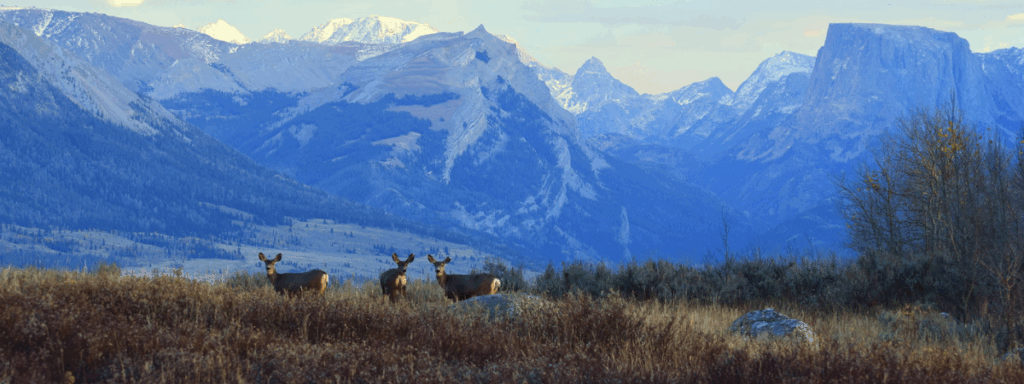
America’s 640 million acres of national public lands provide irreplaceable hunting and fishing opportunities to millions of Americans.

Learn More About Access
What TRCP is Doing

We’re working to safeguard America’s public lands so hunters and anglers always have quality places to pursue their passions.

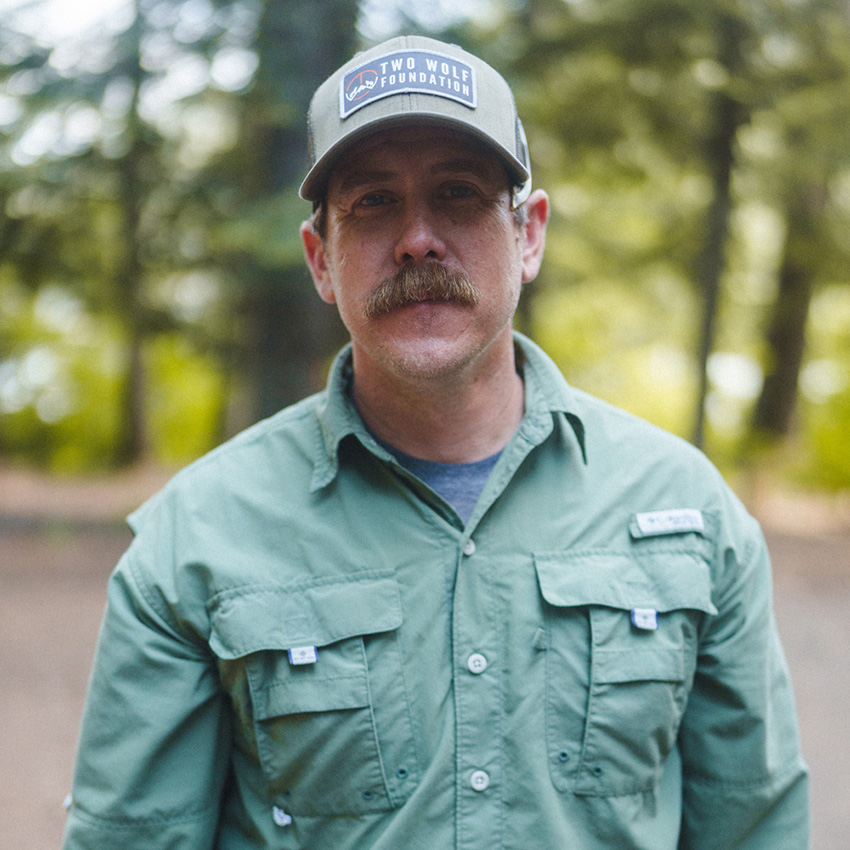
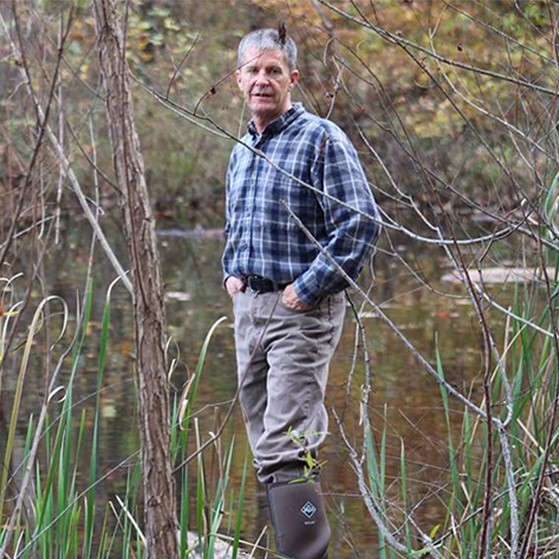
 Brian Flynn, Two Wolf Foundation
How Sportsmen Are Doing It Right

Brian Flynn, Two Wolf Foundation's Story

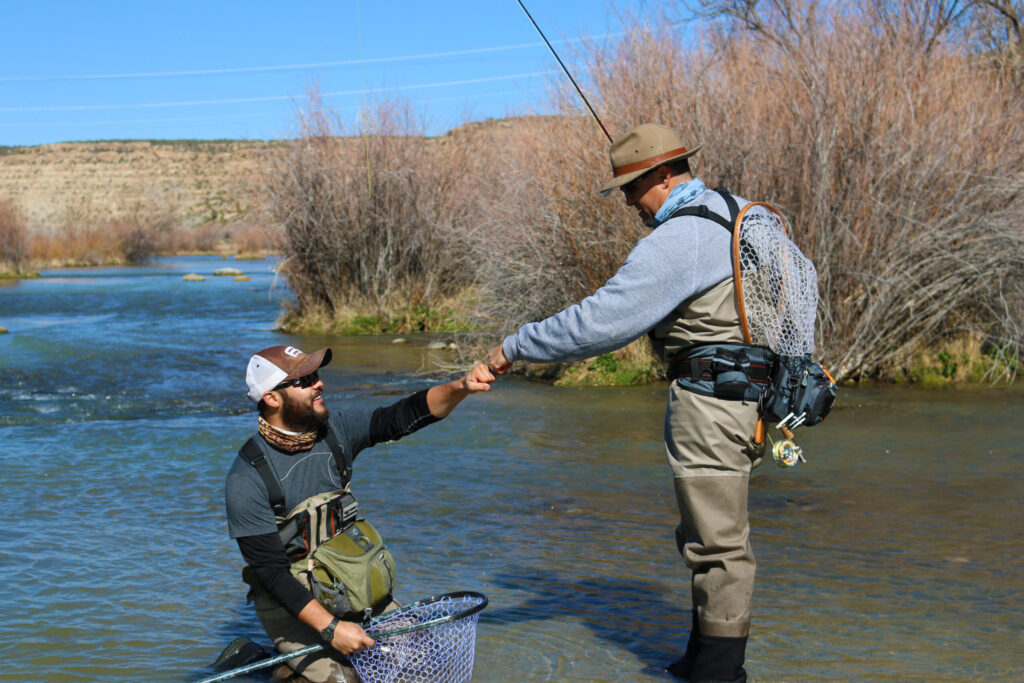
Following a distinguished career in the U.S. Army, lifelong outdoorsman Brian Flynn returned home from a deployment in Afghanistan and…

Hunting
Why It Matters

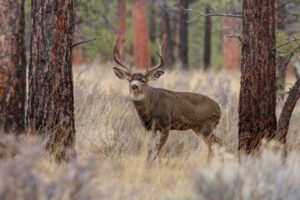
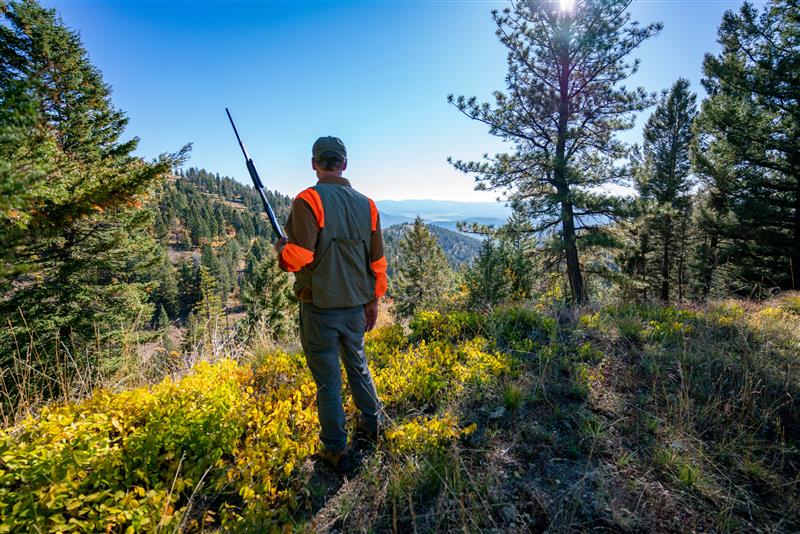
Key Issues for America’s Hunters

Your source for the latest policy updates, conservation challenges, and opportunities shaping America’s hunting traditions.

What TRCP is Doing

We’re fighting for meaningful policy changes that benefit wildlife, our waters, and the American landscapes that make our outdoor traditions possible.

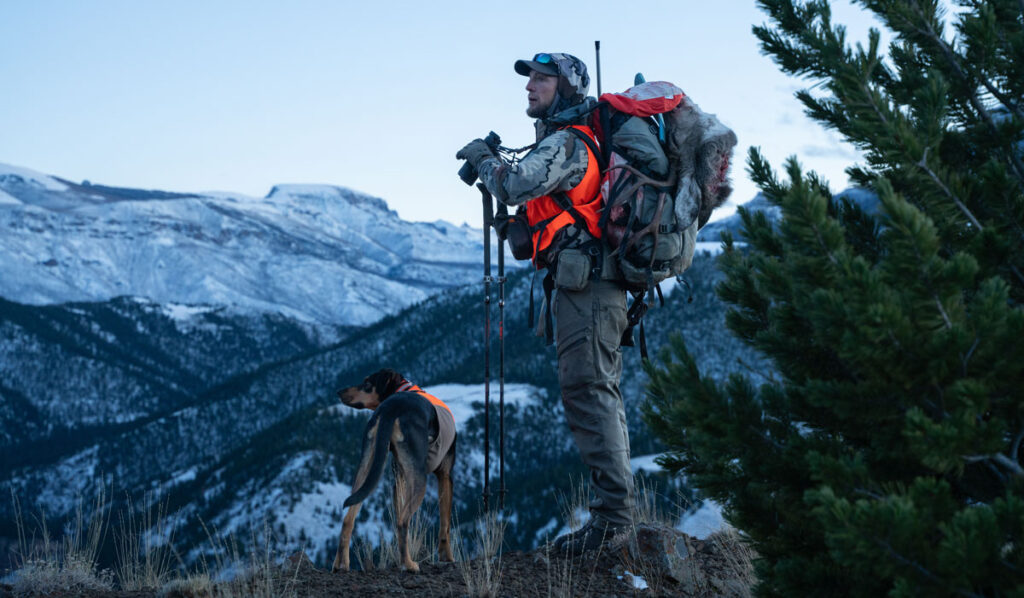
 Ryan Sparks
How Sportsmen Are Doing It Right

Ryan Sparks's Story

TRCP’s “In the Arena” series highlights the individual voices of hunters and anglers who, as Theodore Roosevelt so famously said,…

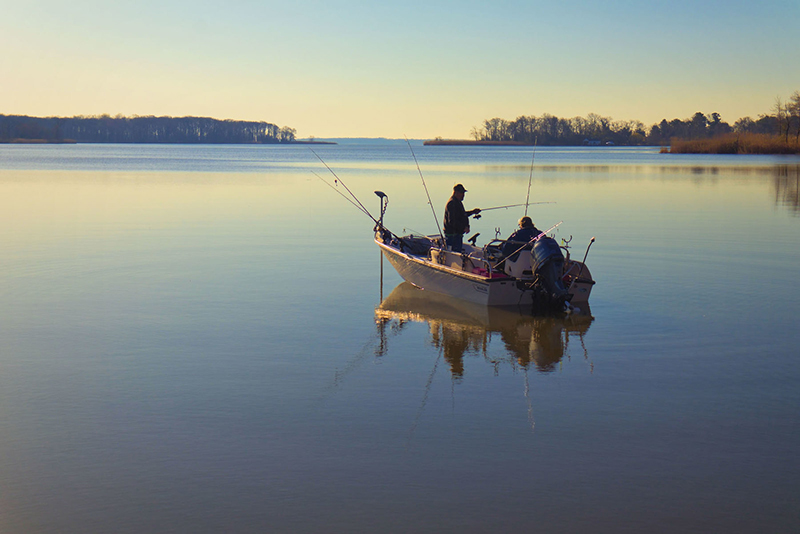
Fishing
Why It Matters

Key Issues for America’s Anglers

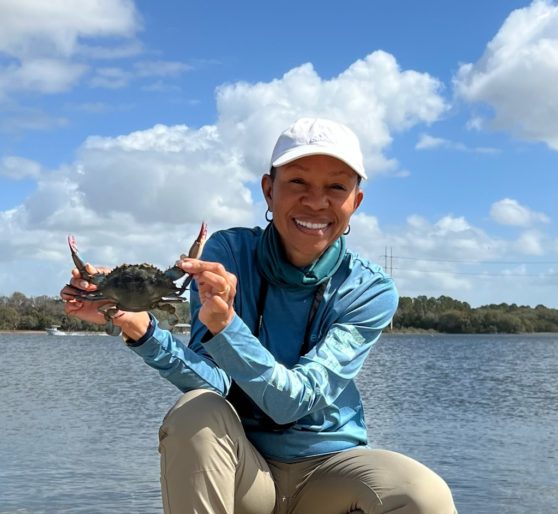
Your source for the latest policy updates, conservation challenges, and opportunities shaping America’s fishing traditions.

What TRCP is Doing

We’re fighting for meaningful policy changes that benefit wildlife, our waters, and the American landscapes that make our outdoor traditions possible.

 David Mangum
How Sportsmen Are Doing It Right

David Mangum's Story

Capt. David Mangum is a YETI ambassador and outdoor photographer who utilizes his talents to produce media that inspire a…

Private Land
Why It Matters

Stewardship on America’s private lands

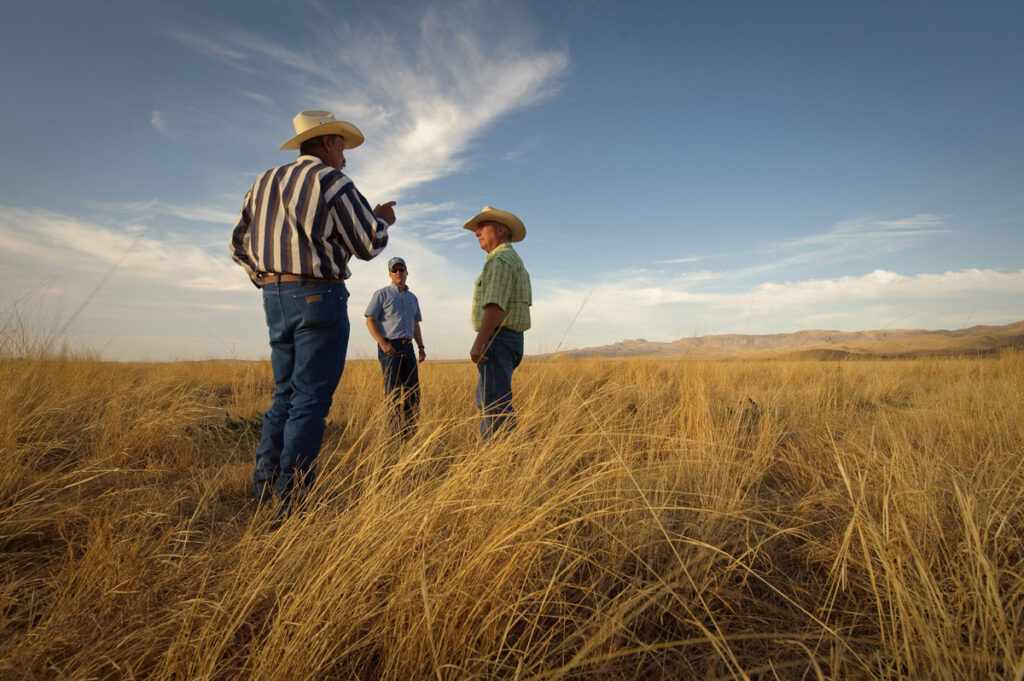
With 70 percent of U.S. lands in private hands and many of our best hunt and fish opportunities occurring there, investing in voluntary conservation on working lands safeguards access, strengthens habitat and water quality, and ensures resilient landscapes.

Learn More
What TRCP is Doing

We champion policies and programs that restore wildlife habitat, improve soil and water health, and keep working lands productive.

 Ward Burton
How Sportsmen are Doing It Right

Ward Burton's Story

Ward Burton’s NASCAR driving career stretched across most of two decades. As an avid sportsman and conservationist, he founded the…

Special Places
Why It Matters

Special Places Worth Protecting

America’s most iconic landscapes provide unmatched habitat and unforgettable days afield. These places sustain wildlife, anchor local economies, and define the hunting and fishing traditions we pass down.

What TRCP is Doing

We’re working to conserve special places that provide world-class habitat and unforgettable opportunities for hunters and anglers.

 Franklin Adams
How Sportsmen Are Doing It Right

Franklin Adams's Story

As a true Gladesman, conservationist, and historian, Capt. Franklin Adams has spent more than six decades championing Everglades restoration efforts…

Habitat & Clean Water
Why It Matters

Healthy Habitat Powers Every Pursuit

All hunting and fishing opportunities depend on quality habitat, from clean water and healthy wetlands to winter and summer habitats and the migration corridors that connect them.

All About Habitat & Clean Water
What TRCP is Doing

We are working to safeguard the habitats that power every hunting and fishing opportunity.

 Alex Harvey
How Sportsmen Are Doing It Right

Alex Harvey's Story

Alex Harvey, founder of Legacy Land Management, is a registered professional forester in Mississippi and Alabama with a Master's degree…

Science
Why It Matters

Science That Guides TRCP

From conserving migration corridors and wetlands to ensuring clean water and resilient landscapes, science provides evidence that turns conservation goals into effective action.

Science for Conservation
What TRCP is Doing

For hunters and anglers, science safeguards the experiences we treasure including resilient big game populations, abundant fish, and wild places that endure changing social landscapes.

Jamelle Ellis
Your Science Expert

Jamelle Ellis's Story

Jamelle Ellis joined the Theodore Roosevelt Conservation Partnership in 2022. Jamelle spent the last three years as an environmental sustainability…

Where We Work
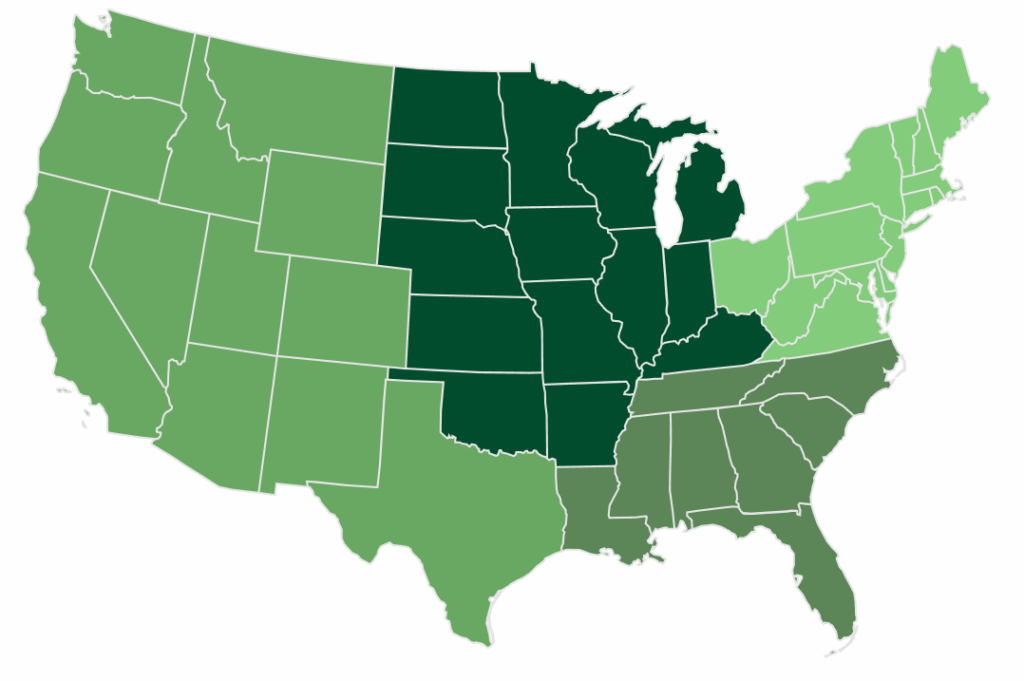
Across the Nation

Conservation Across America

TRCP works across the country to ensure hunters and anglers can enjoy healthy fish and wildlife and quality days afield, no matter where they live.

See All Issues
TRCP in Your Region

TRCP works across the country to ensure hunters and anglers can enjoy healthy fish and wildlife and quality days afield, no matter where they live.

Who We Are
Our Mission

To guarantee all Americans quality places to hunt & fish

We unite and amplify our partners’ voices to advance America’s legacy of conservation, habitat, and access.

Our Mission & Values
Our People & Partners
  • Meet the TRCP Team

    Our staff and board members unite and amplify our partners’ voices to advance America’s legacy of conservation, habitat, and access.

    Meet the Team
  • Our Partners

    ‘Partnership’ is in our name. We work with 64 diverse partner groups that represent today’s leading hunting, fishing, and conservation organizations in order to strengthen the sportsman’s voice in Washington, D.C.

    Our Partners
  • Corporate Council

    TRCP’s Corporate Council is made up of diverse corporations that share a common passion for conservation.

    Corporate Council
Our Organization

Looking for more information?

Explore our latest news, policy updates, and conservation resources to get the information you need.

Giving
How You Can Help

To guarantee all Americans quality places to hunt & fish

Your tax-deductible donation will support TRCP's mission, now and into the future.

DONATE
Special Ways to support trcp
  • Capital Conservation Awards Dinner

    The CCAD is one of Washington's best-attended conservation celebrations, featuring dinner, cocktails, and a silent auction.

    Learn More
  • Step Into the Arena

    Help us ensure that our treasured wild habitats and game remain intact for the next generation to enjoy – lend your support to the TRCP’s efforts today!

    Donate
  • Roosevelt Roast

    TRCP has partnered with Afuera Coffee Co. to further our commitment to conservation.

    Learn More
More donation options

Find the best way for you to lend your support. Join one of TRCP’s donor circles for special invitations, premium offerings from outdoor retailers, and more exclusive benefits. Take control of your legacy with planned giving or contribute to special conservation funds.

Other Ways To Give
News
In the Spotlight

In the Arena: Josh Warren

For many hunters and anglers, the connection to conservation begins close to home — in the woods behind the house, along a familiar stretch of river, or through time spent learning from mentors and family. That sense of place is something Joshua Warren carries with him, both personally and professionally. As Director of Marketing at WorkSharp, Josh represents a company rooted in Ashland, Oregon, a community defined by its access to public lands and wild country.

Read More

Stay Informed

Receive our newsletter, the Roosevelt Report, right in your inbox. Never miss the latest news in conservation issues.

December 21, 2023

TRCP to Engage in National Forest Plan Amendments for Old-Growth Forest Conditions

Group will advocate for habitat and resilience as the agency process advances

Today, the U.S. Forest Service released a notice to prepare an environmental impact statement to amend 128 land management plans across the National Forest System that will guide future management of old growth forests. The amendment aims to establish a set of national plan components and direction for geographically defined adaptive management strategies that promote the persistence and recruitment of old-growth forest conditions across the National Forest System.

“Hunters and anglers recognize that productive, diverse, and resilient forests include old growth and young forests alike,” said Michael O’Casey, Pacific Northwest deputy director for the Theodore Roosevelt Conservation Partnership. “And given a century of fire suppression and hotter, more variable weather, the long-term conservation and recruitment of old growth will require active stewardship in many places.”

Today’s announcement builds on Executive Order 14072, Strengthening the Nation’s Forests, Communities, and Local Economies, which was signed in April 2022 and requires the Forest Service and other federal agencies to define, inventory, assess threats to, and “develop policies to institutionalize climate-smart management and conservation strategies that address threats to mature and old-growth forests on Federal land.” EO 14072 led to an Advance Notice of Proposed Rulemaking in April 2023, where the agency gave the public an opportunity to provide input on how the Forest Service should respond to the threats impacting forest health such as wildfire, insects and disease, and a changing climate through forest management activities and possible future policies.

Since April 2022, TRCP has been working with its hunt-fish partners, timber industry officials, and conservation leaders to identify opportunities to conserve old growth forests while also recognizing the importance of young forests and active stewardship to maintain forest health and wildlife habitat on national forest lands. This release kicks off a 45-day comment period where the public will have an opportunity to provide input on the proposed rule. 

“Our national forests offer some of the best places for sportsmen and sportswomen to hunt and fish,” continued O’Casey. “TRCP is committed to working with our membership, partners, local governments, and the federal land management agencies to facilitate an outcome for this process that will benefit sportspeople and the fish and wildlife that rely on healthy forest systems across our public lands.”


Learn more about TRCP’s recent work on our nation’s forests HERE.

Photo Credit: Jack Lander

Do you have any thoughts on this post?

XHTML: You can use these tags: <a href="" title=""> <abbr title=""> <acronym title=""> <b> <blockquote cite=""> <cite> <code> <del datetime=""> <em> <i> <q cite=""> <s> <strike> <strong>

Comments must be under 1000 characters.

TRCP to Engage in National Forest Plan Amendments for Old-Growth Forest Conditions

Group will advocate for habitat and resilience as the agency process advances

Today, the U.S. Forest Service released a notice to prepare an environmental impact statement to amend 128 land management plans across the National Forest System that will guide future management of old growth forests. The amendment aims to establish a set of national plan components and direction for geographically defined adaptive management strategies that promote the persistence and recruitment of old-growth forest conditions across the National Forest System.

“Hunters and anglers recognize that productive, diverse, and resilient forests include old growth and young forests alike,” said Michael O’Casey, Pacific Northwest deputy director for the Theodore Roosevelt Conservation Partnership. “And given a century of fire suppression and hotter, more variable weather, the long-term conservation and recruitment of old growth will require active stewardship in many places.”

Today’s announcement builds on Executive Order 14072, Strengthening the Nation’s Forests, Communities, and Local Economies, which was signed in April 2022 and requires the Forest Service and other federal agencies to define, inventory, assess threats to, and “develop policies to institutionalize climate-smart management and conservation strategies that address threats to mature and old-growth forests on Federal land.” EO 14072 led to an Advance Notice of Proposed Rulemaking in April 2023, where the agency gave the public an opportunity to provide input on how the Forest Service should respond to the threats impacting forest health such as wildfire, insects and disease, and a changing climate through forest management activities and possible future policies.

Since April 2022, TRCP has been working with its hunt-fish partners, timber industry officials, and conservation leaders to identify opportunities to conserve old growth forests while also recognizing the importance of young forests and active stewardship to maintain forest health and wildlife habitat on national forest lands. This release kicks off a 45-day comment period where the public will have an opportunity to provide input on the proposed rule. 

“Our national forests offer some of the best places for sportsmen and sportswomen to hunt and fish,” continued O’Casey. “TRCP is committed to working with our membership, partners, local governments, and the federal land management agencies to facilitate an outcome for this process that will benefit sportspeople and the fish and wildlife that rely on healthy forest systems across our public lands.”


Learn more about TRCP’s recent work on our nation’s forests HERE.

Photo Credit: Jack Lander

December 12, 2023

2023 Forage Fish Conservation Wrap-Up 

A year-end update on our successes, and our 2024 forecast for menhaden and herring conservation

With 2023 winding to a close, we wanted to look back at the top accomplishments toward forage fish conservation that the TRCP, our partners, and dedicated members along the Atlantic and Gulf coasts achieved together this year. As you probably know, forage fish like menhaden and herring are small but critically important species that play a central role in marine food webs, and provide an essential food source for some of the most economically important sportfish like striped bass, redfish, bluefish, and speckled trout. There remains a lot more work to be done in 2024 to expand forage fish protections in the U.S., but we are poised to hit the ground running next year with your continued support.

Our Top Three Forage Fish Successes of 2023:

1. We compelled the signing of a memorandum of understanding (MOU) between the Atlantic menhaden reduction industry and Virginia, to create a 1-mile no-fishing buffer along Chesapeake Bay shorelines and a ½-mile no-fishing buffer along the Chesapeake Bay Bridge Tunnel, and to implement summer holiday fishing restrictions. While this MOU is not legally binding for the menhaden industry, its development is a direct result of our public push in Virginia to move menhaden reduction fishing out of the Bay. It also appears to have already reduced fish spills along the Eastern Shore this season, as no major spill events occurred in 2023, unlike the many spills we saw in 2022. While there are still no enforceable regulations on the industry to lower its 100-million-pound annual menhaden harvest in the Bay, we plan to keep the pressure on in 2024 to add legal teeth to this “gentlemen’s agreement.”

2. We successfully pushed for the adoption of a notice of intent (NOI) by the Louisiana Wildlife and Fisheries Commission to implement regulations for the Gulf menhaden fishery, including a mandated 1-mile coastwide no-fishing buffer, 3-mile no-fishing buffers near popular beaches, and more stringent spill reporting requirements. Anglers have been sounding the alarm about the reduction industry’s impacts to sportfish populations and shorelines for years, all while accepting more and more limits on recreational fishing, including stricter size and creel limits on redfish and speckled trout. The Commission recognized that it’s time for the menhaden industry to participate in conservation as well. This NOI will hopefully be approved ahead of the 2024 season, and we will be following its progress along the way.

Click here to tell Louisiana you support protections for redfish and coastal habitat.

3. We advocated for the final development of a comprehensive study of incidental bycatch in the Gulf menhaden fishery, to be conducted during the 2024 season. The latest science shows that industrial menhaden harvest negatively impacts sportfish and other marine species by depleting the forage base and increasing bycatch incidents. A group of researchers will be monitoring the Gulf menhaden reduction industry in 2024 to determine the extent of the impacts of bycatch on Gulf sportfish and other menhaden predators. The results of this study should be published in 2025, which will greatly enhance our understanding of the second largest fishery by volume in the U.S.

Our Forage Fish Conservation Forecast for 2024:

Atlantic Menhaden

Most of our work in the Atlantic will remain focused on the Chesapeake Bay, where we will continue to advocate for lowering the footprint of the menhaden reduction industry in Bay waters, to leave more fish available for iconic predator species like striped bass and osprey. The Virginia Institute of Marine Science (VIMS) recently published a proposal to study the ecology, fishery impacts, and economic importance of menhaden populations in Virginia. Hopefully, this work will receive the necessary funding from the General Assembly next year so we can finally get more answers to our decades-old question – what impact does menhaden reduction fishing really have on the Chesapeake Bay ecosystem?

Gulf Menhaden

If the existing NOI to expand menhaden fishing buffers along the Louisiana coast is approved in 2024, this should drastically lower fish spill events caused by the reduction industry next season – of which there were 18 total this season alone – as the industry will be forced to operate in deeper waters and obliged to quickly clean up dead fish. In addition to these new coastal protections, work continues to develop an ecosystem-based management framework for the Gulf menhaden fishery. Reference points to set a Gulf-wide harvest cap, which leaves enough forage fish in the water for sportfish and other predators, are just around the corner, and we will be advocating for their implementation to bring management of this fishery into the 21st century.

Atlantic Herring

Nationally, menhaden are not the only forage fish in need of conservation. Many forage fish species are in trouble, including Atlantic herring, American shad, and river herring in the Northeast. Atlantic herring populations are dwindling at only 21% of their target biomass, while river herring and shad are both severely depleted throughout their range. In 2021, the New England Fishery Management Council (NEFMC) adopted a 12-mile buffer to keep the midwater trawl herring fishery away from key coastal habitat and to address bycatch and user conflict concerns. However, in 2022, because of a case brought by industrial herring harvesters, the courts struck down the buffer zone on a procedural matter.

This year, the TRCP and partners renewed the campaign to move the midwater trawl fishery offshore, away from critical herring spawning habitat and highly trafficked areas. Next year we will ramp up efforts as we continue our work to reinstitute effective fishing buffers along the New England coast. In combination, we are also beginning to advocate for the implementation of new protections for shad and river herring, by developing bycatch provisions within the Atlantic herring fishery to reduce inadvertent impacts on these depleted stocks.

Learn More About Forage Fish

Learn more about how forage fish drive sportfishing and underpin healthy marine ecosystems, and stay tuned for more updates about our forage fish conservation efforts in the coming year. As always, feel free to reach out to our team at any time.

Top Image Credit: Louisiana Sea Grant

December 11, 2023

Proposed Public Auction of Wyoming’s Kelly Parcel Tabled

2024 legislative session could be an opportunity to permanently conserve the parcel via conveyance to Grand Teton National Park

Today, the Wyoming State Loans and Investments Board voted unanimously to table the proposed public auction of the Kelly Parcel until fall of 2024.

“The Wyoming people have spoken clearly at multiple meetings across the state—the Kelly Parcel should never be developed,” said Josh Metten, Wyoming field representative for the Theodore Roosevelt Conservation Partnership.

Surrounded on three sides by Grand Teton National Park, the Kelly Parcel (T43N R115W Sec. 36) sits on crucial elk winter range and is centrally located in the northern portion of the “Path of the Pronghorn.” The property is also located in a Wild and Scenic designated portion of the Gros Ventre watershed which is home to native Snake River cutthroat trout.

This iconic parcel is a gateway to the National Park and the Bridger Teton National Forest, an area loved by Wyomingites and visitors alike.

State lands are managed in Wyoming to optimize revenue for public education, and this fall, Wyoming OSLI proposed to dispose of the Kelly Parcel via public auction. Privatization of the parcel could have led to development and permanent loss of invaluable habitat.

The TRCP was joined by a coalition of seven other Wyoming hunting and angling groups that sent the SLIB board a comment letter in support of conserving the parcel by conveying the acres to Grand Teton National Park.

“Today’s decision opens up an opportunity for a legislative solution,” said Metten. “We look forward to working with the Wyoming legislature to ensure an outcome that will be a windfall for public education while conserving the migration corridors, critical winter range, and scenic vistas that make this parcel so special.”

Learn more about Wyoming migration work here.

Photo Credit: Josh Metten

The Hart-Sheldon Refuge Complex: Where We’ve Been, Where We’re Going

One of the country’s longest pronghorn migrations has a long road ahead

Archeologists recently uncovered what might be the oldest evidence of humans in North America near Oregon’s Hart Mountain. The artifacts, dating back to 14,000 B.C., help position the thousands of petroglyphs carved into the black basalt and rim-rock country from 6,500 years ago. These petroglyphs show how the Northern Paiute fished, hunted, and lived along the shore of Warner Lakes, at the base of Hart Mountain, and moved higher to hunt pronghorn and other big game during the summer.

Before European settlement, pronghorn roamed across western North America in the tens of millions, including on the high plains of what is now Nevada and Oregon. Unfortunately, unregulated hunting, disease, and habitat loss brought on by settlers caused a near collapse of the population. The area around Hart Mountain was one of the final strongholds for this unique species.

Determined to save the antelope, conservationists worked with President Franklin D. Roosevelt, who in 1936, signed an executive order to establish two refuges (Hart Mountain National Antelope Refuge and the Sheldon National Wildlife Refuge) for the purpose of conserving pronghorn and other wildlife. Today, more than 800,000 acres on the Hart-Sheldon Refuge Complex are uniquely managed for wildlife conservation, providing essential habitat for bighorn sheep, pronghorn, mule deer, and others. The refuges have also provided high-quality, big-game hunting opportunities for decades.

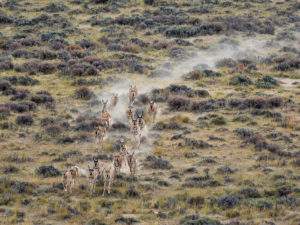
Since both refuges were established, researchers have learned a great deal about the wildlife and surrounding sagebrush steppe. Results from recent migration research have reinforced the importance of these two refuges as well as the adjoining 20 miles of BLM lands that separate them. From 2011-2013, biologists with the U.S. Fish and Wildlife Service followed 32 female pronghorn in the Greater Hart-Sheldon. What they found was one of the longest pronghorn migrations in the country, spanning more than 100 miles across 3 million acres of public lands.

In general, pronghorn spend summers in the higher elevations at Hart Mountain, then move to lower-elevation winter range on the Sheldon. But the pronghorn herds also utilized the adjacent Bureau of Land Management lands as much or more than the U.S. Fish and Wildlife Service refuge lands throughout the year. Wildlife don’t recognize land ownership boundaries, and it’s critical that the habitat in this corridor remains unfragmented and ecologically intact for the long haul.

Unfortunately, over the past two decades, populations of mule deer, bighorn sheep, and sage grouse have declined, both on the refuges, and across the region. As wildlife biologists work to identify the cause of these concerning counts in hopes of reversing the trend, it’s clear that more financial resources, habitat restoration work, and management strategies are needed, both on BLM and USFWS managed lands.

That’s why the Theodore Roosevelt Conservation Partnership has asked the Department of the Interior to direct the USFWS and the BLM to work together with the local community to identify a cooperative management strategy and update their overarching management plans to best conserve and restore the habitat and big game populations, both on the refuges and the BLM lands between, so pronghorn can move freely across the high-quality habitats to promote healthy populations for future generations of hunters to enjoy.

Learn more about TRCP’s work in the Pacific Northwest here.

A version of this blog was originally published by the Bend Bulletin.

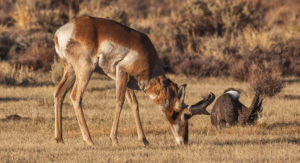
Photo credit: Kabsik Park

HOW YOU CAN HELP

TRCP has partnered with Afuera Coffee Co. to further our commitment to conservation. $4 from each bag is donated to the TRCP, to help continue our efforts of safeguarding critical habitats, productive hunting grounds, and favorite fishing holes for future generations.

Learn More
Subscribe


You have Successfully Subscribed!

You have Successfully Subscribed!

You have Successfully Subscribed!

You have Successfully Subscribed!

You have Successfully Subscribed!