Our Issues
Public Lands
Why It Matters

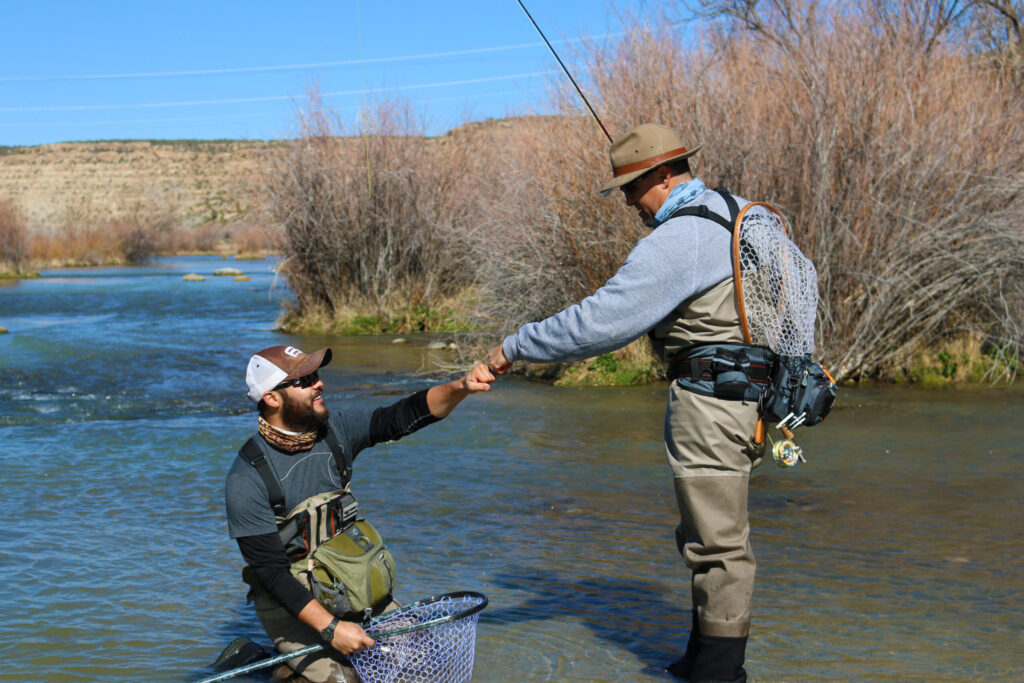
Hunting & Fishing Access

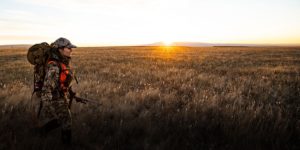
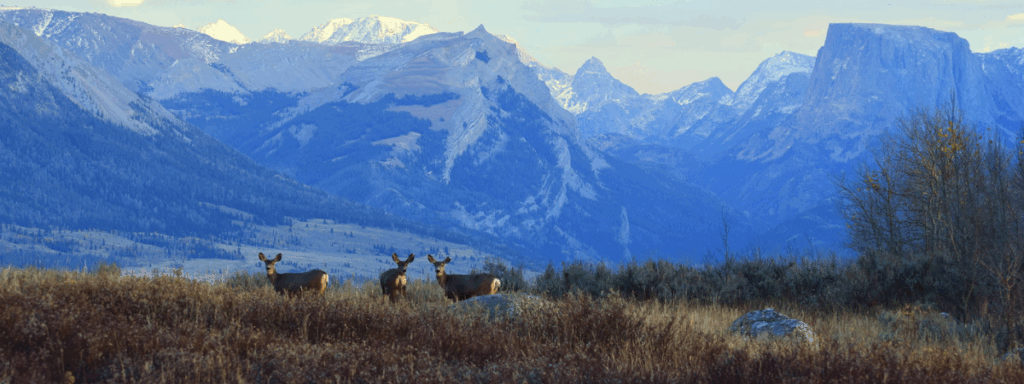
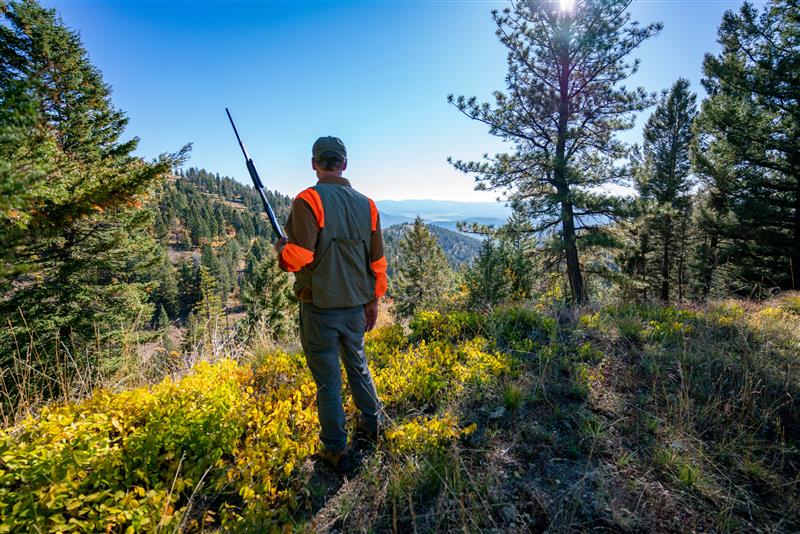
America’s 640 million acres of national public lands provide irreplaceable hunting and fishing opportunities to millions of Americans.

Learn More About Access
What TRCP is Doing

We’re working to safeguard America’s public lands so hunters and anglers always have quality places to pursue their passions.
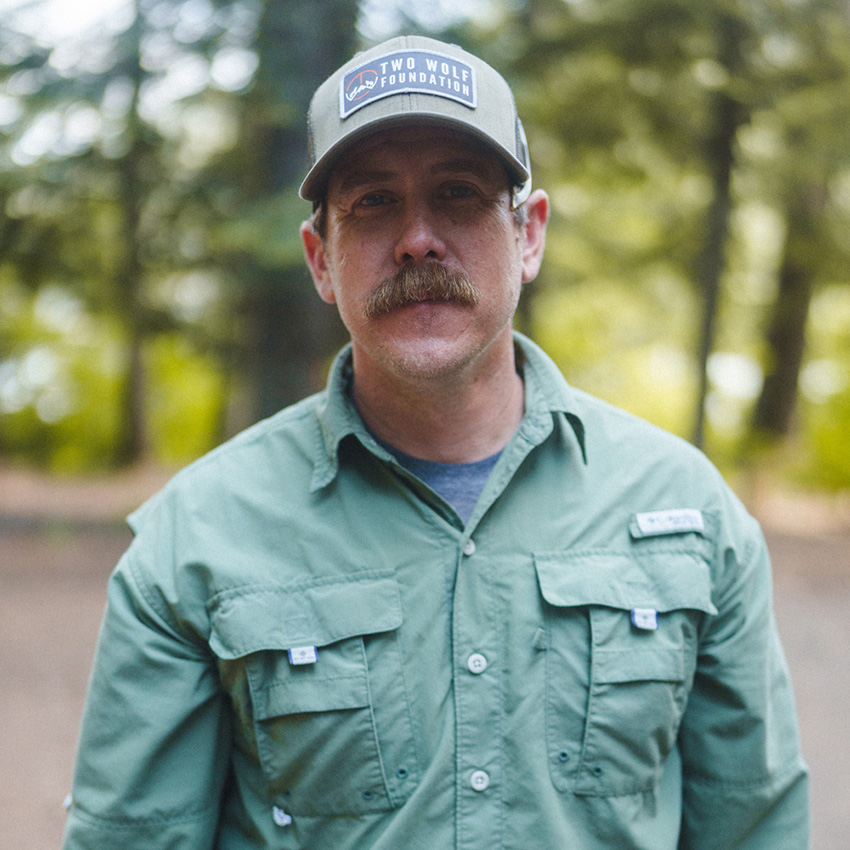
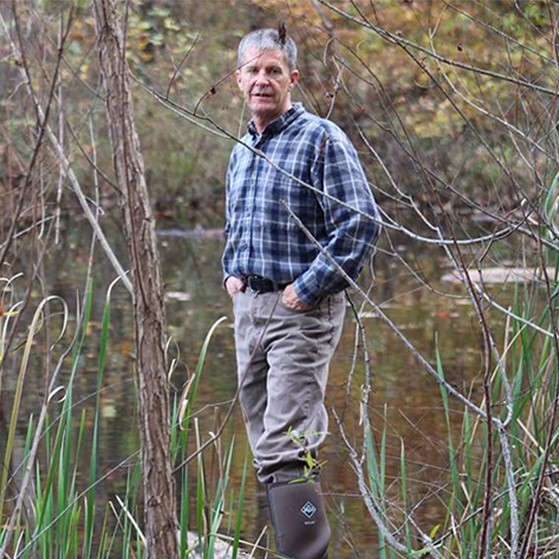
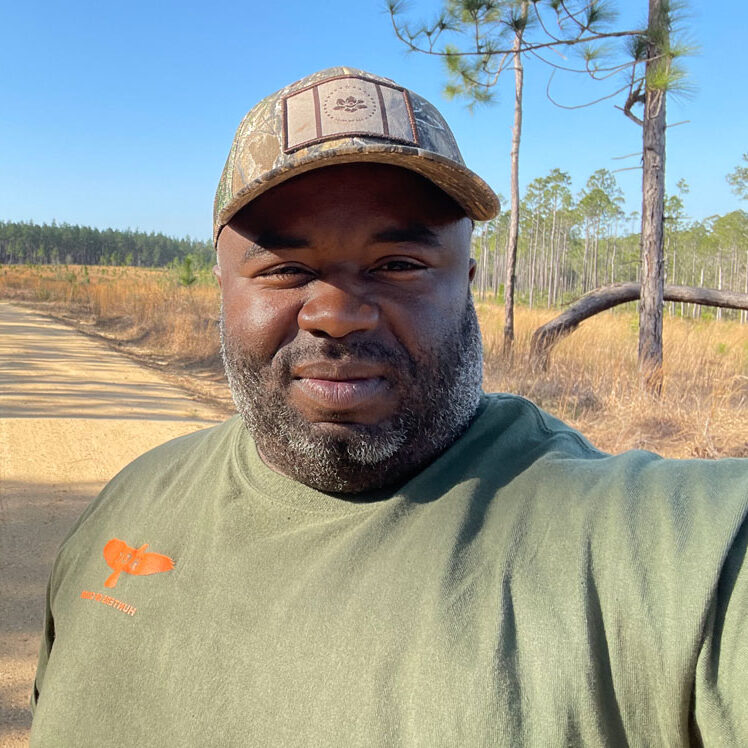
 Brian Flynn, Two Wolf Foundation
How Sportsmen Are Doing It Right

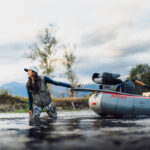
Brian Flynn, Two Wolf Foundation's Story

Following a distinguished career in the U.S. Army, lifelong outdoorsman Brian Flynn returned home from a deployment in Afghanistan and…

Hunting
Why It Matters

Key Issues for America’s Hunters

Your source for the latest policy updates, conservation challenges, and opportunities shaping America’s hunting traditions.

What TRCP is Doing

We’re fighting for meaningful policy changes that benefit wildlife, our waters, and the American landscapes that make our outdoor traditions possible.

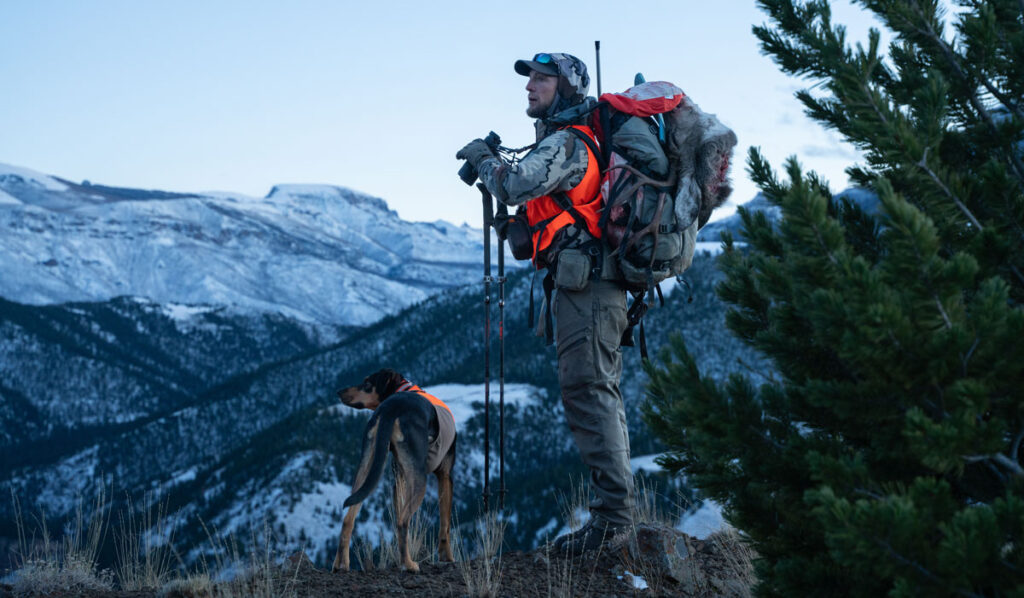
 Ryan Sparks
How Sportsmen Are Doing It Right

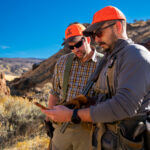
Ryan Sparks's Story

TRCP’s “In the Arena” series highlights the individual voices of hunters and anglers who, as Theodore Roosevelt so famously said,…

Fishing
Why It Matters

Key Issues for America’s Anglers

Your source for the latest policy updates, conservation challenges, and opportunities shaping America’s fishing traditions.

What TRCP is Doing

We’re fighting for meaningful policy changes that benefit wildlife, our waters, and the American landscapes that make our outdoor traditions possible.

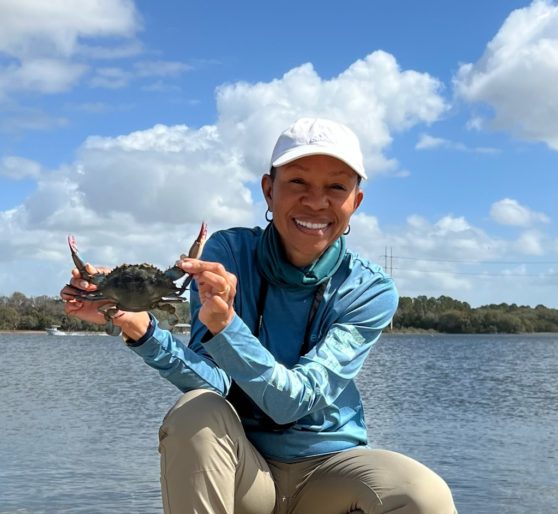
 David Mangum
How Sportsmen Are Doing It Right

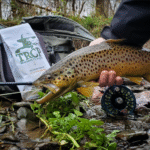
David Mangum's Story

Capt. David Mangum is a YETI ambassador and outdoor photographer who utilizes his talents to produce media that inspire a…

Private Land
Why It Matters

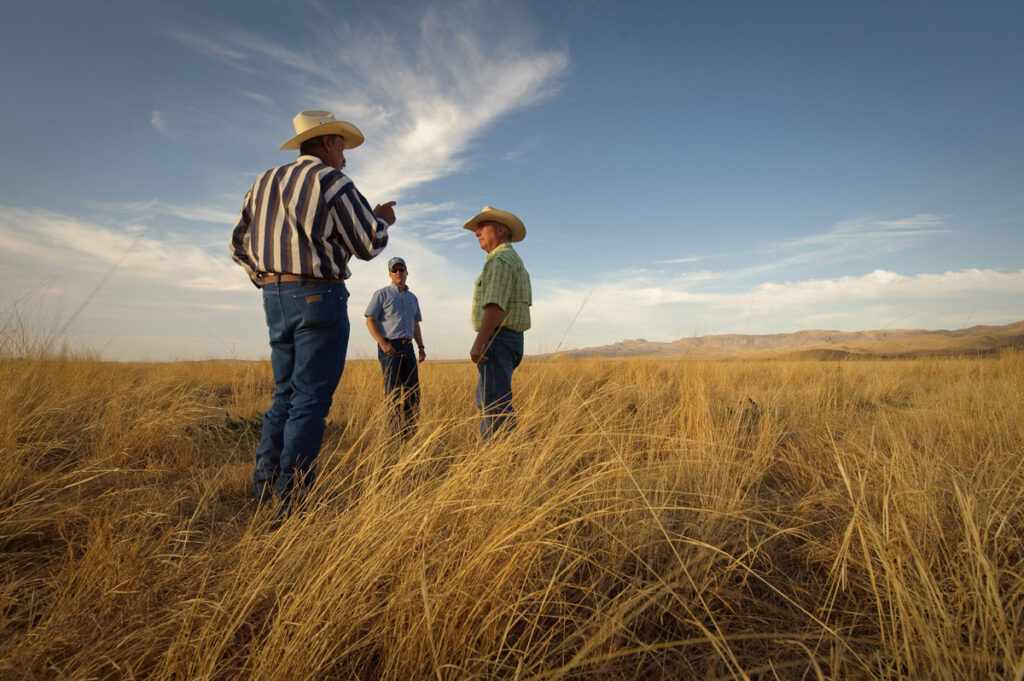
Stewardship on America’s private lands

With 70 percent of U.S. lands in private hands and many of our best hunt and fish opportunities occurring there, investing in voluntary conservation on working lands safeguards access, strengthens habitat and water quality, and ensures resilient landscapes.

Learn More
What TRCP is Doing

We champion policies and programs that restore wildlife habitat, improve soil and water health, and keep working lands productive.

 Ward Burton
How Sportsmen are Doing It Right

Ward Burton's Story

Ward Burton’s NASCAR driving career stretched across most of two decades. As an avid sportsman and conservationist, he founded the…

Special Places
Why It Matters

Special Places Worth Protecting

America’s most iconic landscapes provide unmatched habitat and unforgettable days afield. These places sustain wildlife, anchor local economies, and define the hunting and fishing traditions we pass down.

What TRCP is Doing

We’re working to conserve special places that provide world-class habitat and unforgettable opportunities for hunters and anglers.

 Franklin Adams
How Sportsmen Are Doing It Right

Franklin Adams's Story

As a true Gladesman, conservationist, and historian, Capt. Franklin Adams has spent more than six decades championing Everglades restoration efforts…

Habitat & Clean Water
Why It Matters

Healthy Habitat Powers Every Pursuit

All hunting and fishing opportunities depend on quality habitat, from clean water and healthy wetlands to winter and summer habitats and the migration corridors that connect them.

All About Habitat & Clean Water
What TRCP is Doing

We are working to safeguard the habitats that power every hunting and fishing opportunity.

 Alex Harvey
How Sportsmen Are Doing It Right

Alex Harvey's Story

Alex Harvey, founder of Legacy Land Management, is a registered professional forester in Mississippi and Alabama with a Master's degree…

Science
Why It Matters

Science That Guides TRCP

From conserving migration corridors and wetlands to ensuring clean water and resilient landscapes, science provides evidence that turns conservation goals into effective action.

Science for Conservation
What TRCP is Doing

For hunters and anglers, science safeguards the experiences we treasure including resilient big game populations, abundant fish, and wild places that endure changing social landscapes.

Jamelle Ellis
Your Science Expert

Jamelle Ellis's Story

Jamelle Ellis joined the Theodore Roosevelt Conservation Partnership in 2022. Jamelle spent the last three years as an environmental sustainability…

Where We Work
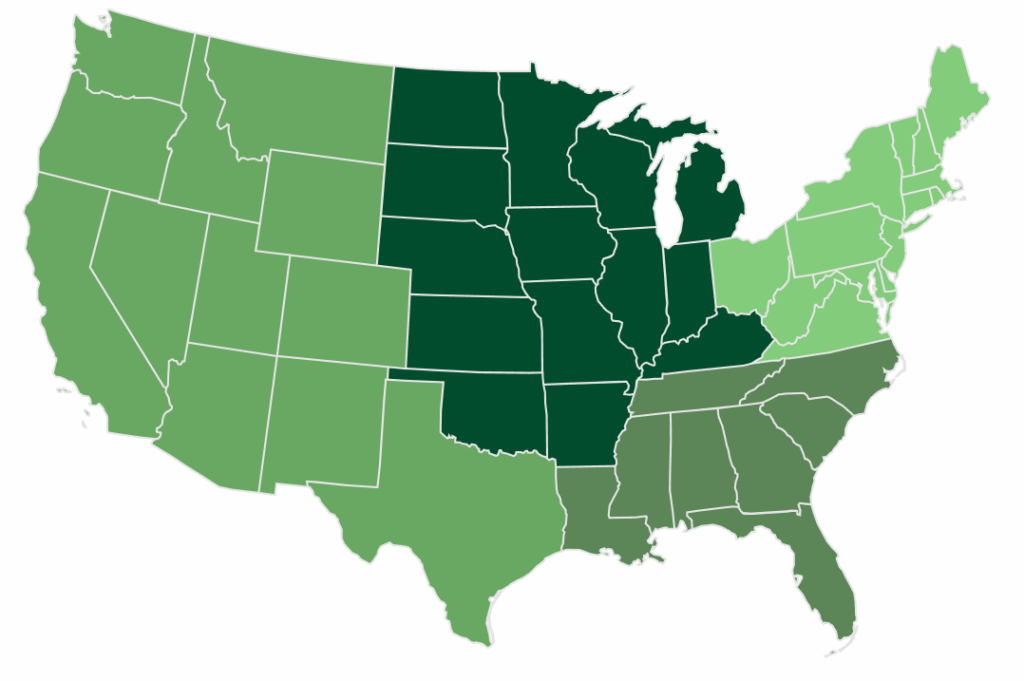
Across the Nation

Conservation Across America

TRCP works across the country to ensure hunters and anglers can enjoy healthy fish and wildlife and quality days afield, no matter where they live.

See All Issues
TRCP in Your Region

TRCP works across the country to ensure hunters and anglers can enjoy healthy fish and wildlife and quality days afield, no matter where they live.

Who We Are
Our Mission

To guarantee all Americans quality places to hunt & fish

We unite and amplify our partners’ voices to advance America’s legacy of conservation, habitat, and access.

Our Mission & Values
Our People & Partners
  • Meet the TRCP Team

    Our staff and board members unite and amplify our partners’ voices to advance America’s legacy of conservation, habitat, and access.

    Meet the Team
  • Our Partners

    ‘Partnership’ is in our name. We work with 64 diverse partner groups that represent today’s leading hunting, fishing, and conservation organizations in order to strengthen the sportsman’s voice in Washington, D.C.

    Our Partners
  • Corporate Council

    TRCP’s Corporate Council is made up of diverse corporations that share a common passion for conservation.

    Corporate Council
Our Organization

Looking for more information?

Explore our latest news, policy updates, and conservation resources to get the information you need.

Giving
How You Can Help

To guarantee all Americans quality places to hunt & fish

Your tax-deductible donation will support TRCP's mission, now and into the future.

DONATE
Special Ways to support trcp
  • Capital Conservation Awards Dinner

    The CCAD is one of Washington's best-attended conservation celebrations, featuring dinner, cocktails, and a silent auction.

    Learn More
  • Step Into the Arena

    Help us ensure that our treasured wild habitats and game remain intact for the next generation to enjoy – lend your support to the TRCP’s efforts today!

    Donate
  • Roosevelt Roast

    TRCP has partnered with Afuera Coffee Co. to further our commitment to conservation.

    Learn More
More donation options

Find the best way for you to lend your support. Join one of TRCP’s donor circles for special invitations, premium offerings from outdoor retailers, and more exclusive benefits. Take control of your legacy with planned giving or contribute to special conservation funds.

Other Ways To Give
News
In the Spotlight

In the Arena: Josh Warren

For many hunters and anglers, the connection to conservation begins close to home — in the woods behind the house, along a familiar stretch of river, or through time spent learning from mentors and family. That sense of place is something Joshua Warren carries with him, both personally and professionally. As Director of Marketing at WorkSharp, Josh represents a company rooted in Ashland, Oregon, a community defined by its access to public lands and wild country.

Read More

Stay Informed

Receive our newsletter, the Roosevelt Report, right in your inbox. Never miss the latest news in conservation issues.

September 27, 2021

Congress Could Make Transformational Investments in Private Land Conservation

A plan has been announced to boost agricultural conservation spending by $28 billion through the budget reconciliation process

The TRCP and our partner groups have been outspoken for some time about how oversubscribed our Farm Bill conservation programs are. Our research has shown that nearly 40 percent of landowner applications go unfunded, leaving the conservation of over 13 million acres on the table each year.

These core, voluntary-incentive programs are ripe for investment, particularly as we evaluate how to enhance climate resilience through habitat improvements and meet our land conservation goals in the years to come. Now—through the budget reconciliation process that the TRCP has been tracking closely—Congress could be on the threshold of increasing private land conservation spending in an extremely impactful way.

For the better part of Friday, September 10, 2021, the House Agriculture Committee debated a more than $65-billion spending package for climate research, forestry, and rural development programs. Committee Democrats approved the package, with the assertion that an additional $28 billion in conservation spending would be included as an amendment on the House floor.

While the spending bundle is delayed on account of budget analyses, we’re getting a glimpse of what’s included. Here are the highlights:

  • $9 billion for climate-smart working lands practices under the Environmental Quality Incentives Program
  • $5 billion to support a $5 to $25 per acre cover crop initiative
  • $7.5 billion for landscape-scale conservation through the Regional Conservation Partnership Program
  • $1.5 billion to support agricultural and wetland easements
  • $4 billion to support whole-farm conservation assistance through the Conservation Stewardship Program
  • $200 million to build technical assistance support at the Natural Resource Conservation Service
  • $50 million to support USDA’s Climate Hubs
  • $6 million to support greenhouse gas monitoring

There is still a long, narrow road that this legislative package must travel between now and passage. Broader political disagreement threatens to shrink the topline of the Democrats’ proposed spending package, downsizing conservation dollars as well. But as lawmakers and staff count dollars and cents, it’s important to acknowledge the proven value of these programs—direct impacts on water quality, habitat improvement, and carbon reduction, as well as resilience and risk reduction for farmers, ranchers, and forest owners.

Our organization and partners will continue to support these important investments. If you’d like to speak up for Farm Bill conservation funding, click here to use our simple advocacy tool.

Learn more about the benefits of Farm Bill conservation programs to landowners, wildlife, and sportsmen and women HERE.


Top photo by USDA/Lance Cheung

2 Responses to “Congress Could Make Transformational Investments in Private Land Conservation”

  1. Nathan Rohne

    I live in Minnesota where forty percent of are lakes and rivers are polluted or impaired, not all but most is caused by agriculture nutrients entering are waters.We need to quit kicking the conservation can down the road and fix it. The suggested farm bill conservation measures would be a great start.

Do you have any thoughts on this post?

XHTML: You can use these tags: <a href="" title=""> <abbr title=""> <acronym title=""> <b> <blockquote cite=""> <cite> <code> <del datetime=""> <em> <i> <q cite=""> <s> <strike> <strong>

Comments must be under 1000 characters.

September 23, 2021

Two Great Reasons to Hunt, Fish, Mentor, or Give Back to the Outdoors This Weekend

Saturday is National Public Lands Day and National Hunting and Fishing Day, a perfect time to celebrate your role in conservation 

This weekend, help us celebrate National Hunting and Fishing Day and National Public Lands Day by using and appreciating our country’s unmatched outdoor recreation opportunities, natural resources, and public land access. Timed with the start of many hunting seasons and some of the best fall fishing, it’s a perfect occasion to acknowledge the role that YOU play in conservation as you play in the outdoors.

In 1972, when Richard Nixon signed the first-ever presidential proclamation of National Hunting and Fishing Day, he wrote, “I urge all citizens to join with outdoor sportsmen in the wise use of our natural resources and in insuring their proper management for the benefit of future generations.”

And it is just as true today that hunters and anglers lead when it comes to advocating for healthy fish and wildlife populations, abundant habitat, and outdoor recreation access for all. We show up with our dollars, too: Sportsmen and sportswomen contribute more than $1.7 billion each year to fisheries management and $1.8 billion annually to wildlife conservation through our license and gear purchases.

Fortunately, our numbers are growing, enhancing the potential for these conservation investments. In 2020, 55 million Americans went fishing, including 5 million anglers who were brand new or returning to the sport after a few years off. More than 15 million hunters purchased licenses last year—a 4.9-percent increase over 2019.

This means that all of YOUR efforts to mentor and welcome friends, family, and other interested beginners are incredibly meaningful, beyond the knowledge and passion you share. You are helping to grow the next generation of conservationists and a critical source of funding for habitat improvement! So, get outside this weekend and enjoy the results: some of the best hunting and fishing opportunities in the world.

Many National Public Lands Day events are focused on giving back through clean-ups and other volunteer efforts. Helping to remove old barbed wire fencing, construct a wildlife guzzler, or pick up trash is actually a great way to introduce someone new to the value of public lands access and the hunting and fishing community’s commitment to conservation.

Or, if you’re in a position to give financially, this could be the perfect moment to support an organization that helps to advance conservation on a local or national scale. Here are 60 that we admire and work with.

In celebration of the 49th anniversary of National Hunting and Fishing Day, the TRCP is calling on 49 new donors to step up for conservation and support our mission of guaranteeing all Americans quality places to hunt and fish. Will you be one of them?

Donate Now

No matter how you choose to support conservation or enjoy the outdoors this weekend, we thank you for using and appreciating our country’s unmatched natural resources and public land access. Your participation in hunting and fishing—and your commitment to welcoming others who are interested in these activities—truly makes a difference for conservation in America. Let’s double down on these efforts and have the best fall ever.

From all of us at the TRCP, happy National Hunting and Fishing Day and National Public Lands Day!


Are you new to the TRCP’s work for conservation, habitat, and access? Sign up to learn more about what we do and stay informed on the issues that will affect your hunting and fishing opportunities.

September 20, 2021

New Mexicans: Speak Up for Hunting and Fishing on the Lincoln National Forest

Help Ensure Our Values Guide the Forest Service’s Management of Our Public Lands

Take Action Now

The U.S. Forest Service recently released a draft plan that will guide public land management practices over the next 10 to 15 years on the 1.1 million-acre Lincoln National Forest in Southern New Mexico.

The planning area is one of the premier public land hunting areas in the West and offers outstanding hunting opportunities for mule deer, elk, black bear, and turkey. Part of what makes this area such a high-quality hunting destination is its large tracts of uninterrupted backcountry habitat, along with excellent public access. Now, sportsmen and women have the opportunity to influence how these public lands will be managed for the next decade or more.

The Lincoln National Forest encompasses New Mexico’s Game Management Units 34, 36, 37 and 30, which, because of the abundance of big game, have some of the highest allotments of tags in the state. Opportunities in the area are highly sought after and these tags are difficult to draw for public land hunters.

But those odds could get even lower moving forward if habitat conservation and connectivity isn’t prioritized in the Forest Service’s management plan, allowing big game herds to move across the landscape to access the feed and security they need throughout the year. Since the current plan’s adoption in 1986, our understanding of challenges related to habitat fragmentation and climate change have advanced significantly, and the forest’s management framework needs to be updated to reflect the most current science.

Sportsmen and women recognize the New Mexico Game & Fish as the leading experts on wildlife management and our community needs to step up and request that the planners at the Forest Service work closely with the state’s wildlife managers to draft a final Alternative that includes their recommendations. When comparing the preferred Alternative B to Alternative D, the latter clearly includes management actions that are top priorities for sportsmen and women as far as roads, lands and access, timber thinning, terrestrial habitat improvements, restoration, and habitat connectivity.

The Forest Service will hold three virtual community meetings to present the draft plan and answer questions on the below dates:

  • September 22 at 4:00 PM
  • September 29 at 2:00 PM
  • October 12 at 4:00 PM

Participants will have time to ask questions and make official comments during the meetings, which are open to everyone. To register, click here.

Suggested Talking Points

  1. Prioritize active wildlife habitat restoration and enhancement.
  2. Restore native fisheries through a variety of measures, including the removal of nonnative trout.
  3. Improve habitat connectivity for fish and big game movement by, for example, removing barriers, relocating, and decommissioning roads, restoring dewatered stream segments, connecting fragmented habitat, and providing wildlife passage friendly fences.
  4. Maintain existing public access important for sportsmen and women, while expanding public access to parts of the forest that are difficult to reach because of surrounding private lands. Road access needs should be balanced with the habitat needs of deer and elk.

Sportsmen and sportswomen have until November 5, 2021, to speak up during the formal comment period. You can view the plan here and then click the button below to take action.

TAKE ACTION

Blue Carbon: How Fish and Waterfowl Habitat Combats Climate Change

Add this to all the other reasons we love and need healthy wetlands

Have you ever wandered through a maze of tidal creeks and marshes searching for tailing redfish or a bait-busting school of striped bass? Maybe you prefer a duck blind on a crisp fall morning, as the sun finally peeks over the horizon and the smells and sounds of the marsh come alive? If you answered yes, then you—like me and millions of other hunters and anglers—have benefitted from healthy coastal habitats.

But these wetlands have even more to give.

What has only been recognized recently is the key role these habitats play in the fight against climate change. This is because salt marshes, mangroves, and seagrass beds have the acute ability to capture and store carbon dioxide and other greenhouse gases from the atmosphere. We call this blue carbon, a simple concept that has immense benefits. In fact, some blue carbon ecosystems sequester carbon at 10 times the rate of mature tropical forests per unit.

Thankfully, blue carbon has become more than just a buzzword as the science to quantify carbon storage has matured significantly in the last decade. Leaders are taking note, too.

Legislation that puts an emphasis on the need to protect and restore blue carbon habitats has been moving through Congress with bipartisan support. Earlier this year, Representatives Suzanne Bonamici (D-Ore.), Brian Mast (R-Fla.), Bill Posey (R-Fla.), and Don Beyer (D-Va.) introduced the bipartisan Blue Carbon for Our Planet Act. Rep. Jared Huffman (D-Calif.) followed suit with the Blue Carbon Protection Act in June 2021.

Shortly thereafter, Representatives Huffman and González-Colón (R-P.R.), along with Senators Ben Cardin (D-Md.) and Lindsey Graham (R-S.C.), introduced legislation that would reauthorize and increase funding for the U.S. Fish and Wildlife Service Coastal Program, including up to $1 million for states and territories to restore coastal wetlands.

Now, as Congress moves ahead with the budget reconciliation process, elected officials are stepping up by proposing $9.5 billion in funding for the National Oceanic and Atmospheric Administration (NOAA) to protect and restore coastal habitats nationwide, including support for the design and implementation of blue carbon projects.

Blue Carbon Benefits Beyond Climate

Beyond mitigation, there are a myriad of co-benefits for fish and wildlife, too. Mangroves are imperative for juvenile bonefish and tarpon growth and survival. Salt marshes provide critical habitat for migratory birds and young salmon. Crabs rely on seagrass for protection and spawning. The list goes on and on. Hunters and anglers depend on these coastal habitats to pursue our passions, too.

Wetlands and salt marshes are also our first line of defense in the face of severe storms, acting as sponges to both absorb and filter flood waters before they can reach our homes and businesses. Meanwhile, mangrove forests and other natural barriers protect roads, bridges, and homes from being inundated by storm surge and rising seas.

Damaged wetlands can’t provide these benefits and, worse, fail to filter essential sources of drinking water. That’s why restoration is incredibly important in places that are already facing environmental challenges, like the Everglades.

According to the National Institute of Building Sciences, for every $1 we spend on mitigation, we save $6 on recovery efforts. More often than not, natural infrastructure or nature-based solutions are more cost-effective and outperform their grey-infrastructure counterparts.

The economic value of blue carbon, therefore, is not only in the greenhouse gas it stores in the ground, protecting our planet and our outdoor recreation pursuits from the impacts of climate change, but also in the damage they prevent.

With 40 percent of the U.S. population living in estuary regions, and 47 percent of our country’s economy coming from the coast, protecting and restoring coastal blue-carbon ecosystems has never been more important. The recent Intergovernmental Panel on Climate Change (IPCC) Sixth Assessment Report estimates that we should expect no less than six feet of sea-level rise by 2100 and that storms will continue to become more intense. This report also left no doubt that climate change is affecting the places where we hunt and fish.

Time is running out to put much-needed funding on the ground and get millions of Americans to work conserving and restoring our most valuable coastal assets—our neighbors, homes, livelihoods, and, for many, our favorite fishing and hunting spots.


Rob Shane is the Communications Manager for Restore America’s Estuaries. He is an avid fisherman based in Northern Virginia and spends his free time chasing anything that swims in the Chesapeake Bay watershed.


Top photo courtesy of Everglades National Park via Flickr.

September 16, 2021

Alex Funk Heads TRCP’s Clean Water Efforts at a Watershed Moment

Our new director of water resources and senior counsel shares how his work will support conservation across the Colorado River Basin, Chesapeake Bay watershed, and headwaters and wetlands nationwide

In the summer of 2014, still fresh out of law school, I took two pivotal trips from the muggy confines of Washington, D.C., to the American West.

The first of those trips took me to New Mexico to meet with local conservation organizations working to stop a diversion project that would drain the headwaters of the Gila River—a region that Aldo Leopold convinced Congress to protect as the nation’s first Wilderness Area. On the second trip, I found myself on a raft floating down the canyons of the Upper Colorado River for the first time. It rained, and it was cold, but these experiences cemented a desire to focus on conserving our country’s Western rivers.

Looking back on those trips, I remember being in awe of the Western landscapes I saw. The vastness of the mountain ranges and red hues of the soil were alien to someone who grew up along the lush, green banks of the Shenandoah River.

Perhaps most striking to me, however, was how small the Gila River is compared to Eastern rivers such as the Potomac or Hudson—especially considering that the Gila is a major tributary of the Colorado River. That comparison, however, underscores the outsized role of Western rivers in the semi-arid to desert landscapes of the left half of the country. Although comparatively small in terms of volume, Western rivers are the hardest working rivers in the country and support a wide range of ecosystem services and benefits. This includes providing critical wildlife corridors and winter range for a variety of species, like elk and mule deer.

The Colorado River, in particular, provides water for approximately 40 million people in the southwestern United States and Mexico, irrigates nearly 5.7 million acres of farmland, and is the lifeblood for 22 federally recognized Native American tribes. According to an Arizona State University study, the Colorado River supports $1.4 trillion in economic output, $871 billion in wages, and 16 million jobs annually. It also underpins countless hunting, fishing, and outdoor recreation opportunities that are under threat while the river faces drought and climate change.

At the Theodore Roosevelt Conservation Partnership, I’m looking forward to sharing stories of hunters and anglers and their connection with the Colorado River, while building a coalition of outdoor recreation partners to advance conservation in the face of these challenges. The TRCP is hard at work encouraging Congress to support critical investments in modernizing Western water infrastructure and nature-based solutions that enhance climate resilience and sustain healthy habitat for fish and wildlife.

As part of the 2018 Farm Bill, the TRCP was instrumental in securing important victories for the Colorado River, including expanding eligibility for the Environmental Quality Incentives Program to include watershed-scale conservation and restoration projects and ensuring drought resilience is a key priority for the U.S. Department of Agriculture.

The TRCP Center for Water Resources will also continue to play a leading role in pushing for more durable protections for waters and wetlands critical to fish and wildlife habitat under the Clean Water Act. The current administration is in the process of developing a new rule that will replace the Navigable Waters Protection Rule, which removed federal protections from 18 percent of the nation’s streams and as much as 50 percent of remaining wetlands.

I will also be working with TRCP’s Pennsylvania field rep to build a local coalition of sportsmen and sportswomen to sustain critical conservation funding for natural resource management priorities, such as improving water quality and wildlife habitat and strengthening state stream protections for coldwater fisheries.

Overall, I’m eager to be working with the TRCP and its partner community to advance innovative policy solutions to a myriad of challenges facing our nation’s rivers and streams and sustain these resources for future generations. I look forward to keeping all of you up to date on our progress.

Learn more about Alex here.

HOW YOU CAN HELP

TRCP has partnered with Afuera Coffee Co. to further our commitment to conservation. $4 from each bag is donated to the TRCP, to help continue our efforts of safeguarding critical habitats, productive hunting grounds, and favorite fishing holes for future generations.

Learn More
Subscribe


You have Successfully Subscribed!

You have Successfully Subscribed!

You have Successfully Subscribed!

You have Successfully Subscribed!

You have Successfully Subscribed!