Our Issues
Public Lands
Why It Matters

Hunting & Fishing Access

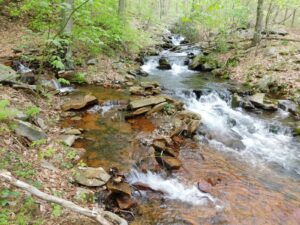
America’s 640 million acres of national public lands provide irreplaceable hunting and fishing opportunities to millions of Americans.

Learn More About Access
What TRCP is Doing

We’re working to safeguard America’s public lands so hunters and anglers always have quality places to pursue their passions.
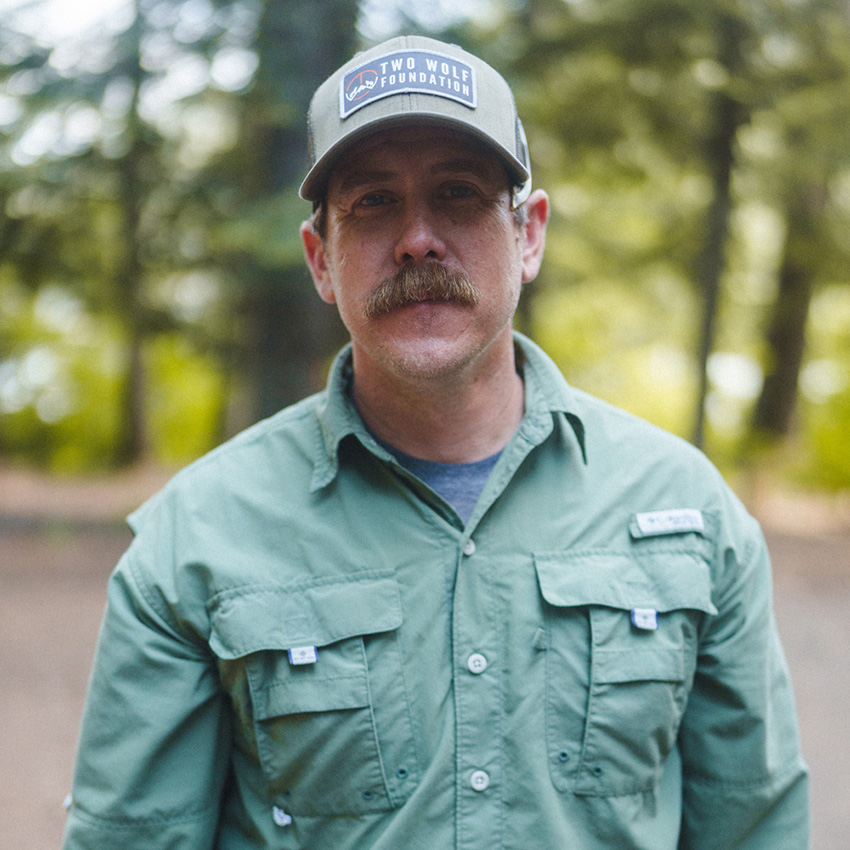
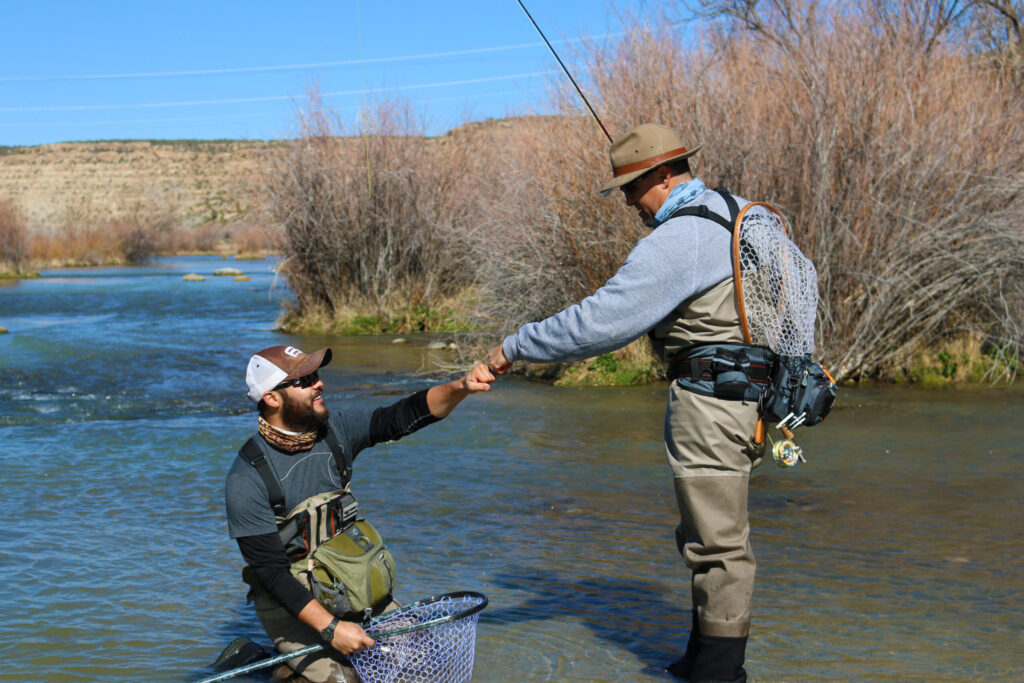
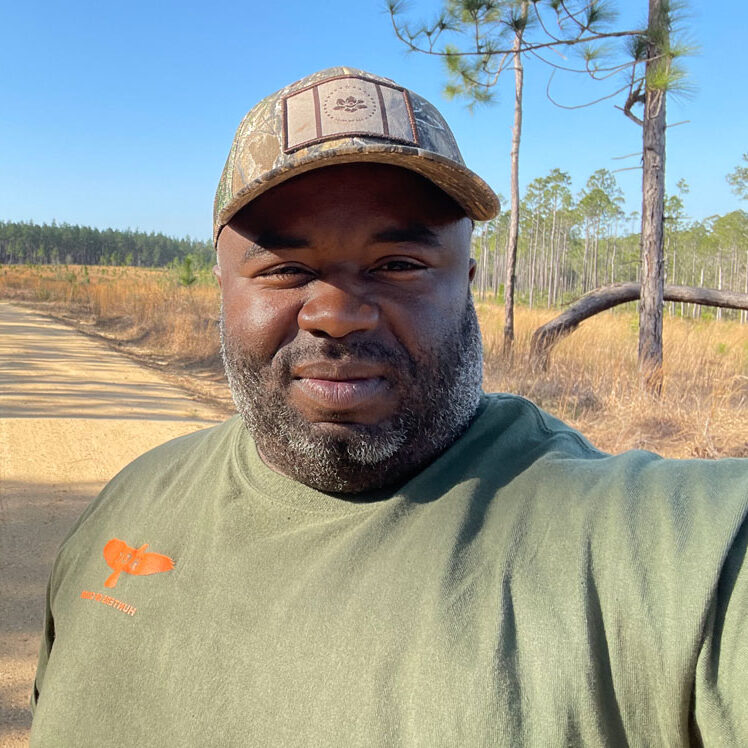
 Brian Flynn, Two Wolf Foundation
How Sportsmen Are Doing It Right

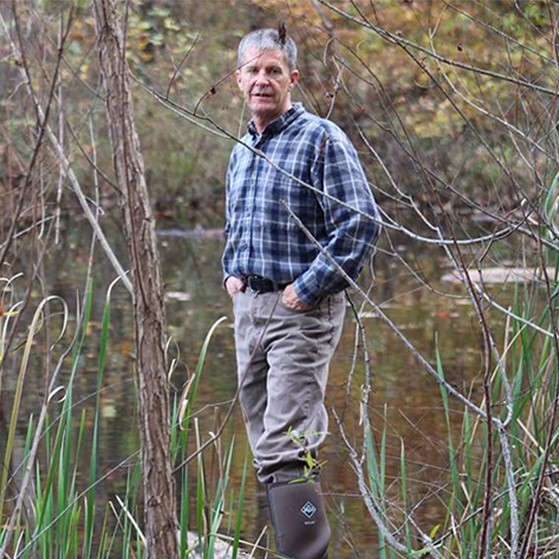
Brian Flynn, Two Wolf Foundation's Story

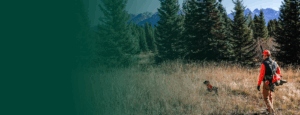
Following a distinguished career in the U.S. Army, lifelong outdoorsman Brian Flynn returned home from a deployment in Afghanistan and…

Hunting
Why It Matters

Key Issues for America’s Hunters

Your source for the latest policy updates, conservation challenges, and opportunities shaping America’s hunting traditions.

What TRCP is Doing

We’re fighting for meaningful policy changes that benefit wildlife, our waters, and the American landscapes that make our outdoor traditions possible.

 Ryan Sparks
How Sportsmen Are Doing It Right

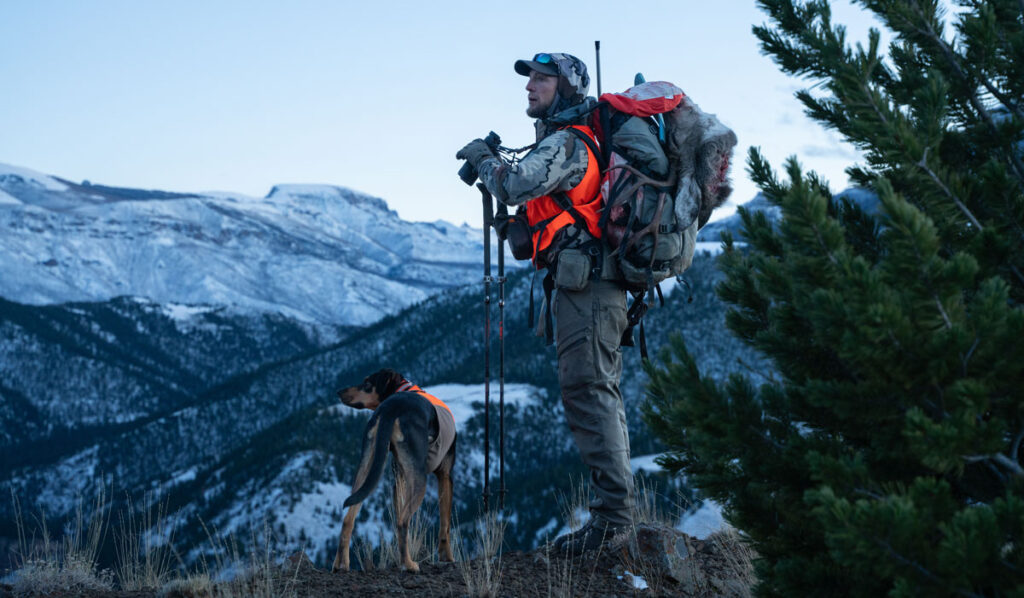
Ryan Sparks's Story

TRCP’s “In the Arena” series highlights the individual voices of hunters and anglers who, as Theodore Roosevelt so famously said,…

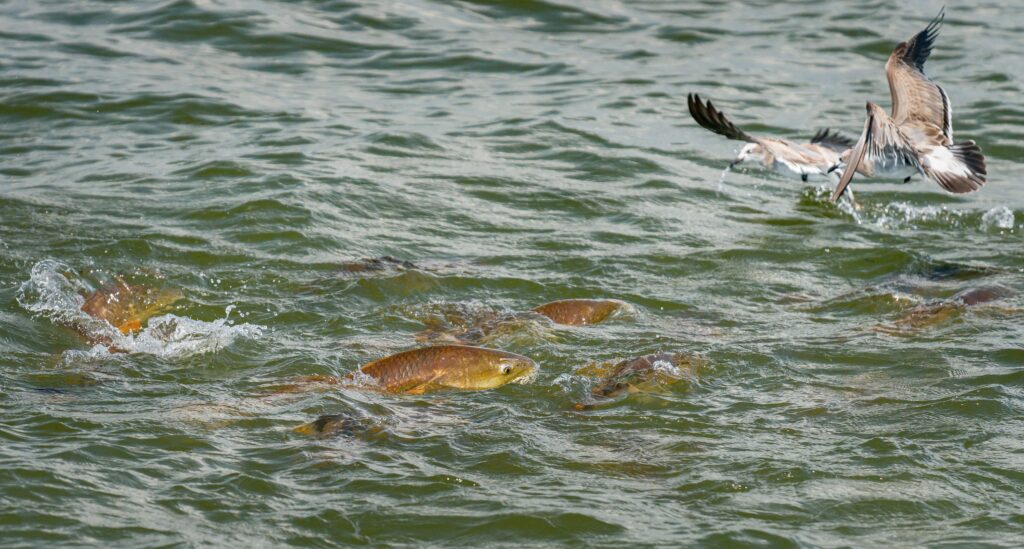
Fishing
Why It Matters

Key Issues for America’s Anglers

Your source for the latest policy updates, conservation challenges, and opportunities shaping America’s fishing traditions.

What TRCP is Doing

We’re fighting for meaningful policy changes that benefit wildlife, our waters, and the American landscapes that make our outdoor traditions possible.

 David Mangum
How Sportsmen Are Doing It Right

David Mangum's Story

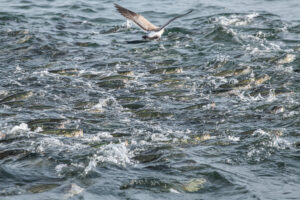
Capt. David Mangum is a YETI ambassador and outdoor photographer who utilizes his talents to produce media that inspire a…

Private Land
Why It Matters

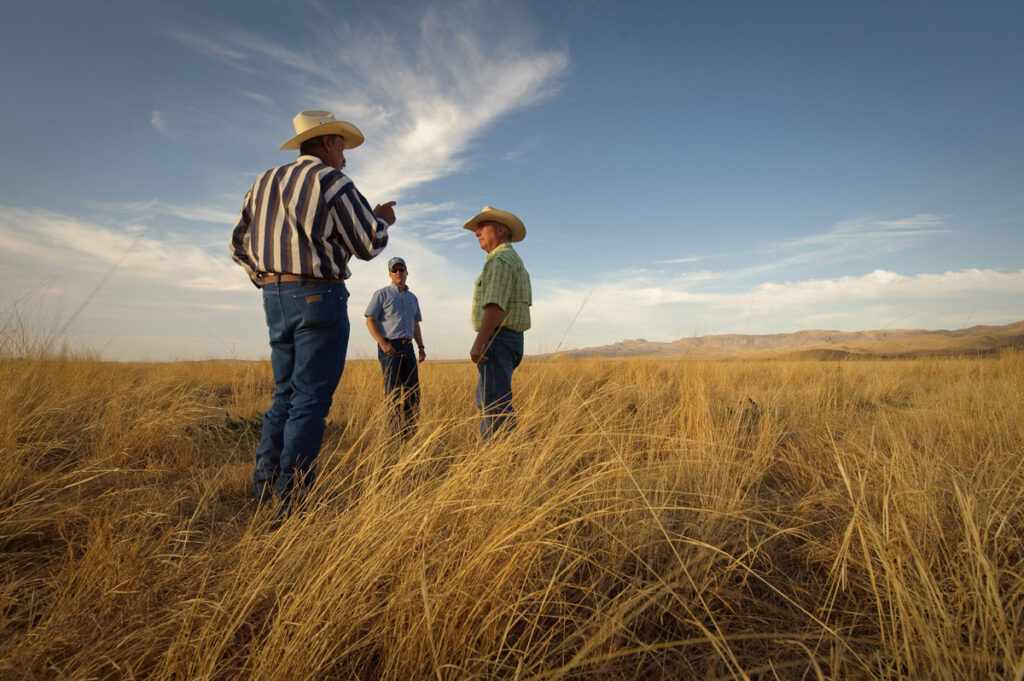
Stewardship on America’s private lands

With 70 percent of U.S. lands in private hands and many of our best hunt and fish opportunities occurring there, investing in voluntary conservation on working lands safeguards access, strengthens habitat and water quality, and ensures resilient landscapes.

Learn More
What TRCP is Doing

We champion policies and programs that restore wildlife habitat, improve soil and water health, and keep working lands productive.

 Ward Burton
How Sportsmen are Doing It Right

Ward Burton's Story

Ward Burton’s NASCAR driving career stretched across most of two decades. As an avid sportsman and conservationist, he founded the…

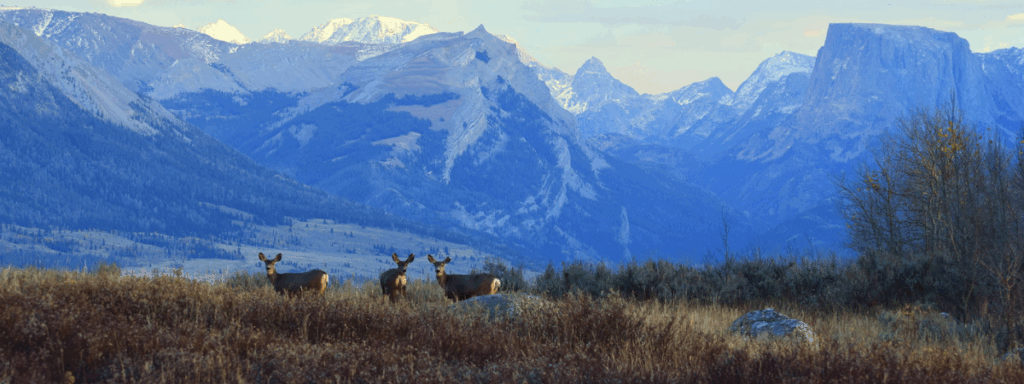
Special Places
Why It Matters

Special Places Worth Protecting

America’s most iconic landscapes provide unmatched habitat and unforgettable days afield. These places sustain wildlife, anchor local economies, and define the hunting and fishing traditions we pass down.

What TRCP is Doing

We’re working to conserve special places that provide world-class habitat and unforgettable opportunities for hunters and anglers.

 Franklin Adams
How Sportsmen Are Doing It Right

Franklin Adams's Story

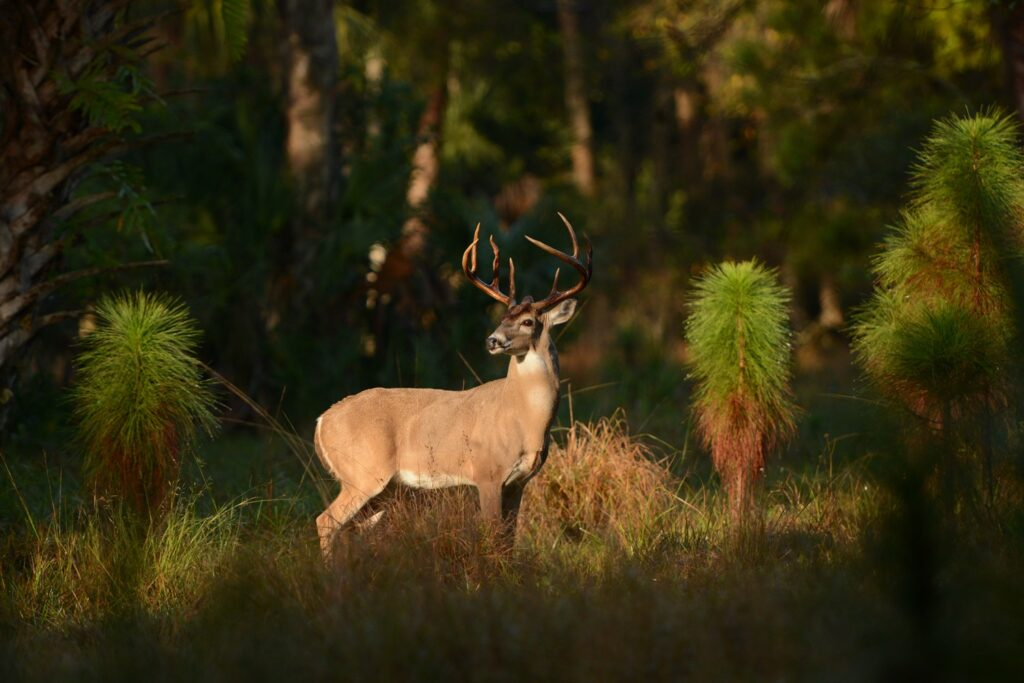
As a true Gladesman, conservationist, and historian, Capt. Franklin Adams has spent more than six decades championing Everglades restoration efforts…

Habitat & Clean Water
Why It Matters

Healthy Habitat Powers Every Pursuit

All hunting and fishing opportunities depend on quality habitat, from clean water and healthy wetlands to winter and summer habitats and the migration corridors that connect them.

All About Habitat & Clean Water
What TRCP is Doing

We are working to safeguard the habitats that power every hunting and fishing opportunity.

 Alex Harvey
How Sportsmen Are Doing It Right

Alex Harvey's Story

Alex Harvey, founder of Legacy Land Management, is a registered professional forester in Mississippi and Alabama with a Master's degree…

Science
Why It Matters

Science That Guides TRCP

From conserving migration corridors and wetlands to ensuring clean water and resilient landscapes, science provides evidence that turns conservation goals into effective action.

Science for Conservation
What TRCP is Doing

For hunters and anglers, science safeguards the experiences we treasure including resilient big game populations, abundant fish, and wild places that endure changing social landscapes.

Jamelle Ellis
Your Science Expert

Jamelle Ellis's Story

Jamelle Ellis joined the Theodore Roosevelt Conservation Partnership in 2022. Jamelle spent the last three years as an environmental sustainability…

Where We Work
Across the Nation

Conservation Across America

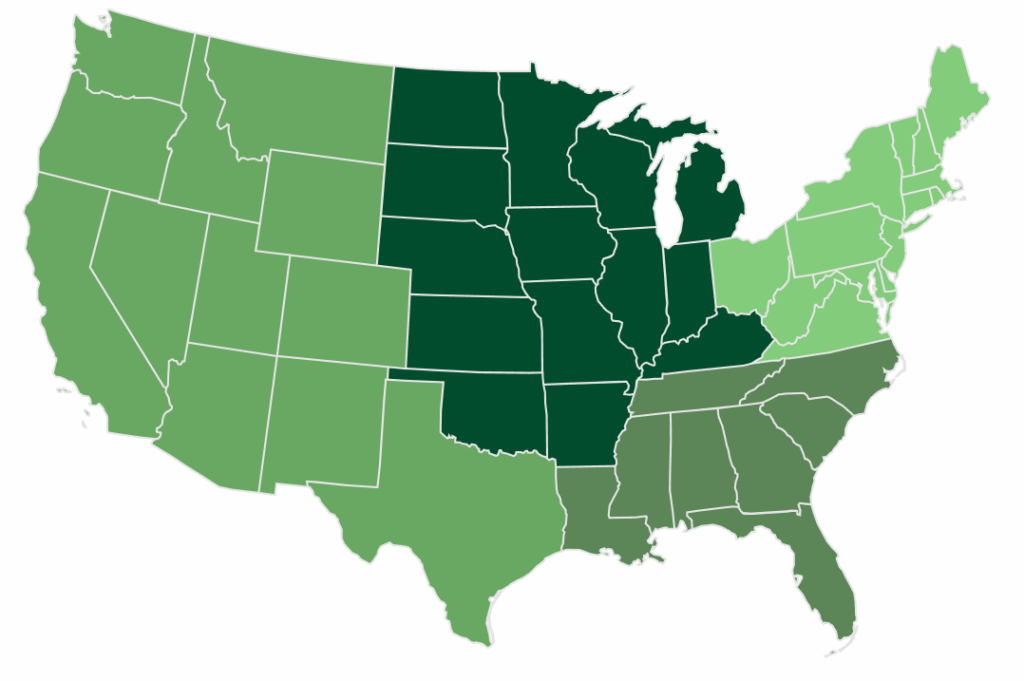
TRCP works across the country to ensure hunters and anglers can enjoy healthy fish and wildlife and quality days afield, no matter where they live.

See All Issues
TRCP in Your Region

TRCP works across the country to ensure hunters and anglers can enjoy healthy fish and wildlife and quality days afield, no matter where they live.

Who We Are
Our Mission

To guarantee all Americans quality places to hunt & fish

We unite and amplify our partners’ voices to advance America’s legacy of conservation, habitat, and access.

Our Mission & Values
Our People & Partners
  • Meet the TRCP Team

    Our staff and board members unite and amplify our partners’ voices to advance America’s legacy of conservation, habitat, and access.

    Meet the Team
  • Our Partners

    ‘Partnership’ is in our name. We work with 64 diverse partner groups that represent today’s leading hunting, fishing, and conservation organizations in order to strengthen the sportsman’s voice in Washington, D.C.

    Our Partners
  • Corporate Council

    TRCP’s Corporate Council is made up of diverse corporations that share a common passion for conservation.

    Corporate Council
Our Organization

Looking for more information?

Explore our latest news, policy updates, and conservation resources to get the information you need.

Giving
How You Can Help

To guarantee all Americans quality places to hunt & fish

Your tax-deductible donation will support TRCP's mission, now and into the future.

DONATE
Special Ways to support trcp
  • Capital Conservation Awards Dinner

    The CCAD is one of Washington's best-attended conservation celebrations, featuring dinner, cocktails, and a silent auction.

    Learn More
  • Step Into the Arena

    Help us ensure that our treasured wild habitats and game remain intact for the next generation to enjoy – lend your support to the TRCP’s efforts today!

    Donate
  • Roosevelt Roast

    TRCP has partnered with Afuera Coffee Co. to further our commitment to conservation.

    Learn More
More donation options

Find the best way for you to lend your support. Join one of TRCP’s donor circles for special invitations, premium offerings from outdoor retailers, and more exclusive benefits. Take control of your legacy with planned giving or contribute to special conservation funds.

Other Ways To Give
News
In the Spotlight

In the Arena: Josh Warren

For many hunters and anglers, the connection to conservation begins close to home — in the woods behind the house, along a familiar stretch of river, or through time spent learning from mentors and family. That sense of place is something Joshua Warren carries with him, both personally and professionally. As Director of Marketing at WorkSharp, Josh represents a company rooted in Ashland, Oregon, a community defined by its access to public lands and wild country.

Read More

Stay Informed

Receive our newsletter, the Roosevelt Report, right in your inbox. Never miss the latest news in conservation issues.

by:

posted in:

September 19, 2018

First_Lite_R2_9286_edit

Do you have any thoughts on this post?

XHTML: You can use these tags: <a href="" title=""> <abbr title=""> <acronym title=""> <b> <blockquote cite=""> <cite> <code> <del datetime=""> <em> <i> <q cite=""> <s> <strike> <strong>

Comments must be under 1000 characters.

by:

posted in:

September 16, 2018

This American Holiday is All About Your Right to Enjoy the Outdoors

National Hunting and Fishing Day is like Christmas, Independence Day, and Thanksgiving for sportsmen and women—so go enjoy the many gifts of the outdoors, cherish our American traditions, and give thanks

God put us in charge. At least, that’s what the Good Book says. Our human connection to nature and wildlife is so special, because we are at once a part of it, yet differentiated from it. The experiences we have with wildlife and wild places are vital to our existence, because they help us affirm our own uniqueness and value in life.

No one understands and appreciates this relationship more than American sportsmen and women. When a hunter or angler fairly and ethically pursues wildlife or fish, he is connecting with nature at a primal level—life and death are at stake. And with a respectful harvest of that animal, he is celebrating and appreciating what it has provided and taught him.

Theodore Roosevelt spoke of the virtues of a “strenuous life.” I believe he meant that life is an accumulation of experiences, big and small. Only by pushing ourselves in this pursuit can we know our full potential. Life is all around us, and sportsmen go out to meet it! It’s in the friction of water around your legs as you step into a stream, the crunch of frosty ground under your boot, the smell of a campfire, and the sound of laughter and tales being shared.

September 22th is National Hunting and Fishing Day, and it should be celebrated and appreciated—not just by hunters and anglers, but by all Americans.

Sportsmen are the original conservationists. Our traditions and passions for wildlife support a system found nowhere else on Earth, one that benefits all. The North American Model of Wildlife Conservation prioritizes professional science-based wildlife management, provides funding mechanisms through license sales and excise taxes that pay for conservation programs and, most importantly, holds that our fish and game resources are a public resource belonging to all Americans. Inherent in this truth is our democratic tradition of public lands, which goes back to the days of Roosevelt and others.

God put us in charge, therefore we are responsible. It is up to all of us, as sportsmen and women, to be vocal advocates for conservation of fish, wildlife, habitat, America’s public lands, and the sporting traditions we hold so dear.

In the spirit of this day, there are two things you can do to help guarantee that future generations have quality places to hunt and fish:

1)      Go hunting or fishing. Just get out there. Live the strenuous life. Even better, take someone with you.

2)      Speak up! Contact your lawmakers and elected officials to tell them why conservation and sportsmen are so important to our blessed country. Urge them to stand with sportsmen and women in celebrating our uniquely American traditions, on Saturday and every day.

This is a great place to start: Sign the Sportsmen’s Country petition at sportsmenscountry.org. Tell lawmakers that access promises mean nothing if our public lands are not well-managed for the next generation of hunters and anglers.


This was originally posted September 22, 2016 and has been updated. Top photo courtesy of Northwoods Collective.

by:

posted in:

September 13, 2018

House Committee Backs Public Land Access and Paying Down Maintenance Backlogs

Swift passage in the House and similar movement in the Senate would permanently secure the most critical tool for opening 9.52 million acres of landlocked public lands and address long-standing maintenance issues on public lands across the U.S.

Today, the House Natural Resources Committee took strongly bipartisan action to advance two pieces of critical public lands legislation: permanent reauthorization of the Land and Water Conservation Fund and the Restore Our Parks and Public Lands Act, a bill that would provide dedicated funding to address the maintenance backlogs in our national parks, Bureau of Land Management lands, and National Wildlife Refuge System.

“We want to thank Chairman Bishop and Ranking Member Grijalva for rolling up their sleeves and working together in bipartisan fashion for the benefit of American sportsmen and women,” says Whit Fosburgh, President and CEO of the Theodore Roosevelt Conservation Partnership. “The Land and Water Conservation Fund is the single most important federal program for conserving habitat on and expanding access to America’s 640 million acres of public lands; and the Restore our Parks and Public Lands Act provides the funding necessary to begin to ensure those public lands are being well-managed and maintained.”

The House bill would fully fund the Land and Water Conservation Fund at $900 million and dedicate 3 percent of LWCF dollars specifically to increasing public access on existing public lands. (Without further action, the program’s current authorization is set to expire on September 30.)

The TRCP and leading hunting app-maker onX recently revealed the results of a new study showing 9.52 million acres across thirteen Western states are entirely landlocked by private property. The report pointed to the LWCF as the best-available tool for policymakers to open and expand access to public lands.

“Sportsmen are depending on Congress to act swiftly and see that the LWCF is permanently reauthorized with full, dedicated annual funding and that a comprehensive public lands maintenance backlog fund is established to benefit all of our land management agencies,” says Fosburgh. “We hope this commendable move by the House Natural Resources Committee is the first step toward getting these priorities passed into law.”.


Photo courtesy: The Trust For Public Lands

by:

posted in:

September 12, 2018

New Mexicans: Ensure Our Public Lands Are Managed Responsibly

This is YOUR chance to play a role in how our public lands are managed and ensure that sportsmen and women have a say about the places where we love to hunt and fish

The BLM’s Carlsbad Field Office encompasses over two million acres across southeast New Mexico, including the Guadalupe Mountains, Pecos River, Delaware River, and the Black River. These landscapes provide some of the finest hunting, fishing, and outdoor recreation opportunities in the state, as well as important habitat for big game and fish.

Currently, the Bureau of Land Management is revising the plan that will determine the future management of these lands. The Carlsbad Field Office’s Draft Resource Management Plan was released in August with a 90-day public comment period, and sportsmen and women must get involved to ensure that the best habitats are conserved and that these lands are managed responsibly for multiple-use.

Please attend one of eight local public meetings in the next few weeks (see schedule below). These events will offer updates on the planning process, allow the public to share their ideas and opinions on the draft plan, and explain ways for interested citizens to stay involved.

The best way to see that our priorities are included in the plan is to have a presence and provide input at these meetings. Meeting dates, locations, and times, as well as suggested talking points are listed below.

Thank you for taking the time to support our public lands, and I hope to see you at one of the following meetings.

Where and When
 Meeting Location  Date   Time  Address
Carlsbad September 17  12:30 – 3pm;  5:30 – 8pm  Pecos River Village Conference Center, 711 Muscatel Avenue
Artesia  September 18  12:30 – 3pm  Central Valley Electric Cooperative, 1403 N. 13th Street
Roswell  September 18 5:30 – 8pm  Holiday Inn Roswell, 3620 North Main Street
Hope  September 19  5:30 – 8pm  Village of Hope, 408 South 2nd Avenue
Albuquerque  September 20  12:30 – 3pm  Holiday Inn Albuquerque, North I-25, 5050 Jefferson Street NE
Jal  September 25  12:30 – 3pm  Jal Community Center, 109 W. Panther Ave
Hobbs  September 25  5:30 – 8pm  New Mexico Junior College, 5317 N Lovington
Midland, TX September 27  12:30 – 3pm  Midland County Centennial Library, 2503 Loop 250 Frontage Rd


Suggested Talking Points
  • Conserve big-game seasonal habitat and migration corridors: Elk, mule deer, and antelope utilize a variety of landscapes throughout the year, and the long-term health of these areas—particularly those contiguous, high-quality wildlife habitats that are not yet developed—should receive special consideration under the plan.
  • Additional resources for responsible stewardship: Funding for the reclamation and restoration of abandoned and orphaned well sites and energy infrastructure should equal that spent on new development. Additionally, the agency should provide the resources necessary to effectively monitor and enforce existing rules and regulations.
  • Responsible energy development: Oil and gas development on these lands should be conducted thoughtfully and in balance with other multiple-uses. Wildlife-dependent recreation and the hunting and fishing opportunities in places such as Serpentine Bends, or on the clear waters of the Black River, Delaware River and Pecos River should be safeguarded as this area undergoes further development.


Photo courtesy of BLM New Mexico

by:

posted in:

September 7, 2018

Roadless Rule for Alaska Should Follow the Examples Set in Idaho and Colorado

If the forest service and Alaska are going to develop a state-focused roadless rule, they should stick to the standards set by previous efforts

Sometimes the world of public lands policy makes me feel like I’m helping my young daughter with her latest Lego set. She and I might spend hours assembling a boat or car, one piece at time until it’s completed and functional, and then she’ll play with it for a few days before deciding that it’s time to tear it apart and start all over again.

Such a process resembles the current situation of public land management in Alaska, where a carefully crafted conservation plan has been working with success since its establishment seventeen years ago, but the Forest Service must return to the drawing board to create a new plan for managing 14.7 million acres of some of the world’s most productive salmon and Sitka blacktail deer habitat.

And in this case, rather than the few hours it takes to rebuild my daughter’s plastic toys, the decision to scrap this carefully crafted policy will require millions of public dollars and years of committed work by our already overworked management agencies.

That’s right, the U.S. Forest Service recently announced that it has agreed to work with the state of Alaska to develop a state-specific rewrite of the 2001 Roadless Area Conservation Rule, which is designed to conserve undeveloped backcountry public lands that have never been roaded or developed. These areas in the Tongass and Chugach National Forests provide enormous benefits right now for hunters, anglers, and the commercial fishing industry, and the current roadless rule is doing its job of ensuring they continue to do so.

With that said, since it is now clear that a new plan will be rewritten for Alaska, we want to outline how this process must unfold in order for it to succeed. About a decade ago, the states of Idaho and Colorado followed a similar path and developed state-based rules for roadless areas within their borders, and the TRCP played a leading role in seeing that these efforts produced plans that benefitted wildlife, conserved habitat, and safeguarded quality hunting and fishing opportunities.

Below are the lessons learned along the way that the Forest Service and state of Alaska must heed if they hope to develop a workable and supportable Alaska roadless rule.

Must-Dos for Roadless Rule Planning

First, in order to generate broad buy-in and support, an Alaska roadless rule must be, on balance, as strong as or stronger than the 2001 Roadless Area Conservation Rule. In order to do this, any new allowances for development in roadless areas must be counterbalanced with increased conservation measures. This was the approach taken in both Colorado and Idaho, where negotiations for provisions allowing new roads, more aggressive timber harvest, and mineral extraction in some areas resulted in additional safeguards for what were deemed the highest value roadless areas. This model enabled solutions-focused stakeholder groups to collaborate over the management of these lands and develop an end product with support from multiple interests. A similar expectation must be established for an Alaska roadless rule to help drive cooperation and compromise, and the rule’s ultimate success.

Second, any changes to the current management of roadless areas must result from a collaborative process that includes pragmatic representatives from a wide array of state and national stakeholder groups. The Forest Service’s memorandum of understanding with the state of Alaska indicates that the state will establish a state-driven collaborative to develop recommendations on the management of these lands. Both the Idaho and Colorado roadless rules succeeded, however, because the U.S. Department of Agriculture, the U.S. Forest Service, and the states themselves supported the inclusion of stakeholders representing both state and, critically, national interests in the collaborative process. Because of this diverse level of involvement, these management rules were able to pass muster and be supported both locally and nationally.

Finally, the rule-making process should require as much public participation as possible. The success of Idaho and Colorado rules was dependent on strong public participation, and a number of key refinements to these rules were suggested by the public. The USFS should not only embrace and fully consider input from a broad range of voices, but also hold public meetings in the lower 48, in addition to the state of Alaska. Right now, the planned public meeting schedule does not include any meetings outside of Alaska, despite the fact that these lands are owned by all Americans. Ample commenting opportunities for the public to weigh-in officially will ensure that a variety of perspectives and interests will be heard in the planning process.

We’ve been here before, and if policymakers are serious about developing a roadless rule for Alaska that will be supported by stakeholders and provide for balanced management, they would do well to heed the lessons learned in the Idaho and Colorado roadless rule processes. With so much at stake, there’s no excuse to reinvent a proven model.


Photos courtesy: Forest Service Alaska Region, USDA

HOW YOU CAN HELP

TRCP has partnered with Afuera Coffee Co. to further our commitment to conservation. $4 from each bag is donated to the TRCP, to help continue our efforts of safeguarding critical habitats, productive hunting grounds, and favorite fishing holes for future generations.

Learn More

You have Successfully Subscribed!

You have Successfully Subscribed!

You have Successfully Subscribed!

You have Successfully Subscribed!