Our Issues
Public Lands
Why It Matters

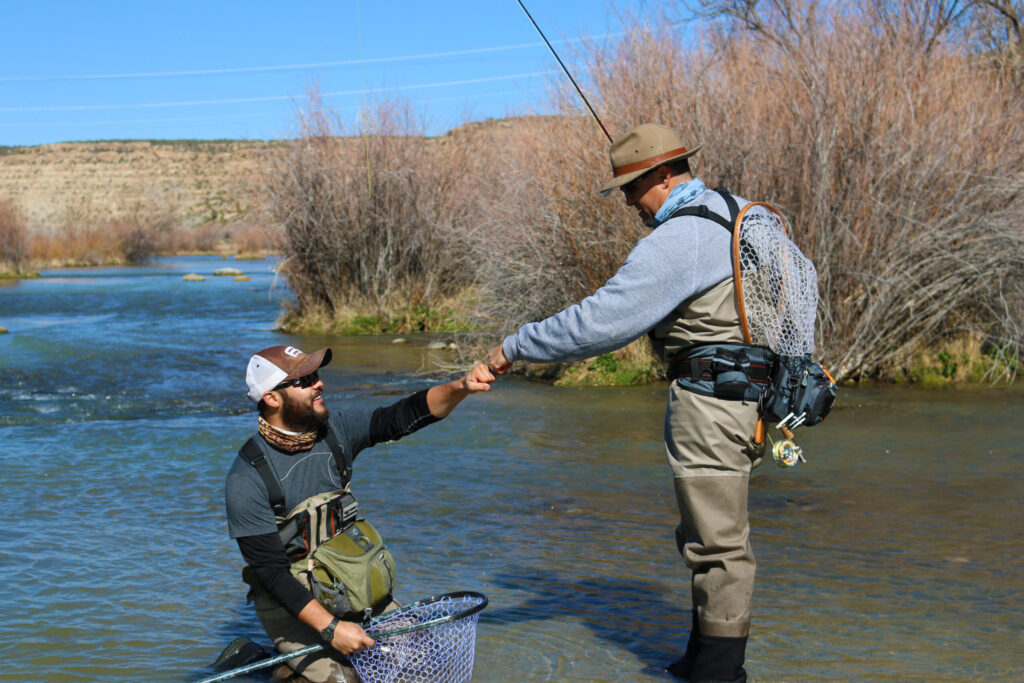
Hunting & Fishing Access

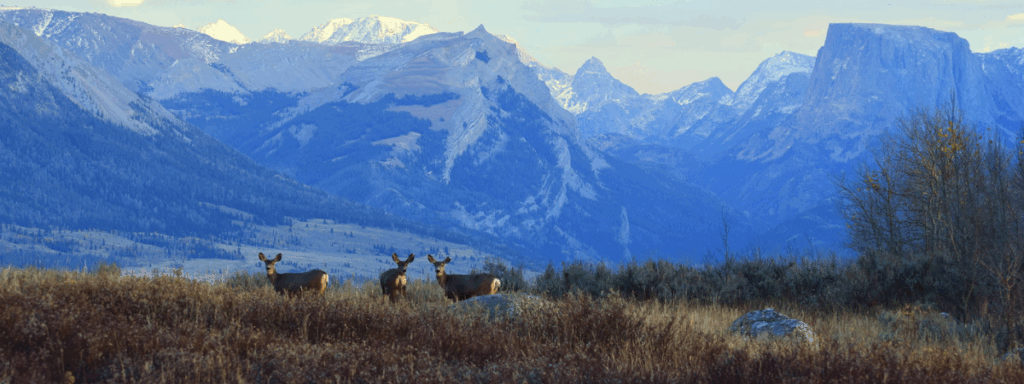
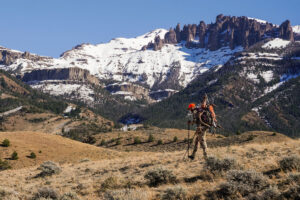
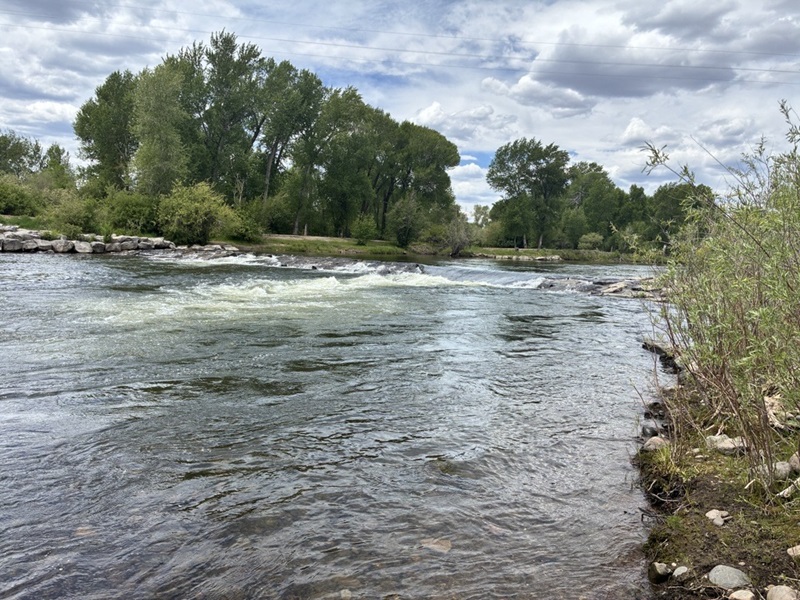
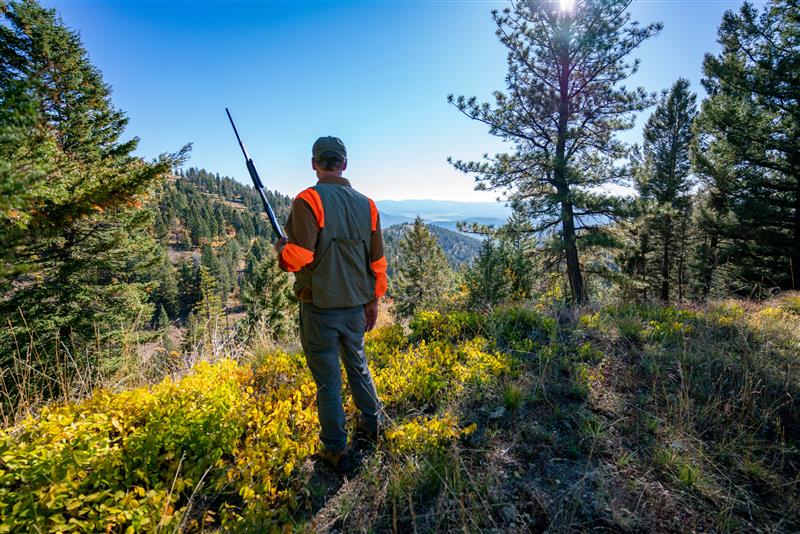
America’s 640 million acres of national public lands provide irreplaceable hunting and fishing opportunities to millions of Americans.

Learn More About Access
What TRCP is Doing

We’re working to safeguard America’s public lands so hunters and anglers always have quality places to pursue their passions.
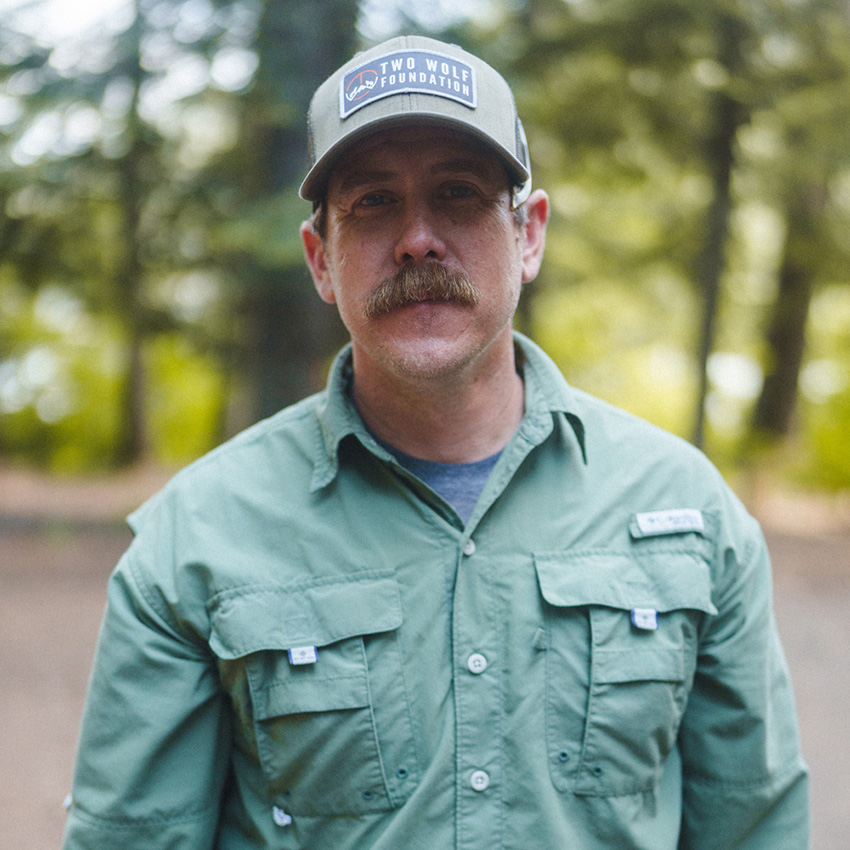
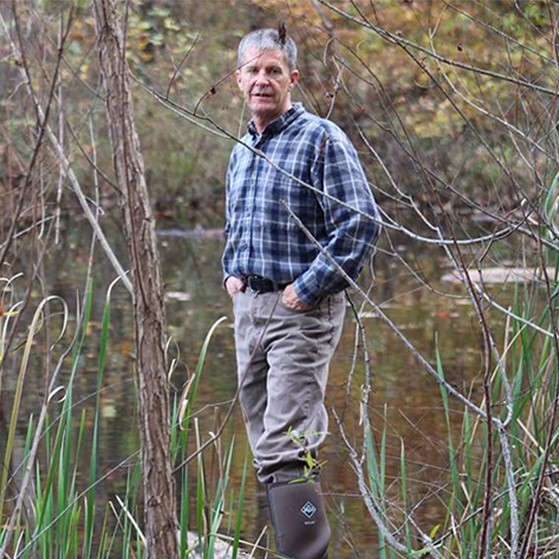
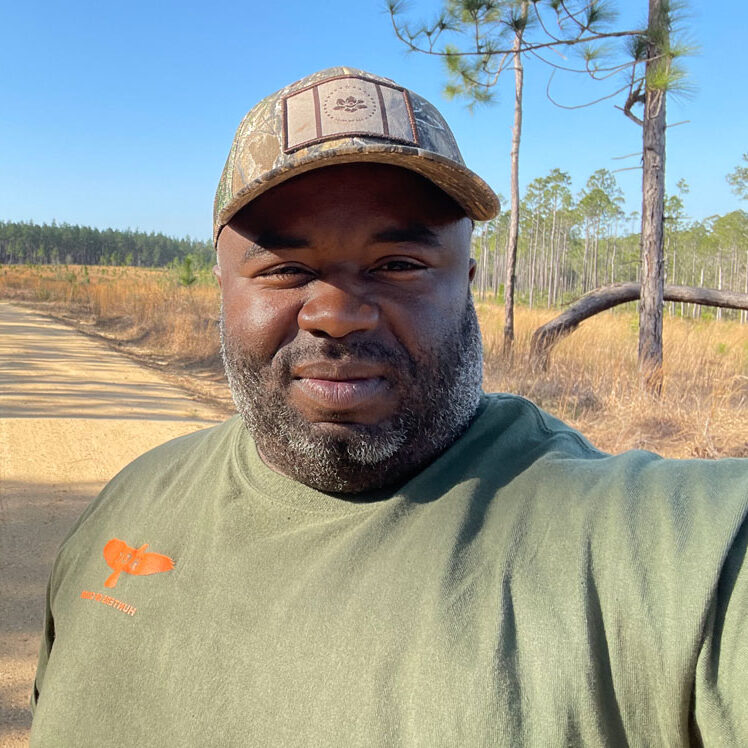
 Brian Flynn, Two Wolf Foundation
How Sportsmen Are Doing It Right

Brian Flynn, Two Wolf Foundation's Story

Following a distinguished career in the U.S. Army, lifelong outdoorsman Brian Flynn returned home from a deployment in Afghanistan and…

Hunting
Why It Matters

Key Issues for America’s Hunters

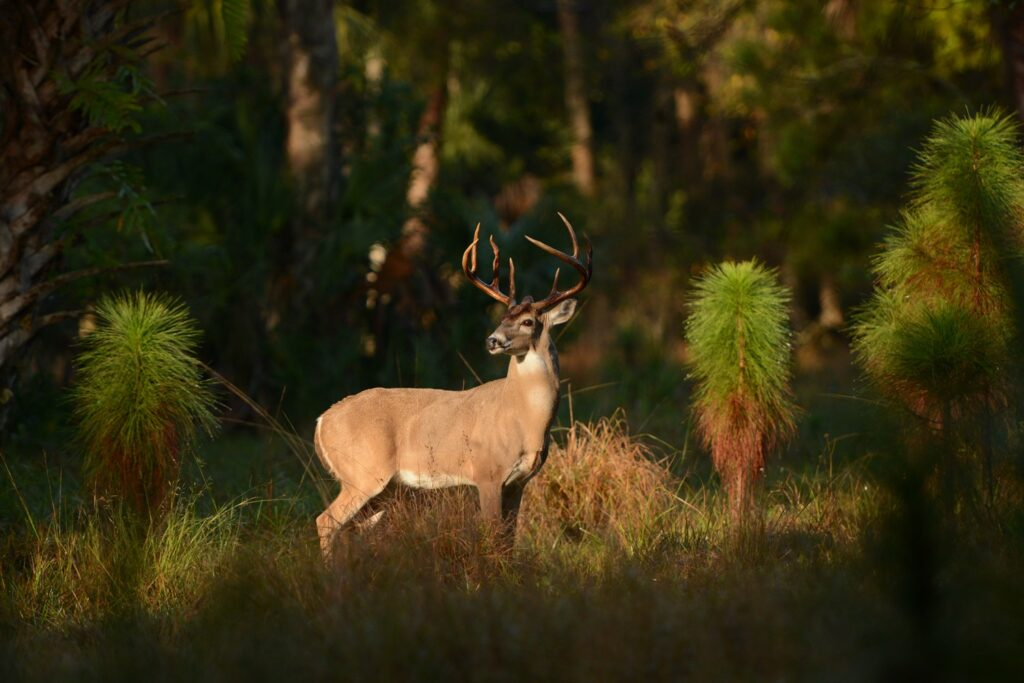
Your source for the latest policy updates, conservation challenges, and opportunities shaping America’s hunting traditions.

What TRCP is Doing

We’re fighting for meaningful policy changes that benefit wildlife, our waters, and the American landscapes that make our outdoor traditions possible.

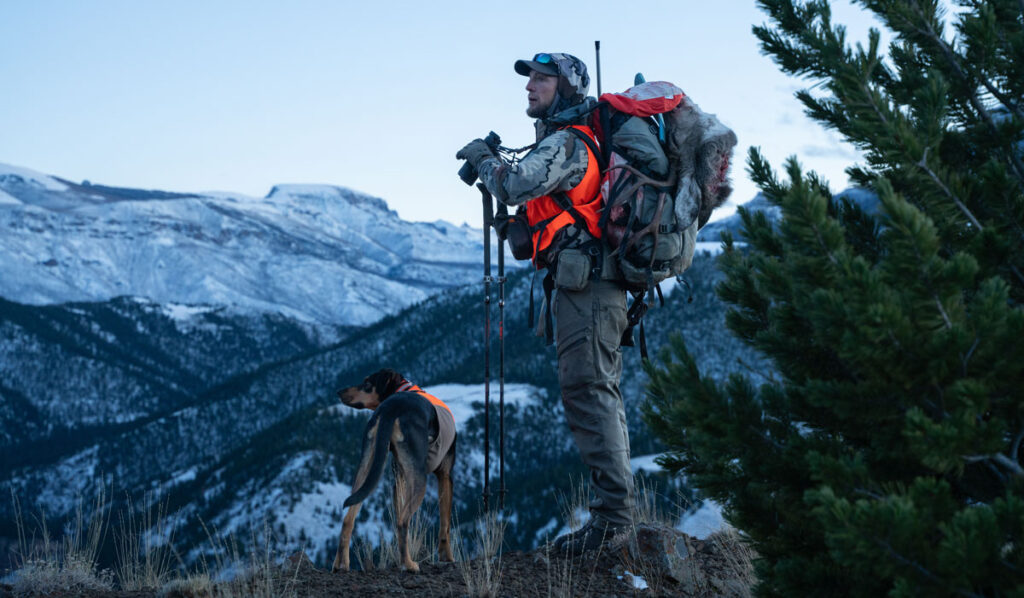
 Ryan Sparks
How Sportsmen Are Doing It Right

Ryan Sparks's Story

TRCP’s “In the Arena” series highlights the individual voices of hunters and anglers who, as Theodore Roosevelt so famously said,…
Fishing
Why It Matters

Key Issues for America’s Anglers

Your source for the latest policy updates, conservation challenges, and opportunities shaping America’s fishing traditions.

Sign Up For Forage Fish Updates
What TRCP is Doing

We’re fighting for meaningful policy changes that benefit wildlife, our waters, and the American landscapes that make our outdoor traditions possible.

 David Mangum
How Sportsmen Are Doing It Right

David Mangum's Story

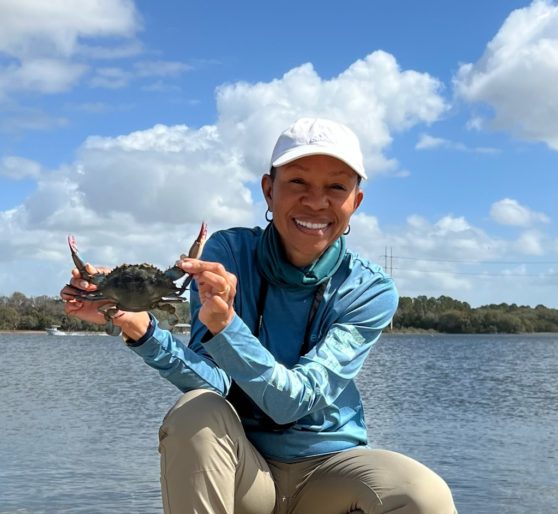
Capt. David Mangum is a YETI ambassador and outdoor photographer who utilizes his talents to produce media that inspire a…

Private Land
Why It Matters

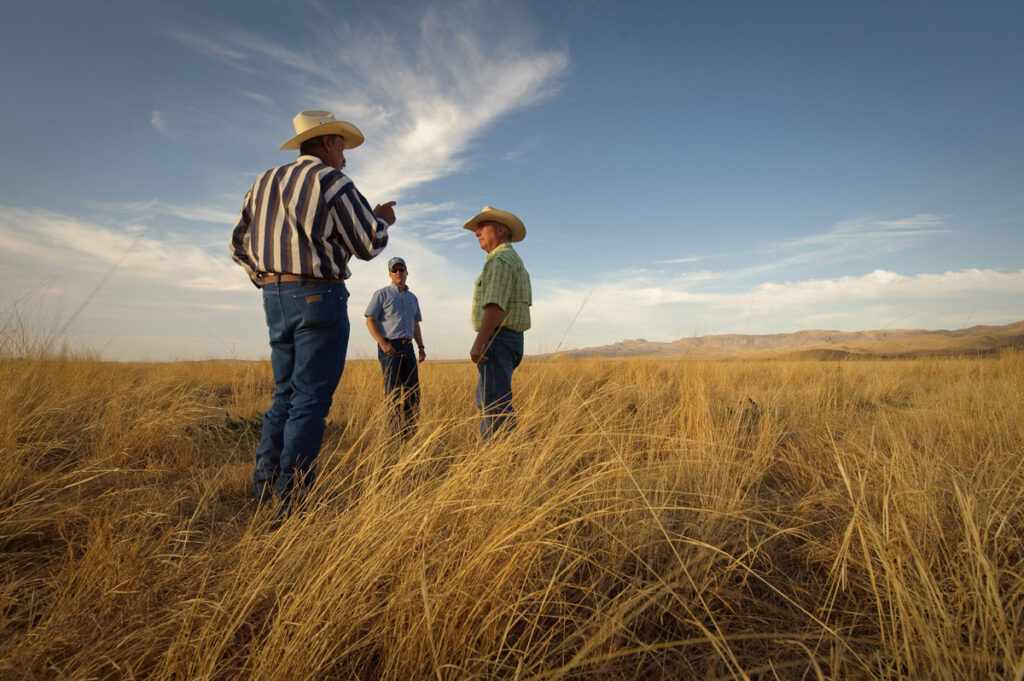
Stewardship on America’s private lands

With 70 percent of U.S. lands in private hands and many of our best hunt and fish opportunities occurring there, investing in voluntary conservation on working lands safeguards access, strengthens habitat and water quality, and ensures resilient landscapes.

Take Action - Farm Bill 2026
What TRCP is Doing

We champion policies and programs that restore wildlife habitat, improve soil and water health, and keep working lands productive.

 Ward Burton
How Sportsmen are Doing It Right

Ward Burton's Story

Ward Burton’s NASCAR driving career stretched across most of two decades. As an avid sportsman and conservationist, he founded the…

Special Places
Why It Matters

Special Places Worth Protecting

America’s most iconic landscapes provide unmatched habitat and unforgettable days afield. These places sustain wildlife, anchor local economies, and define the hunting and fishing traditions we pass down.

What TRCP is Doing

We’re working to conserve special places that provide world-class habitat and unforgettable opportunities for hunters and anglers.

 Franklin Adams
How Sportsmen Are Doing It Right

Franklin Adams's Story

As a true Gladesman, conservationist, and historian, Capt. Franklin Adams has spent more than six decades championing Everglades restoration efforts…

Habitat & Clean Water
Why It Matters

Healthy Habitat Powers Every Pursuit

All hunting and fishing opportunities depend on quality habitat, from clean water and healthy wetlands to winter and summer habitats and the migration corridors that connect them.

All About Habitat & Clean Water
What TRCP is Doing

We are working to safeguard the habitats that power every hunting and fishing opportunity.

 Alex Harvey
How Sportsmen Are Doing It Right

Alex Harvey's Story

Alex Harvey, founder of Legacy Land Management, is a registered professional forester in Mississippi and Alabama with a Master's degree…

Science
Why It Matters

Science That Guides TRCP

From conserving migration corridors and wetlands to ensuring clean water and resilient landscapes, science provides evidence that turns conservation goals into effective action.

Science for Conservation
What TRCP is Doing

For hunters and anglers, science safeguards the experiences we treasure including resilient big game populations, abundant fish, and wild places that endure changing social landscapes.

Jamelle Ellis
Your Science Expert

Jamelle Ellis's Story

Jamelle Ellis joined the Theodore Roosevelt Conservation Partnership in 2022. Jamelle spent the last three years as an environmental sustainability…

Where We Work
Across the Nation

Conservation Across America

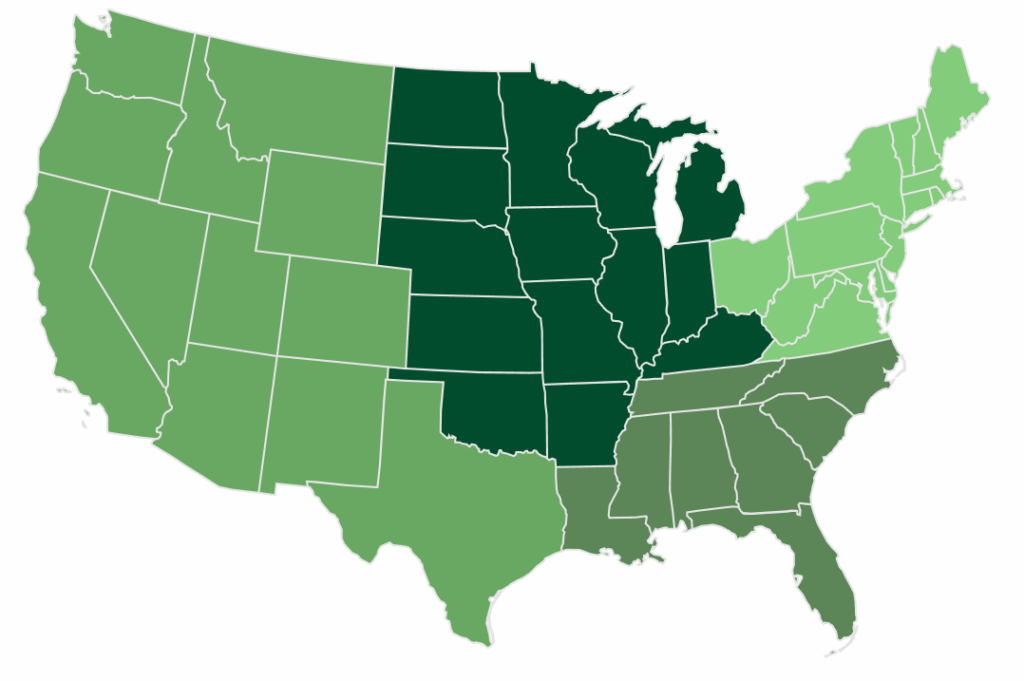
TRCP works across the country to ensure hunters and anglers can enjoy healthy fish and wildlife and quality days afield, no matter where they live.

See All Issues
TRCP in Your Region

TRCP works across the country to ensure hunters and anglers can enjoy healthy fish and wildlife and quality days afield, no matter where they live.

Who We Are
Our Mission

To guarantee all Americans quality places to hunt & fish

We unite and amplify our partners’ voices to advance America’s legacy of conservation, habitat, and access.

Our Mission & Values
Our People & Partners
  • Meet the TRCP Team

    Our staff and board members unite and amplify our partners’ voices to advance America’s legacy of conservation, habitat, and access.

    Meet the Team
  • Our Partners

    ‘Partnership’ is in our name. We work with 64 diverse partner groups that represent today’s leading hunting, fishing, and conservation organizations in order to strengthen the sportsman’s voice in Washington, D.C.

    Our Partners
  • Corporate Council

    TRCP’s Corporate Council is made up of diverse corporations that share a common passion for conservation.

    Corporate Council
Our Organization

Looking for more information?

Explore our latest news, policy updates, and conservation resources to get the information you need.

Giving
How You Can Help

To guarantee all Americans quality places to hunt & fish

Your tax-deductible donation will support TRCP's mission, now and into the future.

DONATE
Special Ways to support trcp
  • Capital Conservation Awards Dinner

    The CCAD is one of Washington's best-attended conservation celebrations, featuring dinner, cocktails, and a silent auction.

    Learn More
  • Step Into the Arena

    Help us ensure that our treasured wild habitats and game remain intact for the next generation to enjoy – lend your support to the TRCP’s efforts today!

    Donate
  • Roosevelt Roast

    TRCP has partnered with Afuera Coffee Co. to further our commitment to conservation.

    Learn More
More donation options

Find the best way for you to lend your support. Join one of TRCP’s donor circles for special invitations, premium offerings from outdoor retailers, and more exclusive benefits. Take control of your legacy with planned giving or contribute to special conservation funds.

Other Ways To Give
News
In the Spotlight

Your Kid’s Favorite Book Is Making the Case for Wildlife Crossings

A coyote slips under a bridge in a children's book — and it's making the case for one of the smartest conservation investments in America. Here's why hunters and anglers should pay attention.

Read More

Stay Informed

Receive our newsletter, the Roosevelt Report, right in your inbox. Never miss the latest news in conservation issues.

by:

posted in:

July 3, 2017

IMG_1329

Do you have any thoughts on this post?

XHTML: You can use these tags: <a href="" title=""> <abbr title=""> <acronym title=""> <b> <blockquote cite=""> <cite> <code> <del datetime=""> <em> <i> <q cite=""> <s> <strike> <strong>

Comments must be under 1000 characters.

by:

posted in:

June 30, 2017

Senators Introduce the Strongest Legislative Package of Sportsmen’s Priorities in Years

A package of bills introduced today has bipartisan support and will benefit habitat, access, and conservation funding

Only hours ahead of their departure for the Fourth of July recess, Senator John Barrasso (R-WY), Senator Ben Cardin (D-MD), and a bipartisan group of senators introduced S. 1514, a strong package of bills that would benefit fish and wildlife habitat nationwide, while funding critical watershed restoration efforts in the Mid-Atlantic and improving access for recreational shooters on public lands.

The legislation would:
  • Reauthorize the North American Wetlands Conservation Act—a grant program through which each federal dollar invested is matched an average of three times over by non-federal dollars—at $50 million annually through 2022.
  • Authorize the National Fish Habitat Conservation Act, which was created to foster partnerships that improve conditions for fish species and enhance recreational fishing opportunities.
  • Reauthorize the National Fish and Wildlife Foundation, the nation’s largest conservation grant-maker.
  • Reauthorize Chesapeake Bay restoration program at $90 million per year through 2022.

“What makes this effort different from sportsmen’s packages of the more recent past is that, right from the outset, it deals with meaningful conservation priorities by reauthorizing and instituting programs that will actually enhance fish and wildlife populations, habitat, and access,” says Whit Fosburgh, president and CEO of the Theodore Roosevelt Conservation Partnership. “We applaud Sen. Barrasso, Sen. Cardin, Sen. Boozman, Sen. Klobuchar, Sen. Capito, and Sen. Baldwin for their leadership and recognition of what American hunters and anglers value.”

The legislation is not without controversy, but a provision to delist gray wolves in Wyoming and the Great Lakes has bipartisan support from lawmakers and has been recommended by the U.S. Fish and Wildlife Service. “When we take recovered species off the list, we strengthen the Endangered Species Act by making truly endangered species a priority—species shouldn’t stay on the list forever,” adds Fosburgh. “We trust in state fish and wildlife agencies to manage wildlife, and science indicates this is the next step for wolves.”

With the bipartisan support of the Chairman and members of the Senate Environment and Public Works Committee, this legislation has a good chance of moving forward quickly.

by:

posted in:

June 28, 2017

Sportsmen Unite Around Recommendations for Access and Habitat in the 2018 Farm Bill

Hunting, fishing, and wildlife partners reveal top priorities for conservation of private lands ahead of what may be the only Senate hearing to address the topic ahead of the next Farm Bill

In advance of the Senate Committee for Agriculture, Nutrition, and Forestry’s June 29 hearing on the future direction for the 2018 Farm Bill, the Theodore Roosevelt Conservation Partnership has announced its “Sportsmen’s Priorities for Conservation and Access in the 2018 Farm Bill,” developed over months of consensus-building discussions with 24 organizational members of the TRCP’s Agriculture and Wildlife Working Group.

These priorities will serve as the rallying point for the community of hunters, anglers, and conservationists whose outdoor traditions depend on the policies and funding provided through the Farm Bill.

“When it comes to conservation of fish and wildlife habitat in this country, you can’t ignore that 70 percent of American lands are privately owned, and a majority of that acreage is in some form of agriculture,” says Whit Fosburgh, president and CEO of the Theodore Roosevelt Conservation Partnership. “Our community’s priorities for the next Farm Bill underscore the point that in order to guarantee quality places to hunt and fish, sportsmen need to work with our nation’s farmers, ranchers, and foresters to ensure productive habitat and clean water. Early on in these debates, we must be united around providing adequate funding and policy tools to support voluntary conservation activities on private lands, and we’re optimistic that tomorrow’s hearing—possibly the only Senate hearing that will address sportsmen’s 2018 Farm Bill priorities—will put a spotlight on these issues.”

The hearing takes place at a time when Congress and the administration are discussing ways to tighten an already trim conservation budget for the Farm Bill. Changes in the 2014 bill resulted in $4 billion in cuts from the conservation title alone. But the sportsmen’s community is urging Congress to restore some of the funding for private lands conservation—for programs including the Agricultural Conservation Easement Program, Conservation Reserve Program, and Voluntary Public Access and Habitat Incentive Program—in 2018.

“Private and working lands are crucial to the conservation of soil, water, and fish and wildlife resources, and as the largest source of federal funding for private lands conservation, the Farm Bill has far-reaching effects on fish and wildlife populations across the country,” says Ron Regan, executive director of the Association of Fish & Wildlife Agencies. “AFWA is looking forward to tomorrow’s hearing on conservation and forestry in the 2018 Farm Bill, and we are committed to working with the Senate Agriculture Committee and others in Congress to pass a new Farm Bill that reflects the priorities of the Association, as well as those of the wider sportsmen’s and conservation community, in order to promote recreational access and healthy fish and wildlife habitat for the benefit of all Americans.”

Several of the witnesses at Thursday’s hearing will be speaking about forestry in the Farm Bill, which is also a top priority for hunters and anglers. The forestry provisions of the Farm Bill are unique among the legislation’s conservation programs in that they address both private and public lands, which is critical to taking on landscape-scale concerns, including habitat connectivity and recreational access.

“We appreciate the committee’s bipartisan efforts to continue to improve farm bill programs for forest landowners,” says Becky Humphries, CEO of the National Wild Turkey Federation. “Forestry in the Farm Bill is about partnerships—between USDA and individual landowners, the states, and organizations like NWTF. We’re eager to hear from tomorrow’s witnesses on the successes and strengths of those partnerships, and on ways to advance them in 2018. The sportsmen’s and wildlife communities have long argued that long-term conservation and active management of our nations forests are critical to the future of wildlife habitat, water quality, and rural economies across much of our country, and the Farm Bill offers us a great opportunity to incentivize better practices on both private and public lands.”

View “Sportsmen’s Priorities for Conservation and Access in the 2018 Farm Bill” and the full roster of contributors here.

Learn more about the TRCP’s agriculture and private lands work here.

Header image courtesy of USDA/Flickr.

by:

posted in:

New National Poll Shows That Hunter and Angler Support for Conservation Crosses Party Lines

There is consensus among Republican and Democratic sportsmen and women on sage grouse conservation, clean water protections, national monuments, and public land management policies being debated right now

In a teleconference today, the Theodore Roosevelt Conservation Partnership and Public Opinion Strategies revealed the results of a national bipartisan poll of hunters and anglers, which shows that sportsmen and women on both sides of the aisle agree when it comes to many of the major conservation issues being considered right now by Congress and the Trump Administration.

A national survey of 1,000 voters who identify as hunters or anglers was conducted online and over the phone in May 2017, and the data show:

  • 97% agree that protecting and conserving public lands for future generations is important
  • 95% agree it is important to maintain public lands infrastructure, like roads, trails, campgrounds, and historic sites
  • 87% want no cuts to conservation in the federal budget
  • 82% support the BLM’s plans to conserve the greater sage grouse
  • 4 in 5 support Clean Water Act protections for headwater streams and wetlands
  • 77% of Republicans and 80% of Democrats support keeping the number and size of existing national monuments that offer hunting and fishing

“In today’s polarized political climate, conservation has become a partisan issue with decision makers, but hunters and anglers strongly support conservation policies across the board, whether they’re Republican, Democrat, or Independent,” says Whit Fosburgh, president and CEO of the Theodore Roosevelt Conservation Partnership. “This includes strong support for funding public land management agencies, like the U.S. Forest Service and BLM, and strong support for the BLM’s sage grouse conservation plans that are currently under review. Sportsmen are not split on supporting national monuments or balancing energy development with the needs of wildlife habitat. There’s also clear support for the Clean Water Rule, created to protect headwater streams and wetlands under the authority of the Clean Water Act.”

Sportsmen agree that investments in conservation are worth it, in part because they see returns for the American economy. Of the hunters and anglers surveyed, 9 out of 10 believe public lands provide net benefits for the economy, and 92 percent believe public lands are positive economic drivers.

Additionally, 95 percent agree that it’s important to have adequate funding and personnel to take care of public lands, 75 percent support providing financial incentives to farmers and ranchers to implement habitat conservation on private land, and 70 percent support an increase in funding for wildlife-friendly highway crossings and fences. Meanwhile, 67 percent oppose the idea of selling significant areas of public lands to reduce the budget deficit.

“These poll results just confirm what I’ve seen as a business leader in the fishing industry—there’s little to no argument about the value of conserving the places where we fish and hunt,” says K.C. Walsh, owner and president of Simms Fishing Products. “In fact, conservation and responsible management of public lands makes it possible for Simms to employ 180 hardworking people in Bozeman, Montana. Decision makers should be listening to what the public wants and to what makes sense for the American economy, like protecting isolated streams and wetlands under the Clean Water Act.”

And lawmakers should take note: Nine in ten sportsmen surveyed agreed that conservation issues factor into their support for elected officials. The results of the poll were presented yesterday to attendees of the Western Governors’ Association meeting in Whitefish, Mont.

“The public has made it clear that conservation and public lands are not controversial issues, so why do some make it partisan?” says Randy Newberg, who exclusively hunts public lands as the host of the Sportsman Channel show Fresh Tracks with Randy Newberg. “Most sportsmen agree that public lands need proper care and sound management and that these lands are worthy of our investment. This data overrules the partisan division we’ve come to expect, and that should embolden lawmakers. Improving and protecting the value of public lands for wildlife habitat and outdoor recreation means taking a stand with hunters and anglers. To do otherwise is setting camp with special interests who have little in common with the majority of America’s hunters and anglers.”

Download the fact sheets and learn more about the poll here.

by:

posted in:

June 27, 2017

Repealing Clean Water Rule Creates Uncertainty for $887B Outdoor Recreation Economy

The EPA’s decision to withdraw Clean Water Act protections for headwaters and wetlands will impact trout, waterfowl, and businesses that rely on quality places to hunt and fish

The U.S. Army Corps of Engineers and Environmental Protection Agency have begun the process of rescinding the 2015 Clean Water Rule that clarified protections for headwater streams and wetlands under the Clean Water Act, despite broad public support for the rule and its benefits for fish and wildlife habitat. This is the first step in a two-step process to replace the rule, set into motion by an executive order in February 2017.

“If the president intends to fulfill his stated goal of having the cleanest water, he should direct his administration to identify paths forward for defending and implementing the Clean Water Rule based on sound science, regulatory certainty, and the national economic benefits of clean water,” says Whit Fosburgh, president and CEO of the Theodore Roosevelt Conservation Partnership. “Instead, today’s action to rescind the rule puts at risk the fish and wildlife that rely on more than 20 million acres of wetlands and 60 percent of the country’s streams, while the process for ensuring the protection of these clean water resources remains unclear.”

President Trump’s order directed the agencies to consider revising the rule with an eye toward minimizing regulatory uncertainty and cited former Supreme Court Justice Antonin Scalia’s opinion that seasonal streams and many wetlands do not merit protection. But hunters and anglers consider this vital habitat.

“The repeal and replacement plan is likely to roll back Clean Water Act protections for a majority of the nation’s streams and wetlands, including the headwater streams that are so important for trout and other species of fish, plus millions of acres of seasonal wetlands that store flood waters and provide essential habitat for more than half of North American migratory waterfowl and a diverse array of other birds, amphibians, and reptiles,” says Collin O’Mara, president and CEO of the National Wildlife Federation.

The EPA and Army Corps of Engineers spent four years reviewing available science and engaging stakeholders to finalize the rule. Sportsmen, conservation groups, and many others submitted one million public comments to help shape the end product, which was celebrated for its potential to reverse a troubling trend of wetlands loss.

The repeal could impact outdoor recreation businesses that depend on certainty around clean water and healthy fish and wildlife habitat. The outdoor recreation industry fuels $887 billion in annual spending and supports 7.6 million jobs, including 483,000 jobs directly related to hunting and fishing. Many game species rely on headwater streams and wetland systems that would be under threat of pollution or destruction without the clarity of the 2015 Clean Water Rule.

“Clean water is a basic right of every American,” says Chris Wood, president and CEO of Trout Unlimited. “To be effective, the Clean Water Act must be able to control pollution at its source. Unfortunately today’s action by the EPA places the health of 60 percent of the stream miles and the drinking water of one in three Americans at risk. Trout Unlimited intends to work with our hundreds of thousands of members and supporters to convince the EPA to reverse course on this misguided direction.”

Going forward, sportsmen want this administration to maintain strong Clean Water Act protections for waters and wetlands. With the rule’s rescission today, the federal government’s decisions on Clean Water Act protections for sensitive streams and wetlands will once again be made on a case-by-case basis, throwing tremendous uncertainty back into the decision-making process.

“The Clean Water Rule is critically important to improving and protecting water quality nationwide,” says Scott Kovarovics, executive director of the Izaak Walton League of America. “It is based on extensive science but also common sense, which tells us that it is impossible to improve water quality in our rivers and lakes unless the small streams flowing to them are also protected from pollution.”

The TRCP will ask sportsmen and women to support the conservation benefits of the 2015 Clean Water Rule during any public comment period on the rule rescission. Learn more here.

HOW YOU CAN HELP

TRCP has partnered with Afuera Coffee Co. to further our commitment to conservation. $4 from each bag is donated to the TRCP, to help continue our efforts of safeguarding critical habitats, productive hunting grounds, and favorite fishing holes for future generations.

Learn More

You have Successfully Subscribed!

You have Successfully Subscribed!

You have Successfully Subscribed!

You have Successfully Subscribed!