Our Issues
Public Lands
Why It Matters

Hunting & Fishing Access

America’s 640 million acres of national public lands provide irreplaceable hunting and fishing opportunities to millions of Americans.

Learn More About Access
What TRCP is Doing

We’re working to safeguard America’s public lands so hunters and anglers always have quality places to pursue their passions.

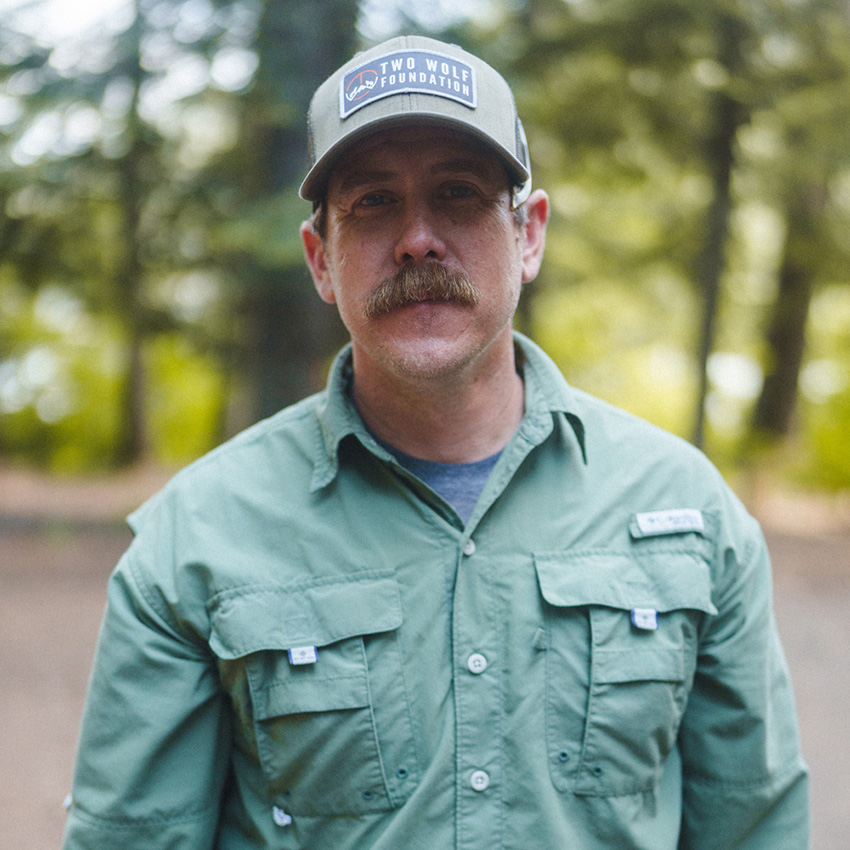
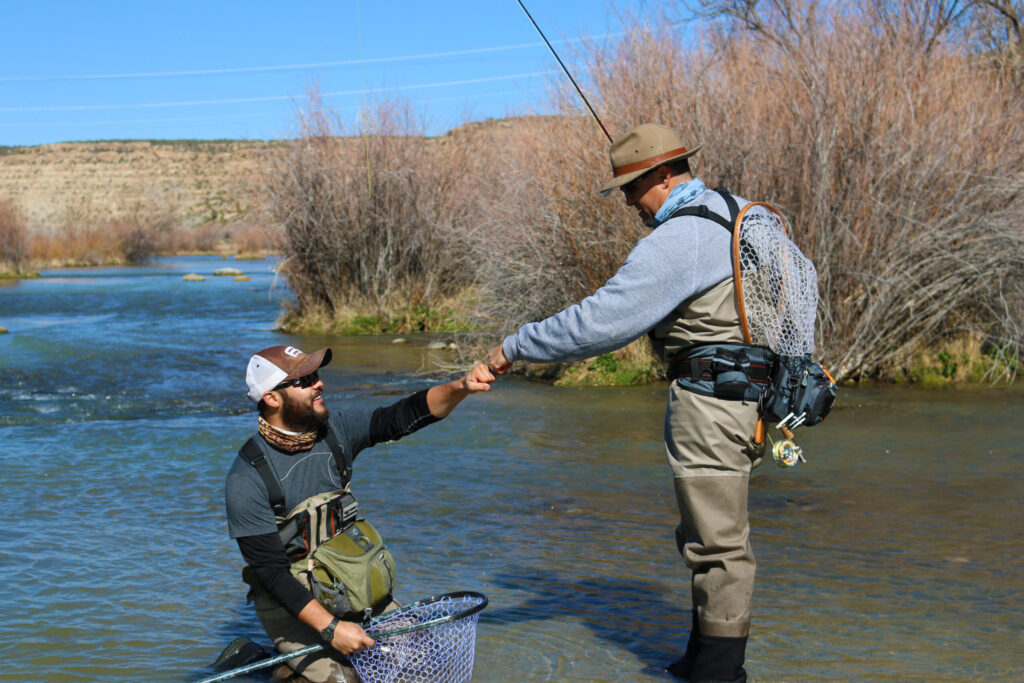
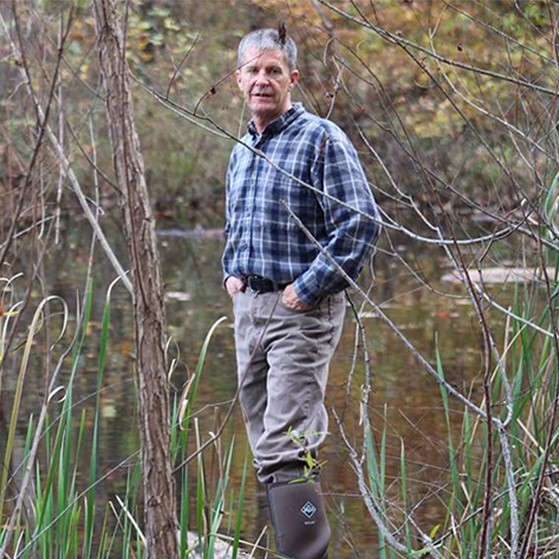
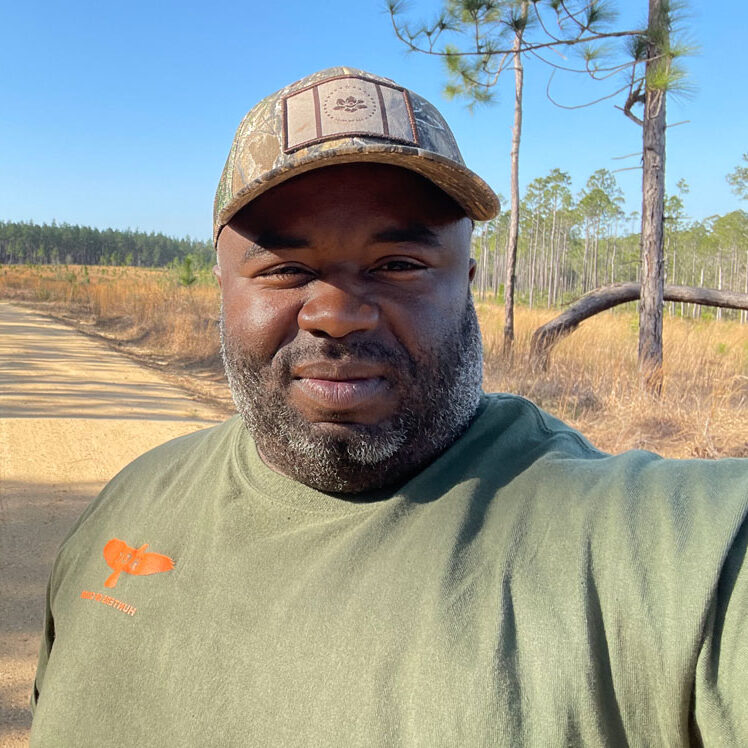
 Brian Flynn, Two Wolf Foundation
How Sportsmen Are Doing It Right

Brian Flynn, Two Wolf Foundation's Story

Following a distinguished career in the U.S. Army, lifelong outdoorsman Brian Flynn returned home from a deployment in Afghanistan and…


Hunting
Why It Matters

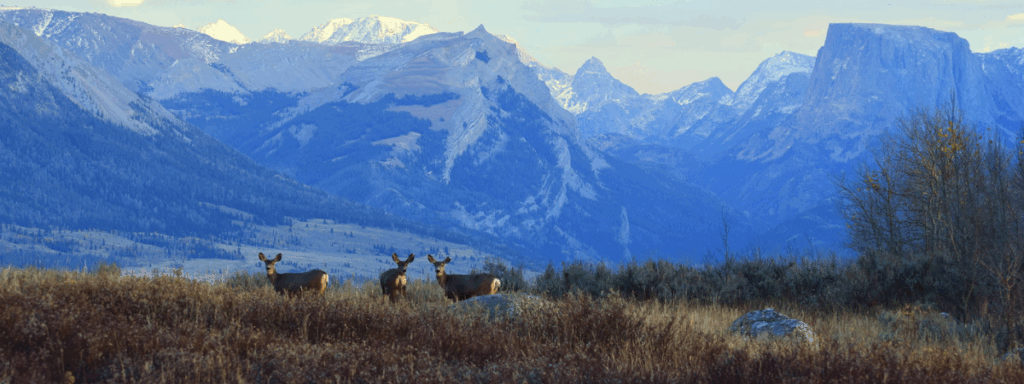
Key Issues for America’s Hunters

Your source for the latest policy updates, conservation challenges, and opportunities shaping America’s hunting traditions.

What TRCP is Doing

We’re fighting for meaningful policy changes that benefit wildlife, our waters, and the American landscapes that make our outdoor traditions possible.

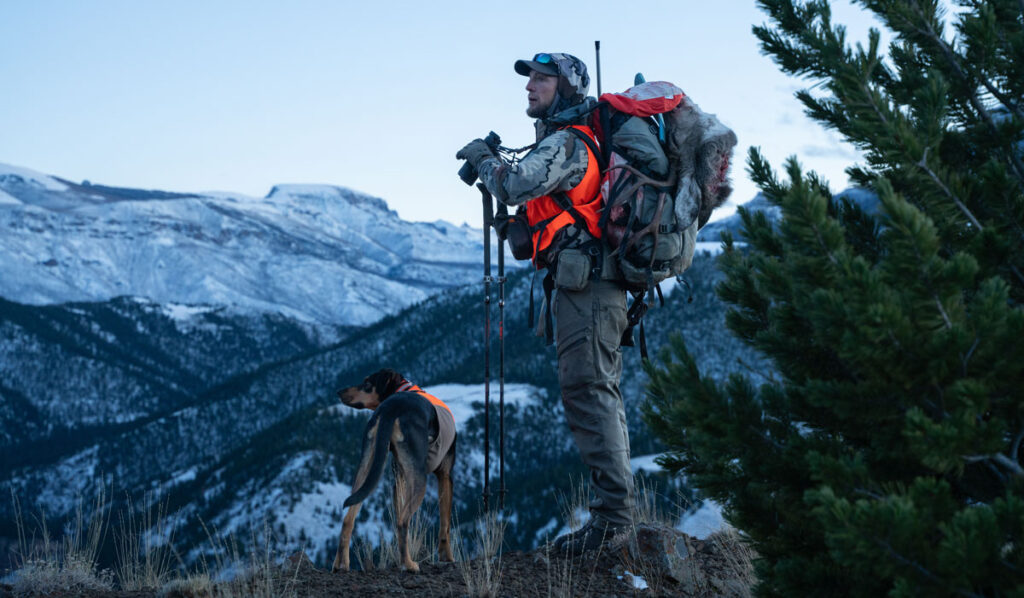
 Ryan Sparks
How Sportsmen Are Doing It Right

Ryan Sparks's Story

TRCP’s “In the Arena” series highlights the individual voices of hunters and anglers who, as Theodore Roosevelt so famously said,…

Fishing
Why It Matters

Key Issues for America’s Anglers

Your source for the latest policy updates, conservation challenges, and opportunities shaping America’s fishing traditions.

Sign Up For Forage Fish Updates
What TRCP is Doing

We’re fighting for meaningful policy changes that benefit wildlife, our waters, and the American landscapes that make our outdoor traditions possible.

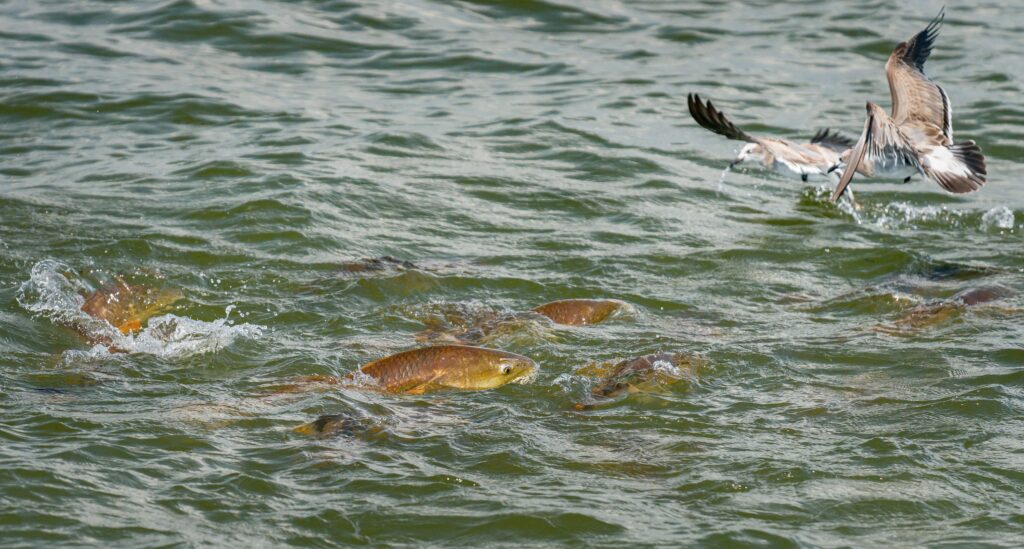
 David Mangum
How Sportsmen Are Doing It Right

David Mangum's Story

Capt. David Mangum is a YETI ambassador and outdoor photographer who utilizes his talents to produce media that inspire a…

Private Land
Why It Matters

Stewardship on America’s private lands

With 70 percent of U.S. lands in private hands and many of our best hunt and fish opportunities occurring there, investing in voluntary conservation on working lands safeguards access, strengthens habitat and water quality, and ensures resilient landscapes.

Take Action - Farm Bill 2026
What TRCP is Doing

We champion policies and programs that restore wildlife habitat, improve soil and water health, and keep working lands productive.

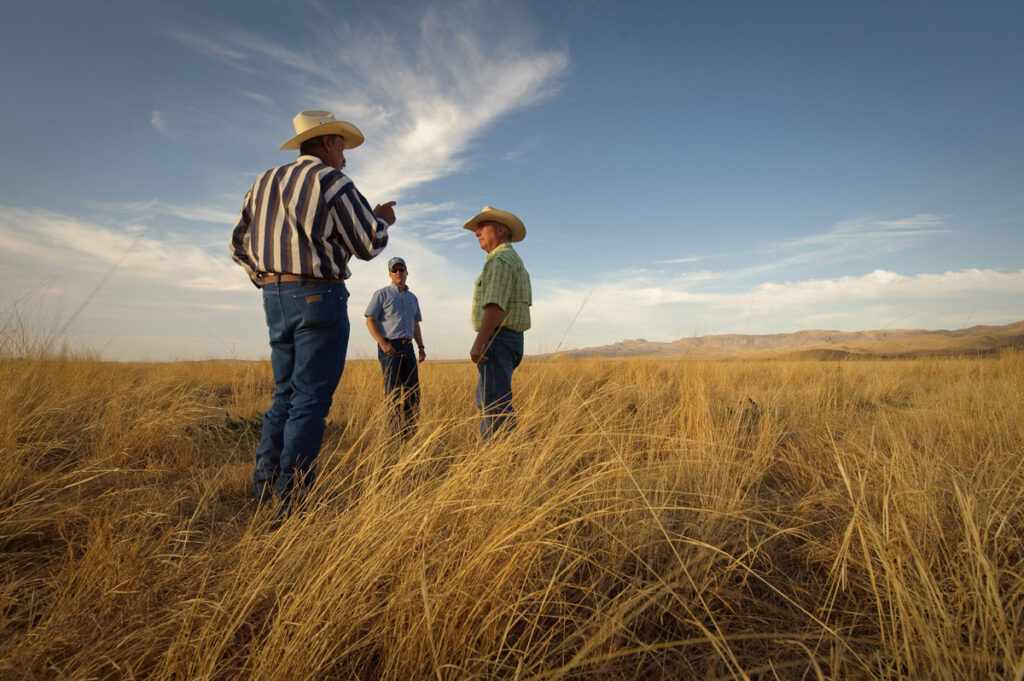
 Ward Burton
How Sportsmen are Doing It Right

Ward Burton's Story

Ward Burton’s NASCAR driving career stretched across most of two decades. As an avid sportsman and conservationist, he founded the…

Special Places
Why It Matters

Special Places Worth Protecting

America’s most iconic landscapes provide unmatched habitat and unforgettable days afield. These places sustain wildlife, anchor local economies, and define the hunting and fishing traditions we pass down.

What TRCP is Doing

We’re working to conserve special places that provide world-class habitat and unforgettable opportunities for hunters and anglers.

 Franklin Adams
How Sportsmen Are Doing It Right

Franklin Adams's Story

As a true Gladesman, conservationist, and historian, Capt. Franklin Adams has spent more than six decades championing Everglades restoration efforts…

Habitat & Clean Water
Why It Matters

Healthy Habitat Powers Every Pursuit

All hunting and fishing opportunities depend on quality habitat, from clean water and healthy wetlands to winter and summer habitats and the migration corridors that connect them.

All About Habitat & Clean Water
What TRCP is Doing

We are working to safeguard the habitats that power every hunting and fishing opportunity.

 Alex Harvey
How Sportsmen Are Doing It Right

Alex Harvey's Story

Alex Harvey, founder of Legacy Land Management, is a registered professional forester in Mississippi and Alabama with a Master's degree…

Science
Why It Matters

Science That Guides TRCP

From conserving migration corridors and wetlands to ensuring clean water and resilient landscapes, science provides evidence that turns conservation goals into effective action.

Science for Conservation
What TRCP is Doing

For hunters and anglers, science safeguards the experiences we treasure including resilient big game populations, abundant fish, and wild places that endure changing social landscapes.

Jamelle Ellis
Your Science Expert

Jamelle Ellis's Story

Jamelle Ellis joined the Theodore Roosevelt Conservation Partnership in 2022. Jamelle spent the last three years as an environmental sustainability…

Where We Work
Across the Nation

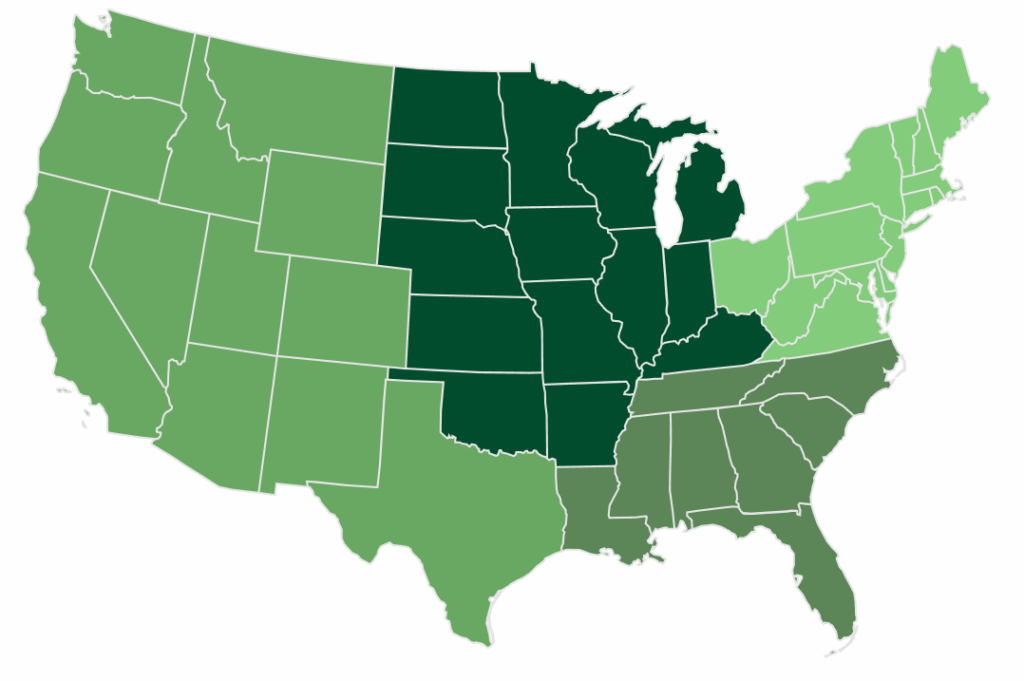
Conservation Across America

TRCP works across the country to ensure hunters and anglers can enjoy healthy fish and wildlife and quality days afield, no matter where they live.

See All Issues
TRCP in Your Region

TRCP works across the country to ensure hunters and anglers can enjoy healthy fish and wildlife and quality days afield, no matter where they live.

Who We Are
Our Mission

To guarantee all Americans quality places to hunt & fish

We unite and amplify our partners’ voices to advance America’s legacy of conservation, habitat, and access.

Our Mission & Values
Our People & Partners
  • Meet the TRCP Team

    Our staff and board members unite and amplify our partners’ voices to advance America’s legacy of conservation, habitat, and access.

    Meet the Team
  • Our Partners

    ‘Partnership’ is in our name. We work with 64 diverse partner groups that represent today’s leading hunting, fishing, and conservation organizations in order to strengthen the sportsman’s voice in Washington, D.C.

    Our Partners
  • Corporate Council

    TRCP’s Corporate Council is made up of diverse corporations that share a common passion for conservation.

    Corporate Council
Our Organization

Looking for more information?

Explore our latest news, policy updates, and conservation resources to get the information you need.

Giving
How You Can Help

To guarantee all Americans quality places to hunt & fish

Your tax-deductible donation will support TRCP's mission, now and into the future.

DONATE
Special Ways to support trcp
  • Capital Conservation Awards Dinner

    The CCAD is one of Washington's best-attended conservation celebrations, featuring dinner, cocktails, and a silent auction.

    Learn More
  • Step Into the Arena

    Help us ensure that our treasured wild habitats and game remain intact for the next generation to enjoy – lend your support to the TRCP’s efforts today!

    Donate
  • Roosevelt Roast

    TRCP has partnered with Afuera Coffee Co. to further our commitment to conservation.

    Learn More
More donation options

Find the best way for you to lend your support. Join one of TRCP’s donor circles for special invitations, premium offerings from outdoor retailers, and more exclusive benefits. Take control of your legacy with planned giving or contribute to special conservation funds.

Other Ways To Give
News
In the Spotlight

Speak Up for the Tongass

The Tongass needs your voice.

Read More

Stay Informed

Receive our newsletter, the Roosevelt Report, right in your inbox. Never miss the latest news in conservation issues.

June 27, 2017

Repealing Clean Water Rule Creates Uncertainty for $887B Outdoor Recreation Economy

The EPA’s decision to withdraw Clean Water Act protections for headwaters and wetlands will impact trout, waterfowl, and businesses that rely on quality places to hunt and fish

The U.S. Army Corps of Engineers and Environmental Protection Agency have begun the process of rescinding the 2015 Clean Water Rule that clarified protections for headwater streams and wetlands under the Clean Water Act, despite broad public support for the rule and its benefits for fish and wildlife habitat. This is the first step in a two-step process to replace the rule, set into motion by an executive order in February 2017.

“If the president intends to fulfill his stated goal of having the cleanest water, he should direct his administration to identify paths forward for defending and implementing the Clean Water Rule based on sound science, regulatory certainty, and the national economic benefits of clean water,” says Whit Fosburgh, president and CEO of the Theodore Roosevelt Conservation Partnership. “Instead, today’s action to rescind the rule puts at risk the fish and wildlife that rely on more than 20 million acres of wetlands and 60 percent of the country’s streams, while the process for ensuring the protection of these clean water resources remains unclear.”

President Trump’s order directed the agencies to consider revising the rule with an eye toward minimizing regulatory uncertainty and cited former Supreme Court Justice Antonin Scalia’s opinion that seasonal streams and many wetlands do not merit protection. But hunters and anglers consider this vital habitat.

“The repeal and replacement plan is likely to roll back Clean Water Act protections for a majority of the nation’s streams and wetlands, including the headwater streams that are so important for trout and other species of fish, plus millions of acres of seasonal wetlands that store flood waters and provide essential habitat for more than half of North American migratory waterfowl and a diverse array of other birds, amphibians, and reptiles,” says Collin O’Mara, president and CEO of the National Wildlife Federation.

The EPA and Army Corps of Engineers spent four years reviewing available science and engaging stakeholders to finalize the rule. Sportsmen, conservation groups, and many others submitted one million public comments to help shape the end product, which was celebrated for its potential to reverse a troubling trend of wetlands loss.

The repeal could impact outdoor recreation businesses that depend on certainty around clean water and healthy fish and wildlife habitat. The outdoor recreation industry fuels $887 billion in annual spending and supports 7.6 million jobs, including 483,000 jobs directly related to hunting and fishing. Many game species rely on headwater streams and wetland systems that would be under threat of pollution or destruction without the clarity of the 2015 Clean Water Rule.

“Clean water is a basic right of every American,” says Chris Wood, president and CEO of Trout Unlimited. “To be effective, the Clean Water Act must be able to control pollution at its source. Unfortunately today’s action by the EPA places the health of 60 percent of the stream miles and the drinking water of one in three Americans at risk. Trout Unlimited intends to work with our hundreds of thousands of members and supporters to convince the EPA to reverse course on this misguided direction.”

Going forward, sportsmen want this administration to maintain strong Clean Water Act protections for waters and wetlands. With the rule’s rescission today, the federal government’s decisions on Clean Water Act protections for sensitive streams and wetlands will once again be made on a case-by-case basis, throwing tremendous uncertainty back into the decision-making process.

“The Clean Water Rule is critically important to improving and protecting water quality nationwide,” says Scott Kovarovics, executive director of the Izaak Walton League of America. “It is based on extensive science but also common sense, which tells us that it is impossible to improve water quality in our rivers and lakes unless the small streams flowing to them are also protected from pollution.”

The TRCP will ask sportsmen and women to support the conservation benefits of the 2015 Clean Water Rule during any public comment period on the rule rescission. Learn more here.

7 Responses to “Repealing Clean Water Rule Creates Uncertainty for $887B Outdoor Recreation Economy”

  1. I began fishing regularly when I was not yet a teenager, frequenting Tumbling Run, a stream near our home which feeds into the North Fork of the Shenandoah River. Now almost 76 years old I could never imagined someone would take our country back to the bad old days when polluting steams and rivers was a common practice. The Shenandoah River is prime Small mouth Bass water but unfortunately the River has a mixed legacy when it comes to water quality. And I have been a pastor for 43 years and I believe good stewardship of our natural resources is a God-given responsibility. We cannot let our County to be taken back to those bad old days!

  2. You say ” Likely, Possibly, Could” always with a negative spin in regards to regulation rollback? If your opinion is not backed by “sound evidence” of negative consequences, you just come across as another LIBERAL that yaps nonsense with no real data to back it up…
    No one that Hunts & Fish, wants land or water contaminated or destroyed. But EPA regulation has gotten way out of control in the last 15 years

  3. Jen Duplisea

    We most certainly need to clarify or table all regulatory uncertainty. Protections may begin to exclude use to those most directly connected with and/or are concerned with certain areas. The entire planet is some type of watershed. We need specifics on how to proceed in a specific regulatory manner.

  4. Murray Smart

    Another sad example of the Trump administration and especially Scott Pruitt’s attack on our natural resources. “Broad support” means nothing to these people.

Do you have any thoughts on this post?

XHTML: You can use these tags: <a href="" title=""> <abbr title=""> <acronym title=""> <b> <blockquote cite=""> <cite> <code> <del datetime=""> <em> <i> <q cite=""> <s> <strike> <strong>

Comments must be under 1000 characters.

June 21, 2017

Anglers Look to New Federal Fisheries Head to Improve Recreational Fishing Management

With frustration running high, sportsmen and women want to continue working with the agency to recognize recreational fishing’s role in coastal economies through meaningful changes to federal management of saltwater fisheries

The Theodore Roosevelt Conservation Partnership and its sportfishing partners look forward to working with Chris Oliver, the newly appointed head of the National Marine Fisheries Service. Over the last five years, sportsmen’s groups have worked extensively with NMFS staff to try to bring about meaningful changes to federal approaches for managing recreational saltwater fishing in our nation’s public waters, and that work will continue as Oliver steps into this role.

“Chris Oliver has some monumental tasks ahead of him, including continuing to work with angling, advocacy, and conservation organizations to develop management approaches that emphasize conservation, while recognizing the explicit, fundamental differences between commercial and recreational fishing,” says Whit Fosburgh, TRCP’s president and CEO. “He must also continue to build our nation’s fishery stocks while ensuring those fish stocks are a publicly held resource.”

Recreational fishing is an enormous part of America’s culture and economy, with more than 11 million saltwater anglers annually driving more than $63 billion in spending. Without saltwater angling, coastal communities across the country would suffer financially. Anglers also contribute more than $1.5 billion to conservation and fisheries management each year through direct license sales, donations, and excise taxes on equipment and fuel.

Oliver will certainly face several challenges as he continues to advance badly needed reforms to federal recreational fishing management and work to build better relationships between anglers and managers of state and federal agencies. “We look forward to helping him meet these challenges and achieve meaningful progress on sound, reasonable management practices that will ensure recreational fishermen have sufficient access to public waters and fisheries,” says Fosburgh.

Top photo by Greg Stuntz.

June 12, 2017

TRCP Reacts to Secretary Zinke’s Recommendations on Shrinking National Monuments

What this unprecedented move could mean for America’s conservation legacy

Today, in accordance with an April 2017 executive order, Secretary of the Interior Ryan Zinke sent a memorandum to President Trump recommending that the Bears Ears National Monument in Utah be reduced in size. The Theodore Roosevelt Conservation Partnership responded to this unprecedented action with concern.

“If the president acts on the secretary’s recommendation, we will be heading into uncharted territory that could threaten the conservation legacy of Theodore Roosevelt and 15 other presidents, both Democrats and Republicans, who have created national monuments under the Antiquities Act,” says Joel Webster, director of Western lands for the TRCP. “No president of the modern era has ever attempted to significantly alter the boundaries of a national monument, and we believe executive branch actions to reverse or otherwise undermine a single monument would jeopardize the future of all monuments, including those that are important to the hunting and fishing community.”

“Everyone who uses and cares about public lands should be concerned about the precedent that could be set in the coming days or weeks,” says Webster. “If this ball gets rolling, who knows where it will end up? We strongly believe that if the administration wants a monument to be significantly changed, they should call on Congress to take it up.”

The public has until July 9 to comment on the DOI review process for 27 monuments that comprise roughly 11.3 million acres. Hunters and anglers are encouraged to go to sportsmensperspective.org to take action and share why monuments matter to the future of our outdoor traditions.

June 8, 2017

Habitat Must Remain the Focus of Sage Grouse Conservation Efforts

With only 60 days to work together with DOI and see that strong, science-based plans for sage grouse conservation move forward, hunting and fishing groups emphasize that habitat must remain the priority

This morning, the Department of Interior released a Secretarial Order initiating the review of sage grouse conservation plans meant to keep the bird off the endangered species list.

The order establishes a DOI interagency team to evaluate, within 60 days, whether federal plans are complementary to state plans and compatible with recent administrative orders on energy independence. Any resulting recommendations could have a significant effect on the future conservation of all sagebrush-dependent species, including sage grouse, pronghorn antelope, and mule deer.

After careful review of the order, the top priority of conservation and sportsmen’s group leaders for habitat to remain the primary focus of conservation efforts. These experts maintain that administrative action must not undermine the safeguards provided by the federal conservation plans.

On a briefing call with press and stakeholders yesterday, before the order became public, Secretary Zinke noted that one goal would be to ensure that “innovative ideas” from the states are considered to allow flexibility. These might include setting population target goals, establishing captive breeding programs, improving predator control and monitoring techniques, and curbing West Nile virus, according to the Secretary.

“Many of these suggested tools are already available to the states,” says Miles Moretti, president and CEO of the Mule Deer Foundation. “Controlling predators and West Nile virus, for example, can be done within the current plans, but these measures cannot stand in place of managing habitat for a healthy ecosystem that benefits all sagebrush-dependent species and stakeholders—from sportsmen and landowners to industry. We support Secretary Zinke’s goal of strengthening collaboration with the states and resolving their remaining issues with federal sage grouse plans, but habitat conservation must remain the focus. That is the only real long-term solution.”

“Sage grouse conservation should be driven by science and guided by professional wildlife managers,” says Steven Belinda, executive director of the North American Grouse Partnership. “We support innovative ideas for grouse management, but some of the suggestions offered by the Secretary are simply not supported by current science. The preponderance of scientific evidence clearly demonstrates that habitat loss and degradation is the primary cause of declines in sage grouse populations over the past several decades. Addressing habitat concerns
will achieve the goal of healthy populations and minimize the impacts from disease, predators and drought, making captive breeding unnecessary.”

A letter sent by leaders of the Western governors task force on sage grouse indicates there’s little appetite for an approach where sage grouse would be managed based on targets for population size versus overall habitat health.

“Population size and habitat are inextricably linked, and undermining habitat protections while attempting to meet population objectives by other means is not sustainable,” says Whit Fosburgh, president and CEO of the Theodore Roosevelt Conservation Partnership. “The combination of agreed-upon federal, state, and private land conservation efforts represents the best chance for long-term, range-wide survival of sage grouse. The U.S. Fish and Wildlife Service’s decision not to list the bird in 2015 will be reviewed in 2020, and opening up the plans to major changes legally requires an amendment process that threatens the outcome of that review. We look forward to working with Secretary Zinke and his staff to resolve remaining issues with the plans, and we’re confident that a legitimate review should demonstrate that they were based off the best science, with balance and flexibility built in so that state concerns could be addressed.”

“The work to benefit sage grouse over the last five years has been the greatest landscape-scale conservation effort undertaken in modern times, which is why this order to review the plans seems to be a solution seeking a problem,” says Steve Williams, president of the Wildlife Management Institute and former director of the U.S. Fish and Wildlife Service. “The decision not to list the bird was predicated on federal and state plans being implemented simultaneously, without interference, and in combination with ongoing conservation efforts on private lands. Any amendments to the plans before they’ve been fully implemented would impede real conservation results, threatening not only the bird but also certainty for stakeholders like sportsmen, ranchers, and industry.”

A review of conservation plans by a new administration is reasonable to expect, but sportsmen’s groups ask that the process is transparent and inclusive.

“Sportsmen’s groups have worked extensively on sage grouse conservation efforts, including those of private landowners,” says Howard Vincent, president and CEO of Pheasants Forever and Quail Forever. “The Secretary mentioned there is a lot of anger and mistrust in local communities, but I’m confident that a comprehensive review process will also document the substantial and growing number of landowner success stories across the West, where improvements for sage grouse also benefit livestock. We strongly encourage Secretary Zinke to document those successes, include them in the review, and work closely with USDA Secretary Purdue to ensure supportive, conservation-minded landowners are not left out of the conversation.”

Sportsmen and conservation organizations have been actively engaged in sage grouse conservation for many years. Key groups were deeply involved in developing conservation plans that led to the U.S. Fish and Wildlife Service’s decision not to list the greater sage grouse for protection under the Endangered Species Act in September 2015. Key to that decision, which sportsmen celebrated, was the unprecedented landscape-scale approach through complementary conservation plans for federal, state and private lands.

Sportsmen have also worked closely with the Western Governors Association and the Western Association of Fish and Wildlife Agencies to develop a roadmap for future research, management, and conservation efforts across the sage grouse’s range. Hunters and recreational shooters have contributed well over $130 million to sage-grouse management and conservation since 2000 through license sales and gear purchases—this funding has been distributed to the states as dictated by the Pittman-Robertson Act. Finally, the community has strongly supported and coordinated with the aforementioned Western landowners and other individuals working to conserve sage grouse habitat through voluntary efforts under the Natural Resources Conservation Service’s Sage Grouse Initiative and other collaborative programs.

Read the full Secretarial Order here.

June 1, 2017

Retreating From World Climate Accord Does a Disservice to Fish and Wildlife

Sportsmen will follow the science and do what we can to conserve our natural world for those still ‘within the womb of time’

President Trump’s decision to withdraw the United States from the Paris climate agreement is a step in the wrong direction for our country’s fish, wildlife, and sportsmen, says Whit Fosburgh, president and CEO of the Theodore Roosevelt Conservation Partnership.

“Hunters and anglers are on the front lines of the changing climate. We witness firsthand the changes that are happening to our fish and wildlife populations and natural systems across the nation: Lengthier fire seasons, delayed duck migrations, shrinking coldwater fisheries, dying coral reefs, tick-ridden moose, intensifying algal blooms, and much more,” says Fosburgh.

“Smart people can disagree about the solutions to climate change, but the science clearly shows that we need to do something. The Paris agreements might not be perfect, but they are voluntary measures embraced by almost all of the nations in the world. As Americans who enjoy so many privileges afforded by the outdoors, we must all help ensure that our natural world is conserved for our children and for, as Theodore Roosevelt stated, those still ‘within the womb of time.’”

With the absence of federal leadership, the TRCP counts itself among the NGOs that will need to join with states, local communities, corporations, and American citizens to follow the science and do what we can to conserve our outdoor heritage.

Top photo by Rick DePaiva.

HOW YOU CAN HELP

TRCP has partnered with Afuera Coffee Co. to further our commitment to conservation. $4 from each bag is donated to the TRCP, to help continue our efforts of safeguarding critical habitats, productive hunting grounds, and favorite fishing holes for future generations.

Learn More
Subscribe


You have Successfully Subscribed!

You have Successfully Subscribed!

You have Successfully Subscribed!

You have Successfully Subscribed!

You have Successfully Subscribed!