Our Issues
Public Lands
Why It Matters
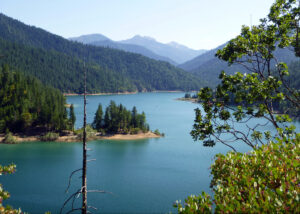
Hunting & Fishing Access

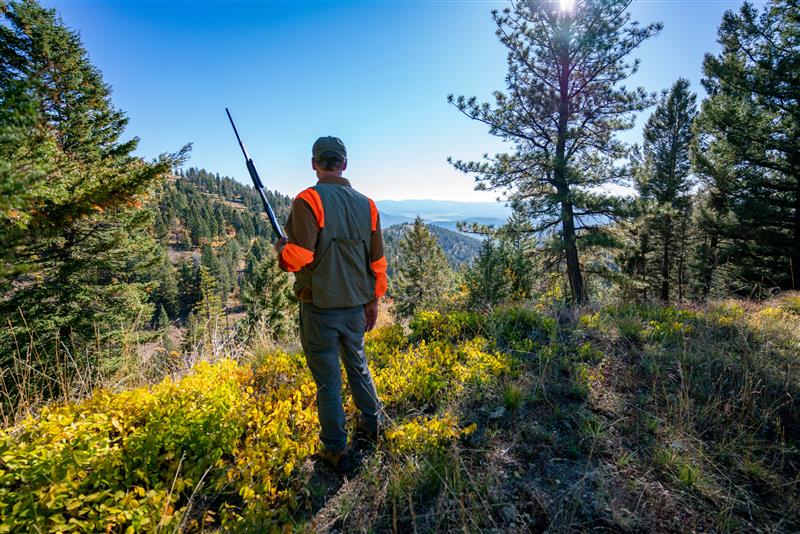
America’s 640 million acres of national public lands provide irreplaceable hunting and fishing opportunities to millions of Americans.

Learn More About Access
What TRCP is Doing

We’re working to safeguard America’s public lands so hunters and anglers always have quality places to pursue their passions.
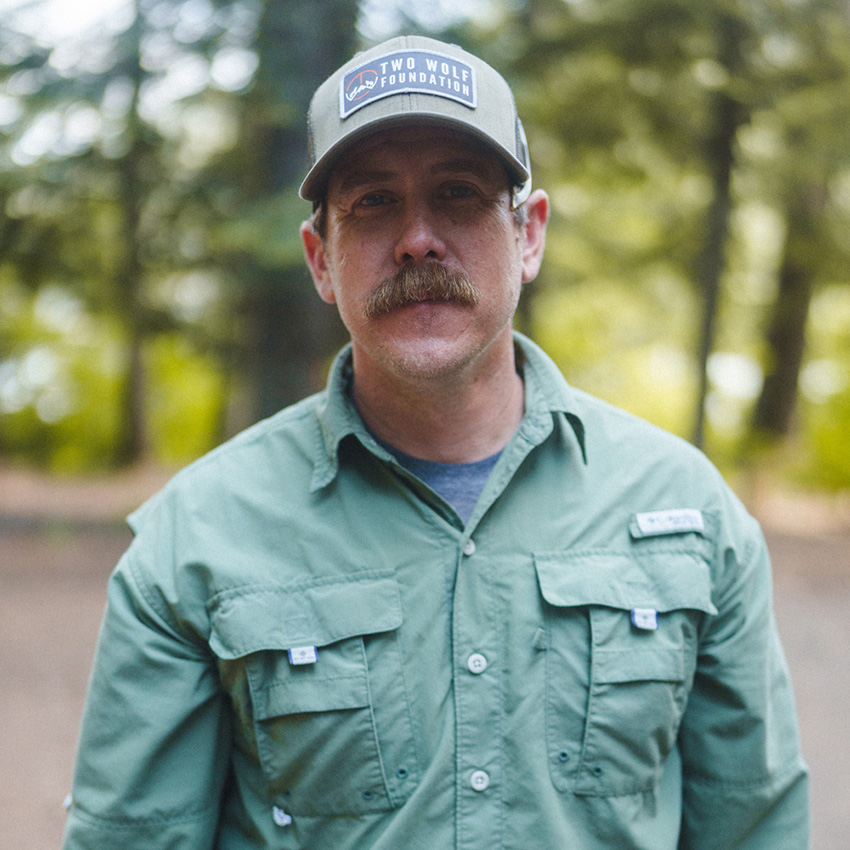
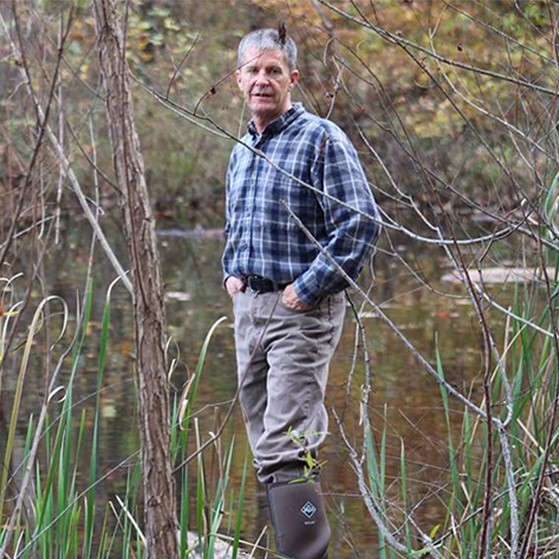
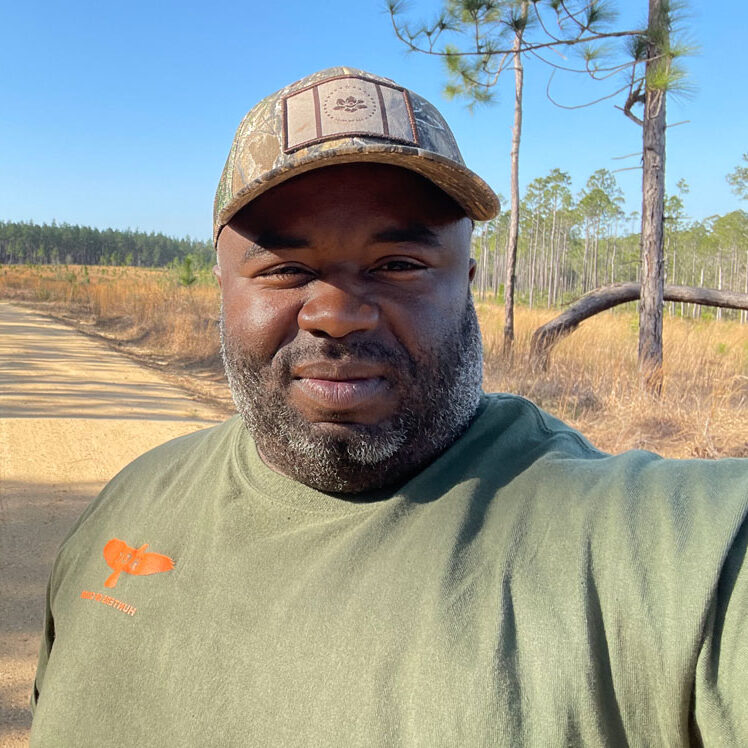
 Brian Flynn, Two Wolf Foundation
How Sportsmen Are Doing It Right

Brian Flynn, Two Wolf Foundation's Story

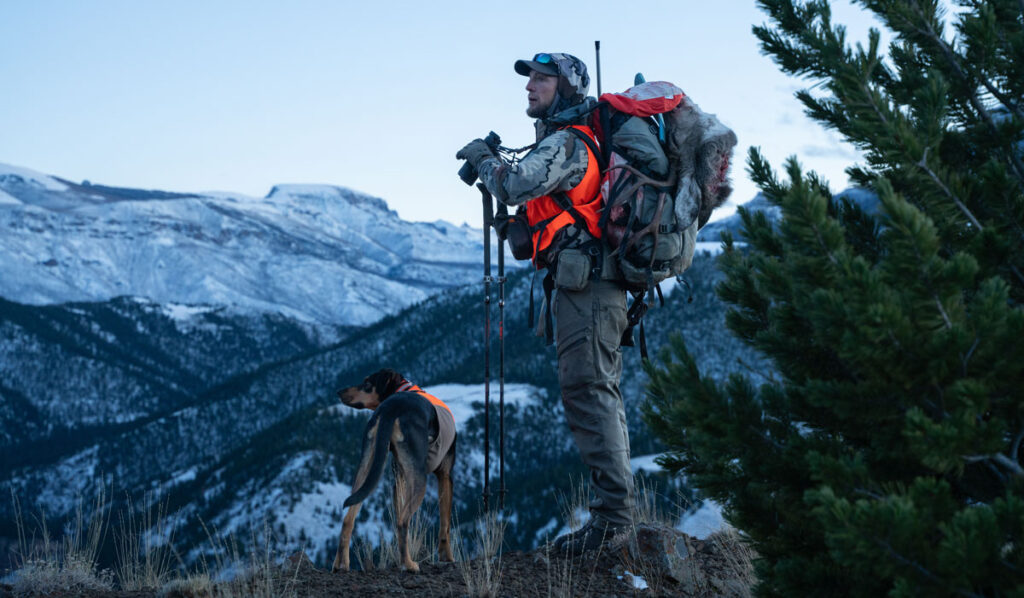
Following a distinguished career in the U.S. Army, lifelong outdoorsman Brian Flynn returned home from a deployment in Afghanistan and…


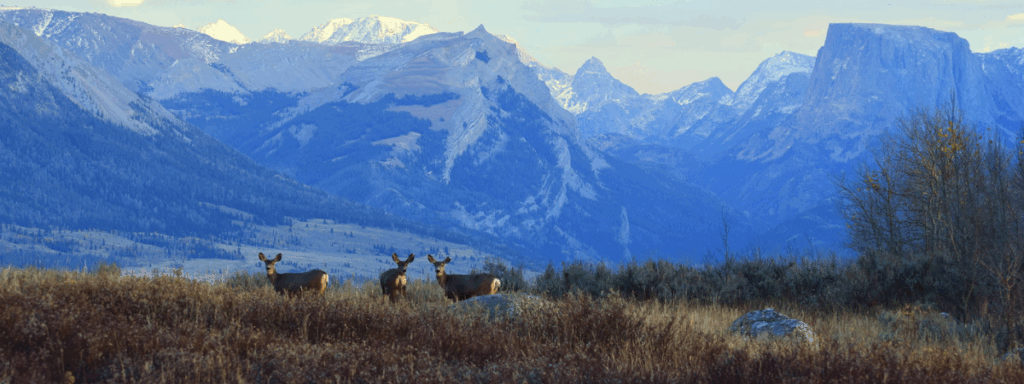
Hunting
Why It Matters

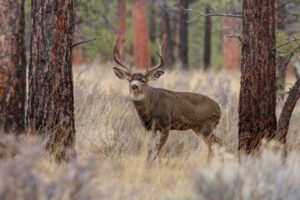
Key Issues for America’s Hunters

Your source for the latest policy updates, conservation challenges, and opportunities shaping America’s hunting traditions.

What TRCP is Doing

We’re fighting for meaningful policy changes that benefit wildlife, our waters, and the American landscapes that make our outdoor traditions possible.

 Ryan Sparks
How Sportsmen Are Doing It Right

Ryan Sparks's Story

TRCP’s “In the Arena” series highlights the individual voices of hunters and anglers who, as Theodore Roosevelt so famously said,…

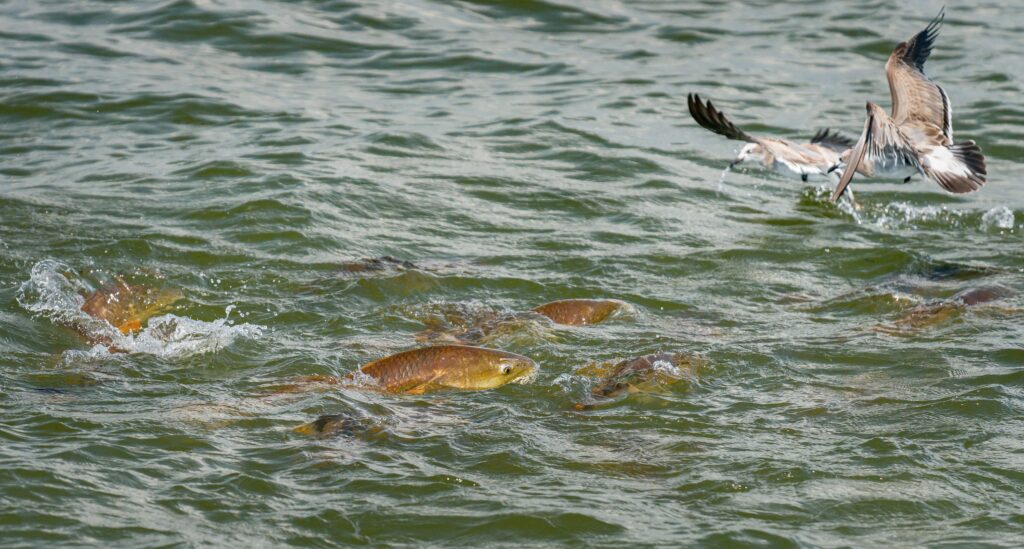
Fishing
Why It Matters

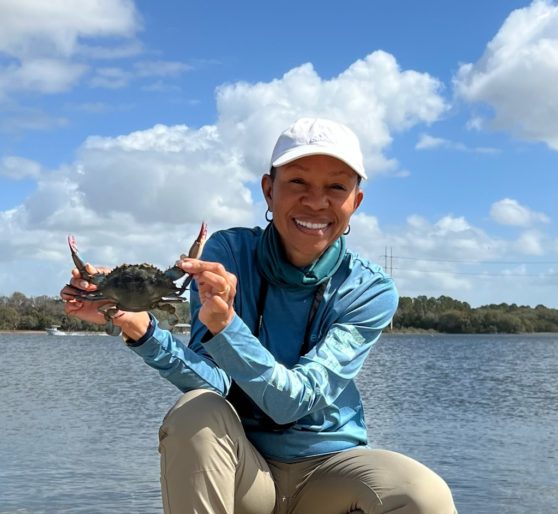
Key Issues for America’s Anglers

Your source for the latest policy updates, conservation challenges, and opportunities shaping America’s fishing traditions.

What TRCP is Doing

We’re fighting for meaningful policy changes that benefit wildlife, our waters, and the American landscapes that make our outdoor traditions possible.

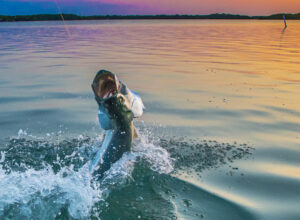
 David Mangum
How Sportsmen Are Doing It Right

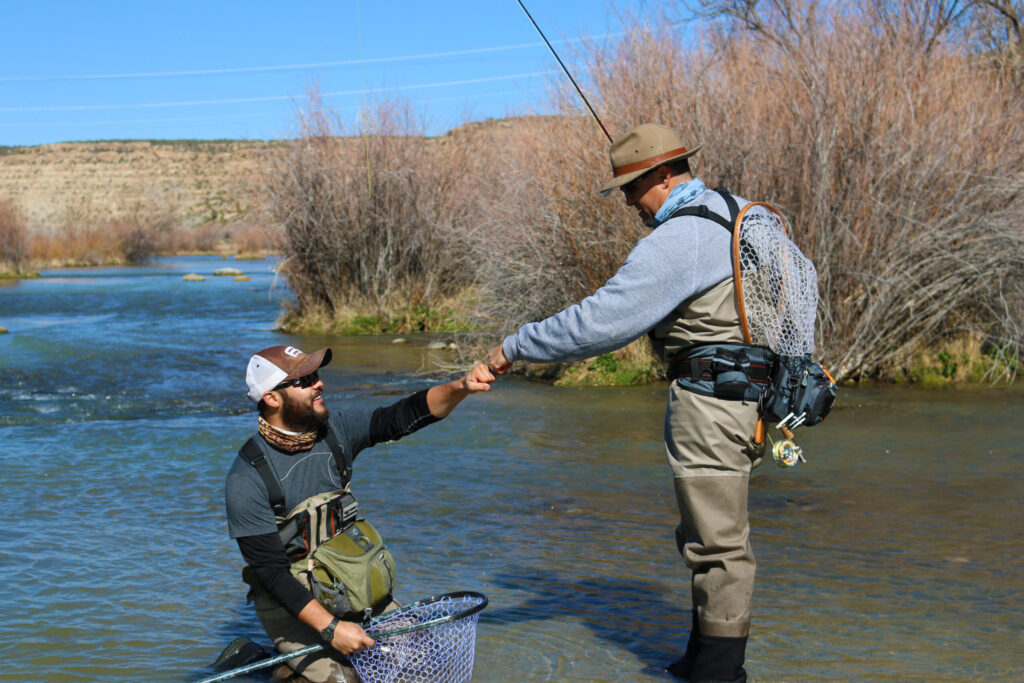
David Mangum's Story

Capt. David Mangum is a YETI ambassador and outdoor photographer who utilizes his talents to produce media that inspire a…

Private Land
Why It Matters

Stewardship on America’s private lands

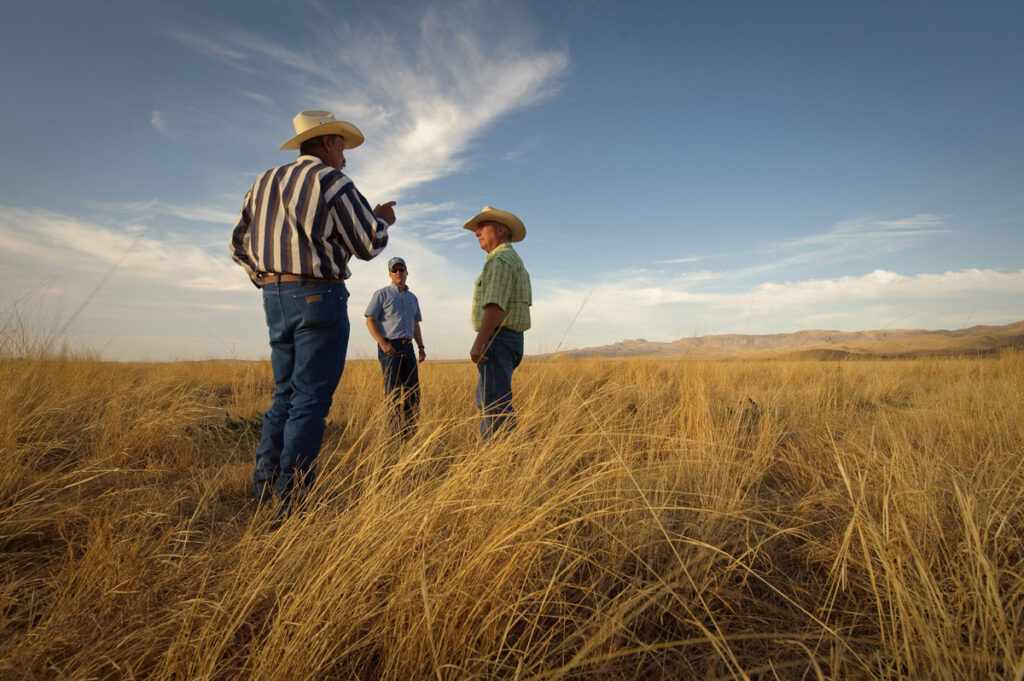
With 70 percent of U.S. lands in private hands and many of our best hunt and fish opportunities occurring there, investing in voluntary conservation on working lands safeguards access, strengthens habitat and water quality, and ensures resilient landscapes.

Learn More
What TRCP is Doing

We champion policies and programs that restore wildlife habitat, improve soil and water health, and keep working lands productive.

 Ward Burton
How Sportsmen are Doing It Right

Ward Burton's Story

Ward Burton’s NASCAR driving career stretched across most of two decades. As an avid sportsman and conservationist, he founded the…

Special Places
Why It Matters

Special Places Worth Protecting

America’s most iconic landscapes provide unmatched habitat and unforgettable days afield. These places sustain wildlife, anchor local economies, and define the hunting and fishing traditions we pass down.

What TRCP is Doing

We’re working to conserve special places that provide world-class habitat and unforgettable opportunities for hunters and anglers.

 Franklin Adams
How Sportsmen Are Doing It Right

Franklin Adams's Story

As a true Gladesman, conservationist, and historian, Capt. Franklin Adams has spent more than six decades championing Everglades restoration efforts…

Habitat & Clean Water
Why It Matters

Healthy Habitat Powers Every Pursuit

All hunting and fishing opportunities depend on quality habitat, from clean water and healthy wetlands to winter and summer habitats and the migration corridors that connect them.

All About Habitat & Clean Water
What TRCP is Doing

We are working to safeguard the habitats that power every hunting and fishing opportunity.

 Alex Harvey
How Sportsmen Are Doing It Right

Alex Harvey's Story

Alex Harvey, founder of Legacy Land Management, is a registered professional forester in Mississippi and Alabama with a Master's degree…

Science
Why It Matters

Science That Guides TRCP

From conserving migration corridors and wetlands to ensuring clean water and resilient landscapes, science provides evidence that turns conservation goals into effective action.

Science for Conservation
What TRCP is Doing

For hunters and anglers, science safeguards the experiences we treasure including resilient big game populations, abundant fish, and wild places that endure changing social landscapes.

Jamelle Ellis
Your Science Expert

Jamelle Ellis's Story

Jamelle Ellis joined the Theodore Roosevelt Conservation Partnership in 2022. Jamelle spent the last three years as an environmental sustainability…

Where We Work
Across the Nation

Conservation Across America

TRCP works across the country to ensure hunters and anglers can enjoy healthy fish and wildlife and quality days afield, no matter where they live.

See All Issues
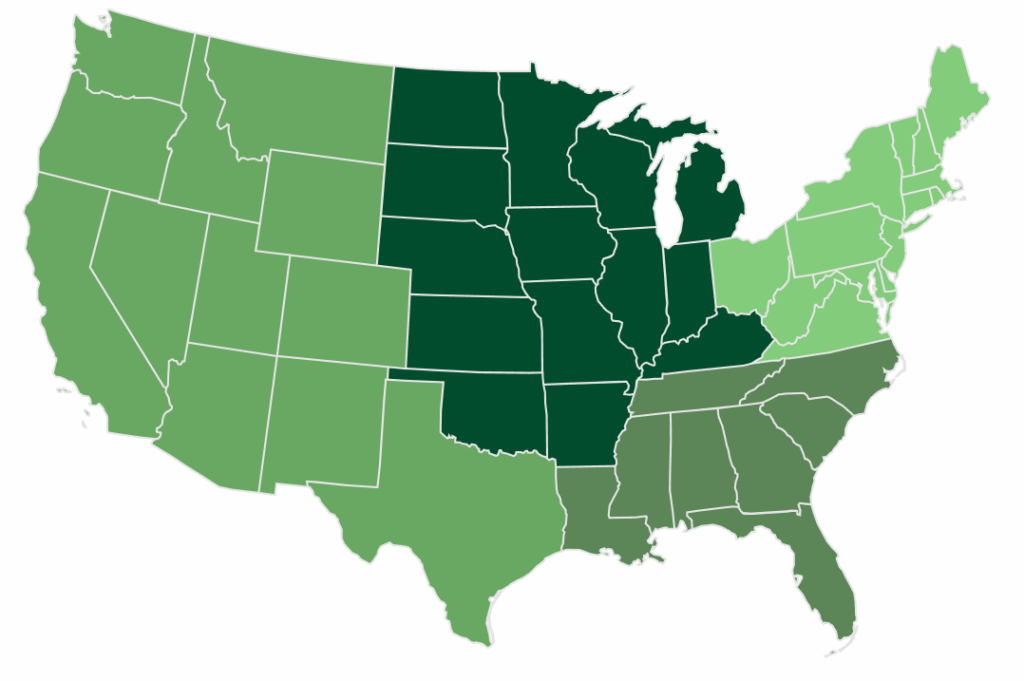
TRCP in Your Region

TRCP works across the country to ensure hunters and anglers can enjoy healthy fish and wildlife and quality days afield, no matter where they live.

Who We Are
Our Mission

To guarantee all Americans quality places to hunt & fish

We unite and amplify our partners’ voices to advance America’s legacy of conservation, habitat, and access.

Our Mission & Values
Our People & Partners
  • Meet the TRCP Team

    Our staff and board members unite and amplify our partners’ voices to advance America’s legacy of conservation, habitat, and access.

    Meet the Team
  • Our Partners

    ‘Partnership’ is in our name. We work with 64 diverse partner groups that represent today’s leading hunting, fishing, and conservation organizations in order to strengthen the sportsman’s voice in Washington, D.C.

    Our Partners
  • Corporate Council

    TRCP’s Corporate Council is made up of diverse corporations that share a common passion for conservation.

    Corporate Council
Our Organization

Looking for more information?

Explore our latest news, policy updates, and conservation resources to get the information you need.

Giving
How You Can Help

To guarantee all Americans quality places to hunt & fish

Your tax-deductible donation will support TRCP's mission, now and into the future.

DONATE
Special Ways to support trcp
  • Capital Conservation Awards Dinner

    The CCAD is one of Washington's best-attended conservation celebrations, featuring dinner, cocktails, and a silent auction.

    Learn More
  • Step Into the Arena

    Help us ensure that our treasured wild habitats and game remain intact for the next generation to enjoy – lend your support to the TRCP’s efforts today!

    Donate
  • Roosevelt Roast

    TRCP has partnered with Afuera Coffee Co. to further our commitment to conservation.

    Learn More
More donation options

Find the best way for you to lend your support. Join one of TRCP’s donor circles for special invitations, premium offerings from outdoor retailers, and more exclusive benefits. Take control of your legacy with planned giving or contribute to special conservation funds.

Other Ways To Give
News
In the Spotlight
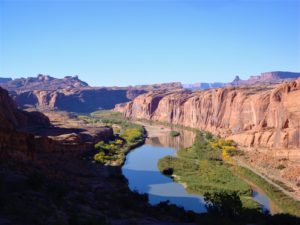
Colorado river

Colorado River Decisions Will Shape the Future of Fish, Wildlife, and the Southwest

With this important federal milestone, now is the time for the Colorado River Basin States to come to an agreement on the future of the Colorado River.

Read More

Stay Informed

Receive our newsletter, the Roosevelt Report, right in your inbox. Never miss the latest news in conservation issues.

May 23, 2017

Congress Can Still Defend Against Steep Cuts to Conservation

As more detail emerges on cuts to conservation programs and agencies in the president’s FY2018 budget, Congress retains the power of the purse

A detailed budget request released today shows that President Trump will continue to push for steep cuts to conservation programs and agencies among other major changes for fiscal year 2018. Today’s announcement expands upon the “skinny” budget blueprint released back in mid-March, which outlined detrimental budget cuts for public and private land management agencies, the Land and Water Conservation Fund, and restoration programs in the Great Lakes and Chesapeake Bay.

New proposed cuts released today include: $1.4 billion decrease to the Department of Interior, $4.6 billion decrease in funding for the Department of Agriculture, $2.6 billion decrease in the Environmental Protection Agency’s budget, and a $1.5 billion reduction to the Department of Commerce budget.

“Sportsmen shouldn’t be surprised that this request is largely along the same lines as Trump’s skinny budget earlier this spring, but we’re not yet in an unworkable position to continue investing in conservation,” says Whit Fosburgh, president and CEO of the Theodore Roosevelt Conservation Partnership. “Congress retains the power of the purse, and based on their recent fiscal year 2017 spending agreement, lawmakers seem to have an appetite for expanding support for habitat, clean water, and the outdoor recreation economy.”

The congressional spending agreement that became law earlier this month stabilized and even increased conservation funding levels through the end of the current fiscal year, thanks to bipartisan efforts from Senate and House leadership. The TRCP and its partners will encourage leadership and appropriators to continue championing conservation funding in FY2018 by passing a budget deal that strengthens and invests in critical programs for the future of America’s fish and wildlife habitat and hunting and fishing traditions.

“Enjoying the outdoors is an American pastime that’s critical to a healthy future for all Americans—from connecting with family and friends on the water while boating or fishing to camping and exploring our national parks—activities that have proven to drive economic growth and provide millions of jobs in communities where there’s access to the outdoors,” says Thom Dammrich, president at the National Marine Manufacturers Association. “Federal investments in conservation make all of this possible and are not expendable. Congress seems inclined to agree, and sportsmen and women will be counting on lawmaker support for conservation and the industry’s 7.6 million outdoor recreation jobs in the fiscal year 2018 budget process.”

Read TRCP’s fact sheet on specific conservation programs called out in Trump’s FY2018 latest budget request.

Header image courtesy of Bob Wick/Flickr.


5 Responses to “Congress Can Still Defend Against Steep Cuts to Conservation”

  1. The EPA cuts are to real back in an agency that has grown well beyond their original charter. They are regulating areas that are covered by other agencies. They need to be cut back. Farm programs such as biofuels are an agricultural program that is fools gold. Those programs that unnaturally increased prices need to be cut. Your view is not balanced.

  2. Loreli Fister

    As some one who hunts, fishes, hikes, watches wildlife and gathers wild edibles, our wild lands need to be protected for the use of all Americans.

Do you have any thoughts on this post?

XHTML: You can use these tags: <a href="" title=""> <abbr title=""> <acronym title=""> <b> <blockquote cite=""> <cite> <code> <del datetime=""> <em> <i> <q cite=""> <s> <strike> <strong>

Comments must be under 1000 characters.

May 11, 2017

Sportsmen Concerned for Wildlife Conservation in USDA Department Shuffle

Department changes could shift the focus of the Natural Resources Conservation Service away from habitat programs to farm services

At a press event today, Secretary Perdue announced restructuring at the U.S. Department of Agriculture that would move the Natural Resources Conservation Service to a newly-created Farm Production and Conservation mission area to also house the Farm Service Agency and Risk Management Agency. A new undersecretary position has been created to oversee all the on-the-ground needs of America’s farmers, ranchers, and private foresters.

The move could provide opportunities to better align farm programs and improve conservation delivery. However, the concern from the sportsmen’s community is that this could shift the priorities at NRCS—the agency responsible for hugely successful programs benefiting water quality and game species like sage grouse—to focus more on farm productivity and perhaps give short shrift to fish and wildlife conservation on private lands.

NRCS is one of the most important federal agencies for conservation in America, wielding approximately $4 billion annually in conservation funding and boasting great success working with farmers and ranchers to improve soil health, water quality, and fish and wildlife habitat. The stewardship of private landscapes through voluntary actions by agricultural producers has helped create rural American sporting destinations that support jobs and healthy communities.

With so many benefits to landowners, hunters, anglers, and businesses on the line, sportsmen’s groups hope that USDA moves forward with this reorganization plan in a way that maintains the department’s integrity and focus on soil, water, and wildlife program goals.

The National Wildlife Federation, Izaak Walton League of America, Theodore Roosevelt Conservation Partnership, and the rest of the sportsmen’s community look forward to working with Secretary Perdue to learn more about this transition and find ways to ensure that NRCS wildlife conservation efforts are strengthened, not weakened.

Read Perdue’s report to Congress on these changes.

Learn more about TRCP’s work on agriculture and private-land conservation here.

Photo courtesy of USDA/Flickr

May 4, 2017

Conservation Gets a Modest Bump in the 2017 Spending Bill

The omnibus spending package provides for sage grouse conservation, drought resiliency, conservation practices on farms and ranches, and one step forward for the Everglades

Congress has passed an omnibus appropriations bill for fiscal year 2017 with some increased funding for conservation and no harmful policy riders. The House and Senate’s investment in conservation is seemingly at odds with the Trump administration’s budget outline for fiscal year 2018, which would deeply cut most conservation programs and entirely eliminate others, including Great Lakes and Chesapeake Bay restoration efforts.

“While last-minute funding solutions are not the ideal way to govern, sportsmen and women should be heartened to see Congress endorse funding levels mostly on par with what we got in 2016 and even give a modest bump to the things we care about, including healthier waterways, stronger sage grouse populations, restoration assistance in the Everglades, and better conservation practices on private lands,” says Whit Fosburgh, president and CEO of the Theodore Roosevelt Conservation Partnership.

Tucked within more than 1,600 pages detailing government spending through September 30, the FY2017 omnibus package includes the following:

  • An $8.9-million increase for sage grouse conservation programs and no riders undermining the federal conservation plans that helped keep this iconic Western game bird off the endangered species list in 2015.
  • $864 million for Conservation Operations at the Natural Resources Conservation Service within U.S. Department of Agriculture—that’s about $13.5 million more than last year and exceeds President Obama’s last budget request by more than $1 million.
  • A $10-million increase for the Conservation Technical Assistance Program, which provides farmers and ranchers with the technical expertise to put conservation on the ground using Farm Bill dollars. This will help NRCS to deliver more than $5 billion in conservation programs to farmers, ranchers, and private foresters next year, improving fish and wildlife habitat and water quality nationwide.
  • $150 million for the Watershed and Flood Prevention Operations Program, which hasn’t been funded since 2010. This will help states, local governments, and tribes to enhance fish and wildlife habitat, improve water quality, reduce erosion, control sediment, and construct wetlands.
  • A 30-percent increase for the WaterSMART grant program, in which the Bureau of Reclamation works with water users to help ensure rivers and streams have enough water flows to support fish, agriculture, and cities during droughts.
  • More than $10 million in funding for the National Park Service to support interagency coordination in the Everglades. Additional funding will be needed in the next fiscal year to carry construct a reservoir recently approved by the Florida legislature. This is critical to improving water quality and habitat in one of the country’s most popular fisheries.

Two Farm Bill conservation programs were trimmed through the Congressional budget process known as Changes in Mandatory Program Spending, or CHIMPS. The Environmental Quality Incentives Program (EQIP) was cut by $179 million and the Regional Conservation Partnership Program was cut by $28 million.

The spending agreement for 2017 arrives late in the congressional calendar, and thorough plans from the White House for fiscal year 2018—which begins October 1—are not expected until May 22, at least two months later than normal. Sportsmen and women will remain active in the debate over investments in habitat, access, and the outdoor recreation economy.

“We’re encouraged by the final FY17 funding for our parks, refuges, forests, and other public lands and waters,” says Alex Boian, vice president of government affairs for the Outdoor Industry Association, which just released its newest Outdoor Recreation Economy Report. “These investments in our nation’s outdoor recreation assets ensure the continued growth of the $887-billion outdoor recreation economy and the support of 7.6 million American jobs. Time and time again, we have seen that when our elected leaders invest in America’s great outdoors, it results in healthy communities and healthy economies nationwide.”

Photo above is courtesy of Ace Hess/BLM.

May 1, 2017

Take a Road Trip for Conservation

Here’s how one brand is making it possible to have fun and give back to the places we love to hunt and fish

You have an open week on your upcoming schedule. A friend sketched out a map to a creek that has some secrets to reveal in the form of 18-inch wild trout. It’s deep into public lands, far away from any accommodations, and maybe you want to do a little better than sleeping in your car.

Make the trip this month in a rental vehicle from Campervan North America, and they’ll give a little something back to America’s public lands.

Campervan North America was founded by Bob Swan, a former fly fishing sales representative from Montana, who spent many nights between stops in his territory stashing his camper on America’s public lands and waking up pre-dawn to make his first cast right outside his door. Now, he’s passing that experience along to customers, who can rent five different models of vans that sleep anywhere from two to five adults (yep, you can bring Fido, too) and excel off-grid where sportsmen thrive.

Swan knows how integral public lands are to our sporting heritage, and that’s why he stands by TRCP’s work to keep them public and well-managed. “One thing that is special about America, and what I miss the most when I am abroad, is our wonderful public lands and the wildlife we have,” says Swan. “In other parts of the world, you cannot take off into a field of sagebrush or set off in the woods nearly as easily as we can. Doing anything to jeopardize this privilege would be a tragedy.”

Recognizing the importance of public lands to his business and the outdoor recreation economy, Swan and Campervan North America are donating 10 percent of the cost of your rental to the TRCP from now through the end of May—just mention code TRCP while making a reservation.

Head over to campervannorthamerica.com to plan your next trip and safeguard our future adventures on public lands.

April 24, 2017

Sportsmen Look to Secretary Perdue to Champion Conservation That Works for Rural America

The Georgia quail hunter will oversee $5 billion in conservation funding on private lands, which benefits farmers, ranchers, wildlife, clean water, and sportsmen

In an 87-11 vote, the U.S. Senate has officially confirmed Sonny Perdue, the former governor of Georgia and an avid sportsman, to lead the U.S. Department of Agriculture, where he’ll oversee land and water conservation on private lands and operation of the U.S. Forest Service. Hunters and anglers are optimistic that Perdue is up to the task of serving our rural communities and our natural resources well.

“As a hunter and angler, Secretary Perdue understands the importance of wildlife conservation,” says Collin O’Mara, president and CEO of the National Wildlife Federation. “He has a record of working in a bipartisan fashion to advance innovative land conservation programs, increase water conservation, and restore longleaf pine forests. We look forward to working with Perdue on critical issues facing USDA, including protecting America’s grasslands, expanding successful farm bill conservation programs and wildlife initiatives, and reducing nutrient runoff to improve water quality.”

Perhaps most importantly, Perdue will contribute to the debate around the 2018 Farm Bill, the legislative vehicle that drives approximately $5 billion in annual conservation spending on private lands. Voluntary, incentive-based programs authorized by past farm bills have been widely successful, helping to prevent the Endangered Species Act listing of the greater sage grouse and contributing to cleaner waters in the Chesapeake Bay.

“We are eager to begin working with Secretary Perdue to implement good conservation programs on working farms and ranches,” says Dr. Frank Rohwer, president and chief scientist at Delta Waterfowl. “The next farm bill will provide great opportunities to come up with solutions that work well for our nation’s producers, sportsmen, waterfowl, and other wildlife.”

Besides the Forest Service, Perdue will direct many of the other federal agencies with a major role in conservation, including the Natural Resources Conservation Service and Farm Service Agency. Almost immediately, Perdue will need to defend his department’s budget and staff against cuts from congressional appropriators.

“With record demand from agricultural producers for the technical assistance and financial certainty that USDA programs offer, Secretary Perdue already has his work cut out for him, but sportsmen and women are also depending on his leadership in rural counties that are economically reliant on outdoor recreation, like hunting and fishing, that gets a boost from habitat improvements on private lands,” says Whit Fosburgh, president and CEO of the Theodore Roosevelt Conservation Partnership, which came out in support of Perdue early on.

“These programs cannot survive proposed budget cuts, especially when critical functions at the USDA, including wildfire suppression in national forests and conservation planning assistance for landowners, are already chronically short on funding,” says Fosburgh. “Sportsmen and women call on Secretary Perdue to strongly defend the USDA against budget cuts and support long-term, practical investments in natural resources management on public and private lands.”

HOW YOU CAN HELP

TRCP has partnered with Afuera Coffee Co. to further our commitment to conservation. $4 from each bag is donated to the TRCP, to help continue our efforts of safeguarding critical habitats, productive hunting grounds, and favorite fishing holes for future generations.

Learn More
Subscribe


You have Successfully Subscribed!

You have Successfully Subscribed!

You have Successfully Subscribed!

You have Successfully Subscribed!

You have Successfully Subscribed!