Our Issues
Public Lands
Why It Matters

Hunting & Fishing Access

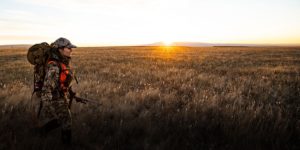
America’s 640 million acres of national public lands provide irreplaceable hunting and fishing opportunities to millions of Americans.

Learn More About Access
What TRCP is Doing

We’re working to safeguard America’s public lands so hunters and anglers always have quality places to pursue their passions.
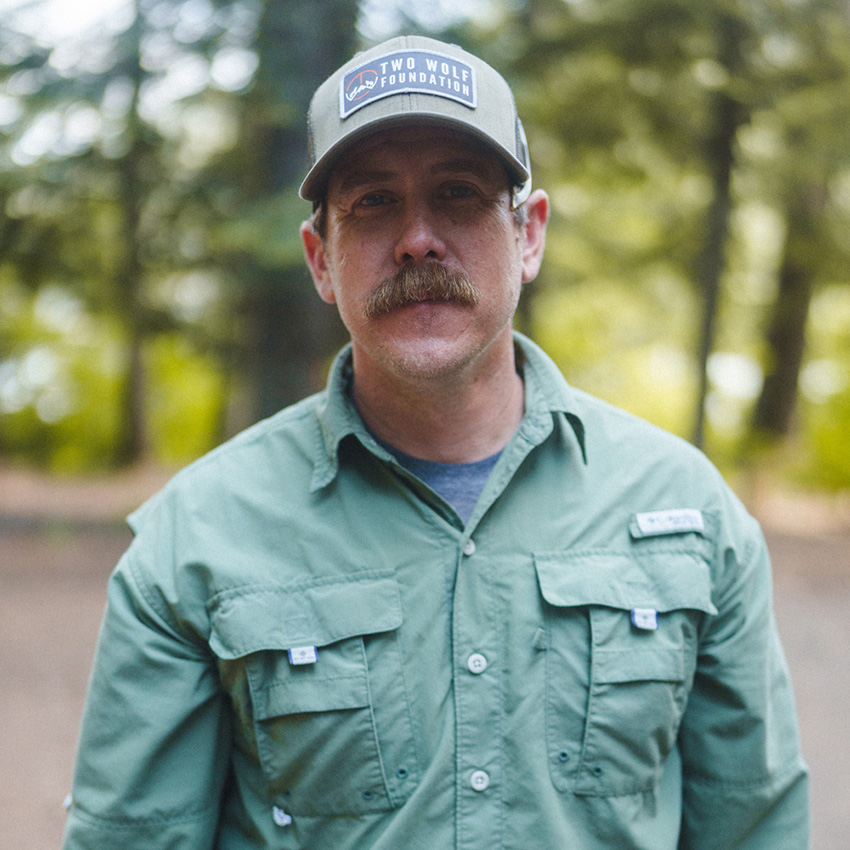
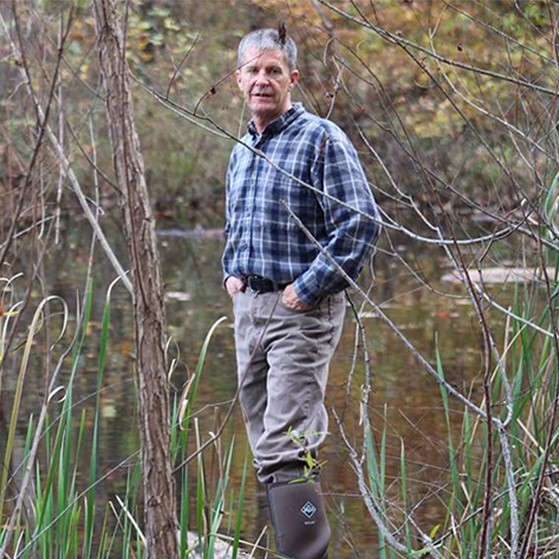
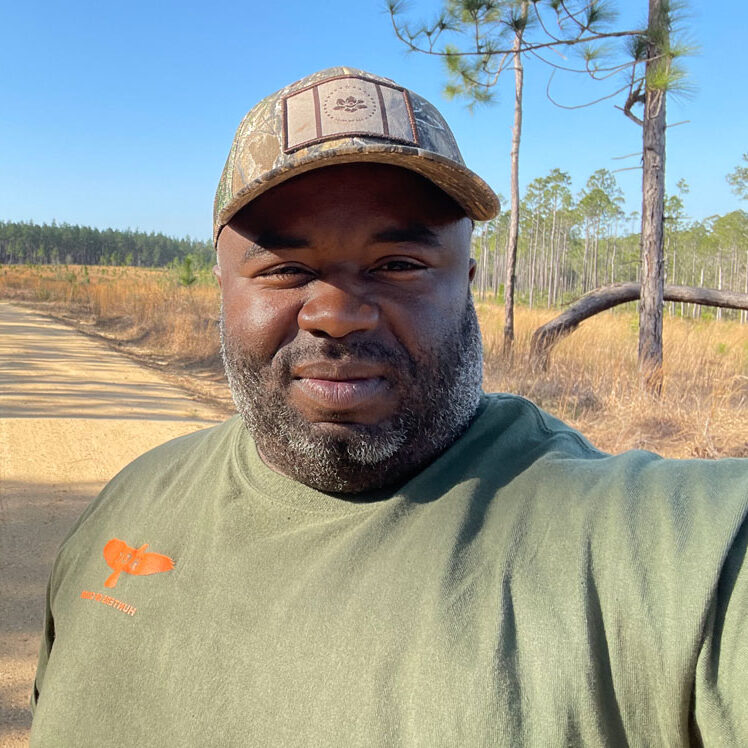
 Brian Flynn, Two Wolf Foundation
How Sportsmen Are Doing It Right

Brian Flynn, Two Wolf Foundation's Story

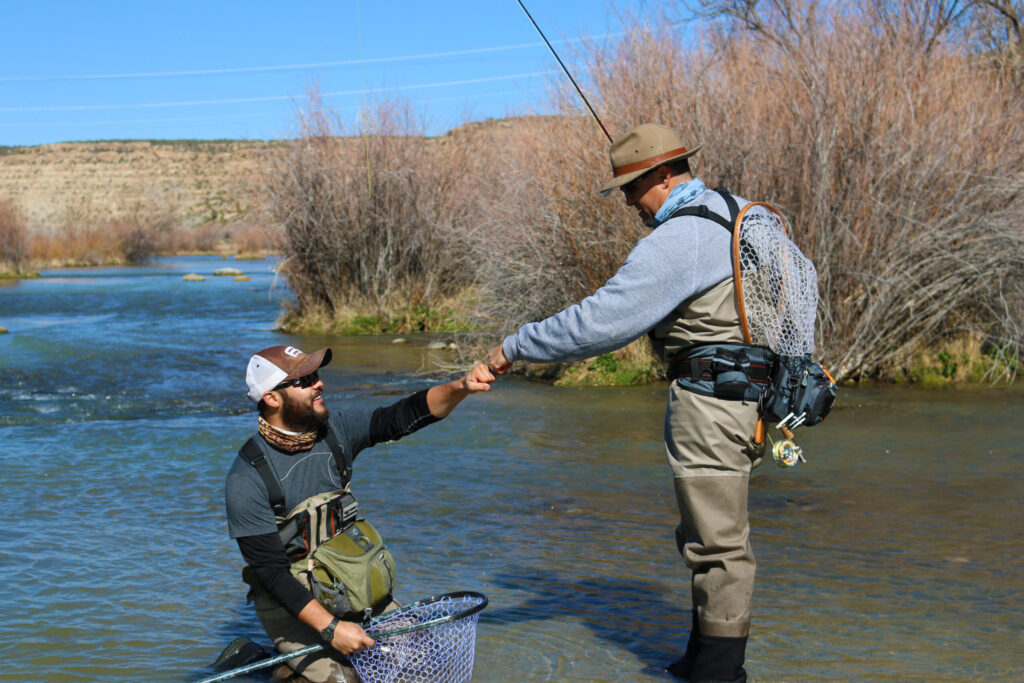
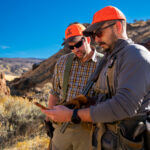
Following a distinguished career in the U.S. Army, lifelong outdoorsman Brian Flynn returned home from a deployment in Afghanistan and…

Hunting
Why It Matters

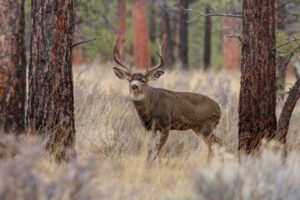
Key Issues for America’s Hunters

Your source for the latest policy updates, conservation challenges, and opportunities shaping America’s hunting traditions.

What TRCP is Doing

We’re fighting for meaningful policy changes that benefit wildlife, our waters, and the American landscapes that make our outdoor traditions possible.

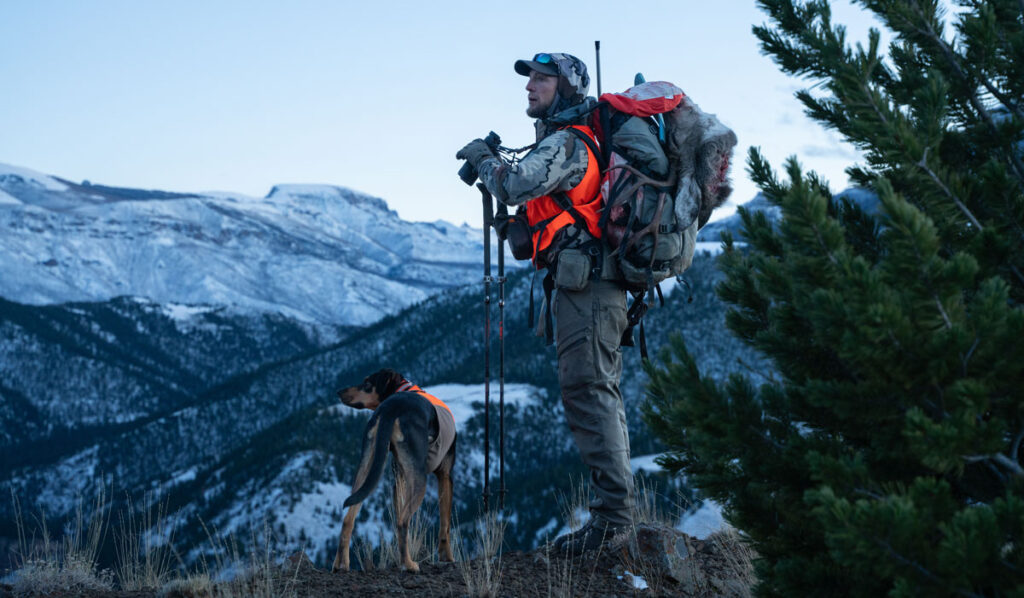
 Ryan Sparks
How Sportsmen Are Doing It Right

Ryan Sparks's Story

TRCP’s “In the Arena” series highlights the individual voices of hunters and anglers who, as Theodore Roosevelt so famously said,…

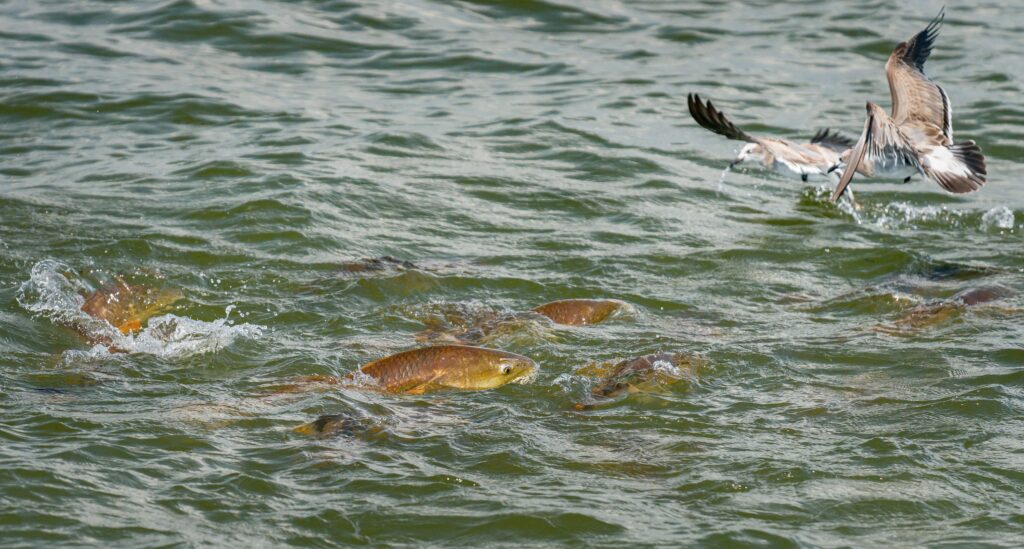
Fishing
Why It Matters

Key Issues for America’s Anglers

Your source for the latest policy updates, conservation challenges, and opportunities shaping America’s fishing traditions.

What TRCP is Doing

We’re fighting for meaningful policy changes that benefit wildlife, our waters, and the American landscapes that make our outdoor traditions possible.

 David Mangum
How Sportsmen Are Doing It Right

David Mangum's Story

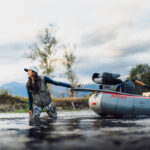
Capt. David Mangum is a YETI ambassador and outdoor photographer who utilizes his talents to produce media that inspire a…

Private Land
Why It Matters

Stewardship on America’s private lands

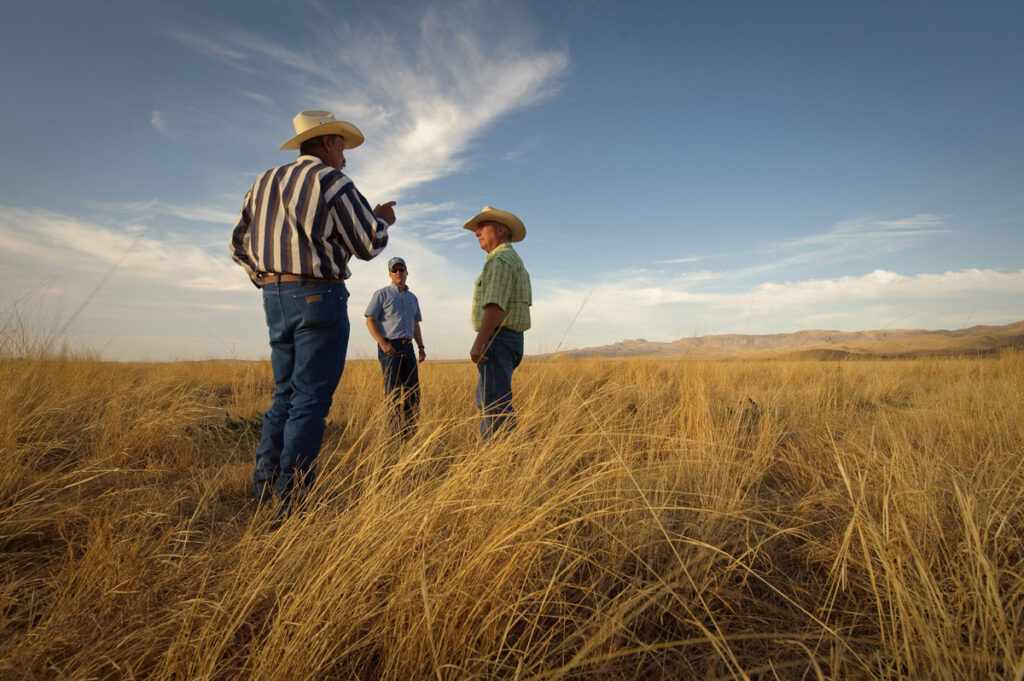
With 70 percent of U.S. lands in private hands and many of our best hunt and fish opportunities occurring there, investing in voluntary conservation on working lands safeguards access, strengthens habitat and water quality, and ensures resilient landscapes.

Learn More
What TRCP is Doing

We champion policies and programs that restore wildlife habitat, improve soil and water health, and keep working lands productive.

 Ward Burton
How Sportsmen are Doing It Right

Ward Burton's Story

Ward Burton’s NASCAR driving career stretched across most of two decades. As an avid sportsman and conservationist, he founded the…

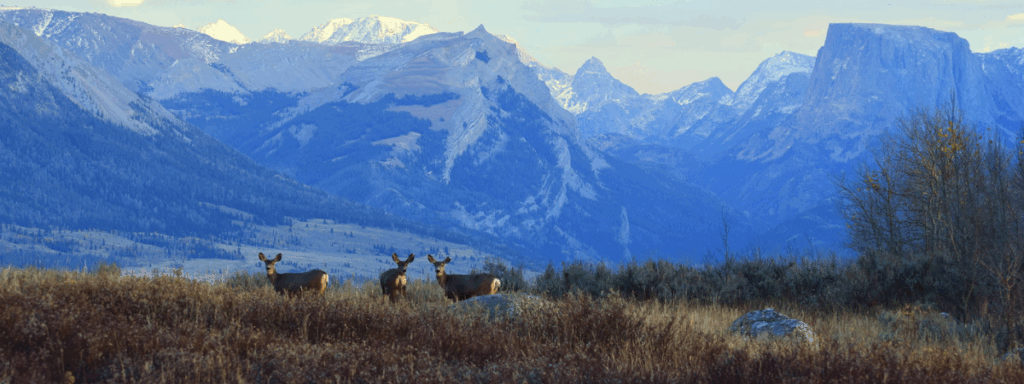
Special Places
Why It Matters

Special Places Worth Protecting

America’s most iconic landscapes provide unmatched habitat and unforgettable days afield. These places sustain wildlife, anchor local economies, and define the hunting and fishing traditions we pass down.

What TRCP is Doing

We’re working to conserve special places that provide world-class habitat and unforgettable opportunities for hunters and anglers.

 Franklin Adams
How Sportsmen Are Doing It Right

Franklin Adams's Story

As a true Gladesman, conservationist, and historian, Capt. Franklin Adams has spent more than six decades championing Everglades restoration efforts…

Habitat & Clean Water
Why It Matters

Healthy Habitat Powers Every Pursuit

All hunting and fishing opportunities depend on quality habitat, from clean water and healthy wetlands to winter and summer habitats and the migration corridors that connect them.

All About Habitat & Clean Water
What TRCP is Doing

We are working to safeguard the habitats that power every hunting and fishing opportunity.

 Alex Harvey
How Sportsmen Are Doing It Right

Alex Harvey's Story

Alex Harvey, founder of Legacy Land Management, is a registered professional forester in Mississippi and Alabama with a Master's degree…

Science
Why It Matters

Science That Guides TRCP

From conserving migration corridors and wetlands to ensuring clean water and resilient landscapes, science provides evidence that turns conservation goals into effective action.

Science for Conservation
What TRCP is Doing

For hunters and anglers, science safeguards the experiences we treasure including resilient big game populations, abundant fish, and wild places that endure changing social landscapes.

Jamelle Ellis
Your Science Expert

Jamelle Ellis's Story

Jamelle Ellis joined the Theodore Roosevelt Conservation Partnership in 2022. Jamelle spent the last three years as an environmental sustainability…

Where We Work
Across the Nation

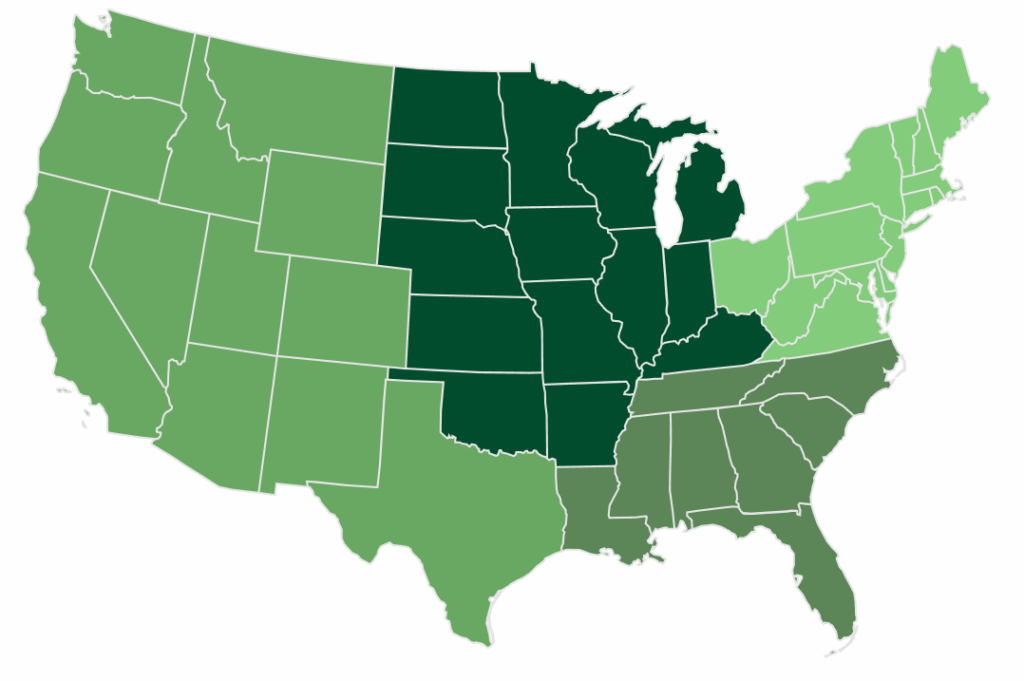
Conservation Across America

TRCP works across the country to ensure hunters and anglers can enjoy healthy fish and wildlife and quality days afield, no matter where they live.

See All Issues
TRCP in Your Region

TRCP works across the country to ensure hunters and anglers can enjoy healthy fish and wildlife and quality days afield, no matter where they live.

Who We Are
Our Mission

To guarantee all Americans quality places to hunt & fish

We unite and amplify our partners’ voices to advance America’s legacy of conservation, habitat, and access.

Our Mission & Values
Our People & Partners
  • Meet the TRCP Team

    Our staff and board members unite and amplify our partners’ voices to advance America’s legacy of conservation, habitat, and access.

    Meet the Team
  • Our Partners

    ‘Partnership’ is in our name. We work with 64 diverse partner groups that represent today’s leading hunting, fishing, and conservation organizations in order to strengthen the sportsman’s voice in Washington, D.C.

    Our Partners
  • Corporate Council

    TRCP’s Corporate Council is made up of diverse corporations that share a common passion for conservation.

    Corporate Council
Our Organization

Looking for more information?

Explore our latest news, policy updates, and conservation resources to get the information you need.

Giving
How You Can Help

To guarantee all Americans quality places to hunt & fish

Your tax-deductible donation will support TRCP's mission, now and into the future.

DONATE
Special Ways to support trcp
  • Capital Conservation Awards Dinner

    The CCAD is one of Washington's best-attended conservation celebrations, featuring dinner, cocktails, and a silent auction.

    Learn More
  • Step Into the Arena

    Help us ensure that our treasured wild habitats and game remain intact for the next generation to enjoy – lend your support to the TRCP’s efforts today!

    Donate
  • Roosevelt Roast

    TRCP has partnered with Afuera Coffee Co. to further our commitment to conservation.

    Learn More
More donation options

Find the best way for you to lend your support. Join one of TRCP’s donor circles for special invitations, premium offerings from outdoor retailers, and more exclusive benefits. Take control of your legacy with planned giving or contribute to special conservation funds.

Other Ways To Give
News
In the Spotlight

Why TRCP Works to Conserve America’s Special Places

TRCP works to conserve special places like the Boundary Waters and landscapes that define hunting and fishing. Here's why.

Read More

Stay Informed

Receive our newsletter, the Roosevelt Report, right in your inbox. Never miss the latest news in conservation issues.

November 10, 2016

In a Divided Nation, This Conservation Program Connects Sportsmen to Critical Access on Private Lands

The story of an important conservation program, one that helps to supply critical public access in states with mostly private land, started right here at the TRCP

While American sportsmen and women are in the midst of an important fight for our national public lands out West and across the country, many hunters and anglers have a completely different access challenge. Leasing or buying land, or knocking on doors to gain permission to cross, hunt, or fish someone else’s private land, are some of the only options in states with very few public acres.

That’s why we’re proud to work on strengthening conservation and access programs, many funded by the Farm Bill, that help level the playing field by bringing public access to private-lands states. In fact, TRCP’s co-founder, the charismatic Jim Range, was one of the creative minds behind a voluntary public access program that continues to change the game.

Once commonly known as “open fields,” the Voluntary Public Access and Habitat Incentive Program (VPA-HIP) was created to expand hunting and fishing opportunities across our nation by encouraging landowners and operators of privately held farms, ranches, and forest lands to not only provide public access, but also to conserve valuable habitat. In the early days of the TRCP, Range saw that the need for access and quality habitat go hand in hand.

Range always wanted to share our great outdoor heritage with others, and he was known for saying that we need to protect the things we love, because nobody else is going to do it. In 2007, he was instrumental in drafting legislation with our conservation partners in the Agriculture and Wildlife Working Group—groups like Pheasants Forever and the Association of the Fish and Wildlife Agencies—to establish VPA-HIP and open new sporting access that would allow our traditions to continue.

Former Senator Kent Conrad (D-N.D.), former Congressman Earl Pomeroy (D-N.D.), and Senators Pat Roberts (R-Kan.) and Jerry Moran (R-Kan.) sponsored the VPA-HIP legislation and were influential in adding the provision in the 2008 and 2014 farm bills. From 2008 to 2012, the Farm Bill made $50 million in grants available to states and tribes, and the 2014 Farm Bill authorized another $40 million to be granted through 2018.

All told, 29 states have been able to open public access to private lands and waters since the creation of this program. Unfortunately, Range passed away in 2009 after a fight with kidney cancer, and he didn’t get to see many of the successes for sportsmen’s access and fish and wildlife habitat, nor the ripple effects on the outdoor recreation economy, that he helped to make possible.

For instance, in just the first year after VPA-HIP was created, the national outdoor recreation economy grew by $41.7 million and supported over 300 new hunting- and fishing-related jobs. And in 2011, Iowa generated an additional $1.82 in revenue for every dollar invested into the Iowa Habitat and Access Program (IHAP).

This is important to celebrate as a win for sportsmen, landowners, and the rural economy as we look ahead to the 2018 Farm Bill, especially since conservation and access are very much on the line.

Range used to quote former Senator Howard Baker when he told the staff to ration our good ideas. There will be no shortage of ideas about how to make the most of the conservation funding and incentive programs baked into the next Farm Bill, but we think that voluntary public access, the “open fields” of Range’s imagination, is still a very good one.

Help us celebrate the possibilities inherent in the idea that private lands can benefit all hunters, anglers, and wildlife. Urge your lawmakers to support legislation to enhance VPA-HIP in the next Farm Bill.

And learn more about the merits of VPA-HIP and why it has been a keystone effort for the TRCP since the organization’s inception, instilling everything we stand for—access, quality fishing and hunting habitat, and economic productivity. Our three-part blog series can be found here.

If you would like to donate to the Jim Range Conservation Fund, please click here.

Do you have any thoughts on this post?

XHTML: You can use these tags: <a href="" title=""> <abbr title=""> <acronym title=""> <b> <blockquote cite=""> <cite> <code> <del datetime=""> <em> <i> <q cite=""> <s> <strike> <strong>

Comments must be under 1000 characters.

November 2, 2016

Moving Forward from the Malheur Standoff Decision

Three ways you can turn shock and anger into proactive solutions for our public lands

Like many sportsmen and women, I was shocked and angry when I first learned that the seven armed outlaws who took over the Malheur National Wildlife Refuge for 41 days earlier this year were acquitted of any wrongdoing. These radicals trashed public property and blocked public access to land that belongs to all of us, and they did it while brandishing weapons and talking tough. It is impossible to comprehend how some people, armed from head to toe, could seize a federal facility and not face any consequences for their actions, but that’s exactly what happened just last week. (Hatch Magazine points out that the verdict came down, in a cruel twist, on the birthday of conservation’s patron saint.)

While it feels satisfying to place blame—on the quirky nature of the charges, an incompetent prosecutor, or a weak jury—doing so won’t change the situation. The decision is made, and anti-government fanatics are likely emboldened as a result.

However, as sportsmen and women who love and rely on public lands, we can’t sit around and accept this outcome as some part of an inevitable future. More than 72 percent of Western hunters depend on access to public lands, and millions of anglers do, as well. Complacency and discontent will only serve to benefit those who wish to steal our heritage, and we need to make sure that this decision stands as an anomaly, one at odds with the course of history.

To that end, I’ve outline three active steps that public lands hunters and anglers can take to defend our public lands legacy moving forward:

  • Most immediately, sportsmen and women should let lawmakers know we need assurances that lawbreakers and extremists cannot take away our lands and our facilities. Congress should give land managers and law enforcement personnel the tools they need to protect our public lands legacy. Sign the Sportsmen’s Access petition—or share it with family and friends who may not have signed—to send a clear message to decision-makers at home and in Washington.
  • Second, be prepared to hold lawmakers accountable for their votes in 2017, as state and federal legislators will be considering a new list of proposals designed to seize your public lands. For our part, we will keep you informed on the best ways to make your voices heard on this and other conservation issues. Sign up for TRCP email alerts and check in with the leading state-based sportsmen’s group in your area, to ensure that you receive a complete picture of upcoming challenges.
  • Finally, get outside and enjoy your public lands this fall. Hunting and fishing opportunities abound this time of year, and it is important that we all get out there to reenergize and remember what we are fighting for. Take plenty of photos and share them with us on social media using the hashtag #PublicLandsProud. Meanwhile, we’ll make sure that lawmakers get the picture—hunters and anglers support and value public lands, and we’re proud to keep them that way.

The Bundy boys aren’t out of the water yet. They’re currently awaiting their next day in court, this time tied to the standoff in Bunkerville, Nevada, in 2014. We’ll be watching and hoping that the rule of law is applied through these proceedings and a clear message is sent to anyone considering attacks on our public lands and our way of life: These lands will not be bullied away from us.

October 19, 2016

State Report Confirms What Sportsmen Already Know About the State Takeover of Public Lands

A study mandated by Wyoming state legislators finds that the realities of public land management make transfer an unworkable idea

A new state-mandated report on the feasibility of transferring management authority for 25 million publically owned acres to the state of Wyoming concludes that the process would be a financial, administrative, and legislative burden.

Ultimately, the report prepared for the Office of State Lands and Investments (OSLI) says that the state would inherit costly land management issues, like wildfire and litigation, if it were to manage the lands that currently belong to all Americans. The report also cautions that any transfer of land ownership would mean local governments would lose important federal funding sources, such as Payments in Lieu of Taxes.

“We’re not surprised by the findings, although sportsmen in the West should be heartened by the independent confirmation of what experts have been saying for years—the transfer or sale of America’s public lands to individual states would be a financial disaster for local governments and would threaten our access to hunting and fishing,” says Nick Dobric, Wyoming field representative for the Theodore Roosevelt Conservation Partnership. The organization has been calling for lawmakers to oppose state takeover of public lands since January 2015 and has collected more than 34,000 signatures—2,200 of which are from Wyoming hunters and anglers—on a petition.

The report echoes the concerns that sportsmen have raised about the fundamental differences in the way state and national lands are managed. It reads:

State trust lands are in no way required to be managed for multiple use. In fact, the fiduciary obligation to generate sustainable revenue may be mutually exclusive of the ability to manage for multiple use, and this dichotomy significantly affects program revenues and associated costs. As an example, the OSLI issues grazing leases based on market value and has the ability to exclude other uses on the property (i.e., hunting or camping) because they do not generate revenue and could have a negative impact to the livestock producer.

Cheyenne sportsman Earl DeGroot, one of the local hunters responsible for the popular Wyoming Sportsmen for Federal Lands page on Facebook, hopes this will be the last talk of public land transfer from state lawmakers. “I hope the legislature will consider the findings of this report, and the overwhelming opposition that Wyoming sportsmen have expressed, and finally put an end to this effort,” says DeGroot. “I feel very fortunate to have hunted elk, deer, antelope, and even bighorn sheep and black bears on federal public lands in Wyoming, and sportsmen are tired of seeing our access jeopardized. The focus of our legislators should be on the real land management solutions and partnerships that will benefit our state.”

A rally in support of public lands, organized by the TRCP and many other hunting, fishing, and outdoor organizations, will take place in Casper on November 5, 2016. Featured speakers will include Chris Madson, conservation writer and former editor of Wyoming Wildlife Magazine, and Land Tawney, president and CEO of Backcountry Hunters and Anglers.

For more information on the would-be impacts of land transfer in Wyoming, and a record of meaningful opposition from elected leaders and counties in the Cowboy State, visit sportsmensaccess.org.

For the full OSLI report, click here.

October 18, 2016

A Private-Land Pronghorn Hunt Built on Stewardship, Trust, and a Budding Bromance

Getting permission to hunt private lands can be a win-win situation for you and a conservation-minded landowner

The walk to a private landowner’s door to ask permission to hunt on his ground is always a quiet one. Today’s is no different, except for the crunch of gravel under my hunting boots. I fidget with my keys as I rehearse my opening line.

“Hello, sir. Can I have a minute to ask for permission to hunt on your property?”

I don’t get to the door. Craig Bare is sitting on a deck, enjoying drinks with company. His smile is friendly, his hands calloused. I botch the introduction, racing through my speech like a nervous teen asking for a date.

At its core, asking for permission like this is very intrusive. You are interrupting a person at their home—in my case, somehow, always during a meal—and asking to use their roads, gates, and crops. You offer little in return unless they’re charging a trespass fee. From their perspective, at best, you are an early-morning or late-night commotion in their quiet part of the world. At worst, you are the prospect of open gates, litter, and boorish behavior.

Their reception can easily be warm or hostile, especially if the landowner has been ill-treated in the past. Fortunately, on this windy September afternoon, Bare is all smiles. He said he is celebrating fall, Idaho style: well dressed and in the wind.

I’ve been hunting for pronghorn with a muzzleloader west of Idaho’s Mud Lake. I hold a unique tag, available to keep pronghorn from taking up residence on alfalfa fields that abut a 900-square-mile property owned by the U.S. Department of Energy (DOE), so I’m restricted to traditional weaponry only. The vast majority of the site is closed to hunting, giving elk, mule deer, and pronghorns a massive desert sanctuary, outside of which trophy-size animals can be found—so can conflicts between wildlife and landowners.

I ask Bare if I can cross his land and set myself up where the ever-skittish antelope leave the DOE property to feed in his green field. He not only gives permission but starts outlining the pronghorn routes he knows of and his neighbor’s boundaries. I meet three landowners during my hunt and all have the same basic instruction: Don’t clean the animals in the fields, park out of the way of heavy equipment, and if you have any problem with my neighbors, tell ’em I sent you.

Bare’s warm reception is especially encouraging because pronghorn have plagued Mud Lake farmers for decades. The relationship got so bad that in the late 1980s, agriculture interests lobbied the state legislature to overrule the Idaho Department of Fish and Game’s management plans and started a massive effort to trim antelope numbers.

Cooler heads ultimately prevailed. Fish and Game increased harvest limits and designed hunts, like mine, to keep pronghorns at bay. Programs to compensate landowners for crop losses were also bolstered. And the site expanded its trespass rules for hunters, allowing sportsmen to hunt just within the site’s boundaries.

Bare knows the history well, but he doesn’t see hunters—or antelope—as a problem. I thank him for the warm welcome and the access. “We want the same things,” he says as we prepare to part. “We want Idaho to stay Idaho.”

That night’s hunt is nearly perfect, except for the fact that the largest buck stays out of range. The chance is ultimately spoiled by my impatience. But I head back to the truck with the reassurance that hunters have powerful allies as we look to protect our heritage for decades to come. That is, perhaps, just as important as all the public land access in the world.

Later, my friend Jim Hardy teased me about my budding bromance with the farmer. All jokes aside, I am glad I mustered the courage to ask a favor of a private landowner. It could have ended poorly, but that day’s interaction was perfect. I made a friend and represented the best of hunters and anglers.

October 14, 2016

Meet Our Final #PublicLandsProud Contest Judge: Allie D’Andrea

Say ‘hello’ to our final #PublicLandsProud contest judge, Allie D’Andrea of First Lite. Growing up in Pittsburgh, she graduated with a bachelor’s degree in emergency medicine and worked for a while as a paramedic. D’Andrea had the intentions of becoming a physician’s assistant, but after working as a medic, she quickly found that she lacked a true passion for the medical field. In short, she loved learning about medicine, but not practicing medicine. Feeling unfulfilled, and uninspired, she changed course and landed an internship with First Lite, then packed up, and moved to Idaho. Now when she’s not managing the social media accounts and contributing to the marketing efforts of one of hunting’s most loved and recognized brands, you’ll find her out exploring and appreciating public lands like never before.

TRCP: How do you spend your time outside? Break it down for us by season.

Allie D’Andrea:

  • Spring – bear hunting, turkey hunting, scouting, running, hiking, fishing
  • Summer – Shooting bow, drinking beer, enjoying the sunshine
  • Fall – hunting, hunting, hunting, mystified by the mountains
  • Winter – pretending I can ski, creating recipes out of the game I shot that fall

TRCP: What type of photo captures the essence of fall for sportsmen and public land users?

Allie: Any photo that highlights the experience of being on public land is a winner to me. Whether it is summiting a mountain, gutting your first deer, or laying under the stars, something that captures the feeling of freedom or discovery is what best represents the essence of public lands to me!

TRCP: What makes you #PublicLandsProud?

Allie: I am proud of the public lands I have explored and the lessons I have learned while being there. My admiration and connection to the natural world has flourished on public lands. Where ever I am, public land will always be my doorway to the great outdoors. This is why I am so proud to represent a company like First Lite that shares the same values and works to conserve this land that provides us with such incredible experiences. 

Show us your #PublicLandsProud moment and you could be featured on our blog and win a #PublicLandsProud prize package. It includes a new pair of Costa sunglasses, a copy of Steven Rinella’s new book, The Complete Guide to Hunting, Butchering, and Cooking Wild Game, a TRCP hat, a First Lite merino wool neck gaiter, TRCP/Sitka-branded YETI rambler tumbler, Orvis fishing shirt, and Bantam® Buck® knife. 

HOW YOU CAN HELP

TRCP has partnered with Afuera Coffee Co. to further our commitment to conservation. $4 from each bag is donated to the TRCP, to help continue our efforts of safeguarding critical habitats, productive hunting grounds, and favorite fishing holes for future generations.

Learn More
Subscribe


You have Successfully Subscribed!

You have Successfully Subscribed!

You have Successfully Subscribed!

You have Successfully Subscribed!

You have Successfully Subscribed!