Our Issues
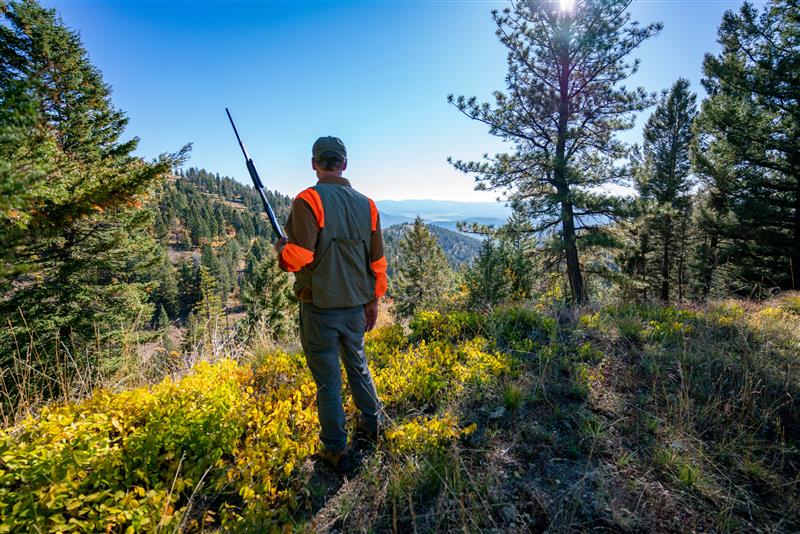
Public Lands
Why It Matters

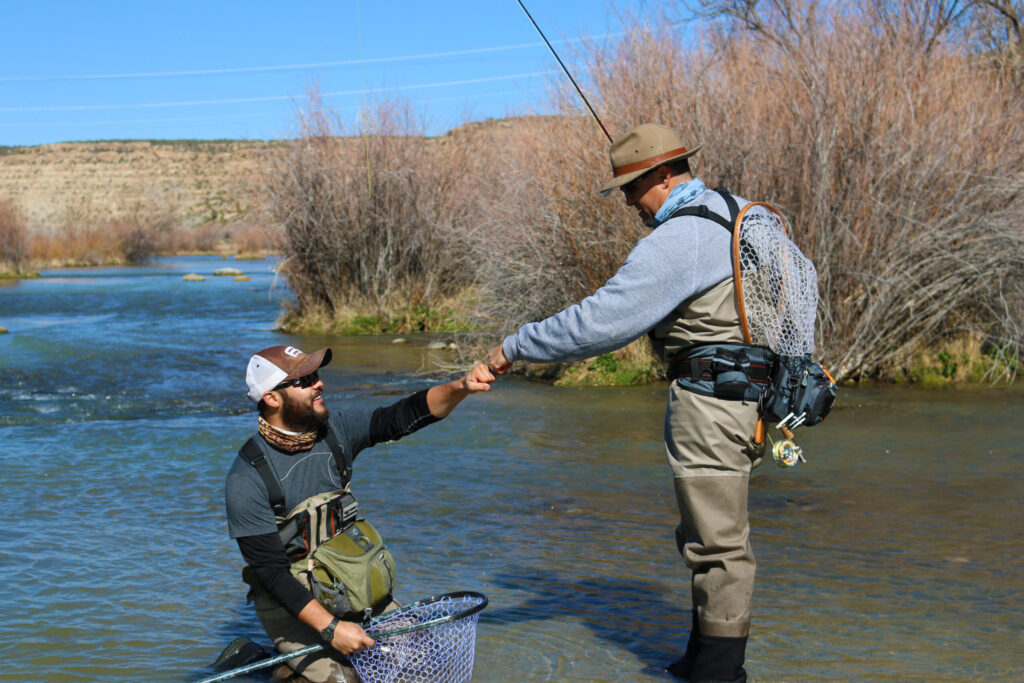
Hunting & Fishing Access

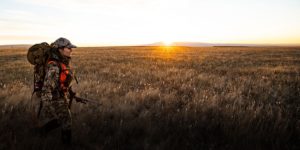
America’s 640 million acres of national public lands provide irreplaceable hunting and fishing opportunities to millions of Americans.

Learn More About Access
What TRCP is Doing

We’re working to safeguard America’s public lands so hunters and anglers always have quality places to pursue their passions.
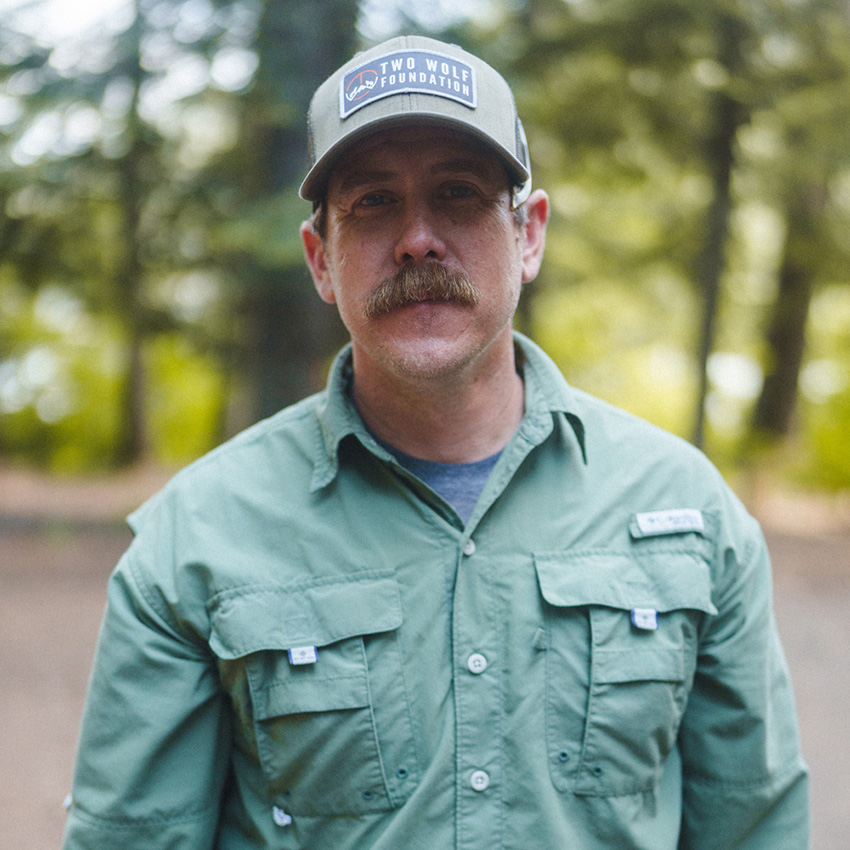
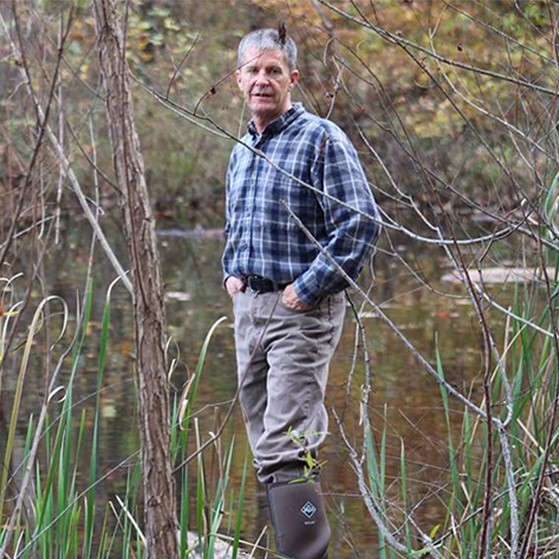
 Brian Flynn, Two Wolf Foundation
How Sportsmen Are Doing It Right

Brian Flynn, Two Wolf Foundation's Story

Following a distinguished career in the U.S. Army, lifelong outdoorsman Brian Flynn returned home from a deployment in Afghanistan and…

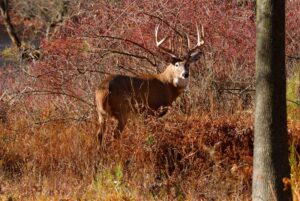
Hunting
Why It Matters

Key Issues for America’s Hunters

Your source for the latest policy updates, conservation challenges, and opportunities shaping America’s hunting traditions.

What TRCP is Doing

We’re fighting for meaningful policy changes that benefit wildlife, our waters, and the American landscapes that make our outdoor traditions possible.

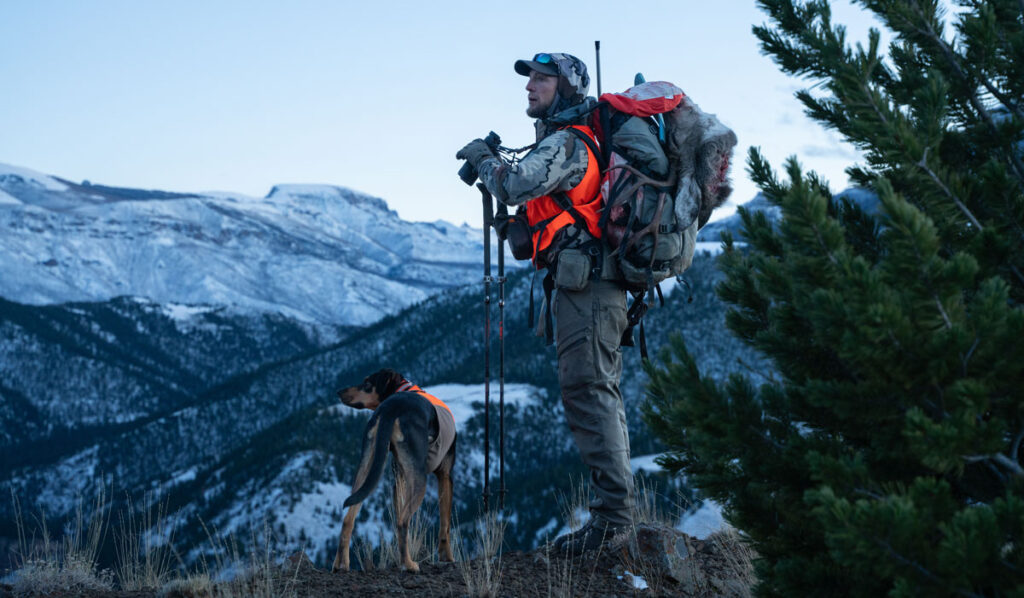
 Ryan Sparks
How Sportsmen Are Doing It Right

Ryan Sparks's Story

TRCP’s “In the Arena” series highlights the individual voices of hunters and anglers who, as Theodore Roosevelt so famously said,…
Fishing
Why It Matters

Key Issues for America’s Anglers

Your source for the latest policy updates, conservation challenges, and opportunities shaping America’s fishing traditions.

Sign Up For Forage Fish Updates
What TRCP is Doing

We’re fighting for meaningful policy changes that benefit wildlife, our waters, and the American landscapes that make our outdoor traditions possible.

 David Mangum
How Sportsmen Are Doing It Right

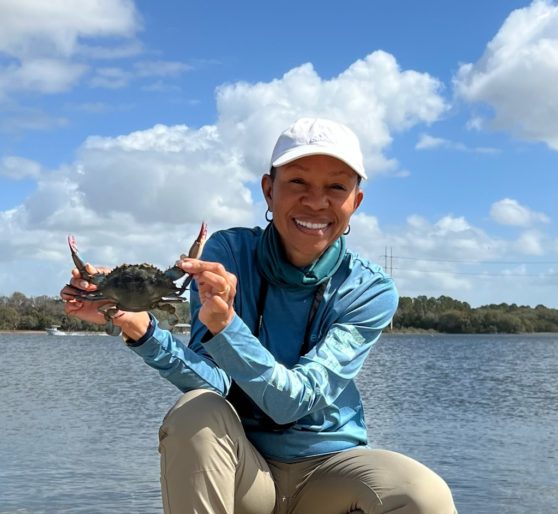
David Mangum's Story

Capt. David Mangum is a YETI ambassador and outdoor photographer who utilizes his talents to produce media that inspire a…

Private Land
Why It Matters

Stewardship on America’s private lands

With 70 percent of U.S. lands in private hands and many of our best hunt and fish opportunities occurring there, investing in voluntary conservation on working lands safeguards access, strengthens habitat and water quality, and ensures resilient landscapes.

Take Action - Farm Bill 2026
What TRCP is Doing

We champion policies and programs that restore wildlife habitat, improve soil and water health, and keep working lands productive.

 Ward Burton
How Sportsmen are Doing It Right

Ward Burton's Story

Ward Burton’s NASCAR driving career stretched across most of two decades. As an avid sportsman and conservationist, he founded the…

Special Places
Why It Matters

Special Places Worth Protecting

America’s most iconic landscapes provide unmatched habitat and unforgettable days afield. These places sustain wildlife, anchor local economies, and define the hunting and fishing traditions we pass down.

What TRCP is Doing

We’re working to conserve special places that provide world-class habitat and unforgettable opportunities for hunters and anglers.

 Franklin Adams
How Sportsmen Are Doing It Right

Franklin Adams's Story

As a true Gladesman, conservationist, and historian, Capt. Franklin Adams has spent more than six decades championing Everglades restoration efforts…

Habitat & Clean Water
Why It Matters

Healthy Habitat Powers Every Pursuit

All hunting and fishing opportunities depend on quality habitat, from clean water and healthy wetlands to winter and summer habitats and the migration corridors that connect them.

All About Habitat & Clean Water
What TRCP is Doing

We are working to safeguard the habitats that power every hunting and fishing opportunity.

 Alex Harvey
How Sportsmen Are Doing It Right

Alex Harvey's Story

Alex Harvey, founder of Legacy Land Management, is a registered professional forester in Mississippi and Alabama with a Master's degree…

Science
Why It Matters

Science That Guides TRCP

From conserving migration corridors and wetlands to ensuring clean water and resilient landscapes, science provides evidence that turns conservation goals into effective action.

Science for Conservation
What TRCP is Doing

For hunters and anglers, science safeguards the experiences we treasure including resilient big game populations, abundant fish, and wild places that endure changing social landscapes.

Jamelle Ellis
Your Science Expert

Jamelle Ellis's Story

Jamelle Ellis joined the Theodore Roosevelt Conservation Partnership in 2022. Jamelle spent the last three years as an environmental sustainability…

Where We Work
Across the Nation

Conservation Across America

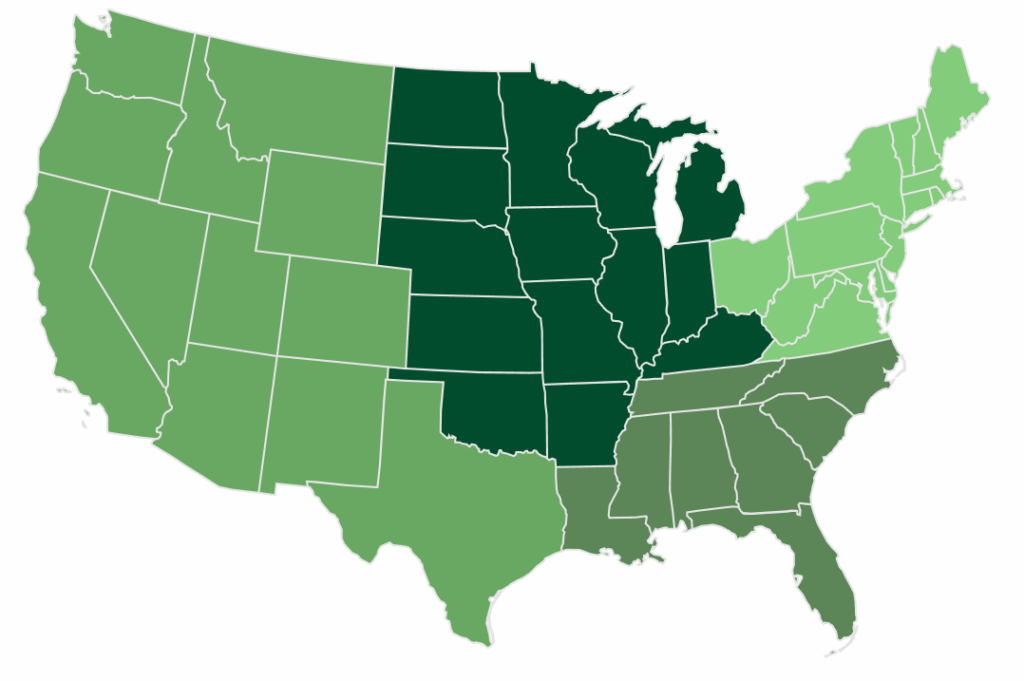
TRCP works across the country to ensure hunters and anglers can enjoy healthy fish and wildlife and quality days afield, no matter where they live.

See All Issues
TRCP in Your Region

TRCP works across the country to ensure hunters and anglers can enjoy healthy fish and wildlife and quality days afield, no matter where they live.

Who We Are
Our Mission

To guarantee all Americans quality places to hunt & fish

We unite and amplify our partners’ voices to advance America’s legacy of conservation, habitat, and access.

Our Mission & Values
Our People & Partners
  • Meet the TRCP Team

    Our staff and board members unite and amplify our partners’ voices to advance America’s legacy of conservation, habitat, and access.

    Meet the Team
  • Our Partners

    ‘Partnership’ is in our name. We work with 64 diverse partner groups that represent today’s leading hunting, fishing, and conservation organizations in order to strengthen the sportsman’s voice in Washington, D.C.

    Our Partners
  • Corporate Council

    TRCP’s Corporate Council is made up of diverse corporations that share a common passion for conservation.

    Corporate Council
Our Organization

Looking for more information?

Explore our latest news, policy updates, and conservation resources to get the information you need.

Giving
How You Can Help

To guarantee all Americans quality places to hunt & fish

Your tax-deductible donation will support TRCP's mission, now and into the future.

DONATE
Special Ways to support trcp
  • Capital Conservation Awards Dinner

    The CCAD is one of Washington's best-attended conservation celebrations, featuring dinner, cocktails, and a silent auction.

    Learn More
  • Step Into the Arena

    Help us ensure that our treasured wild habitats and game remain intact for the next generation to enjoy – lend your support to the TRCP’s efforts today!

    Donate
  • Roosevelt Roast

    TRCP has partnered with Afuera Coffee Co. to further our commitment to conservation.

    Learn More
More donation options

Find the best way for you to lend your support. Join one of TRCP’s donor circles for special invitations, premium offerings from outdoor retailers, and more exclusive benefits. Take control of your legacy with planned giving or contribute to special conservation funds.

Other Ways To Give
News
In the Spotlight

How Upstream Conservation Efforts Benefit the Chesapeake Bay  

Many programs help to restore the Chesapeake Bay, its water quality, and wildlife through common goals focused on education, advocacy, and implementation of practices that improve larger landscapes and offer benefits to private landowners in Pennsylvania and other Atlantic states.

Read More

Stay Informed

Receive our newsletter, the Roosevelt Report, right in your inbox. Never miss the latest news in conservation issues.

by:

posted in:

January 8, 2025

Roosevelt’s Blend

Do you have any thoughts on this post?

XHTML: You can use these tags: <a href="" title=""> <abbr title=""> <acronym title=""> <b> <blockquote cite=""> <cite> <code> <del datetime=""> <em> <i> <q cite=""> <s> <strike> <strong>

Comments must be under 1000 characters.

by:

posted in:

December 30, 2024

Hunters & Anglers Celebrate Temporary Oil and Gas Withdrawal in Nevada’s Ruby Mountains

The Sportsmen for the Rubies Coalition encourages strong collaboration as the Bureau of Land Management and Forest Service seeks public input

Today, Nevada hunters and anglers celebrate the Bureau of Land Management’s announcement of a two-year oil and gas leasing moratorium on 264,000 acres in the Humboldt-Toiyabe National Forest. The BLM manages the subsurface minerals, including oil and gas, beneath the national forest. This moratorium is a significant first step toward long-term conservation of crucial habitat for big game and coldwater fish species located within the Ruby Mountains.

The federal segregation notice, which was issued today by the Department of the Interior, removes the Ruby Mountains from oil and gas leasing for two years while the department further considers whether to implement a longer-term oil and gas withdrawal for the area. The Sportsmen for the Rubies Coalition understands resource extraction plays an important role in Nevada’s economy and provides jobs for its residents. However, the U.S. Geological Survey classifies the Rubies as having very low to no energy potential. The Rubies are far more valuable for hunting and fishing than speculative oil and gas development.

The Sportsmen for the Rubies coalition applauds this action and thanks Nevada Representative Amodei and Senators Cortez Masto and Rosen for being champions of conservation efforts in the Rubies for many years. The coalition urges Congress to pass the bipartisan Ruby Mountains Protection Act in the 119th Congress in order to make these temporary conservation measures permanent.


“This is a major victory for mule deer and everyone that loves to hunt them,” said Jim Rackley, president of Nevada Muleys. “We’ve been working for nearly a decade with the Theodore Roosevelt Conservation Partnership and political leaders in Nevada to conserve this landscape, and we sincerely appreciate everybody, particularly the hunters, who have stepped up for one of Nevada’s most iconic mule deer landscapes.”

“The Rubies are one of Nevada’s most iconic landscapes,” said Carl Erquiaga, Nevada field representative for the Theodore Roosevelt Conservation Partnership. “From the trophy mule deer to the native Lahontan cutthroat, this range provides hunters and anglers with coveted opportunities. We look forward to working with the state and BLM to maintain the excellent hunting and fishing qualities of the Rubies.”

“The Rubies offer sheep, mountain goats, and many other animals some of the best habitat in the state,” said Marc Selph, president of Elko Bighorns Unlimited. “This announcement is the first step in ensuring that those animals will remain there for generations.”

“The alpine lakes and streams in the Ruby Mountains provide high-quality habitat for trout,” said Russ Meyer, president of Trout Unlimited’s Sagebrush Chapter in Nevada. “The range is home to the threatened Lahontan cutthroat trout, as well as thriving populations of four other trout species that furnish important recreational opportunities. The Rubies are an angler’s paradise in the most arid state in the nation, and their riparian areas contribute habitat for many non-aquatic species as well. We thank Senators Cortez Masto and Rosen and Representative Amodei for their continued support of these conservation efforts.”

“Sportsmen consider the Ruby Mountains as the ‘Crown Jewels’ of our mountain ranges, being one of the rare places that host Rocky Mountain bighorn sheep, mountain goats, elk, mule deer, and the rare Himalayan snowcock in breathtaking scenery,” said Larry Johnson, president of the Coalition for Nevada’s Wildlife. “With the ever increasing development pressure by man, the Rubies deserve every degree of protection that it can be afforded.”

“From the iconic big game species such as the mule deer and bighorn sheep to coldwater fish species and wild chukar and Himalayan snowcock, the Rubies are the crown jewel of northeast Nevada,” said Russell Kuhlman, Executive Director of the Nevada Wildlife Federation. “Hunters and anglers, bipartisan politics, and the support of these federal agencies has resulted in a decision that lays the groundwork to conserve this region for generations. And our coalition will be there every step of the way.”

“Nevada’s Ruby Mountains are truly a public lands treasure enjoyed by hunters and anglers. We thank the U.S. Forest Service and Bureau of Land Management for their action to conserve this landscape for the next twenty years and we share our appreciation with Nevada’s congressional delegation for their leadership in advocating for the permanent protection of the Rubies,” said Dallas Hatch, Board Member for the Nevada Chapter of Backcountry Hunters & Anglers and Elko County resident. “This incredible landscape supports all kinds of wildlife and alpine lakes that hold fish such as the native Lahontan cutthroat trout. High on the mountain peaks, you may find mountain goats, bighorn sheep, Himalayan snowcocks, and even the occasional pika. Lower down the mountains, there are herds of mule deer and elk, as well as a growing population of Shiras moose, the newest game species to be found on the Nevada landscape.” 

The Sportsmen for the Rubies Coalition includes Trout Unlimited, Theodore Roosevelt Conservation Partnership, Nevada Muleys, Nevada Bighorns Unlimited, Nevada Waterfowl Association, Coalition for Nevada’s Wildlife, Nevada Sporting Dog Alliance, Nevada Bighorns Unlimited Midas Chapter, Nevada Bighorns Unlimited Fallon Chapter, Nevada Chapter of Backcountry Hunters and Anglers, Nevada Chukar Chasers, Ruby Mountain Fly Fishers, Fraternity of the Desert Bighorn, Elko Bighorns Unlimited, and the Nevada Wildlife Federation.

Photo Credit: J. Harsha


The TRCP is your resource for all things conservation. In our weekly Roosevelt Report, you’ll receive the latest news on emerging habitat threats, legislation and proposals on the move, public land access solutions we’re spearheading, and opportunities for hunters and anglers to take action. Sign up now.


by:

posted in:

December 23, 2024

A Last-Minute Farm Bill Extension Fails America’s Hunters and Anglers

TRCP urges Congress to pass a Farm Bill in 2025

After years of partisan gridlock, Congress once again missed an opportunity to do right by hunters and anglers, not to mention farmers, ranchers, forest landowners, and rural communities. We at the TRCP have spent over two decades demonstrating the value of Farm Bill conservation programs. There are simply no better federal tools to encourage conservation on private lands, and for years, around four times as many agricultural producers have been trying to use them than funding allows. Congress had a chance to meet more of this demand and just plain blew it. 

In August 2022, Congress passed the Inflation Reduction Act using the budget reconciliation process. It was admittedly a partisan bill at the time, but the funds it allocated to Farm Bill conservation programs have since gained bipartisan support, especially among representatives of rural states and Congressional districts. In fact, both versions of the Farm Bill introduced this year this year (by House Ag Chairman G.T. Thompson (R-Pa.) and Senate Ag Chairwoman Debbie Stabenow (D-Mich.), respectively) would have brought those funds into the Conservation Title baseline, making them permanent. 

As late as last week, Ag Committee leadership from both parties had reached an agreement to incorporate these funds into the baseline as part of a one-year Farm Bill extension. As the week went on, this deal fell apart, jeopardizing a generational opportunity to invest in agricultural conservation. Congress did pass a last-minute farm bill extension as part of a larger continuing resolution package, but one without a boost to conservation programs and without any funding at all for the Voluntary Public Access and Habitat Incentive Program

There is plenty of blame to go around, and we won’t parse it out here, but this was a clear example of partisan politics and unwillingness to negotiate causing a widely supported, bipartisan proposal to fail. The hunting and fishing community should be disappointed, as has been articulated by our partners, Pheasants Forever and Quail Forever here, and The Nature Conservancy, here

But as our namesake, Theodore Roosevelt, said: “Complaining about a problem without proposing a solution is called whining.” It’s too late to get this done this Congress, so what can legislators do now? 

Pass a Farm Bill Now. 

It’s now been six years since Congress completed a comprehensive update of our nation’s ag policy. In 2025, the Ag Committees will be working with new leadership, new members, and a new budget, but both Republicans and Democrats put forward Farm Bill text in 2024, so we don’t have to start from scratch. Congress can get a practical, bipartisan Farm Bill that invests in conservation done quickly if they can find a way to work together. If they don’t, we will see another year of partisanship and missed opportunities. Both habitat and access will pay the price. 

In the face of gridlock, conservation is, and should be, a shared priority regardless of party affiliation or ideology. Congress needs to hear that this is important to you. Stay up to date at trcp.org/farm-bill.  


by:

posted in:

December 20, 2024

Why the ACE Reauthorization Act Becoming Law is Important for Hunters and Anglers

The legislation passed the U.S. Senate on December 18, 2024, and will reauthorize multiple programs that benefit hunting and angling.

The America’s Conservation Enhancement (ACE) Reauthorization Act of 2024 passed the Senate by unanimous consent on Wednesday December 18, 2024. The legislation was sponsored by Senators Carper (D-Del.) and Capito (R-W.Va) and Representatives Wittman (R-Va.), Kiggans (R-Va.), Dingell (D-Mich.), and Thompson (D-Calif.) and will reauthorize multiple programs that benefit hunting and angling including: 

  • The National Fish Habitat Partnership (NFHP), which focuses on state-led, science-based, collaborative efforts to protect, restore, and enhance aquatic ecosystems across the United States. Since its founding in 2006 NFHP has provided over $320 million in funding support for fish habitat conservation projects. 
  • The North American Wetlands Conservation Act (NAWCA), which authorizes grants to public-private partnerships to protect, enhance, restore, and manage waterfowl, and the wetlands they rely upon. NAWCA has provided $2.28 billion in grants that have helped conserve more than 32.6 million acres of vital habitat.  
  • The Chesapeake Bay Program, which is a regional partnership that guides the restoration of the Chesapeake Bay and its watershed. Since its inception in 1983 there have been billions of dollars in leveraged funds that have reduced nutrient pollution in the bay.  
  • The National Fish and Wildlife Foundation, a non-profit organization chartered by Congress, is dedicated to sustaining, restoring, and enhancing the nation’s fish, wildlife, plants, and habitats. Since its founding in 1984 it has grown to become the nation’s largest private conservation foundation. 

The ACE Reauthorization Act also helps address threats like chronic wasting disease (CWD) by reauthorizing the CWD task force, which coordinates state, tribal, and federal efforts to limit the spread of CWD. 

“America’s Conservation Enhancement Reauthorization Act benefits fish and wildlife while enhancing outdoor recreation opportunities for millions of hunters and anglers,” said Joel Pedersen, president and CEO of the Theodore Roosevelt Conservation Partnership. “We look forward to this important bipartisan legislation becoming law and ensuring the continued success of crucial conservation programs that will benefit hunters and anglers for generations to come.” 

The original ACE Act was passed in 2020 and portions of it were sponsored by Representatives Wittman, Dingell, and Thompson. Many of its authorizations were expiring in 2025, necessitating the passage of the ACE Reauthorization Act of 2024 to ensure these programs can continue to operate in good legal standing.   

The legislation was endorsed by the Theodore Roosevelt Conservation Partnership, Ducks Unlimited, the Congressional Sportsmen’s Foundation, the National Wildlife Federation, American Sportfishing Association, the Association of Fish & Wildlife Agencies, Backcountry Hunters and Anglers and the National Audubon Society.  

TRCP works to maintain and strengthen the future of hunting and fishing by uniting and amplifying our partners’ voices in conserving and restoring wildlife populations and their habitat as challenges continue to evolve.   Learn more about TRCP’s commitment to healthy habitat and clean water HERE. 


by:

posted in:

In The Arena: Taylor Sledge

TRCP’s “In the Arena” series highlights the individual voices of hunters and anglers who, as Theodore Roosevelt so famously said, strive valiantly in the worthy cause of conservation.

Taylor Sledge

Hometown: Ridgeland, Mississippi
Occupation: Business Owner / Financial Adviser
TRCP Role: Flyway Leadership Council member

Sledge has hunted in the far north for Dall sheep and fished the mouth of the Mississippi River. These diverse experiences in wild places have instilled a desire to help conserve wild places so his children and future generations might have the same experiences.

Here is his story.

Sledge with a beautiful Dall ram.

TRCP: How were you introduced to hunting, fishing, and the outdoors? Who introduced you? 

Sledge: I grew up being constantly taken into the woods and waters by my dad and both of my grandfathers. Hunting and fishing are certainly legacy items for me.

TRCP: Tell us about one of your most memorable outdoor adventures. 

Sledge: There are so many to come to mind, but one that sticks with me happened when I was about ten years old. My dad, my brother, and I were fishing at the mouth of South Pass, right where the Mississippi River meets the Gulf of Mexico. It was springtime, and the river was high, running cool and fast. I set the hook on a redfish, and just as I did, I stepped right off the edge of the boat and fell into the river. Lucky for me, I was wearing a life jacket. My dad pulled up the anchor, fired up the motor, and had to chase me down—I’d been swept a good ways by the current! When he finally got me back on the boat, still clutching my rod, I cranked the reel and found that fish was still on. A few minutes later, I brought it in, and we had fresh redfish and speckled trout for supper that night. By morning, my clothes were dry on the railing of our houseboat’s porch, and at sunrise, we went out and caught ‘em all over again.

Sledge and his son Solomon with a trophy crappie.

TRCP: How does conservation help enhance your outdoor life?  Why should conservation matter to the next generation?

Sledge:  I’m focused on stewardship. The outdoors are a gift, and we get to enjoy it every day. I’m about legacy. Being thoughtful of the environment, the species at hand, and the overall experience of being a conservationist gives me a more grand perspective on what we are leaving for other generations. Being a conservationist has given my life more meaning, and I want that for the people that come after me.

Conservation should matter to the next generation of hunters and anglers because we’re all meant to live alongside nature, not apart from it. That’s a truth that doesn’t change. Passing down our respect and love for the outdoors means teaching the next generation to carry this legacy with purpose. Even in a world that feels more artificial every day, nature has the final say—she’ll always have her way in the end.

Photo credits: Taylor Sledge


The TRCP is your resource for all things conservation. In our weekly Roosevelt Report, you’ll receive the latest news on emerging habitat threats, legislation and proposals on the move, public land access solutions we’re spearheading, and opportunities for hunters and anglers to take action. Sign up now.

HOW YOU CAN HELP

TRCP has partnered with Afuera Coffee Co. to further our commitment to conservation. $4 from each bag is donated to the TRCP, to help continue our efforts of safeguarding critical habitats, productive hunting grounds, and favorite fishing holes for future generations.

Learn More

You have Successfully Subscribed!

You have Successfully Subscribed!

You have Successfully Subscribed!

You have Successfully Subscribed!