Our Issues
Public Lands
Why It Matters

Hunting & Fishing Access

America’s 640 million acres of national public lands provide irreplaceable hunting and fishing opportunities to millions of Americans.

Learn More About Access
What TRCP is Doing

We’re working to safeguard America’s public lands so hunters and anglers always have quality places to pursue their passions.
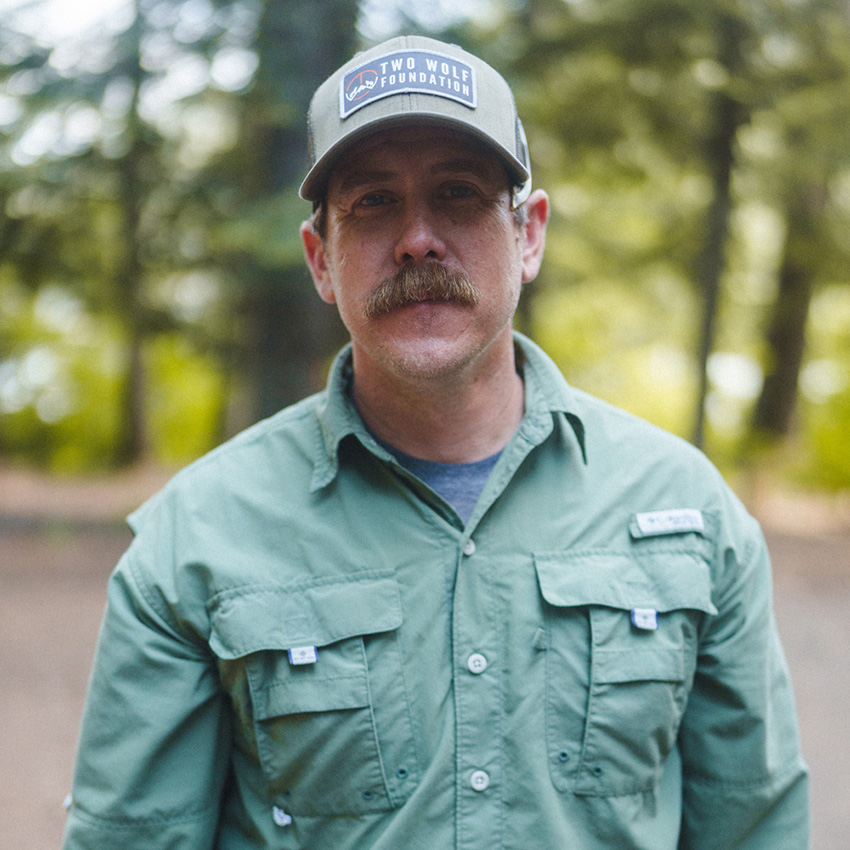
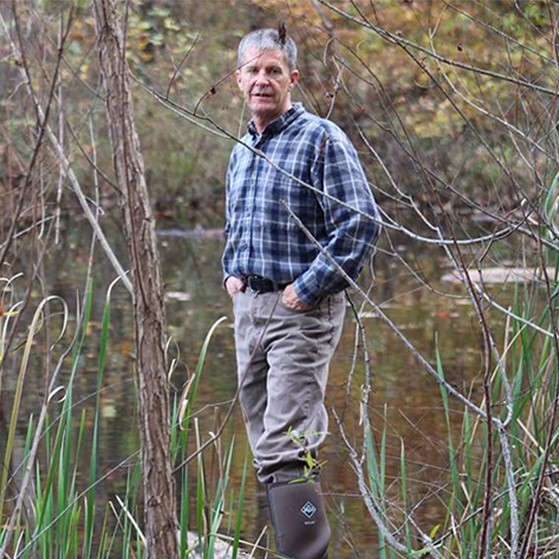
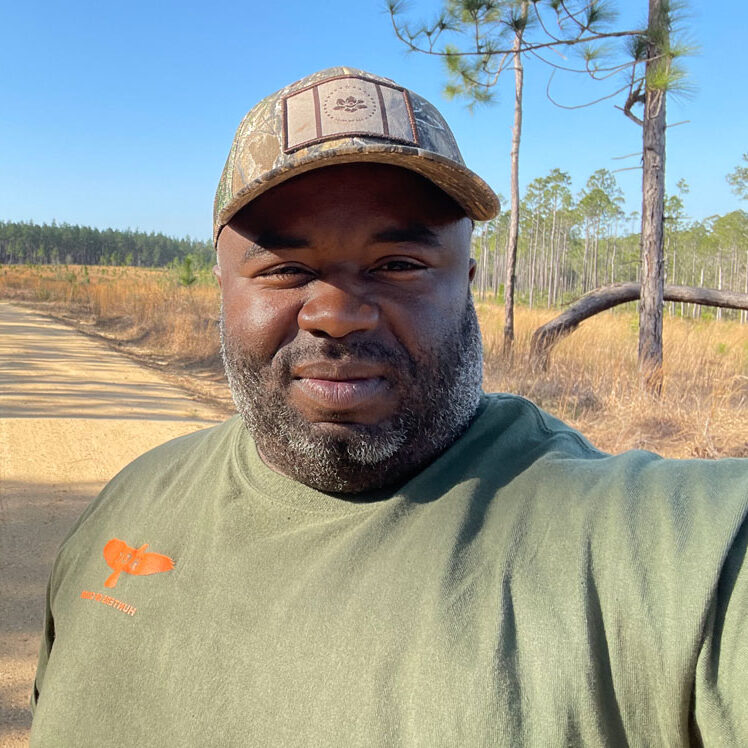
 Brian Flynn, Two Wolf Foundation
How Sportsmen Are Doing It Right

Brian Flynn, Two Wolf Foundation's Story

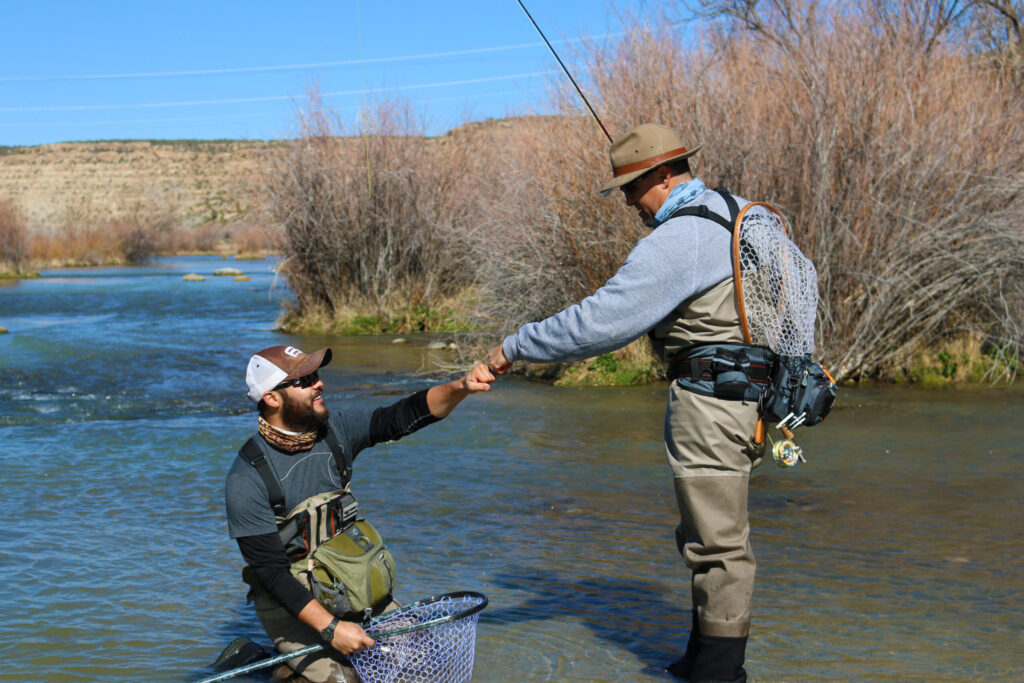
Following a distinguished career in the U.S. Army, lifelong outdoorsman Brian Flynn returned home from a deployment in Afghanistan and…

Hunting
Why It Matters

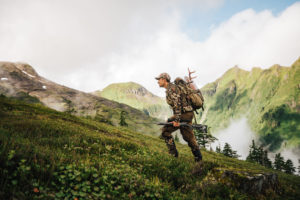
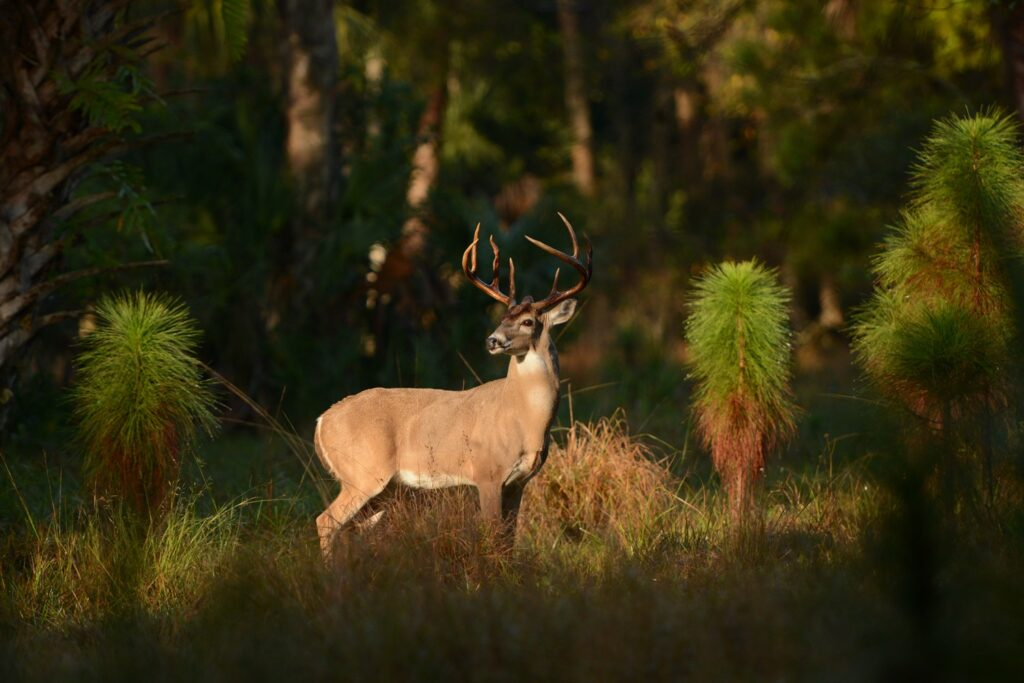
Key Issues for America’s Hunters

Your source for the latest policy updates, conservation challenges, and opportunities shaping America’s hunting traditions.

What TRCP is Doing

We’re fighting for meaningful policy changes that benefit wildlife, our waters, and the American landscapes that make our outdoor traditions possible.

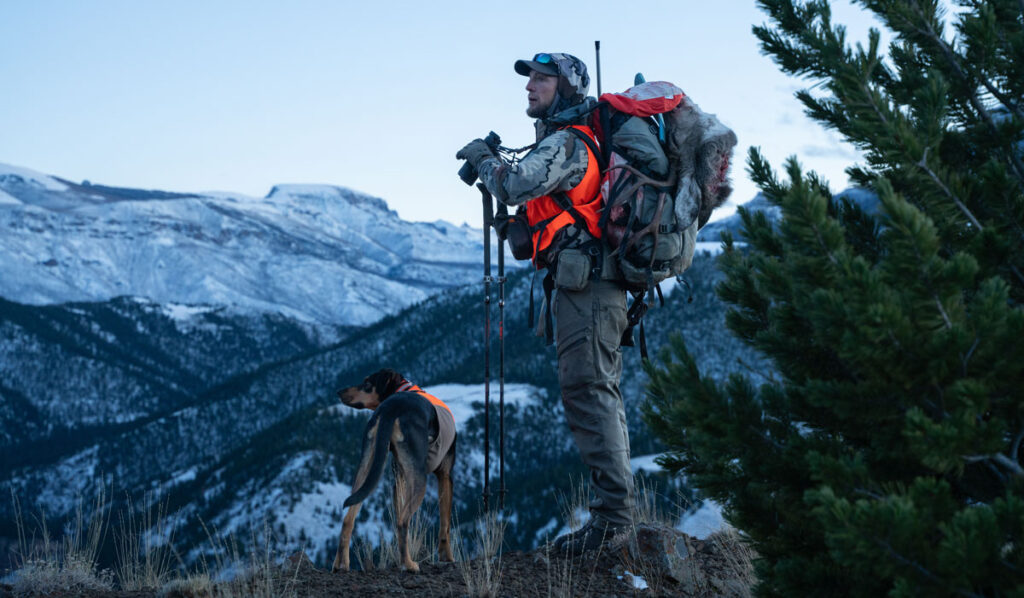
 Ryan Sparks
How Sportsmen Are Doing It Right

Ryan Sparks's Story

TRCP’s “In the Arena” series highlights the individual voices of hunters and anglers who, as Theodore Roosevelt so famously said,…

Fishing
Why It Matters

Key Issues for America’s Anglers

Your source for the latest policy updates, conservation challenges, and opportunities shaping America’s fishing traditions.

What TRCP is Doing

We’re fighting for meaningful policy changes that benefit wildlife, our waters, and the American landscapes that make our outdoor traditions possible.

 David Mangum
How Sportsmen Are Doing It Right

David Mangum's Story

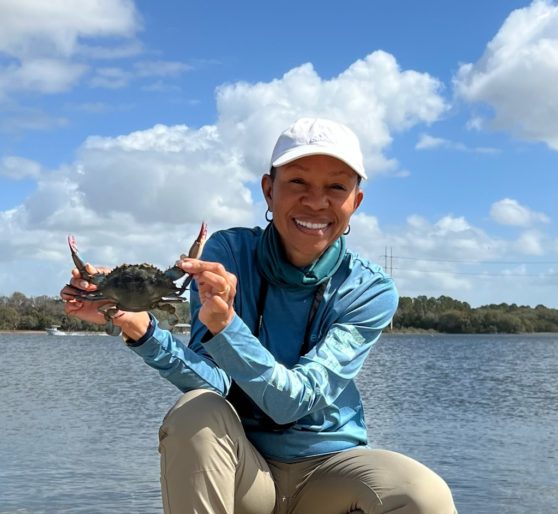
Capt. David Mangum is a YETI ambassador and outdoor photographer who utilizes his talents to produce media that inspire a…

Private Land
Why It Matters

Stewardship on America’s private lands

With 70 percent of U.S. lands in private hands and many of our best hunt and fish opportunities occurring there, investing in voluntary conservation on working lands safeguards access, strengthens habitat and water quality, and ensures resilient landscapes.

Learn More
What TRCP is Doing

We champion policies and programs that restore wildlife habitat, improve soil and water health, and keep working lands productive.

 Ward Burton
How Sportsmen are Doing It Right

Ward Burton's Story

Ward Burton’s NASCAR driving career stretched across most of two decades. As an avid sportsman and conservationist, he founded the…

Special Places
Why It Matters

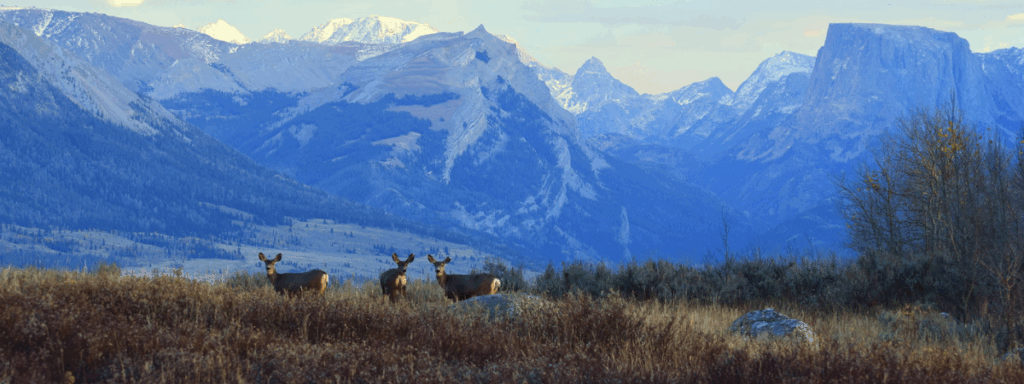
Special Places Worth Protecting

America’s most iconic landscapes provide unmatched habitat and unforgettable days afield. These places sustain wildlife, anchor local economies, and define the hunting and fishing traditions we pass down.

What TRCP is Doing

We’re working to conserve special places that provide world-class habitat and unforgettable opportunities for hunters and anglers.

 Franklin Adams
How Sportsmen Are Doing It Right

Franklin Adams's Story

As a true Gladesman, conservationist, and historian, Capt. Franklin Adams has spent more than six decades championing Everglades restoration efforts…

Habitat & Clean Water
Why It Matters

Healthy Habitat Powers Every Pursuit

All hunting and fishing opportunities depend on quality habitat, from clean water and healthy wetlands to winter and summer habitats and the migration corridors that connect them.

All About Habitat & Clean Water
What TRCP is Doing

We are working to safeguard the habitats that power every hunting and fishing opportunity.

 Alex Harvey
How Sportsmen Are Doing It Right

Alex Harvey's Story

Alex Harvey, founder of Legacy Land Management, is a registered professional forester in Mississippi and Alabama with a Master's degree…

Science
Why It Matters

Science That Guides TRCP

From conserving migration corridors and wetlands to ensuring clean water and resilient landscapes, science provides evidence that turns conservation goals into effective action.

Science for Conservation
What TRCP is Doing

For hunters and anglers, science safeguards the experiences we treasure including resilient big game populations, abundant fish, and wild places that endure changing social landscapes.

Jamelle Ellis
Your Science Expert

Jamelle Ellis's Story

Jamelle Ellis joined the Theodore Roosevelt Conservation Partnership in 2022. Jamelle spent the last three years as an environmental sustainability…

Where We Work
Across the Nation

Conservation Across America

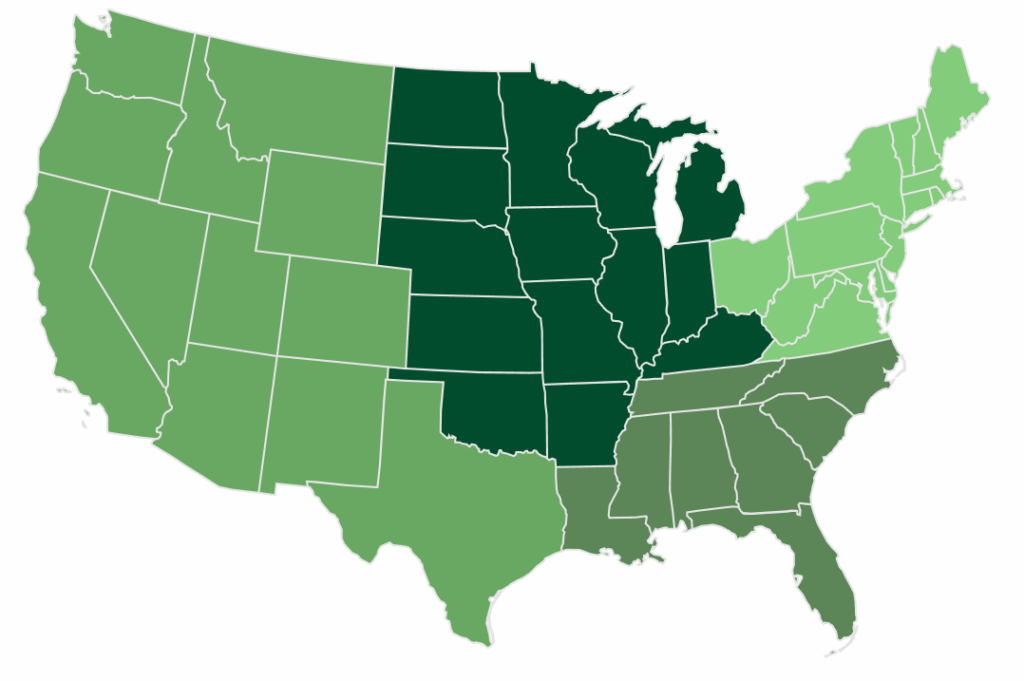
TRCP works across the country to ensure hunters and anglers can enjoy healthy fish and wildlife and quality days afield, no matter where they live.

See All Issues
TRCP in Your Region

TRCP works across the country to ensure hunters and anglers can enjoy healthy fish and wildlife and quality days afield, no matter where they live.

Who We Are
Our Mission

To guarantee all Americans quality places to hunt & fish

We unite and amplify our partners’ voices to advance America’s legacy of conservation, habitat, and access.

Our Mission & Values
Our People & Partners
  • Meet the TRCP Team

    Our staff and board members unite and amplify our partners’ voices to advance America’s legacy of conservation, habitat, and access.

    Meet the Team
  • Our Partners

    ‘Partnership’ is in our name. We work with 64 diverse partner groups that represent today’s leading hunting, fishing, and conservation organizations in order to strengthen the sportsman’s voice in Washington, D.C.

    Our Partners
  • Corporate Council

    TRCP’s Corporate Council is made up of diverse corporations that share a common passion for conservation.

    Corporate Council
Our Organization

Looking for more information?

Explore our latest news, policy updates, and conservation resources to get the information you need.

Giving
How You Can Help

To guarantee all Americans quality places to hunt & fish

Your tax-deductible donation will support TRCP's mission, now and into the future.

DONATE
Special Ways to support trcp
  • Capital Conservation Awards Dinner

    The CCAD is one of Washington's best-attended conservation celebrations, featuring dinner, cocktails, and a silent auction.

    Learn More
  • Step Into the Arena

    Help us ensure that our treasured wild habitats and game remain intact for the next generation to enjoy – lend your support to the TRCP’s efforts today!

    Donate
  • Roosevelt Roast

    TRCP has partnered with Afuera Coffee Co. to further our commitment to conservation.

    Learn More
More donation options

Find the best way for you to lend your support. Join one of TRCP’s donor circles for special invitations, premium offerings from outdoor retailers, and more exclusive benefits. Take control of your legacy with planned giving or contribute to special conservation funds.

Other Ways To Give
News
In the Spotlight

Oregon Legislature Passes Landmark “1.25 Percent for Wildlife” Act

After three legislative sessions and more than a decade of advocacy, a bipartisan coalition secures Oregon’s most significant conservation funding victory in a generation.

Read More

Stay Informed

Receive our newsletter, the Roosevelt Report, right in your inbox. Never miss the latest news in conservation issues.

by:

posted in:

August 10, 2016

Belle-urban-hunting

Do you have any thoughts on this post?

XHTML: You can use these tags: <a href="" title=""> <abbr title=""> <acronym title=""> <b> <blockquote cite=""> <cite> <code> <del datetime=""> <em> <i> <q cite=""> <s> <strike> <strong>

Comments must be under 1000 characters.

by:

posted in:

August 8, 2016

Celebrating Our National Parks: Students Trade Spring Break Beaches for Park Service Projects

This spring, our policy intern volunteered with a group of other college students to help tackle the NPS’s maintenance backlog across the country—here’s what she learned

For many college students, spring break means piling into a car, driving to Florida, and spending a week on the beach. But this spring, I spent a week with eight other students volunteering for the National Park Service (NPS) through my university’s Alternative Spring Break program. Organized by schools across the country, students get the chance to learn about issues impacting communities near and far from home through hands-on service opportunities. As a volunteer at the Chickamauga and Chattanooga National Military Park in Georgia, I saw firsthand just some of the issues that our National Park Service is facing as we celebrate the agency’s 100th anniversary.

Image courtesy of Shannon Fagan.

Fort Oglethorpe wasn’t the most glamorous destination, but it gave us an opportunity to work directly with park rangers at one of the 412 areas of the National Park System, which covers more than 84 million acres. They put us to work on Glen Falls Trail, one of the most popular places to hike in the park, and we spent our week removing invasive species that threaten native biodiversity, building rock stairs to make the trail more accessible, and pruning overgrown vegetation, like thornbushes that had the potential to injure hikers.

We also focused on making the mile-long trail safer by widening it, removing hazards like fallen trees, and improving drainage, so the trail wasn’t as heavily impacted by storms. The staff at the Chickamauga and Chattanooga National Military Park greatly appreciated our commitment to enhancing their park and working on projects they didn’t have the resources to complete on their own. By removing all the garbage on the trail, we even made a small contribution to the fish and wildlife in the area.

Image courtesy of Shannon Fagan.

These projects represent just a few drops in the bucket of deferred maintenance projects that are plaguing federal land management agencies, like the NPS, that don’t receive adequate funding. Earlier this year, the park service alone reported a $12 billion maintenance backlog. NPS seasonal and full-time staff was also cut from 21,897 people in 2010 to 17,967 employees this year, despite an annual increase in national park visitation. But the issue is a lot more complex than some would make it seem. The NPS has no way to track exactly how many visitors hike or walk their dogs down Glen Falls Trail, so it’s easier for Congress to underestimate how much money the rangers need to maintain these areas.

Knowing how strained the agency’s budget has become, I couldn’t help but feel disheartened that park staff spend any time removing the amount of trash we found that week. As the daughter of a sportsman, I learned at a young age to “leave no trace,” and I grew to understand why, after catching my fair share of flip flops and chip bags (a big disappointment when I thought I was reeling in a particularly shiny fish). It detracts from our outdoor experiences and, in some cases, keeps someone else from doing their job.

Image courtesy of Shannon Fagan.

So, I offer this advice as we celebrate the NPS Centennial this summer: Find your park and respect it. Teach kids and grandkids that America’s public lands are unique in all the world. Tell your lawmakers to fund conservation and support the agencies who care for our national parks and other public resources. You can also check out NPS Volunteer Days to help get the job done a little faster.

All month long, we’re celebrating the National Park Service centennial with a blog series about our most significant experiences in the parks. Check back here for new posts from the TRCP staff and special guests, and follow the hashtag #PublicLandsProud on Facebook, Twitter, and Instagram.

Shannon Fagan is the TRCP summer intern through the Demmer Scholar Program. She is going into her senior year at Michigan State University where she is majoring in Social Relations and Policy and minoring in Science, Technology, Environment and Public Policy.

by:

posted in:

August 4, 2016

Meet Our Second #PublicLandsProud Contest Judges: Charity and Ian Rutter

Ian and Charity Rutter own and operate R&R Fly Fishing, a fly fishing guide service located in Townsend, Tenn. They have two children and are active members with Little River Chapter of Trout Unlimited, spending many of their off days volunteering with fisheries biologists in the nearby Great Smoky Mountains. Their professional lives are spent treating anglers to the wild trout streams of the nearby Great Smoky Mountains National Park and on East Tennessee’s tailwaters, rivers, and lakes. Charity and Ian have traveled across the country to share their knowledge and passion for fly fishing, and together, the Rutters have written and photographed multiple books on the subject. Their publications and presentations encourage people to get outside and enjoy the sport of fly fishing.

From now through August 31, Charity and Ian are guest judging your best “National parks, national treasures” photos for this round of the #PublicLandsProud photo contest. They’re looking for a winning photo that for photos that don’t necessarily highlight the best-known places but rather these equally impressive scenes that most people miss, so make sure your national parks moment beckons! And watch the TRCP Instagram account this week too, as Charity and Ian will be taking over our account the week of August 15 and giving us a glimpse into their lives on public lands.

TRCP: How do the Rutters like to spend time outside?

Charity & Ian: Public lands are more than just our livelihood, they are the source and reason for our outdoor lifestyle. We are “solar powered” people, so living a life outside is required for our good health and happiness. We spend time as a family camping, hiking, fishing, boating, swimming, backpacking, and exploring as many wild places as we can. We hunt, forage wild mushrooms, and teach our children how to recognize all the flora and fauna that surround us. We teach them how to live outside and have respect for our rivers and mountains. We volunteer for stream restoration projects, river cleanups and educating the children in our public schools on the importance of clean water and air through the Trout in the Classroom program.

TRCP: What makes a great photo of a summer day spent on public lands? What will you be looking for in the winning photo?

Charity: I love to see photos that highlight the little things that surround us every day in nature – the tiny wildflower or mushroom, a salamander on a rock, or the dew drops on a fern in the woods. I love the natural light that beams through the trees as if putting a spotlight on a mossy rock or creating a sparkle on the water.

Ian: Public lands are known for iconic scenes often seen on posters and calendars, but in my experience, it’s the places that are out of sight of a road or more than a few steps off a trail that catch my attention; I’m looking for photos that don’t necessarily highlight the best-known places but rather these equally impressive scenes that most people miss.

Image courtesy of Charity Rutter.

TRCP: What make the Rutters #PublicLandsProud?

Charity & Ian: Public lands provide a resource that can be used by everyone. We are proud to be involved in volunteer work that helps restore native brook trout in the Smokies. We take our ownership in public lands seriously and dedicate ourselves to educating others on the importance of public lands and clean water. We’re proud to live in a country that gives us and our children the freedom to explore so many wild places.

Show us your #PublicLandsProud moment and you could be featured on our blog and win a #PublicLandsProud prize package. It includes a new pair of Costa sunglasses, a copy of Steven Rinella’s new book, The Complete Guide to Hunting, Butchering, and Cooking Wild Game, a Simms TRCP-branded hat, a First Lite merino wool neck gaiter, TRCP/Sitka-branded YETI rambler tumbler, Orvis fishing shirt, and Bantam buck knife. 

by:

posted in:

August 2, 2016

NOAA FISHERIES RELEASES FISHERIES ALLOCATION POLICY

News for Immediate Release

Aug. 02, 2016

Contact: Kristyn Brady, 617-501-6352, kbrady@trcp.org

Recreational fishing community still sees the need for legislative action to require allocation reviews

WASHINGTON, D.C. – In response to decades of criticism over not examining how the nation’s public marine fisheries resources are divided among fishing stakeholders, NOAA Fisheries released a Fisheries Allocation Review Policy that describes potential criteria for reviewing fisheries allocations. The recreational fishing and boating community expressed appreciation for this long-awaited recognition of the need to have an allocation policy, but also concern about the lack of firm commitments and timelines for initiating allocation reviews.

“We recognize and appreciate that allocation reviews are inherently difficult, but these decisions are too important for managers to continue dragging their feet,” said Mike Leonard, Ocean Resource Policy Director for the American Sportfishing Association. “While the Fisheries Allocation Review Policy represents an important acknowledgement from NOAA Fisheries of the long overdue need to address allocations, the amount of indecision in the policy leaves us questioning whether any meaningful action will result from it.”

In most federally managed fisheries that are targeted by both recreational and commercial fishermen, the formula used for dividing the quota between the two sectors was determined decades ago based on historic catch. Many in the recreational fishing community contend that these decisions need to be updated based on modern criteria that take into account the economic, social and conservation benefits the sectors provide to the nation.

The Fisheries Allocation Review Policy provides guidance to the Regional Fishery Management Councils on when to revisit allocations and what factors they might consider when making allocation decisions. Within the next three years, or as soon as “practicable,” the Councils are responsible for determining what triggers would prompt a review of specific fishery allocations.

“In many ways, this policy tells us what we already knew: that allocation decisions are controversial and that federal fisheries managers will come up with all sorts of reasons to avoid having to review them,” said Ted Venker, Conservation Director for the Coastal Conservation Association. “While we appreciate that NOAA Fisheries took the initiative to develop this policy, it unfortunately provides a litany of excuses for why not to review allocations, with only minimal recognition of the potential benefits that reallocations could provide to the nation. This reinforces to us the need for legislative action to require legitimate allocation reviews.”

One of the recommendations of the Commission on Saltwater Recreational Fisheries Management, also known as the Morris-Deal Commission named after co-chairs Johnny Morris, founder of Bass Pro Shops, and Scott Deal, president of Maverick Boats, was to require an objective process and regular time intervals for reviewing allocations.

A provision to require allocation reviews in the South Atlantic and Gulf of Mexico that was championed by Rep. Jeff Duncan (R-S.C.) was included in a bill that passed the House of Representatives last year to reauthorize the nation’s federal fisheries management law, the Magnuson-Stevens Fishery Conservation and Management Act. Similar language was also included in Sen. Marco Rubio’s (R-Fla.) Florida Fisheries Improvement Act, which was approved by the Senate Commerce Committee last year. However, neither of these bills have been signed into law at this time.

“Based on the significant progress made in recent years in ending overfishing, often with harsh impacts on fishing stakeholders, it’s clear that federal fisheries managers can achieve certain goals when sufficiently motivated,” said Jeff Angers, president of the Center for Coastal Conservation. “We are grateful that many in Congress have recognized the need to provide the necessary motivation on reviewing allocations, and we’ll continue to push for Magnuson-Stevens Act reauthorization to address this and other challenges for saltwater recreational fishing created by the current federal fisheries management system.”

Inspired by the legacy of Theodore Roosevelt, the TRCP is a coalition of organizations and grassroots partners working together to preserve the traditions of hunting and fishing.

by:

posted in:

Is It Finally Time to Talk About What Sportsmen Need in this Election?

With the conventions over, the heat of campaign season is before us—and it’s not too late to voice your concern for conservation priorities

The confetti and balloons have been swept from the floors of both the Republican and Democratic national conventions, marking the traditional beginning of the general election season, a flurry of activity that will run through November 8. We all know what to expect: commercials, debates, door-knocking, bumper stickers, yard signs, and social media posts from our friends. Of course, in the midst of all this, the one thing that all Americans seem to agree on is that they have already grown weary of an election that has been going on for well over a year.

Image courtesy of Wikicommons

As a delegate myself, to the 2008 Republican National Convention in Minneapolis, I can attest that the messages the parties and candidates seek to deliver, both to those in the room and those watching from their living rooms, are pretty similar and follow a predictable course. A heavy dose of keeping American families safe, growing the economy, and creating good-paying jobs, plus assurances of competence and clarity of vision. The formula was alive and well in Cleveland and Philadelphia. It is the tale as old as time.

But after listening to the convention speeches of both candidates, and many other speakers, any sportsman would feel overlooked. Both parties missed a golden opportunity to communicate with an essential constituency, one important to anyone who hopes to actually win a national election. Neither candidate made a direct pitch to the more than 40 million Americans who hunt and fish, and in the process, contribute nearly $100 billion to the national economy.

What would a real pitch to sportsmen look like? A commitment to renewing the investment in fish and wildlife habitat conservation programs that benefit all Americans. A pledge to defend the values of common opportunity implicit in our national public lands. A vow to support the conservation of our private working lands. Perhaps a promise to enhance recreational access to our nation’s woods, fields, and waters.

Many candidates for elected office at all levels have created, or will soon create, sportsmen’s coalitions to support their candidacy, an acknowledgement that hunters and anglers are an important constituency, one that turns out to vote in higher numbers than many other subsets of the population. But we often don’t demand enough from candidates in exchange for our votes. So, this campaign season, attend a candidate forum or town hall, and ask questions about sportsmen’s priorities. Utilize your Facebook and Twitter accounts to put issues important to hunters and anglers in front of the candidates. Email their campaigns, in a thoughtful way, to share the things sportsmen and women in your part of the world are thinking about.

Candidates often profess to champion what America’s sportsmen care about, but it is up to us to let them know.

HOW YOU CAN HELP

TRCP has partnered with Afuera Coffee Co. to further our commitment to conservation. $4 from each bag is donated to the TRCP, to help continue our efforts of safeguarding critical habitats, productive hunting grounds, and favorite fishing holes for future generations.

Learn More

You have Successfully Subscribed!

You have Successfully Subscribed!

You have Successfully Subscribed!

You have Successfully Subscribed!