Our Issues
Public Lands
Why It Matters

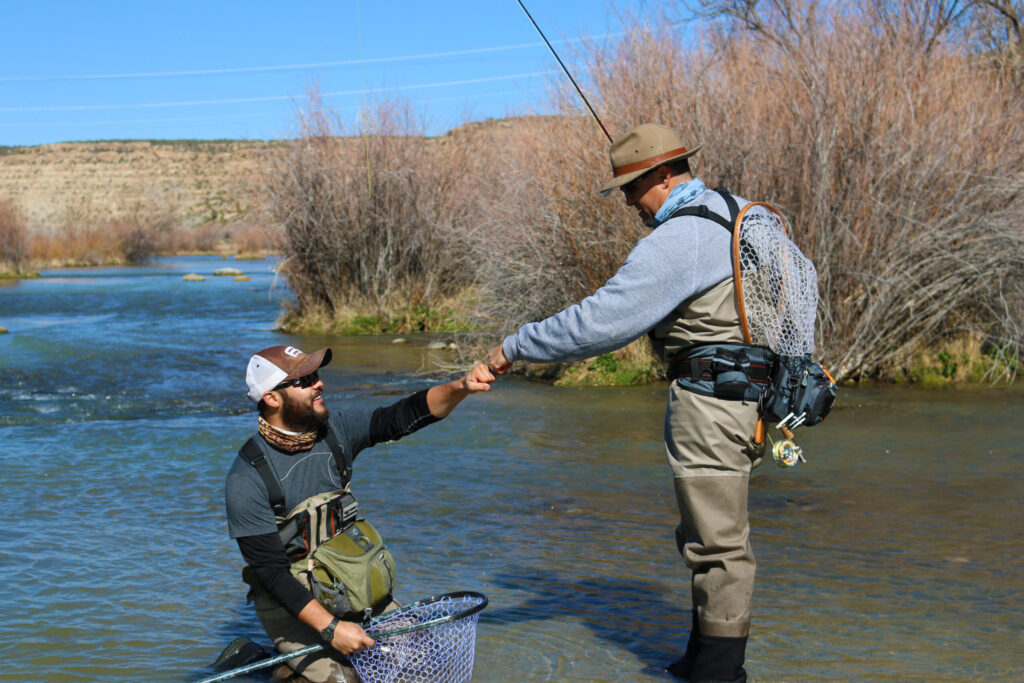
Hunting & Fishing Access

America’s 640 million acres of national public lands provide irreplaceable hunting and fishing opportunities to millions of Americans.

Learn More About Access
What TRCP is Doing

We’re working to safeguard America’s public lands so hunters and anglers always have quality places to pursue their passions.
 Brian Flynn, Two Wolf Foundation
How Sportsmen Are Doing It Right

Brian Flynn, Two Wolf Foundation's Story

Following a distinguished career in the U.S. Army, lifelong outdoorsman Brian Flynn returned home from a deployment in Afghanistan and…

Hunting
Why It Matters

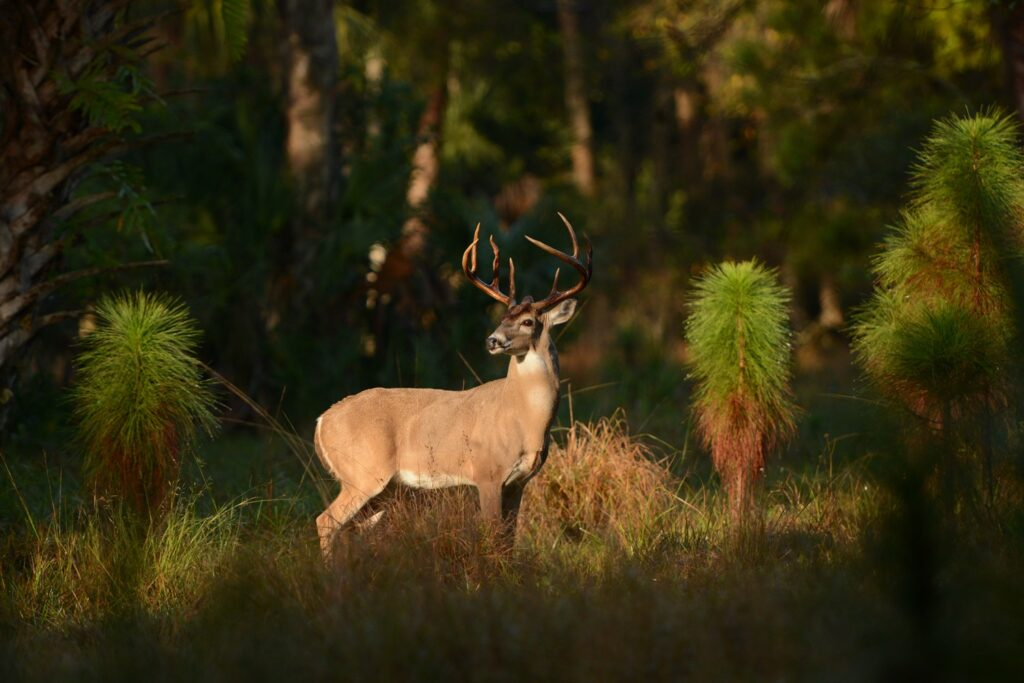
Key Issues for America’s Hunters

Your source for the latest policy updates, conservation challenges, and opportunities shaping America’s hunting traditions.

What TRCP is Doing

We’re fighting for meaningful policy changes that benefit wildlife, our waters, and the American landscapes that make our outdoor traditions possible.

 Ryan Sparks
How Sportsmen Are Doing It Right

Ryan Sparks's Story

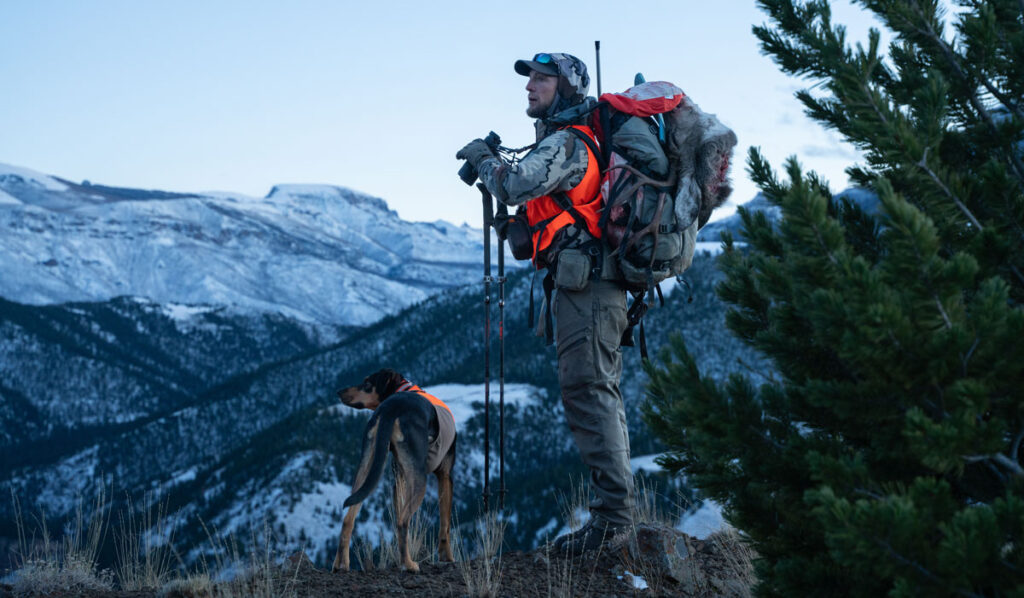
TRCP’s “In the Arena” series highlights the individual voices of hunters and anglers who, as Theodore Roosevelt so famously said,…

Fishing
Why It Matters

Key Issues for America’s Anglers

Your source for the latest policy updates, conservation challenges, and opportunities shaping America’s fishing traditions.

What TRCP is Doing

We’re fighting for meaningful policy changes that benefit wildlife, our waters, and the American landscapes that make our outdoor traditions possible.

 David Mangum
How Sportsmen Are Doing It Right

David Mangum's Story

Capt. David Mangum is a YETI ambassador and outdoor photographer who utilizes his talents to produce media that inspire a…

Private Land
Why It Matters

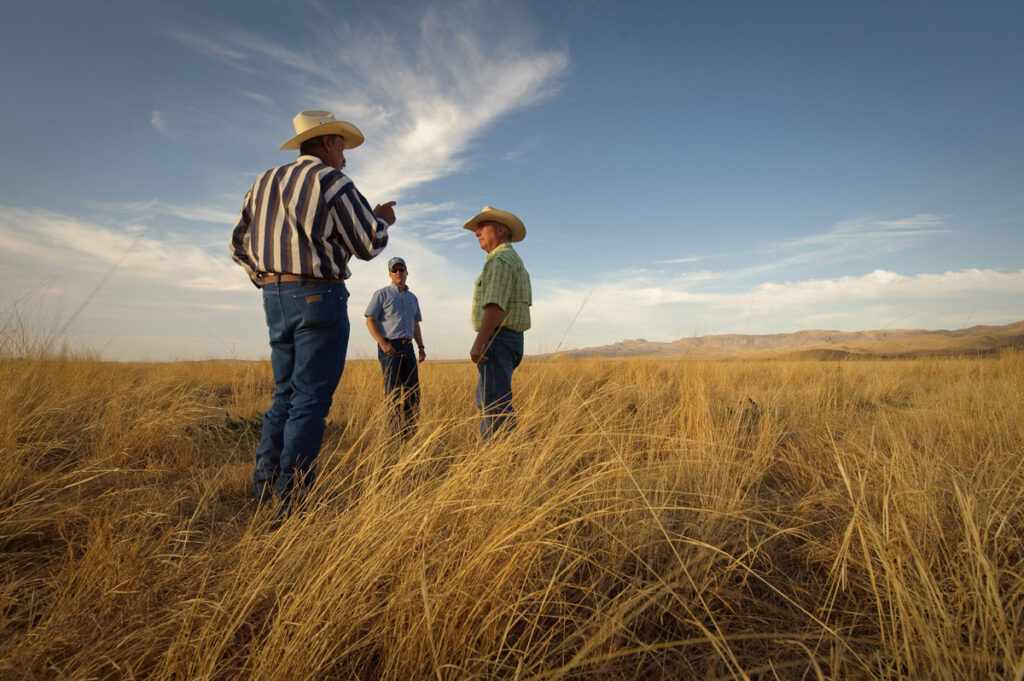
Stewardship on America’s private lands

With 70 percent of U.S. lands in private hands and many of our best hunt and fish opportunities occurring there, investing in voluntary conservation on working lands safeguards access, strengthens habitat and water quality, and ensures resilient landscapes.

Learn More
What TRCP is Doing

We champion policies and programs that restore wildlife habitat, improve soil and water health, and keep working lands productive.

 Ward Burton
How Sportsmen are Doing It Right

Ward Burton's Story

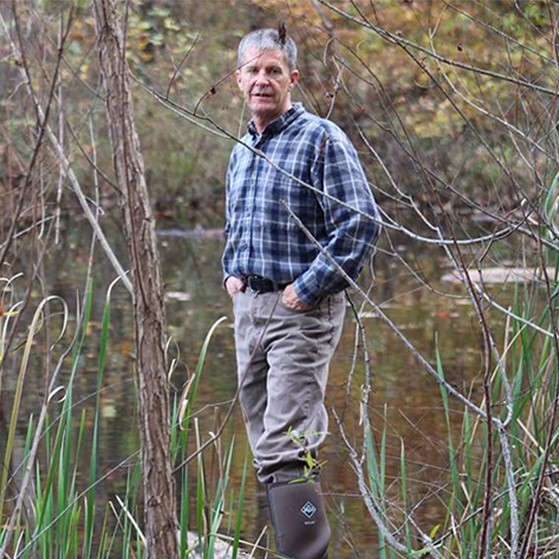
Ward Burton’s NASCAR driving career stretched across most of two decades. As an avid sportsman and conservationist, he founded the…

Special Places
Why It Matters

Special Places Worth Protecting

America’s most iconic landscapes provide unmatched habitat and unforgettable days afield. These places sustain wildlife, anchor local economies, and define the hunting and fishing traditions we pass down.

What TRCP is Doing

We’re working to conserve special places that provide world-class habitat and unforgettable opportunities for hunters and anglers.

 Franklin Adams
How Sportsmen Are Doing It Right

Franklin Adams's Story

As a true Gladesman, conservationist, and historian, Capt. Franklin Adams has spent more than six decades championing Everglades restoration efforts…

Habitat & Clean Water
Why It Matters

Healthy Habitat Powers Every Pursuit

All hunting and fishing opportunities depend on quality habitat, from clean water and healthy wetlands to winter and summer habitats and the migration corridors that connect them.

All About Habitat & Clean Water
What TRCP is Doing

We are working to safeguard the habitats that power every hunting and fishing opportunity.

 Alex Harvey
How Sportsmen Are Doing It Right

Alex Harvey's Story

Alex Harvey, founder of Legacy Land Management, is a registered professional forester in Mississippi and Alabama with a Master's degree…

Science
Why It Matters

Science That Guides TRCP

From conserving migration corridors and wetlands to ensuring clean water and resilient landscapes, science provides evidence that turns conservation goals into effective action.

Science for Conservation
What TRCP is Doing

For hunters and anglers, science safeguards the experiences we treasure including resilient big game populations, abundant fish, and wild places that endure changing social landscapes.

Jamelle Ellis
Your Science Expert

Jamelle Ellis's Story

Jamelle Ellis joined the Theodore Roosevelt Conservation Partnership in 2022. Jamelle spent the last three years as an environmental sustainability…

Where We Work
Across the Nation

Conservation Across America

TRCP works across the country to ensure hunters and anglers can enjoy healthy fish and wildlife and quality days afield, no matter where they live.

See All Issues
TRCP in Your Region

TRCP works across the country to ensure hunters and anglers can enjoy healthy fish and wildlife and quality days afield, no matter where they live.

Who We Are
Our Mission

To guarantee all Americans quality places to hunt & fish

We unite and amplify our partners’ voices to advance America’s legacy of conservation, habitat, and access.

Our Mission & Values
Our People & Partners
  • Meet the TRCP Team

    Our staff and board members unite and amplify our partners’ voices to advance America’s legacy of conservation, habitat, and access.

    Meet the Team
  • Our Partners

    ‘Partnership’ is in our name. We work with 64 diverse partner groups that represent today’s leading hunting, fishing, and conservation organizations in order to strengthen the sportsman’s voice in Washington, D.C.

    Our Partners
  • Corporate Council

    TRCP’s Corporate Council is made up of diverse corporations that share a common passion for conservation.

    Corporate Council
Our Organization

Looking for more information?

Explore our latest news, policy updates, and conservation resources to get the information you need.

Giving
How You Can Help

To guarantee all Americans quality places to hunt & fish

Your tax-deductible donation will support TRCP's mission, now and into the future.

DONATE
Special Ways to support trcp
  • Capital Conservation Awards Dinner

    The CCAD is one of Washington's best-attended conservation celebrations, featuring dinner, cocktails, and a silent auction.

    Learn More
  • Step Into the Arena

    Help us ensure that our treasured wild habitats and game remain intact for the next generation to enjoy – lend your support to the TRCP’s efforts today!

    Donate
  • Roosevelt Roast

    TRCP has partnered with Afuera Coffee Co. to further our commitment to conservation.

    Learn More
More donation options

Find the best way for you to lend your support. Join one of TRCP’s donor circles for special invitations, premium offerings from outdoor retailers, and more exclusive benefits. Take control of your legacy with planned giving or contribute to special conservation funds.

Other Ways To Give
News
In the Spotlight

In the Arena: Josh Warren

For many hunters and anglers, the connection to conservation begins close to home — in the woods behind the house, along a familiar stretch of river, or through time spent learning from mentors and family. That sense of place is something Joshua Warren carries with him, both personally and professionally. As Director of Marketing at WorkSharp, Josh represents a company rooted in Ashland, Oregon, a community defined by its access to public lands and wild country.

Read More

Stay Informed

Receive our newsletter, the Roosevelt Report, right in your inbox. Never miss the latest news in conservation issues.

by:

posted in:

December 15, 2015

DOI is Looking for Better Ways to Pay for Epic Conservation Efforts

Establishment of the Natural Resource Investment Center will make federal dollars go further for fish and wildlife

This morning, U.S. Secretary of the Interior Sally Jewell announced that her department will establish a Natural Resource Investment Center, an initiative meant to spur public-private partnerships that will help increase investments in water conservation, habitat improvements, and critical water infrastructure. One of the Center’s primary objectives will be to facilitate water exchange in the Western U.S. in partnership with local, state, and tribal governments—an idea championed by sportsmen and women in recommendations to federal agencies following the White House Drought Symposium in July.

Image courtesy of Joel Webster.

“I commend Sec. Jewell for creating the Natural Resource Investment Center to bring about more collaboration and identify new, non-federal funding sources that make existing investments in conservation go even further,” says Whit Fosburgh, president and CEO of the Theodore Roosevelt Conservation Partnership, one of the organizations responsible for this summer’s White House Drought Symposium and a set of drought recommendations endorsed by hunting and angling groups. “Clearly, the administration is taking the concerns of hunters and anglers seriously and responding to the increasing threat of drought in the United States. I’d urge decision-makers to continue working with sportsmen and women, the original conservationists, on the drought solutions we’ve proposed, which are aimed at providing water to cities and farms without sacrificing the needs of fish and wildlife.”

Scott Yates, director of Trout Unlimited’s Western Water and Habitat program, issued the following statement in response to Jewell’s announcement: “We are pleased that the administration is giving water stakeholders in the West more tools for creatively responding to the challenges of drought and a changing climate. These challenges present tremendous opportunities to modernize our infrastructure and manage demand in ways that add flexibility to our water systems while promoting healthy river flows and fish habitat.”

In a press release, the Department of the Interior listed one example of the type of creative partnerships the Center hopes to identify: An investment in enhancing greater sage grouse habitat in Nevada, made possible by DOI, Barrick Gold of North America, and The Nature Conservancy. “Though the greater sage grouse was not listed for Endangered Species Act protection this fall, full implementation of federal, state, and voluntary conservation plans is absolutely critical and cannot be compromised,” says Fosburgh. “So, we’re grateful that the Center will focus on these types of creative solutions to effect landscape-level conservation for this bird and other species.”

The Center is part of President Obama’s Build America Investment Initiative, which “calls on federal agencies to find new ways to increase investment in ports, roads, water and sewer systems, bridges, broadband networks, and other 21st-century infrastructure projects.” To learn more about the Natural Resource Investment Center, visit doi.gov.

Do you have any thoughts on this post?

XHTML: You can use these tags: <a href="" title=""> <abbr title=""> <acronym title=""> <b> <blockquote cite=""> <cite> <code> <del datetime=""> <em> <i> <q cite=""> <s> <strike> <strong>

Comments must be under 1000 characters.

by:

posted in:

NEW DOI INITIATIVE WILL SPUR INVESTMENTS IN WATER CONSERVATION AND SAGE GROUSE HABITAT

News for Immediate Release

Dec. 15, 2015

Contact: Kristyn Brady, 617-501-6352, kbrady@trcp.org

Establishment of the Natural Resource Investment Center will make federal dollars go further for fish and wildlife

WASHINGTON, D.C. — This morning, U.S. Secretary of the Interior Sally Jewell announced that her department will establish a Natural Resource Investment Center, an initiative meant to spur public-private partnerships that will help increase investments in water conservation, habitat improvements, and critical water infrastructure. One of the Center’s primary objectives will be to facilitate water exchange in the Western U.S. in partnership with local, state, and tribal governments—an idea championed by sportsmen and women in recommendations to federal agencies following the White House Drought Symposium in July.

“I commend Sec. Jewell for creating the Natural Resource Investment Center to bring about more collaboration and identify new, non-federal funding sources that make existing investments in conservation go even further,” says Whit Fosburgh, president and CEO of the Theodore Roosevelt Conservation Partnership, one of the organizations responsible for this summer’s White House Drought Symposium and a set of drought recommendations endorsed by hunting and angling groups. “Clearly, the administration is taking the concerns of hunters and anglers seriously and responding to the increasing threat of drought in the United States. I’d urge decision-makers to continue working with sportsmen and women, the original conservationists, on the drought solutions we’ve proposed, which are aimed at providing water to cities and farms without sacrificing the needs of fish and wildlife.”

Scott Yates, director of Trout Unlimited’s Western Water and Habitat program, issued the following statement in response to Jewell’s announcement: “We are pleased that the administration is giving water stakeholders in the West more tools for creatively responding to the challenges of drought and a changing climate. These challenges present tremendous opportunities to modernize our infrastructure and manage demand in ways that add flexibility to our water systems while promoting healthy river flows and fish habitat.”

In a press release, the Department of the Interior listed one example of the type of creative partnerships the Center hopes to identify: An investment in enhancing greater sage grouse habitat in Nevada, made possible by DOI, Barrick Gold of North America, and The Nature Conservancy. “Though the greater sage grouse was not listed for Endangered Species Act protection this fall, full implementation of federal, state, and voluntary conservation plans is absolutely critical and cannot be compromised,” says Fosburgh. “So, we’re grateful that the Center will focus on these types of creative solutions to effect landscape-level conservation for this bird and other species.”

The Center is part of President Obama’s Build America Investment Initiative, which “calls on federal agencies to find new ways to increase investment in ports, roads, water and sewer systems, bridges, broadband networks, and other 21st-century infrastructure projects.” To learn more about the Natural Resource Investment Center, visit doi.gov.

Inspired by the legacy of Theodore Roosevelt, the TRCP is a coalition of organizations and grassroots partners working together to preserve the traditions of hunting and fishing.

by:

posted in:

December 14, 2015

Glassing the Hill: December 14 – 18

The TRCP’s scouting report on sportsmen’s issues in Congress

The Senate and House will be in session until lawmakers can send an omnibus funding and tax extenders package to the president’s desk. If all goes well, the House will return on Tuesday, January 5, and the Senate will reconvene on Monday, January 11.

Photo courtesy of Library of Congress.

It’s all about the omnibus, baby. Congressional leaders were unable to negotiate a spending bill before their December 11 deadline last week, so another short-term continuing resolution (CR) was passed to avoid a government shutdown. Their new omnibus deadline is Wednesday, December 16.

Appropriators and leaders continue to hash out possible policy riders that will be included in this end-of-the year budget deal. Sportsmen remain strongly opposed to defunding implementation for the Clean Water Rule or sage-grouse conservation plans, but support provisions to end fire borrowing, achieve modest forest reform, and reauthorize the Land and Water Conservation Fund.

The omnibus spending bill language should be available to the public early this week, perhaps even today. Without action on a yearlong deal, Congress will face the prospect of another short-term extension—and an even shorter holiday break.

Walk Softly. Tweet Loudly.

You can still make an impact on the omnibus negotiations, by tweeting your lawmakers about one of the most vulnerable would-be victims of a bad policy rider—the greater sage grouse. Check out our new Twitter Action Tool, which puts you in touch with Congress at the click of a button.

by:

posted in:

December 10, 2015

Wheeling and Dealing: What You Need to Know About Spending Bill Negotiations

In my college days, when the world seemed to revolve around duck hunting and beer, my academic motto might have been: There is no minute like the last minute. In what I suspect was not a unique situation, I would regularly wait until just hours before a major assignment to get down to business. Having spent the last decade on Capitol Hill, I can confidently say that Congress is motivated in the same kind of way.

Deadlines have become the sine qua non of 21st century Washington. Without them, Congress can be counted on to achieve very little of real substance, but with a deadline bearing down on them, Congress can often be counted on to engage in a flurry of productivity. But, unlike most procrastinating college students, Congress can—and does—extend their deadlines.

Image courtesy of Craig Pennington/Flickr.

The latest batch of Congressional negotiations are going on right now over an omnibus appropriations bill for fiscal year 2016, otherwise known as the legislation that will keep the government funded and functioning through October 2016. Like so much that moves through the federal legislature, there’s an opportunity for some very good things to happen, as well as some very bad things, and the TRCP is on the front lines making sure sportsmen’s conservation priorities are well heard. Here’s what we’re parrying for and against:

No-Brainer: Conservation Funding

Any appropriations bill needs to properly fund the conservation programs that sportsmen care about most, like the North American Wetlands Conservation Act, the State Wildlife Grants Program, and healthy land-management budgets at the Fish and Wildlife Service, Bureau of Land Management, and U.S. Forest Service. Funding is the whole purpose of an omnibus appropriations bill, so Congress has to get those right for sportsmen.

Keep These Riders Off the ‘Bus

Because Congress only has so many must-pass legislative vehicles—see what we did there?—like this one, it seems that everyone in Washington is trying to get some policy priority tacked on to catch a ride to the president’s desk. TRCP thinks that some of these potential additions, including a long-awaited fix for the financially-backwards practice of fire borrowing and a potential reauthorization of the Land and Water Conservation Fund, are good things that we’d support. But adding language to delay sagebrush conservation on national public lands or to undo the Clean Water Act rulemaking that protects headwater streams and wetlands would be a non-starter, and as such, we’ve strongly opposed their inclusion. We won’t support any deal that sells out years’ worth of sportsmen’s efforts to achieve good conservation outcomes.

Pull Up a Chair

One of my favorite quotes, “If you aren’t at the table, you are on the menu,” is particularly apt as this budget negotiation plods towards what we hope is a positive conclusion. TRCP and many of our partners are at the negotiating table around the clock at this time of year, advocating for what works for America’s hunters and anglers, and opposing what doesn’t. Rest assured you’ll hear more from us in the days ahead.

by:

posted in:

December 9, 2015

The Undeniable Upland Benefits of Habitat Conservation on Farms and Ranches

Why CRP works for pheasants and quail

The national Conservation Reserve Program is 30! The CRP was signed into law by President Reagan as part of the Farm Bill on December 23, 1985, to help agricultural producers to voluntarily conserve soil, water, and wildlife. The TRCP and our partners will be celebrating the 30th anniversary of CRP throughout the month of December and into 2016, by highlighting the successes of this popular bipartisan program—regarded by many as the greatest private lands conservation initiative in U.S. history. Here on our blog, we’ll devote a series of posts to the critters that have seen tremendous habitat benefits: upland birds, waterfowl, forest dwellers, and freshwater fish. CRP works for wildlife, and it works for sportsmen.

We’ve said it before, and we’ll say it again: Habitat loss is one of the greatest threats to sportsmen in this country. This is especially true in the midwestern, eastern, and southern states, where vast amounts of public lands aren’t available to provide habitat for game species. Many hunters and anglers rely on the generosity of private landowners who allow outdoor recreation on their property. Even if you have all the access you need, a landowner’s decision to either maintain habitat or convert land for crops dramatically affects wildlife and your experiences afield.

According to one report, 11 out of 19 non-migratory game birds in the U.S. depend on private lands for more than 50 percent of their habitat. For seven of these species, 80 percent of the population resides on private lands—the Northern bobwhite quail is a perfect example, with 97 percent located on private lands.

So how can we maintain sustainable populations, for the sake of the birds and our sports? Enter the Conservation Reserve Program.

CRP Equals Habitat

America’s rural landscape changed dramatically in the latter half of the 20th century, as urban areas sprawled and farm technology became more sophisticated. In the Prairie Pothole Region, for instance, 60 to 90 percent of original native grasslands have been lost to agriculture and other development. As a result, we’ve seen equally dramatic declines in upland bird populations. Some estimates show a 15-percent annual decline in upland bird numbers until 1986, the first year that farmers and ranchers were eligible to enroll lands in the CRP.

Since that time, upland bird population declines have thankfully slowed or even reversed, due to the reestablishment of habitat on private lands. In pheasant country, Nebraska only showed a 5-percent annual population decline following the introduction of CRP, and in Iowa, pheasant numbers increased 30 percent in the first five years of the program. Through 2006, the U.S. Department of Agriculture associated a 4-percent annual increase in CRP acreage with a 22-percent increase in pheasant counts. And at the height of CRP’s enrollment in 2006 to 2008, 32 million acres nationwide were credited with producing pheasant numbers unmatched since the 1960s.

Around the same time that CRP peaked, in 2004 the USDA made a new category of lands eligible for the program: habitat buffers for upland birds. Where pheasants benefit from a wide range of conservation practices, including whole-field CRP enrollments and planted food plots, bobwhite quail can do very well in small, 30- to 120-foot-wide strips of buffer habitat, generally placed on marginal or less productive farmland. These buffers often represent an insignificant change for landowners (as little as 5 percent of a farm operation), but they can also provide important nesting, brood rearing, and escape cover for upland species, and serve as travel corridors between fragmented habitat areas. A National Bobwhite Conservation Initiative study estimates that this new CRP initiative added 30,000 coveys to the landscape each year from 2006 to 2011, or approximately 1.5 bobwhites per acre of native grassland enrolled in the program. Compared to their small average enrollment size, these buffers can have an exponentially positive impact on wildlife.

Conservation is Part of a Business Plan

It’s clear that when farmers and landowners enroll in the program, CRP works for upland birds. But as recent history shows, the future viability of pheasants, quail, and other upland species is also closely tied to the economic viability of the program as agricultural markets fluctuate.

Almost immediately after CRP hit a 36.8-million-acre peak in 2007, prices for commodities like corn and soybeans skyrocketed, and so did land values. Landowners exited the CRP in droves to take advantage of the strong agricultural market, and upland bird populations once again began to fall. In the heart of pheasant country, CRP declined by 5.5 million acres between 2006 and 2012; pheasant populations simultaneously dropped by almost half, from 5.7 million birds to just 2.9 million.

To be fair, other upland species didn’t take the same hit—bobwhite quail populations have continued to improve in some areas since the creation of the buffer habitat program a decade ago. Some of the decline in pheasants can also be attributed to periods of harsh weather, but these are hearty birds that have proven they can withstand a Dakota winter—if habitat is available.

Whether USDA will have acres available to turn into habitat, however, is an ongoing concern for wildlife advocates and sportsmen. The CRP was cut in the last Farm Bill from 32 million acres to 24 million acres per year in response to high crop prices and a tight federal budget. But lawmakers—including Senator Pat Roberts, the current chairman of the Senate Agriculture committee, and Rep. Frank Lucas, chairman of the House Agriculture Committee during the last Farm Bill debate—have expressed concern that the budget alone had a greater impact on the program than it should have. Commodity prices are now leveling off and conservation programs are once again becoming an economically-competitive alternative to cropping, but the shrinking program is limiting land-use choices for farmers.

Is It Enough?

Because of these economic changes, landowners today are weighing a much different decision on land use than they did in the early days of CRP. The program was created 30 years ago primarily to reduce soil erosion and boost commodity prices, and landowners often signed USDA contracts to enroll entire fields in the program. Now, many farmers are seeking a more diversified business model that includes conservation as part of their financial success—they are working under a new mantra: “Farm the best, conserve the rest.” Enrolling land in habitat buffers and State Acres for Wildlife Enhancement can keep working lands working for farmers and for wildlife—but only if the overall amount of habitat can sustain populations. It is yet to be seen whether this Farm Bill’s 24-million-acre cap can make that possible.

We hope it will, but we’ll continue to advocate for an increase to the program in the next Farm Bill. In the meantime, the TRCP is collaborating with the USDA to make sure each and every acre of CRP works better for wildlife—and for sportsmen seeking the thrill of a flush.

This year, CRP is 30, and we can be thankful that CRP works, plain and simple.

HOW YOU CAN HELP

TRCP has partnered with Afuera Coffee Co. to further our commitment to conservation. $4 from each bag is donated to the TRCP, to help continue our efforts of safeguarding critical habitats, productive hunting grounds, and favorite fishing holes for future generations.

Learn More
Subscribe


You have Successfully Subscribed!

You have Successfully Subscribed!

You have Successfully Subscribed!

You have Successfully Subscribed!

You have Successfully Subscribed!