Our Issues
Public Lands
Why It Matters

Hunting & Fishing Access

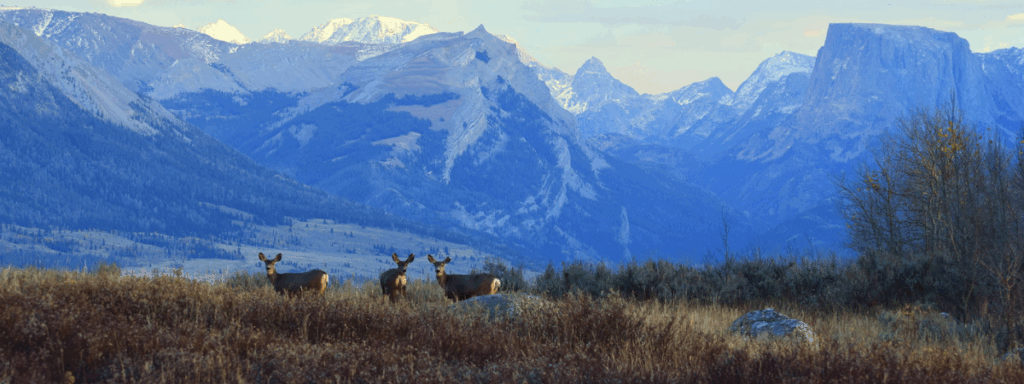
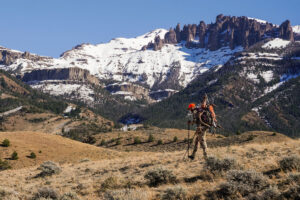
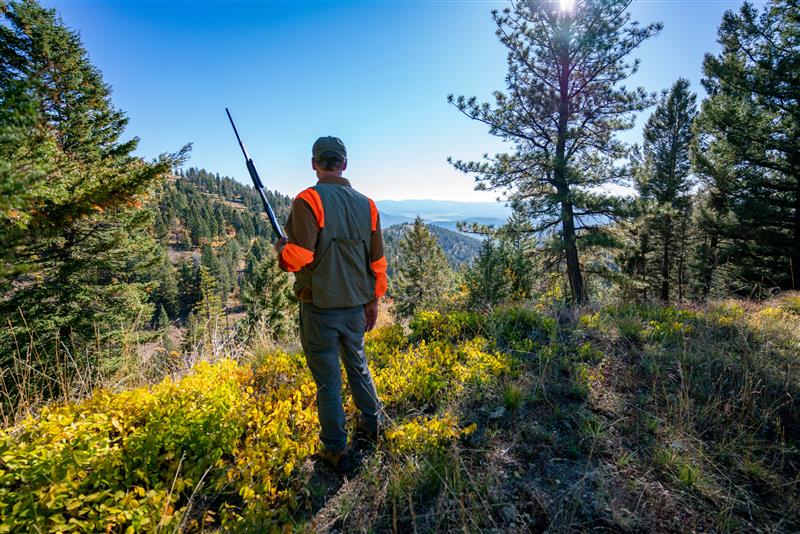
America’s 640 million acres of national public lands provide irreplaceable hunting and fishing opportunities to millions of Americans.

Learn More About Access
What TRCP is Doing

We’re working to safeguard America’s public lands so hunters and anglers always have quality places to pursue their passions.
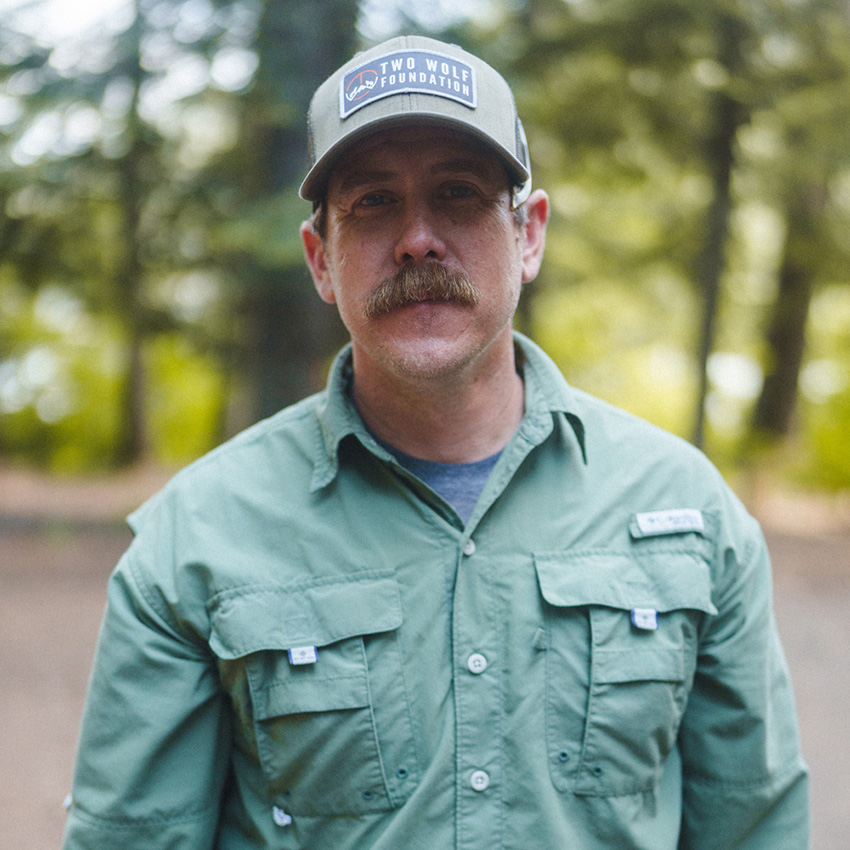
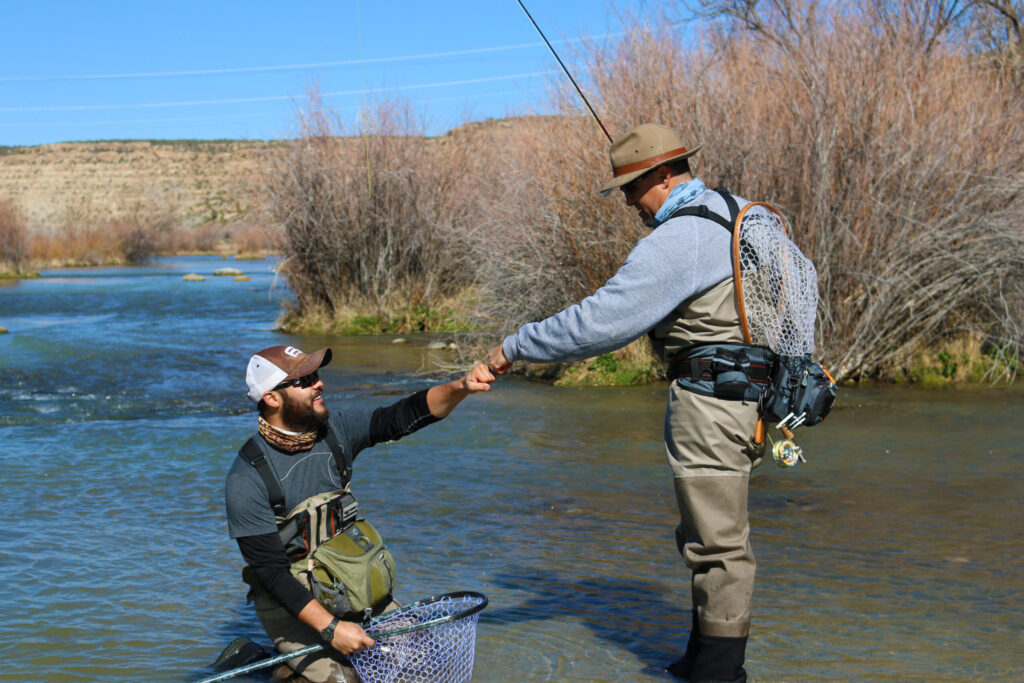
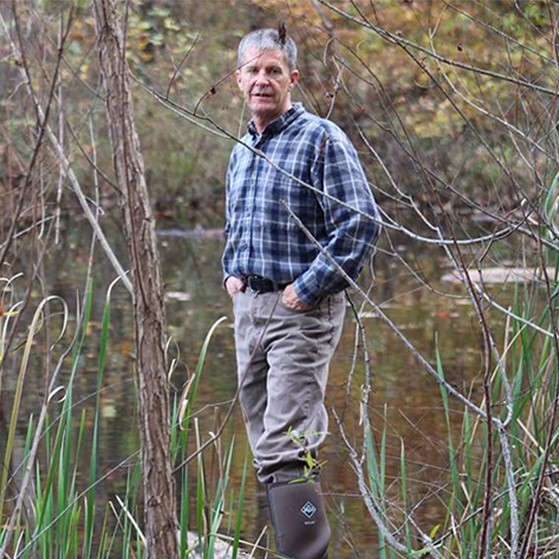
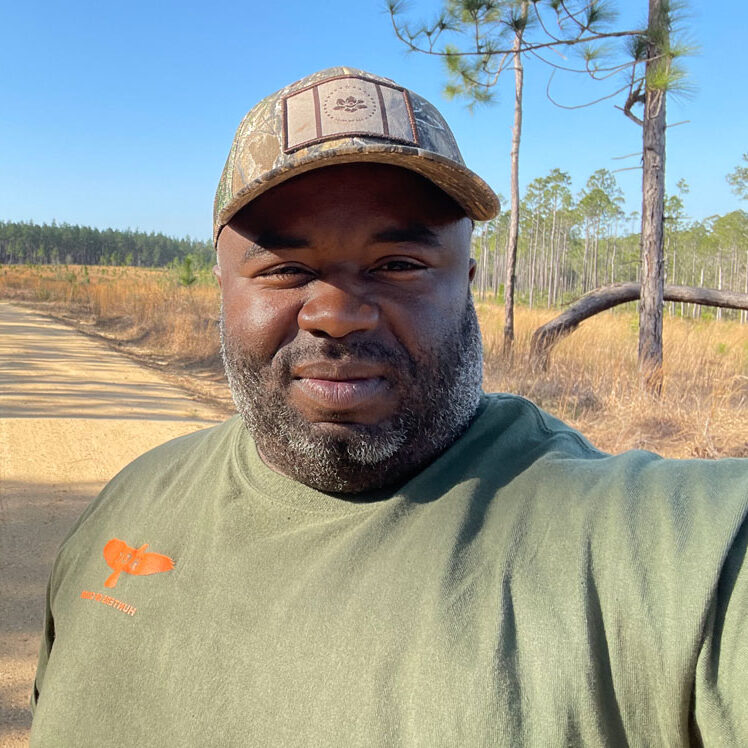
 Brian Flynn, Two Wolf Foundation
How Sportsmen Are Doing It Right

Brian Flynn, Two Wolf Foundation's Story

Following a distinguished career in the U.S. Army, lifelong outdoorsman Brian Flynn returned home from a deployment in Afghanistan and…


Hunting
Why It Matters

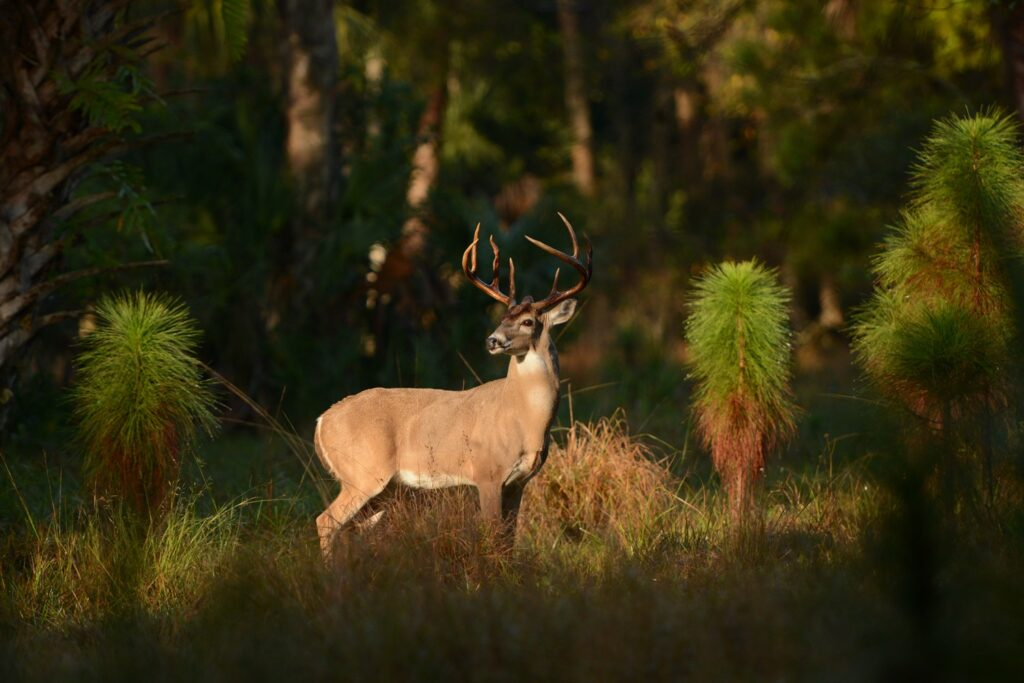
Key Issues for America’s Hunters

Your source for the latest policy updates, conservation challenges, and opportunities shaping America’s hunting traditions.

What TRCP is Doing

We’re fighting for meaningful policy changes that benefit wildlife, our waters, and the American landscapes that make our outdoor traditions possible.

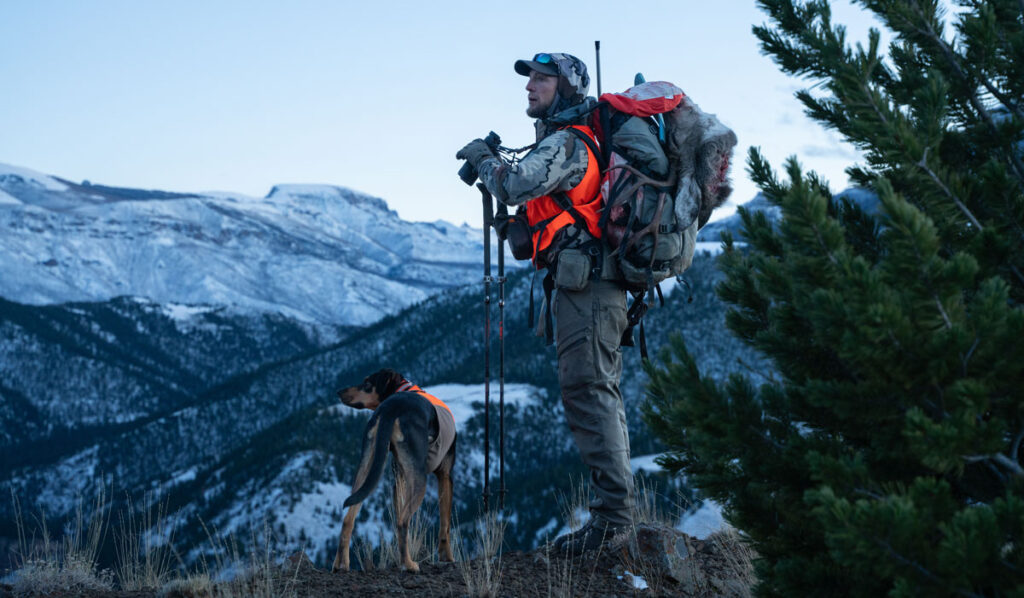
 Ryan Sparks
How Sportsmen Are Doing It Right

Ryan Sparks's Story

TRCP’s “In the Arena” series highlights the individual voices of hunters and anglers who, as Theodore Roosevelt so famously said,…
Fishing
Why It Matters

Key Issues for America’s Anglers

Your source for the latest policy updates, conservation challenges, and opportunities shaping America’s fishing traditions.

Sign Up For Forage Fish Updates
What TRCP is Doing

We’re fighting for meaningful policy changes that benefit wildlife, our waters, and the American landscapes that make our outdoor traditions possible.

 David Mangum
How Sportsmen Are Doing It Right

David Mangum's Story

Capt. David Mangum is a YETI ambassador and outdoor photographer who utilizes his talents to produce media that inspire a…

Private Land
Why It Matters

Stewardship on America’s private lands

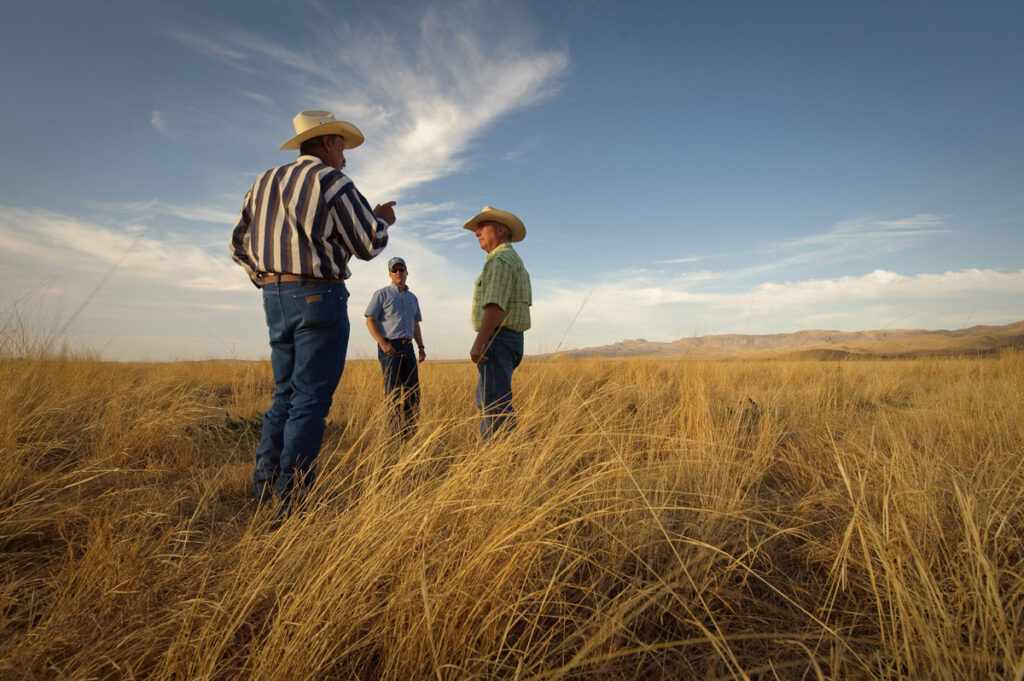
With 70 percent of U.S. lands in private hands and many of our best hunt and fish opportunities occurring there, investing in voluntary conservation on working lands safeguards access, strengthens habitat and water quality, and ensures resilient landscapes.

Take Action - Farm Bill 2026
What TRCP is Doing

We champion policies and programs that restore wildlife habitat, improve soil and water health, and keep working lands productive.

 Ward Burton
How Sportsmen are Doing It Right

Ward Burton's Story

Ward Burton’s NASCAR driving career stretched across most of two decades. As an avid sportsman and conservationist, he founded the…

Special Places
Why It Matters

Special Places Worth Protecting

America’s most iconic landscapes provide unmatched habitat and unforgettable days afield. These places sustain wildlife, anchor local economies, and define the hunting and fishing traditions we pass down.

What TRCP is Doing

We’re working to conserve special places that provide world-class habitat and unforgettable opportunities for hunters and anglers.

 Franklin Adams
How Sportsmen Are Doing It Right

Franklin Adams's Story

As a true Gladesman, conservationist, and historian, Capt. Franklin Adams has spent more than six decades championing Everglades restoration efforts…

Habitat & Clean Water
Why It Matters

Healthy Habitat Powers Every Pursuit

All hunting and fishing opportunities depend on quality habitat, from clean water and healthy wetlands to winter and summer habitats and the migration corridors that connect them.

All About Habitat & Clean Water
What TRCP is Doing

We are working to safeguard the habitats that power every hunting and fishing opportunity.

 Alex Harvey
How Sportsmen Are Doing It Right

Alex Harvey's Story

Alex Harvey, founder of Legacy Land Management, is a registered professional forester in Mississippi and Alabama with a Master's degree…

Science
Why It Matters

Science That Guides TRCP

From conserving migration corridors and wetlands to ensuring clean water and resilient landscapes, science provides evidence that turns conservation goals into effective action.

Science for Conservation
What TRCP is Doing

For hunters and anglers, science safeguards the experiences we treasure including resilient big game populations, abundant fish, and wild places that endure changing social landscapes.

Jamelle Ellis
Your Science Expert

Jamelle Ellis's Story

Jamelle Ellis joined the Theodore Roosevelt Conservation Partnership in 2022. Jamelle spent the last three years as an environmental sustainability…

Where We Work
Across the Nation

Conservation Across America

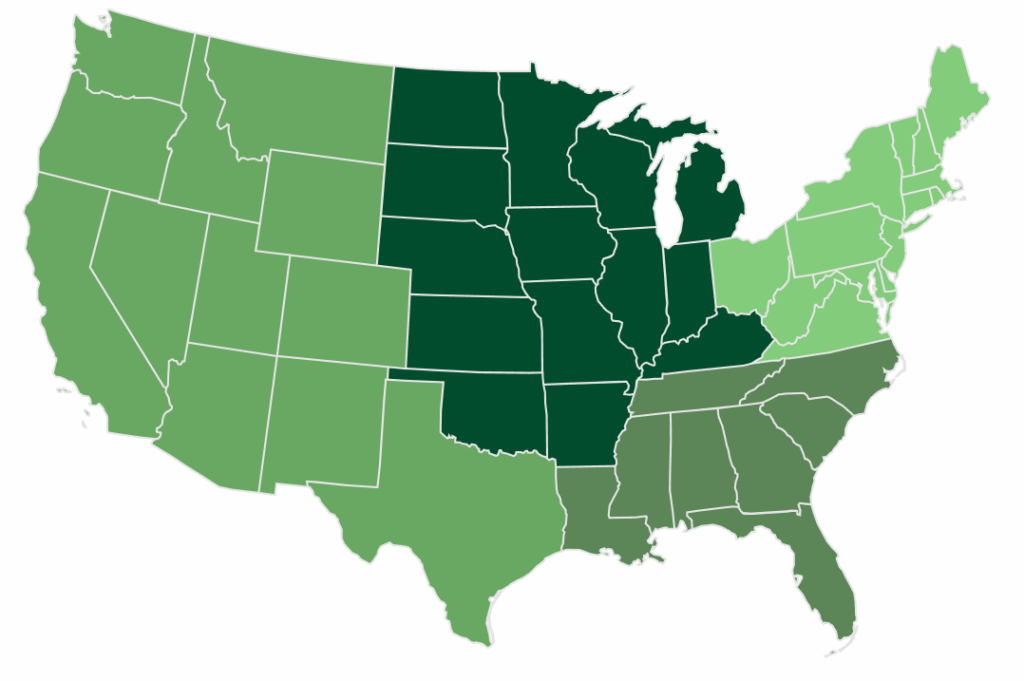
TRCP works across the country to ensure hunters and anglers can enjoy healthy fish and wildlife and quality days afield, no matter where they live.

See All Issues
TRCP in Your Region

TRCP works across the country to ensure hunters and anglers can enjoy healthy fish and wildlife and quality days afield, no matter where they live.

Who We Are
Our Mission

To guarantee all Americans quality places to hunt & fish

We unite and amplify our partners’ voices to advance America’s legacy of conservation, habitat, and access.

Our Mission & Values
Our People & Partners
  • Meet the TRCP Team

    Our staff and board members unite and amplify our partners’ voices to advance America’s legacy of conservation, habitat, and access.

    Meet the Team
  • Our Partners

    ‘Partnership’ is in our name. We work with 64 diverse partner groups that represent today’s leading hunting, fishing, and conservation organizations in order to strengthen the sportsman’s voice in Washington, D.C.

    Our Partners
  • Corporate Council

    TRCP’s Corporate Council is made up of diverse corporations that share a common passion for conservation.

    Corporate Council
Our Organization

Looking for more information?

Explore our latest news, policy updates, and conservation resources to get the information you need.

Giving
How You Can Help

To guarantee all Americans quality places to hunt & fish

Your tax-deductible donation will support TRCP's mission, now and into the future.

DONATE
Special Ways to support trcp
  • Capital Conservation Awards Dinner

    The CCAD is one of Washington's best-attended conservation celebrations, featuring dinner, cocktails, and a silent auction.

    Learn More
  • Step Into the Arena

    Help us ensure that our treasured wild habitats and game remain intact for the next generation to enjoy – lend your support to the TRCP’s efforts today!

    Donate
  • Roosevelt Roast

    TRCP has partnered with Afuera Coffee Co. to further our commitment to conservation.

    Learn More
More donation options

Find the best way for you to lend your support. Join one of TRCP’s donor circles for special invitations, premium offerings from outdoor retailers, and more exclusive benefits. Take control of your legacy with planned giving or contribute to special conservation funds.

Other Ways To Give
News
In the Spotlight

State Funding Decline Threatens Tennessee Outdoor Recreation Opportunities

Tennesseans can help protect wildlife and recreation access by contacting their lawmakers to support two bills dedicated state funding for the Tennessee Wildlife Resources Agency.

Read More

Stay Informed

Receive our newsletter, the Roosevelt Report, right in your inbox. Never miss the latest news in conservation issues.

by:

posted in:

July 24, 2015

How to Better Prepare for Drought

With water resources in the western United States stretched to a breaking point, due to over-allocation, sustained drought, and population growth, the TRCP worked with the National Drought Resilience Partnership (NDRP) to bring nearly 40 diverse stakeholders together at the White House Drought Symposium on July 15, 2015. Participants discussed the federal government’s role in building drought resilience into our water management systems, as well as steps that federal agencies should take to forestall future drought crises.

Symposium participants gather at the White House Drought Symposium on July 15, 2015, to discuss the federal role in building drought resiliency. TRCP President and CEO Whit Fosburgh is in the foreground.

“Last week’s symposium underscored the importance and value of addressing difficult issues, like the sustained droughts in the West, collaboratively and constructively,” said Doug Robotham, water policy director at The Nature Conservancy. “Symposium participants from a diversity of perspectives freely exchanged ideas and solutions, which gives hope that we can meet the needs of people, irrigated agriculture and the environment if we truly work together.”

“A common theme discussed at the symposium is the need to focus federal actions in ways that reduce risk, create flexibility, and improve reliability across entire watersheds,” said Whit Fosburgh, president and CEO of the TRCP. “That kind of approach will ensure that we have more options available to us when drought occurs, so we aren’t sacrificing the water needed for healthy species or risking farmers’ livelihoods. We are all in this together, and we need solutions that integrate benefits across sectors and preserve working lands and functioning habitat.”

The NDRP agreed to produce a compendium of ideas generated by symposium participants. Sportsmen are calling on the NDRP to continue this dialogue and identify action items, like the advancement of widely-supported conservation and efficiency measures to meet water demands, while protecting and restoring healthy river flows.

Deputy Secretary of the Interior Mike Connor (center left) and Under Secretary for Natural Resources and Environment Robert Bonnie (center right) discuss with symposium participants the actions DOI and USDA, respectively, are taking in response to drought.

The discussion comes at a busy time for drought action in Washington, D.C. The House of Representatives has just approved legislation to address drought in California—legislation that has been roundly rejected by sportsmen as bad for fish and wildlife. Senator Diane Feinstein of California has been promising an alternative response to her state’s drought, and the leadership of the Senate Energy and Natural Resources Committee is preparing a region-wide drought bill for the Western states.

Now is the time for sportsmen to declare our stake in drought planning, so we don’t end up on the wrong side of the deal again. By partnering with the NDRP on the White House Drought Symposium and developing recommendations from sportsmen, the TRCP is fighting to shape federal actions so they support healthy fish and wildlife and working lands.

Do you have any thoughts on this post?

XHTML: You can use these tags: <a href="" title=""> <abbr title=""> <acronym title=""> <b> <blockquote cite=""> <cite> <code> <del datetime=""> <em> <i> <q cite=""> <s> <strike> <strong>

Comments must be under 1000 characters.

by:

posted in:

July 23, 2015

Sharing Roosevelt’s Vision for Conservation and Sportsmen’s Access

Of all the senses we engage as sportsmen, vision is perhaps the most essential to having a successful day on the water or in the field. Whether we’re watching for rising fish, scanning the horizon for birds, or glassing a ridgeline for an antlered silhouette, we base our actions off of what we see out there. And the conservation of our fish, wildlife, and sporting opportunities is no exception.

More than 100 years ago, Theodore Roosevelt had a vision and a passion for the outdoors that led to our current model of conservation and management of public resources and wildlife. It’s what sets the United States apart from the rest of the world. These uniquely American principles are found in the hunting and fishing traditions we all enjoy—and easily take for granted.

Preserving this legacy for future generations is worth the fight. That’s why the Theodore Roosevelt Conservation Partnership was created: To unite sportsmen and amplify our collective voices around key conservation issues and promotion of sportsmen’s access, so that all Americans have quality places to hunt and fish. Among the many issues we work on related to saltwater fishing, clean water, and private lands conservation is a signature campaign to prevent the seizure of our federal public lands and to keep them open to sportsmen’s access. Through SportsmensAccess.org, hunters and anglers can engage in this conversation by signing a petition to lawmakers or showing their social media networks why they are #PublicLandsProud. We are thrilled that Costa is a supporter of the TRCP and this important sportsmen’s access campaign.

Costa is a company that exemplifies and celebrates the “strenuous life” that Roosevelt talked about. Their commitment to quality and innovation have made their sunglasses an essential piece of gear for millions of sportsmen. Costa also recognizes the role their brand and its customers can play in promoting the conservation of fish and wildlife habitat – it’s an industry-wide responsibility and investment in our future. Through various initiatives, such as The Watery Rave blog and the Kick Plastic campaign, Costa is educating and engaging sportsmen to help make a difference.

TRCP is extremely proud to call Costa our partner. Together, we seek to carry on with Roosevelt’s vision, and our collaboration on a fun and unique technical fishing shirt is your chance to get involved. This shirt will keep you cool on the water and display your proud support of T.R.’s conservation vision. It bears our logo with Roosevelt’s iconic silhouette, but we’ve swapped out his famous spectacles…for a pair of Costas of course!

You can support the TRCP and get your shirt here.

by:

posted in:

Both parties—and eight sportsmen’s groups—agree on the conservation package introduced in the House today

Today, the four House leaders of the Congressional Sportsmen’s Caucus, Reps. Tim Walz (D-Minn.), Rob Wittman (R-Va.), Gene Green (D-Texas), and Jeff Duncan (R-S.C.), introduced the bipartisan “Sportsmen’s Conservation and Outdoor Recreation Enhancement Act,” or SCORE Act (HR 3173), in the 114th Congress. Combined with the previously introduced SHARE Act (HR 2406), these bills constitute a major victory for fish and wildlife habitat, and improved access for America’s hunters and anglers.

Bennie Thompson (D-Miss.), Mike Thompson (D-Calif.) and Ron Kind (D-Wis.), all past chairs of the Congressional Sportsmen’s Caucus, are also supporting SCORE.

“The sportsmen’s community can stand squarely behind this bill as a great step forward in protecting our ability to fund and implement the conservation of at-risk habitats, species, and access,” said Whit Fosburgh, president and CEO of the Theodore Roosevelt Conservation Partnership. “It’s a good example of bipartisan legislation that addresses the needs of America’s hunters and anglers, and we’d like to see a lot more of that consensus.”

The bill contains seven provisions to reauthorize or implement legislation that helps fund conservation programs on federal and private lands, which boosts sportsmen’s access to quality hunting and fishing, including reauthorization of the Federal Land Transaction Facilitation Act (FLTFA). Prior to its expiration in 2011, FLTFA had leveraged strategic federal land sales to fund 39 priority conservation projects, including many that expanded sportsmen’s access to world-class hunting and fishing opportunities.

“There is a lot to like in this legislation,” said Kameran Onley, director of U.S. government relations for The Nature Conservancy. “It shows a significant bipartisan commitment to conservation and wildlife habitat protection, as well as sportsmen’s access and recreational opportunities that help grow our economy. We’re encouraged to see the bill include so many effective, fiscally-sound programs that provide both economic and conservation benefits.”

The Act would reauthorize two conservation grant programs with matched-dollar incentives: the North American Wetlands Conservation Act (NAWCA) and the Neotropical Migratory Bird Conservation Act. Each federal dollar invested in these grant programs is matched, on average, three times over by non-federal dollars that have major on-the-ground impacts for the conservation of wetlands, waterfowl, and other wildlife. “Conserving and protecting our nation’s wetlands is at the core of Ducks Unlimited,” said DU’s Chief Policy Officer Margaret Everson. “NAWCA funding is a critical component for DU to carry out our mission of conserving, restoring, and managing wetlands and habitats for North America’s waterfowl. We’re pleased this legislation calls for the reauthorization of these programs and appreciate the continued support for our community from Representatives Wittman, Walz, Duncan, and Green.”

Image courtesy of Joel Webster.

A provision often referred to as Making Public Lands Public, which has garnered significant bipartisan support as a standalone piece of legislation, is also a part of the package. It requires that 1.5 percent of annual Land and Water Conservation Fund monies be made available to establish and expand recreational access to federal public lands. “We are thrilled to see bi-partisan support for the SCORE Act, and we are particularly excited to see the ‘Making Public Lands Public’ provision included,” said Land Tawney, executive director for Backcountry Hunters & Anglers (BHA). “Public lands are the cornerstone of our sporting heritage and public access to these lands is a priority for BHA. We look forward to swift action and ultimate passage of the SCORE Act. The steak has sizzled on the grill long enough—it’s time to set the table and pass a sportsmen’s package.”

SCORE includes a sense of Congressional support for the National Fish Habitat Conservation Act, which was previously introduced in Congress in 2014 to improve fish habitat through partnerships that foster conservation projects or enhance recreational fishing opportunities. These partnerships would “support the economic significance of fish habitat resources and the recreational, subsistence, and commercial fishing linked to these resources in the United States.”

“The recreational fishing industry strongly supports and, in fact, depends on healthy fish habitat that provides abundant fish stocks, which are enjoyed by our nation’s 60 million anglers,” said Mike Leonard, ocean resource policy director for the American Sportfishing Association and National Fish Habitat Partnership board member. “In addition to the other public access and habitat improvement provisions in this bill, we strongly support the National Fish Habitat Conservation Act and hope to see it advance in this Congress as part of a broader sportsmen’s package.”

Finally, SCORE would reauthorize the National Fish and Wildlife Foundation, a congressionally-chartered grant-making organization that works with public and private stakeholders, and Partners for Fish and Wildlife, which assists private landowners in preserving habitat for federally-managed species. “It’s vitally important that Congress now pass the SCORE Act, so that these important conservation measures can continue and the investments the American public has made in wildlife conservation programs can reap rewards for years to come,” said David Houghton, president of the National Wildlife Refuge Association. “We’re particularly pleased to see reauthorization of the Partners for Fish and Wildlife Program, because this important program helps private landowners keep working lands working.”

The National Wild Turkey Federation also supports this legislation, which pairs well with their ‘Save the Habitat. Save the Hunt’ initiative. “This bill helps us protect habitat that supports wildlife and hunting access, thus protecting our hunting heritage for millions of Americans to enjoy,” said Becky Humphries, chief conservation officer for NWTF.

SHARE, which has also been supported by sportsmen’s groups, assures access for hunters and anglers, while SCORE seeks to improve habitat. Together, these bills assure a bright future for American sportsmen and women.

“The SCORE Act has major implications for wildlife habitat conservation in the United States and provides vital funding for partnership efforts to preserve and safeguard America’s outdoor traditions,” said Howard Vincent, president and CEO of Pheasants Forever, Inc. “Pheasants Forever and its members urge Congress to swiftly pass this bipartisan legislation for our nation’s wild places, wildlife, and all who enjoy it.”

by:

posted in:

July 20, 2015

Glassing The Hill: July 20 – 24

The TRCP’s scouting report on sportsmen’s issues in Congress

The House and Senate are in session this week.

Photo courtesy of Library of Congress.

Both chambers gavel in on Tuesday with just two weeks left until the start of an August recess. The last stretch of this work period looks to be chock full of maneuvering around the Highway Bill, especially the extension of the Highway Trust Fund, which expires on July 31. Failure to extend the Trust Fund would bring road projects around the country to a grinding, and politically embarrassing, halt. Last week, the House passed by a wide margin a five-month extension of the Highway Trust Fund that holds just through the end of 2015. The Senate, however, appears set to continue moving forward on a more extensive reauthorization through at least the end of calendar year 2016, setting the stage for a showdown between the two chambers next week.

Also on everyone’s minds: On Sunday, the White House formally presented the negotiated Iran deal to Congress, which will have 60 days to review it.

On the Floor

The House will consider Rep. McKinley’s (R-WV) H.R. 1734 dealing with coal ash as well as H.R. 1599 authored by Rep Pompeo (R-KS) related to GMO food labeling. There is some possibility that the NDAA conference report will be on the House floor late this week.

The Senate will spend the entirety of the week on a Highway Bill reauthorization, with the procedural path forward not entirely clear. It seems unlikely that the Senate will be able to finish the bill this week. Several filibuster threats exist, although for issues not directly related to the bill itself, those hurdles include ending federal funding for Planned Parenthood and reauthorizing the Ex-Im bank.

The Week in Full:

Tuesday, July 21

Conservation Funding Alert: Full Senate Finance Committee mark-up of tax extenders bill (you can see the Chairman’s mark here)

Wednesday, July 22

Full House Agriculture oversight hearing on USDA.

Thursday, July 23

House Science, Space and Technology Committee, Subcommittee on Energy and Oversight hearing on the renewable fuel standard

Public Lands: House Natural Resources Committee, Subcommittee on Federal Lands hearing on new and innovative ideas for national parks

House Natural Resources Committee, Subcommittee on Water, Power and Oceans hearing on water management legislation, endangered salmon

Senate Energy and Natural Resources committee may move to markup comprehensive energy legislation prior to the August recess. No official markups have been scheduled.

by:

posted in:

July 17, 2015

The 2015 Saltwater Media Summit: Red Snapper, Gulf Habitat, and the Sportfishing Economy

Orlando’s Orange County Conference Center, site of TRCP’s fifth annual Saltwater Media Summit and ICAST’s 2015 sportfishing trade show.

Welcome to the TRCP’s fifth annual Saltwater Media Summit, where we brought together key members of the media to discuss the most pressing issues facing saltwater recreational fishing. This year, for the first time ever, the summit was held in conjunction with ICAST, the American Sportfishing Association’s trade show in Orlando, Florida. Our one-day summit focused on a variety of conservation topics relevant to the sportfishing community today—and tomorrow.

“We want to get the word out about some important issues relating to sportfishing in America,” said Whit Fosburgh, TRCP’s president and CEO, in his opening remarks to the standing-room-only crowd at the Orange County Convention Center. “There is also a remarkable economic story about sportfishing. It’s big business. And it can’t be exported to China.”

Making Red Snapper Numbers Add Up

In his lead-in to the panel about recreational red snapper fishing in the Gulf of Mexico, one of the fishing community’s most contentious topics, Fosburgh said the species exemplifies everything that’s right and wrong with the Magnuson-Stevens Act. “The folks on the recreational side say they have been shut out of rebuilt fisheries, while the commercial guys are catching a lot of fish,” he said.

Dr. Roy Crabtree, NOAA Fisheries.

Dr. Roy Crabtree, Regional Administrator for the NOAA Fisheries Service, admitted that the council charged with federal oversight of the fish has been in a deadlock over proposed changes to the system, but collaboration between states and federal fisheries managers is, and will be, necessary to satisfy commercial and recreational anglers. “Yes, there are more red snapper out there than there have been for the past 30 to 40 years,” he said.  “But in planning the seasons, we’re trying to predict the length of time it should take to reach 80% of the quota, and there’s a margin of error there.”

Crabtree also discussed the challenges of the solutions already on the table for dealing with short recreational seasons and sector separation, including having the states discuss allocation of seasons. “Regional management of red snapper would be complicated,” he said. “Some regions may benefit at the expense of others.”

Both Jessica McCawley of the Florida Fish and Wildlife Conservation Commission and Randy Pausina of the Louisiana Department of Wildlife and Fisheries called for state oversight of the red snapper in the Gulf and gave examples of innovative new data collection strategies they have begun to implement. “States know their needs best,” said McCawley. “What works for Florida doesn’t work for Louisiana,” added Pausina. “Each state can develop a plan that fits their needs.”

“I have no problem with the states,” said Crabtree at the height of a spirited Q&A with reporters in the room. “They play a huge role. We all work together.”

Can Revamped Fisheries Law Make Washington Work for Recreational Anglers?

Over lunch, two leading fisheries policy experts discussed the Magnuson-Stevens Act, the principal law overseeing marine fisheries management in U.S. federal waters.  It was first passed in 1976—or, as speaker Jeff Angers, President of the Center for Coastal Conservation, noted—about the time Steve Jobs was launching Apple. His point was that the world has changed greatly in the past four decades.  “But in the last 40 years, there hasn’t been a lot of change in legislative oversight of saltwater fishing,” he said.  “We think the next reauthorization of the Magnuson-Stevens Act is our time. This is the time the $70-billion recreational fishing industry deserves the attention of Congress.”

Jeff Angers (left), Center for Coastal Conservation: “In the past 40 years, there hasn’t been a lot of changes to legislative oversight for saltwater fishing.” Mike Leonard, American Sportfishing Association: “I don’t think marine fisheries will have a lot of influence in this presidential race. We are still looking for champions in Congress.”

Mike Leonard, Ocean Resource Policy Director for the American Sportfishing Association, added that while Sen. Rubio has been a champion for fisheries and has declared his bid for the presidency, Magnuson-Stevens probably won’t be a topic of the first debate in a few weeks. “I don’t think marine fisheries will have a lot of influence in this presidential race,” said Leonard.

What a Few Billion Dollars Could Buy in Gulf Coast Restoration Projects

Pollster Karoline Richardson McGrail of Public Opinion Strategies kicked off this session with the results of an exclusive poll conducted on behalf of TRCP and the Nature Conservancy. Gulf residents overwhelming supported using the fines resulting from the 2010 Deepwater Horizon disaster on Gulf restoration and conservation projects.  While 68 percent supported restoration, according to McGrail, only 17 percent favored using the funds for construction of roads, convention centers, school buildings, and other projects on the Gulf Coast.

Kelly Samek of the Florida Fish and Wildlife Conservation Commission explained how she’s helping to divert funds, like the BP spill settlement dollars, to useful restoration projects. “I match needs to dollars,” she said. “There’s a lot of money coming in from a lot of different places.” She cited recent restoration projects at Escribano Point, Fla., near the border of Alabama, as a successful use of funds to restore coastline.

Ted Venker, Conservation Director for the Coastal Conservation Association, discussed the years of work and fundraising it took to open the Cedar Bayou on Texas’s Gulf Coast, one of the state’s iconic fish passes connecting the Gulf with important wildlife estuaries. “There are hundreds of projects like this around the country that can be unlocked” with money from the BP multi-billion-dollar settlement, he said.

Keep checking the TRCP’s website as we share stories from our media attendees and other results from the summit. And if you’re interested in joining us next year, reach out to Kristyn Brady at kbrady@trcp.org.

Fishing in the beehive: The floor of the ICAST conference was a beehive of activity as attendees sought information and insights about the latest products related to recreational fishing.
Ready for his closeup: TRCP’s Chris Macaluso (center) was interviewed for World Fishing Network’s live stream by Lynn Burkhead and Chad LaChance.
Costa’s Amanda Sabin and Jim Stewart.
Model behavior: Simms shows off the latest in fishing fashion.
Whit Fosburgh, president and CEO, TRCP: “We need healthy marine fish populations if we’re going to be successful as recreational fishermen.”


Jessica McCawley, Florida Fish and Wildlife Conservation Committee: “States know their needs best.”
Randy Pausina, Louisiana Department of Wildlife and Fisheries, on the nine-day Gulf red snapper season for rec. anglers: “It’s just unacceptable.”
Hundreds of ICAST guests jammed into Orlando’s Howl at the Moon nightclub for Costa’s annual ICAST party where they enjoyed shrimp, cocktails, cold beer and hot music.


HOW YOU CAN HELP

TRCP has partnered with Afuera Coffee Co. to further our commitment to conservation. $4 from each bag is donated to the TRCP, to help continue our efforts of safeguarding critical habitats, productive hunting grounds, and favorite fishing holes for future generations.

Learn More
Subscribe


You have Successfully Subscribed!

You have Successfully Subscribed!

You have Successfully Subscribed!

You have Successfully Subscribed!

You have Successfully Subscribed!