Our Issues
Public Lands
Why It Matters

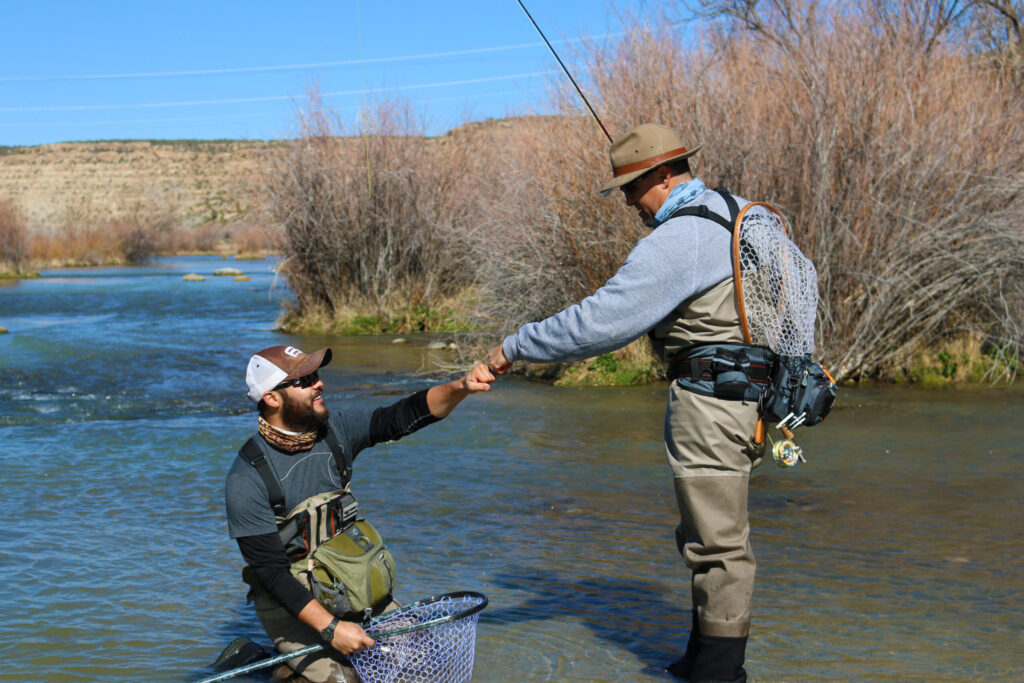
Hunting & Fishing Access

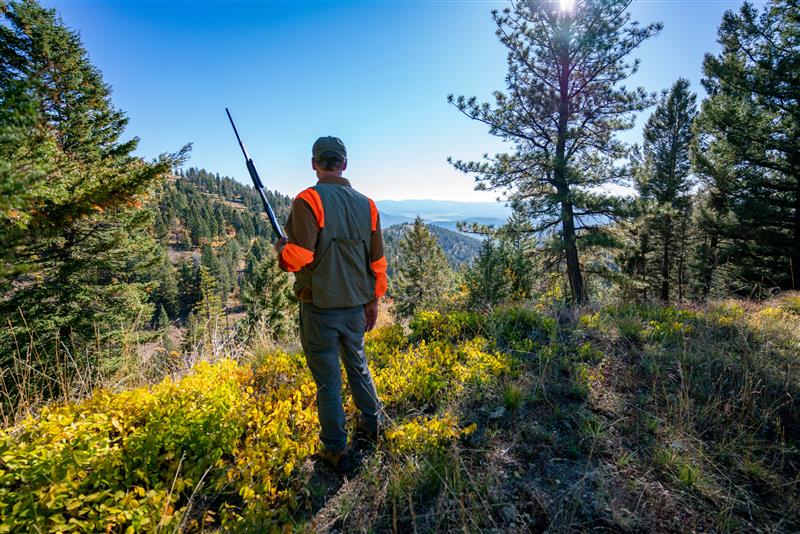
America’s 640 million acres of national public lands provide irreplaceable hunting and fishing opportunities to millions of Americans.

Learn More About Access
What TRCP is Doing

We’re working to safeguard America’s public lands so hunters and anglers always have quality places to pursue their passions.
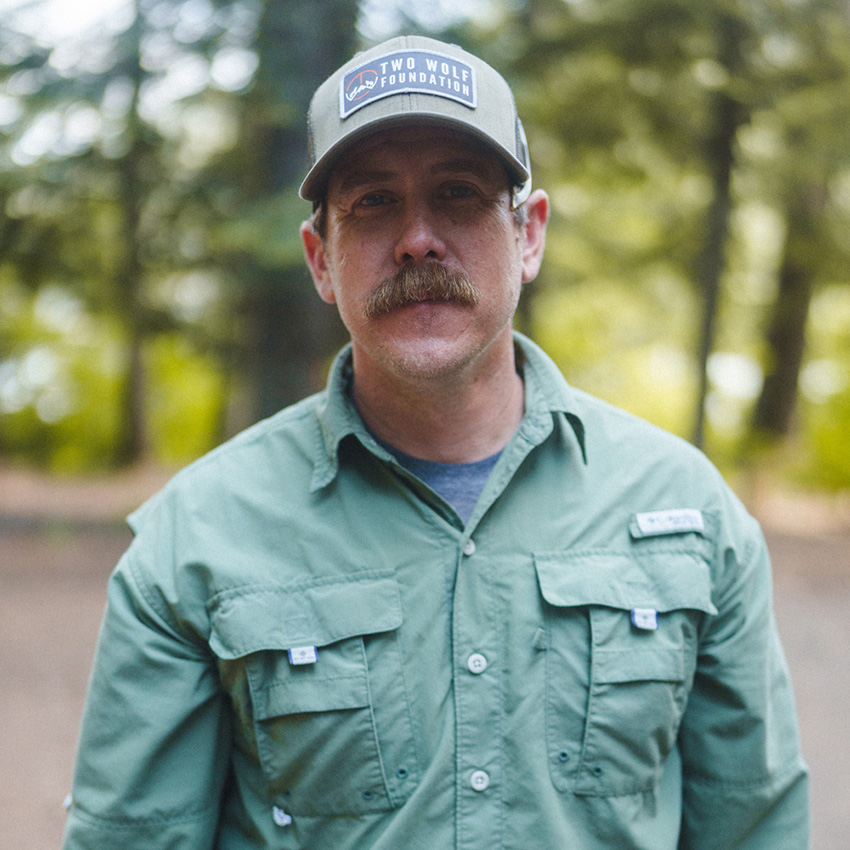
 Brian Flynn, Two Wolf Foundation
How Sportsmen Are Doing It Right

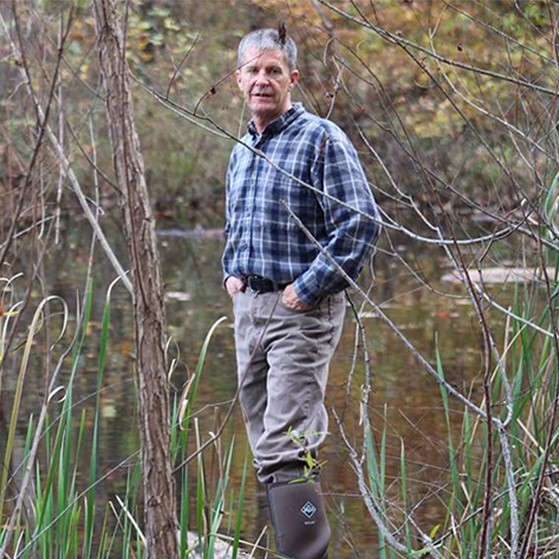
Brian Flynn, Two Wolf Foundation's Story

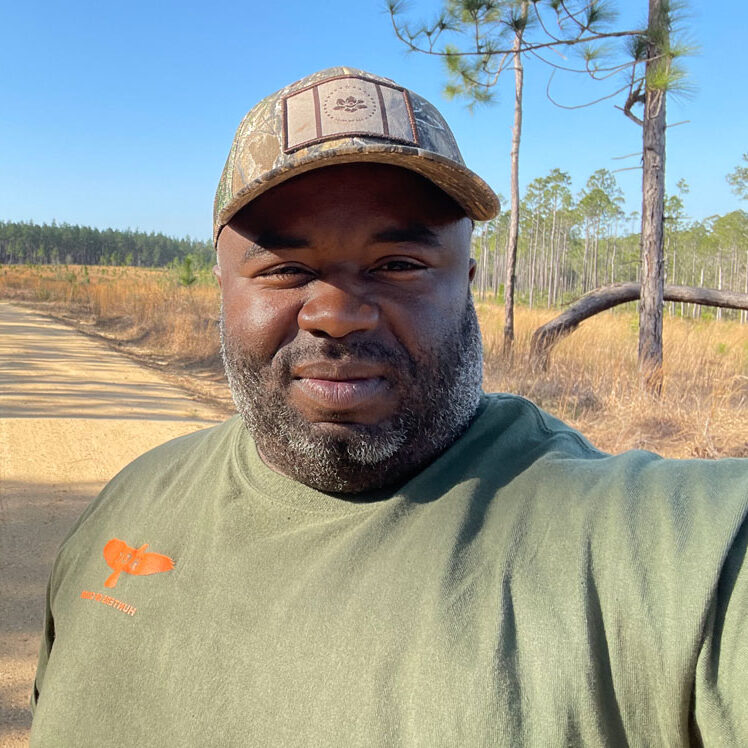
Following a distinguished career in the U.S. Army, lifelong outdoorsman Brian Flynn returned home from a deployment in Afghanistan and…

Hunting
Why It Matters

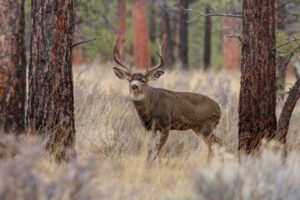
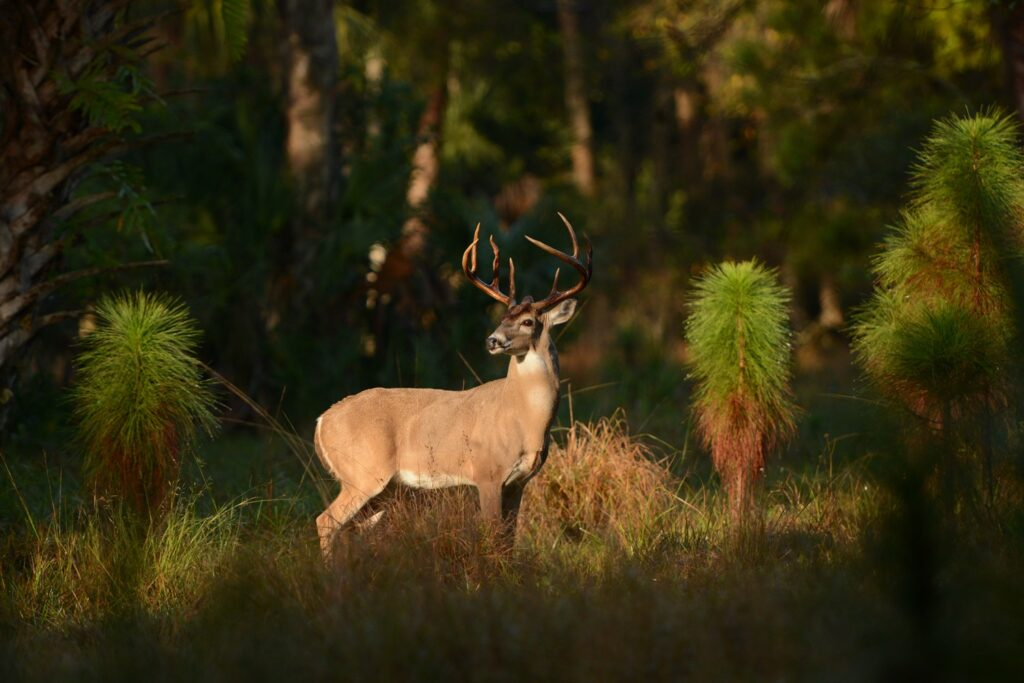
Key Issues for America’s Hunters

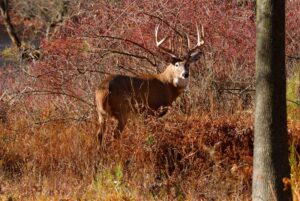
Your source for the latest policy updates, conservation challenges, and opportunities shaping America’s hunting traditions.

What TRCP is Doing

We’re fighting for meaningful policy changes that benefit wildlife, our waters, and the American landscapes that make our outdoor traditions possible.

 Ryan Sparks
How Sportsmen Are Doing It Right

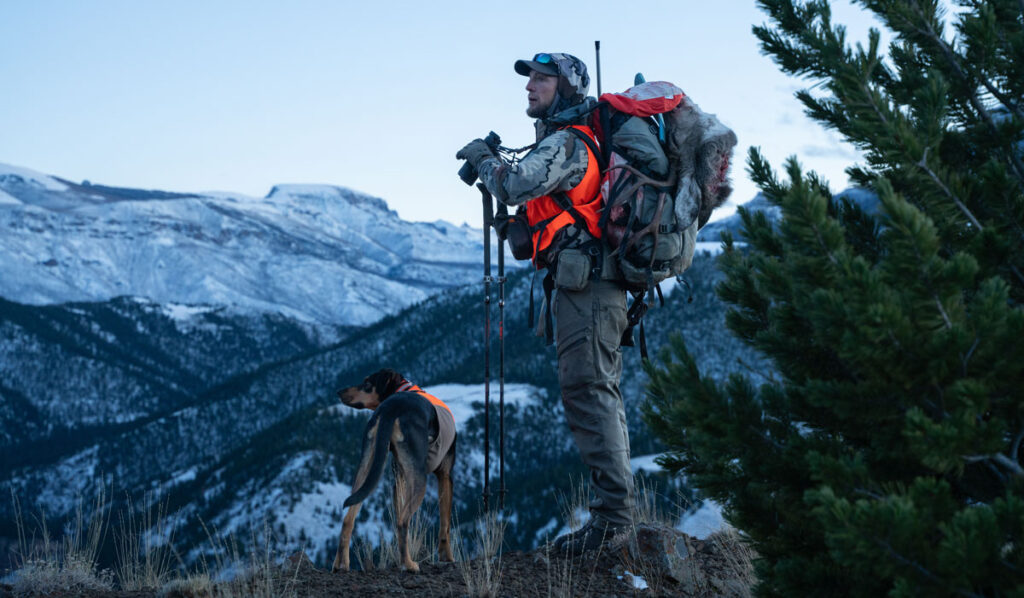
Ryan Sparks's Story

TRCP’s “In the Arena” series highlights the individual voices of hunters and anglers who, as Theodore Roosevelt so famously said,…

Fishing
Why It Matters

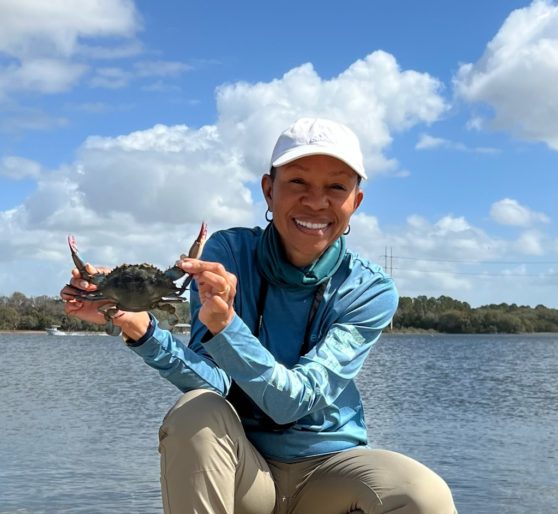
Key Issues for America’s Anglers

Your source for the latest policy updates, conservation challenges, and opportunities shaping America’s fishing traditions.

What TRCP is Doing

We’re fighting for meaningful policy changes that benefit wildlife, our waters, and the American landscapes that make our outdoor traditions possible.

 David Mangum
How Sportsmen Are Doing It Right

David Mangum's Story

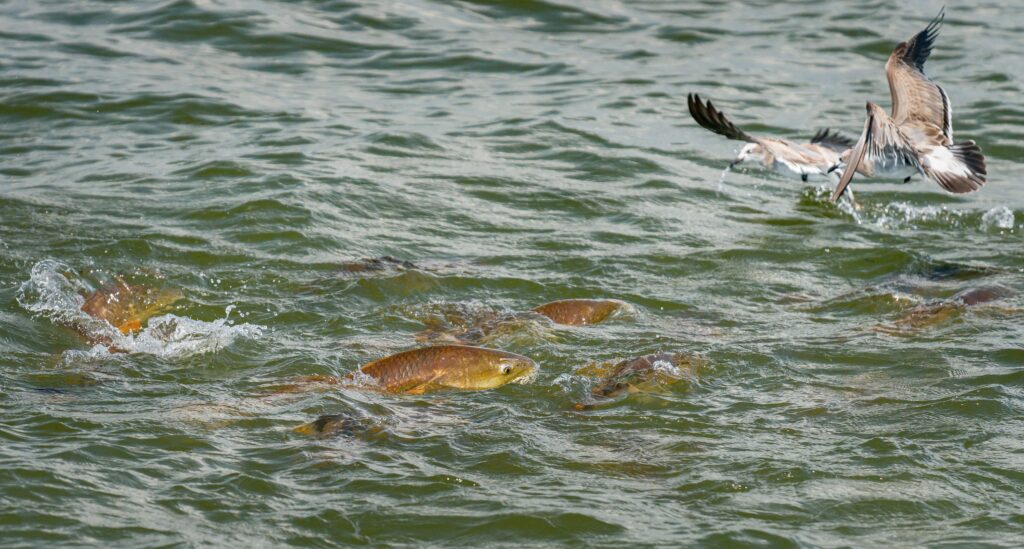
Capt. David Mangum is a YETI ambassador and outdoor photographer who utilizes his talents to produce media that inspire a…

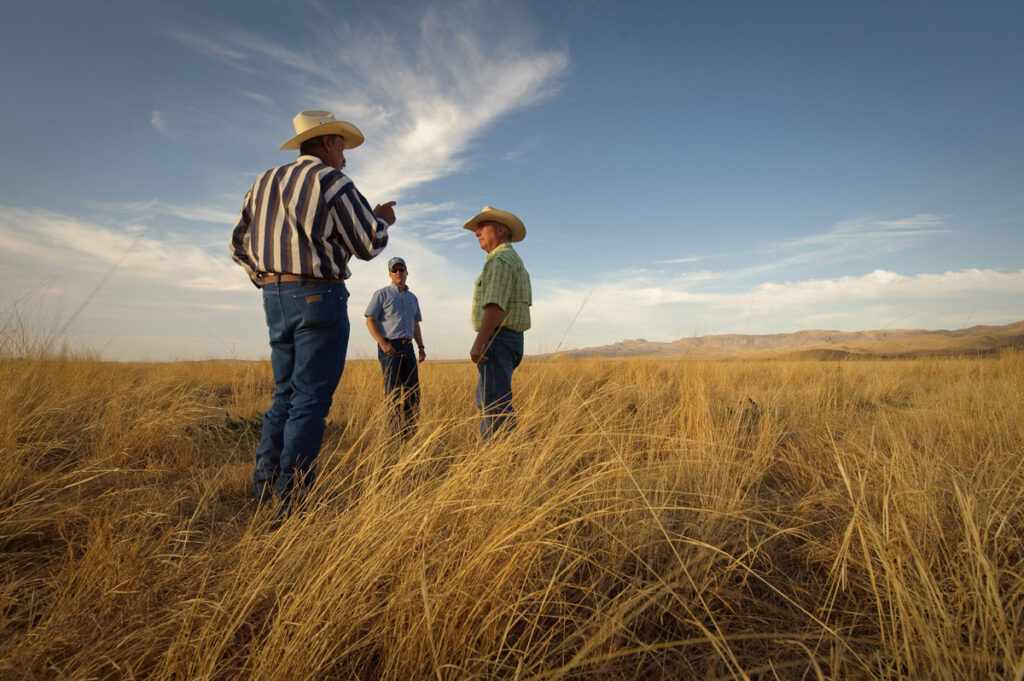
Private Land
Why It Matters

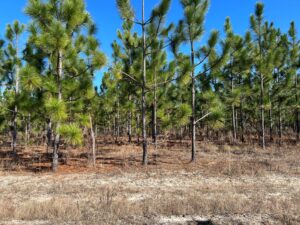
Stewardship on America’s private lands

With 70 percent of U.S. lands in private hands and many of our best hunt and fish opportunities occurring there, investing in voluntary conservation on working lands safeguards access, strengthens habitat and water quality, and ensures resilient landscapes.

Learn More
What TRCP is Doing

We champion policies and programs that restore wildlife habitat, improve soil and water health, and keep working lands productive.

 Ward Burton
How Sportsmen are Doing It Right

Ward Burton's Story

Ward Burton’s NASCAR driving career stretched across most of two decades. As an avid sportsman and conservationist, he founded the…

Special Places
Why It Matters

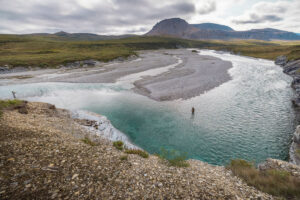
Special Places Worth Protecting

America’s most iconic landscapes provide unmatched habitat and unforgettable days afield. These places sustain wildlife, anchor local economies, and define the hunting and fishing traditions we pass down.

What TRCP is Doing

We’re working to conserve special places that provide world-class habitat and unforgettable opportunities for hunters and anglers.

 Franklin Adams
How Sportsmen Are Doing It Right

Franklin Adams's Story

As a true Gladesman, conservationist, and historian, Capt. Franklin Adams has spent more than six decades championing Everglades restoration efforts…

Habitat & Clean Water
Why It Matters

Healthy Habitat Powers Every Pursuit

All hunting and fishing opportunities depend on quality habitat, from clean water and healthy wetlands to winter and summer habitats and the migration corridors that connect them.

All About Habitat & Clean Water
What TRCP is Doing

We are working to safeguard the habitats that power every hunting and fishing opportunity.

 Alex Harvey
How Sportsmen Are Doing It Right

Alex Harvey's Story

Alex Harvey, founder of Legacy Land Management, is a registered professional forester in Mississippi and Alabama with a Master's degree…

Science
Why It Matters

Science That Guides TRCP

From conserving migration corridors and wetlands to ensuring clean water and resilient landscapes, science provides evidence that turns conservation goals into effective action.

Science for Conservation
What TRCP is Doing

For hunters and anglers, science safeguards the experiences we treasure including resilient big game populations, abundant fish, and wild places that endure changing social landscapes.

Jamelle Ellis
Your Science Expert

Jamelle Ellis's Story

Jamelle Ellis joined the Theodore Roosevelt Conservation Partnership in 2022. Jamelle spent the last three years as an environmental sustainability…

Where We Work
Across the Nation

Conservation Across America

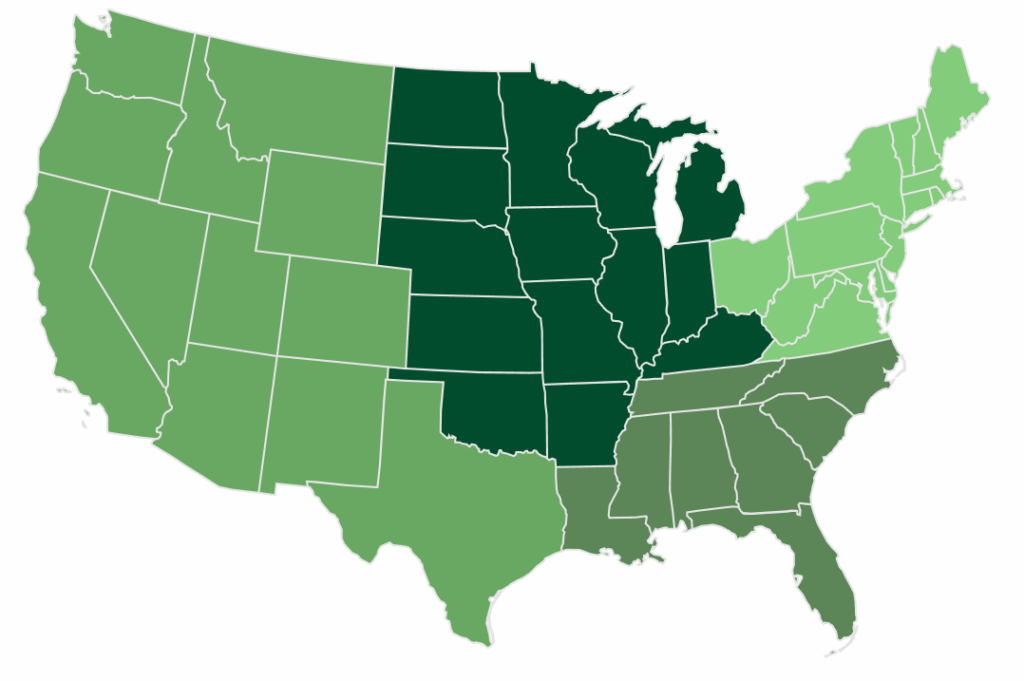
TRCP works across the country to ensure hunters and anglers can enjoy healthy fish and wildlife and quality days afield, no matter where they live.

See All Issues
TRCP in Your Region

TRCP works across the country to ensure hunters and anglers can enjoy healthy fish and wildlife and quality days afield, no matter where they live.

Who We Are
Our Mission

To guarantee all Americans quality places to hunt & fish

We unite and amplify our partners’ voices to advance America’s legacy of conservation, habitat, and access.

Our Mission & Values
Our People & Partners
  • Meet the TRCP Team

    Our staff and board members unite and amplify our partners’ voices to advance America’s legacy of conservation, habitat, and access.

    Meet the Team
  • Our Partners

    ‘Partnership’ is in our name. We work with 64 diverse partner groups that represent today’s leading hunting, fishing, and conservation organizations in order to strengthen the sportsman’s voice in Washington, D.C.

    Our Partners
  • Corporate Council

    TRCP’s Corporate Council is made up of diverse corporations that share a common passion for conservation.

    Corporate Council
Our Organization

Looking for more information?

Explore our latest news, policy updates, and conservation resources to get the information you need.

Giving
How You Can Help

To guarantee all Americans quality places to hunt & fish

Your tax-deductible donation will support TRCP's mission, now and into the future.

DONATE
Special Ways to support trcp
  • Capital Conservation Awards Dinner

    The CCAD is one of Washington's best-attended conservation celebrations, featuring dinner, cocktails, and a silent auction.

    Learn More
  • Step Into the Arena

    Help us ensure that our treasured wild habitats and game remain intact for the next generation to enjoy – lend your support to the TRCP’s efforts today!

    Donate
  • Roosevelt Roast

    TRCP has partnered with Afuera Coffee Co. to further our commitment to conservation.

    Learn More
More donation options

Find the best way for you to lend your support. Join one of TRCP’s donor circles for special invitations, premium offerings from outdoor retailers, and more exclusive benefits. Take control of your legacy with planned giving or contribute to special conservation funds.

Other Ways To Give
News
In the Spotlight

The Next Step for the Tongass

Hunters and Anglers Can Help Shape the Forest Plan.

Read More

Stay Informed

Receive our newsletter, the Roosevelt Report, right in your inbox. Never miss the latest news in conservation issues.

by:

posted in:

December 19, 2014

Gross_Reservoir_Jeffrey_Beall

Do you have any thoughts on this post?

XHTML: You can use these tags: <a href="" title=""> <abbr title=""> <acronym title=""> <b> <blockquote cite=""> <cite> <code> <del datetime=""> <em> <i> <q cite=""> <s> <strike> <strong>

Comments must be under 1000 characters.

by:

posted in:

December 17, 2014

South Dakota rancher lets the land point the way

TRCP Director of Government Relations Steve Kline reflects on his relationship with 2014 Leopold Conservation Award winner Lyle Perman of South Dakota. Read more about Lyle and the award here.

I remember the first time I met Lyle Perman.

I had been worried about recognizing him, but the worry was misplaced. His bolo tie and cowboy hat set him a world apart from the buttoned-up navy suits of downtown Washington, D.C. This was his first trip to the nation’s capital since he had visited the city with the College Republicans decades earlier. Now, the TRCP hosted his return as part of an effort to educate his South Dakota congressional delegation on the importance of conserving native prairie.

As a lobbyist, I can attest that most Hill meetings run about the same way, with little variation. But when you fly somebody like Lyle to Washington to meet with senators and representatives that he knows personally, the meetings take on an entirely different tone. First, the senator has to catch up on all the latest gossip from home, including a serious dissertation on the weather. In South Dakota, rain is still considered a blessing. Talk then turns to neighbors and church; only after a full debrief can the conversation focus on the comparatively mundane: Farm Bill conservation programs working to keep South Dakota’s essential grasslands intact.

Lyle’s farm in Lowry, SD. Image courtesy of Rock Hills Ranch.

Lyle understands that he must learn from his forebears, question the assumptions of conventional wisdom and heed the ample advice the land offers. His Rock Hills Ranch is among the last vestiges of a great American ocean of grass. Much of that epic landscape has been replaced by row crops, bit by the plow, the grass long ago turned upside down. Lyle has seen firsthand what that means for the long-term health of the place he loves, the place where he raised his family. A lifetime spent in the prairies has convinced him grass is what God intended to be here.

After showing Lyle Washington, D.C., I was thrilled just a few months later that he could show me Lowry, South Dakota, and the place he calls home. Two worlds connected by a Farm Bill and a friendship. I am thrilled that my friend Lyle and his family ranch have received this award, where two new generations (and two sets of twins!) roam the countryside and plan for the future of their grass.

The 2014 Leopold Conservation Award could not go to a  more deserving recipient. A tip of the cowboy hat from all of us here at the TRCP.

by:

posted in:

Private Lands Primer: A SAFE place for wildlife

Just before Thanksgiving, the U.S. Department of Agriculture quietly announced an additional 86,000 SAFE acres across seven states: Georgia, Idaho, Indiana, Kansas, Minnesota, North Dakota and South Dakota. These acres are a boon to private landowners and sportsmen. But I’d wager that most hunters and anglers, and probably many farmers and ranchers, don’t know what SAFE is or just how beneficial the program can be.

Image courtesy of Katie McKalip.

For the unfamiliar, SAFE— State Acres For Wildlife Enhancement —is part of the USDA’s Conservation Reserve Program, or CRP. The general CRP asks landowners to voluntarily conserve large tracts of previously cropped land to achieve a wide range of environmental benefits. As a part of CRP, SAFE is also a voluntary land conservation program, but here USDA works with landowners, state and federal agencies, non-profit organizations and the public to identify strategic projects that conserve land in specific parts of the country. SAFE distinctively focuses on habitat for species that are threatened or endangered, have suffered significant population declines or are considered to be socially or economically valuable.

That last phrase, “socially or economically valuable,” is key for sportsmen. SAFE authorizes your local decision makers to identify which acres will best target the needs of “high-value” wildlife, and that includes for hunting and fishing. SAFE projects have provided habitat for the plains sharp-tailed grouse, sage grouse, American woodcock, northern bobwhite quail, ring-necked pheasant, a wide variety of waterfowl, cottontail rabbits, black bears, mule deer, elk, salmon, steelhead trout and many other species, across 36 states and in Puerto Rico. That’s nothing to shake a tail at.

Landowners can benefit from SAFE too especially at a time when crop prices are low and land prices are high. USDA offers a signing incentive of $100 per acre to landowners who convert idle cropland into SAFE; pays landowners up to 90 percent of the cost of planting trees, forbs and grasses that benefit wildlife; and provides guaranteed rental payments on that land for the length of a contract, usually for 10 to 15 years. SAFE can improve farm income while incentivizing on-the-ground practices that benefit our favorite critters on an ecosystem-wide scale.

Image courtesy of US Fish and Wildlife Service.

Although the extra 86,000 acres comprise only a fraction of the 24 million acres enrolled in CRP, at the TRCP we were thrilled by USDA’s announcement. Since SAFE’s introduction in 2007, many states have maxed out their allotted acres and maintain waiting lists for landowners hoping to enroll stream buffers, restored wetlands, newly seeded grasslands and longleaf pine stands in the program. The TRCP welcomes any additional chances to provide habitat for fish and wildlife and access for sportsmen.

Landowners can enroll qualified acres in a designated wildlife project in their state at any time. We especially encourage those in the seven states listed above to take advantage of this new opportunity. For more information, visit www.fsa.usda.gov/conservation or visit a local USDA office.

by:

posted in:

December 10, 2014

Inside the CRomnibus: Conservation funding and policy riders

Image courtesy of the US Park Service.

Last night, congressional appropriators filed a $1 trillion fiscal year 2015 spending bill that would fund most government agencies through the fiscal year.

Despite a few funding shortfalls and policy riders, in total the TRCP considers the so-called “CRomnibus” a sound compromise for conservation funding. Given the overall need to address ongoing federal deficits, level funding for some of our priority programs represents a short-term win.

The bill will be considered by the House Rules Committee this afternoon and face a House vote Thursday; the Senate anticipates taking votes on the spending bill over the weekend. In order to prevent a government shutdown, Congress must pass the CRomnibus by Thursday or, more likely, enact a one- to two-day continuing resolution to buy themselves more time. In order to garner bipartisan support, the bill avoids new limits on significant EPA rules relating to climate change and water regulation and is largely free of controversial riders.

Several key conservation programs would receive level, if not increased, funding for FY2015. The North American Wetlands Conservation Fund, State and Tribal Wildlife Grants Program and Land and Water Conservation Fund would maintain current funding levels. The Forest Legacy Program would see a $2 million increase from FY14 enacted levels. The bill also prevents any regulation on the lead content of ammunition or fishing tackle covered under the Toxic Substances Control Act.

To the dismay of conservationists and sportsmen, the bill prohibits the Interior Department from writing or issuing a rule under the Endangered Species Act for the listings of any/all four subspecies of sage grouse in the coming year, although the full implications of this funding moratorium are still in the process of being interpreted at Interior. Sportsmen also are disappointed that the spending package would preclude a revision of federal wildfire funding, as the current funding mechanism has hamstrung the capacity and budget of the U.S. Forest Service in recent years.

Here are the funding levels for priority conservation programs:

National Wildlife Refuge System

  • $474.2 million for the Refuge System, a $2 million increase over last fiscal year.

EPA

  • U.S. EPA would be funded at $8.1 billion in FY15, a $60 million decrease from FY14 and $250 million more than the Obama administration asked for in its FY15 budget request.
  • EPA’s Clean Water and Safe Drinking Water state revolving funds will be given $2.35 billion, level with FY14 funding and roughly $600 million above the president’s request.

Department of the Interior and Related Agencies

  • The Department of Interior would receive $10.7 billion, slightly above the current $10.5 billion but down from Obama’s $10.9 billion request.
  • Secure Rural Schools would be zeroed out, a serious blow for Western forested counties that depend on the program to alleviate major declines in federal timber harvests. House leaders state they intend to find funding for the program early next year. Until then, they will push legislation to streamline timber sales.
  • Payment in Lieu of Taxes would receive $372 million with additional funding included in the National Defense Authorization Act.
  • State and Tribal Wildlife Grants would receive $58.695 million, level funding from FY14 enacted levels.
  • The North American Wetland Conservation Fund would receive $34.145, level funding from FY14.
  • Forest Legacy Programs would receive $53 million, a $2 million increase from FY14.
  • The Land & Water Conservation Fund will receive $306 million, level funding from FY14.

National Oceanic and Atmospheric Administration

  • NOAA would receive $5.4 billion, an increase of about $126 million from FY14.

Agriculture

  • The Natural Resources Conservation Service’s Environmental Quality Incentives Program and the Conservation Stewardship Programs, mandatory programs under the 2014 Farm Bill, would see roughly $200 million in reduced, mandatory spending for 2015.

Fisheries

  • National Fish Hatchery System Operations would receive $52,860,000 and maintains that Within 90 days of enactment of this Act, the Service shall publish an operations and maintenance plan for fiscal year 2015 for the National Fish Hatchery System that includes funding allocations by region, together with an explanation of the allocation methodology.

by:

posted in:

December 5, 2014

Sharing the sportsmen’s experience

Like many Americans, when my wife and I sit down over Thanksgiving dinner and reflect on what we are most grateful for, family and good health are always at the top of the list. Nothing makes this point more clearly than spending time with folks who don’t have those luxuries.

Over the recent Thanksgiving weekend, my wife Catherine and I were privileged to participate in a hunt for javelina and Coues deer in the Buenos Aires National Wildlife Refuge in southern Arizona. We were volunteering as spotters and guides with Outdoor Experience for All, or OE4A, an organization that offers outdoor experiences to young people diagnosed with life threatening illnesses, children of fallen heroes, and children with disabilities. While the youths in the program are the hunters, their entire families are encouraged to attend and participate in the hunts.

According to Catherine, “This weekend was one of the highlights of our hunting careers. It didn’t seem to matter that although many deer were seen, few were taken, as a great time was had by all.”

We can’t speak highly enough of OE4A’s founder, Eddy Corona. He is a true humanitarian who selflessly provides these great experiences to some very deserving people. We commend him and all of the dedicated OE4A volunteers for their efforts.

OE4A’s mission is “to change lives one adventure at a time.” They believe that everyone who participates in an OE4A adventure, including volunteers, sponsors, parents and siblings, leaves camp with a new outlook on life. We echo that sentiment – and will definitely be volunteering for future OE4A hunts, as I’m pretty sure we gained as much from this experience as the participating families.

To find out more about OE4A go to www.outdoorexperienceforall.org

HOW YOU CAN HELP

TRCP has partnered with Afuera Coffee Co. to further our commitment to conservation. $4 from each bag is donated to the TRCP, to help continue our efforts of safeguarding critical habitats, productive hunting grounds, and favorite fishing holes for future generations.

Learn More

You have Successfully Subscribed!

You have Successfully Subscribed!

You have Successfully Subscribed!

You have Successfully Subscribed!