Our Issues
Public Lands
Why It Matters

Hunting & Fishing Access

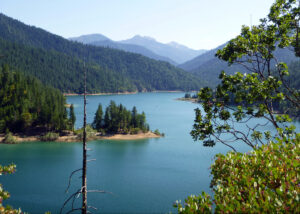
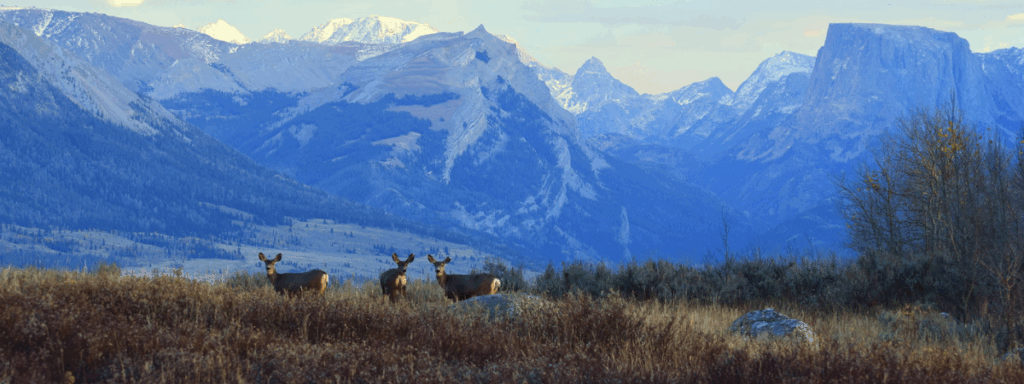
America’s 640 million acres of national public lands provide irreplaceable hunting and fishing opportunities to millions of Americans.

Learn More About Access
What TRCP is Doing

We’re working to safeguard America’s public lands so hunters and anglers always have quality places to pursue their passions.
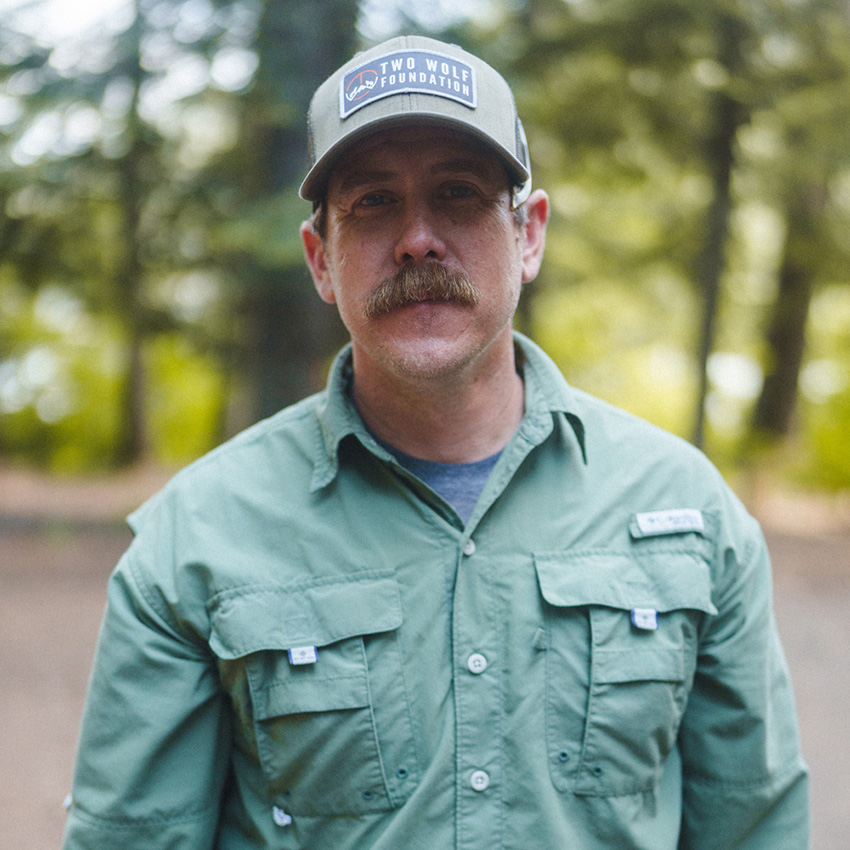
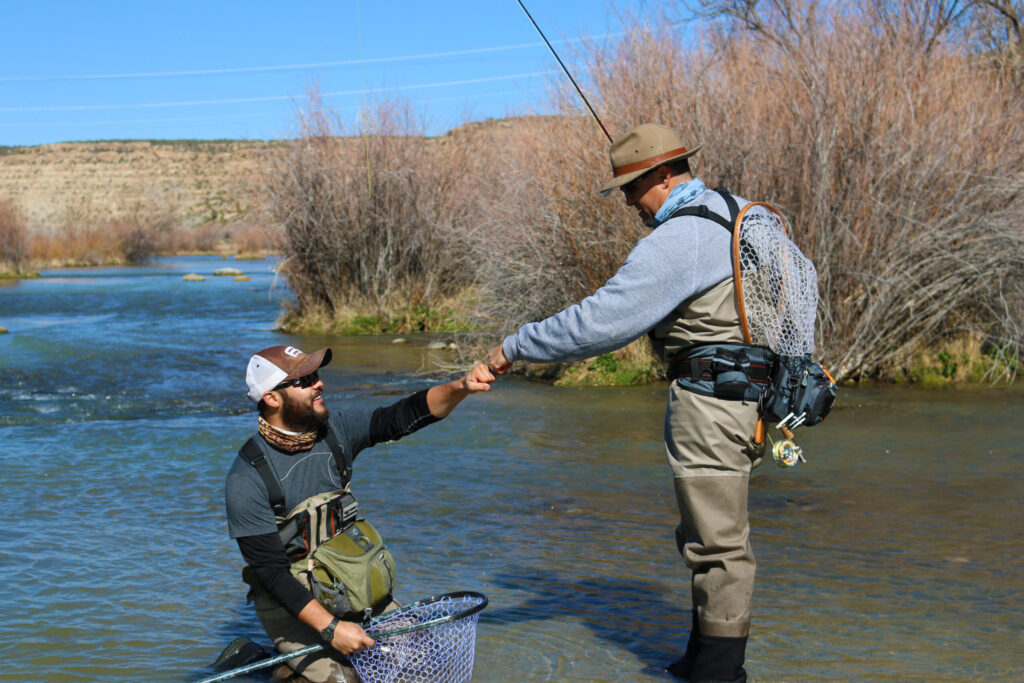
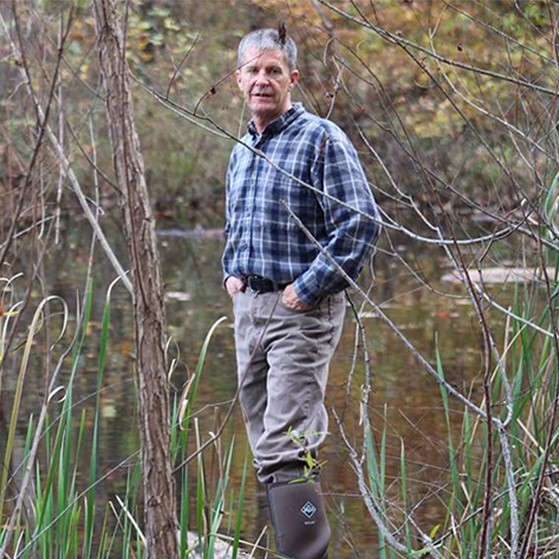
 Brian Flynn, Two Wolf Foundation
How Sportsmen Are Doing It Right

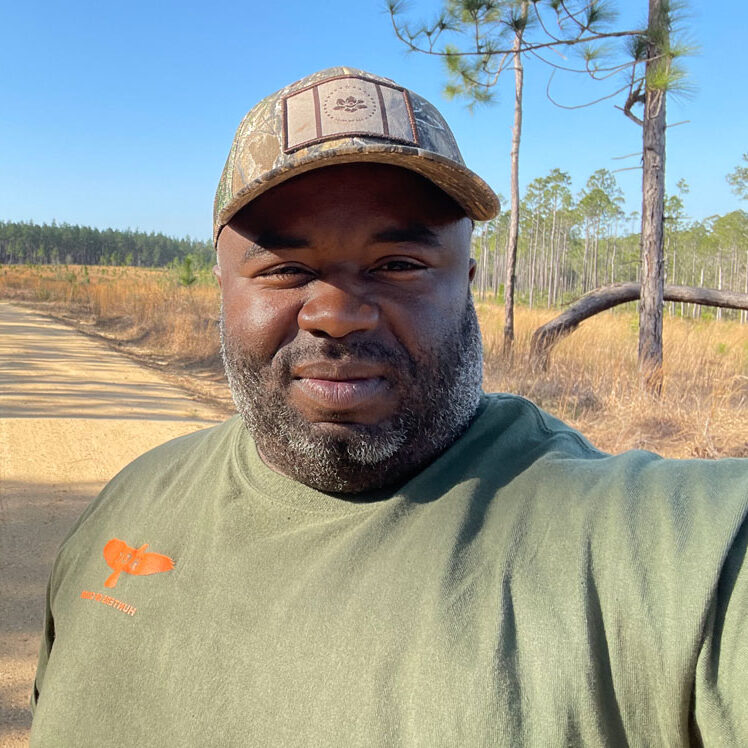
Brian Flynn, Two Wolf Foundation's Story

Following a distinguished career in the U.S. Army, lifelong outdoorsman Brian Flynn returned home from a deployment in Afghanistan and…


Hunting
Why It Matters

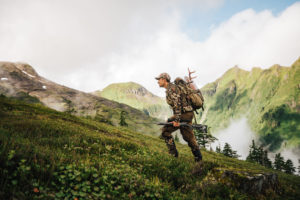
Key Issues for America’s Hunters

Your source for the latest policy updates, conservation challenges, and opportunities shaping America’s hunting traditions.

What TRCP is Doing

We’re fighting for meaningful policy changes that benefit wildlife, our waters, and the American landscapes that make our outdoor traditions possible.

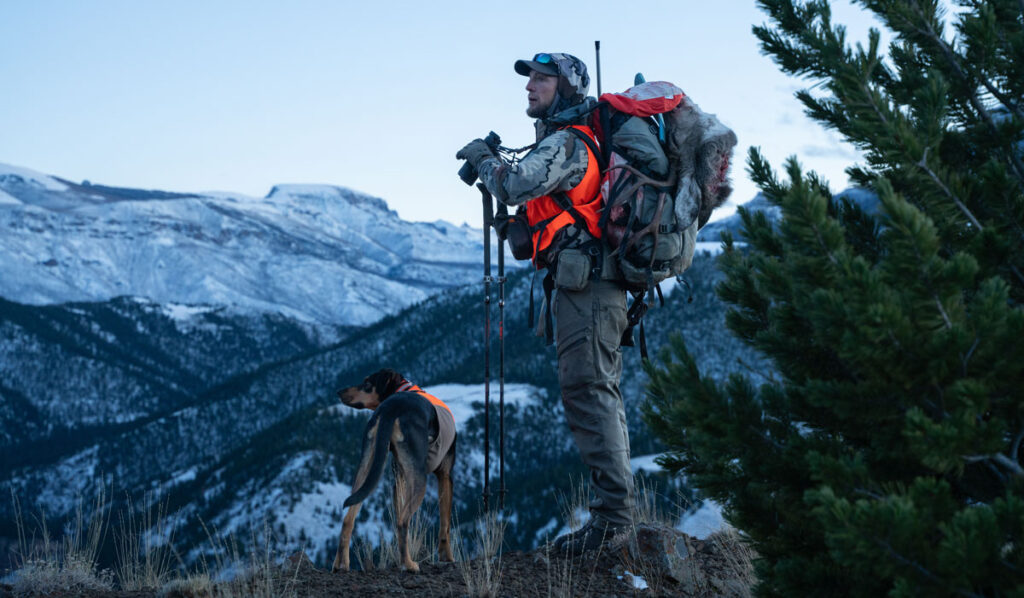
 Ryan Sparks
How Sportsmen Are Doing It Right

Ryan Sparks's Story

TRCP’s “In the Arena” series highlights the individual voices of hunters and anglers who, as Theodore Roosevelt so famously said,…
Fishing
Why It Matters

Key Issues for America’s Anglers

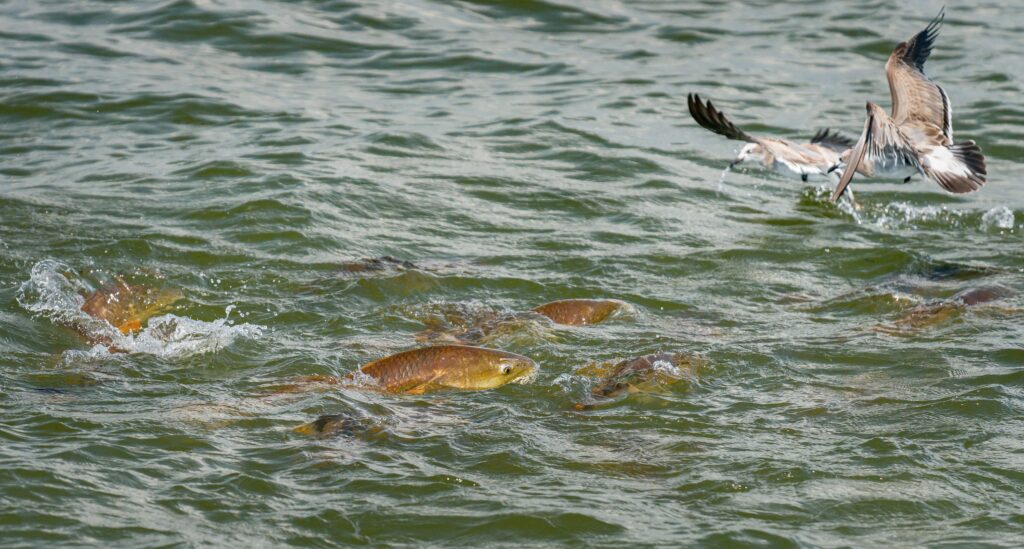
Your source for the latest policy updates, conservation challenges, and opportunities shaping America’s fishing traditions.

What TRCP is Doing

We’re fighting for meaningful policy changes that benefit wildlife, our waters, and the American landscapes that make our outdoor traditions possible.

 David Mangum
How Sportsmen Are Doing It Right

David Mangum's Story

Capt. David Mangum is a YETI ambassador and outdoor photographer who utilizes his talents to produce media that inspire a…

Private Land
Why It Matters

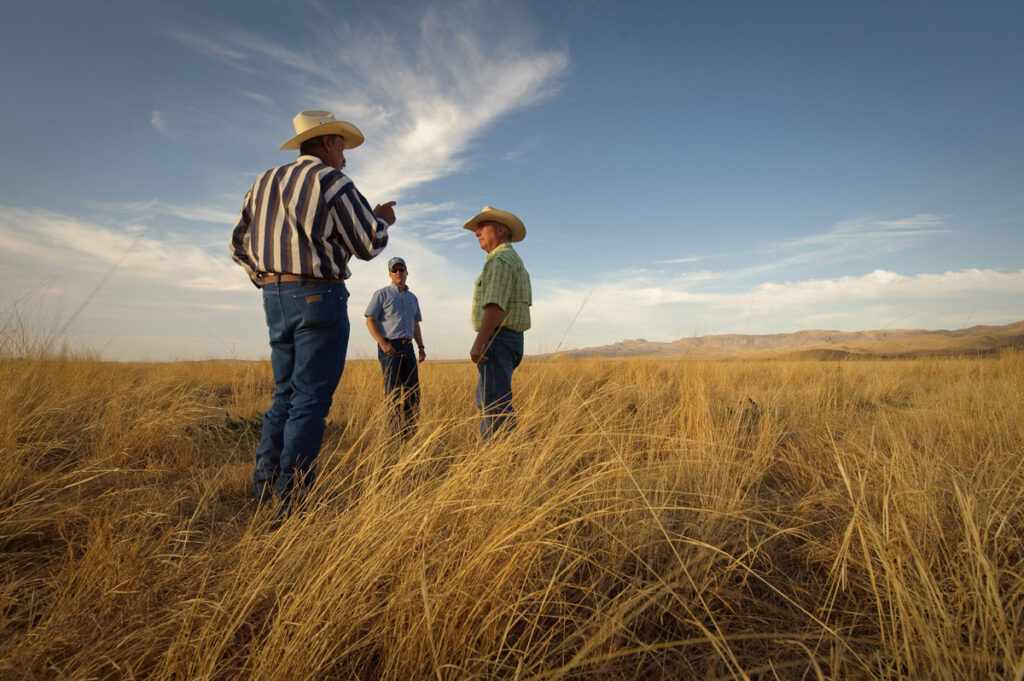
Stewardship on America’s private lands

With 70 percent of U.S. lands in private hands and many of our best hunt and fish opportunities occurring there, investing in voluntary conservation on working lands safeguards access, strengthens habitat and water quality, and ensures resilient landscapes.

Learn More
What TRCP is Doing

We champion policies and programs that restore wildlife habitat, improve soil and water health, and keep working lands productive.

 Ward Burton
How Sportsmen are Doing It Right

Ward Burton's Story

Ward Burton’s NASCAR driving career stretched across most of two decades. As an avid sportsman and conservationist, he founded the…

Special Places
Why It Matters

Special Places Worth Protecting

America’s most iconic landscapes provide unmatched habitat and unforgettable days afield. These places sustain wildlife, anchor local economies, and define the hunting and fishing traditions we pass down.

What TRCP is Doing

We’re working to conserve special places that provide world-class habitat and unforgettable opportunities for hunters and anglers.

 Franklin Adams
How Sportsmen Are Doing It Right

Franklin Adams's Story

As a true Gladesman, conservationist, and historian, Capt. Franklin Adams has spent more than six decades championing Everglades restoration efforts…

Habitat & Clean Water
Why It Matters

Healthy Habitat Powers Every Pursuit

All hunting and fishing opportunities depend on quality habitat, from clean water and healthy wetlands to winter and summer habitats and the migration corridors that connect them.

All About Habitat & Clean Water
What TRCP is Doing

We are working to safeguard the habitats that power every hunting and fishing opportunity.

 Alex Harvey
How Sportsmen Are Doing It Right

Alex Harvey's Story

Alex Harvey, founder of Legacy Land Management, is a registered professional forester in Mississippi and Alabama with a Master's degree…

Science
Why It Matters

Science That Guides TRCP

From conserving migration corridors and wetlands to ensuring clean water and resilient landscapes, science provides evidence that turns conservation goals into effective action.

Science for Conservation
What TRCP is Doing

For hunters and anglers, science safeguards the experiences we treasure including resilient big game populations, abundant fish, and wild places that endure changing social landscapes.

Jamelle Ellis
Your Science Expert

Jamelle Ellis's Story

Jamelle Ellis joined the Theodore Roosevelt Conservation Partnership in 2022. Jamelle spent the last three years as an environmental sustainability…

Where We Work
Across the Nation

Conservation Across America

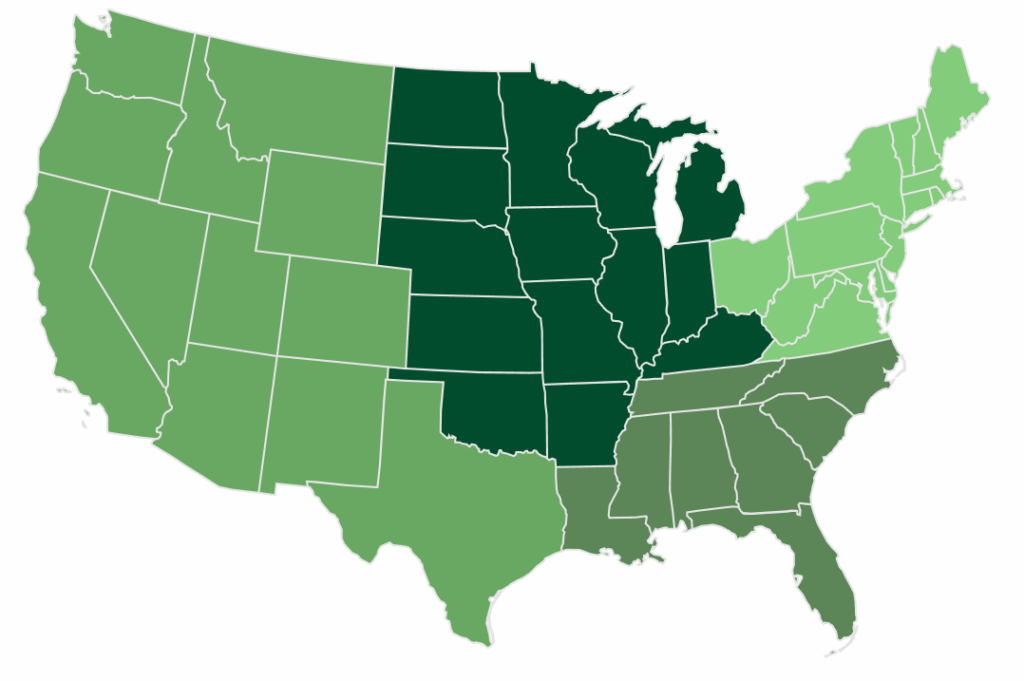
TRCP works across the country to ensure hunters and anglers can enjoy healthy fish and wildlife and quality days afield, no matter where they live.

See All Issues
TRCP in Your Region

TRCP works across the country to ensure hunters and anglers can enjoy healthy fish and wildlife and quality days afield, no matter where they live.

Who We Are
Our Mission

To guarantee all Americans quality places to hunt & fish

We unite and amplify our partners’ voices to advance America’s legacy of conservation, habitat, and access.

Our Mission & Values
Our People & Partners
  • Meet the TRCP Team

    Our staff and board members unite and amplify our partners’ voices to advance America’s legacy of conservation, habitat, and access.

    Meet the Team
  • Our Partners

    ‘Partnership’ is in our name. We work with 64 diverse partner groups that represent today’s leading hunting, fishing, and conservation organizations in order to strengthen the sportsman’s voice in Washington, D.C.

    Our Partners
  • Corporate Council

    TRCP’s Corporate Council is made up of diverse corporations that share a common passion for conservation.

    Corporate Council
Our Organization

Looking for more information?

Explore our latest news, policy updates, and conservation resources to get the information you need.

Giving
How You Can Help

To guarantee all Americans quality places to hunt & fish

Your tax-deductible donation will support TRCP's mission, now and into the future.

DONATE
Special Ways to support trcp
  • Capital Conservation Awards Dinner

    The CCAD is one of Washington's best-attended conservation celebrations, featuring dinner, cocktails, and a silent auction.

    Learn More
  • Step Into the Arena

    Help us ensure that our treasured wild habitats and game remain intact for the next generation to enjoy – lend your support to the TRCP’s efforts today!

    Donate
  • Roosevelt Roast

    TRCP has partnered with Afuera Coffee Co. to further our commitment to conservation.

    Learn More
More donation options

Find the best way for you to lend your support. Join one of TRCP’s donor circles for special invitations, premium offerings from outdoor retailers, and more exclusive benefits. Take control of your legacy with planned giving or contribute to special conservation funds.

Other Ways To Give
News
In the Spotlight
Colorado river

Colorado River Decisions Will Shape the Future of Fish, Wildlife, and the Southwest

With this important federal milestone, now is the time for the Colorado River Basin States to come to an agreement on the future of the Colorado River.

Read More

Stay Informed

Receive our newsletter, the Roosevelt Report, right in your inbox. Never miss the latest news in conservation issues.

by:

posted in:

August 19, 2014

Fire Management Needs Funds

Oregon is known for vast landscapes of sagebrush steppe and lush forest. These wide-open countries provide both access and important habitat for numerous species of big game, birds and trout and, consequently, offers outstanding public lands hunting.

These open spaces are at risk with continued spread of noxious weeds that contribute to frequent fire events. Invasive weeds such as cheatgrass a Eurasian exotic, dry quickly, are highly flammable and degrade habitat. This year, dry weather, lightning and fuel sources like cheatgrass has currently resulted in nearly 600, 00 acres burning across Oregon’s landscapes, the cost to fight fires is great for agencies and taxpayers. 2013 was the second most expensive wildfire year on record for the state, with an estimated $183 million going to fighting Oregon’s wildfires.

Courtesy of OR Dept. of Transportation/Kevin Halesworth

According to Oregon Forest Resource Institute; fire suppression, while beneficial in the short term, can have long-term negative effects. The exclusion of natural wildfire can, result in dense, overstocked forests with an overabundance of understory that would normally be removed by natural fires. The cost of thinning one acre of overstocked forestland is $500 while the cost of fighting a fire on that same acre of forestland is $5,000. Also, vital habitat projects are delayed because of lack of funding such as a culvert project in the Siuslaw National Forest. The project cost was $192,000 needed to replace two undersized and failing culverts but deferred to cover suppression cost.

A bipartisan measure sponsored by Senators Ron Wyden and Mike Crapo and cosponsored by Senator Jeff Merkley called for a vote on the Wildfire Disaster Funding that would shift excess fire suppression costs away from the Forest Service budget. Not only would this restore appropriated dollars to programs vital to proper forestry management and wildlife conservation, it would reinvest needed dollars into wildfire prevention programs which would mitigate the risk of these “catastrophic” wildfires.

With persistent droughts, dry forest conditions the West is experiencing a harsh fire season. Currently there are active fires burning in Oregon, Washington, Idaho, Utah, Arizona, and California. The administration already estimates that this year’s funding for firefighting will fall short of the costs. The Wildfire Disaster Funding Act can help shift those cost. Contact your senators today and ask them to support the Wildfire Disaster Funding Act.

Do you have any thoughts on this post?

XHTML: You can use these tags: <a href="" title=""> <abbr title=""> <acronym title=""> <b> <blockquote cite=""> <cite> <code> <del datetime=""> <em> <i> <q cite=""> <s> <strike> <strong>

Comments must be under 1000 characters.

by:

posted in:

August 13, 2014

Water Conservation Funding is Going Down. But It Could Be Worse.

There’s an old saying that “water flows uphill towards money.” This means that those with the most money usually end up getting the water, even if it means pumping water uphill and over mountain ranges to do it. The saying reflects a frustration many people feel when they lose out to more well-heeled water users, especially in times of drought.

Now, based on an initial review of data in the Sportsmen’s Water Budget, there might be a new corollary that also is especially frustrating in this current drought: “Money for water is going downhill.”

In case you missed the initial launch and description, the “Sportsmen’s Water Budget” tracks federal programs that impact water resources conservation[1] at seven federal agencies: the Bonneville Power Administration, Bureau of Reclamation, Environmental Protection Agency (EPA), Fish and Wildlife Service (FWS), National Oceanic and Atmospheric Administration, Natural Resources Conservation Service (NRCS), and U.S. Army Corps of Engineers.

Each agency has programs that can enhance freshwater resources. They vary widely in goals, focus and size. For example, the Clean Water State Revolving Fund at EPA capitalizes state revolving loans that finance public wastewater system infrastructure improvements. It receives between $1.5 billion and $2 billion each year but only a small portion of that goes to enhancing the freshwater resources hunters and anglers enjoy.

At another end of the spectrum, the North American Wetlands Conservation Fund at FWS is the most important funding mechanism for the conservation of waterfowl habitat across North America. It receives about $35 million each year – nearly 60 times smaller than the CWSRF – but nearly all of that money goes to improving the health and integrity of wetlands.

Such wide discrepancies between programs included in the Sportsmen’s Water Budget means that a top-level analysis of water conservation funding will gloss over important distinctions between agencies and programs.[2] Nevertheless, the aggregate federal investment in water conservation programs can give us a sense of the relative priority water conservation has in federal budget decisions.

Total water conservation spending at seven federal agencies from fiscal year 2010 (FY10) to fiscal year 2014 (FY14) in real dollars.

Here, I look at the baseline years 2010-2014 where we have nearly final spending data, and only consider the total funding for all programs over the five-year period.

Over this period, total water conservation spending has averaged about $6.6 billion per year, with a high of $7.0 billion (2011) and a low of $6.3 billion (2013). Year-to-year fluctuations are dramatic – up 5 percent one year then down 6.5 percent the next – but over the whole period funding is down 1 percent, or $66 million.

A decrease in spending over the last five years isn’t surprising. This follows the trend in overall federal spending. After the economic collapse of 2008-09, Congress instituted austere budget restrictions designed to reel in deficits. Fortunately, the drop in water conservation spending is less severe than the corresponding drop in overall spending. According to data from the Office of Management and Budget, non-defense discretionary spending, the broad budget category to which water conservation belongs, has gone down 5 percent over the same time period (2010-2014). That water conservation spending hasn’t suffered as much indicates that these programs have been a relative priority for lawmakers determined to cut spending.

Figure 2. Total water conservation spending at seven federal agencies from fiscal year 2010 (FY10) to fiscal year 2014 (FY14) in constant 2010 dollars.

A one percent drop in water conservation spending may not sound that bad but the picture gets bleaker after adjusting for inflation. In constant 2010 dollars, water conservation funding in 2014 is roughly $6.0 billion, down 9 percent from 2010. Again, this compares favorably to overall non-defense discretionary spending, which has declined 13 percent over the last five years after adjusting for inflation. Nevertheless, at a time of historic drought across the West, this means we have lost $625 million in purchasing power over five years for efforts to make the most out of every drop of water we have. That kind of decline could be sowing the seeds of trouble as climate change and population growth exacerbate current water supply problems.

There is reason to be hopeful about the future. Several years of slow but steady economic recovery are finally easing some of the fiscal constraints of the Great Recession; for example, water conservation spending was up 5 percent in 2014 over the previous year. And after seemingly endless omnibus spending bills, continuing resolutions and other budgetary standoffs that culminated in a shutdown of the federal government, Congress was able to complete a budget and appropriations process for fiscal year 2014. However, this year’s election is complicating the chances for a repeat for fiscal year 2015.


[1] In this context, water conservation refers to federal programs that have improvement of freshwater aquatic habitat, including aquatic species restoration, as a primary goal, or the ability to increase flows or wetland acres. There are other important federal actions that influence water conservation, such as research or data collection, but the “Sportsmen’s Water Budget” focuses on programs that have the ability to directly and immediately enhance freshwater resources.

[2] For example, while 60 percent of water conservation programs had their budgets cut by an average of $43 million from 2010-2014, one program – the Conservation Stewardship Program at NRCS – had its budget increase $689 million over the same period, masking significant decreases in CWSRF and EPA’s geographic programs like Great Lakes Restoration.

by:

posted in:

August 12, 2014

Spearheading shark conservation

Guy Harvey with mako shark
Guy Harvey swims with a mako shark. Photo courtesy of the Guy Harvey Ocean Foundation.

As an artist, scientist and fisherman, Guy Harvey is combining his three loves these days to help sharks.

One of the country’s most popular wildlife artists, Harvey’s work appears on everything from murals and posters to T-shirts and towels. With a doctorate in marine zoology, Harvey and his Guy Harvey Ocean Foundation have taken on the challenge of protecting sharks by tagging them with transmitters so scientists can track their travels.

“It’s about being responsible and taking the lead and trying to make a difference,” Harvey said. “[Sharks] have been so extensively killed, mainly through commercial long-lining, that their populations have been significantly reduced. They’re slow-growing, long-lived animals.”

Harvey said some states, like Florida, and some countries, such as the Bahamas, have protected sharks by reducing or prohibiting commercial fishing for them. He hopes the data provided by the tags will lead to restrictions on the slaughter of sharks in other parts of the world.

“You’ve got to get the research,” said Harvey during a daytime swordfishing trip out of Islamorada in the Florida Keys. (He and three other anglers each caught and released a swordfish on Catch 22 with Capt. Scott Stanczyk.) “You have to approach management not on a country-by-country basis but on a regional basis.”

Harvey, who lives in the Cayman Islands and who grew up offshore fishing in Jamaica, has helped catch and then tag sharks such as makos and tigers. He was part of a tagging effort for oceanic whitetip sharks in conjunction with a dolphin tournament in Grand Cayman. A $1,500 reward was offered to the first couple of tournament anglers who caught a shark and held it for tagging. Six sharks were held and tagged, and Harvey and his crew caught and tagged four others.

“What was cool was the guys who caught the first two sharks gave the money back so we could buy more tags,” Harvey said. “All of a sudden, we turned around the Caymanians’ attitude toward sharks. Usually they kill sharks and use them for bait.”

The shark tags cost $1,800 each, plus the cost of satellite time to retrieve the data from them. The tags are bolted to a shark’s dorsal fin, then the shark is released. Harvey jumps in the water to swim with the shark until it takes off. The experiences often result in new paintings of sharks.

Guy Harvey swordfishing
Guy Harvey fights a swordfish. Photo by Steve Waters.

“He loves it. It’s a combination of fishing, diving and his science background,” said Dr. Mahmood Shivji, the director of Nova Southeastern University’s Guy Harvey Research Institute and Save Our Seas Shark Research Center in Hollywood, Fla. The university has a website –nova.edu/ocean/ghri/tracking – that displays the sharks’ travels. Some of the findings have been enlightening.

“Some are staying around and some are moving,” Harvey said, adding that one shark, a mako nicknamed Bad Guy, traveled from Mexico to Grand Cayman to Jamaica, through the Windward Passage and up the eastern coast of the United States to Maryland, where he joined other makos that were tagged in that area.

Shivji said that Harvey’s efforts have had an impact on shark research. Most scientists are funded through government grants, which have greatly declined. The Guy Harvey Ocean Foundation, which receives private donations as well as proceeds from sales of Harvey goods and lottery tickets bearing his artwork, has helped keep the shark research going.

Shivji added that the importance of the research gets extra attention because of Harvey’s “celebrity status.” And as Harvey said, once you have the research, it becomes easier to make the case for conservation-minded countries to persuade countries that “plunder” shark populations to change their ways.

by:

posted in:

August 5, 2014

How and why TruckVault Cares

Every once in a (long) while I have a pretty good idea. Because they are so infrequent, when I do have one, I act on it. That’s how “TruckVault Cares … for conservation, canines & kids … presented by PawPrint Genetics” started.

I wondered how I could use my bully pulpit as creator/host of America’s most-watched bird hunting TV show to help groups that deserve more exposure, members, support and funds.

Courtesy of TruckVault Cares

I’ve watched the TRCP from its infancy, gotten to know Jim Range and Rollie Sparrow a bit, and shared the TRCP vision from the get-go. I’m glad this year the TRCP is one of the beneficiary groups. But it’s up to you, dear reader, to make this pay off for your favorite group.

It’s fun, not to mention a good excuse to share your beliefs with others who also will support the TRCP and spend someone else’s money in support of your favorite group. Here’s how it works:

Groups receive on-air marketing exposure on Wingshooting USA TV plus online and social media marketing, print advertising in each others’ publications, and cross-promotion with partner groups. Each group will receive a share of the funding pool I provide based on total votes tallied.

Along with the TRCP, the campaign spotlight will be shared by USA Shooting, the training and sanctioning organization for U.S. Olympic and Paralympic shooting sports; Quail and Upland Wildlife Foundation, which provides funding and manpower for on-the-ground projects; Farmers and Hunters Feeding the Hungry, which funds processing and facilitates hunter donations of meat to needy families; German Shorthair Club of America’s dog rescue, an effort to find new homes for lost and abandoned hunting dogs; and the National Police Dog Foundation, which buys, trains and cares for active and retired law enforcement canines.

Anyone can vote daily at the TruckVault website and the TruckVault Facebook page. Voters are eligible for prizes throughout the campaign, which ends Dec. 31, 2014, when a $5,000 prize package is awarded at random to one voter.

And please, if you are buying any new gear or services, consider supporting the sponsors who support “TruckVault Cares”: TruckVault, Happy Jack dog care products, Filson apparel, Fiocchi ammunition, Pursuit Channel, Scott Linden’s Signature Series of dog gear, SportDOG and O.F. Mossberg & Sons.

(Scott Linden is executive producer and host of Wingshooting USA, airing on eight TV networks and the official TV series of the National Shooting Sports Foundation.)


by:

posted in:

July 29, 2014

More bad news about lionfish

Image courtesy of NOAA.

Lionfish populations continue to expand in coastal waters of the Atlantic Ocean and the Gulf of Mexico, stretching from New England to Mexico.

The exotic invader from the South Pacific and Indian Ocean was first documented off South Florida in 1985 after someone dumped his or her aquarium in the ocean rather than disposing of the lionfish.

Nothing was done about those fish by state or federal agencies. By the 1990s, lionfish had spread along Florida’s Atlantic coast. In 2000, they showed up off North Carolina. In 2009, lionfish had expanded throughout the Florida Keys. From there they stretched along the Gulf coast to Mexico.

In addition to the United States, the fish, which gobble up native reef species, have spread throughout the Caribbean to Central and South America. The Keys-based Reef Environmental Education Foundation has excellent information about lionfish on its website at www.reef.org/lionfish.

Now, thanks to a science fair project conducted by a 12-year-old girl from Jupiter, Fla., there is new information. It’s not good.

Scientists say that lionfish can also spread into estuaries with extremely low salinity rates. That means lionfish, which have no predators in their new range, could establish a stronghold in bays, lagoons and rivers with just a hint of saltwater.

In Florida, the fish already have been documented in the Loxahatchee River in Jupiter and the Indian River in Sebastian. The thinking was that the fish couldn’t stray too far from the inlets connected to those rivers, but Lauren Arrington discovered otherwise.

Arrington’s sixth-grade project demonstrated that lionfish can survive in water that is almost fresh. Scientists who heard about her project replicated her work and confirmed just how tolerant of low salinity levels lionfish can be.

“Her project was the impetus for us to follow up on the finding and do a more in-depth study,” said Craig Layman, an ecology professor at North Carolina State University, who was researching lionfish in the Loxahatchee River with graduate students from Florida International University.

“We were the first paper that published the salinity of the lionfish, and it was all because of what she had done with her science project.”

For her project, Arrington gradually lowered the salinity in five aquariums with lionfish that she and her father caught in the Indian River. They kept another aquarium at normal ocean salinity level of 35 parts per thousand as a control. Arrington brought down the salinity levels to 6 parts per thousand and the lionfish were fine. She didn’t go any lower for fear of killing the fish, which would have disqualified her project from the science fair.

Layman and his graduate students found that lionfish can tolerate a salinity of 5 parts per thousand, as well as pulses of fresh water. Their findings were published in “Environmental Biology of Fishes.” Arrington received a mention in the research paper’s acknowledgments section.

HOW YOU CAN HELP

TRCP has partnered with Afuera Coffee Co. to further our commitment to conservation. $4 from each bag is donated to the TRCP, to help continue our efforts of safeguarding critical habitats, productive hunting grounds, and favorite fishing holes for future generations.

Learn More
Subscribe


You have Successfully Subscribed!

You have Successfully Subscribed!

You have Successfully Subscribed!

You have Successfully Subscribed!

You have Successfully Subscribed!