Our Issues
Public Lands
Why It Matters

Hunting & Fishing Access

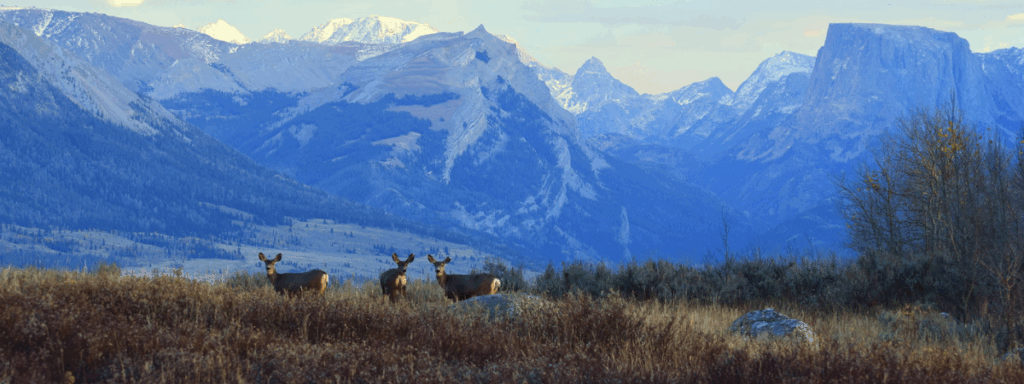
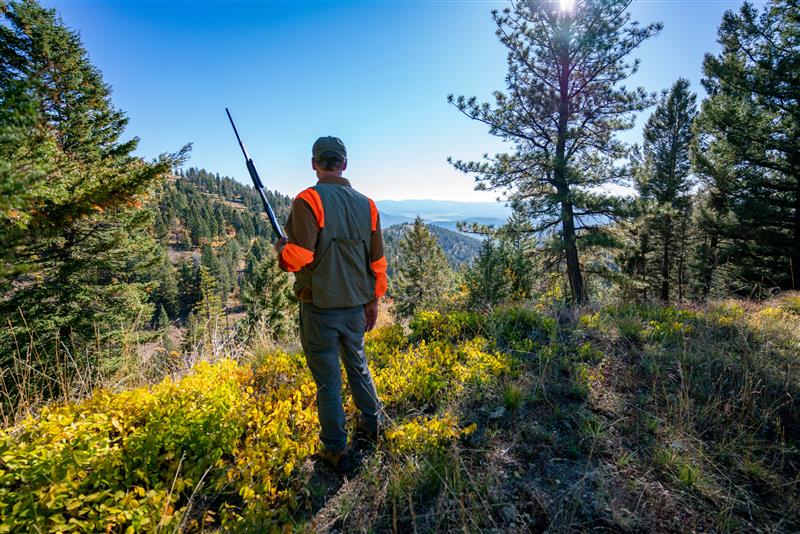
America’s 640 million acres of national public lands provide irreplaceable hunting and fishing opportunities to millions of Americans.

Learn More About Access
What TRCP is Doing

We’re working to safeguard America’s public lands so hunters and anglers always have quality places to pursue their passions.
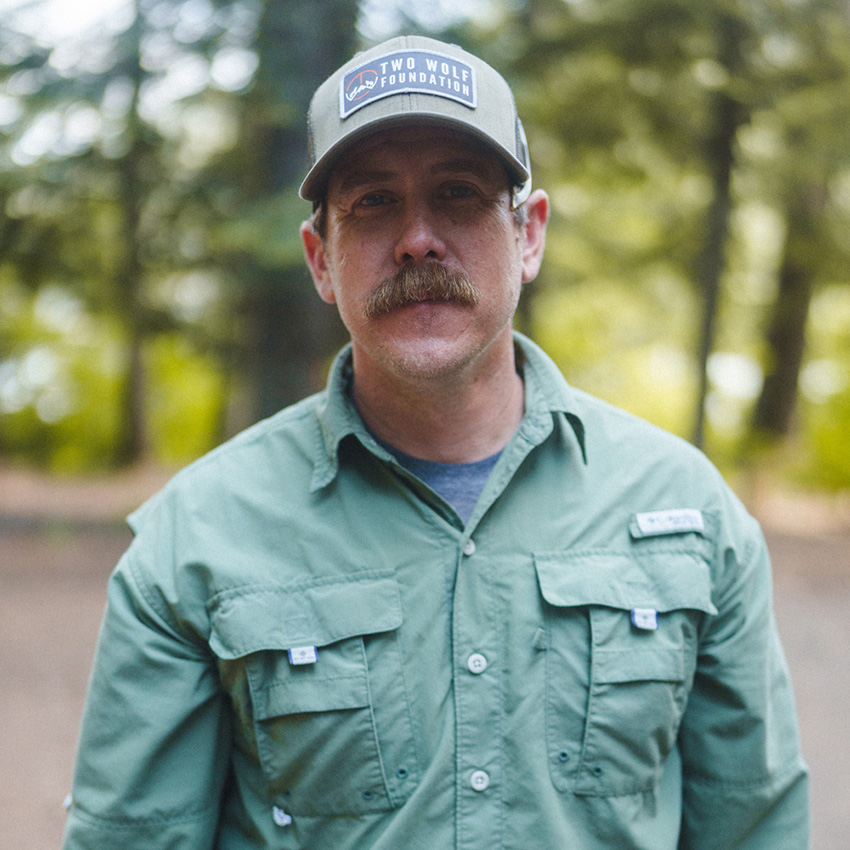
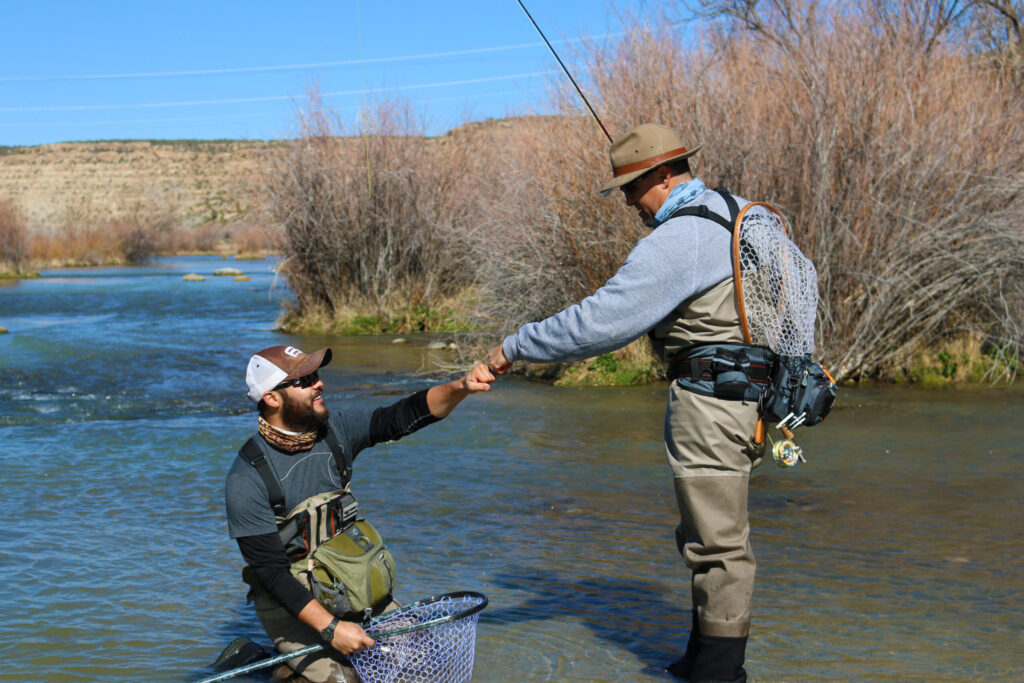
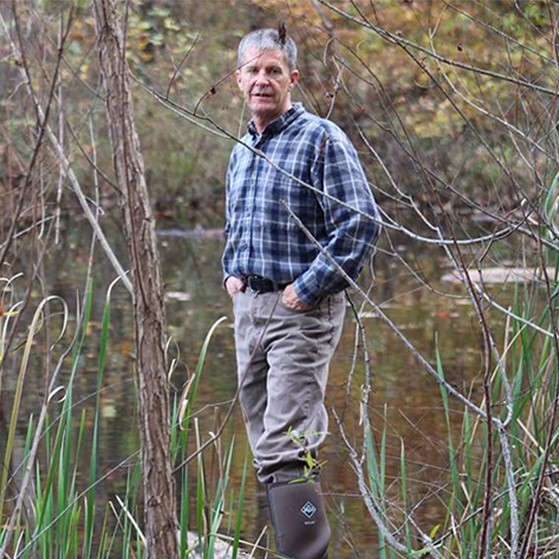
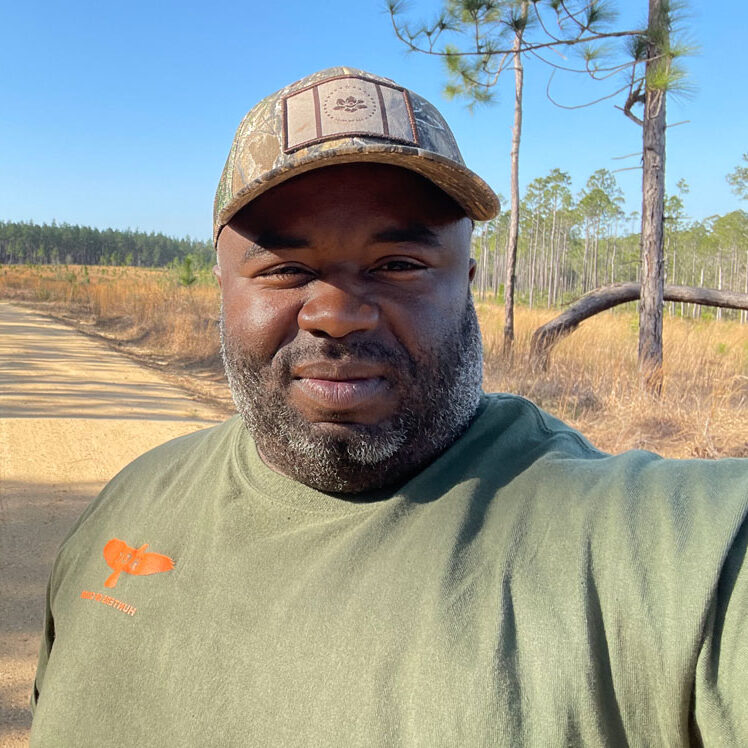
 Brian Flynn, Two Wolf Foundation
How Sportsmen Are Doing It Right

Brian Flynn, Two Wolf Foundation's Story

Following a distinguished career in the U.S. Army, lifelong outdoorsman Brian Flynn returned home from a deployment in Afghanistan and…

Hunting
Why It Matters

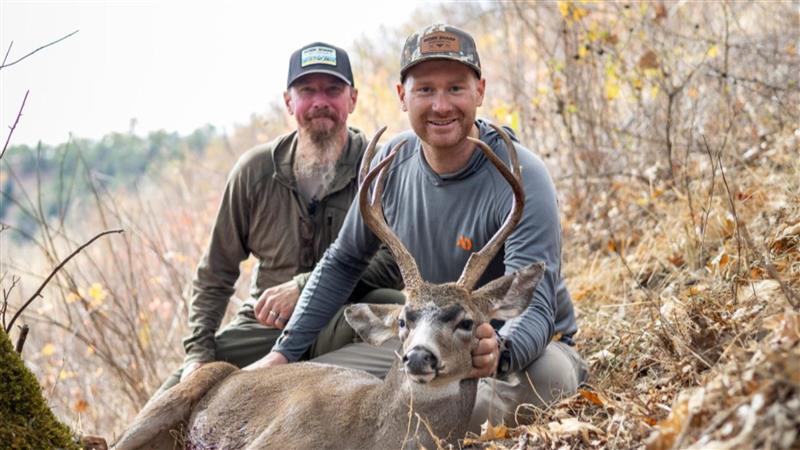
Key Issues for America’s Hunters

Your source for the latest policy updates, conservation challenges, and opportunities shaping America’s hunting traditions.

What TRCP is Doing

We’re fighting for meaningful policy changes that benefit wildlife, our waters, and the American landscapes that make our outdoor traditions possible.

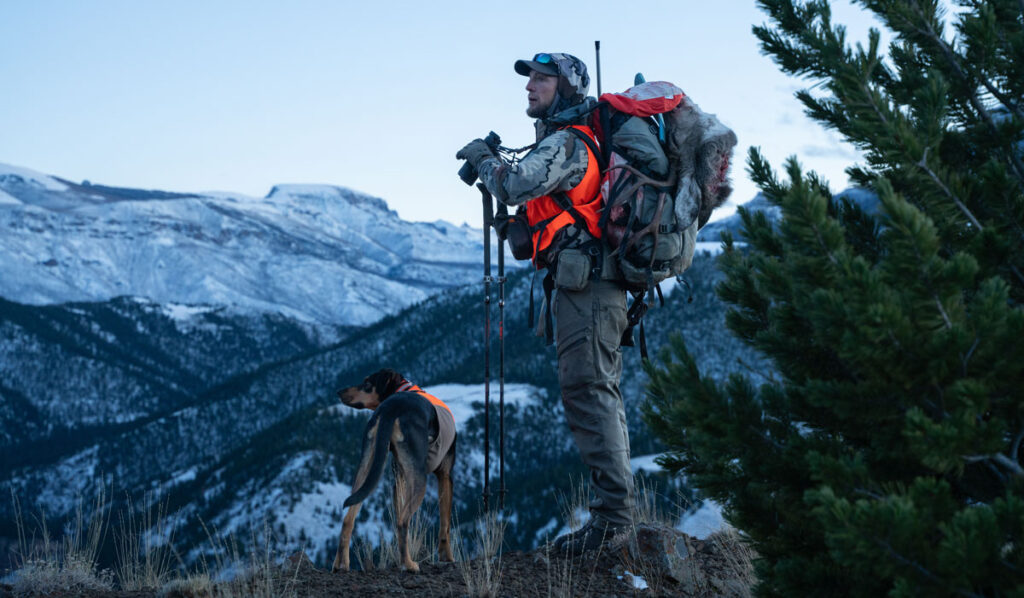
 Ryan Sparks
How Sportsmen Are Doing It Right

Ryan Sparks's Story

TRCP’s “In the Arena” series highlights the individual voices of hunters and anglers who, as Theodore Roosevelt so famously said,…

Fishing
Why It Matters

Key Issues for America’s Anglers

Your source for the latest policy updates, conservation challenges, and opportunities shaping America’s fishing traditions.

What TRCP is Doing

We’re fighting for meaningful policy changes that benefit wildlife, our waters, and the American landscapes that make our outdoor traditions possible.

 David Mangum
How Sportsmen Are Doing It Right

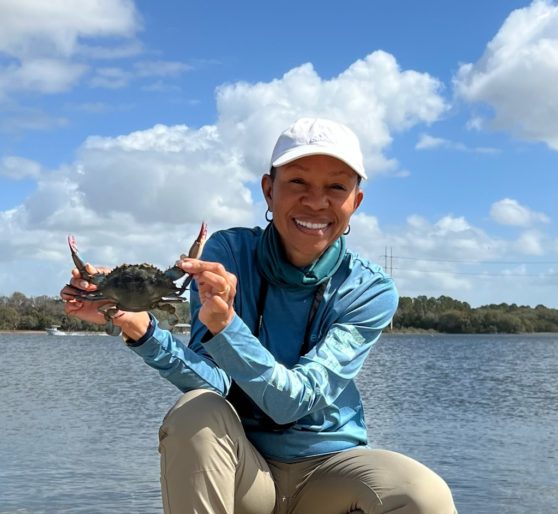
David Mangum's Story

Capt. David Mangum is a YETI ambassador and outdoor photographer who utilizes his talents to produce media that inspire a…

Private Land
Why It Matters

Stewardship on America’s private lands

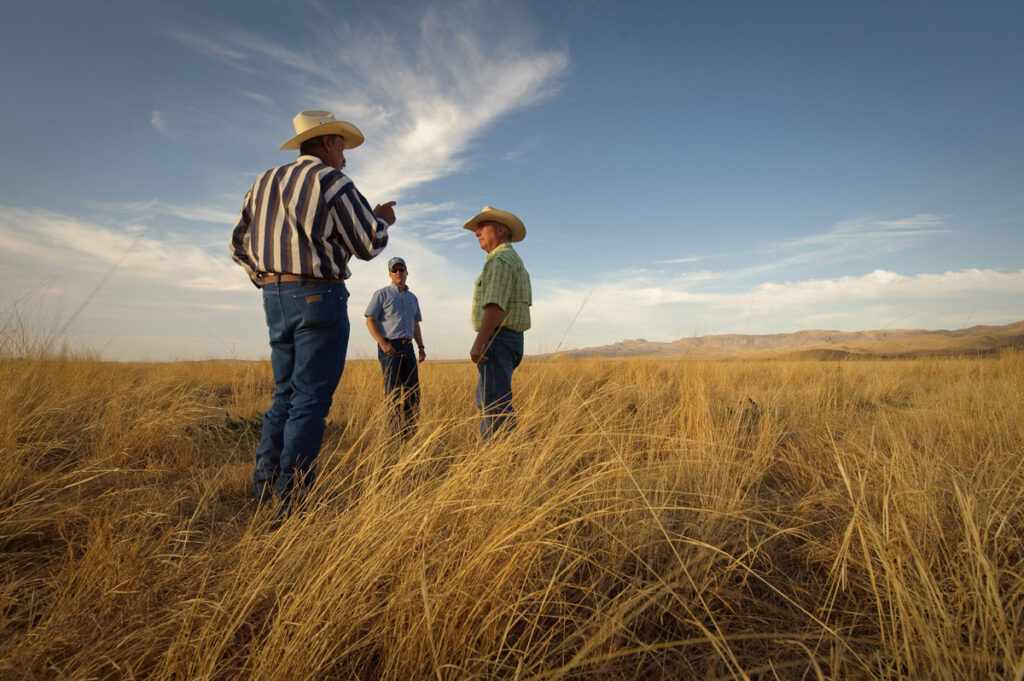
With 70 percent of U.S. lands in private hands and many of our best hunt and fish opportunities occurring there, investing in voluntary conservation on working lands safeguards access, strengthens habitat and water quality, and ensures resilient landscapes.

Learn More
What TRCP is Doing

We champion policies and programs that restore wildlife habitat, improve soil and water health, and keep working lands productive.

 Ward Burton
How Sportsmen are Doing It Right

Ward Burton's Story

Ward Burton’s NASCAR driving career stretched across most of two decades. As an avid sportsman and conservationist, he founded the…

Special Places
Why It Matters

Special Places Worth Protecting

America’s most iconic landscapes provide unmatched habitat and unforgettable days afield. These places sustain wildlife, anchor local economies, and define the hunting and fishing traditions we pass down.

What TRCP is Doing

We’re working to conserve special places that provide world-class habitat and unforgettable opportunities for hunters and anglers.

 Franklin Adams
How Sportsmen Are Doing It Right

Franklin Adams's Story

As a true Gladesman, conservationist, and historian, Capt. Franklin Adams has spent more than six decades championing Everglades restoration efforts…

Habitat & Clean Water
Why It Matters

Healthy Habitat Powers Every Pursuit

All hunting and fishing opportunities depend on quality habitat, from clean water and healthy wetlands to winter and summer habitats and the migration corridors that connect them.

All About Habitat & Clean Water
What TRCP is Doing

We are working to safeguard the habitats that power every hunting and fishing opportunity.

 Alex Harvey
How Sportsmen Are Doing It Right

Alex Harvey's Story

Alex Harvey, founder of Legacy Land Management, is a registered professional forester in Mississippi and Alabama with a Master's degree…

Science
Why It Matters

Science That Guides TRCP

From conserving migration corridors and wetlands to ensuring clean water and resilient landscapes, science provides evidence that turns conservation goals into effective action.

Science for Conservation
What TRCP is Doing

For hunters and anglers, science safeguards the experiences we treasure including resilient big game populations, abundant fish, and wild places that endure changing social landscapes.

Jamelle Ellis
Your Science Expert

Jamelle Ellis's Story

Jamelle Ellis joined the Theodore Roosevelt Conservation Partnership in 2022. Jamelle spent the last three years as an environmental sustainability…

Where We Work
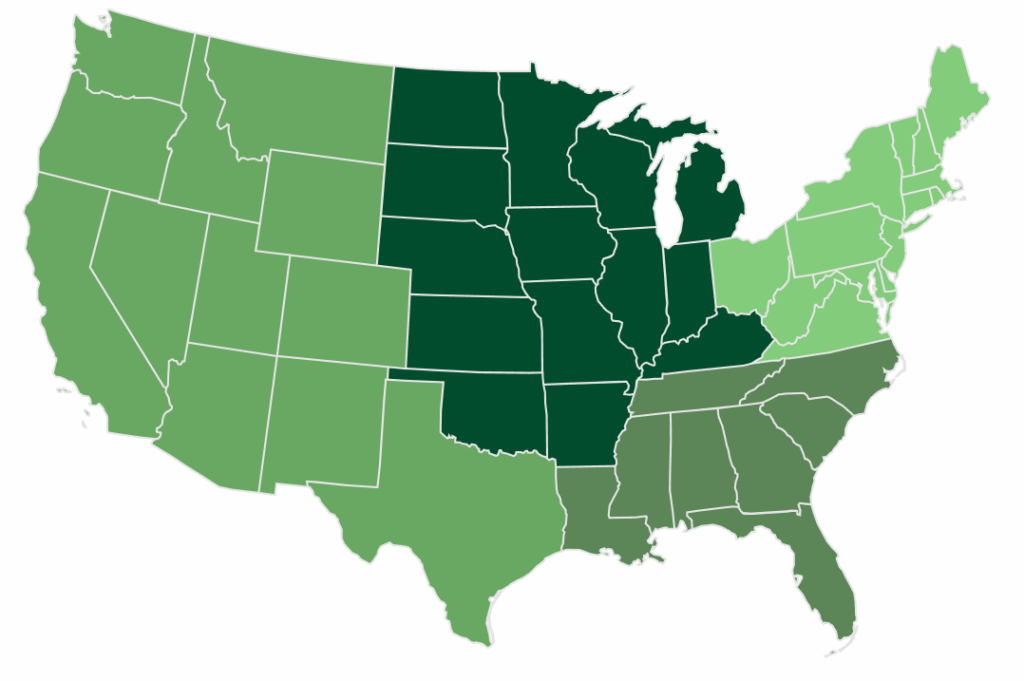
Across the Nation

Conservation Across America

TRCP works across the country to ensure hunters and anglers can enjoy healthy fish and wildlife and quality days afield, no matter where they live.

See All Issues
TRCP in Your Region

TRCP works across the country to ensure hunters and anglers can enjoy healthy fish and wildlife and quality days afield, no matter where they live.

Who We Are
Our Mission

To guarantee all Americans quality places to hunt & fish

We unite and amplify our partners’ voices to advance America’s legacy of conservation, habitat, and access.

Our Mission & Values
Our People & Partners
  • Meet the TRCP Team

    Our staff and board members unite and amplify our partners’ voices to advance America’s legacy of conservation, habitat, and access.

    Meet the Team
  • Our Partners

    ‘Partnership’ is in our name. We work with 64 diverse partner groups that represent today’s leading hunting, fishing, and conservation organizations in order to strengthen the sportsman’s voice in Washington, D.C.

    Our Partners
  • Corporate Council

    TRCP’s Corporate Council is made up of diverse corporations that share a common passion for conservation.

    Corporate Council
Our Organization

Looking for more information?

Explore our latest news, policy updates, and conservation resources to get the information you need.

Giving
How You Can Help

To guarantee all Americans quality places to hunt & fish

Your tax-deductible donation will support TRCP's mission, now and into the future.

DONATE
Special Ways to support trcp
  • Capital Conservation Awards Dinner

    The CCAD is one of Washington's best-attended conservation celebrations, featuring dinner, cocktails, and a silent auction.

    Learn More
  • Step Into the Arena

    Help us ensure that our treasured wild habitats and game remain intact for the next generation to enjoy – lend your support to the TRCP’s efforts today!

    Donate
  • Roosevelt Roast

    TRCP has partnered with Afuera Coffee Co. to further our commitment to conservation.

    Learn More
More donation options

Find the best way for you to lend your support. Join one of TRCP’s donor circles for special invitations, premium offerings from outdoor retailers, and more exclusive benefits. Take control of your legacy with planned giving or contribute to special conservation funds.

Other Ways To Give
News
In the Spotlight

In the Arena: Josh Warren

For many hunters and anglers, the connection to conservation begins close to home — in the woods behind the house, along a familiar stretch of river, or through time spent learning from mentors and family. That sense of place is something Joshua Warren carries with him, both personally and professionally. As Director of Marketing at WorkSharp, Josh represents a company rooted in Ashland, Oregon, a community defined by its access to public lands and wild country.

Read More

Stay Informed

Receive our newsletter, the Roosevelt Report, right in your inbox. Never miss the latest news in conservation issues.

by:

posted in:

April 30, 2014

Sportsmen (and Beer Makers) Everywhere Rally in Support of Clean Water

Clean Water ActionWith the publication of the Army Corps and EPA’s proposed rule clarifying and restoring Clean Water Act safeguards for wetlands and headwater streams, many sportsmen’s organizations, including this one, are mobilizing comments in support of the proposed rule. You can stand with hunters and anglers in support of clean water through any of the following links:

Sportsmen are speaking up in the press, too. Chris Wood, president and CEO of Trout Unlimited, penned an excellent op-ed explaining why it is so critical we protect headwater streams. In a Politico ad, nine different sportsmen’s organizations – the American Fly Fishing Trade Association, B.A.S.S., Bull Moose Sportsmen’s Alliance, Izaak Walton League of America, National Wildlife Federation, Pheasants Forever, Quail Forever, TRCP and Trout Unlimited – called on Congress to support the rulemaking process to secure clean water for America’s outdoor legacy and the rural economies that depend on hunting and fishing. And Ted Turner, founder of CNN and Turner Broadcasting, demanded a return of clean water protections in an op-ed reflecting on the importance of small streams on his ranch in New Mexico.

It’s not just sportsmen. Businesses are championing clean water, too. The American Sustainable Business Council announced its support for the proposed rule in an ad featuring Kim Jordan, co-founder and CEO of New Belgium Brewing. New Belgium, the third largest craft brewery in the United States, went on to write an op-ed explaining why this proposed rule is so important to its business and many other industries. The National Farmers Union, which welcomed the rule proposal in March, has prepared a fact sheet debunking some of the most common myths and misinformation about the rule.

The TRCP and its partners have prepared fact sheets, video and other information explaining this issue. Visit the “Sportsman’s Tackle Box for Understanding the Clean Water Act Rule” to learn more, then TAKE ACTION so that decision makers in Washington, D.C., know you want clean water for hunting and fishing.

One Response to “Sportsmen (and Beer Makers) Everywhere Rally in Support of Clean Water”

Do you have any thoughts on this post?

XHTML: You can use these tags: <a href="" title=""> <abbr title=""> <acronym title=""> <b> <blockquote cite=""> <cite> <code> <del datetime=""> <em> <i> <q cite=""> <s> <strike> <strong>

Comments must be under 1000 characters.

by:

posted in:

April 29, 2014

Turn down the heat

red snapper
Red snapper. Photo courtesy of NOAA.gov.

Just before NOAA Fisheries’ Saltwater Recreational Fishing Summit that I wrote about recently, a court in Washington, D.C., issued a verdict in the lawsuit of Guindon (a commercial fisherman) vs. Pritzker (the secretary Of Commerce). It had to do with what some perceive as NOAA Fisheries’ lack of ability to control the catch of red snapper in the Gulf of Mexico by the recreational fishing community. However, by any reasonable measure it has a lot more moving pieces.

This issue has been bubbling away down along the gulf for a number of years, and this verdict has precipitated an immediate boiling over. Normally rational people have gone ballistic. People in the “media” are taking verbal shots at those they blame for this mess. The environmental community has jumped on the issue. The net result may cause this to get totally out of control. Or maybe it already is.

For those of us in the Northeast, we might simply turn to another station and go about our business. That might be the normal response, but this issue does have the potential to impact recreational fisheries all along our coasts. Its outcome might even impact the crafting and implementation of NOAA’s forthcoming national recreational fishing policy. This is not just a bunch of “good ol’ boys” spouting off about a decision they do not like. It has the potential to be a very important and impactful decision.

What’s it all about? Going back a few years, the Gulf of Mexico Fishery Management Council set quotas for both the recreational and commercial users of red snapper. The commercial harvest was implemented in the form of catch shares, in this case individual transferable quotas, which in its own right amped up the overall angst. The recreational harvest then proceeded to exceed the quotas for a number of years, except in 2010 when the BP oil-rig blowout essentially closed down the Gulf of Mexico. At the same time, the commercial quota now was well controlled. But the commercial fishing industry felt that its ability to take its quota and to have that quota increase with the rebuilding of the red snapper population was in jeopardy by the recreational overharvest. In fact, the population has continued to grow, and the potential for them to increase their take has, as well. By the way, because red snapper are slow-growing critters, the rebuilding period was not 10 years, but the built-in flexibility in the Magnuson-Stevens Act allowed a 24-year rebuilding period. Now that is real flexibility, but I’m not going there. A good overview of the red snapper fishery can found here.

As mentioned above, there are a lot more moving parts to this situation, but you get the general gist of it. So the Washington, D.C., judge who has minimal understanding about Gulf of Mexico fisheries supported the plaintiff in the lawsuit and ruled that NOAA Fisheries was not fulfilling its mandate under the Magnuson-Stevens Act to control the recreational catch of red snapper. The judge did not issue any remedial action. Perhaps one of the things that the judge discovered during the trial was that NOAA Fisheries has only a vague understanding of what the actual recreational catch is.

After the decision was rendered, one well-known blogger called the recreational red snapper fishery “embarrassing.” Another writer said of efforts to allocate additional quota to the recreational users, “stop asking for an additional helping when you’ve already taken more than your share.” The commercial industry, environmental groups and the recreational industry all are pointing fingers and shouting at each other. The individual angler is getting creamed and taking the heat. How is it that the individual angler is “embarrassing” or “taking more than their share”? I have not heard that there have been excessive numbers of anglers exceeding the limit or taking undersized fish. They stuck to the limits and season, so what’s wrong with that? Some of the pro-recreational organizations are advocating for more allocation and getting criticized for it. Well, duh, what should they advocate for? Less allocation. As more and more folks move to coastal communities, do we really know the number of angler trips and what their catch is? If we simply say that the current allocations will not change, that means a lot of folks only access to a public trust resource is through the local fish market.

If folks would work on pulling together all this disparate energy, maybe the problem could be solved. NOAA Fisheries needs to finish up the inner workings of the Marine Recreational Information Program. Then there might be a better understanding of what the recreational catch is and what the potential demand will be. There needs to be a new allocation model based on up-to-date and better recreational participation and, yes, it needs to have some element of the socioeconomic value of this fishery. Also, there needs to be some real cooperation and coordination between state and federal fisheries managers.

It is painfully obvious that what is being done now is not working. Solving this is not rocket science, unless folks are only interested in protecting the turf they have staked out.

by:

posted in:

April 28, 2014

Following the food: Migration is critical for big game

Muley migration
Mule deer need to travel between seasonal ranges to capture greening vegetation in the spring and to reach their winter range in the fall. Photo courtesy of Joe Riis.

When I started in the wildlife profession a few decades ago, all I wanted to do was study big game and work with the iconic “charismatic megafauna,” as large mammals often are called. I made that dream a reality and worked on deer, elk and bighorn sheep projects as an undergraduate student and concentrated on bighorn sheep for my master’s degree. I read all the scientific literature diligently and learned many things in the field while spending countless hours with our magnificent big game animals.

I thought, as most students do, that I knew a lot – not all there was to know, but a lot. But when it comes to understanding nature and how the biological world works, one adage rings true: “You don’t know what you don’t know.”

I distinctly remember one key lecture in a wildlife management class from a pioneering mule deer researcher, Dr. Richard Mackie at Montana State University. Dr. Mackie once was in a camp of deer biologists who believed winter range was the sole factor responsible for sustaining mule deer populations in Montana and across the West. But in that lecture, after presenting his pioneering research on winter range as a major limiting condition for mule deer, Dr. Mackie pronounced, “We were wrong!” Had it been 2013, he might have proclaimed, “We didn’t know what we didn’t know.” He then told our class about the complexities of nature and how we have learned that several different factors influence deer populations and their ability to survive in different environments. It was an eye-opening lecture I’ve never forgotten.

Fast forward to present day. Land managers still focus heavily, and in some cases almost exclusively, on winter range as the key to protecting deer populations in the West. Winter range is important, but big game habitat use and needs during different seasons goes far beyond just protecting winter range.

One thing we’ve learned from the science on big game is that nutrition on summer and fall range is absolutely vital and that those animals entering winter range in poor condition simply won’t make it, no matter how much winter range there is or how good of a shape it’s in. But we also know that big game animals like mule deer, elk, pronghorn and caribou migrate between areas where they spend their summers and winters. What we don’t always know are the intricate details of migrations, and, in many cases, we don’t even know which populations migrate or how far.

That’s key in a new study released by the University of Wyoming Cooperative Research Unit and the Wyoming Migration Initiative. Research biologist Hall Sawyer recently set out to study a deer population near Rock Springs, Wyoming, that was thought to make only short-distance movements between seasonal ranges. To everyone’s surprise, we didn’t know what we didn’t know. Global positioning system collars (that recorded each marked deer’s location with pinpoint accuracy every three hours) revealed the longest known migration of any mule deer population – 150 or so miles from the Red Desert to the high mountains near Jackson, Wyoming.

WMI Event
On Earth Day, April 22, 2014, the University of Wyoming and Wyoming Migration Initiative held an open house to release their report on the longest mule deer migration in North America. Photo by Ed Arnett.

Why is this important for mule deer? Sawyer said it best when he likened migration to driving long distances between two cities with no hotels, gas stations or grocery stores in between. Migrating animals need to freely pass through the landscape and stop occasionally to fuel up and rest. These places, called “stopover” habitats, are very important, because without them, deer could unnecessarily burn fat stores just trying to get to their winter ranges. Migration is all about finding and conserving body energy when trying to get from point A to B.

Barriers to movement or procuring food will cost some animals in the long run as they endure long, cold winters in the West. The Wyoming study identified several barriers and other management issues along this 150-mile corridor that could negatively impact mule deer. This study can help guide the management and protection of these important habitats while also pointing out the highest priority areas to target conservation dollars for easements, habitat enhancement and other management projects. That’s good news for this herd if state and federal agencies, private landowners and stakeholders work together to protect and conserve this migratory corridor. But what about other migrating herds of big game?

By learning more about what we didn’t know, scientists have solidified the need to think far beyond just one or two seasonal ranges or habitat types for mule deer populations. A more holistic view and management strategy with policy to back it is needed.

Migration corridors and habitats where big game animals rest and forage during migration are critical pieces in a complex habitat puzzle that is key to the health of populations of mule deer and other big game animals. But the science on migration has yet to make it into policy. Bureau of Land Management resource management plans do not identify migration corridors, stopover habitats or provide for their management. Now, with work like this there is an opportunity to get those lines on the map and start incorporating them into planning. That’s why the TRCP will keep working with partner groups, land managers and other stakeholders to ensure our big game populations are managed for long-term sustainability. If we do not manage and conserve key habitats on all seasonal ranges and the migratory passageways between them, big game populations likely will decline and impact both our outdoor traditions and our hunting-based Western economy.

Watch a video of the mule deer migrations:

by:

posted in:

April 25, 2014

Three things you need to know about catch and release fishing

When our daughter was three she watched her dad harvest a hatchery steelhead; it was the first time she had ever seen one of us kill a fish. Horrified, she almost started to cry. We had to console her and explain that it was OK, that the fish was from a hatchery and was produced for take. In her mind, all fish should be catch and release, and to this day she still believes all fish should be returned to the water.

I practice catch and release, but don’t take me for a purist. I love to eat fish! I commercial fished in Alaska for three years, harvesting millions of pounds of crab and salmon for consumption. I indulged in eating the catch of crab, sockeye, kings, cod and halibut.

The decision to catch and release is a personal choice. Sport fishing isn’t just about the catching; it’s an excuse to see beautiful places, fish new water and, when I’m lucky, feel the take of a curious fish, watching my reel spin and hang on for the ride. It’s the experience of connecting with a life form that is powerful and mysterious.

Catch and release is also about healthy returns for future anglers. I believe every fish returned is an opportunity for another angler. Returning fish also gives that species a chance to spawn, and more spawners contribute to more angling opportunity and healthier runs. Plus, older fish produce more offspring.

As a sportswoman, I want to see more fishing opportunities in the future, and if releasing fish will increase my opportunity for healthier runs then it’s one less fish in the cooler and one more fish for the future.

Techniques for catch and release:

Pinch down the barbs on all of your hooks

I pinch down all my barbs and have found that I do not lose more fish. You’ll be surprised how few fish you lose using barbless hooks. Barbless hooks allow for a quicker release with less damage to the fish’s mouth. You can use pliers to pinch down the barbs or you can carefully file them off large hooks.

Keep the fish in the water

Lifting fish out of the water stresses them. Remove the hook with your hand or with pliers and let the fish swim away. This should go without saying but do not drag your fish up onto the shore or riverbank. Research has shown that keeping a fish in the water dramatically increases its chances of survival. You can get beautiful photos of the fish still in the water.

Keep your hands wet when handling fish

If you do handle a fish and you do it with dry hands, it can cause some of the protective coating or “slime” on the fish’s skin to come off. This coating is designed to protect fish from disease. Wet hands reduce this risk and can actually make it a little easier to handle your catch. Some anglers prefer soft wet gloves.

Learn more about catch and release practices. Happy angling!

by:

posted in:

April 17, 2014

A national recreational fishing policy

Rod and reel courtesy NMFS/NOAA
Photo courtesy of NMFS/NOAA.gov.

Well, it looks like the recreational fishing industry got an April Fools present. No, really, we did. It’s not a joke.

NOAA Fisheries has committed to establishing a national recreational fishing policy. What does that mean? The real answer is in the future, but the door that some like to say was “rusted shut” has been opened.

During the first days of April and what finally felt like real spring, I attended the Recreational Fishing Summit organized by NOAA Fisheries in the Washington, D.C., area. This summit was the fourth time the recreational fishing industry has come together to try to influence federal policies on fishing in general and specifically the policies that directly impact the recreational fishing industry and the 11 million saltwater anglers.

The first summit was held on the West Coast. Then came St. Petersburg, Fla., in the early 2000s. The last was in the D.C. area four years ago and started the ball rolling to change how the recreational fishing industry has been and is viewed by federal policy makers. This summit produced a fairly long list of changes that attendees wanted implemented. To his credit, Eric Schwab, then head of NOAA Fisheries, committed to getting that list checked off as soon as possible. While 100 percent of the items were not completed, most of did get done. One of the outstanding and frankly most important items is to get the “new” Marine Recreational Information Program, or MRIP, completed and functional. Time after time, at the summits and just about everywhere else, the recreational industry has questioned the data being used to manage the recreational users. There are substantial fluctuations in some of the catch number that just do not make any sense. If bad data are being used to set seasons, bag limits or assess catch, then folks’ suspicion is warranted. MRIP needs to be fully functional and completely trusted.

Marine Visioning Report for America's Saltwater Recreational Fisheries
Image courtesy of Trcp.org.

This year’s summit was a follow-up to the previous one. The output was a list of things to be addressed by NOAA Fisheries. The list was not as long, but it has some fairly complicated issues to address. To a great extent the list is directly reflective of the Vision for Managing America’s Saltwater Recreational Fisheries and the report presented by the Marine Fisheries Advisory Commission, Recreational Working Group. The “vision report” had a short list of important items, but several rise to the top in my mind. They did also at the summit. First, establish a national recreational fishing policy. Next was allocating marine fisheries for the greatest economic benefit to the nation. Also managing for the forage base. All of these were high up on the short list from the summit. All of these would change management policy and finally recognize the value of the recreational fishing industry.

I am happy to report that Eileen Sobeck, the newly appointed head of NOAA Fisheries, concluded the summit with the commitment to move ahead with establishing the national recreational fishing policy. Great stuff! But from the recreational industry standpoint, the real work now begins. We need to make sure that what goes into this policy is the right stuff. John Brownlee, editorial director of Salt Water Sportsman, Sport Fishing and Marlin magazine and keynote summit speaker, put it correctly when he said that the real work begins after we get NOAA Fisheries to say yes!

Yes, I do think that we are making headway. Rather than looking back and saying, “It’s about time,” I look forward and say, “We need to make sure we get it right this time!”

HOW YOU CAN HELP

TRCP has partnered with Afuera Coffee Co. to further our commitment to conservation. $4 from each bag is donated to the TRCP, to help continue our efforts of safeguarding critical habitats, productive hunting grounds, and favorite fishing holes for future generations.

Learn More
Subscribe


You have Successfully Subscribed!

You have Successfully Subscribed!

You have Successfully Subscribed!

You have Successfully Subscribed!

You have Successfully Subscribed!