Our Issues
Public Lands
Why It Matters

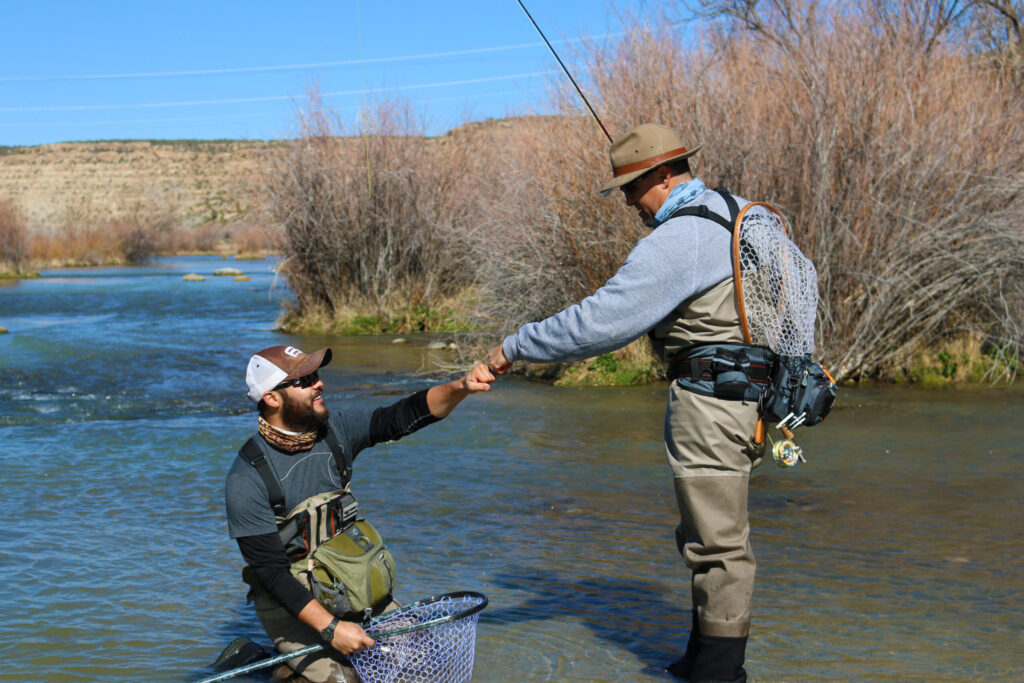
Hunting & Fishing Access

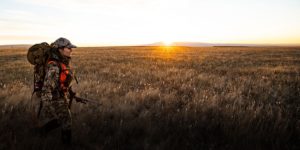
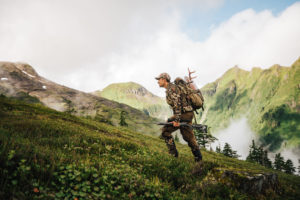
America’s 640 million acres of national public lands provide irreplaceable hunting and fishing opportunities to millions of Americans.

Learn More About Access
What TRCP is Doing

We’re working to safeguard America’s public lands so hunters and anglers always have quality places to pursue their passions.
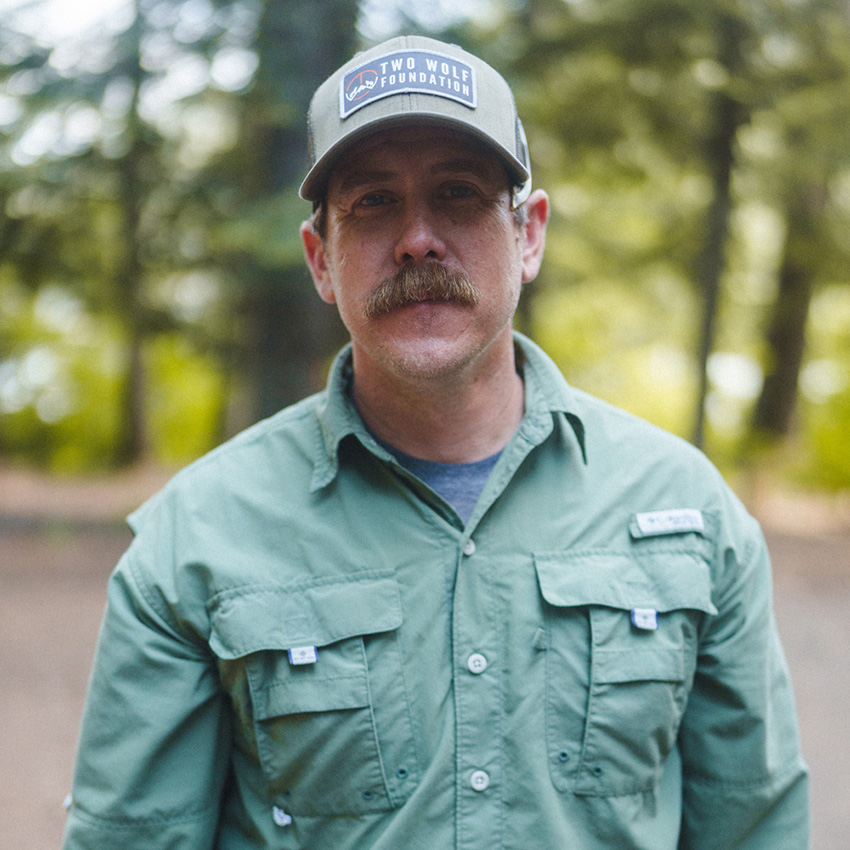
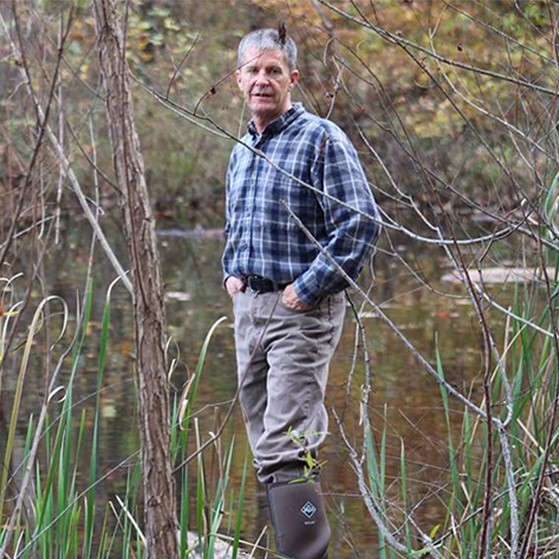
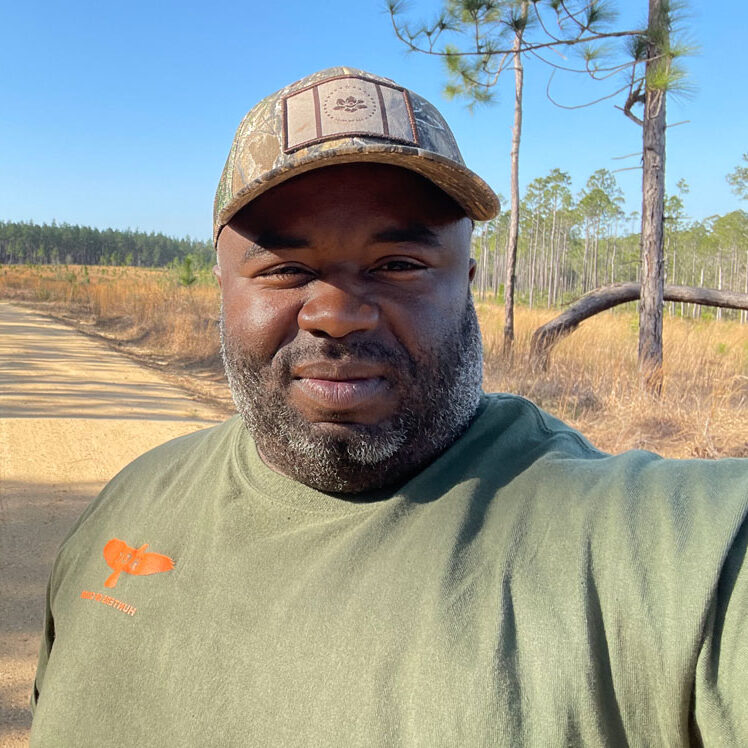
 Brian Flynn, Two Wolf Foundation
How Sportsmen Are Doing It Right

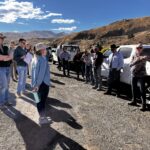
Brian Flynn, Two Wolf Foundation's Story

Following a distinguished career in the U.S. Army, lifelong outdoorsman Brian Flynn returned home from a deployment in Afghanistan and…


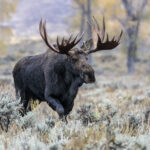
Hunting
Why It Matters

Key Issues for America’s Hunters

Your source for the latest policy updates, conservation challenges, and opportunities shaping America’s hunting traditions.

What TRCP is Doing

We’re fighting for meaningful policy changes that benefit wildlife, our waters, and the American landscapes that make our outdoor traditions possible.

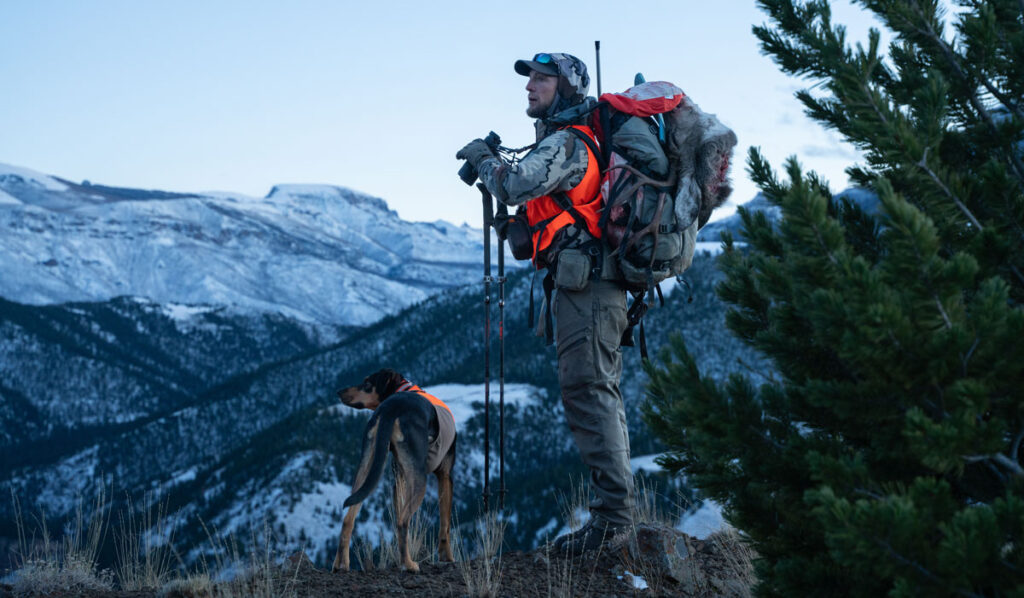
 Ryan Sparks
How Sportsmen Are Doing It Right

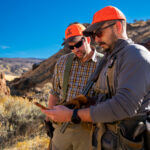
Ryan Sparks's Story

TRCP’s “In the Arena” series highlights the individual voices of hunters and anglers who, as Theodore Roosevelt so famously said,…

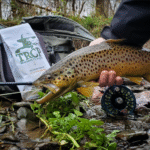
Fishing
Why It Matters

Key Issues for America’s Anglers

Your source for the latest policy updates, conservation challenges, and opportunities shaping America’s fishing traditions.

What TRCP is Doing

We’re fighting for meaningful policy changes that benefit wildlife, our waters, and the American landscapes that make our outdoor traditions possible.

 David Mangum
How Sportsmen Are Doing It Right

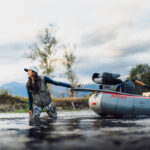
David Mangum's Story

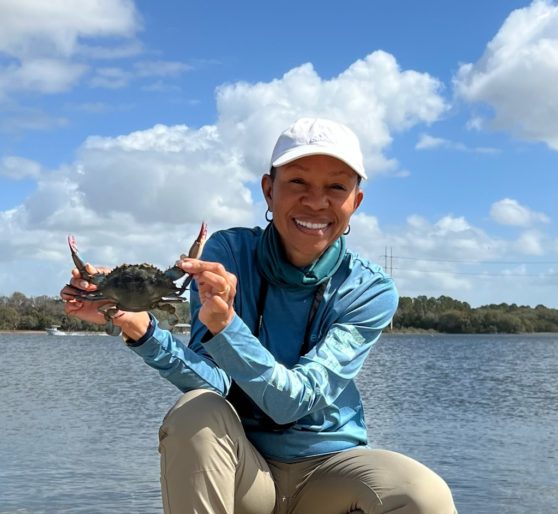
Capt. David Mangum is a YETI ambassador and outdoor photographer who utilizes his talents to produce media that inspire a…

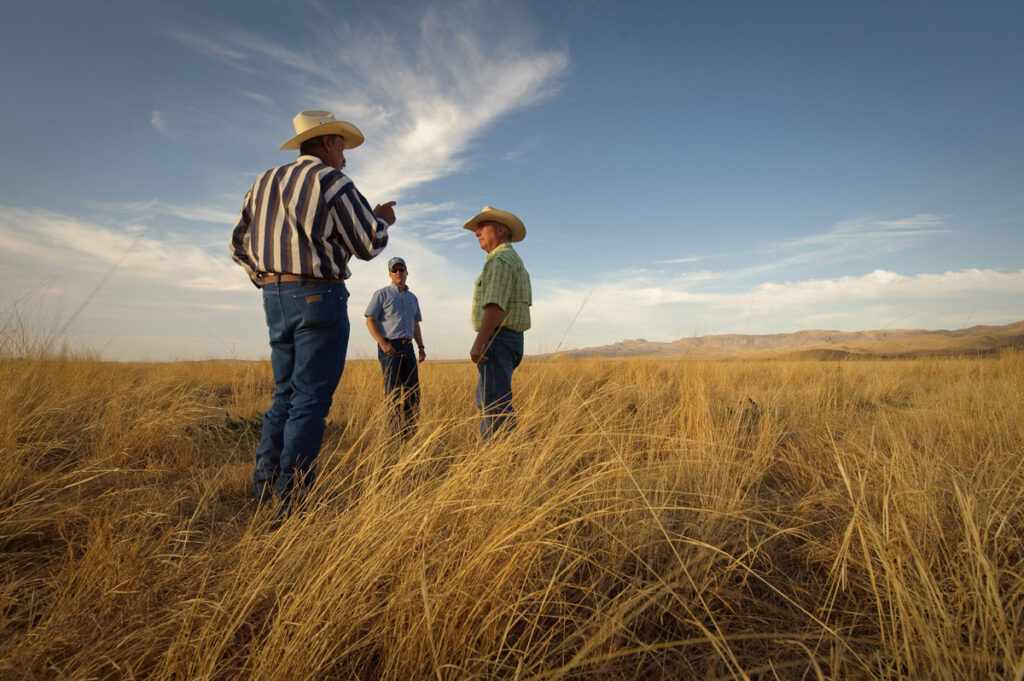
Private Land
Why It Matters

Stewardship on America’s private lands

With 70 percent of U.S. lands in private hands and many of our best hunt and fish opportunities occurring there, investing in voluntary conservation on working lands safeguards access, strengthens habitat and water quality, and ensures resilient landscapes.

Learn More
What TRCP is Doing

We champion policies and programs that restore wildlife habitat, improve soil and water health, and keep working lands productive.

 Ward Burton
How Sportsmen are Doing It Right

Ward Burton's Story

Ward Burton’s NASCAR driving career stretched across most of two decades. As an avid sportsman and conservationist, he founded the…

Special Places
Why It Matters

Special Places Worth Protecting

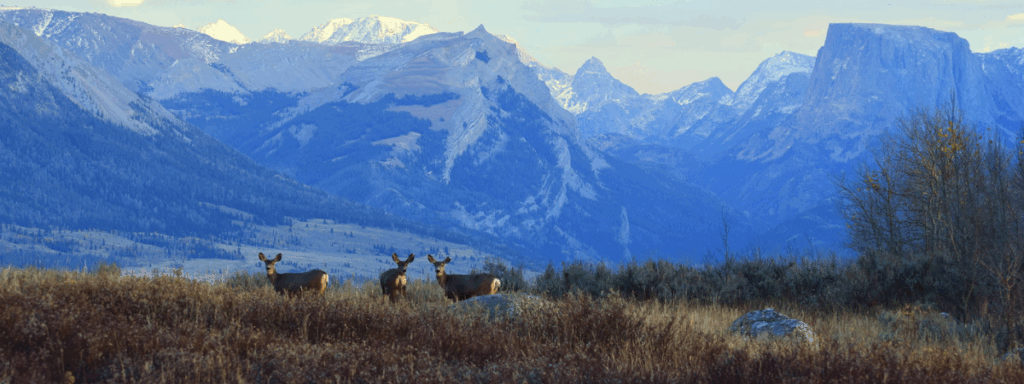
America’s most iconic landscapes provide unmatched habitat and unforgettable days afield. These places sustain wildlife, anchor local economies, and define the hunting and fishing traditions we pass down.

What TRCP is Doing

We’re working to conserve special places that provide world-class habitat and unforgettable opportunities for hunters and anglers.

 Franklin Adams
How Sportsmen Are Doing It Right

Franklin Adams's Story

As a true Gladesman, conservationist, and historian, Capt. Franklin Adams has spent more than six decades championing Everglades restoration efforts…

Habitat & Clean Water
Why It Matters

Healthy Habitat Powers Every Pursuit

All hunting and fishing opportunities depend on quality habitat, from clean water and healthy wetlands to winter and summer habitats and the migration corridors that connect them.

All About Habitat & Clean Water
What TRCP is Doing

We are working to safeguard the habitats that power every hunting and fishing opportunity.

 Alex Harvey
How Sportsmen Are Doing It Right

Alex Harvey's Story

Alex Harvey, founder of Legacy Land Management, is a registered professional forester in Mississippi and Alabama with a Master's degree…

Science
Why It Matters

Science That Guides TRCP

From conserving migration corridors and wetlands to ensuring clean water and resilient landscapes, science provides evidence that turns conservation goals into effective action.

Science for Conservation
What TRCP is Doing

For hunters and anglers, science safeguards the experiences we treasure including resilient big game populations, abundant fish, and wild places that endure changing social landscapes.

Jamelle Ellis
Your Science Expert

Jamelle Ellis's Story

Jamelle Ellis joined the Theodore Roosevelt Conservation Partnership in 2022. Jamelle spent the last three years as an environmental sustainability…

Where We Work
Across the Nation

Conservation Across America

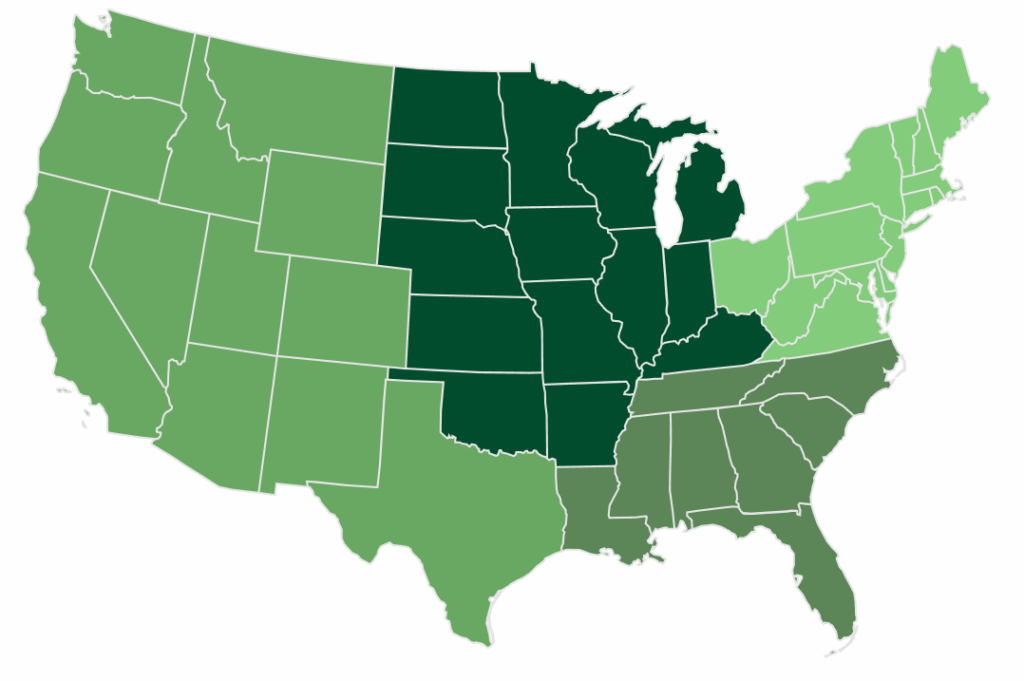
TRCP works across the country to ensure hunters and anglers can enjoy healthy fish and wildlife and quality days afield, no matter where they live.

See All Issues
TRCP in Your Region

TRCP works across the country to ensure hunters and anglers can enjoy healthy fish and wildlife and quality days afield, no matter where they live.

Who We Are
Our Mission

To guarantee all Americans quality places to hunt & fish

We unite and amplify our partners’ voices to advance America’s legacy of conservation, habitat, and access.

Our Mission & Values
Our People & Partners
  • Meet the TRCP Team

    Our staff and board members unite and amplify our partners’ voices to advance America’s legacy of conservation, habitat, and access.

    Meet the Team
  • Our Partners

    ‘Partnership’ is in our name. We work with 64 diverse partner groups that represent today’s leading hunting, fishing, and conservation organizations in order to strengthen the sportsman’s voice in Washington, D.C.

    Our Partners
  • Corporate Council

    TRCP’s Corporate Council is made up of diverse corporations that share a common passion for conservation.

    Corporate Council
Our Organization

Looking for more information?

Explore our latest news, policy updates, and conservation resources to get the information you need.

Giving
How You Can Help

To guarantee all Americans quality places to hunt & fish

Your tax-deductible donation will support TRCP's mission, now and into the future.

DONATE
Special Ways to support trcp
  • Capital Conservation Awards Dinner

    The CCAD is one of Washington's best-attended conservation celebrations, featuring dinner, cocktails, and a silent auction.

    Learn More
  • Step Into the Arena

    Help us ensure that our treasured wild habitats and game remain intact for the next generation to enjoy – lend your support to the TRCP’s efforts today!

    Donate
  • Roosevelt Roast

    TRCP has partnered with Afuera Coffee Co. to further our commitment to conservation.

    Learn More
More donation options

Find the best way for you to lend your support. Join one of TRCP’s donor circles for special invitations, premium offerings from outdoor retailers, and more exclusive benefits. Take control of your legacy with planned giving or contribute to special conservation funds.

Other Ways To Give
News
In the Spotlight

In the Arena: Josh Warren

For many hunters and anglers, the connection to conservation begins close to home — in the woods behind the house, along a familiar stretch of river, or through time spent learning from mentors and family. That sense of place is something Joshua Warren carries with him, both personally and professionally. As Director of Marketing at WorkSharp, Josh represents a company rooted in Ashland, Oregon, a community defined by its access to public lands and wild country.

Read More

Stay Informed

Receive our newsletter, the Roosevelt Report, right in your inbox. Never miss the latest news in conservation issues.

by:

posted in:

July 15, 2013

Did the Supreme Court Just Make it Harder for Sportsmen to Protect Wetlands…Again?

On June 25th the Supreme Court handed down a little-noticed but important opinion that may hurt sportsmen and prized wildlife habitat. Lost in the focus on decisions related to same-sex marriage and the Voting Rights Act, the Court’s 5-4 ruling in Koontz v. St. Johns River Water Management District  will make it harder for land-use permitting agencies to develop strategies that mitigate the impacts of development on fish and wildlife habitat. This comes on the heels of Supreme Court decisions in 2001 and 2006 that obscured the criteria for determining which water bodies receive protection under the Clean Water Act. (Check out EPA’s waters of the United States website for a description of the definitional challenges in the Clean Water Act caused by these two Supreme Court decisions)

Photo Courtesy of the U.S. National Park Service.

I will leave it to others to argue whether the Court’s decision in Koontz is wise or unwise. Here’s the take home for sportsmen: the ruling increases the threat of litigation looming over land-use permitting agencies. Instead of negotiating appropriate mitigation in good faith, they now have an incentive to deny permits up front or approve permits without pursuing creative ways to protect hunting and fishing opportunities.

As this decision ripples through future permitting cases, sportsmen must engage with land use planners to protect the hunting and fishing lands they cherish, and to ensure the ruling doesn’t stand in the way of conservation efforts.

It’s important to note that the Supreme Court did not rule on the merits of Mr. Koontz’s suit; it only ruled on process. Therefore, we don’t know whether Mr. Koontz or similar plaintiffs will be successful in their lawsuits, but the expanded opportunities for litigation may have a chilling effect on permitting agencies nonetheless.

Photo Courtesy of the U.S. Supreme Court.

Read on for a full summary of the Koontz decision.

The case involved Coy Koontz, a man who owned property in Florida wetlands that he wanted to develop for commercial purposes. Florida law requires applicants to mitigate the environmental impact of any development, and Mr. Koontz offered to do so by giving the local district a “conservation easement” (essentially an agreement to limit future development) on nearly three quarters of his property.

The local district determined his offer did not comply with Florida law since it would result in a net loss of wetlands. The district countered and suggested Mr. Koontz do one of two things: (1) reduce the size of this development and increase the size of the conservation easement or (2) pay for improvements to wetlands owned by the district several miles away. When Mr. Koontz refused to take either action or offer an alternative, the district denied his permit and Mr. Koontz sued the district. Mr. Koontz argued that forcing him to take either of these actions in order to secure a development permit violated his Constitutional right to “just compensation” for property taken by the government.

Lower courts found in favor of Mr. Koontz, ruling that the District did not comply with two tests laid out in Nollan v. California Coastal Commission (1987) and Dolan v. City of Tigard (1994) that set limits on what conditions the government can place on the approval of land use permits. The Nollan and Dolan tests ensure that government demands for property must have a link to the development’s substantive impact on the public and be proportional to that impact. In other words, the government’s demands cannot be arbitrary or excessive.

The Florida Supreme Court overturned the lower courts’ rulings because (1) the District denied Mr. Koontz’s permit (rather than demanding property as part of permit approval) and (2) the request for money to improve district-owned wetlands does not count as a taking. In other words, Nollan and Dolan do not apply because Mr. Koontz never gave up any property and money wouldn’t count as property even if he had paid for additional wetlands improvements.

However, the U.S. Supreme Court reversed on both counts. It ruled:

  1. The Nollan and Dolan tests must apply even when a permit is denied, as it was in this case, to ensure that the government cannot coerce a permit applicant to give up their Fifth Amendment right to just compensation for property taken. This part of the decision was unanimous, with all nine justices in agreement.
  2. The Nollan and Dolan tests apply even when the government demand is for money. This is where the liberal wing of the Court differed in the 5-4 ruling. 

With the extension of the Nollan and Dolan tests, land-use planning will likely become more litigious and local permitting agencies may have less flexibility to require mitigation. Local permitting agencies now have an incentive to avoid the threat of litigation by either denying a permit without negotiating with the applicant or approve a permit without effective mitigation plans. One result stifles responsible development; the other impedes protection of wildlife and habitat. Neither is desirable.

As Justice Kagan said in her dissent, “If a local government risked a lawsuit every time it made a suggestion to an applicant about how to meet permitting criteria, it would cease to do so; indeed, the government might desist altogether from communicating with applicants.” (Emphasis added.)

If there is a silver lining in the decision, it’s that the Court recognized the value of mitigation. The Court held that “Insisting that landowners internalize the negative externalities of their conduct is a hallmark of responsible land-use policy, and we have long sustained such regulations against constitutional attack.” Such an affirmative statement bodes well for conservation cases that may come before the Court in the future, and the TRCP’s efforts to promote water conservation.

Do you have any thoughts on this post?

XHTML: You can use these tags: <a href="" title=""> <abbr title=""> <acronym title=""> <b> <blockquote cite=""> <cite> <code> <del datetime=""> <em> <i> <q cite=""> <s> <strike> <strong>

Comments must be under 1000 characters.

by:

posted in:

July 12, 2013

by:

posted in:

July 11, 2013

DON’T MISS: Senate Tackles Colorado River Management

The U.S. Senate Committee on Energy and Natural Resources is holding a hearing on Tuesday, July 16, at 2:30 p.m. ET to receive testimony on the Bureau of Reclamation’s Colorado River Basin Water Supply and Demand Study. This study is a landmark analysis of water supplies in the basin over the next 50 years that will be a critical tool for water managers at all levels as they plan for future water use.

Sportsmen need to be aware of this important planning activity and what it means for hunting and fishing. You will be able to watch a live webcast of the hearing on the committee’s website.

In the first season of “TRCP’s Conservation Field Notes,” our friend Steven Rinella discussed the importance of managing water in the western United States, including in the Colorado River basin, and what it means for fish and wildlife. Check it out, and stay tuned for more updates on the Colorado River study.


by:

posted in:

July 10, 2013

T.R.ivia: Bull Terrier Bite

How well do you know T.R.? Give our Wednesday Win trivia challenge a try.  Roosevelt’s Bull Terrier, Peter, caused international drama when he________

Image courtesy of dogbreedinfo.com


Leave us a comment below or email your answers to info@trcp.org by Friday for your chance to win a season one DVD of “MeatEater.

by:

posted in:

July 9, 2013

Farmers and Fishermen to Switch Places for Conservation Exchange

Why would a South Dakota farmer want to trade places with a Louisiana Gulf fisherman? The TRCP launched an exchange program this summer to answer that question and seek solutions to conserve America’s great native prairies and coastal waters.

In the TRCP “Barnyard to Boatyard Conservation Exchange,” three South Dakota farm couples will travel to Cocodrie, La., in July for a three-day educational outing to learn about the trials and triumphs of managing businesses reliant on healthy Louisiana Delta and Gulf of Mexico ecosystems, complete with a fishing trip along Louisiana’s Cajun bayous.

Subsequently, three couples engaged in commercial fishing, tourism and recreational fishing from the Louisiana Delta region will travel to Sioux Falls, S.D., in August to participate in an intensive, three-day briefing on the innovations and realities of grain and livestock farming and ranching, capped off by a trip to the Sioux Empire Fair.

In the nation’s capital and around the country, the TRCP works to strengthen laws, policies and practices affecting fish and wildlife conservation by leading partnerships that influence decision makers.

“Our hope is that these six couples will return to their communities and stress the need to take action to conserve our nation’s natural resources for future generations,” said Tim Kizer, private lands field coordinator for the TRCP. “This is not a quick fix. It will take time. Some long-held opinions and practices must change, but we are in this for the long haul. This exchange is about equipping people with the tools to make a difference for their own futures, as well as those of their children, neighbors and their new friends thousands of miles away.”

Reporters interested in attending the Barnyard to Boatyard Exchange should contact Cathryn Kennedy, cathryn@cathrynkennedy.com (612.309.3951); Pam McCarthy-Kern, pam.mck@earthlink.net (612-360-0647); Katherine McKalip, kmckalip@trcp.org (406.240.9262) or Tim Kizer, tkizer@trcp.org (479-530-8855).

HOW YOU CAN HELP

TRCP has partnered with Afuera Coffee Co. to further our commitment to conservation. $4 from each bag is donated to the TRCP, to help continue our efforts of safeguarding critical habitats, productive hunting grounds, and favorite fishing holes for future generations.

Learn More
Subscribe


You have Successfully Subscribed!

You have Successfully Subscribed!

You have Successfully Subscribed!

You have Successfully Subscribed!

You have Successfully Subscribed!