Our Issues
Public Lands
Why It Matters

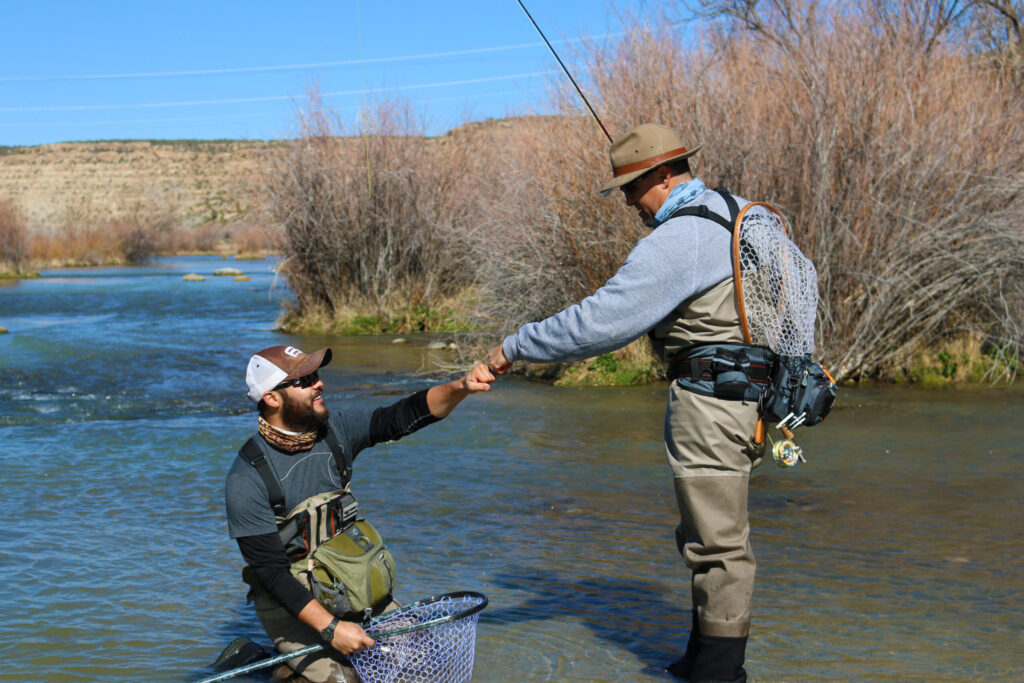
Hunting & Fishing Access

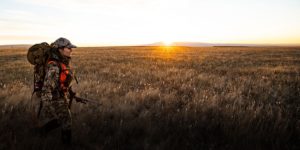
America’s 640 million acres of national public lands provide irreplaceable hunting and fishing opportunities to millions of Americans.

Learn More About Access
What TRCP is Doing

We’re working to safeguard America’s public lands so hunters and anglers always have quality places to pursue their passions.
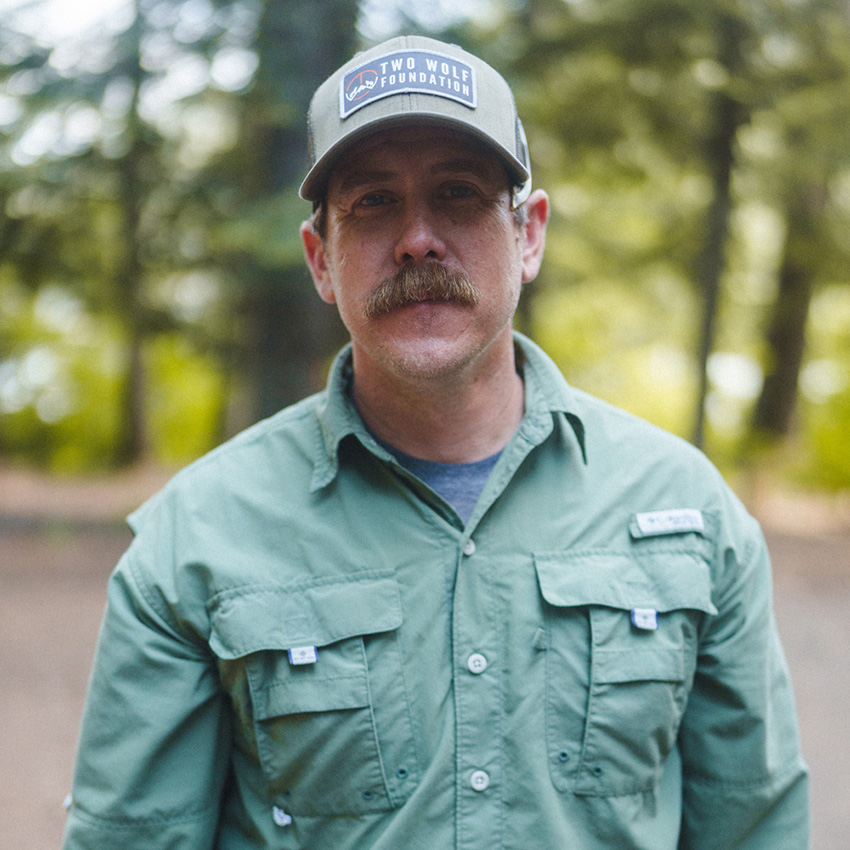
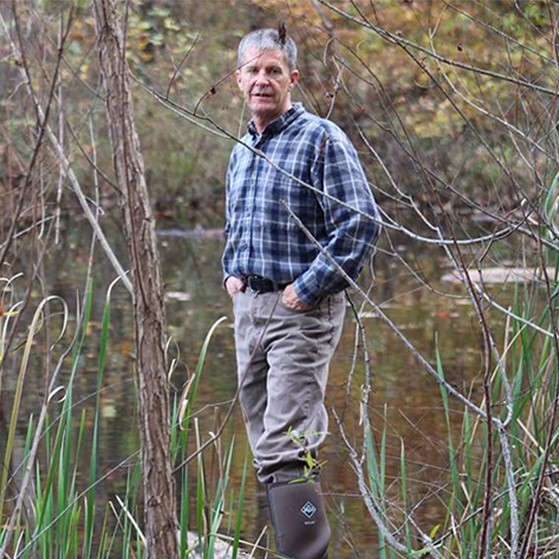
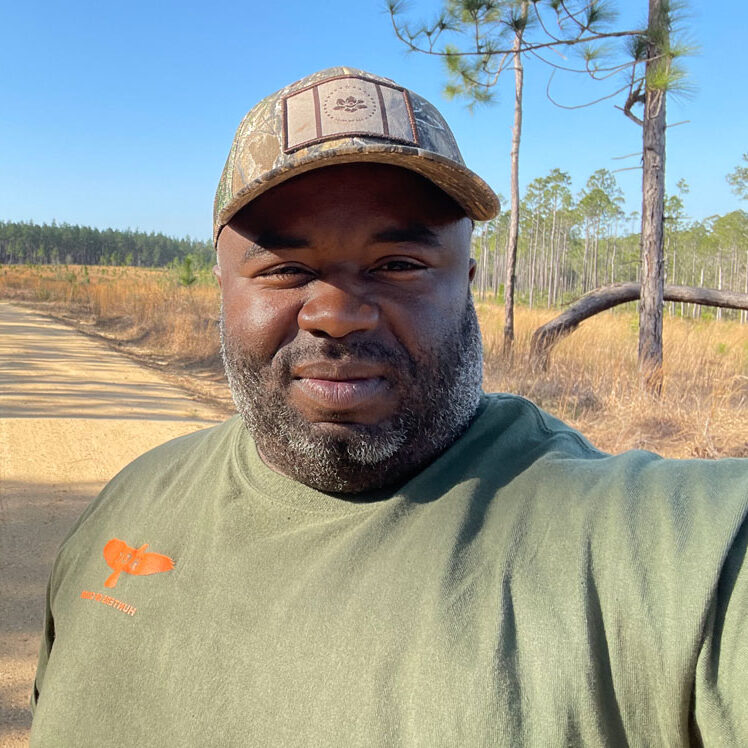
 Brian Flynn, Two Wolf Foundation
How Sportsmen Are Doing It Right

Brian Flynn, Two Wolf Foundation's Story

Following a distinguished career in the U.S. Army, lifelong outdoorsman Brian Flynn returned home from a deployment in Afghanistan and…

Hunting
Why It Matters

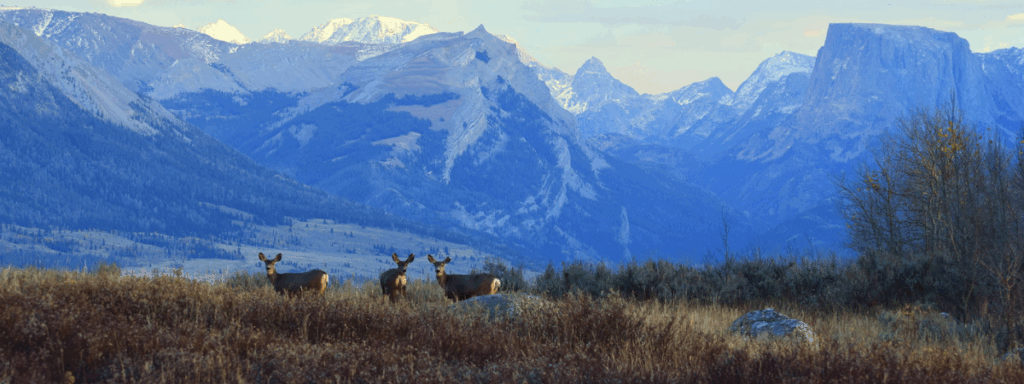
Key Issues for America’s Hunters

Your source for the latest policy updates, conservation challenges, and opportunities shaping America’s hunting traditions.

What TRCP is Doing

We’re fighting for meaningful policy changes that benefit wildlife, our waters, and the American landscapes that make our outdoor traditions possible.

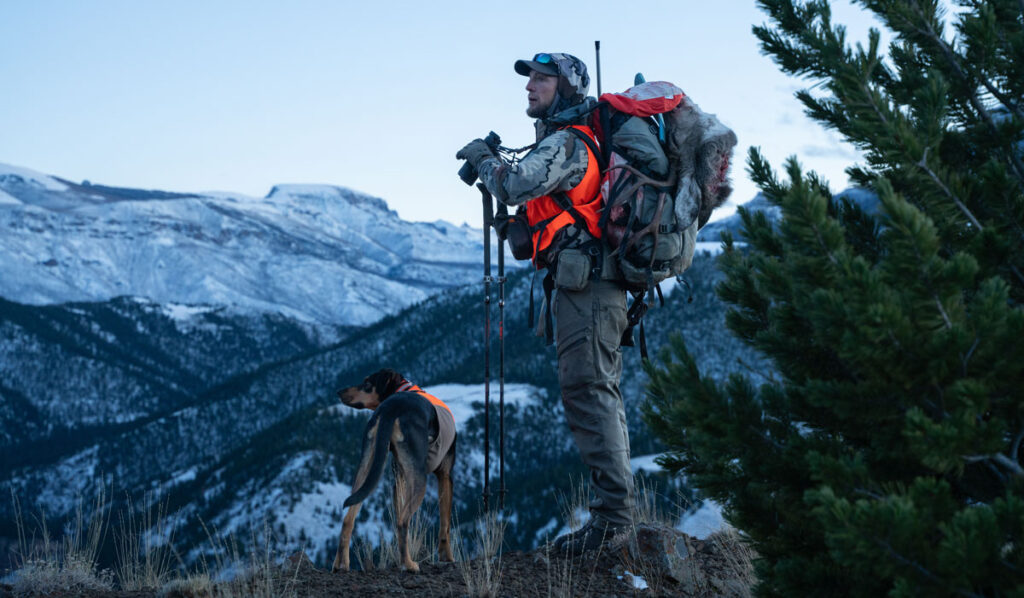
 Ryan Sparks
How Sportsmen Are Doing It Right

Ryan Sparks's Story

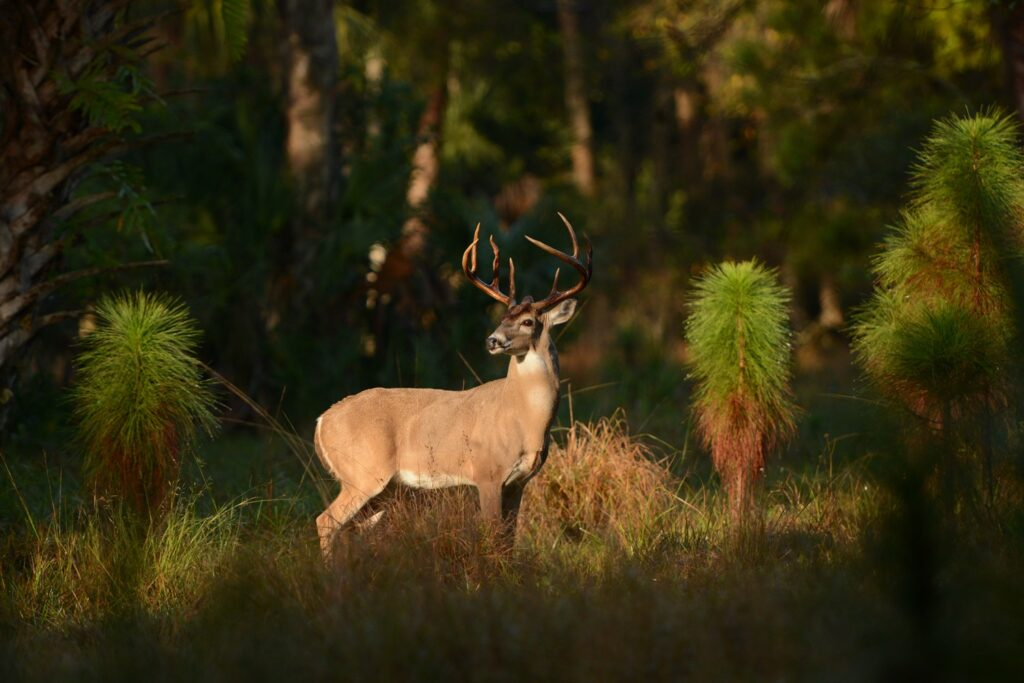
TRCP’s “In the Arena” series highlights the individual voices of hunters and anglers who, as Theodore Roosevelt so famously said,…

Fishing
Why It Matters

Key Issues for America’s Anglers

Your source for the latest policy updates, conservation challenges, and opportunities shaping America’s fishing traditions.

What TRCP is Doing

We’re fighting for meaningful policy changes that benefit wildlife, our waters, and the American landscapes that make our outdoor traditions possible.

 David Mangum
How Sportsmen Are Doing It Right

David Mangum's Story

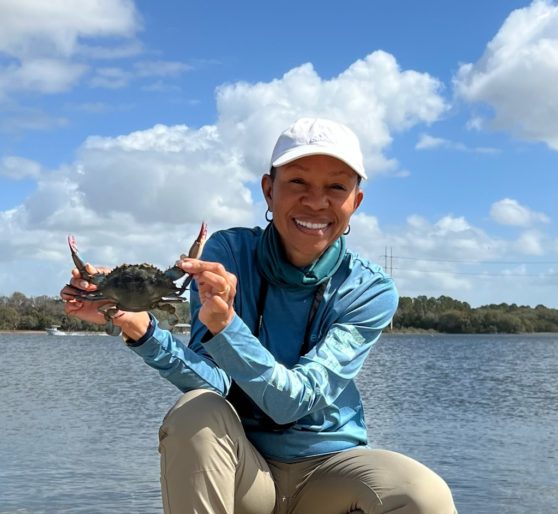
Capt. David Mangum is a YETI ambassador and outdoor photographer who utilizes his talents to produce media that inspire a…

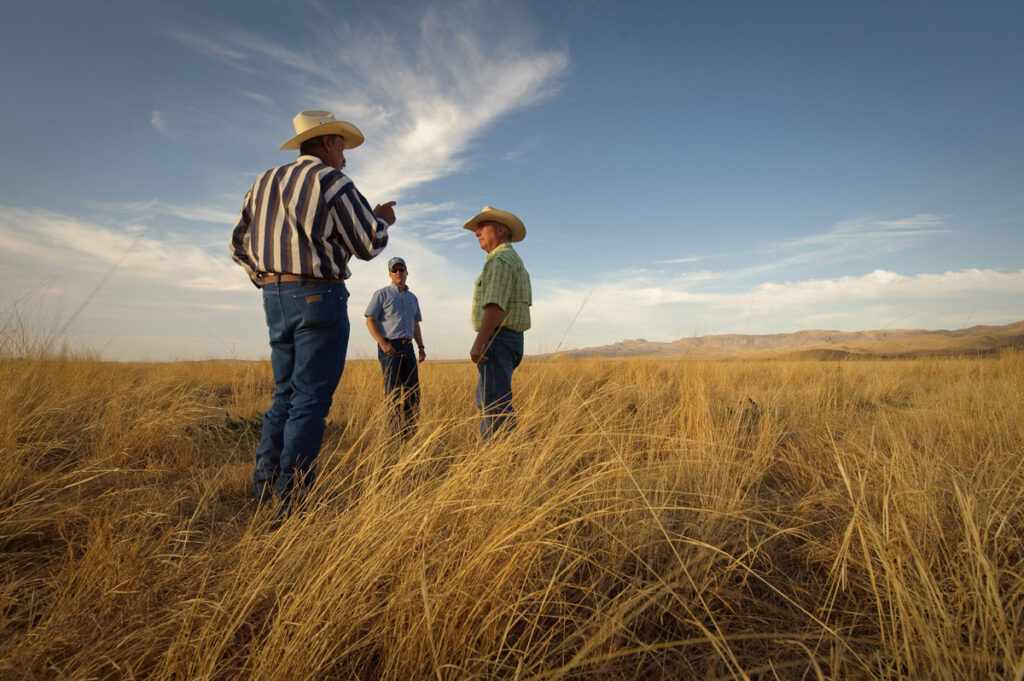
Private Land
Why It Matters

Stewardship on America’s private lands

With 70 percent of U.S. lands in private hands and many of our best hunt and fish opportunities occurring there, investing in voluntary conservation on working lands safeguards access, strengthens habitat and water quality, and ensures resilient landscapes.

Learn More
What TRCP is Doing

We champion policies and programs that restore wildlife habitat, improve soil and water health, and keep working lands productive.

 Ward Burton
How Sportsmen are Doing It Right

Ward Burton's Story

Ward Burton’s NASCAR driving career stretched across most of two decades. As an avid sportsman and conservationist, he founded the…

Special Places
Why It Matters

Special Places Worth Protecting

America’s most iconic landscapes provide unmatched habitat and unforgettable days afield. These places sustain wildlife, anchor local economies, and define the hunting and fishing traditions we pass down.

What TRCP is Doing

We’re working to conserve special places that provide world-class habitat and unforgettable opportunities for hunters and anglers.

 Franklin Adams
How Sportsmen Are Doing It Right

Franklin Adams's Story

As a true Gladesman, conservationist, and historian, Capt. Franklin Adams has spent more than six decades championing Everglades restoration efforts…

Habitat & Clean Water
Why It Matters

Healthy Habitat Powers Every Pursuit

All hunting and fishing opportunities depend on quality habitat, from clean water and healthy wetlands to winter and summer habitats and the migration corridors that connect them.

All About Habitat & Clean Water
What TRCP is Doing

We are working to safeguard the habitats that power every hunting and fishing opportunity.

 Alex Harvey
How Sportsmen Are Doing It Right

Alex Harvey's Story

Alex Harvey, founder of Legacy Land Management, is a registered professional forester in Mississippi and Alabama with a Master's degree…

Science
Why It Matters

Science That Guides TRCP

From conserving migration corridors and wetlands to ensuring clean water and resilient landscapes, science provides evidence that turns conservation goals into effective action.

Science for Conservation
What TRCP is Doing

For hunters and anglers, science safeguards the experiences we treasure including resilient big game populations, abundant fish, and wild places that endure changing social landscapes.

Jamelle Ellis
Your Science Expert

Jamelle Ellis's Story

Jamelle Ellis joined the Theodore Roosevelt Conservation Partnership in 2022. Jamelle spent the last three years as an environmental sustainability…

Where We Work
Across the Nation

Conservation Across America

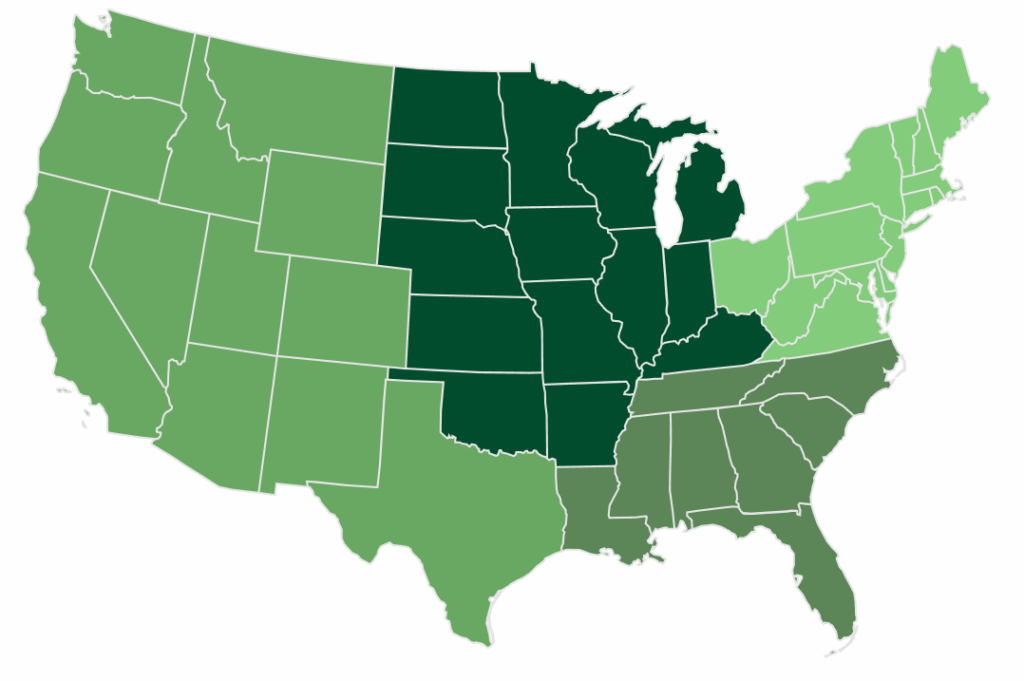
TRCP works across the country to ensure hunters and anglers can enjoy healthy fish and wildlife and quality days afield, no matter where they live.

See All Issues
TRCP in Your Region

TRCP works across the country to ensure hunters and anglers can enjoy healthy fish and wildlife and quality days afield, no matter where they live.

Who We Are
Our Mission

To guarantee all Americans quality places to hunt & fish

We unite and amplify our partners’ voices to advance America’s legacy of conservation, habitat, and access.

Our Mission & Values
Our People & Partners
  • Meet the TRCP Team

    Our staff and board members unite and amplify our partners’ voices to advance America’s legacy of conservation, habitat, and access.

    Meet the Team
  • Our Partners

    ‘Partnership’ is in our name. We work with 64 diverse partner groups that represent today’s leading hunting, fishing, and conservation organizations in order to strengthen the sportsman’s voice in Washington, D.C.

    Our Partners
  • Corporate Council

    TRCP’s Corporate Council is made up of diverse corporations that share a common passion for conservation.

    Corporate Council
Our Organization

Looking for more information?

Explore our latest news, policy updates, and conservation resources to get the information you need.

Giving
How You Can Help

To guarantee all Americans quality places to hunt & fish

Your tax-deductible donation will support TRCP's mission, now and into the future.

DONATE
Special Ways to support trcp
  • Capital Conservation Awards Dinner

    The CCAD is one of Washington's best-attended conservation celebrations, featuring dinner, cocktails, and a silent auction.

    Learn More
  • Step Into the Arena

    Help us ensure that our treasured wild habitats and game remain intact for the next generation to enjoy – lend your support to the TRCP’s efforts today!

    Donate
  • Roosevelt Roast

    TRCP has partnered with Afuera Coffee Co. to further our commitment to conservation.

    Learn More
More donation options

Find the best way for you to lend your support. Join one of TRCP’s donor circles for special invitations, premium offerings from outdoor retailers, and more exclusive benefits. Take control of your legacy with planned giving or contribute to special conservation funds.

Other Ways To Give
News
In the Spotlight

In the Arena: Josh Warren

For many hunters and anglers, the connection to conservation begins close to home — in the woods behind the house, along a familiar stretch of river, or through time spent learning from mentors and family. That sense of place is something Joshua Warren carries with him, both personally and professionally. As Director of Marketing at WorkSharp, Josh represents a company rooted in Ashland, Oregon, a community defined by its access to public lands and wild country.

Read More

Stay Informed

Receive our newsletter, the Roosevelt Report, right in your inbox. Never miss the latest news in conservation issues.

by:

posted in:

July 11, 2013

DON’T MISS: Senate Tackles Colorado River Management

The U.S. Senate Committee on Energy and Natural Resources is holding a hearing on Tuesday, July 16, at 2:30 p.m. ET to receive testimony on the Bureau of Reclamation’s Colorado River Basin Water Supply and Demand Study. This study is a landmark analysis of water supplies in the basin over the next 50 years that will be a critical tool for water managers at all levels as they plan for future water use.

Sportsmen need to be aware of this important planning activity and what it means for hunting and fishing. You will be able to watch a live webcast of the hearing on the committee’s website.

In the first season of “TRCP’s Conservation Field Notes,” our friend Steven Rinella discussed the importance of managing water in the western United States, including in the Colorado River basin, and what it means for fish and wildlife. Check it out, and stay tuned for more updates on the Colorado River study.


Do you have any thoughts on this post?

XHTML: You can use these tags: <a href="" title=""> <abbr title=""> <acronym title=""> <b> <blockquote cite=""> <cite> <code> <del datetime=""> <em> <i> <q cite=""> <s> <strike> <strong>

Comments must be under 1000 characters.

by:

posted in:

July 10, 2013

T.R.ivia: Bull Terrier Bite

How well do you know T.R.? Give our Wednesday Win trivia challenge a try.  Roosevelt’s Bull Terrier, Peter, caused international drama when he________

Image courtesy of dogbreedinfo.com


Leave us a comment below or email your answers to info@trcp.org by Friday for your chance to win a season one DVD of “MeatEater.

by:

posted in:

July 9, 2013

Farmers and Fishermen to Switch Places for Conservation Exchange

Why would a South Dakota farmer want to trade places with a Louisiana Gulf fisherman? The TRCP launched an exchange program this summer to answer that question and seek solutions to conserve America’s great native prairies and coastal waters.

In the TRCP “Barnyard to Boatyard Conservation Exchange,” three South Dakota farm couples will travel to Cocodrie, La., in July for a three-day educational outing to learn about the trials and triumphs of managing businesses reliant on healthy Louisiana Delta and Gulf of Mexico ecosystems, complete with a fishing trip along Louisiana’s Cajun bayous.

Subsequently, three couples engaged in commercial fishing, tourism and recreational fishing from the Louisiana Delta region will travel to Sioux Falls, S.D., in August to participate in an intensive, three-day briefing on the innovations and realities of grain and livestock farming and ranching, capped off by a trip to the Sioux Empire Fair.

In the nation’s capital and around the country, the TRCP works to strengthen laws, policies and practices affecting fish and wildlife conservation by leading partnerships that influence decision makers.

“Our hope is that these six couples will return to their communities and stress the need to take action to conserve our nation’s natural resources for future generations,” said Tim Kizer, private lands field coordinator for the TRCP. “This is not a quick fix. It will take time. Some long-held opinions and practices must change, but we are in this for the long haul. This exchange is about equipping people with the tools to make a difference for their own futures, as well as those of their children, neighbors and their new friends thousands of miles away.”

Reporters interested in attending the Barnyard to Boatyard Exchange should contact Cathryn Kennedy, cathryn@cathrynkennedy.com (612.309.3951); Pam McCarthy-Kern, pam.mck@earthlink.net (612-360-0647); Katherine McKalip, kmckalip@trcp.org (406.240.9262) or Tim Kizer, tkizer@trcp.org (479-530-8855).

by:

posted in:

Sage Grouse Saga a Wake-Up Call for Sportsmen

These days, there’s a lot of talk out West about a game bird called the greater sage grouse. This chicken-sized bird lives in the sagebrush country in places like Wyoming, southern Idaho, southeastern Oregon and Nevada.

Western sportsmen have enjoyed hunting sage grouse in open sagebrush country for generations. Unfortunately this great tradition is in jeopardy. Populations have been declining for years, so much so that the U.S. Fish and Wildlife Service is considering the bird for possible listing as threatened and endangered – a decision that would end sage grouse hunting for the foreseeable future.

As sportsmen, maintaining robust populations of all kinds of wildlife should be one of our top priorities. That we could lose the opportunity to hunt such an iconic game bird should be a wake-up call.

Photo courtesy of the Oregon Department of Fish and Wildlife.

The story of the sage grouse is a sadly familiar one; the loss of crucial habitat throughout the range has led to steadily declining populations. While there are places throughout the West where robust populations exist, the Fish and Wildlife Service is mostly concerned with the overall trend – not just in population numbers but also the continuing loss of quality habitat throughout the range.

Like another Western icon, the mule deer, sage grouse need a variety of habitat types, including summer and winter range and breeding areas, all of which are highly dependent on the West’s fickle – and often extreme – weather patterns. The decline of the sage grouse closely correlates with decreasing mule deer populations in the West. Each is highly dependent on healthy sage brush ecosystems, and as the health of the sagebrush ecosystem declines, so too do the populations of wildlife that rely on them.

One of the biggest threats to the sagebrush ecosystem is wildfire. Dramatic changes in the wildfire ecology in sagebrush country, has largely been driven by the proliferation of cheatgrass. Once this invasive exotic grass gets established, in and among sagebrush, it causes wildfires to burn hotter and faster. Instead of less intense, slow moving “cool fires” that tend to be beneficial, cheatgrass causes very hot, fast moving fires that completely destroy many hundreds of thousands of acres of prime sagebrush habitat. Then after the fires, cheatgrass outcompetes other native plants making it difficult for the beneficial natives to reestablish. The result is millions of acres converted from healthy sagebrush plant communities to cheatgrass monocultures, leading to more frequent and hotter-burning wildfires that are harder to contain – and often spread to other areas of healthy sagebrush, continuing the cycle.

Energy development such as oil, gas and wind energy is another major threat to sage grouse. Both traditional and renewable projects and their associated infrastructure like roads and pipelines reduce the quantity and quality of sagebrush habitat, translating into lost hunting opportunities down the road. While most sportsmen agree that we need domestic energy, the real challenge is going to be balancing this need with the need to protect high quality habitat here in the West.

The TRCP is working with sportsman’s groups and state fish and game agencies across the West to identify valuable public lands fish and wildlife habitat and develop strategies to conserve them. Here in Nevada, local sportsman’s organizations and the Nevada Department of Wildlife are partnering in this effort. We’re discovering that much of the high value habitat for animals like mule deer, pronghorn antelope and elk overlaps with areas of core sage grouse habitat. The lesson is clear: quality hunting and fishing relies on quality habitat and sage grouse conservation in sagebrush habitats will benefit multiple species of wildlife including those pursued by sportsmen.

An endangered listing for the sage grouse would have far reaching consequences here in the West – and not just for sportsmen. Ranching, mining, energy production and the economies of many small towns and rural areas all would feel the effects.

Photo courtesy of the USDA.

Sportsmen need to be aware of what’s going on and get involved. It’s not enough to avoid listing the sage grouse; we need to make sure that habitat conditions in the West are improving so that fish and wildlife populations remain healthy and so that sustainable harvest will continue to be part of our wildlife conservation heritage. The TRCP is working directly with our elected representatives in Washington, D.C., as well as with local and state governments to focus efforts on protecting existing habitat and developing new strategies to tackle this challenge. Sign up as a TRCP Western Sportsman Advocate to stay informed and take action on issues that affect our Western hunting and fishing heritage.

by:

posted in:

Recreational Fishing goes Global in Las Vegas at ICAST 2013

This year, the American Sportfishing Association is bringing the world’s largest sportfishing trade show, the International Convention of Allied Sportfishing Trades, better known as ICAST, back to Las Vegas. ICAST is being held July 9 – 12, at the Las Vegas Convention Center in Las Vegas, Nev. From buyers to media to exhibitors, ICAST 2013 is expected to host close to 10,000 representatives from the international sportfishing community who conduct business, network with industry leaders and see all the latest innovations in gear, apparel and accessories.

For the first time, ICAST and the International Fly Tackle Dealer show, the fly tackle-specific show produced by the American Fly Fishing Trade Association, are co-locating in the North Halls of the Las Vegas Convention Center on the same days and the same show hours. The “all under one roof” marketplace for fishing is attractive to both the domestic and the international exhibitor and attendee in terms of travel, number of shows to attend and other aspects of show exhibiting and attendance. The show will appear seamless since there will be no partition between ICAST and IFTD and one badge permits access to both shows

“The ‘world’s largest recreational fishing trade show’ is a sure bet for domestic and international exhibitors, buyers and media,” said ICAST Trade Show Director Kenneth Andres. “Throughout its 56-year history, ICAST has encompassed all aspects of recreational fishing. With the co-location of IFTD, buyers, media and all members of the global fishing industry can see everything the fishing industry has to offer.”

TRCP’s own Chris Macaluso will be in attendance. Drop him a line if you want to meet Chris and talk about marine fisheries conservation.

Learn more about ICAST.

HOW YOU CAN HELP

TRCP has partnered with Afuera Coffee Co. to further our commitment to conservation. $4 from each bag is donated to the TRCP, to help continue our efforts of safeguarding critical habitats, productive hunting grounds, and favorite fishing holes for future generations.

Learn More
Subscribe


You have Successfully Subscribed!

You have Successfully Subscribed!

You have Successfully Subscribed!

You have Successfully Subscribed!

You have Successfully Subscribed!