Our Issues
Public Lands
Why It Matters

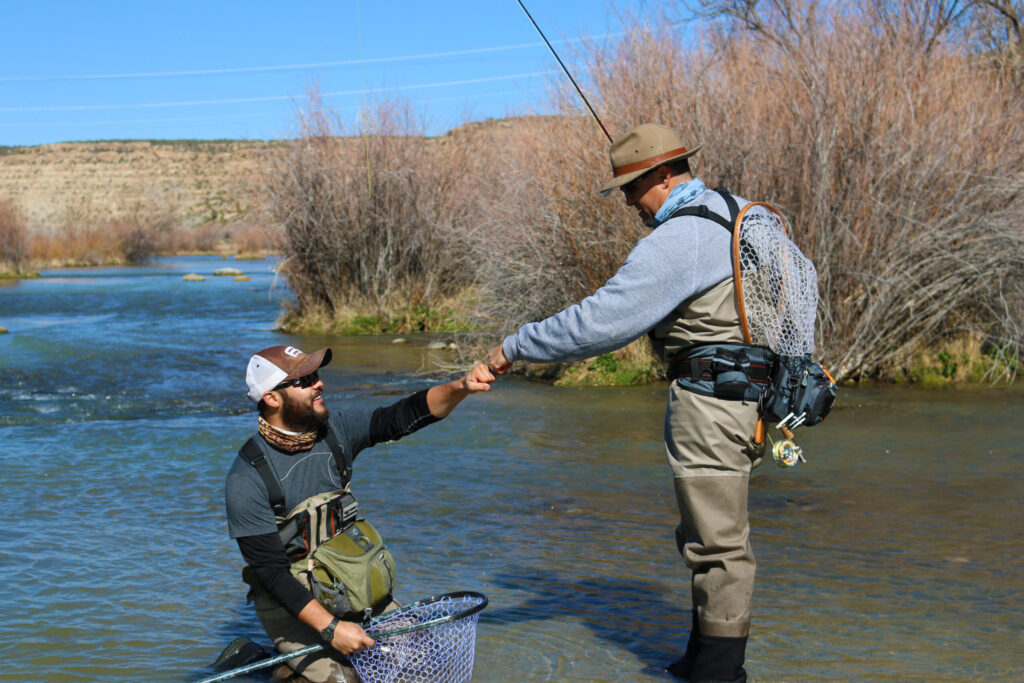
Hunting & Fishing Access

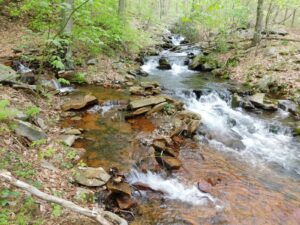
America’s 640 million acres of national public lands provide irreplaceable hunting and fishing opportunities to millions of Americans.

Learn More About Access
What TRCP is Doing

We’re working to safeguard America’s public lands so hunters and anglers always have quality places to pursue their passions.
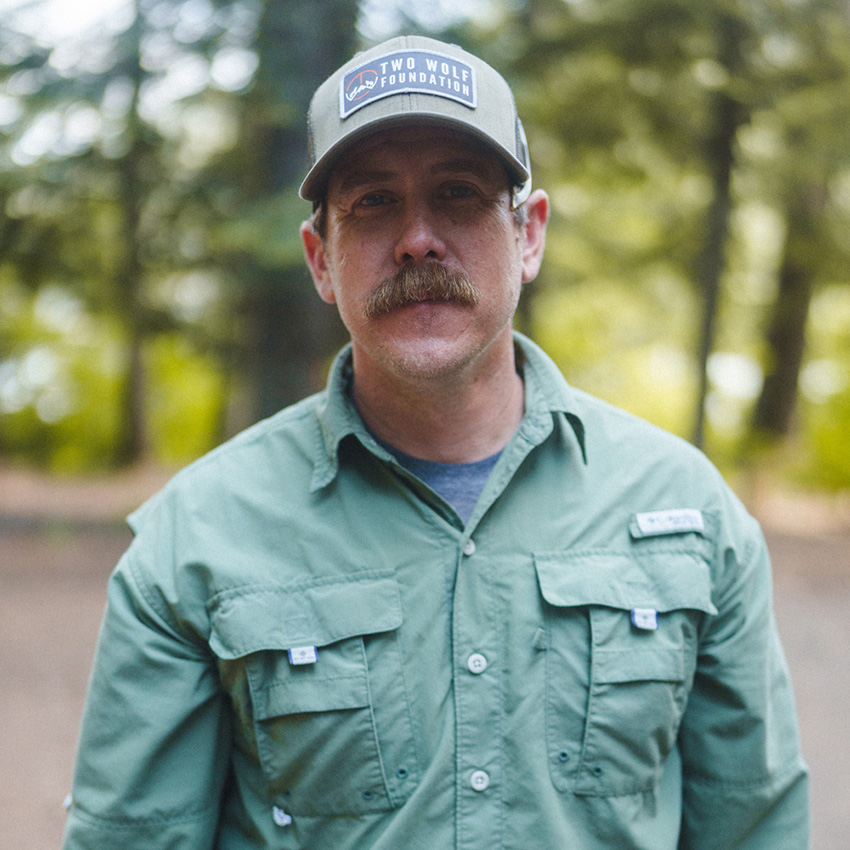
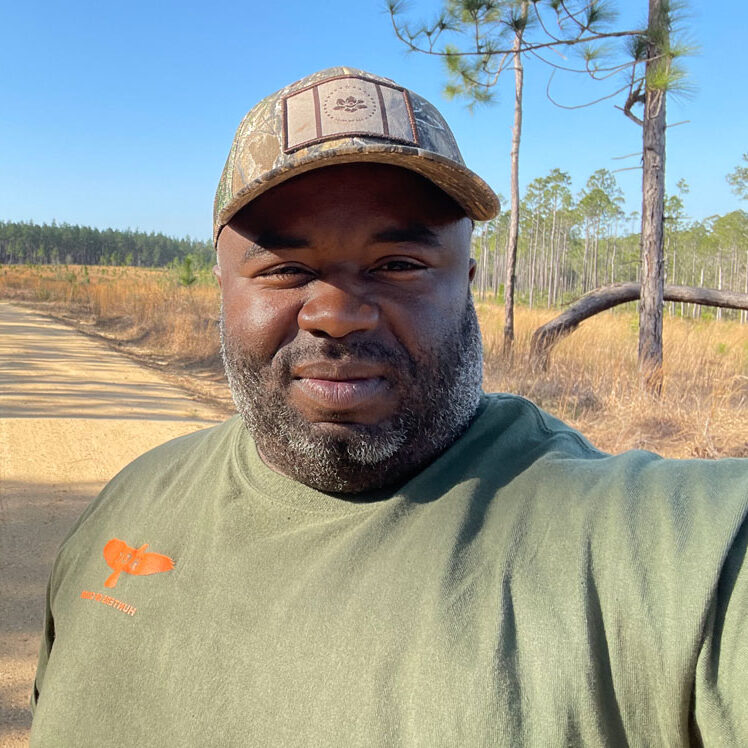
 Brian Flynn, Two Wolf Foundation
How Sportsmen Are Doing It Right

Brian Flynn, Two Wolf Foundation's Story

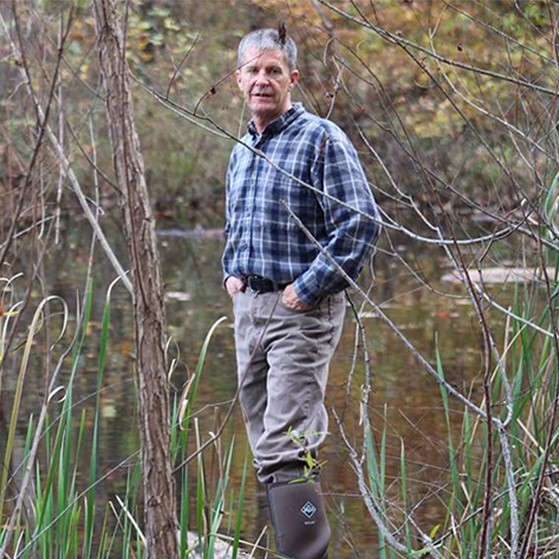
Following a distinguished career in the U.S. Army, lifelong outdoorsman Brian Flynn returned home from a deployment in Afghanistan and…

Hunting
Why It Matters

Key Issues for America’s Hunters

Your source for the latest policy updates, conservation challenges, and opportunities shaping America’s hunting traditions.

What TRCP is Doing

We’re fighting for meaningful policy changes that benefit wildlife, our waters, and the American landscapes that make our outdoor traditions possible.

 Ryan Sparks
How Sportsmen Are Doing It Right

Ryan Sparks's Story

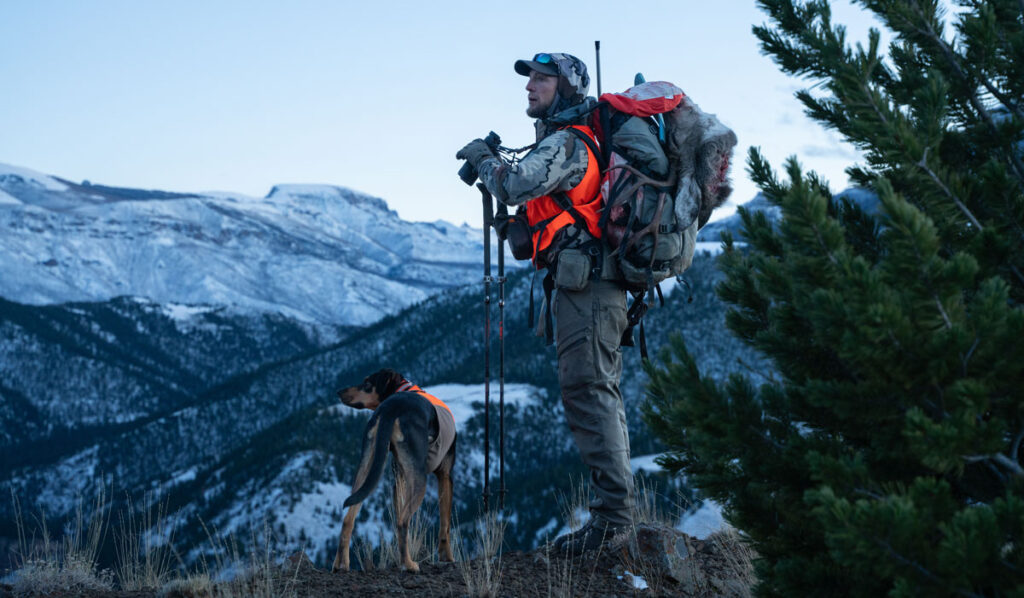
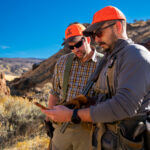
TRCP’s “In the Arena” series highlights the individual voices of hunters and anglers who, as Theodore Roosevelt so famously said,…

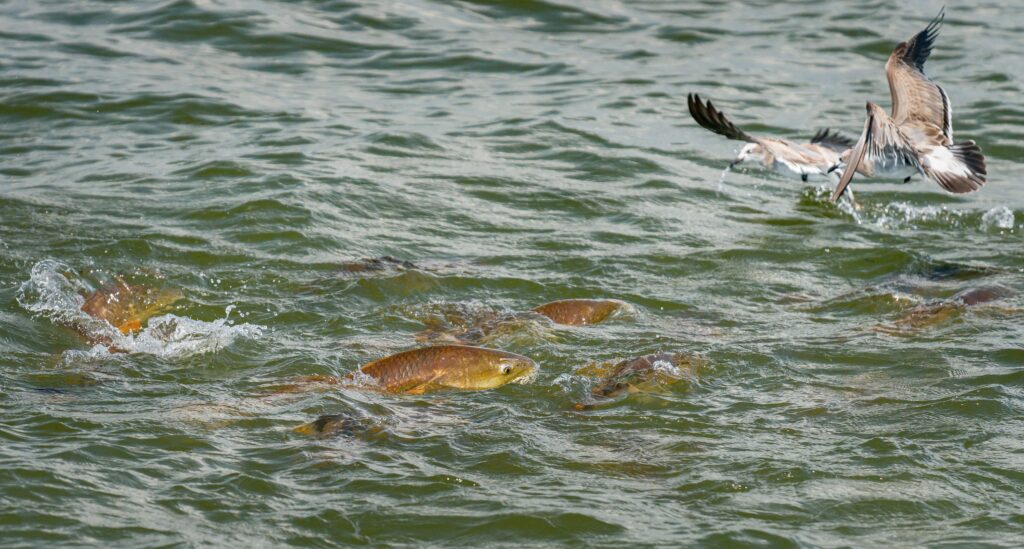
Fishing
Why It Matters

Key Issues for America’s Anglers

Your source for the latest policy updates, conservation challenges, and opportunities shaping America’s fishing traditions.

What TRCP is Doing

We’re fighting for meaningful policy changes that benefit wildlife, our waters, and the American landscapes that make our outdoor traditions possible.

 David Mangum
How Sportsmen Are Doing It Right

David Mangum's Story

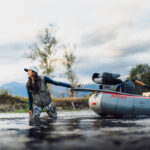
Capt. David Mangum is a YETI ambassador and outdoor photographer who utilizes his talents to produce media that inspire a…

Private Land
Why It Matters

Stewardship on America’s private lands

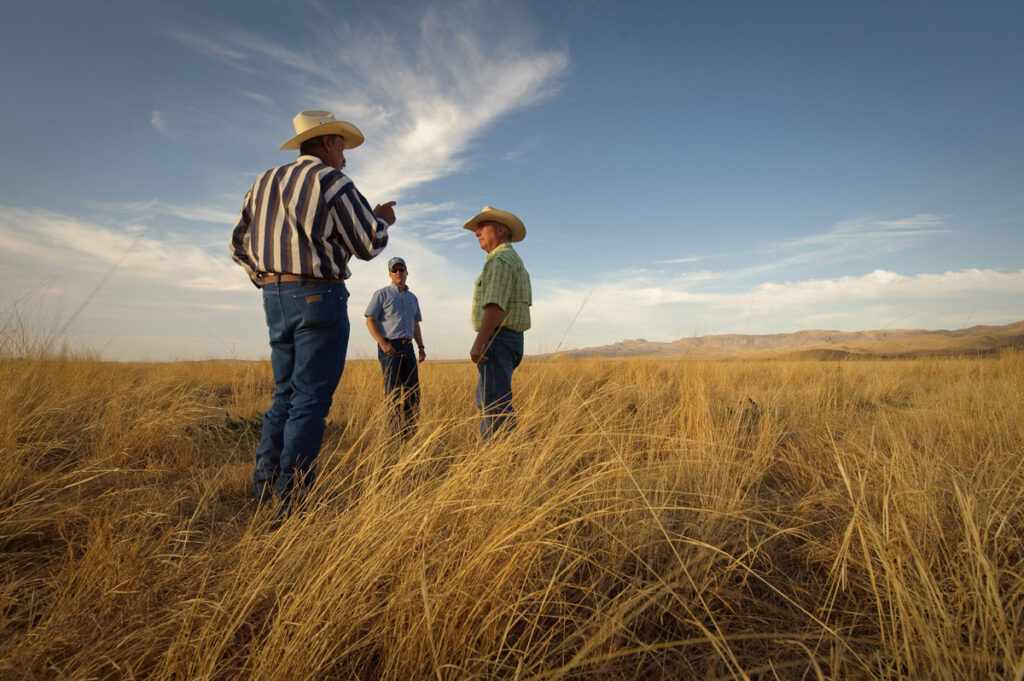
With 70 percent of U.S. lands in private hands and many of our best hunt and fish opportunities occurring there, investing in voluntary conservation on working lands safeguards access, strengthens habitat and water quality, and ensures resilient landscapes.

Learn More
What TRCP is Doing

We champion policies and programs that restore wildlife habitat, improve soil and water health, and keep working lands productive.

 Ward Burton
How Sportsmen are Doing It Right

Ward Burton's Story

Ward Burton’s NASCAR driving career stretched across most of two decades. As an avid sportsman and conservationist, he founded the…

Special Places
Why It Matters

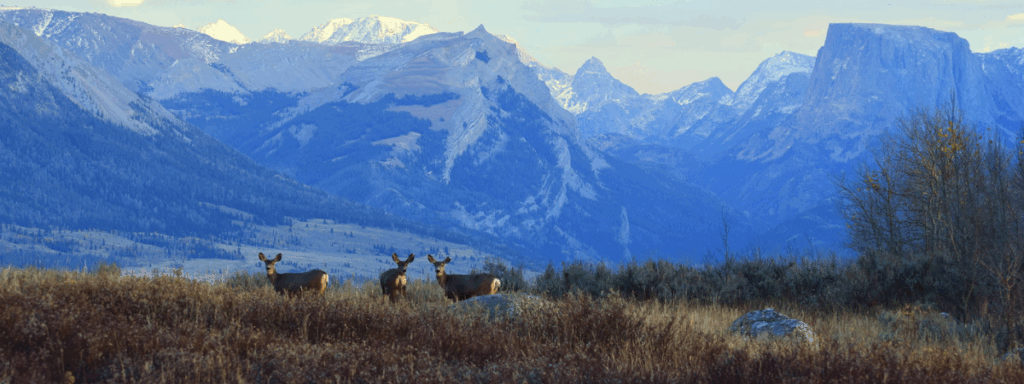
Special Places Worth Protecting

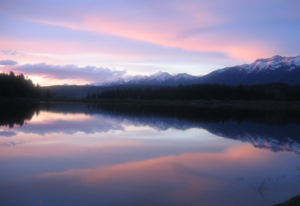
America’s most iconic landscapes provide unmatched habitat and unforgettable days afield. These places sustain wildlife, anchor local economies, and define the hunting and fishing traditions we pass down.

What TRCP is Doing

We’re working to conserve special places that provide world-class habitat and unforgettable opportunities for hunters and anglers.

 Franklin Adams
How Sportsmen Are Doing It Right

Franklin Adams's Story

As a true Gladesman, conservationist, and historian, Capt. Franklin Adams has spent more than six decades championing Everglades restoration efforts…

Habitat & Clean Water
Why It Matters

Healthy Habitat Powers Every Pursuit

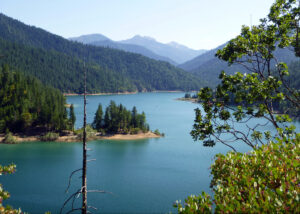
All hunting and fishing opportunities depend on quality habitat, from clean water and healthy wetlands to winter and summer habitats and the migration corridors that connect them.

All About Habitat & Clean Water
What TRCP is Doing

We are working to safeguard the habitats that power every hunting and fishing opportunity.

 Alex Harvey
How Sportsmen Are Doing It Right

Alex Harvey's Story

Alex Harvey, founder of Legacy Land Management, is a registered professional forester in Mississippi and Alabama with a Master's degree…

Science
Why It Matters

Science That Guides TRCP

From conserving migration corridors and wetlands to ensuring clean water and resilient landscapes, science provides evidence that turns conservation goals into effective action.

Science for Conservation
What TRCP is Doing

For hunters and anglers, science safeguards the experiences we treasure including resilient big game populations, abundant fish, and wild places that endure changing social landscapes.

Jamelle Ellis
Your Science Expert

Jamelle Ellis's Story

Jamelle Ellis joined the Theodore Roosevelt Conservation Partnership in 2022. Jamelle spent the last three years as an environmental sustainability…

Where We Work
Across the Nation

Conservation Across America

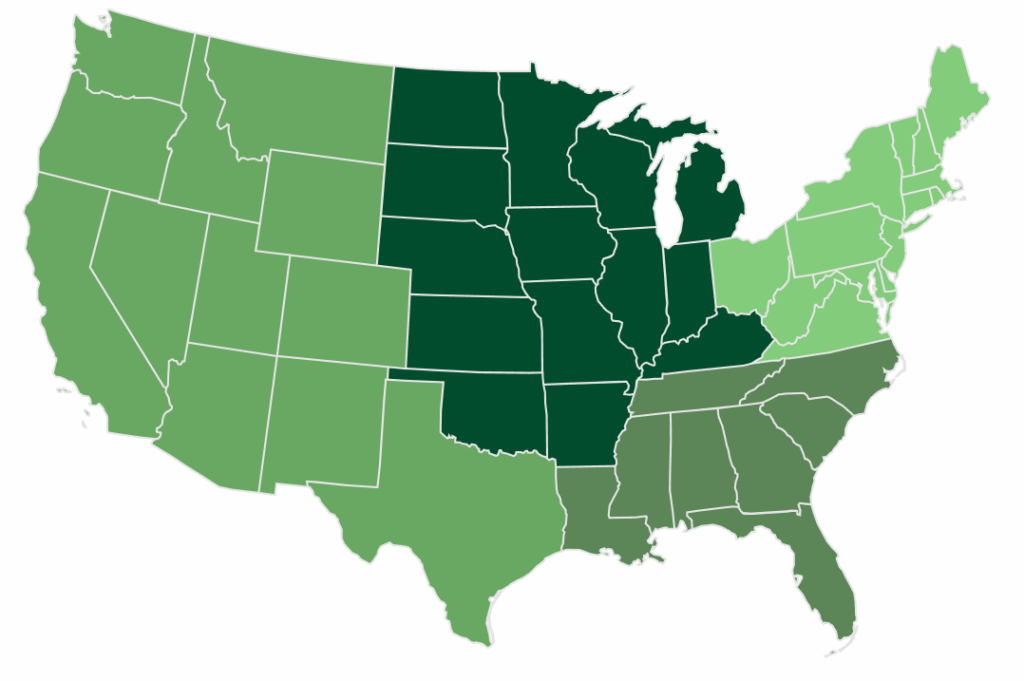
TRCP works across the country to ensure hunters and anglers can enjoy healthy fish and wildlife and quality days afield, no matter where they live.

See All Issues
TRCP in Your Region

TRCP works across the country to ensure hunters and anglers can enjoy healthy fish and wildlife and quality days afield, no matter where they live.

Who We Are
Our Mission

To guarantee all Americans quality places to hunt & fish

We unite and amplify our partners’ voices to advance America’s legacy of conservation, habitat, and access.

Our Mission & Values
Our People & Partners
  • Meet the TRCP Team

    Our staff and board members unite and amplify our partners’ voices to advance America’s legacy of conservation, habitat, and access.

    Meet the Team
  • Our Partners

    ‘Partnership’ is in our name. We work with 64 diverse partner groups that represent today’s leading hunting, fishing, and conservation organizations in order to strengthen the sportsman’s voice in Washington, D.C.

    Our Partners
  • Corporate Council

    TRCP’s Corporate Council is made up of diverse corporations that share a common passion for conservation.

    Corporate Council
Our Organization

Looking for more information?

Explore our latest news, policy updates, and conservation resources to get the information you need.

Giving
How You Can Help

To guarantee all Americans quality places to hunt & fish

Your tax-deductible donation will support TRCP's mission, now and into the future.

DONATE
Special Ways to support trcp
  • Capital Conservation Awards Dinner

    The CCAD is one of Washington's best-attended conservation celebrations, featuring dinner, cocktails, and a silent auction.

    Learn More
  • Step Into the Arena

    Help us ensure that our treasured wild habitats and game remain intact for the next generation to enjoy – lend your support to the TRCP’s efforts today!

    Donate
  • Roosevelt Roast

    TRCP has partnered with Afuera Coffee Co. to further our commitment to conservation.

    Learn More
More donation options

Find the best way for you to lend your support. Join one of TRCP’s donor circles for special invitations, premium offerings from outdoor retailers, and more exclusive benefits. Take control of your legacy with planned giving or contribute to special conservation funds.

Other Ways To Give
News
In the Spotlight

In the Arena: Josh Warren

For many hunters and anglers, the connection to conservation begins close to home — in the woods behind the house, along a familiar stretch of river, or through time spent learning from mentors and family. That sense of place is something Joshua Warren carries with him, both personally and professionally. As Director of Marketing at WorkSharp, Josh represents a company rooted in Ashland, Oregon, a community defined by its access to public lands and wild country.

Read More

Stay Informed

Receive our newsletter, the Roosevelt Report, right in your inbox. Never miss the latest news in conservation issues.

by:

posted in:

December 18, 2012

Blown Radiators and Backcountry Muleys

I was already way behind schedule when I arrived at the trailhead in the middle of nowhere in central Nevada for my first archery mule deer hunt. A blown radiator had left me waiting several hours for a truck to tow me 60 miles to the nearest town for repairs. By the time I hiked the four miles to camp, it was 2:30 in the morning.

Needless to say, first light came quickly. After a bite to eat, I hiked up to a steep vantage point overlooking the canyon where I would be hunting.

I had seen a group of bucks in this canyon a few weeks earlier with my good friend and mentor Larry Johnson with Nevada Bighorns Unlimited. After three days of hunting, neither Larry nor I had gotten close enough to make a kill, and we both left empty handed. I had come back alone with the hopes of filling my tag.

After glassing a bit, I spotted some bucks feeding on a hillside several hundred yards up the canyon. I watched for a while and figured they would bed down in one of several stands of mahogany trees scattered throughout the canyon. I sat tight, hoping to intercept the bucks as they came to bed down.

As the sun rose higher, the group went downhill to some trees about 200 yards below where I sat. There was no way to sneak in on them without being seen, and at this point my lack of sleep was catching up to me. I took a rest, hoping the bucks might move later in the day.

When I awoke, I crept back up to check on the bucks. They were gone. Trying to stay calm, I scanned the canyon and eventually spotted the deer disappearing into trees on a ridge a thousand feet above me on the opposite side of the canyon. I wasn’t exactly sure where they were headed but figured they were going to bed down again somewhere where the afternoon breezes would be cooler.

Grabbing my pack and bow, I began the long hike across the canyon. A light rain was falling by the time I reached the other ridge. The sound of the rain masked my footsteps, and a steady southwesterly wind allowed me to move into the trees and search for the deer undetected. I moved slowly through the mahogany, stopping every few steps to glass. I was looking for movement – an ear twitch, antlers or the silhouette of a bedded buck.

I made several passes through the area with no luck and began to think that the deer had outsmarted me again. Finally, I glanced uphill and saw the unmistakable shape of a deer. I pulled out my rangefinder to check the distance: 32 yards.

Nocking an arrow, I moved to get a better look and see if antlers were attached to the deer. Just then, deer began standing up one by one in surrounding trees. They had seen me.

I froze as a buck stepped out into the open. He was a shooter. I instinctively drew my bow and released the arrow. I heard the thwack of the arrow hitting as the buck jumped and ran across the rocky hillside. After 20 yards he slowed, then stopped, began to stumble and fell to the ground. I later discovered that the broadhead had gone through his heart. It was over very quickly.

My first Nevada archery mule deer hunt makes me extraordinarily thankful for the abundant and unique hunting opportunities that abound in the West. Mine was the type of hunting about which every sportsman dreams – a spectacular setting, far from any roads or signs of civilization, lots of deer and few hunters. I was able to hunt in some of the greatest remaining mule deer habitat in the nation. Nevada has a lot of undeveloped backcountry, but even here, mule deer habitat is threatened.

Mule deer need large areas of undeveloped backcountry in order to thrive. As we lose habitat throughout the West, mule deer numbers decline as do our hunting opportunities.

Sportsmen recognize the importance of conserving these areas, but in order to ensure healthy wildlife populations, hunters and anglers must spread the word. Sportsmen must let federal land management agencies know what is at stake and that we are paying attention. High-quality hunting opportunities on public land comprise the backbone of America’s sporting heritage. It is staggering to think about how much great habitat has been lost in the last 30 years – and the ramifications if this trend is allowed to continue.

This is why the TRCP is working hard to conserve high-quality, intact habitat throughout the West. Get involved today and sign up as a TRCP Western Sportsman Advocate.

Do you have any thoughts on this post?

XHTML: You can use these tags: <a href="" title=""> <abbr title=""> <acronym title=""> <b> <blockquote cite=""> <cite> <code> <del datetime=""> <em> <i> <q cite=""> <s> <strike> <strong>

Comments must be under 1000 characters.

by:

posted in:

December 12, 2012

Wednesday Win: Throwback Photo Caption

For this week’s Wednesday Win, we’re using a throwback photo from Joel Webster, TRCP’s Center for Western Lands Director. Leave a comment and we’ll pick a winner on Friday, Dec. 14. The victor will receive a TRCP camo hat.

by:

posted in:

December 11, 2012

Tackling Fiscal Responsibility for the TRCP

Bob Hale
TRCP Financial Director Bob Hale makes sure that 82.2 percent of TRCP revenue goes to conservation programs.

It’s the end of the year, and a dozen holiday emails are likely waiting in your inbox.

This note is different.

I’m not going to try and pull your heartstrings or appeal to the policy experts out there.  You’ve seen other posts like that already.

I’m the director of finance at the TRCP and I’ve got a different perspective on how we fulfill our mission.  It’s my job to develop the annual budget, keep the organization fiscally responsible and run each year’s audit. As you have probably guessed, I’m a numbers guy.

My work here at the TRCP is vitally important. I want to share two of the TRCP’s accomplishments from the past year: The TRCP earned a spot in the Better Business Bureau Wise Giving Alliance and the GuideStar Seal of Accountability.

These two accolades show that the TRCP maintains the highest level of transparency and accountability among other businesses and  non-profits. We know that in order to gain trust and remain effective, the TRCP must focus on providing relevant and reliable information to our stakeholders in a way that is free from bias, comparable, understandable and focused on stakeholders’ legitimate needs.

All of us here at the TRCP work together to cut down costs and establish our credibility as a transparent and accountable organization. By displaying the Better Business Bureau and GuideStar seals on our website, we hope to show the public that we are proactive in ensuring the highest levels of fiscal responsibility.

Overhead costs such as rent, computer network, admin salaries and benefits comprise 17.8 percent of the budget.  That means that 82.2 percent of revenue goes to conservation programs directly related to our mission.

If you choose to donate to the TRCP, you can do so with the knowledge that your money will make a difference in helping us fulfill our mission of guaranteeing you a place to hunt and fish. I’ll make sure of it.

by:

posted in:

December 4, 2012

Wednesday Win: T.R.ivia

Theodore Roosevelt is the only person to have won the Medal of Honor AND which other prestigious award?

Photo courtesy of the Harvard College Library.

Send your answer to info@trcp.org or submit it on the TRCP Facebook page by Friday morning for your chance to win a TRCP hat.

by:

posted in:

Sportsmen: Too Early to Tell With Oil Shale

Oil shale is getting so much attention lately that it’s starting to feel like a cure-all pill for whatever ails us.

Need more energy? Have some oil shale.

Fiscal cliff got you down? How about a little oil shale?

The problem with this assessment is, fundamentally, we’re just not there yet. We have been hearing this same promise for decades. A viable commercial oil shale industry has yet to exist. And as we move forward, oil shale development needs to be done with considerable thought and caution.

Or so say the leaders from some of the nation’s most influential sportsmen’s groups, conservation organizations and scientific societies in a letter sent to Department of the Interior Secretary Ken Salazar last week.

“Research must precede any commercial leasing,” the letter states, “and that research must demonstrate that extraction technologies and mitigation options exist that will protect clean air and water, conserve fish and wildlife, and sustain the economies that depend on those resources.”

To be clear, we are not saying oil shale is bad – the problem is it’s too early to tell. There are significant concerns still associated with oil shale development – concerns like   water supply, water quality and impacts to wildlife populations. They should not be taken lightly.

This is classic, “cart before the horse” type behavior – but it seems the BLM is working to right that situation. Its plan, released in early November, balances acres dedicated to oil shale research with protecting fish and wildlife habitat.

You can make a difference. Speak out on oil shale development today.

Here’s what sportsmen are saying: Go slow. Let’s do this right. Think clearly. Evaluate what we stand to gain against what we could lose. And if we get to a point where oil shale technology is viable and impacts are acceptable, then we can make decisions about when and where. But we’re not there just yet.

This post was written by  Shauna Sherard, communications director at Trout Unlimited and was originally posted on the Sportsmen for Responsible Energy Development blog.

HOW YOU CAN HELP

TRCP has partnered with Afuera Coffee Co. to further our commitment to conservation. $4 from each bag is donated to the TRCP, to help continue our efforts of safeguarding critical habitats, productive hunting grounds, and favorite fishing holes for future generations.

Learn More
Subscribe


You have Successfully Subscribed!

You have Successfully Subscribed!

You have Successfully Subscribed!

You have Successfully Subscribed!

You have Successfully Subscribed!