Our Issues
Public Lands
Why It Matters

Hunting & Fishing Access

America’s 640 million acres of national public lands provide irreplaceable hunting and fishing opportunities to millions of Americans.

Learn More About Access
What TRCP is Doing

We’re working to safeguard America’s public lands so hunters and anglers always have quality places to pursue their passions.

 Brian Flynn, Two Wolf Foundation
How Sportsmen Are Doing It Right

Brian Flynn, Two Wolf Foundation's Story

Following a distinguished career in the U.S. Army, lifelong outdoorsman Brian Flynn returned home from a deployment in Afghanistan and…


Hunting
Why It Matters

Key Issues for America’s Hunters

Your source for the latest policy updates, conservation challenges, and opportunities shaping America’s hunting traditions.

What TRCP is Doing

We’re fighting for meaningful policy changes that benefit wildlife, our waters, and the American landscapes that make our outdoor traditions possible.

 Ryan Sparks
How Sportsmen Are Doing It Right

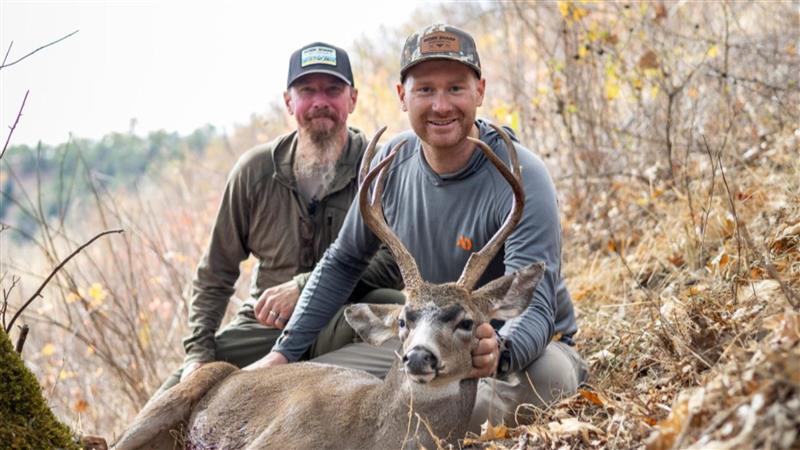
Ryan Sparks's Story

TRCP’s “In the Arena” series highlights the individual voices of hunters and anglers who, as Theodore Roosevelt so famously said,…

Fishing
Why It Matters

Key Issues for America’s Anglers

Your source for the latest policy updates, conservation challenges, and opportunities shaping America’s fishing traditions.

What TRCP is Doing

We’re fighting for meaningful policy changes that benefit wildlife, our waters, and the American landscapes that make our outdoor traditions possible.

 David Mangum
How Sportsmen Are Doing It Right

David Mangum's Story

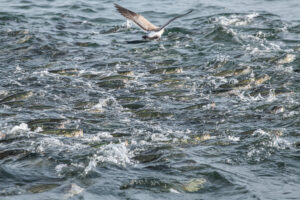
Capt. David Mangum is a YETI ambassador and outdoor photographer who utilizes his talents to produce media that inspire a…

Private Land
Why It Matters

Stewardship on America’s private lands

With 70 percent of U.S. lands in private hands and many of our best hunt and fish opportunities occurring there, investing in voluntary conservation on working lands safeguards access, strengthens habitat and water quality, and ensures resilient landscapes.

Learn More
What TRCP is Doing

We champion policies and programs that restore wildlife habitat, improve soil and water health, and keep working lands productive.

 Ward Burton
How Sportsmen are Doing It Right

Ward Burton's Story

Ward Burton’s NASCAR driving career stretched across most of two decades. As an avid sportsman and conservationist, he founded the…

Special Places
Why It Matters

Special Places Worth Protecting

America’s most iconic landscapes provide unmatched habitat and unforgettable days afield. These places sustain wildlife, anchor local economies, and define the hunting and fishing traditions we pass down.

What TRCP is Doing

We’re working to conserve special places that provide world-class habitat and unforgettable opportunities for hunters and anglers.

 Franklin Adams
How Sportsmen Are Doing It Right

Franklin Adams's Story

As a true Gladesman, conservationist, and historian, Capt. Franklin Adams has spent more than six decades championing Everglades restoration efforts…

Habitat & Clean Water
Why It Matters

Healthy Habitat Powers Every Pursuit

All hunting and fishing opportunities depend on quality habitat, from clean water and healthy wetlands to winter and summer habitats and the migration corridors that connect them.

All About Habitat & Clean Water
What TRCP is Doing

We are working to safeguard the habitats that power every hunting and fishing opportunity.

 Alex Harvey
How Sportsmen Are Doing It Right

Alex Harvey's Story

Alex Harvey, founder of Legacy Land Management, is a registered professional forester in Mississippi and Alabama with a Master's degree…

Science
Why It Matters

Science That Guides TRCP

From conserving migration corridors and wetlands to ensuring clean water and resilient landscapes, science provides evidence that turns conservation goals into effective action.

Science for Conservation
What TRCP is Doing

For hunters and anglers, science safeguards the experiences we treasure including resilient big game populations, abundant fish, and wild places that endure changing social landscapes.

Jamelle Ellis
Your Science Expert

Jamelle Ellis's Story

Jamelle Ellis joined the Theodore Roosevelt Conservation Partnership in 2022. Jamelle spent the last three years as an environmental sustainability…

Where We Work
Across the Nation

Conservation Across America

TRCP works across the country to ensure hunters and anglers can enjoy healthy fish and wildlife and quality days afield, no matter where they live.

See All Issues
TRCP in Your Region

TRCP works across the country to ensure hunters and anglers can enjoy healthy fish and wildlife and quality days afield, no matter where they live.

Who We Are
Our Mission

To guarantee all Americans quality places to hunt & fish

We unite and amplify our partners’ voices to advance America’s legacy of conservation, habitat, and access.

Our Mission & Values
Our People & Partners
  • Meet the TRCP Team

    Our staff and board members unite and amplify our partners’ voices to advance America’s legacy of conservation, habitat, and access.

    Meet the Team
  • Our Partners

    ‘Partnership’ is in our name. We work with 64 diverse partner groups that represent today’s leading hunting, fishing, and conservation organizations in order to strengthen the sportsman’s voice in Washington, D.C.

    Our Partners
  • Corporate Council

    TRCP’s Corporate Council is made up of diverse corporations that share a common passion for conservation.

    Corporate Council
Our Organization

Looking for more information?

Explore our latest news, policy updates, and conservation resources to get the information you need.

Giving
How You Can Help

To guarantee all Americans quality places to hunt & fish

Your tax-deductible donation will support TRCP's mission, now and into the future.

DONATE
Special Ways to support trcp
  • Capital Conservation Awards Dinner

    The CCAD is one of Washington's best-attended conservation celebrations, featuring dinner, cocktails, and a silent auction.

    Learn More
  • Step Into the Arena

    Help us ensure that our treasured wild habitats and game remain intact for the next generation to enjoy – lend your support to the TRCP’s efforts today!

    Donate
  • Roosevelt Roast

    TRCP has partnered with Afuera Coffee Co. to further our commitment to conservation.

    Learn More
More donation options

Find the best way for you to lend your support. Join one of TRCP’s donor circles for special invitations, premium offerings from outdoor retailers, and more exclusive benefits. Take control of your legacy with planned giving or contribute to special conservation funds.

Other Ways To Give
News
In the Spotlight

In the Arena: Josh Warren

For many hunters and anglers, the connection to conservation begins close to home — in the woods behind the house, along a familiar stretch of river, or through time spent learning from mentors and family. That sense of place is something Joshua Warren carries with him, both personally and professionally. As Director of Marketing at WorkSharp, Josh represents a company rooted in Ashland, Oregon, a community defined by its access to public lands and wild country.

Read More

Stay Informed

Receive our newsletter, the Roosevelt Report, right in your inbox. Never miss the latest news in conservation issues.

by:

posted in:

September 17, 2025

TRCP_Farm_headerOne-1dk-web

Do you have any thoughts on this post?

XHTML: You can use these tags: <a href="" title=""> <abbr title=""> <acronym title=""> <b> <blockquote cite=""> <cite> <code> <del datetime=""> <em> <i> <q cite=""> <s> <strike> <strong>

Comments must be under 1000 characters.

by:

posted in:

In the Arena: David Mangum

TRCP’s “In the Arena” series highlights the individual voices of hunters and anglers who, as Theodore Roosevelt so famously said, strive valiantly in the worthy cause of conservation.

Capt. David Mangum

Hometown: Santa Rosa Beach, Florida 
Occupation: Saltwater fly-fishing guide for Shallow Water Expeditions
Conservation credentials: Mangum is a YETI ambassador and outdoor photographer who utilizes his talents to produce media that inspire a spirit of conservation and educate saltwater anglers. He’s also been involved with the fish-tagging efforts of the Bonefish & Tarpon Trust and the Rosenstiel School of Marine, Atmospheric, and Earth Science.
Credit: Jay Riley

Born and raised in the Florida panhandle, Mangum has developed his expertise for finding and catching fish from decades on his home waters. He is widely known as a tarpon specialist (some might say addict) who lands a list of top clients the chance to battle the silver king as well as redfish and other quarry in shallow-water flats and coastal marshes. A passionate fly fisherman with an adventurous soul, he’s guided around North America, from Alaska to Colorado to the Bahamas, and has been featured in an episode of the Millhouse Podcast. Mangum also is an avid hunter, who’s relished many annual winter quail hunts in Arizona. Despite all this, his pursuits aren’t just limited to professional fishing, hobby hunting, and world-class photography. This renaissance (outdoors)man is also an accomplished oil painter whose works center on his saltwater lifestyle and other nature-focused subject matter. Mangum even boasts co-director credits for “Huff – The Film,” a short documentary about another legendary Florida guide and close friend.

Here is his story.

Credit: David Mangum

Like many others, I was introduced to the outdoors at a young age by my father, Col. Denny Mangum, United States Air Force. He taught me both upland bird hunting and fishing.

I remember the first time I saw tarpon was with him. I was young and we were fishing in Destin. He didn’t see the tarpon in the water, but several of them “rolled” at the same time and I swore to him I had seen some kind of sea serpent. That memory stuck with me for years until I was older and realized what I had seen. I have often wondered if that was the formative moment that would lead me down the path to becoming a guide, and more specifically, a guide who is known for tarpon.

Credit: David Mangum

If I could hunt or fish anywhere, I would return to southern Arizona to chase Mearns quail. I spent many a January with my first bird dog, Bella, in the high desert canyons of the Coronado National Forest.

Conservation is necessary for the places like this, where we hunt and fish. Without the conservation efforts of those before me, I believe our outdoor world would be in desperate shape. Anywhere you look (with a few exceptions), our natural world has taken a toll. Less fish, less animals, fewer places untouched by our human hand. It’s only because of the efforts of those without blinders on that we still have the remaining flora and fauna which we share the world with.

Credit: David Mangum

“Freshwater is the lifeblood of everything that lives in the salt. It all starts there.”

I believe the biggest conservation challenge along north Florida’s Gulf Coast is water. The diminished flows and instability of freshwater rivers, with either too much or not enough fresh water, is one of the most influential factors on coastal systems today. The balance has been thrown off. Freshwater is the lifeblood of everything that lives in the salt. It all starts there. Where salt and fresh meet, plankton and zooplankton thrive and start the food web. At the top of that web is one of the most important fish in the sea, the menhaden.

Gamefish, birds, and marine mammals depend on the menhaden as their primary food source. These small filter feeders are essential to ALL creatures in the sea. Without the menhaden everything we see in our coastal ecosystems falls apart.

Credit: Jay Riley

The simple reason it’s important for me personally to be involved in conservation is that I feel morally obligated to take action when I see problem. We all should! Especially those of us who make a living using the outdoor resources.

Without the menhaden everything we see in our coastal ecosystems falls apart.

It’s obvious why conservation should matter to the next generation of hunters and anglers. We just need to ask future outdoorsmen and women this question: What will the world look like if conservation isn’t important to you? Just imagine the current place you live, but without the sounds of birds, of insects and frogs at night. Imagine no fish in the water and no deer in the woods. That’s a world none of us wants, and that’s why we should all be adamantly involved in conservation.

Credit: David Mangum

Banner image credit: Jay Riley


by:

posted in:

September 12, 2025

Support a Balanced Future for the Tongass and Chugach Forests in Alaska

Help sustain public access, fish and wildlife habitat, and the outdoor traditions we all value

The Tongass and Chugach National Forests are two of the most spectacular and unique landscapes in the United States. Together, they encompass more than 22 million acres of intact habitat for fish and wildlife, support local economies, and provide opportunities for rural subsistence as well as recreational hunting and fishing. These lands are part of what make Alaska truly extraordinary.

On August 29, the U.S. Department of Agriculture announced a proposal to rescind the Roadless Area Conservation Rule across the National Forest System, including in Alaska. If completed, this action would remove important conservation measures that have helped maintain some of the best remaining big game and salmon habitat in the state.

Why These Forests Matter

The Chugach National Forest supports key salmon streams and moose, bear, and mountain goat habitat. Because of its proximity to Anchorage, these nearly 6 million acres are crucial to local communities that depend on accessible public lands.

The Tongass National Forest is home to all five species of wild Pacific salmon and provides high-quality habitat for black-tailed deer, brown bear, and mountain goats. These nearly 17 million acres in Southeast Alaska are also vital for subsistence users, as well as fishing and tourism economies.

Old-growth forests on the Tongass—dominated by large western hemlock and Sitka spruce trees in roadless areas—provide a critical mosaic of habitat for deer, especially during heavy snow years. According to the Alaska Department of Fish and Game, severe winter weather is one of the biggest factors influencing deer populations, making intact habitat all the more important.

The Tongass is also at a turning point. Millions of acres of young-growth forests are now ready for restoration and management that can both support the forest products industry and strengthen habitat for fish and wildlife. Rather than remain locked in old debates over large-scale old-growth logging, this is an opportunity to invest in young-growth management that benefits local communities, hunters, anglers, and the long-term productivity of public lands in Southeast Alaska.

A Need for Dialogue

Hunters and anglers need to remain at the table as decisions are made about national forests in Alaska. We believe it is possible to support local economies, provide flexibility for responsible management, and sustain the fish, wildlife, and access values that are so important to hunters, anglers, and rural communities.

Sportsmen and women must weigh in to help shape this outcome. By submitting comments, we can encourage the Forest Service to pursue a balanced approach that maintains consistent safeguards for roadless area habitats while also supporting restoration, young-growth management, and community needs.

Take Action

The USDA is accepting public comments on the future of the Roadless Rule in Alaska until September 19. Hunters and anglers can make a difference by speaking up for intact habitat, strong local economies, and lasting outdoor traditions.

Sample Comment

As a hunter, angler, and public land user, I encourage a thoughtful approach when reevaluating roadless areas in Alaska’s Tongass and Chugach National Forests. Roadless areas provide essential habitat for fish and wildlife, support local economies, and offer important opportunities for hunting, fishing, recreation, and subsistence. Please ensure that any changes to the Roadless Rule will maintain these values and benefit both current and future generations of Alaskans.

by:

posted in:

Weigh in on Behalf of America’s Backcountry

Hunters and anglers can help shape the future of our national forests

Anyone who has spent time hunting and fishing on our national forests knows that success often depends on putting some distance between yourself and roads. Roadless areas—casually called the backcountry—are essential to America’s sporting traditions and wildlife management.

These roadless landscapes provide secure refuge for elk, mule deer, and other big game species, ensuring healthy herds and sustaining increasingly rare over-the-counter hunting opportunities. State wildlife agencies have long emphasized that blocks of secure habitat are critical for effective herd management and for preventing displacement of wildlife onto private lands.

For anglers, roadless areas conserve cold, clean headwaters that sustain wild trout and salmon, and roughly 70 percent of roadless areas contain habitat for native fish.

These qualities are why the sporting community values roadless areas and sees them as a crucial part of the future of hunting and fishing in America.

The Proposal to Rescind the Roadless Rule

On August 29, the U.S. Department of Agriculture published a notice proposing to rescind the 2001 Roadless Area Conservation Rule—a long-standing policy designed to maintain these backcountry values. The public comment period is open through September 19.

A primary argument for rescission is to allow more flexibility for wildfire suppression and forest management. Hunters and anglers understand this does not have to be an either/or choice. We can support proactive management to reduce wildfire risk and improve forest health while maintaining safeguards that are critical for fish, wildlife, and our sporting traditions.

A Balanced Path Forward

Hunters and anglers support a middle ground approach to managing roadless areas. This approach respects backcountry values and provides flexibility where it’s needed. That means:

  • Conserving core backcountry habitat for fish and wildlife while allowing thinning, prescribed burning, and restoration projects to protect communities and improve habitat.
  • Limiting costly new road construction so that scarce agency funding can go toward maintaining the 370,000 miles of existing national forest roads that already provide access for hunters, anglers, and local economies.
  • Accommodating multiple uses, including livestock grazing and motorized and non-motorized recreation.

The Roadless Rule was designed to strike this balance. Rather than scrapping it altogether, the USDA should work with hunters, anglers, and other stakeholders to adapt and improve the rule to ensure it remains durable, practical, and true to the values we share. We have seen this approach work before with the Idaho and Colorado Roadless Rules, and we can apply that success to the rest of the National Forest System.

Take Action

This comment period is our chance to ensure that the future of America’s backcountry reflects hunting and fishing values. By speaking up, we can help secure lasting hunting and fishing opportunities for future generations of sportsmen and women.

Hunters and anglers can make a difference by commenting before September 19.

Here are some important talking points to include in your comments:

  • Roadless areas are critical to America’s sporting traditions. They provide secure habitat for elk, deer, and other big game, and conserve headwaters that sustain native trout and salmon. These landscapes ensure that future generations of hunters and anglers will have the same opportunities we enjoy today.
  • Hunters and anglers know that flexibility can be added to the rule to reduce wildfire risk while also improving forest health and maintaining conservation safeguards that are critical for fish, wildlife, and sporting traditions.
  • The Forest Service should work with hunters, anglers, and other stakeholders to adapt and improve the rule so it remains durable, practical, and true to the values we share.
  • A balanced approach will ensure our forests remain healthy, our communities are safer, and our sporting traditions persist.

by:

posted in:

MAPOceans Act Passes Senate

New legislation would modernize accessibility to saltwater recreational fishing regulations and marine waters navigation information 

Saltwater anglers, hunters, and marine recreationists joined the Theodore Roosevelt Conservation Partnership in cheering Senate passage of the Modernizing Access to Our Public Oceans Act this week by unanimous consent. The MAPOceans Act will direct the standardization, consolidation, and digitization of boating and recreational fishing information for federally managed marine waters and federal fisheries administered by the National Oceanic and Atmospheric Administration. 

The bipartisan legislation was introduced by U.S. Senators Ted Cruz (R-Texas) and Angus King (I-Maine). 

“TRCP joins America’s sportsmen and sportswomen in thanking Senators Cruz and King for bringing forth this bipartisan, access-oriented legislation, and greatly appreciates the broader Senate support for its passage,” said Joel Pedersen, president and CEO of the Theodore Roosevelt Conservation Partnership. “The MAPOceans Act will help simplify fishing and boating experiences to enhance recreation opportunities, while expanding access by making the necessary information for safe, legal saltwater fishing more readily available through digital technology.” 

The MAPOceans Act builds on the success of the MAPLand Act, passed in 2022, and the MAPWaters Act, which passed out of the House of Representatives in January 2025, by directing NOAA to digitize navigation and recreational use rules for marine waters and federal fisheries, and to make those resources readily available to the public. The hundreds of thousands of offshore ocean miles and numerous saltwater fish species regulated by NOAA present enormous recreational opportunities where restrictions are difficult to access and constantly changing. MAPOceans directs the federal agency to compile those rules in digital form so they can be integrated into GPS units and smartphone applications that are popular with boaters and anglers, making that information available to the public in real time. 

“The MAPOceans Act consolidates and makes existing spatial information more accessible, empowering anglers to better understand and safely enjoy our marine waters,” said Glenn Hughes, president of the American Sportfishing Association. “We thank the Senate for passing this bipartisan bill and look forward to its continued progress.” 

“We applaud Senator Cruz and Congressional Sportsmen’s Caucus Co-Chair Senator King for their leadership in passing the MAPOceans Act out of the Senate,” said Chris Horton, senior director of fisheries policy for the Congressional Sportsmen’s Foundation. “This much needed, bipartisan legislation will finally remove the uncertainty about where we can fish and with what gear that can often create barriers for angler participation on our coastal waters.”    

“At the Marine Retailers Association of the Americas, we recognize the immense value our coastal regions provide—not only as vital ecosystems but also as hubs for recreation that drive local economies and support marine retailers,” said Matt Gruhn, president of the MRAA. “The MAPOceans Act represents a crucial step forward in providing standardized, accessible data about our nation’s waterways. By digitizing key information like fishing regulations and restrictions, this legislation will enhance safety and enjoyment for recreational boaters and anglers, while also supporting conservation efforts. We’re grateful to Senators King and Cruz for their leadership in championing this important initiative and their hard work to get it passed out of the Senate.” 

“Expanding access to the information anglers and boaters need to safely get out on the water will help fuel America’s $1.2 trillion outdoor recreation economy,” said Jessica Wahl Turner, president of the Outdoor Recreation Roundtable Association. “The Outdoor Recreation Roundtable appreciates Senators Cruz and King for championing the MAPOceans Act and for finding innovate ways to allow more Americans to enjoy the outdoors.” 

Learn more about TRCP’s work to improve your access to public lands and waters HERE

Photo Credit: David Mangum

HOW YOU CAN HELP

TRCP has partnered with Afuera Coffee Co. to further our commitment to conservation. $4 from each bag is donated to the TRCP, to help continue our efforts of safeguarding critical habitats, productive hunting grounds, and favorite fishing holes for future generations.

Learn More

You have Successfully Subscribed!

You have Successfully Subscribed!

You have Successfully Subscribed!

You have Successfully Subscribed!