Our Issues
Public Lands
Why It Matters

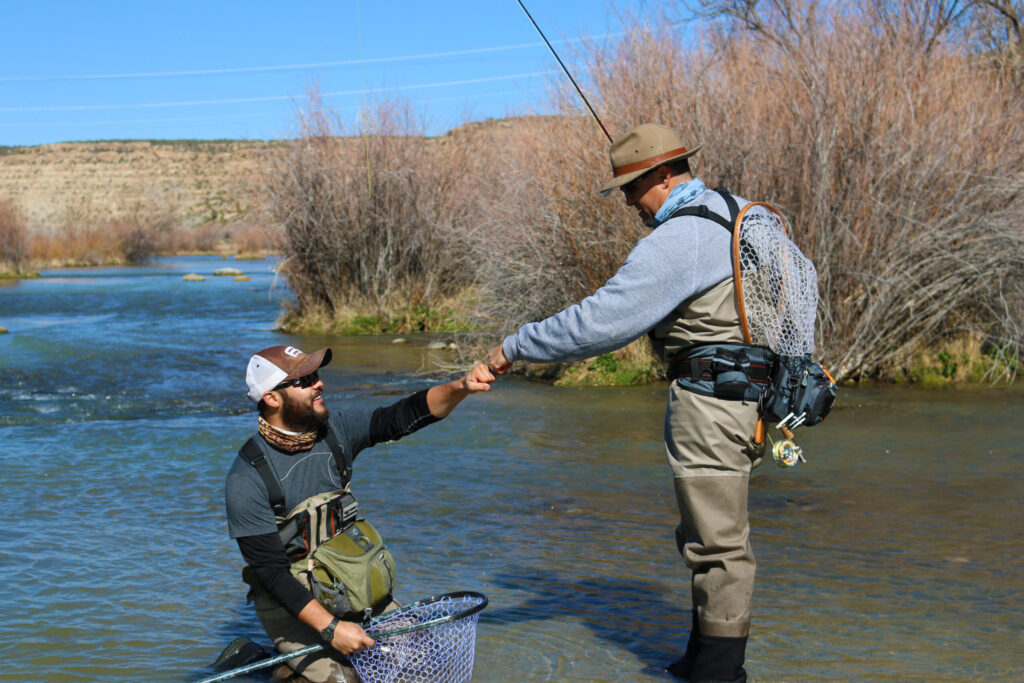
Hunting & Fishing Access

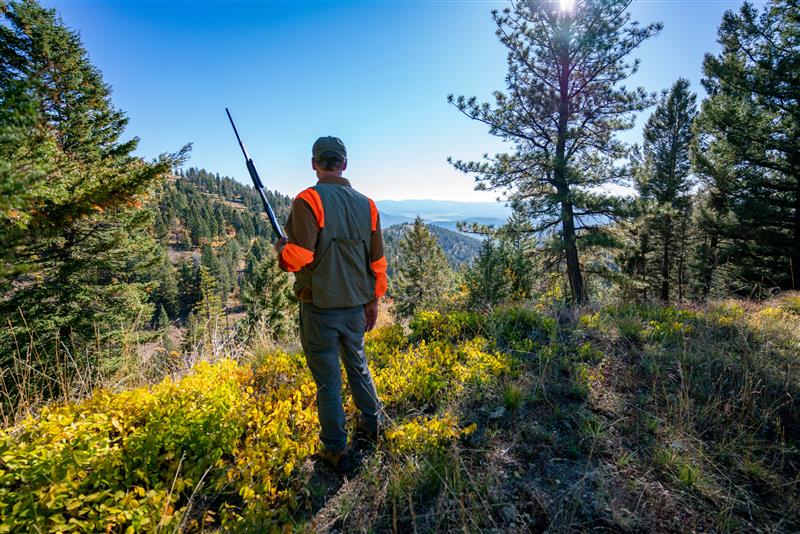
America’s 640 million acres of national public lands provide irreplaceable hunting and fishing opportunities to millions of Americans.

Learn More About Access
What TRCP is Doing

We’re working to safeguard America’s public lands so hunters and anglers always have quality places to pursue their passions.
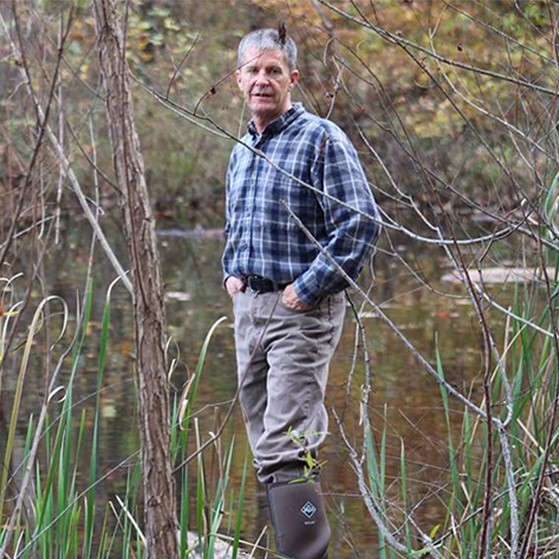
 Brian Flynn, Two Wolf Foundation
How Sportsmen Are Doing It Right

Brian Flynn, Two Wolf Foundation's Story

Following a distinguished career in the U.S. Army, lifelong outdoorsman Brian Flynn returned home from a deployment in Afghanistan and…

Hunting
Why It Matters

Key Issues for America’s Hunters

Your source for the latest policy updates, conservation challenges, and opportunities shaping America’s hunting traditions.

What TRCP is Doing

We’re fighting for meaningful policy changes that benefit wildlife, our waters, and the American landscapes that make our outdoor traditions possible.

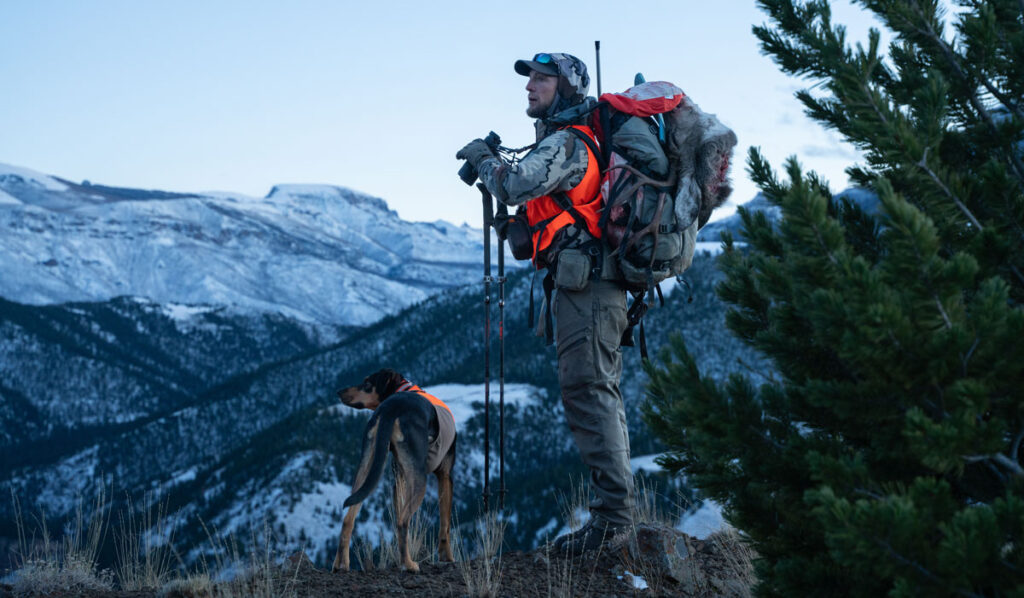
 Ryan Sparks
How Sportsmen Are Doing It Right

Ryan Sparks's Story

TRCP’s “In the Arena” series highlights the individual voices of hunters and anglers who, as Theodore Roosevelt so famously said,…

Fishing
Why It Matters

Key Issues for America’s Anglers

Your source for the latest policy updates, conservation challenges, and opportunities shaping America’s fishing traditions.

What TRCP is Doing

We’re fighting for meaningful policy changes that benefit wildlife, our waters, and the American landscapes that make our outdoor traditions possible.

 David Mangum
How Sportsmen Are Doing It Right

David Mangum's Story

Capt. David Mangum is a YETI ambassador and outdoor photographer who utilizes his talents to produce media that inspire a…

Private Land
Why It Matters

Stewardship on America’s private lands

With 70 percent of U.S. lands in private hands and many of our best hunt and fish opportunities occurring there, investing in voluntary conservation on working lands safeguards access, strengthens habitat and water quality, and ensures resilient landscapes.

Learn More
What TRCP is Doing

We champion policies and programs that restore wildlife habitat, improve soil and water health, and keep working lands productive.

 Ward Burton
How Sportsmen are Doing It Right

Ward Burton's Story

Ward Burton’s NASCAR driving career stretched across most of two decades. As an avid sportsman and conservationist, he founded the…

Special Places
Why It Matters

Special Places Worth Protecting

America’s most iconic landscapes provide unmatched habitat and unforgettable days afield. These places sustain wildlife, anchor local economies, and define the hunting and fishing traditions we pass down.

What TRCP is Doing

We’re working to conserve special places that provide world-class habitat and unforgettable opportunities for hunters and anglers.

 Franklin Adams
How Sportsmen Are Doing It Right

Franklin Adams's Story

As a true Gladesman, conservationist, and historian, Capt. Franklin Adams has spent more than six decades championing Everglades restoration efforts…

Habitat & Clean Water
Why It Matters

Healthy Habitat Powers Every Pursuit

All hunting and fishing opportunities depend on quality habitat, from clean water and healthy wetlands to winter and summer habitats and the migration corridors that connect them.

All About Habitat & Clean Water
What TRCP is Doing

We are working to safeguard the habitats that power every hunting and fishing opportunity.

 Alex Harvey
How Sportsmen Are Doing It Right

Alex Harvey's Story

Alex Harvey, founder of Legacy Land Management, is a registered professional forester in Mississippi and Alabama with a Master's degree…

Science
Why It Matters

Science That Guides TRCP

From conserving migration corridors and wetlands to ensuring clean water and resilient landscapes, science provides evidence that turns conservation goals into effective action.

Science for Conservation
What TRCP is Doing

For hunters and anglers, science safeguards the experiences we treasure including resilient big game populations, abundant fish, and wild places that endure changing social landscapes.

Jamelle Ellis
Your Science Expert

Jamelle Ellis's Story

Jamelle Ellis joined the Theodore Roosevelt Conservation Partnership in 2022. Jamelle spent the last three years as an environmental sustainability…

Where We Work
Across the Nation

Conservation Across America

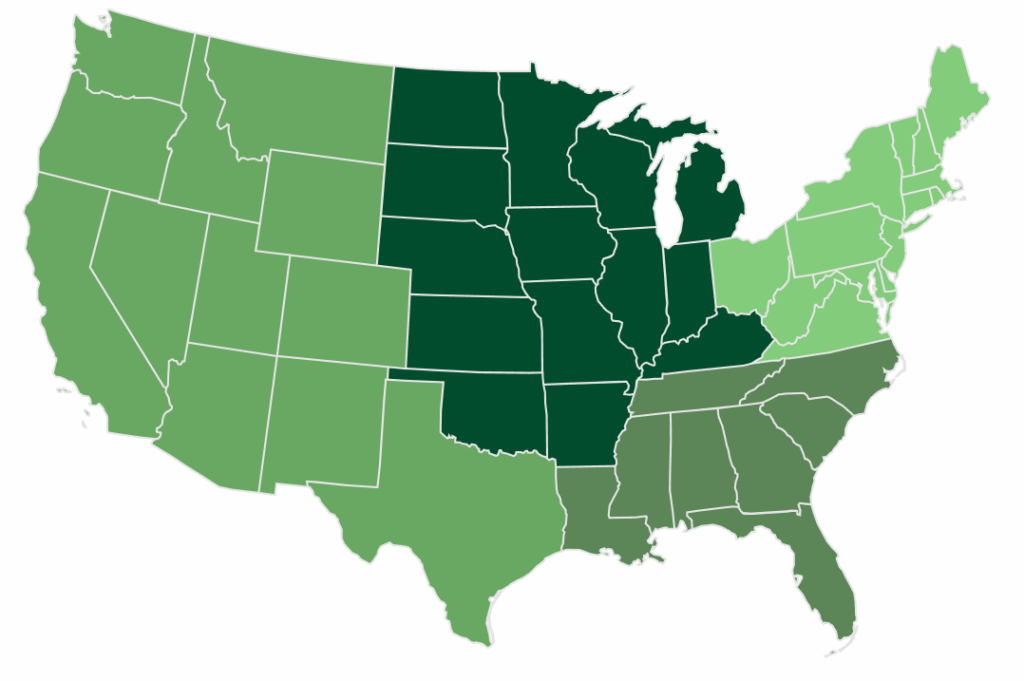
TRCP works across the country to ensure hunters and anglers can enjoy healthy fish and wildlife and quality days afield, no matter where they live.

See All Issues
TRCP in Your Region

TRCP works across the country to ensure hunters and anglers can enjoy healthy fish and wildlife and quality days afield, no matter where they live.

Who We Are
Our Mission

To guarantee all Americans quality places to hunt & fish

We unite and amplify our partners’ voices to advance America’s legacy of conservation, habitat, and access.

Our Mission & Values
Our People & Partners
  • Meet the TRCP Team

    Our staff and board members unite and amplify our partners’ voices to advance America’s legacy of conservation, habitat, and access.

    Meet the Team
  • Our Partners

    ‘Partnership’ is in our name. We work with 64 diverse partner groups that represent today’s leading hunting, fishing, and conservation organizations in order to strengthen the sportsman’s voice in Washington, D.C.

    Our Partners
  • Corporate Council

    TRCP’s Corporate Council is made up of diverse corporations that share a common passion for conservation.

    Corporate Council
Our Organization

Looking for more information?

Explore our latest news, policy updates, and conservation resources to get the information you need.

Giving
How You Can Help

To guarantee all Americans quality places to hunt & fish

Your tax-deductible donation will support TRCP's mission, now and into the future.

DONATE
Special Ways to support trcp
  • Capital Conservation Awards Dinner

    The CCAD is one of Washington's best-attended conservation celebrations, featuring dinner, cocktails, and a silent auction.

    Learn More
  • Step Into the Arena

    Help us ensure that our treasured wild habitats and game remain intact for the next generation to enjoy – lend your support to the TRCP’s efforts today!

    Donate
  • Roosevelt Roast

    TRCP has partnered with Afuera Coffee Co. to further our commitment to conservation.

    Learn More
More donation options

Find the best way for you to lend your support. Join one of TRCP’s donor circles for special invitations, premium offerings from outdoor retailers, and more exclusive benefits. Take control of your legacy with planned giving or contribute to special conservation funds.

Other Ways To Give
News
In the Spotlight

The Next Step for the Tongass

Hunters and Anglers Can Help Shape the Forest Plan.

Read More

Stay Informed

Receive our newsletter, the Roosevelt Report, right in your inbox. Never miss the latest news in conservation issues.

by:

posted in:

August 7, 2025

Girl with bass in Lake Pontchartrain-Credit Chris Macaluso-700

Do you have any thoughts on this post?

XHTML: You can use these tags: <a href="" title=""> <abbr title=""> <acronym title=""> <b> <blockquote cite=""> <cite> <code> <del datetime=""> <em> <i> <q cite=""> <s> <strike> <strong>

Comments must be under 1000 characters.

August 5, 2025

Hooked Early, Hooked for Life: Why Kids Hold the Future of Our Fisheries

TRCP’s marine fisheries intern reflects on how personal experience shaped his interest in the outdoors, the need for youth angling participation, and the importance of forage fish conservation for the next generation

Memory is a weird thing. It helps us to not repeat mistakes from the past and enables us to recall some of our favorite times. You might remember your first-grade class pet’s name but forget your Netflix password four times in a month. There’s not much rhyme or reason to it.

Some people talk about how they can remember the first fish they ever caught. I’m not one of those people — I couldn’t tell you what species it was or where I was when I caught it. However, I can tell you the first time I remember being jealous of a fish someone else caught. One of my friends, Winslow, hooked a bonnethead shark in Charleston Harbor, South Carolina (pictured below), and while I did catch some seatrout that day, it was the allure of Winslow’s shark that brought me back to fishing over and over again. So one thing I do know about memory is that when we learn to fish at a young age, we’ll never forget some of those early experiences – and they will help shape our values and interests.

Me photobombing Winslow and my godfather, Dave D., holding the bonnethead years ago. Credit: Sid Evans

The Importance of Starting Young

Last summer, I was lucky enough to work as a fishing and kayaking camp counselor in Charleston and experience the joy of catching a fish for the first time again — this time from a new perspective. My main job was watching kids catch shrimps, minnows, and other small fish with nets and rods off the dock and taking them around in kayaks. What many of these kids learned was that all of these species play a key role in coastal habitats by serving as “forage” (a food source) for larger fish and wildlife.

More than 90 percent of adult participation in hunting and fishing is directly related to active participation as a youth.

What amazed me was that kids would come back each day with more excitement and knowledge about fishing and the ecosystem than the day before, and all with their own reasons. A full net of baby shrimps one day turned overnight into questions about osprey and the local food chain. One kid caught a stingray and had a ridiculous grin on his face for the rest of the camp week. Others who weren’t into catching fish were amazed by the dolphins that swam right up to our kayaks in Shem Creek.

According to data from the US Fish and Wildlife Service, more than 90 percent of adult participation in hunting and fishing is directly related to active participation as a youth. Kids that grow up with great outdoor memories tend to pursue those hobbies for the rest of their life, and taking care of our public lands, restoring our wetlands and fisheries, and ensuring access for hunting and angling will be of the types of issues that will be a priority for them.

A kayaking field trip I co-led on Shem Creek off Charleston Harbor, 2024. Credit: Coastal Expeditions

Fisheries Challenges Facing the Next Generation

Many of the marine waters that Southern and Eastern anglers grew up on are now struggling. The management of forage fish like menhaden has been hamstrung over the years due to the influence of industrial-scale reduction fisheries in the Gulf and on the Eastern Seaboard. Menhaden are a vital food source for numerous predators, including larger fish, marine mammals, and birds, and lower localized population numbers have led to ecological backsliding in areas like the Chesapeake Bay, which can impact fisheries in other Atlantic states, including South Carolina.

Industrial-scale removals of menhaden also have other negative impacts. A 2024 study on bycatch in the industrial Gulf menhaden fishery indicates that approximately 22,000 breeding-size redfish, tens of millions of non-target forage fish, and numerous other marine species were killed by the menhaden industry off Louisiana’s coast last year alone.

To effectively manage our coastal ecosystems, we need to have a two-pronged approach: ensuring that forage fish populations continue to improve through federal and state regulations and marine fisheries policies, and getting more young people outside with a rod in their hands to create future champions for our favorite waters.

A younger me with my father holding a small seatrout. Credit: Dave DiBenedetto

Ensuring Our Angling Legacy

Kids really don’t need much to have fun. They just need to get outside to experience fishing and hunting opportunities firsthand, and it’s our responsibility to give them that chance as often as we can. The simple memories that kids make from their outdoor experiences will ensure that as long as the next generation loves fishing, like we do, our waters will be left in much better hands.

It’s also our responsibility to guarantee healthy fish populations for that next generation of anglers. And one of the best ways to achieve that in Atlantic and Gulf waters is through protecting forage fish like menhaden.

Find more information about the ecological and recreational importance of menhaden, herring, and other forage fish and what we can do to support them on TRCP’s Forage Fish Recovery Page.

Austin Evans is TRCP’s 2025 marine fisheries intern.

by:

posted in:

onX and TRCP Release Map of Public Acres Available for Potential Sale

First-of-its-kind tool identifies six million acres the Bureau of Land Management could advance for sale

onX and the Theodore Roosevelt Conservation Partnership today launched an interactive map that identifies lands deemed eligible for potential sale by the Bureau of Land Management. This map is the first publicly available, easy-to-use tool to inform both the public and policymakers about the locations of public land parcels that the federal government could advance for sale.

“Public lands, like those managed by the BLM, support 178.5 million outdoor recreation participants who rely on these landscapes to hunt, hike, fish, off-road, ski, climb, and bike,” said onX CEO Laura Orvidas. “The outdoor community cherishes these places, and has recently fought fiercely to keep them public. Yet the land disposal process has historically been opaque–often buried in hundreds of pages of government documents. We created this map with TRCP to bring transparency to the land disposal process, to inform outdoor enthusiasts of nearby parcels, and to encourage lawmakers to uphold existing policies that safeguard the public interest when considering any land sales.”

This map was developed using publicly available GIS data derived from 160 individual BLM Resource Management Plans in 17 western states. It reveals 6,086,900 acres of public land marked for potential sale.

“For the first time, the public and policymakers can engage with one map that spans most BLM planning areas, and see public land parcels eligible for sale in the context of other landmarks, like towns, roads, and adjoining public lands,” said Joel Pedersen, president and CEO of the Theodore Roosevelt Conservation Partnership. “TRCP is proud to partner with onX to share this valuable tool that shows specific locations of land that could be considered for sale like never before.”

The six million acres depicted in the map are not guaranteed to be sold, rather, they have been identified in BLM land use plans as eligible for potential disposal or sale. Identification of lands as eligible for disposal does not trigger immediate action, it means those parcels may be considered for sale if and when a proposal is advanced. Importantly, any future sale must go through a multi-step process that includes additional opportunities for public review and comment. By showing these parcels on a map, the public can more readily participate in any future public process.

Explore the map HERE.

Learn more about the BLM’s land disposal history and current process HERE.


Public lands need champions, and thankfully, several bipartisan members of Congress are taking the lead. Learn more about the Public Land Caucus HERE.

by:

posted in:

August 1, 2025

TRCP Applauds Brian Nesvik Confirmation as Fish and Wildlife Service Director

Former Wyoming Game and Fish Director a friend to hunters and anglers 

Today, the Theodore Roosevelt Conservation Partnership cheers the Senate confirmation of Brian Nesvik to lead the United States Fish and Wildlife Service. The new FWS Director previously served as the Wyoming Game and Fish Director and has an extensive track record of working to conserve and manage fish and wildlife species and their habitat.   

“TRCP has worked with Nesvik for many years, and we are pleased to have him in the role of Fish and Wildlife Service Director,” said Joel Pedersen, president and CEO of TRCP. “We look forward to working with him in his new capacity to conserve fish and wildlife habitat and bolster hunting and fishing opportunities.”

The USFWS manages more than 560 National Wildlife Refuges and 70 national fish hatcheries that provide crucial habitat and support opportunities to hunt and fish across the nation. The USFWS also oversees the Endangered Species Act and the Migratory Bird Act as well as programs focused on managing invasive species and providing oversight on importing and exporting wildlife.

Learn more about the USFWS HERE.

by:

posted in:

July 31, 2025

The Tradition Continues

TRCP’s Western conservation communications manager reflects on the recent victory for public lands and the opportunities this freedom affords

My dad and I worked our way up the creek, which was the only way through the willows, the only path to follow. The stream emptied the peaks above and had flattened out in this hanging valley before it would again find its course to pour lower into the valley.

Where the water gained a foot of depth in front of a young ponderosa that had fallen in, we watched cutthroat trout interrupt the flow as they rose to a hatch of small, gray mayflies that tumbled in the current.

I’d caught a 10-incher in the last bend, so dad took his position on the left bank. Back far enough so his shadow wouldn’t reach over the water, he cast a #14 purple haze toward the top of the run in the bubble line that hugged the grass.

On a day like the one we’d been having, there should’ve been no surprise when the trout appeared below the fly. But there is always a reaction—the same as when a woodcock flushes from cover, or a deer walks into a clearing—of a trout materializing where only a moment ago there was none.

The trout followed the drift for a moment, then swallowed the fly with confidence. Dad’s 3wt bowed with the strong runs and we shared smiles watching the beautiful fish turn in the clear water. The black-spotted Westslope cutthroat came to his hand. The pastel cheek iridescent above the orange flash of the slash beneath the chin.

After a quick picture, the fish bolted back into the depth, disappearing in the nervous water as mayflies continued to float past.

“Plenty of water ahead,” my dad said, drying his hands on his pants.

“And plenty of day to fill,” I smiled back.

For the last dozen summers, my dad and I have spent weeks together in the backcountry of America’s public lands. Sometimes my mom and brother would accompany us, other times my wife, but the constant has been my dad and me folding into the routine of sleeping, eating, and fishing.

This most recent trip felt different. Not that anything had changed, but that it had stayed the same.

During the months before our father-son-first-week-of-July excursion, I’d worked with dozens of members of our TRCP team to help elevate the voices of tens of thousands of fellow hunters and anglers, leading outdoor brands, and partners in urging lawmakers to remove public land sales from budget reconciliation legislation.

We built action alerts and sent emails, organized letters and meetings, called our representatives and spread the news far and wide. We experienced small victories and setbacks and kept pushing knowing that every message to Congress was another step toward keeping our public lands in public hands. It was a powerful and moving moment to be committed our public lands that are the pride of our nation. I was honored to play a small part in this work.

By the time my trip rolled around, the team knew a decision was imminent, yet nothing had been announced. The day before I disappeared into mountains remote enough to bar me from any news, the amendment that would have mandated the sale of millions of acres of public lands was removed.

The celebration began across social media, news outlets, and emails from engaged organizations. The challenge that we had spent months working to overcome was overcome thanks to tens of thousands of conservation-minded people, as well as national, state, and local hunting and fishing businesses and organizations, and leadership from a bipartisan group of public land champions in Congress. Public lands had won!

The beaver dam had been blown out, but still the far side benefited from the slower water where the foundation clung to the bottom. A willow carcass made the run that much more enticing to fish and a danger to an errant cast.

And an errant cast was thrown by me so that my royal Wulff wrapped around a skinny finger of a branch and hung there for just long enough that disappointment grew in my stomach for ruining such a pool. Then, gracefully, the tug of the current on my line pulled the hook to set it free and the fly landed on the water.

Because the accidental placement became accidentally perfect for the drift, a cutthroat rose and swallowed the fly. I watched the orange sides turn and bully into the tangle. My tippet held and finally the trout came into the shallows where I beheld its spot-free side before the black studs appeared on the tail. A perfect fish in a perfect stream.

When the cutthroat returned to the run, Dad and I took a moment to drink some water before continuing. In that still moment, a time when our minds weren’t only occupied by the best path around a log jam or if that stretch was worth fishing, we each said out loud how grateful we were to live in a country that has public land where we can explore and be together without any worry or need to ask permission. That these millions of acres are ours to cherish.

And then we went back to fishing.


The victory of defeating public land sales is worth celebrating, but this most recent challenge is a reminder that our public lands are never guaranteed.

Learn more about how you can stay engaged on hunting and fishing access through our updated Public Land Access webpage below.

Read more public land reflections from the TRCP team HERE.

HOW YOU CAN HELP

TRCP has partnered with Afuera Coffee Co. to further our commitment to conservation. $4 from each bag is donated to the TRCP, to help continue our efforts of safeguarding critical habitats, productive hunting grounds, and favorite fishing holes for future generations.

Learn More

You have Successfully Subscribed!

You have Successfully Subscribed!

You have Successfully Subscribed!

You have Successfully Subscribed!