Our Issues
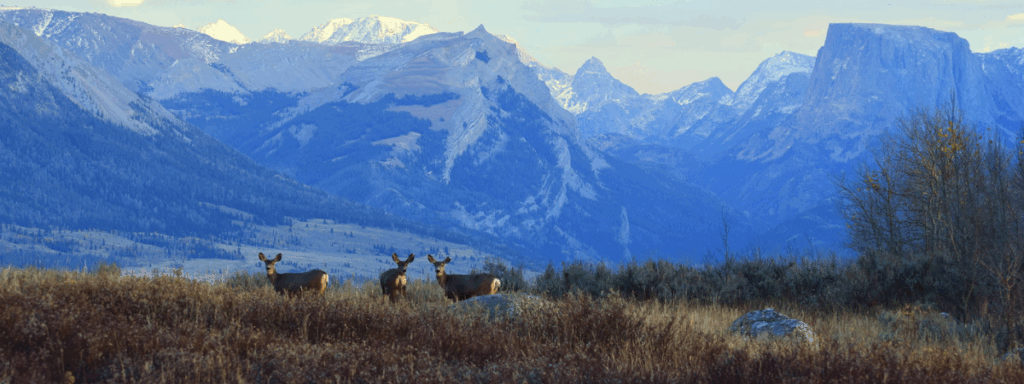
Public Lands
Why It Matters

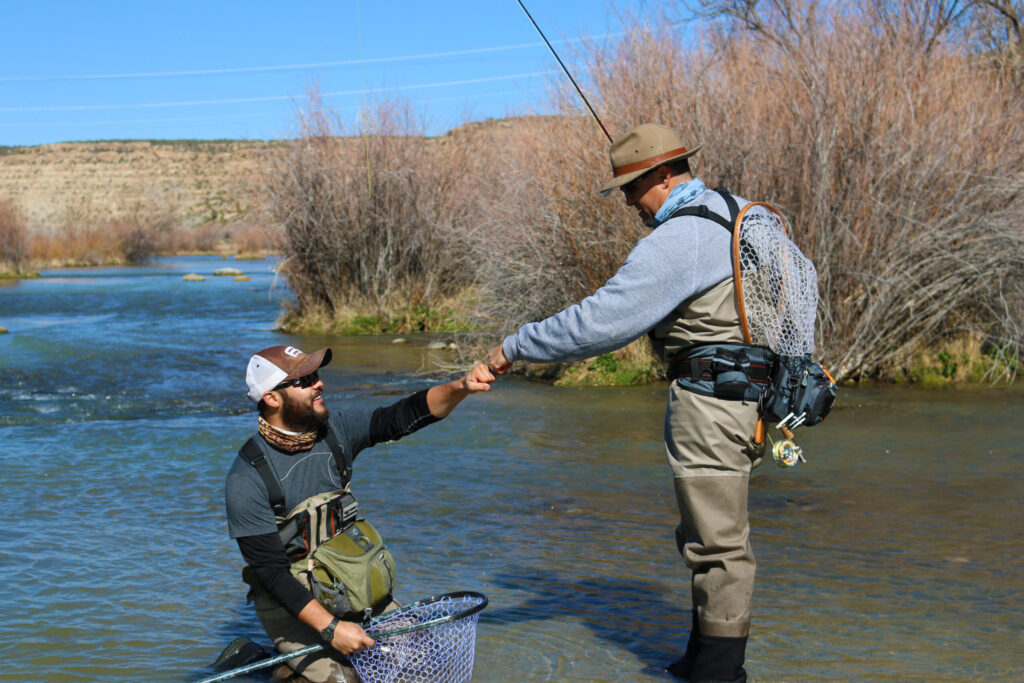
Hunting & Fishing Access

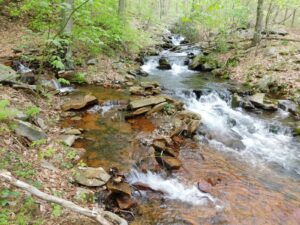
America’s 640 million acres of national public lands provide irreplaceable hunting and fishing opportunities to millions of Americans.

Learn More About Access
What TRCP is Doing

We’re working to safeguard America’s public lands so hunters and anglers always have quality places to pursue their passions.
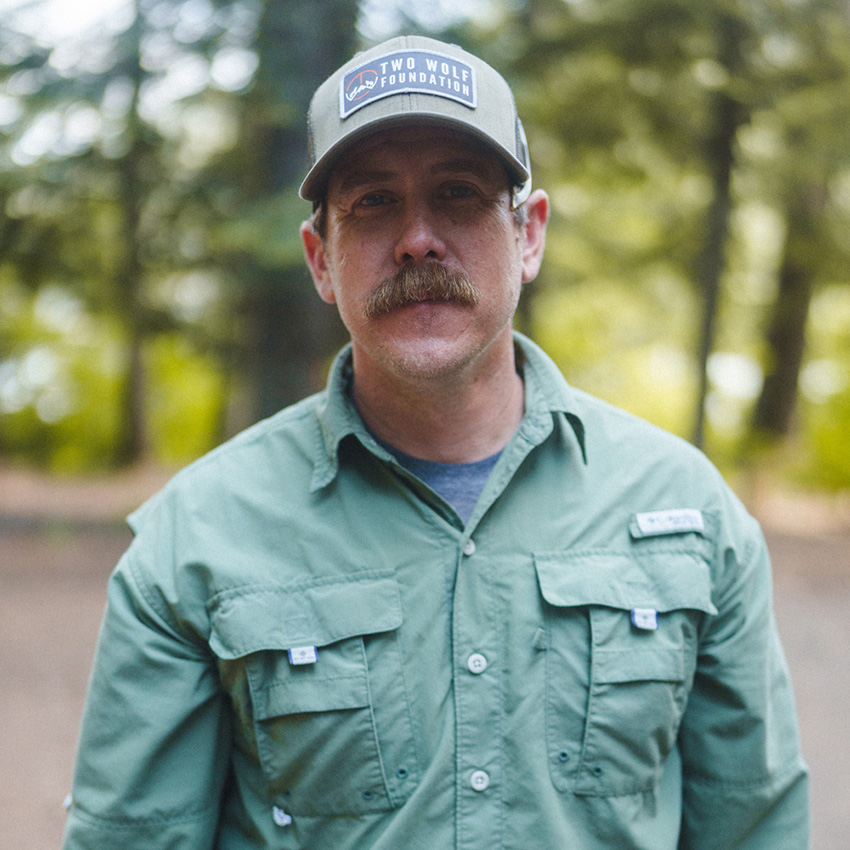
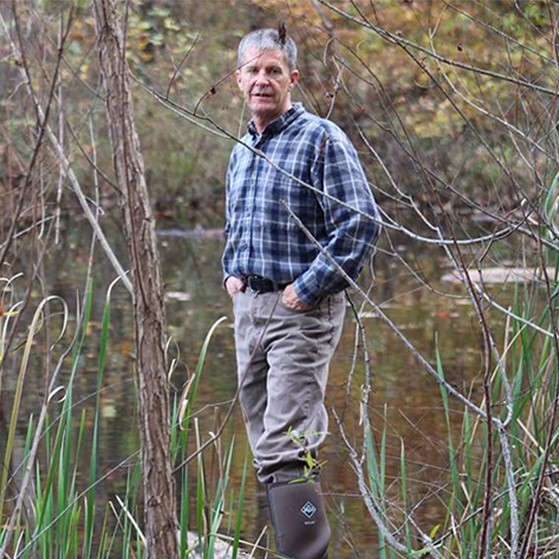
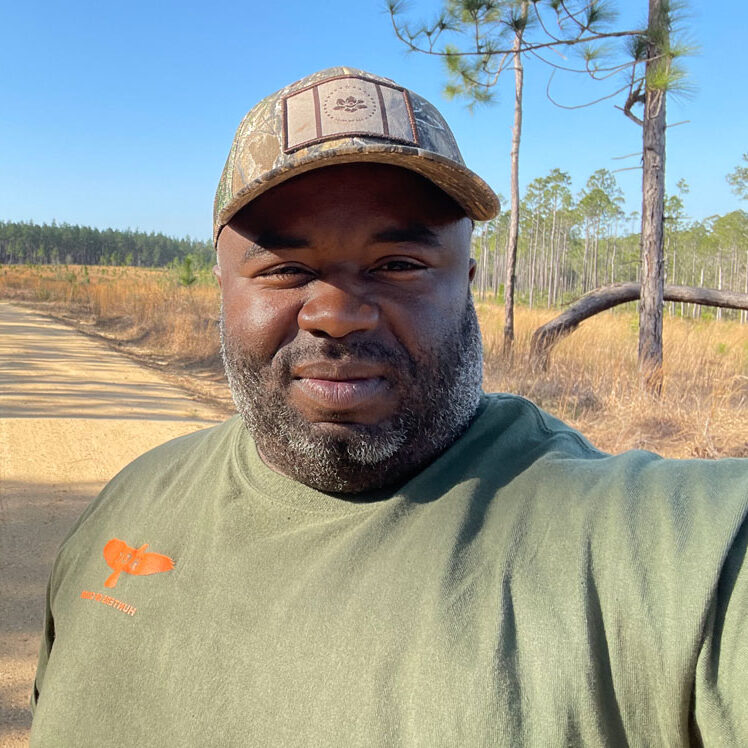
 Brian Flynn, Two Wolf Foundation
How Sportsmen Are Doing It Right

Brian Flynn, Two Wolf Foundation's Story

Following a distinguished career in the U.S. Army, lifelong outdoorsman Brian Flynn returned home from a deployment in Afghanistan and…

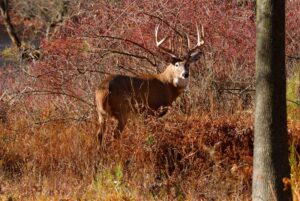
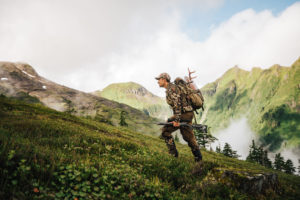
Hunting
Why It Matters

Key Issues for America’s Hunters

Your source for the latest policy updates, conservation challenges, and opportunities shaping America’s hunting traditions.

What TRCP is Doing

We’re fighting for meaningful policy changes that benefit wildlife, our waters, and the American landscapes that make our outdoor traditions possible.

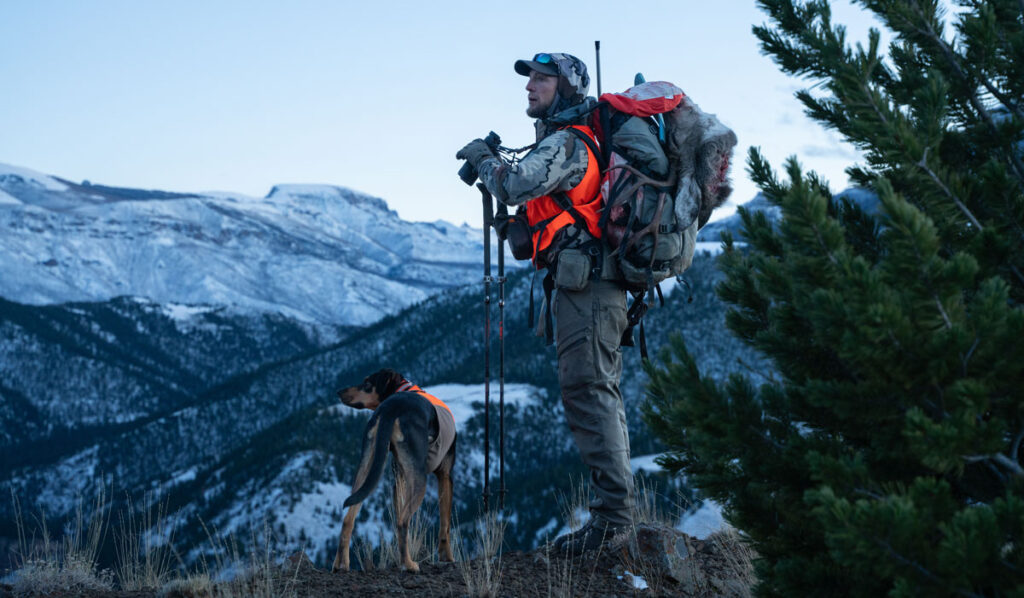
 Ryan Sparks
How Sportsmen Are Doing It Right

Ryan Sparks's Story

TRCP’s “In the Arena” series highlights the individual voices of hunters and anglers who, as Theodore Roosevelt so famously said,…

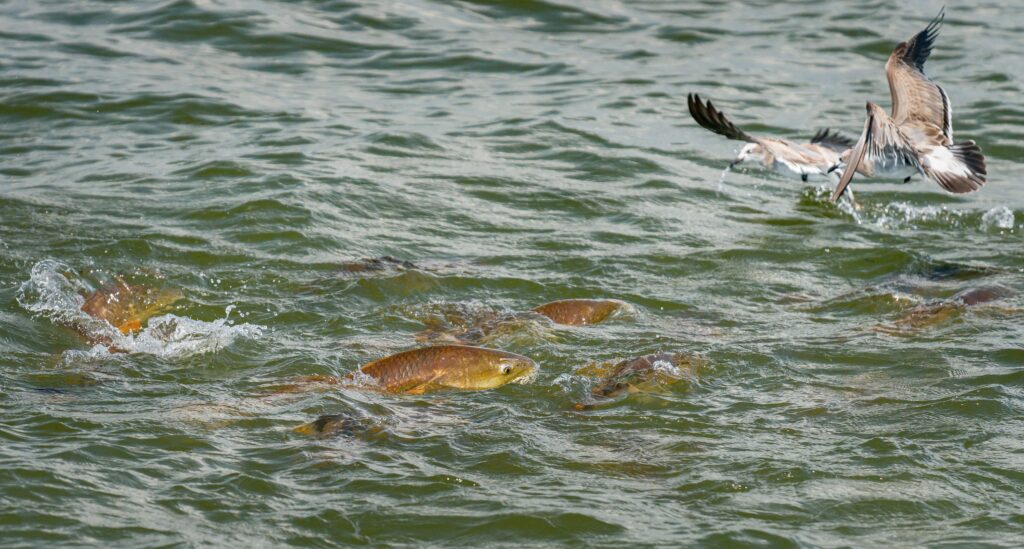
Fishing
Why It Matters

Key Issues for America’s Anglers

Your source for the latest policy updates, conservation challenges, and opportunities shaping America’s fishing traditions.

What TRCP is Doing

We’re fighting for meaningful policy changes that benefit wildlife, our waters, and the American landscapes that make our outdoor traditions possible.

 David Mangum
How Sportsmen Are Doing It Right

David Mangum's Story

Capt. David Mangum is a YETI ambassador and outdoor photographer who utilizes his talents to produce media that inspire a…

Private Land
Why It Matters

Stewardship on America’s private lands

With 70 percent of U.S. lands in private hands and many of our best hunt and fish opportunities occurring there, investing in voluntary conservation on working lands safeguards access, strengthens habitat and water quality, and ensures resilient landscapes.

Learn More
What TRCP is Doing

We champion policies and programs that restore wildlife habitat, improve soil and water health, and keep working lands productive.

 Ward Burton
How Sportsmen are Doing It Right

Ward Burton's Story

Ward Burton’s NASCAR driving career stretched across most of two decades. As an avid sportsman and conservationist, he founded the…

Special Places
Why It Matters

Special Places Worth Protecting

America’s most iconic landscapes provide unmatched habitat and unforgettable days afield. These places sustain wildlife, anchor local economies, and define the hunting and fishing traditions we pass down.

What TRCP is Doing

We’re working to conserve special places that provide world-class habitat and unforgettable opportunities for hunters and anglers.

 Franklin Adams
How Sportsmen Are Doing It Right

Franklin Adams's Story

As a true Gladesman, conservationist, and historian, Capt. Franklin Adams has spent more than six decades championing Everglades restoration efforts…

Habitat & Clean Water
Why It Matters

Healthy Habitat Powers Every Pursuit

All hunting and fishing opportunities depend on quality habitat, from clean water and healthy wetlands to winter and summer habitats and the migration corridors that connect them.

All About Habitat & Clean Water
What TRCP is Doing

We are working to safeguard the habitats that power every hunting and fishing opportunity.

 Alex Harvey
How Sportsmen Are Doing It Right

Alex Harvey's Story

Alex Harvey, founder of Legacy Land Management, is a registered professional forester in Mississippi and Alabama with a Master's degree…

Science
Why It Matters

Science That Guides TRCP

From conserving migration corridors and wetlands to ensuring clean water and resilient landscapes, science provides evidence that turns conservation goals into effective action.

Science for Conservation
What TRCP is Doing

For hunters and anglers, science safeguards the experiences we treasure including resilient big game populations, abundant fish, and wild places that endure changing social landscapes.

Jamelle Ellis
Your Science Expert

Jamelle Ellis's Story

Jamelle Ellis joined the Theodore Roosevelt Conservation Partnership in 2022. Jamelle spent the last three years as an environmental sustainability…

Where We Work
Across the Nation

Conservation Across America

TRCP works across the country to ensure hunters and anglers can enjoy healthy fish and wildlife and quality days afield, no matter where they live.

See All Issues
TRCP in Your Region

TRCP works across the country to ensure hunters and anglers can enjoy healthy fish and wildlife and quality days afield, no matter where they live.

Who We Are
Our Mission

To guarantee all Americans quality places to hunt & fish

We unite and amplify our partners’ voices to advance America’s legacy of conservation, habitat, and access.

Our Mission & Values
Our People & Partners
  • Meet the TRCP Team

    Our staff and board members unite and amplify our partners’ voices to advance America’s legacy of conservation, habitat, and access.

    Meet the Team
  • Our Partners

    ‘Partnership’ is in our name. We work with 64 diverse partner groups that represent today’s leading hunting, fishing, and conservation organizations in order to strengthen the sportsman’s voice in Washington, D.C.

    Our Partners
  • Corporate Council

    TRCP’s Corporate Council is made up of diverse corporations that share a common passion for conservation.

    Corporate Council
Our Organization

Looking for more information?

Explore our latest news, policy updates, and conservation resources to get the information you need.

Giving
How You Can Help

To guarantee all Americans quality places to hunt & fish

Your tax-deductible donation will support TRCP's mission, now and into the future.

DONATE
Special Ways to support trcp
  • Capital Conservation Awards Dinner

    The CCAD is one of Washington's best-attended conservation celebrations, featuring dinner, cocktails, and a silent auction.

    Learn More
  • Step Into the Arena

    Help us ensure that our treasured wild habitats and game remain intact for the next generation to enjoy – lend your support to the TRCP’s efforts today!

    Donate
  • Roosevelt Roast

    TRCP has partnered with Afuera Coffee Co. to further our commitment to conservation.

    Learn More
More donation options

Find the best way for you to lend your support. Join one of TRCP’s donor circles for special invitations, premium offerings from outdoor retailers, and more exclusive benefits. Take control of your legacy with planned giving or contribute to special conservation funds.

Other Ways To Give
News
In the Spotlight

Why TRCP Works to Conserve America’s Special Places

TRCP works to conserve special places like the Boundary Waters and landscapes that define hunting and fishing. Here's why.

Read More

Stay Informed

Receive our newsletter, the Roosevelt Report, right in your inbox. Never miss the latest news in conservation issues.

October 17, 2024

Come for the Squirrel, Stay for the Pigeon

TRCP’s western water policy associate reflects on a recent event and how hunting and camaraderie reaffirmed his passion to conserve Arizona’s public lands and waters

As I approach my fifth year as a resident of Arizona, I have been spending time reflecting on two influences that drive my passion for Arizona’s public lands and waters, and the plethora of hunting and angling opportunities they offer nearly year-round. After attending the 8th Annual Family Squirrel Camp, hosted by the Arizona Wildlife Federation and the Arizona Chapter of Backcountry Hunters and Anglers, my belief in the power of mentorship and tenacious commitment were further entrenched. 

Last weekend, I was lucky enough to spend three days in Northern Arizona’s Coconino National Forest with my friend Jack Kelly-Willis, where we attended the 8th Annual Family Squirrel Camp. This annual event centers on offering a comfortable, approachable setting for introducing new hunters to the sport, introducing the unique small game hunting opportunities Arizona affords, and fostering a sense of public land stewardship and conservation ethos in all who attend and participate.  

The 8th Annual Family Squirrel Camp took place over three days in Northern Arizona’s Coconino National Forest.

For three straight days, one would be hard pressed to find a dull moment at Squirrel Camp. First, it was immediately apparent to everyone involved that population numbers for Abert’s squirrel in Arizona were high, with many of us bagging our limit of five squirrels within the first few hours of the day. Additionally, the event coincided with band-tail pigeon season, North America’s only native pigeon species, and with many folks also hitting their daily limit of two pigeons, the phrase, “Come for the squirrel, stay for the pigeon,” was coined and repeated frequently throughout the event (by me).  

The event strongly reaffirmed how important my friend Jack was in introducing me to hunting in a way that equipped me with the skills and knowledge to grow as a hunter independently. He took me on my first squirrel hunt and traded an otherwise successful quail season for one watching coveys fly far away as I fumbled with the safety on my shotgun, and he embodied saint-like compassion and patience as he helped me untangle countless nymph rigs that he helped me set up only minutes before. In that vein, it was incredibly heartening to watch experienced hunters mentor children and less experienced adults as they pursued squirrels across our tiny patch of the Coconino National Forest. Hands down, the most fulfilling and exciting experience I had during Squirrel Camp was helping a new squirrel hunter spot, tree, and shoot her first squirrel. It was a helpful reminder that I have a duty to pass along the lessons Jack imparted to me.  

Experienced hunters mentored children and less experienced adults during their three days together.

The education and mentoring went far beyond harvesting squirrels. There were demonstrations on how to properly process squirrels and pigeons. For those interested in saving their squirrel hides, Jack demonstrated how to properly flesh out, dry, and store squirrel hides.  

Nathan Fyffe, Statewide Small Game Biologist for Arizona Game and Fish Department, gave a talk to the camp on the countless hunting opportunities that exist across the state. Arizona is home to two species of jack rabbit, one species of cottontail, five species of squirrel, three species of quail, more than twenty species of duck, three species of dove, chukar, sand-hill crane, javelina, mule and white-tail deer, elk, turkey, bear, cougar, and others that I am sure I am missing. You could say that Arizona is almost like a Western state, in terms of its hunting opportunities. But I’d say it’s even better – it’s a Southwestern state.  

The author stayed for the pigeon.

The event also showcased the contagious commitment and tenacious dedication to Arizona public lands and waters conservation and passion for hunting and fishing exemplified by Michael Cravens. Michael is the AWF’s Advocacy and Conservation Director and the Vice Chair of AZ BHA. While you might think hunting and fishing for every species Arizona has to offer while raising two kids and a juvenile hawk would leave little time for advocacy, you’d be sorely mistaken. In the past year, I have had the privilege of watching Michael defend public lands at the state capitol, serve game to state politicians in order to highlight the subsistence benefits of hunting in Arizona, and spend a whole day driving 30+ individuals around Northern Arizona to educate them on wildlife corridors, habitat connectivity, and forest management. His commitment and dedication are inspiring. 

Michael Cravens proudly displaying his harvest.

Nights were spent sharing conversations with new and old friends, eating meals consisting of locally harvested game, and listening to fireside speeches from Michael and other AWF and AZ BHA representatives. While giving a speech around a fire immediately enhances credibility in and of itself, these individuals spoke with the passion and vigor of Teddy Roosevelt himself when holding forth on the indescribable value of Arizona’s public lands and waters. They reminded all 40+ attendees of their responsibility to protect, conserve, and enjoy what belongs to them. These folks went a step further in taking the time to educate camp participants on how to proactively engage with the state legislature to advocate for Arizona’s public lands, fish, wildlife, and our sporting traditions.    

I’d be hard pressed to believe a single individual walked away from this event without fully understanding that none of the joy they experienced over our three days together would be possible without our nation’s publicly accessible wild spaces. Even more, I have a feeling that participants left knowledgeable of how to make their voices heard and support efforts to safeguard our country’s public lands legacy.   

Campsite camaraderie at the 8th Annual Family Squirrel Camp.

As a representative of TRCP, I am proud that we are an active state partner with AWF and AZ BHA. I am proud that I get to play a role in conserving Arizona’s wild spaces, and I am grateful for the endless opportunities to hunt and fish in this state.  

This event brought home the power of mentorship and tenacious commitment for me and further inspired my work to guarantee all Americans quality places to hunt and fish. As hunters, anglers, and conservationists, let’s keep reaching out, mentoring, and inspiring our kids, friends, neighbors, coworkers, and the greater community just as Jack and Michael did for me.   

The author and his pup T-Bone.

The TRCP is your resource for all things conservation. In our weekly Roosevelt Report, you’ll receive the latest news on emerging habitat threats, legislation and proposals on the move, public land access solutions we’re spearheading, and opportunities for hunters and anglers to take action. Sign up now.

Do you have any thoughts on this post?

XHTML: You can use these tags: <a href="" title=""> <abbr title=""> <acronym title=""> <b> <blockquote cite=""> <cite> <code> <del datetime=""> <em> <i> <q cite=""> <s> <strike> <strong>

Comments must be under 1000 characters.

November 30, 2023

Hunting Camp Transcends the Harvest 

TRCP’s Jared Romero reminisces on fall hunting camp and the power of community and shared experiences.

This fall I was lucky enough to be a part of three different hunting camps spanning Oregon, Colorado, and New Mexico. The camps transcended hunting. Relationships were forged through powerful shared experiences with diverse groups on awe inspiring landscapes. Put simply, each camp was unique, but a common bond of community and conservation was ever present. 

In Oregon, TRCP staff, members of the Owyhee Sportsmen, Durrell Smith from The Sporting Life Notebook, and Sav Sankaran from The Orvis Company, connected to hunt Chukar for a couple of days in the stunning landscapes of the Owyhee Canyonlands. For many of us, this was our first Chukar hunt and it did not disappoint. This was truly a unique hunting camp. Our group ranged in age from 2 to 60 and were accompanied by dog breeds of all kinds. Many in our party drove across the country. The hunting was great, but to be honest, I think the Owyhee Canyonlands stole the show. The amazing viewscapes and colors in Oregon’s high desert were captivating (and often made it hard to watch for a dog on point!). After just a few days of exploring this seemingly endless canyon country, I understand why the Owyhee Sportsmen coalition is working so hard to ensure this region is protected for future generations. 

Click here to Speak up for Owyhee Protections 

The second hunting camp was a personal trip with a close friend to do some elk hunting in a special place in Colorado where I used to hunt with my grandfather. The trip almost didn’t happen, but we were able to squeeze in a couple of days between balancing young kids and work trips. We put in several hard miles, found several beds, and got close enough to smell elk, but harvesting a bull just wasn’t in the cards for us this year. The ability to slow down, unplug, and reconnect with an old friend was well worth the trip.  

The third hunting camp was with Matt Monjaras and Impact Outdoors New Mexico.  It was an opportunity to join several Veterans in the field for two days of waterfowl hunting. This particular hunt and experience is one that I will always chase in the hopes of replicating. Connecting with these Veterans for two days was fantastic. Together, we constructed blinds, limited out on ducks, harvested a few geese, and forged strong interpersonal bonds in a special place. I’ll never forget crossing the reservoir in a boat, two or three people at a time, to set up our blinds and layouts in dense fog. It was a special and memorable experience.   

Each of these camps was very different and yet very similar. They all started with high energy and early mornings. They each ended with the sharing of stories around a fire, often late into the night. Each experience reinforced my belief that we need to share with the public that hunting is much more than harvesting an animal, it is about community and shared experiences. It is about building new relationships reflecting on those who taught us how to hunt, and reconnecting with important people in our lives.

On the second day in New Mexico, I woke up at 3am to a Veteran blasting Luke Bryan’s song “Huntin’, Fishin’ and Lovin’ Every Day.” This song that will always remind me of those men and an experience I will forever try to recreate! I am looking forward to the next hunting camp and fire I get to share, knowing that my community will continue to grow alongside my adventures afield.   

Click here to learn more about how hunting cultivates community and inclusivity.  

October 13, 2023

Cultivating Community and Inclusivity at Learn to Hunt Colorado

This is a guest blog from Durrell Smith, the founder of the Minority Outdoor Alliance. Through his organization, Durrell hopes to create pipelines for individuals from underrepresented communities to advance in the outdoor industry and become leaders in conservation policy.

The 2023 Learn to Hunt Upland Experience hosted by the Minority Outdoor Alliance and Pheasants Forever, in-partnership with the Theodore Roosevelt Conservation Partnership, took place September 15 – 17, 2023 at the Valhalla Hunt Club in Bennett, Colorado.

This was the second time I have had the opportunity to facilitate an event aimed at elevating the wisdom of 10 mentors and 10 participants through the continued cultivation of inclusivity and a healthier outside experience. Over the course of a few days, both mentors and participants shared their various paradigms in the hopes of creating a much more engaged and diverse community of upland bird hunters. 

Each year, I learn something new – and it’s not only about the participants. We all come to share our stories, the adversity we may have faced, and to question the challenges we’ve have faced in the field while striving to become better, and more experienced, upland hunters.

The goal of the event was two-fold: educate both those participants seeking to take a step forward in their upland hunting experience and those who want to learn more, while simultaneously cultivating a deeper and more meaningful relationship between the mentors and the participants in the hopes of creating a community that will stand the test of time. What was most revealing to me, was the paradigm shared by our participants and the reinforcement of what I already knew about the mentors – in particular, my dear friends Jared Romero and Dominic Lucero. 

I’m always excited to meet back up with Dominic Lucero in Colorado. He is the founder of Colorado Treks, a non-profit organization that works to inspire life-changing confidence in youth, families, and communities of Colorado through cultural experiences and outdoor education.

Dominic brought a great deal of wisdom and knowledge from the indigenous and Chicano communities to the event. Much of what Dominic focuses on, and what really speaks to my heart, is the idea that nature is medicine. It is healing and reviving.  

Dominic is someone who not only inspires me but challenges me to think deeper about the healing within myself and the possibilities of healing through the outdoors. From that perspective, and setting aside from the experience that I’ve acquired over the last 7 1/2 years in the uplands, I often ask myself two questions: what am I presenting to our community of diverse individuals? Am I complimenting nature’s medicine with my own prescription, and does that prescription fit, and work, for diverse and varied individuals?  

Building upon that, Dominic challenged us to think about the ways in which the indigenous peoples of Mexican and Chicano heritage relate and add to the story of the upland hunter. I’m always moved by Dominic’s words, his inspiration, and his personal stories. Dominic spends time investing in a family atmosphere, and he has continued to earn the trust of so many.  There’s nothing pretentious about a day in the field with Dominic, and I know personally that his mentorship speaks volumes to those who may have felt trauma or experienced a lack of access, and how they may have prevented one’s ability to truly experience all the opportunities available outside.  His role as a mentor was impactful for all in attendance. 

During the event, I also spent a great deal of time with someone I would consider a brother, a friend, and an inspiration. Someone who creates opportunities, not for himself, but for others, and someone who spends a great deal of time working to understand the necessity of diversity in the outdoors and communicating the message of conservation through access, programming opportunities, and story. I’ve known Jared Romero, director of strategic partnerships at the TRCP, for three years, and I have never had a chance to really dive deep into the story that connects him to the uplands. This event changed that. 

Spending a day in the field together chasing truckers behind pointing labs and German shorthaired pointers was all that was needed to illuminate his own past. Jared, and our day afield, changed my perception of what I thought an upland hunter might look like – particularly in the grouse woods. Jared reminisced on stories of hunting with his grandfather, chasing blue grouse in the various landscapes of Colorado. He reflected by noting, “Blue grouse hunting is how I cut my teeth as a young hunter. I had some of my first successes hunting. It’s an experience I’ll always remember with my family and grandpa.”

Jared’s message stuck with me. As someone of African American descent seeking to change the paradigm in the narrative of what’s possible in the uplands space, I still had not pictured a man of Hispanic heritage also decoding the complexity of the grouse woods. That is what events like this are for: to continue coloring a new slate and story within the landscape of the hunting community. As a mentor, Jared’s perspectives, experiences, and openness benefitted both participants and mentors alike. 

Additionally, the tremendous contributions of the South Metro Chapter of Pheasants Forever were significant, and I would like to include a special thank you to Dean, Kaleigh, and the chapter membership.  Simon, another member of Hispanic heritage, also recontextualized everything that I thought about who spends time chasing grouse. What also struck me was the humility that Simon exuded when talking about the many years he spent looking for others like us and this peer group in the outdoors. It is humbling to know that so many people have spent large amounts of time looking for what this event aimed to create: a diverse and empowered community of individuals that love upland, birds, bird dogs, and the habitat that we seek to conserve.

The first day, we spent some classroom time going over the basics of firearms, learning conservation history, habitat, and the great work that all of our partnering organizations are doing collectively to continue this great American story.  After the classroom sessions, we took our participants outside for a great time – learning how to approach bird dogs in a safe, yet efficient manner, and for practice on the clays course to ensure safe and effective shots. There were lots of successes, many misses, and a whole heap of smiles. We had a great time breaking clays and building confidence.  

The second day, we spent in the field at Valhalla with pointing labs, German shorthaired pointers, and an emboldened, confident group of participants seeking to tell a story of their own. What I should note is the incredible amount of consideration given to the dogs when shots didn’t always present as safe, and the respect given to the dogs for their work teaching our new participants. I wonder if next year we might even include the dog names on the mentor list, because at the end of the day, it seemed that we all learned more from the dogs than we ever could in a classroom. 

The event was powerful and there is so much more I could share, but in closing, I would encourage you to learn more about these opportunities, to reach out to our mentors and our participants. It will help you better understand this experience in their context and from their paradigm.  Doing so would better inform us all of how powerful the outdoors and the upland experience can be when we all come together in the name of conservation, education, and diversity.

 I want to say thank you to our partners from Pheasants and Quail Forever, the Theodore Roosevelt Conservation Partnership, and Colorado Treks. 

Read more about TRCP’s commitment to community and inclusivity below:

Reflections on Mentorship and Conservation

August 29, 2023

Volunteers Make an Impact on New Mexico Private Lands Conservation

The Impact Outdoors NM projects will benefit wildlife, habitat, hunters, and a ranching operation.

In early August, joined a group of volunteers with Impact Outdoors New Mexico on behalf of the Theodore Roosevelt Conservation Partnership to help complete three projects on a local landowner’s property near Santa Rosa, New Mexico. The projects benefited wildlife, hunters, and the ranching operation.

Impact Outdoors is a nonprofit organization dedicated to impacting communities through education, conservation, and meaningful outdoor opportunities like hunting and fishingBy fostering strong relationships and community, for both veterans and youth, Impact Outdoors builds a cadre of strong volunteers who possess a deep passion for the outdoorsThrough Impact Outdoors, many of the youth and veterans volunteer their time to assist with habitat restoration on public and private lands.

Private landowners play instrumental roles for conservation, ensuring that public and private working lands are conserved and managed correctly benefits us allThanks to a great working relationship with a landowner near Santa Rose, NM, volunteers with Impact Outdoors had already been able to help restore wetlands, fence off riparian zones to protect cattle from over grazing and restore native grasses, and install water valves to ensure water gets to the appropriate locations on the propertyDue to these past efforts, the leopard frog, which is listed as a species of conservation concern in New Mexico, has returned to the property.   

The Hermit Peak and Calf Canyon Fire in 2022 burned northwest in the headwaters of the Pecos River and was the largest fire in New Mexico State history. This property is irrigated with water from the Pecos River. After the fire the region received large amounts of rain causing a carbon kill off in the river. Due to the quick actions of the landowner and Impact Outdoors NM they were able to keep the carbon out of the restored wetlands and maintain an intact macroinvertebrate source to reestablish in the Pecos River. 

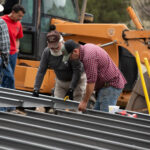
In a continuation of this important conservation work, I joined about 30 volunteers from Impact Outdoors NM as they set about tackling three new projects in coordination with the landowner. We installed a catwalk over a ditch headgate to ensure the landowners safety when changing water allocations for irrigation and providing water to the wetlands. We built a fully accessible duck blind that will accommodate a track chair and allow it to fully turn around. Lastly, we built a ramp and pully system that allows a layout boat to be launched into the wetlands allowing a hunter using a wheelchair to hunt waterfowl from the water with a volunteer from Impact Outdoors beside them in the water in waders.   

The event was a great success and the completion of the three projects helped prepare the way for youth and veterans to have a quality location to hunt turkeys and waterfowl as well as fish this fall. 

Click here to learn more about Impact Outdoors NM

Click here to learn more about private lands conservation programs 

August 10, 2023

Reflections on Mentorship and Conservation

The conservation community needs to lean into mentorship. 

Recently, I had the opportunity to engage with the mentorship cohort of Next 100 Colorado while on a conservation tour in the San Luis Valley of Colorado. Inspired by the 100th anniversary of the National Park Service, the Next 100 Colorado focuses on workforce diversity across conservation and outdoor recreation, ensuring equitable access for all people, and using the outdoors to tell accurate, complex, uplifting and healing stories about Colorado lands. The mentorship cohorts are intended to provide community for underrepresented individuals in conservation as well as guidance for mentees who are within the first five years of their conservation career. The conservation trip took place on July 18-19 and consisted of five mentees and four mentors (or members) of Next 100 Colorado. 

The mentorship cohort tours the San Luis Valley of Colorado

On this trip both mentors and mentees were able to learn about the complexity and history of Spanish and Mexican land grants as well as private land conservation in Southern Colorado. On a ranch tour we were able to see conservation at a landscape level as the ranch was taking significant efforts to reduce fuel loads across the semi-desert shrubland to the montane forest ecosystems. This would help ensure that the next fire on the landscape isn’t catastrophic but rather beneficial. Fire has evolved with these ecosystems and during our tour we learned how indigenous tribes utilized fire to maintain healthy forests and create quality hunting areas for themselves. We ended the trip by visiting and camping at the Great Sand Dunes National Park, which was a first for many of the participants. 

The tour provided the opportunity to learn about the complex history of Spanish and Mexican land grants.

The experience was tremendous. It fostered camaraderie and community amongst the group as we broke bread together, learned about new people, and shared new experiences as a team. Together, we learned that a key to making any camping trip successful is being familiar with the tent you are bringing, and if you are setting it up for the first time, try to do it in the daylight hours. We overcame this obstacle together and left with the valuable lesson that there is nothing worse than setting up a tent for the first time in the dark. 

While reflecting on this trip, I have spent time thinking of all the mentors and influential individuals who chose to share their time and talents to help shape me and my journey. Those who guided me range from family members to teachers and coaches to coworkers. I can personally attest that conservation needs to lean into mentorship as it is a powerful tool for passing on knowledge, skills, and experience. As demographics shift in the U.S. it is important that our conservation community engage and provide mentorship to underserved communities so that future generations know the importance of protecting our natural resources now and for future generations to come. Currently Hispanic and Latino children make up 50% of the U.S. population 18 years old and younger and we need to be intentional in how we connect with them. 

Enjoying Great Sand Dunes National Park

Hunting and angling mentorship is important for introducing new people to the sport and our conservation ethos. It teaches the necessary safety and ethical practices while helping develop a lifelong passion for the outdoors. National R3 programs (Recruitment, Retention, and Reactivation) exist to increase participation in hunting, shooting sports, and fishing and have a strong focus on mentorship.  To date, many states and organizations have implemented similar mentoring programs to help grow the hunting community as well. 

The stunning views of Colorado’s San Luis Valley.

Two additional organizations that have leaned into mentorship are the Minority Outdoor Alliance and Pheasants Forever/Quail Forever. Together, they are engaging new and diverse audiences to build a multicultural upland hunting community. The Learn to Hunt experience is designed to provide opportunities for novice minority hunters to form strong authentic bonds in the field and around the campfire. These events provide knowledge, skills, and an introduction to hunting through education and interaction with instructors in a controlled setting.  The desired outcome is that participants gain the confidence and support they need to further pursue their outdoor interests and stay connected well after the event.  

As conservationists, let’s keep leaning into the mentorship challenge and extend the olive branch to our kids, friends, neighbors, coworkers, and greater community just as our mentors did for us. I encourage you all to participate in your state wildlife agency’s mentorship programs or take a mentorship pledge like I did this year with Pheasants Forever.   

HOW YOU CAN HELP

TRCP has partnered with Afuera Coffee Co. to further our commitment to conservation. $4 from each bag is donated to the TRCP, to help continue our efforts of safeguarding critical habitats, productive hunting grounds, and favorite fishing holes for future generations.

Learn More
Subscribe


You have Successfully Subscribed!

You have Successfully Subscribed!

You have Successfully Subscribed!

You have Successfully Subscribed!

You have Successfully Subscribed!