Our Issues
Public Lands
Why It Matters
Hunting & Fishing Access

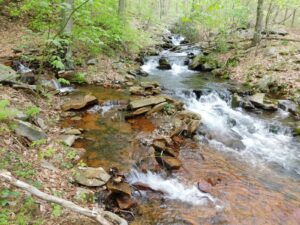
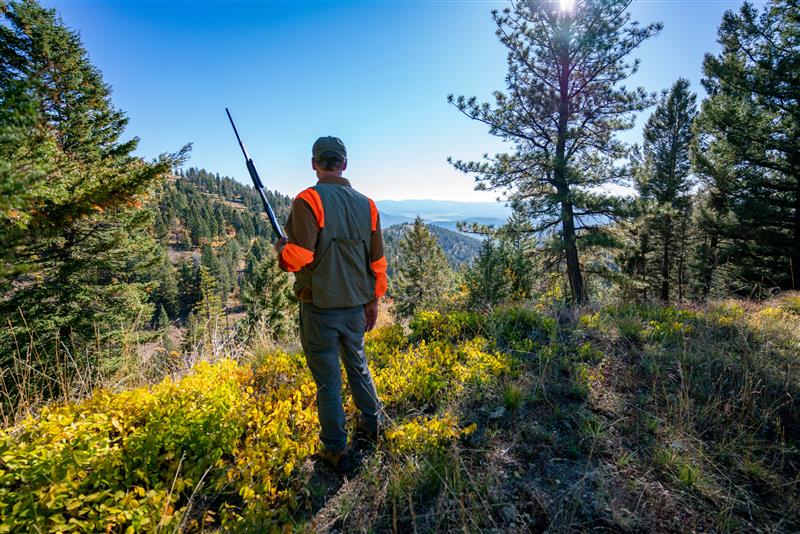
America’s 640 million acres of national public lands provide irreplaceable hunting and fishing opportunities to millions of Americans.

Learn More About Access
What TRCP is Doing

We’re working to safeguard America’s public lands so hunters and anglers always have quality places to pursue their passions.
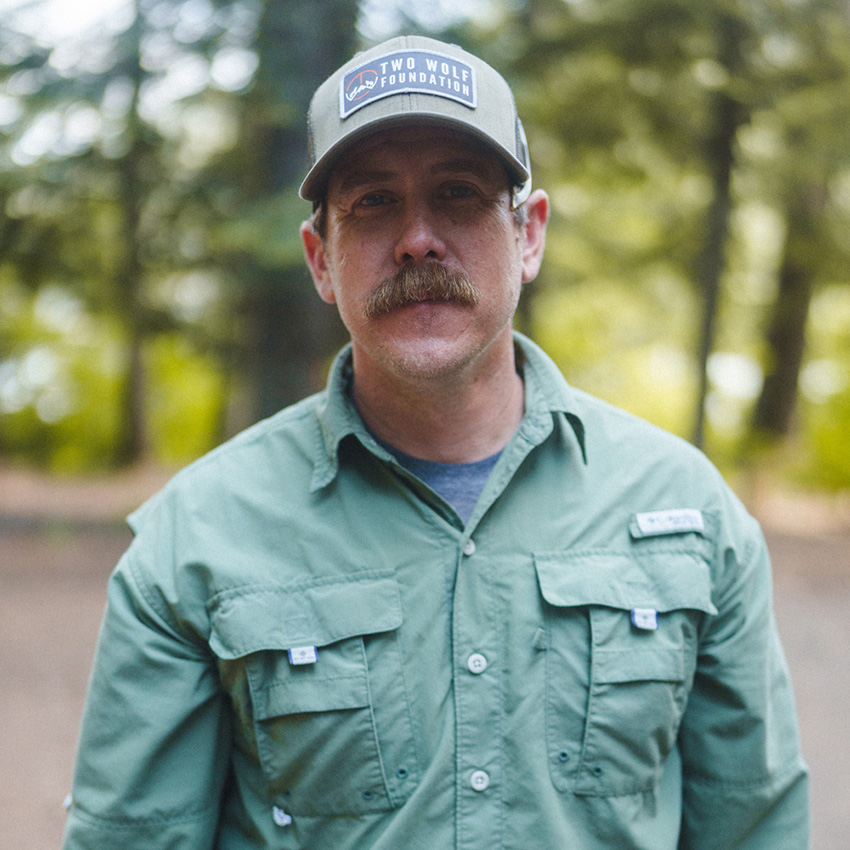
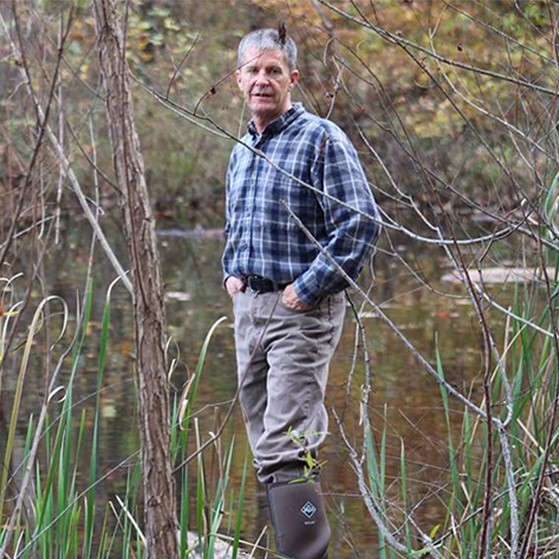
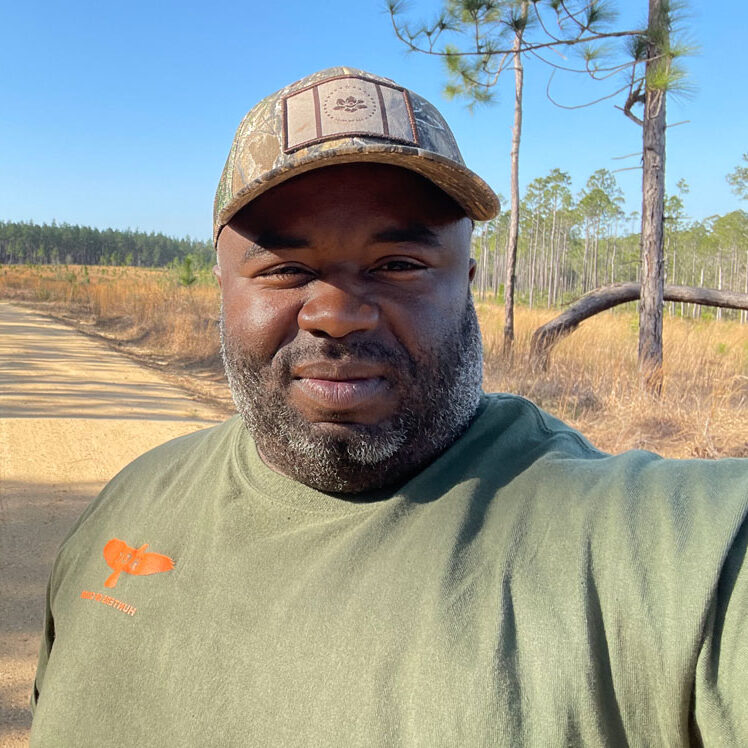
 Brian Flynn, Two Wolf Foundation
How Sportsmen Are Doing It Right

Brian Flynn, Two Wolf Foundation's Story

Following a distinguished career in the U.S. Army, lifelong outdoorsman Brian Flynn returned home from a deployment in Afghanistan and…

Hunting
Why It Matters

Key Issues for America’s Hunters

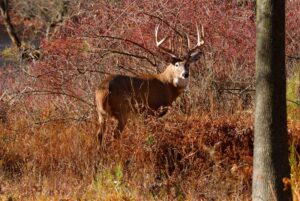
Your source for the latest policy updates, conservation challenges, and opportunities shaping America’s hunting traditions.

What TRCP is Doing

We’re fighting for meaningful policy changes that benefit wildlife, our waters, and the American landscapes that make our outdoor traditions possible.

 Ryan Sparks
How Sportsmen Are Doing It Right

Ryan Sparks's Story

TRCP’s “In the Arena” series highlights the individual voices of hunters and anglers who, as Theodore Roosevelt so famously said,…
Fishing
Why It Matters

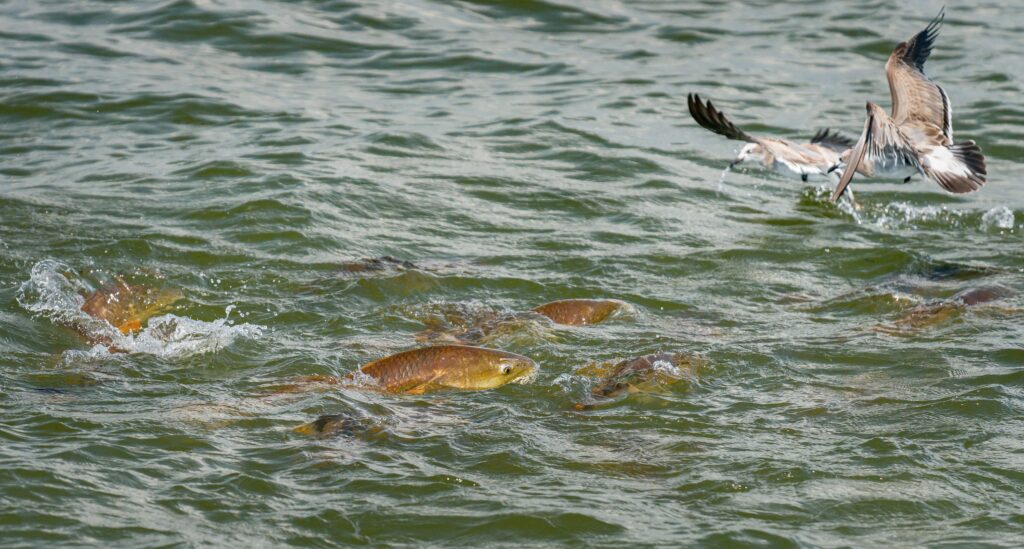
Key Issues for America’s Anglers

Your source for the latest policy updates, conservation challenges, and opportunities shaping America’s fishing traditions.

Sign Up For Forage Fish Updates
What TRCP is Doing

We’re fighting for meaningful policy changes that benefit wildlife, our waters, and the American landscapes that make our outdoor traditions possible.

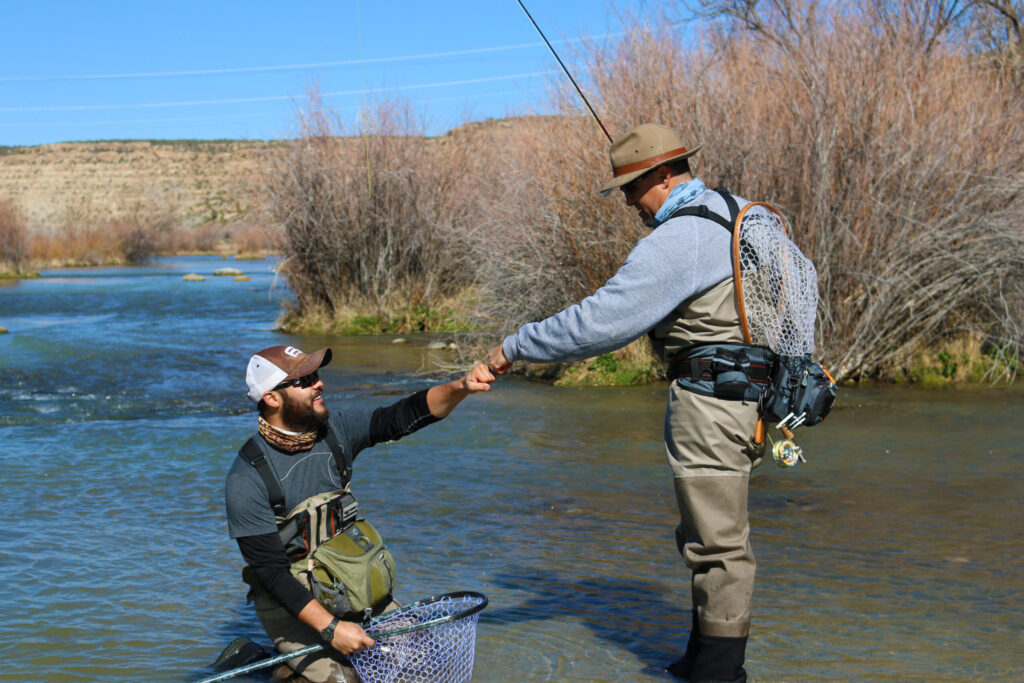
 David Mangum
How Sportsmen Are Doing It Right

David Mangum's Story

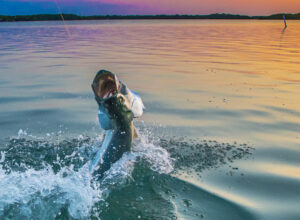
Capt. David Mangum is a YETI ambassador and outdoor photographer who utilizes his talents to produce media that inspire a…

Private Land
Why It Matters

Stewardship on America’s private lands

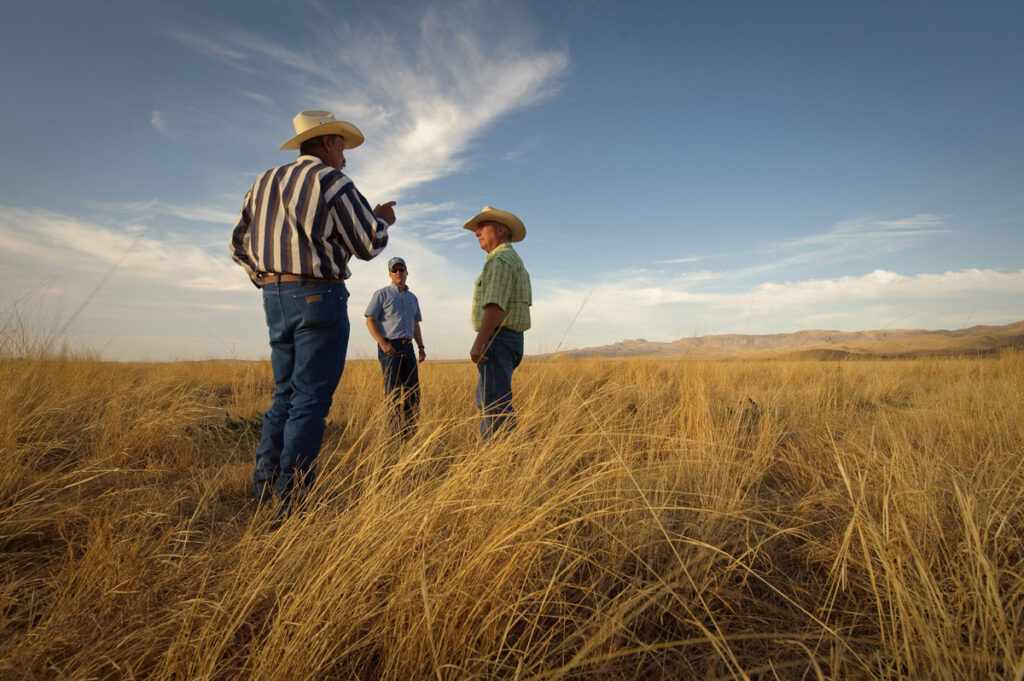
With 70 percent of U.S. lands in private hands and many of our best hunt and fish opportunities occurring there, investing in voluntary conservation on working lands safeguards access, strengthens habitat and water quality, and ensures resilient landscapes.

Take Action - Farm Bill 2026
What TRCP is Doing

We champion policies and programs that restore wildlife habitat, improve soil and water health, and keep working lands productive.

 Ward Burton
How Sportsmen are Doing It Right

Ward Burton's Story

Ward Burton’s NASCAR driving career stretched across most of two decades. As an avid sportsman and conservationist, he founded the…

Special Places
Why It Matters

Special Places Worth Protecting

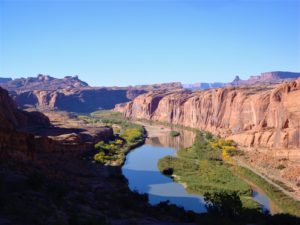
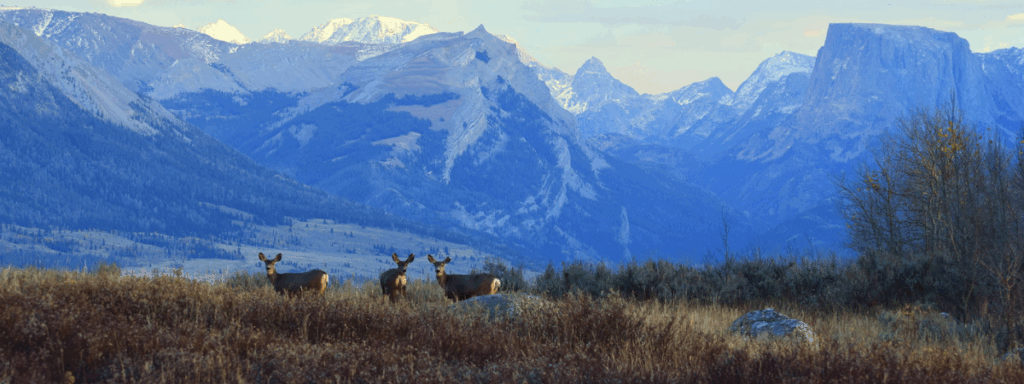
America’s most iconic landscapes provide unmatched habitat and unforgettable days afield. These places sustain wildlife, anchor local economies, and define the hunting and fishing traditions we pass down.

What TRCP is Doing

We’re working to conserve special places that provide world-class habitat and unforgettable opportunities for hunters and anglers.

 Franklin Adams
How Sportsmen Are Doing It Right

Franklin Adams's Story

As a true Gladesman, conservationist, and historian, Capt. Franklin Adams has spent more than six decades championing Everglades restoration efforts…

Habitat & Clean Water
Why It Matters

Healthy Habitat Powers Every Pursuit

All hunting and fishing opportunities depend on quality habitat, from clean water and healthy wetlands to winter and summer habitats and the migration corridors that connect them.

All About Habitat & Clean Water
What TRCP is Doing

We are working to safeguard the habitats that power every hunting and fishing opportunity.

 Alex Harvey
How Sportsmen Are Doing It Right

Alex Harvey's Story

Alex Harvey, founder of Legacy Land Management, is a registered professional forester in Mississippi and Alabama with a Master's degree…

Science
Why It Matters

Science That Guides TRCP

From conserving migration corridors and wetlands to ensuring clean water and resilient landscapes, science provides evidence that turns conservation goals into effective action.

Science for Conservation
What TRCP is Doing

For hunters and anglers, science safeguards the experiences we treasure including resilient big game populations, abundant fish, and wild places that endure changing social landscapes.

Jamelle Ellis
Your Science Expert

Jamelle Ellis's Story

Jamelle Ellis joined the Theodore Roosevelt Conservation Partnership in 2022. Jamelle spent the last three years as an environmental sustainability…

Where We Work
Across the Nation

Conservation Across America

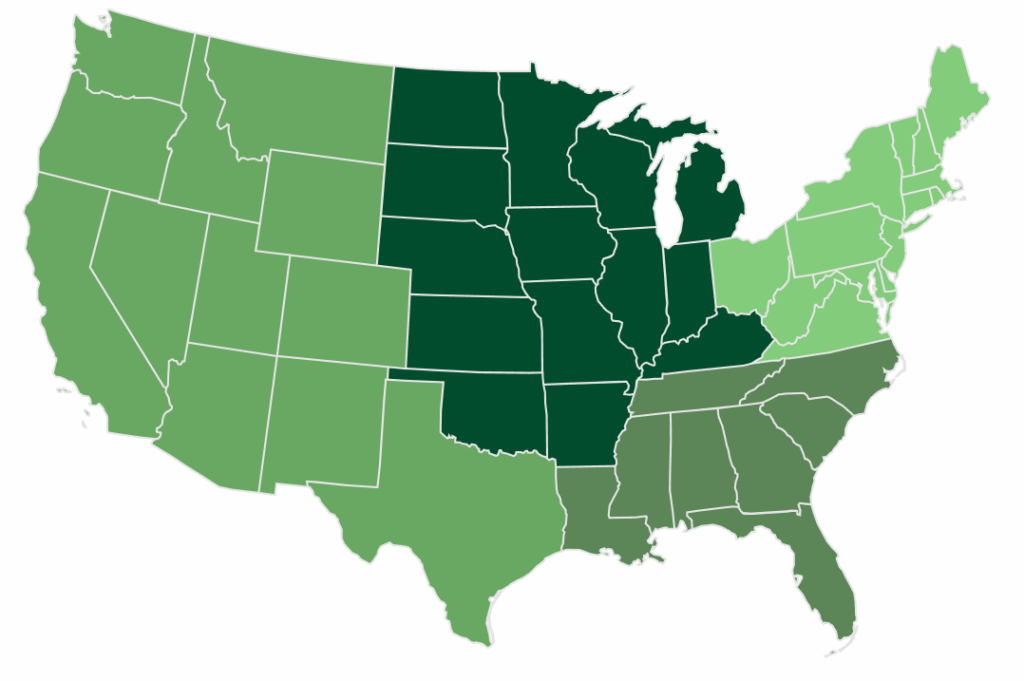
TRCP works across the country to ensure hunters and anglers can enjoy healthy fish and wildlife and quality days afield, no matter where they live.

See All Issues
TRCP in Your Region

TRCP works across the country to ensure hunters and anglers can enjoy healthy fish and wildlife and quality days afield, no matter where they live.

Who We Are
Our Mission

To guarantee all Americans quality places to hunt & fish

We unite and amplify our partners’ voices to advance America’s legacy of conservation, habitat, and access.

Our Mission & Values
Our People & Partners
  • Meet the TRCP Team

    Our staff and board members unite and amplify our partners’ voices to advance America’s legacy of conservation, habitat, and access.

    Meet the Team
  • Our Partners

    ‘Partnership’ is in our name. We work with 64 diverse partner groups that represent today’s leading hunting, fishing, and conservation organizations in order to strengthen the sportsman’s voice in Washington, D.C.

    Our Partners
  • Corporate Council

    TRCP’s Corporate Council is made up of diverse corporations that share a common passion for conservation.

    Corporate Council
Our Organization

Looking for more information?

Explore our latest news, policy updates, and conservation resources to get the information you need.

Giving
How You Can Help

To guarantee all Americans quality places to hunt & fish

Your tax-deductible donation will support TRCP's mission, now and into the future.

DONATE
Special Ways to support trcp
  • Capital Conservation Awards Dinner

    The CCAD is one of Washington's best-attended conservation celebrations, featuring dinner, cocktails, and a silent auction.

    Learn More
  • Step Into the Arena

    Help us ensure that our treasured wild habitats and game remain intact for the next generation to enjoy – lend your support to the TRCP’s efforts today!

    Donate
  • Roosevelt Roast

    TRCP has partnered with Afuera Coffee Co. to further our commitment to conservation.

    Learn More
More donation options

Find the best way for you to lend your support. Join one of TRCP’s donor circles for special invitations, premium offerings from outdoor retailers, and more exclusive benefits. Take control of your legacy with planned giving or contribute to special conservation funds.

Other Ways To Give
News
In the Spotlight

Your Kid’s Favorite Book Is Making the Case for Wildlife Crossings

A coyote slips under a bridge in a children's book — and it's making the case for one of the smartest conservation investments in America. Here's why hunters and anglers should pay attention.

Read More

Stay Informed

Receive our newsletter, the Roosevelt Report, right in your inbox. Never miss the latest news in conservation issues.

by:

posted in: In the Arena

October 13, 2022

In the Arena: Matthew Monjaras

TRCP’s “In the Arena” series highlights the individual voices of hunters and anglers who, as Theodore Roosevelt so famously said, strive valiantly in the worthy cause of conservation. 

Matthew Monjaras 
Hometown: Albuquerque, New Mexico  
Occupation: Founder and CEO of Impact Outdoors  
Conservation credentials: Fundraising for local conservation projects, revamping wetlands and streambanks, creating opportunities for returning veterans to heal in the outdoors, and hosting outdoor education events for local families 

Matt Monjaras is like many lifelong outdoorsmen—he found his passion for hunting and fishing at a young age, felt shaped by his experiences on public lands, and developed an appreciation for the solace he found while tuned into the pursuit of fish or game. But what makes Matt unlike many of us is his effort to give this gift to others in his community by spearheading volunteer conservation efforts, fundraising, and mentorship. 

Here is his story. 

I was born in Colorado but raised in New Mexico along the banks of the Rio Grande. From Las Cruces to Southern Colorado, I spent many lifechanging hours pursuing bullfrogs and catfish along the river. I was also lucky enough to spend summers with my uncle, where I’d be waist-deep in the San Juan River stocking trout and learning about aquatic habitats with the aid of a dry fly.  

These days, I live in a small mountain home in the East Mountains of Albuquerque with my wife, Phoebe, and our two-year-old son, Carter. We are expecting our second child in November of this year. 

I’ve visited countless public lands across the West, and these places carved their way into my dreams and life goals. Meanwhile, my father’s reminder that we only get one life to live has truly stuck to my soul. My connection to Mother Earth has not only shaped my direction—it continues to give my life more purpose with each passing day.  

After high school graduation, I had about ten friends join the military and rush off to fight for the freedoms we continue to have because of their sacrifices for this great country. That year, I fell in love with waterfowl hunting along the banks of the Animas River in Northern New Mexico, just shy of the Colorado-New Mexico border. This developing passion demanded my presence and forced me to reflect on personal decisions like never before. Inside and outside of my duck blind, I thirsted for more information on all the species I encountered, and I began to recognize co-relationships that existed—right under my nose and since long before my time.  

Then my friends began to return home from places like Iraq and Afghanistan. Many of them were struggling to find purpose in their direction and had a longing for true community.  

One morning, I found myself sitting by the Rio Grande River consoling a friend about many of the haunting decisions he had to make while engaged in battle. I watched a man who I’d considered larger than life seek shelter in the experience of the outdoors. The shadows of ducks, our intended quarry, cut across both of our faces and time slowed as they dropped from the cottonwood canopy into the early morning fog on the river.  

We were both locked into that moment, one that demanded all our senses, and I realized that the outdoors can and will save lives. At that moment, nature gave me something to share with my struggling friend, and we transformed a negative hurdle into hope.  

It was the day that Impact Outdoors was born. Our mission, since then, has been to impact communities through education, conservation, and meaningful outdoor opportunities. Impact Outdoors achieves these goals through strong relationships, community involvement, dedicated volunteers, and a true passion for the outdoors.  

Our organization not only provides opportunities for veterans to hunt, but we also build a community of veterans serving veterans through volunteer work help to enhance habitat and access at the locations where we hold our workshops. We want veterans and families to come through Impact Outdoors and leave with a conservation-minded approach to being sportsmen and sportswomen.   

This engagement with the outdoors and each other is healing, but we also benefit from the skills and leadership our ex-military volunteers have to share with the broader Impact Outdoors community. From welding to maneuvering a tractor expertly around wetlands, our veterans bring so much to the table. Their efforts have helped us improve the function of wetlands and provide disability access that enhances others’ hunting opportunities. These projects are a true win for conservation and community leadership while building strong relationships with landowners who provide us access.   

We also get kids involved in projects from erosion control to wetland development. The habitat improvements benefit all who enjoy the outdoors, but these activities also help youth become stewards of the land with an awareness of habitat management, data collection, agriculture, and biodiversity. We want our youth to think like biologists in the field, even if they don’t consider themselves to be interested in science.  

The private lands that the youth participants interact with serve as an outdoor classroom and a venue for hunter education. We want to help our youth recognize the resources in their own backyards, gain a sense of pride in the outdoors, and understand that conservation requires involvement.  

I hope we’re empowering the next generation of conservation-minded leaders who will benefit this community. 

The outdoors has always been my safe harbor to deal with life’s challenges, and now I am able to share that gift with others. Helping people and improving the habitats that I have long enjoyed is molding me into the father, husband, and friend I was always meant to be. I am not content to watch my son’s wild places, fisheries, marshlands, or the overall health of the environment diminish—at least, not without a fight. 


Do you know someone “In the Arena” who should be featured here? Email info@trcp.org for a questionnaire.

Do you have any thoughts on this post?

XHTML: You can use these tags: <a href="" title=""> <abbr title=""> <acronym title=""> <b> <blockquote cite=""> <cite> <code> <del datetime=""> <em> <i> <q cite=""> <s> <strike> <strong>

Comments must be under 1000 characters.

by:

posted in: In the Arena

March 28, 2022

In the Arena: Wade Truong and Rachel Owen

TRCP’s “In the Arena” series highlights the individual voices of hunters and anglers who, as Theodore Roosevelt so famously said, strive valiantly in the worthy cause of conservation. 

Wade Truong and Rachel Owen  
Hometown: Fredericksburg, Virginia
Occupation: Wade is a former executive chef currently doing recipe development, culinary classes, and work on a family farm. Rachel works in financial services.
Conservation credentials: Educating and mentoring beginning hunters

Venturing into hunting as a young adult can be intimidating at best—and frustrating at worst. If you were lucky enough to have a hunting mentor, picture being on your own to figure out where to go, what gear is worth the investment, how to follow all the local rules and regulations, and what to do once you successfully connect on a shot. Still, the hunting community is fortunate to have a fresh wave of interest from young people who want to hunt to eat.

These beginners are fortunate to have role models in Wade Truong and Rachel Owen. Together, Wade and Rachel founded Elevated Wild, where they share original wild game recipes, stories, tips, and inspiration for hunters who are just starting out. In person and on social media, they take pride in being conservation-minded ambassadors for hunting and field-to-table cooking.

Here is their story.

WADE: I fished as a kid with my family but didn’t start hunting until I taught myself in my mid-twenties. Food was the driving force for me—working in a restaurant kitchen made me intensely curious about pursuing food that you can’t buy. Now, I never feel more connected and purposeful than I do when I’m outside, pursuing the animals that I love. It brings me a sense of rootedness and contentment that I’ve never felt elsewhere.

RACHEL: I didn’t form a real connection with the outdoors until I was an adult—although I did a lot of camping and some fishing growing up, the rest of it was foreign to me. Wade had started hunting just a few years before we met, and it was talking about hunting and fishing that drew me to him. The rest is history: We started dating, I shot my first buck that fall, and we bought a boat together before we’d ever shared an apartment.

That boat has played a role in all our most outrageous outdoor adventures. Her comically small size makes everything we do a little more reckless and a lot more fun. It’s hard to narrow it down, but the most memorable might be one time we took her out almost two miles into the bay on a flat calm day to chase bluefish. We couldn’t keep up—we had fish flying over the gunwales almost faster than we could count them. Then the wind turned, and we had to hightail it back, our tiny outboard not quite pushing us quickly enough through the whitecaps. I remember briefly being relieved at seeing a dolphin, a good omen, until I realized it was longer than our boat.

WADE: My most memorable adventure was probably watching from 60 yards away as Rachel had a sika stag creep along the marsh edge minutes before end of light. The stag never left the thick cover until it was directly under Rachel’s treestand. She arrowed it at less than seven yards. It was the culmination of several unsuccessful trips out there and weeks of hard hunting over the years. Watching it all come together was something I’ll never forget.

RACHEL: What made that moment even more special was that it took place in our favorite part of the world—the Chesapeake Bay. I’d love to be able to go back in time to see this region right before European contact. To be able to see the Bay and coastlines teeming with the abundance of fish and game they once held, I’d almost be okay with leaving my rod or gun behind.

There’s no doubt that the Bay presents the biggest conservation challenge where we live. It’s one of the world’s largest, most productive estuarine systems. But we’re balancing the needs of one of the greatest treasures on earth with the demands and water quality issues of a rapidly growing population and an increasingly extractive commercial fishing fleet.

WADE: And the health of the Bay is a direct reflection of everything that happens upstream of it. Being so close to so many major metropolitan areas in several states, and having so many natural resources, it is uniquely vulnerable to pollution, overfishing, and development issues. The Bay is critical habitat for thousands of species of fish, birds, and other animals that rely on it for survival. Preserving wetlands, restoring water quality, and protecting forage fish from overfishing are incredibly important.

RACHEL: Conservation is important to me because every opportunity I have had to pursue wild game and fish, to actually participate in the natural world, only came around because someone had the forethought to make sure it was there for future generations to experience.

WADE: Everything I care about most has been shaped by conservation. The natural resources I pursue are all there because of conservation efforts. The places I find most special are all, in some form or another, there because of public and private conservation.

As an example, the idea of elk hunting seemed unattainable for me up until a few years ago. The travel, logistics, and expense just didn’t seem like something I would be able to pull off. Then I learned there was an effort to reintroduce elk into Virginia. I’d be thrilled with any elk, but now a dream elk hunt right at home is an achievable reality.

RACHEL: Conservation is about protecting one of our most precious national birthrights, the things that make us unique in all the world: the land, water, and wildlife that belong to all of us as Americans. These gifts, once taken from us, can never be returned whole. I believe it would dim the national consciousness to lose this wildness, because it is intrinsic to the American dream.

by:

posted in: In the Arena

February 16, 2022

In the Arena: John Annoni

TRCP’s “In the Arena” series highlights the individual voices of hunters and anglers who, as Theodore Roosevelt so famously said, strive valiantly in the worthy cause of conservation.

John Annoni

Hometown: Allentown, Pennsylvania
Occupation: Public school teacher, author, and principal investigator – Cornell University
Conservation credentials: Founder of Camp Compass Academy, where he introduces urban students in grades five through twelve to conservation, hunting, fishing, and other outdoor activities

In 1994, John Annoni started out as a schoolteacher with a simple goal: To introduce a new generation of youth to America’s outdoor heritage through after-school activities. That effort has now turned into a life-changing year-round experience known as Camp Compass, where volunteer mentors make a difference in the inner city by sharing their knowledge of hunting, fishing, archery, and other outdoor activities, while providing tutoring assistance and much-needed social guidance for students aged 10 to 18. This award-winning non-profit program gives young people the exposure to outdoor activities that Annoni discovered as a child only with the help of books, relatives, neighbors, and his limited resources. We are inspired by his commitment to empowering others through these experiences, and we’re proud to share his words with you.

Here is his story.

They say if you don’t get love in one place, you’ll find it in another. I’m grateful that Mother Nature embraced me.

I was introduced to the outdoors while I was trying to avoid abuse in my home in the housing projects of Allentown, Pa. I have a chapter in one of my books about seeing a pheasant in the local junkyard, while I was hunting starlings and rats. It was quite a time in my life for joy and pain.

My grandmother got me scholarships to summer camp—big shout out to Camp Horseshoe!—where I fished and learned about firearms. I also had a few uncles who showed their love by spending time with me in the outdoors, and that helped me grow in my teen years.

These days, my dream hunt would be west of the Mississippi River, because in 33 years of teaching I have never had a week off during the fall mule deer, antelope, elk, or duck seasons to head out West. I’m not allowed by contract to have more than two days off back-to-back, so by the time I could get there, I’d have to turn around and come back. I just hope that one day I can make the trip, be around good people, and chase critters with time on my side.

I’m what could be considered a non-traditional hunter and fisherman, because I wasn’t brought in by my immediate family, so I guess my viewpoint on conservation is a bit non-traditional as well. To me, the most important “critters” we can help are America’s youth, because they will affect wildlife with their future decisions and actions. There is an opportunity to use conservation activities to empower youth, and even adults, and give them the tools needed to navigate life’s challenges. For me, conservation is a battery; it powers the outdoor experiences that help to grow others.

In some circles, the biggest conservation challenge is about animals and flora. In my case, and in a lot of places across America, the human is the one trying and needing to be saved. If you are getting shot at, or getting things taken, or you don’t have the chance for experiential learning, your chances for a decent quality of life are diminished. Conservation is so separate from the daily grind of the concrete world, until it is introduced and used as a support mechanism or an escape.

There are all kinds of people who hunt and fish. We are selling ourselves short if we don’t recognize that. The opportunities available in the outdoors, in fact, are just as diverse, but the space is not very inclusive. And that’s what I’m trying to change seven days a week. Using a bunch of equity, diversity and inclusion words or workshops to make us think we should care, or that we are making progress, pales in comparison to real proof that we all want to be together in a common space for a common reason.

It’s important for me to be involved in conservation because I believe in what conservation has to offer those who participate in it, what it does for wildlife, and how it molds us as humans.


Learn more about John’s work and Camp Compass Academy at campcompass.org. Do you know someone “In the Arena” who should be featured here? Email info@trcp.org for a questionnaire.

by:

posted in: In the Arena

January 31, 2022

In the Arena: Jared Ungar

TRCP’s “In the Arena” series highlights the individual voices of hunters and anglers who, as Theodore Roosevelt so famously said, strive valiantly in the worthy cause of conservation.

Jared Ungar

Hometown: Canton, Georgia
Occupation: Low voltage technician
Conservation credentials: Recently awarded the first-ever Corey Rockwell Bird Dog, Literary, & Conservation Development Award

Jared Ungar represents the bright future of grouse hunting and conservation awareness in America. As the Minority Outdoor Alliance’s first-ever scholarship honoree, Ungar will get the support he needs to train his first Brittany spaniel puppy, while developing an outdoor writing portfolio with the help of an industry mentor. We’re honored to give him a platform to share his experience along the way.

Here is his story.

My cousin John was the first person to take me out hunting when I was 13, but it wasn’t until almost 10 years later that I figured out bird hunting over a dog is what lights my fire. I realized it when I was sitting in a treestand waiting for a whitetail to cross my path—I couldn’t help but think, “I could be hunting birds with my dog Colt right now.”

For better or worse, that was the last time I went deer hunting.

The first bird I harvested with Colt gave me one of my most memorable outdoor adventures. I had just driven from Georgia to Pennsylvania to pick up Colt after he’d been away training for a few months. On my way back, I decided to visit a good friend, Tom, in New Jersey and we ended up spending the day at his hunting club with our Brittanys. It did not disappoint, and I can’t think of a better person to have shared that moment with.

If I could hunt or fish anywhere, I’d chase sharpies in Montana. In every video I’ve watched of sharptail hunters, it’s just clear that they’re having the most fun. And Montana has been a place I’ve wanted to experience for a long time. There is a feeling I get in the mountains—the landscape consumes me and my body feels just a little bit lighter. I’ve only experienced this when trying to comprehend the sheer size of the snowy caps that seem to be a world away and right on top of you at the same time.

The reason I try to be involved in conservation is not complicated: I get to enjoy the outdoor resources that so many people have worked hard to make sure that I have. And I have an obligation to pay that forward.

I think the biggest conservation challenge we’re facing is finding people who are interested enough to learn about hunting, fishing, and conservation. There needs to be enough of us to push policies that will benefit everyone who enjoys the outdoors.

As I grow in my writing, I hope that its reach will grow as well. And I hope that anyone reading will keep in mind that I’m just a bird hunter putting my thoughts on paper. Y’all are just as capable of making memories and sharing your adventures in the outdoors with dogs and friends.


Follow Jared @BrittanyBentBirdBound on Instagram. All photos by @androstheo. Do you know someone “In the Arena” who should be featured here? Email info@trcp.org for a questionnaire.

January 5, 2022

In The Arena: Bjorn Dihle

TRCP’s “In the Arena” series highlights the individual voices of hunters and anglers who, as Theodore Roosevelt so famously said, strive valiantly in the worthy cause of conservation.

Bjorn Dihle

Hometown: Juneau, Alaska
Occupation: Wildlife film guide and writer
Conservation credentials: Speaking up for the Tongass National Forest

Bjorn Dihle is a lifelong Southeast Alaskan whose world revolves around the incredible habitat and fish and wildlife resources of the region. As a wildlife guide and writer, he knows how fortunate he has been to enjoy the wild backcountry of the Tongass National Forest, a legacy that he hopes to pass on to his young sons one day. As a result, Dihle has been an outspoken advocate on behalf of the balanced management of the nation’s largest national forest, working to see a reinstated Roadless Rule safeguard more than 9.2 million acres of undeveloped habitat.

Bjorn’s latest book, A Shape in the Dark, is a fascinating and memorable tribute to brown bears. Outside Magazine, which describes it as “part history, part adventure narrative,” named it one of its best books of 2021. Purchase on Amazon Smile to build your conservation library while supporting TRCP’s work.

Here is his story:

My dad and my mom moved from California to Alaska when they were in their early twenties. Dad wanted to hunt, fish, and experience the wild country of the Tongass National Forest. My two brothers and I grew up listening to his stories and following him around in the woods. He untangled countless yards of our fishing line and we spooked who knows how many deer during our early “hunts” with him. He bought each of us our first big game rifle. Just as important, he instilled a reverence for wild places and animals in us that still guides me today.

I could probably only hunt Southeast Alaska for the rest of my life and be happy. Sitka blacktail is my favorite meat and an August alpine deer hunt is darn near impossible to beat. I love caribou and sheep country up in interior and northern Alaska, but I’m happy to wander there without a rifle. I was lucky enough to be born and live where I am.

One of my most memorable experiences outdoors occurred on Chichagof Island, where during a late spring evening I counted 35 brown bears feeding in one watershed. There were a fair amount of Sitka blacktails, too. In the 1980s, the Forest Service had wanted to clearcut this area and surrounding mountains. Biologists, hunters, and people who care about wild places fought hard and ended up saving the watershed. Watching all those bears go about their business, surrounded by mountains covered in old growth forest, was a good reminder that we can save the wild places we love if we’re willing to stand up and fight.

Conservation is the only reason that I’m able to live the life that I do. My income mostly comes from guiding natural history film crews, primarily after brown bears, but occasionally I get to work with other wildlife, like wolves and moose. The meat my family eats is basically all wild, with deer and salmon making up the lion’s share. Deer, salmon, brown bears, and the whole Southeast Alaska ecosystem are tied to healthy habitat. And here, old growth forest is the most ecologically valuable habitat. Protecting old growth forest from being clearcut and trying to keep our salmon fisheries productive is key to preserving my lifestyle.

We need to reinstate the Roadless Rule and halt industrial clearcut logging of old growth in the Tongass. We also need to support the Southeast Alaska Sustainability Strategy and long-term protections for the Tongass’s remaining old growth. There’s also a stampede of gigantic open-pit mines being built in British Columbia on rivers shared with Southeast Alaska—these waterways also provide critical spawning habitat for our salmon. Runs are already becoming depleted in the region, and if we lose salmon, we will lose an integral part of the ecosystem.

My food, income, and health all come from wildlife and good habitat. I have two sons—a baby and a two-and-a-half-year-old self-described “big boy man.” I really want those boys and future generations to have similar opportunities to live, work, and hunt the way I do. When my boys are men, I want them to be able to fill their freezers with venison and salmon. I want salmon runs flooding our streams, brown bears trudging ancient trails beneath giant trees, and plenty of deer in the forest. Without those things, Southeast Alaska just wouldn’t be the same.


Facebook profile: @BjornDihleauthor
Instagram handle: @bjorndihle

HOW YOU CAN HELP

TRCP has partnered with Afuera Coffee Co. to further our commitment to conservation. $4 from each bag is donated to the TRCP, to help continue our efforts of safeguarding critical habitats, productive hunting grounds, and favorite fishing holes for future generations.

Learn More
Subscribe


You have Successfully Subscribed!

You have Successfully Subscribed!

You have Successfully Subscribed!

You have Successfully Subscribed!

You have Successfully Subscribed!