Our Issues
Public Lands
Why It Matters

Hunting & Fishing Access

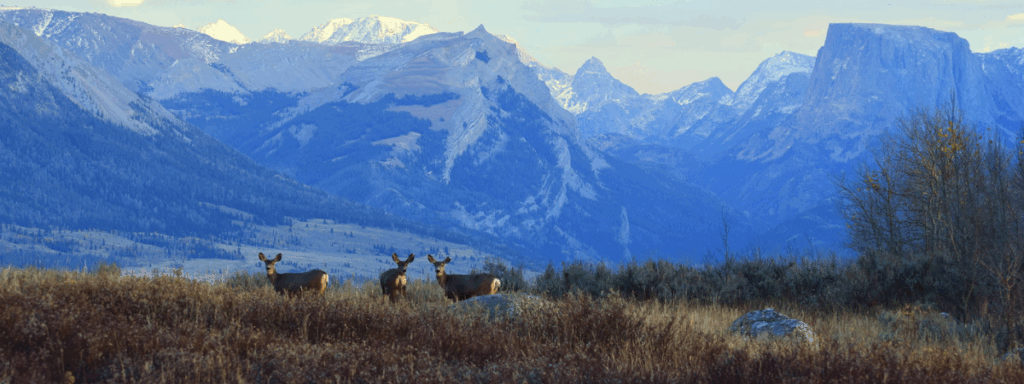
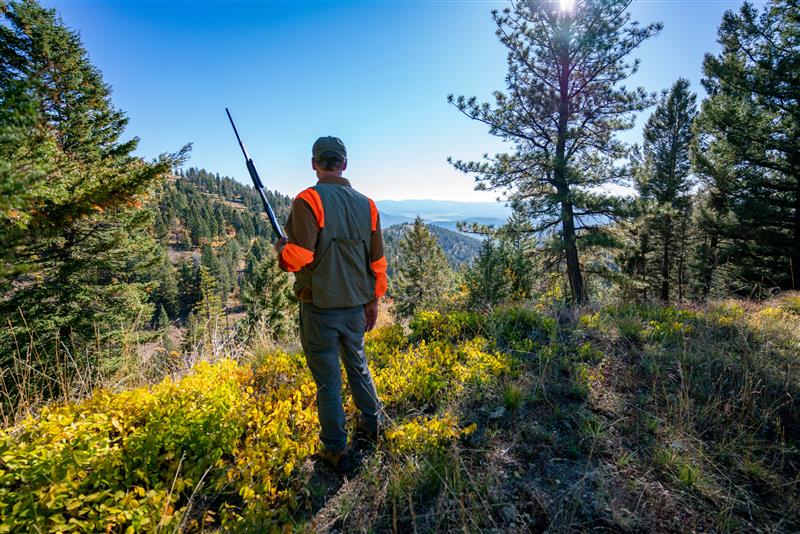
America’s 640 million acres of national public lands provide irreplaceable hunting and fishing opportunities to millions of Americans.

Learn More About Access
What TRCP is Doing

We’re working to safeguard America’s public lands so hunters and anglers always have quality places to pursue their passions.
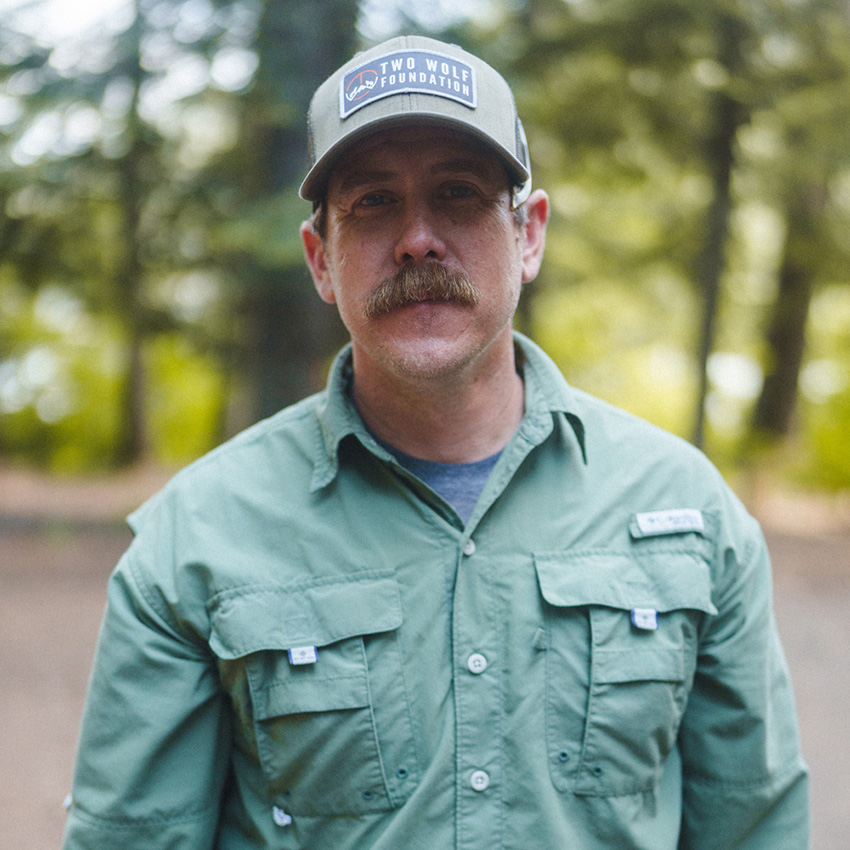
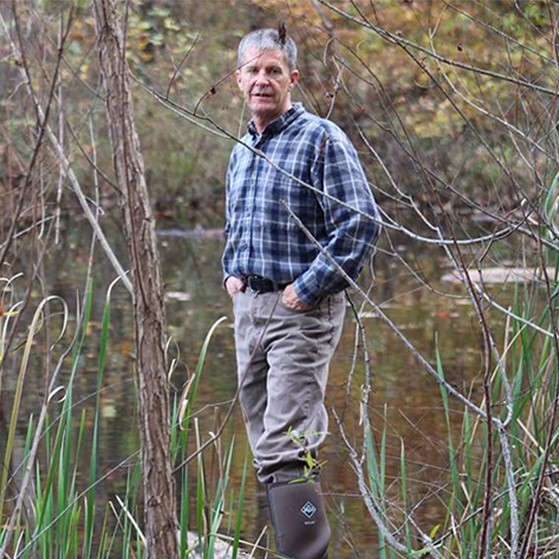
 Brian Flynn, Two Wolf Foundation
How Sportsmen Are Doing It Right

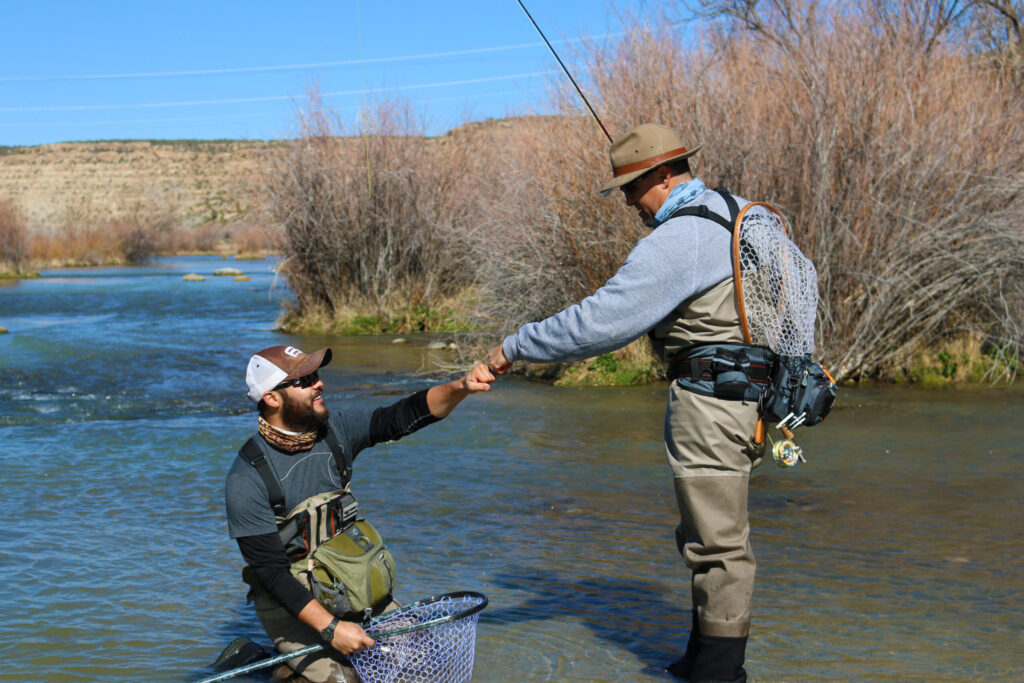
Brian Flynn, Two Wolf Foundation's Story

Following a distinguished career in the U.S. Army, lifelong outdoorsman Brian Flynn returned home from a deployment in Afghanistan and…

Hunting
Why It Matters

Key Issues for America’s Hunters

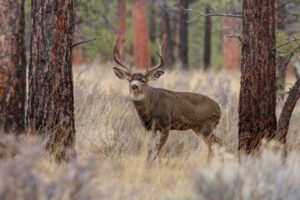
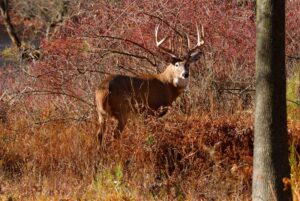
Your source for the latest policy updates, conservation challenges, and opportunities shaping America’s hunting traditions.

What TRCP is Doing

We’re fighting for meaningful policy changes that benefit wildlife, our waters, and the American landscapes that make our outdoor traditions possible.

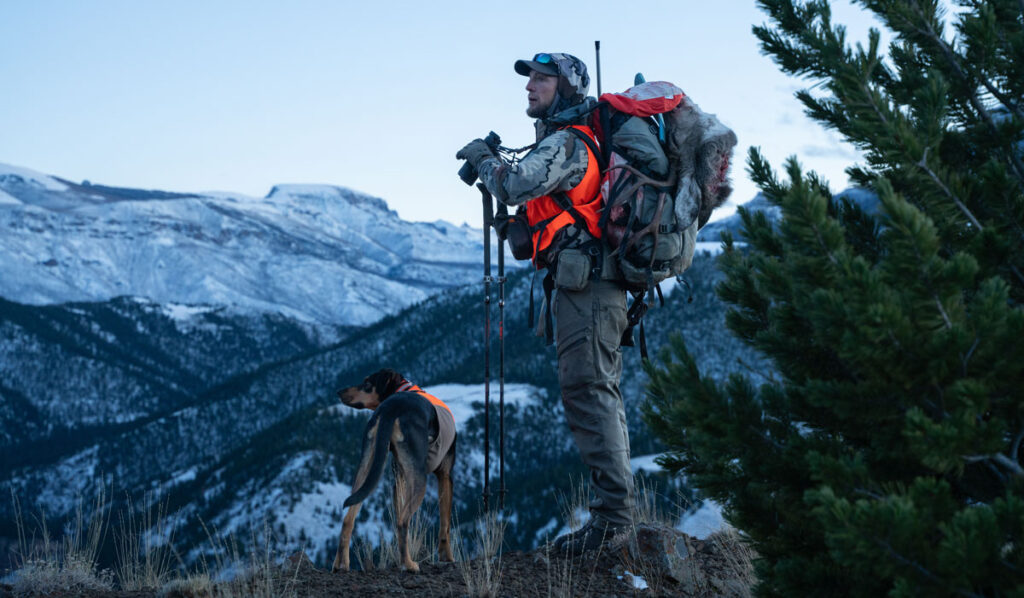
 Ryan Sparks
How Sportsmen Are Doing It Right

Ryan Sparks's Story

TRCP’s “In the Arena” series highlights the individual voices of hunters and anglers who, as Theodore Roosevelt so famously said,…

Fishing
Why It Matters

Key Issues for America’s Anglers

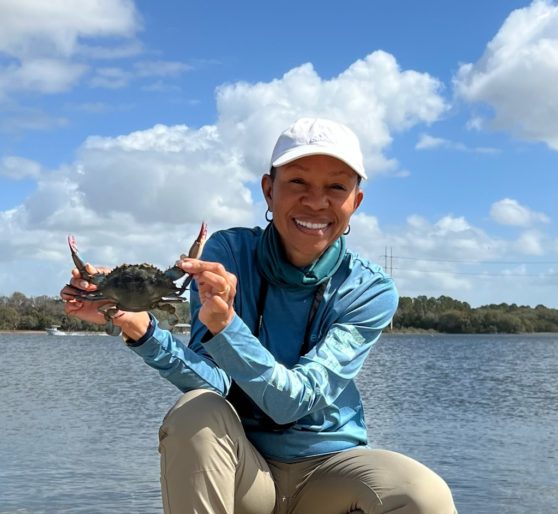
Your source for the latest policy updates, conservation challenges, and opportunities shaping America’s fishing traditions.

What TRCP is Doing

We’re fighting for meaningful policy changes that benefit wildlife, our waters, and the American landscapes that make our outdoor traditions possible.

 David Mangum
How Sportsmen Are Doing It Right

David Mangum's Story

Capt. David Mangum is a YETI ambassador and outdoor photographer who utilizes his talents to produce media that inspire a…

Private Land
Why It Matters

Stewardship on America’s private lands

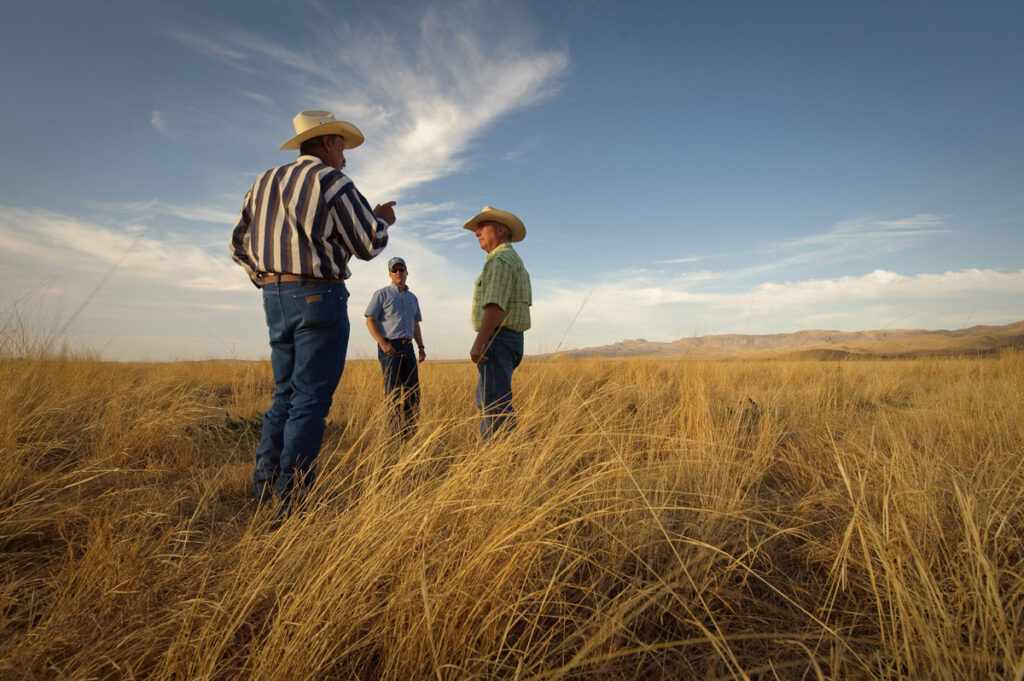
With 70 percent of U.S. lands in private hands and many of our best hunt and fish opportunities occurring there, investing in voluntary conservation on working lands safeguards access, strengthens habitat and water quality, and ensures resilient landscapes.

Learn More
What TRCP is Doing

We champion policies and programs that restore wildlife habitat, improve soil and water health, and keep working lands productive.

 Ward Burton
How Sportsmen are Doing It Right

Ward Burton's Story

Ward Burton’s NASCAR driving career stretched across most of two decades. As an avid sportsman and conservationist, he founded the…

Special Places
Why It Matters

Special Places Worth Protecting

America’s most iconic landscapes provide unmatched habitat and unforgettable days afield. These places sustain wildlife, anchor local economies, and define the hunting and fishing traditions we pass down.

What TRCP is Doing

We’re working to conserve special places that provide world-class habitat and unforgettable opportunities for hunters and anglers.

 Franklin Adams
How Sportsmen Are Doing It Right

Franklin Adams's Story

As a true Gladesman, conservationist, and historian, Capt. Franklin Adams has spent more than six decades championing Everglades restoration efforts…

Habitat & Clean Water
Why It Matters

Healthy Habitat Powers Every Pursuit

All hunting and fishing opportunities depend on quality habitat, from clean water and healthy wetlands to winter and summer habitats and the migration corridors that connect them.

All About Habitat & Clean Water
What TRCP is Doing

We are working to safeguard the habitats that power every hunting and fishing opportunity.

 Alex Harvey
How Sportsmen Are Doing It Right

Alex Harvey's Story

Alex Harvey, founder of Legacy Land Management, is a registered professional forester in Mississippi and Alabama with a Master's degree…

Science
Why It Matters

Science That Guides TRCP

From conserving migration corridors and wetlands to ensuring clean water and resilient landscapes, science provides evidence that turns conservation goals into effective action.

Science for Conservation
What TRCP is Doing

For hunters and anglers, science safeguards the experiences we treasure including resilient big game populations, abundant fish, and wild places that endure changing social landscapes.

Jamelle Ellis
Your Science Expert

Jamelle Ellis's Story

Jamelle Ellis joined the Theodore Roosevelt Conservation Partnership in 2022. Jamelle spent the last three years as an environmental sustainability…

Where We Work
Across the Nation

Conservation Across America

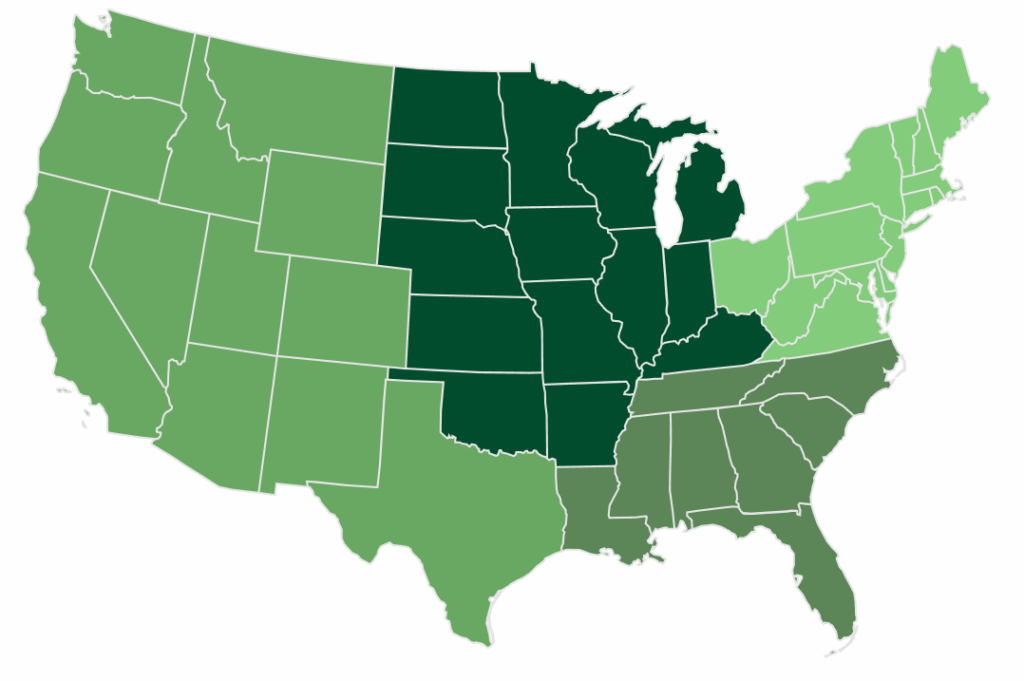
TRCP works across the country to ensure hunters and anglers can enjoy healthy fish and wildlife and quality days afield, no matter where they live.

See All Issues
TRCP in Your Region

TRCP works across the country to ensure hunters and anglers can enjoy healthy fish and wildlife and quality days afield, no matter where they live.

Who We Are
Our Mission

To guarantee all Americans quality places to hunt & fish

We unite and amplify our partners’ voices to advance America’s legacy of conservation, habitat, and access.

Our Mission & Values
Our People & Partners
  • Meet the TRCP Team

    Our staff and board members unite and amplify our partners’ voices to advance America’s legacy of conservation, habitat, and access.

    Meet the Team
  • Our Partners

    ‘Partnership’ is in our name. We work with 64 diverse partner groups that represent today’s leading hunting, fishing, and conservation organizations in order to strengthen the sportsman’s voice in Washington, D.C.

    Our Partners
  • Corporate Council

    TRCP’s Corporate Council is made up of diverse corporations that share a common passion for conservation.

    Corporate Council
Our Organization

Looking for more information?

Explore our latest news, policy updates, and conservation resources to get the information you need.

Giving
How You Can Help

To guarantee all Americans quality places to hunt & fish

Your tax-deductible donation will support TRCP's mission, now and into the future.

DONATE
Special Ways to support trcp
  • Capital Conservation Awards Dinner

    The CCAD is one of Washington's best-attended conservation celebrations, featuring dinner, cocktails, and a silent auction.

    Learn More
  • Step Into the Arena

    Help us ensure that our treasured wild habitats and game remain intact for the next generation to enjoy – lend your support to the TRCP’s efforts today!

    Donate
  • Roosevelt Roast

    TRCP has partnered with Afuera Coffee Co. to further our commitment to conservation.

    Learn More
More donation options

Find the best way for you to lend your support. Join one of TRCP’s donor circles for special invitations, premium offerings from outdoor retailers, and more exclusive benefits. Take control of your legacy with planned giving or contribute to special conservation funds.

Other Ways To Give
News
In the Spotlight

In the Arena: Josh Warren

For many hunters and anglers, the connection to conservation begins close to home — in the woods behind the house, along a familiar stretch of river, or through time spent learning from mentors and family. That sense of place is something Joshua Warren carries with him, both personally and professionally. As Director of Marketing at WorkSharp, Josh represents a company rooted in Ashland, Oregon, a community defined by its access to public lands and wild country.

Read More

Stay Informed

Receive our newsletter, the Roosevelt Report, right in your inbox. Never miss the latest news in conservation issues.

March 21, 2024

Tracking Congress: The Impact of 2024 Budget Allocations on Hunters and Anglers 

Appropriators in Congress recently began passing fiscal year 2024 funding bills that contain both highlights and disappointments for conservation.

After arduous negotiations, Congress has finally started to pass funding bills for fiscal year 2024. These bills bring about significant changes to the funding levels of programs that hold a special place in the hearts of hunters and anglers. Listed below are some highlights and disappointments from the recently enacted federal spending bills. 

Robust Funding for Everglades Restoration  

Everglades restoration has come a long way since the Comprehensive Everglades Restoration Plan was authorized by Congress in 2000. Harmful discharges from estuaries have been reduced, wetlands have been restored, and greater amounts of water are flowing from north to south. However, there is still work to be done, including the continued construction of the Everglades Agricultural Area Reservoir. When completed, the reservoir will hold overflows from Lake Okeechobee and filter the water before sending it south. This $425 million investment will boost Everglades restoration efforts and improve hunting and fishing opportunities.  

Increased Funding for WaterSMART 

WaterSMART grants provide financial assistance to water managers for initiatives aimed at conserving and optimizing water usage, implementing renewable energy, exploring water marketing tactics, mitigating conflict risks in high-risk water areas, and achieving other sustainability objectives in the western United States. The increased funding for WaterSMART grants will help safeguard habitats that sustain fish and wildlife and are important to hunters and anglers. 

Increased Funding for Atlantic and Pacific Salmon for National Marine Fisheries Services 

The populations of Atlantic and Pacific Salmon both feature endangered subpopulations.  In the Pacific, this funding has led to stabilization and recovery of several subpopulations, such as the chum, Snake River Chinook, Lower Columbia Steelhead, and Lower Columbia River Coho salmon. These increased funds will continue to bolster habitat restoration, improvements to upstream and downstream fish passage, and other conservation efforts aimed at contributing to higher functioning watersheds and better-quality fishing opportunities for future generations. 

Good Neighbor Authority Extended to National Park Service and U.S. Fish and Wildlife Service 

Good Neighbor Authority allows federal agencies to authorize states, counties, and tribes to conduct land management and restoration projects on federal lands. GNA is a win-win-win as it enables federal agencies with limited capacity to partner with states, counties, and tribes to achieve large-scale forest, watershed, and rangeland health outcomes.  By extending the GNA to the National Park Service and the U.S. Fish and Wildlife Service, hunters and anglers will continue benefiting from the collaboration it fosters to conduct land management and restoration projects on new swaths of federal land. 

Funding Cuts at The Bureau of Land Management  

Among the Bureau of Land Management programs receiving funding cuts are the Recreation Management program, Resource Management Planning program, Rangeland Management program, Wildlife Habitat Management program, and the Aquatic Habitat Management program. The funding cuts will impact the BLM’s ability to help manage and improve vast amounts of public land for hunting and fishing.  

Funding Cuts to the National Wildlife Refuge System 

For the past fifteen years, the National Wildlife Refuge System has functioned with a Fiscal Year 2010 budget. Not once in a decade and a half have their funds been adjusted for inflation, and this lack of investment is reflected in the number of full-time staff diminishing even as the system expands. Low staffing levels directly affect the system’s ability to conduct habitat restoration and management, provide visitor services, and support law enforcement. The National Wildlife Refuge System budget saw a 3% budget cut from 2023, which means more staff dedicated to managing these public lands, and the hunting and fishing opportunities they provide, will be lost.  

Funding Cuts at The U.S. Geological Service   

The U.S. Geological Service saw cuts of up to 5% for its scientific research programs focused on Chronic Wasting Disease, controlling invasive species, and adapting to climate change. Investment in CWD research is essential as the always-fatal disease has now been detected in 32 states. The cost to control and eradicate aquatic invasive species in the U.S. amounts to more than $100 billion each year.  

Funding Cuts at The U.S. Forest Service  

The Wildlife and Fisheries Habitat Management, and Recreation, Heritage, and Wilderness initiatives of the USFS received cuts of up to 20%. These cuts will hamper the ability of USFS to manage habitat on their lands, and research best practices to manage forests and reduce wildfire risk. The Wildlife and Fisheries Habitat Management funding goes towards restoring fish and wildlife habitat, conserving threatened species, and maintaining wildlife habitat connectivity on USFS land. The Recreation, Heritage, and Wilderness initiative provides funds for improving access to and recreation on USFS land, including planning resources, trail management, and the off-highway vehicle program.


Hunters and anglers have always been the unsung heroes of conservation in America, quietly paying it forward every time we buy a license, a box of ammo, or a tank of boat fuel. We know you’re not satisfied with simply going hunting or fishing and then going home—so go the extra distance. You can take action on the conservation issues that matter right now. Click here to get started.

Do you have any thoughts on this post?

XHTML: You can use these tags: <a href="" title=""> <abbr title=""> <acronym title=""> <b> <blockquote cite=""> <cite> <code> <del datetime=""> <em> <i> <q cite=""> <s> <strike> <strong>

Comments must be under 1000 characters.

February 29, 2024

What is the Agricultural Conservation Easement Program? 

The Agricultural Conservation Easement Program is a Farm Bill conservation program that protects wildlife habitat and maintains open spaces.  But what exactly is ACEP and how does it benefit hunters and anglers? 

In this short video, we demystify a crucial Farm Bill conservation program, the Agricultural Conservation Easement Program (ACEP), and shed light on its benefits to hunters and anglers. 

This program helps to protect wetlands, grasslands, and working farms and ranches through conservation easements. 

ACEP easements keep working lands working, ensuring farms and ranches in key areas are not developed or subdivided and maintaining their value for wildlife. By protecting and enhancing wetlands, ACEP easements not only provide prime habitat for waterfowl and other important species, but also sequester carbon, improve water quality, mitigates impacts of flooding, and maintain surface water during dry spells. 

The Farm Bill is the largest piece of conservation legislation that will come before the 118th Congress.  You can help ensure that habitat and wildlife remain central to sensible farm policy in the United States here

Learn more about Farm Bill Conservation Programs here

February 23, 2024

What is the Environmental Quality Incentives Program?

The Environmental Quality Incentives Program is a crucial Farm Bill program focused on helping farmers, ranchers and forest landowners integrate conservation into their working lands.  But what exactly is EQIP and how does it benefit hunters and anglers? 

In this short video, we demystify a crucial Farm Bill conservation program, the Environmental Quality Incentives Program (EQIP), and shed light on its benefits to hunters and anglers.

EQIP is a voluntary conservation program that allows farmers, ranchers, and forest landowners to enhance water quality, strengthen wildlife habitat, and reduce soil erosion and sedimentation.  

The benefits of EQIP for fish, wildlife and agriculture are significant.

The Farm Bill is the largest piece of conservation legislation that will come before the 118th Congress.  You can help ensure that habitat and wildlife remain central to sensible farm policy in the United States here

Learn more about Farm Bill Conservation Programs here

February 15, 2024

What is the Conservation Reserve Program?

Since its introduction in the 1985 Farm Bill, the Conservation Reserve Program has been one of the nation’s most important conservation programs. But what is the CRP and how does it benefit hunters and anglers?

In this short video, we demystify a crucial Farm Bill conservation program, the Conservation Reserve Program (CRP), and shed light on its benefits to hunters and anglers.

Introduced in the 1985 Farm Bill, the Conservation Reserve Program incentivizes landowners to put a portion of their land into conservation cover, particularly on acres that would be more productive as wildlife habitat than they are for crops.

Many of the species we love to pursue find habitat in farm country thanks to the CRP. Without the CRP, pheasant numbers would plummet, the northern plains states would lose much of their duck breeding habitat, sage grouse in the West would be at even greater risk, and brook trout would decline in Eastern headwaters. Put simply, without the CRP, millions of sportsmen and women would lose hunting and fishing opportunities across rural America.

The Farm Bill is the largest piece of conservation legislation that will come before the 118th Congress.  You can help ensure that habitat and wildlife remain central to sensible farm policy in the United States here

Learn more about Farm Bill Conservation Programs here

January 25, 2024

Building Better Duck Hunting Through Working Lands Conservation 

Funding the Migratory Bird Resurgence Initiative will enhance critical habitat for migratory birds.  

Waterfowl hunters have worked for decades to ensure that ducks and geese have quality places to nest, raise their broods, and winter. Through nearly a century of wetland protection and restoration, we’ve made great strides toward ensuring the long-term viability of waterfowl populations. Much of this habitat is on private agricultural lands. For example, the Prairie Pothole Region (PPR), an expansive area in the northern Great Plains, is where 50-70% of North America’s ducks are hatched each year. It is also about 90% privately owned, with over half of the region in crop production. 

Cropland wetlands, like those in the PPR, are protected from drainage through the wetland conservation compliance provisions of the Farm Bill, commonly known as Swampbuster, but they are typically not managed for waterfowl. Instead, they are usually farmed during dry years and left alone when flooded. This strategy can be successful for farmers when conditions are good, but it adds operational uncertainty and often leads to lost profit from flooding or soil salinity. 

Recognizing an opportunity, our partners at Delta Waterfowl and Ducks Unlimited worked directly with farmers, commodity groups, and state agencies to find ways to increase and enhance duck nesting habitat in the PPR. The solution they devised would be voluntary and incentive based, turning wetlands previously seen as an inconvenience into an asset. First piloted in North Dakota in 2015, this project became known as the Migratory Bird Resurgence Initiative (MBRI). The MBRI uses the Environmental Quality Incentives Program (EQIP), a Farm Bill Conservation program, to conserve the most important and most at risk small shallow wetlands. This practice provides a clear market signal to farmers that these small wetlands have value-not just to breeding ducks, but all people in the prairies and beyond. EQIP is well liked by farmers due to its numerous practice options and a great degree of flexibility. Thus, packaging a suite of EQIP practices into the MBRI makes it easier for farmers to enroll and for Natural Resources Conservation Service (NRCS) staff to administer.  

It’s important to foster more and better habitat in the breeding grounds, but without adequate winter habitat we won’t increase duck populations. Again, working in partnership with farm groups, Delta Waterfowl, and Ducks Unlimited, biologists identified post-harvest flooding of rice fields as a cost-effective way to increase habitat in a way that works with, not against, farmers’ operations. Here’s how:  

Rice fields are engineered to be flooded during the growing season, which reduces weed pressure and increases yield. This design makes fields easy to flood in the winter too, during which time the flooding creates massive areas of winter habitat for ducks, geese, shorebirds, and more. These shallow water habitats also create public hunting opportunities, such as through the Arkansas Waterfowl Rice Program. 

What’s Next 

In 2024, the Theodore Roosevelt Conservation Partnership (TRCP) and our partners are asking that NRCS allocate additional funds for the PPR (MT, ND, SD, IA, and MN) and for the wintering grounds (MS, AR, CA, TX, LA). Our partners at Delta Waterfowl estimate that investment in the MBRI would: 

  • Conserve more than half the region’s remaining small cropland wetlands. 
  • Create 500,000 acres of flooded rice winter habitat. 
  • Support more than a half million breeding pairs of ducks, countless shorebirds and other species. 
  • Store nearly 9.5 million tons of carbon annually  
  • Digest over 16 million pounds of nitrogen and 1.6 million pounds of phosphorus annually, improving water and air quality. 
  • Store more than 275,000 acre-feet of water, mitigating both drought and flooding. 

By using the voluntary, incentive-based framework of Farm Bill conservation, we can create these outcomes in places we could never reach with other strategies. So, what needs to be done to make this a reality?  

First, the NRCS needs to commit funds to the MBRI that reflect its innovative design and wide-ranging benefits. Restoring wetlands and creating wetland wildlife habitat fits squarely within the NRCS’ mission and few if any initiatives better meet NRCS’ stated objectives (even fewer were designed with as much intentional collaboration among hunters and farm groups). One way to financially support the MBRI would be by recognizing Wetland Wildlife Habitat Management as a climate-smart practice, which would make it eligible for funding through the Inflation Reduction Act. Wetlands are carbon storage powerhouses and restoring them only increases their capabilities. 

Second, Congress needs to pass a Farm Bill that ensures that conservation programs like EQIP continue to support both agricultural production and wildlife habitat.

Click here to learn more about the Farm Bill and get involved.


HOW YOU CAN HELP

TRCP has partnered with Afuera Coffee Co. to further our commitment to conservation. $4 from each bag is donated to the TRCP, to help continue our efforts of safeguarding critical habitats, productive hunting grounds, and favorite fishing holes for future generations.

Learn More
Subscribe


You have Successfully Subscribed!

You have Successfully Subscribed!

You have Successfully Subscribed!

You have Successfully Subscribed!

You have Successfully Subscribed!